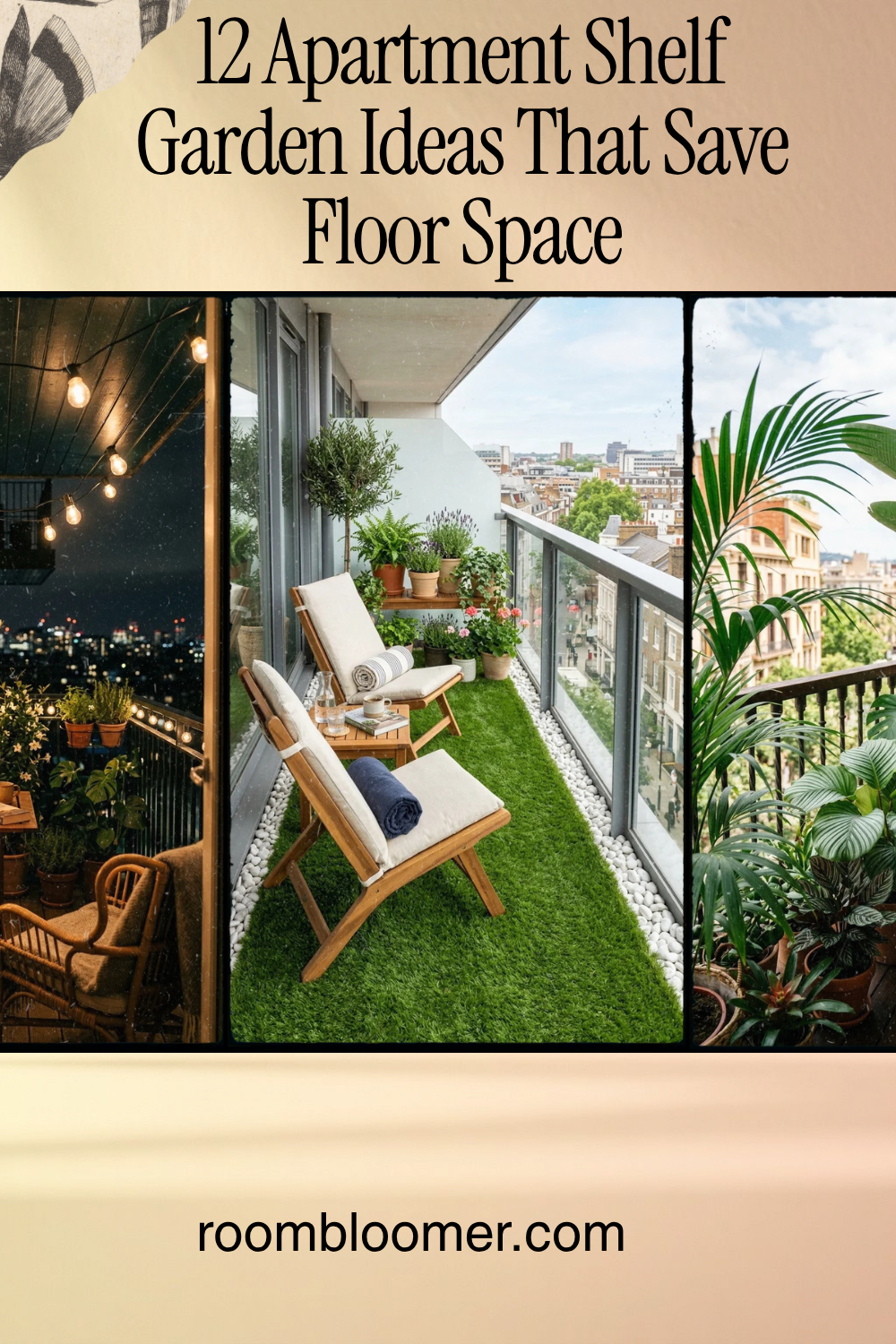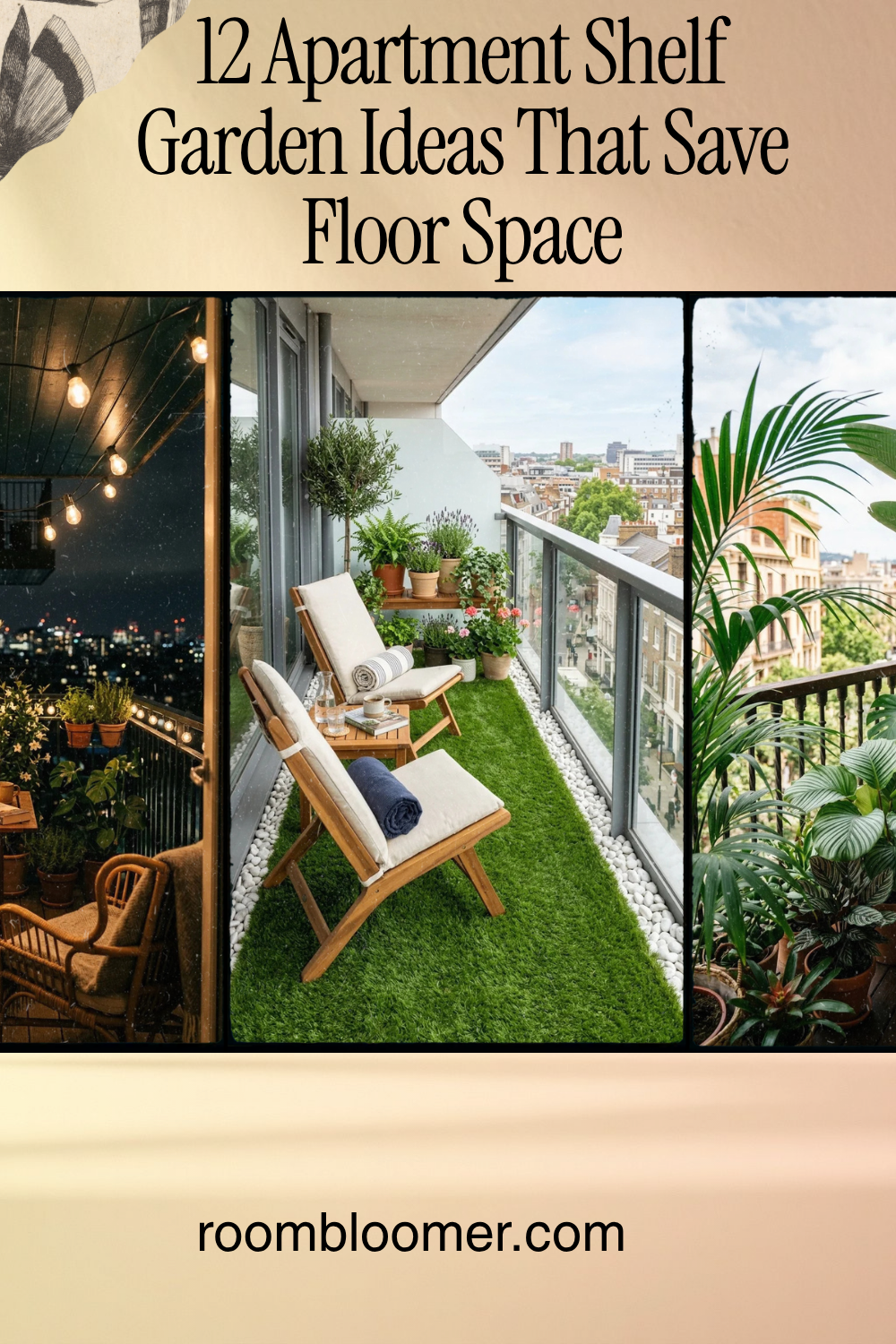
Living in an apartment often means trading a sprawling backyard for a cozy balcony or a sunny windowsill. But a lack of square footage shouldn’t mean a lack of life. In fact, small-space gardening is one of the most rewarding ways to transform a sterile urban dwelling into a breathing, vibrant sanctuary. Beyond the aesthetic appeal, bringing the outdoors in has been scientifically proven to reduce stress, improve air quality, and boost productivity.
The secret to successful apartment gardening lies in thinking vertically, choosing the right species, and getting creative with your furniture. Whether you are a seasoned “plant parent” or someone who has struggled to keep a single cactus alive, these ten ideas will help you maximize your space and turn your home into a lush, green oasis.
1. Vertical Walls
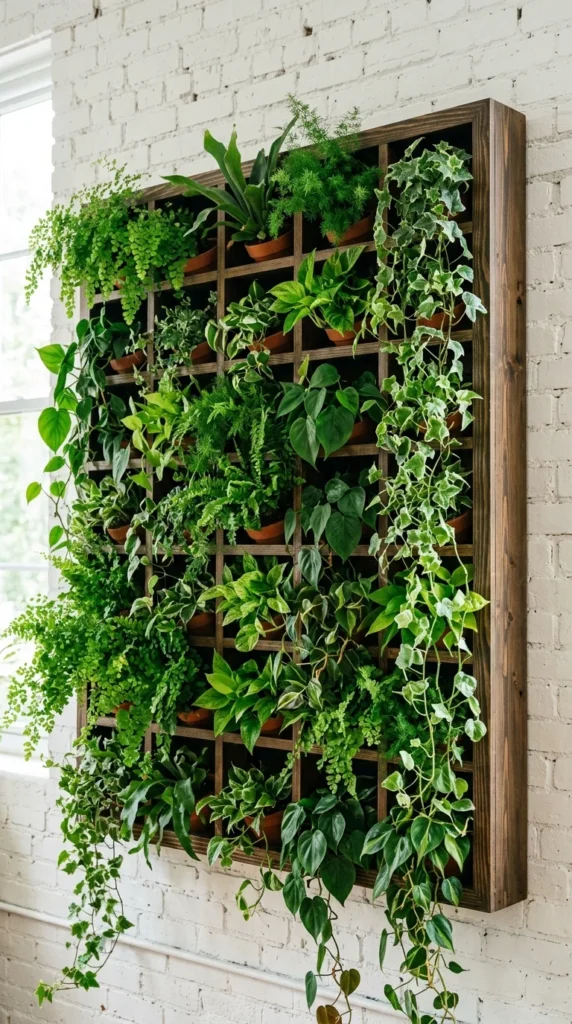
When you run out of floor space, the only way to go is up. Vertical gardening is the ultimate hack for apartment dwellers. By utilizing your walls, you can create a “living mural” that acts as a focal point for any room. There are several ways to achieve this, from modular felt pockets that hang like an organizer to sophisticated irrigation systems built into a frame.
The beauty of a vertical wall is the sheer density of plants you can fit into a single square foot of floor-level space. For a low-maintenance version, choose “spillers”—plants that naturally trail downward, such as Pothos or Heartleaf Philodendron. These will eventually grow to cover the structure, creating a seamless curtain of green that masks the hardware underneath.
2. Floating Shelves
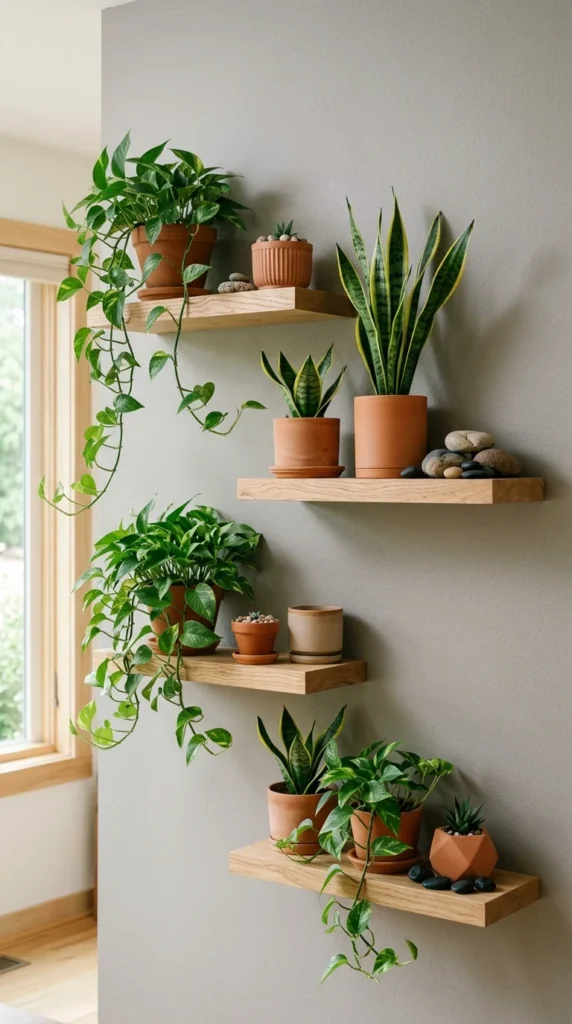
Floating shelves are a minimalist’s dream. Unlike bulky bookcases, floating shelves keep the floor clear, which maintains an airy, open feel in a small room. By staggering shelves at different heights, you create visual rhythm and can tailor the placement to each plant’s light needs.
When styling your “plant shelves,” play with levels. Put trailing plants on the highest shelf so their vines can drape down, and place more upright, structural plants like a Sansevieria (Snake Plant) on the lower tiers. Mixing in a few books or ceramic pieces helps the garden feel like an integrated part of your home decor rather than an isolated project.
3. Hanging Planters
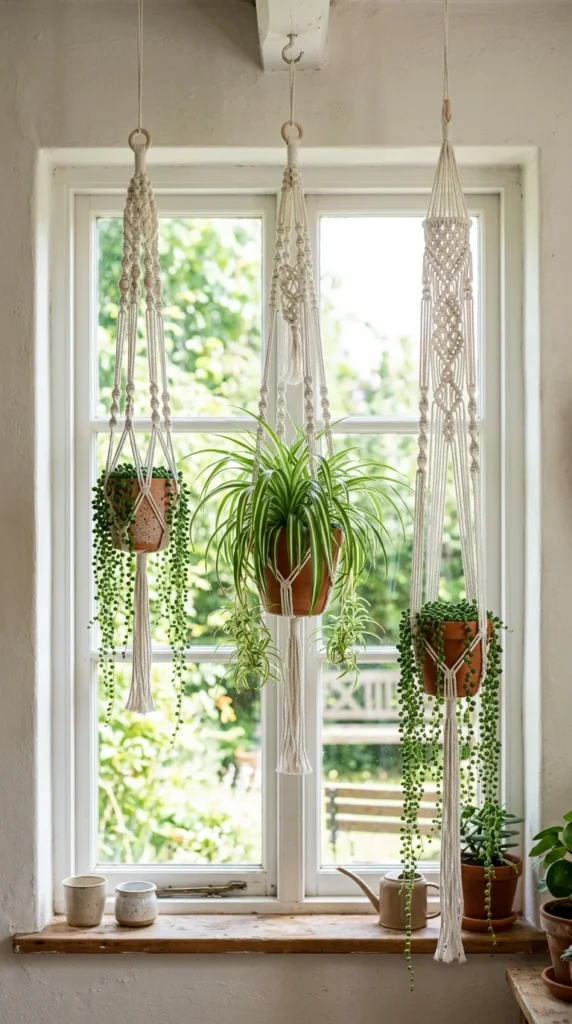
Hanging plants are the “jewelry” of the apartment garden. They occupy the “dead space” near your ceiling and can be placed in front of windows without blocking your view or taking up precious counter space. Macrame hangers have seen a massive resurgence, offering a bohemian, textured look that softens the sharp corners of a room.
For those who want a more modern aesthetic, sleek ceramic or glass globes suspended by thin wire can create a “floating garden” effect. This is particularly effective in corners or above a dining table. Just be sure to use a sturdy ceiling hook and consider a “pulley” system if you have high ceilings to make watering easier.
4. Windowsill Gardens
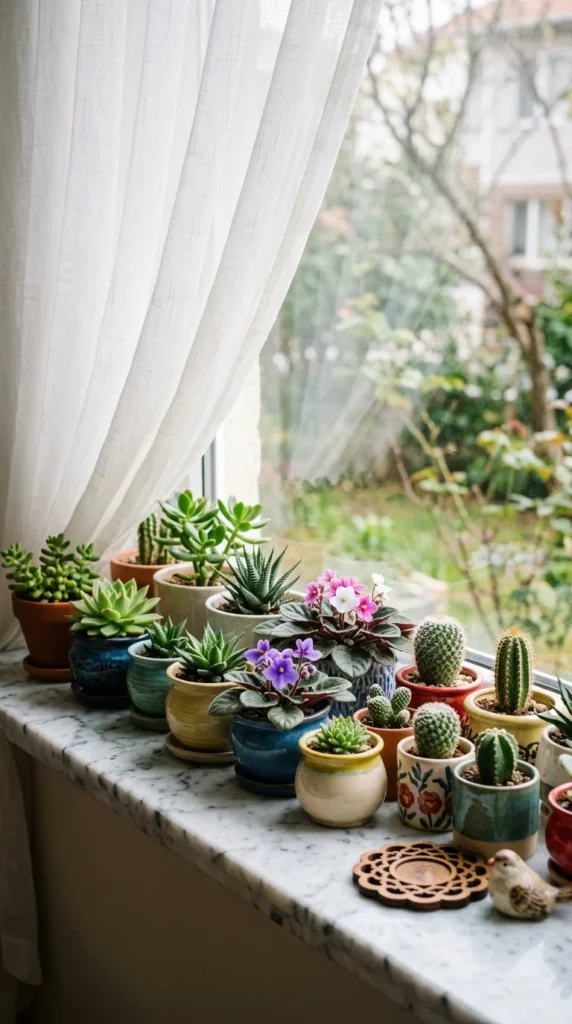
The windowsill is often the most underutilized real estate in an apartment. It’s also where the light is most intense, making it the perfect home for sun-lovers. If your sills are narrow, you can purchase “sill extenders” or small suction-cup shelves that attach directly to the glass.
This is the ideal spot for a succulent collection. Since succulents have shallow root systems and require minimal water, they can thrive in small, decorative pots that fit perfectly on a ledge. If you have a north-facing window with less light, opt for an African Violet or a Peace Lily, which will appreciate the consistent, indirect glow.
5. Plant Carts
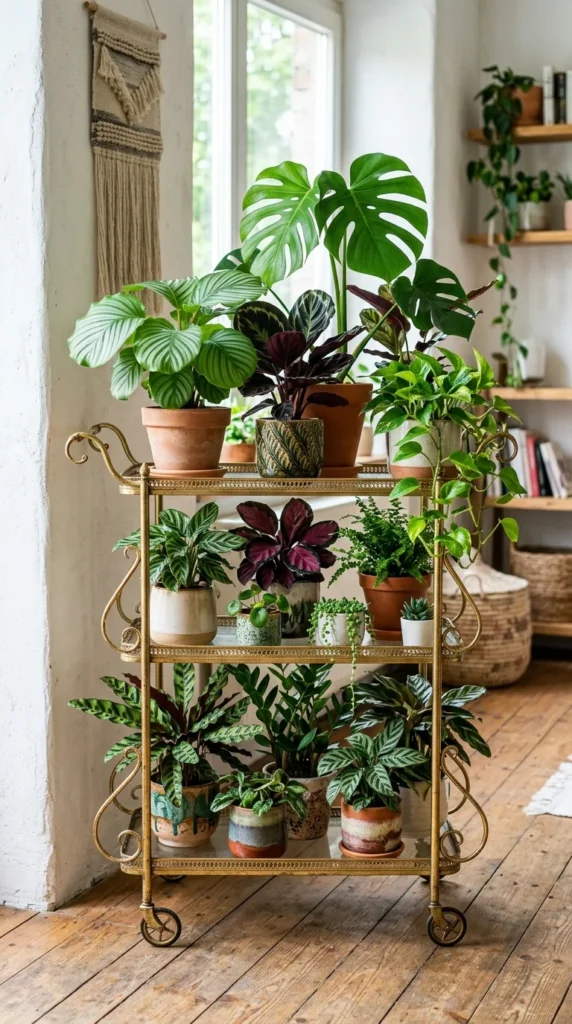
Flexibility is key in a small apartment. A tiered rolling cart (often sold as bar carts or utility carts) allows you to move your garden according to the season or even the time of day. If your living room gets great morning light but the afternoon sun moves to the bedroom, you can simply wheel your greenery to the best spot.
Carts are also excellent for grouping plants with similar needs. You can keep your humidity-loving ferns on the bottom shelf with a small humidifier and your light-loving succulents on the top. The industrial-chic look of a metal cart contrasts beautifully with the organic shapes of the leaves, making it a stylish addition to any corner.
6. Glass Terrariums
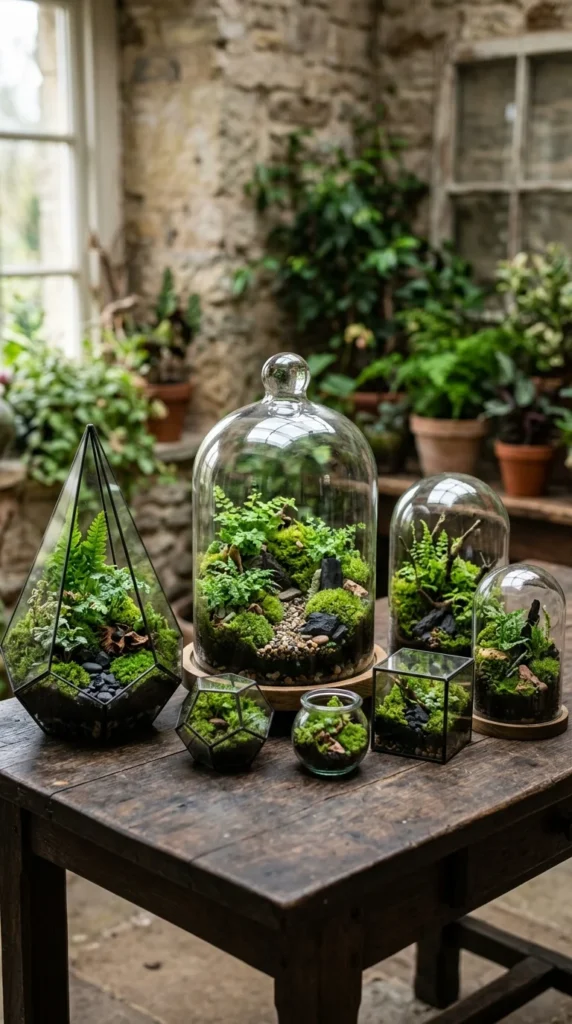
If you want a garden but don’t want the mess of soil and drainage holes, a terrarium is your best friend. These self-contained ecosystems are essentially “gardens under glass.” Because they trap moisture, they create a high-humidity environment that many tropical plants crave—perfect for the dry air often found in apartment buildings.
You can choose between open terrariums (best for succulents and cacti) and closed terrariums (best for ferns and mosses). They act as living sculptures and can be placed on coffee tables, nightstands, or even tucked into a bookshelf. They are low-maintenance and provide a fascinating look at the lifecycle of plants on a miniature scale.
7. Herb Stations
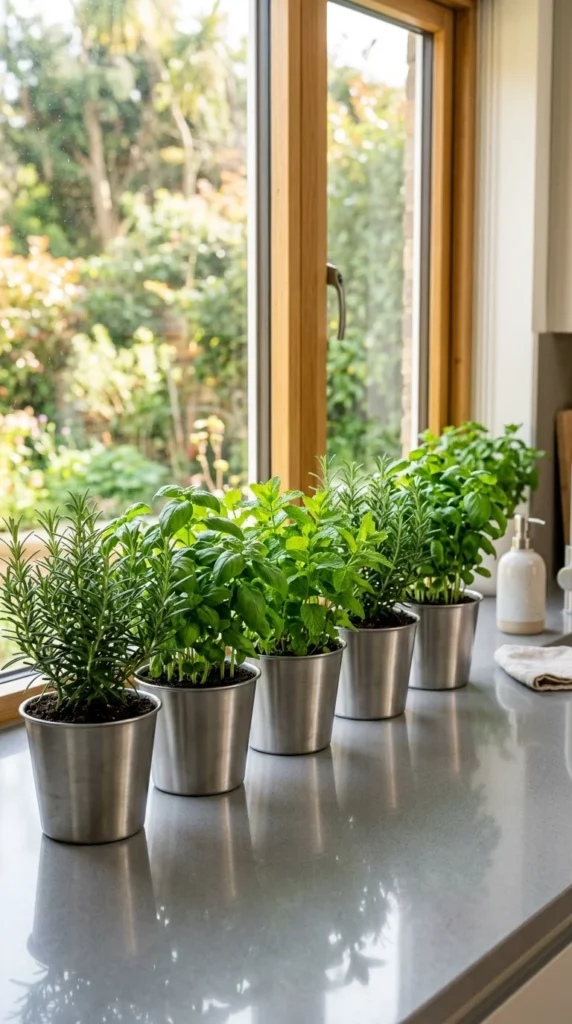
Who says a garden can’t be functional? A kitchen herb garden is one of the most satisfying small-space projects. Not only does it provide a pop of color to your kitchen, but it also gives you fresh, organic ingredients for your cooking.
Common herbs like basil, mint, parsley, and chives grow exceptionally well indoors as long as they get at least six hours of sunlight. If your kitchen is dark, consider a wall-mounted herb rack near your brightest window or a small “grow-bar” with built-in LED lights. The aroma of fresh rosemary or mint filling your apartment is a bonus no other houseplant can provide.
8. Hydroponic Systems
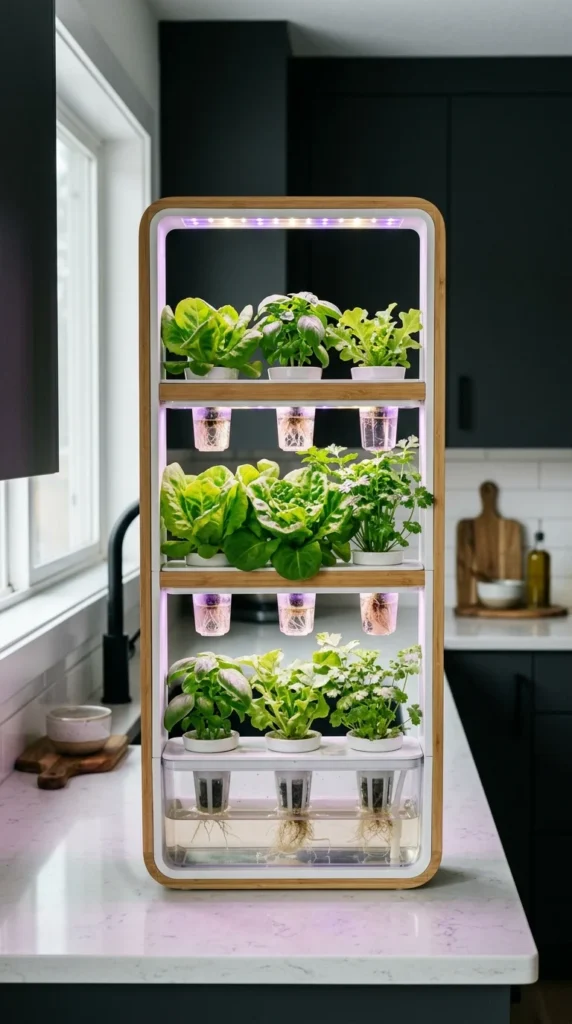
For the tech-savvy urbanite, hydroponics offers a way to grow plants without any soil at all. These systems use nutrient-rich water and specialized LED lights to grow plants faster and more efficiently than traditional methods. Because they don’t require soil, they are incredibly clean and perfect for small countertops.
Smart indoor gardens are now designed to be aesthetically pleasing, often looking like high-end kitchen appliances. They take the guesswork out of gardening by alerting you when to add water or nutrients. This is the perfect solution for “black thumbs” or for apartments that simply don’t get enough natural light to support traditional plants.
9. Living Dividers
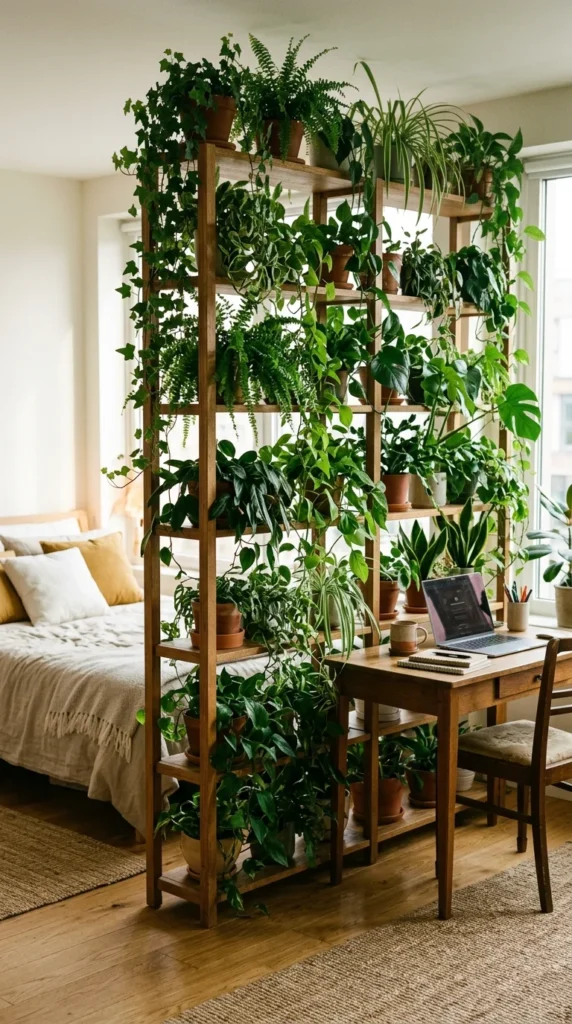
In studio apartments, defining separate areas for sleeping, working, and relaxing is crucial. Instead of using a heavy curtain or a solid wall, why not use a living divider? By filling an open-back bookshelf with a variety of plants, you create a screen that offers privacy while still letting light pass through.
Use tall, architectural plants like Snake Plants or Dracaenas to create height, and fill the gaps with smaller, bushier plants like Pothos or Marantas. This not only creates a physical boundary but also creates a “micro-climate” of fresh air around your workspace or bed, helping you feel more relaxed in your divided space.
10. Corner Clusters
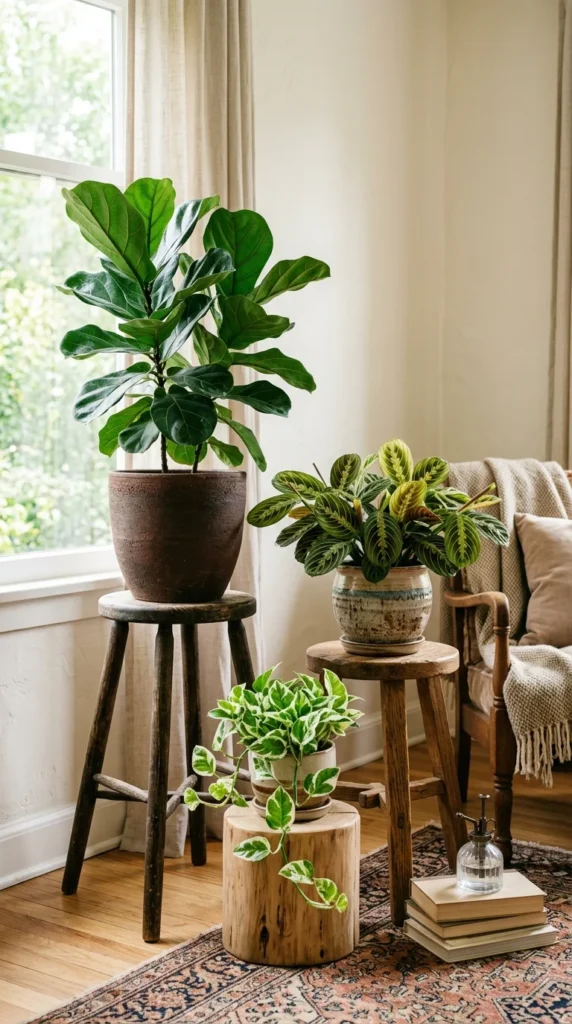
Every apartment has that one “dead corner” that feels empty or awkward. A plant cluster is the perfect way to breathe life into these spaces. The key to a successful cluster is varying the heights. Use a mix of floor plants, plant stands, and small stools to create a tiered effect.
Grouping plants isn’t just about looks; it’s actually better for the plants’ health. When plants are clustered together, they transpire and create a pocket of higher humidity, which helps them thrive in indoor environments. Choose one “anchor” plant—like a tall Fiddle Leaf Fig or a Monstera—and surround it with smaller companions of different textures and shades of green to create a lush, forest-like feel.