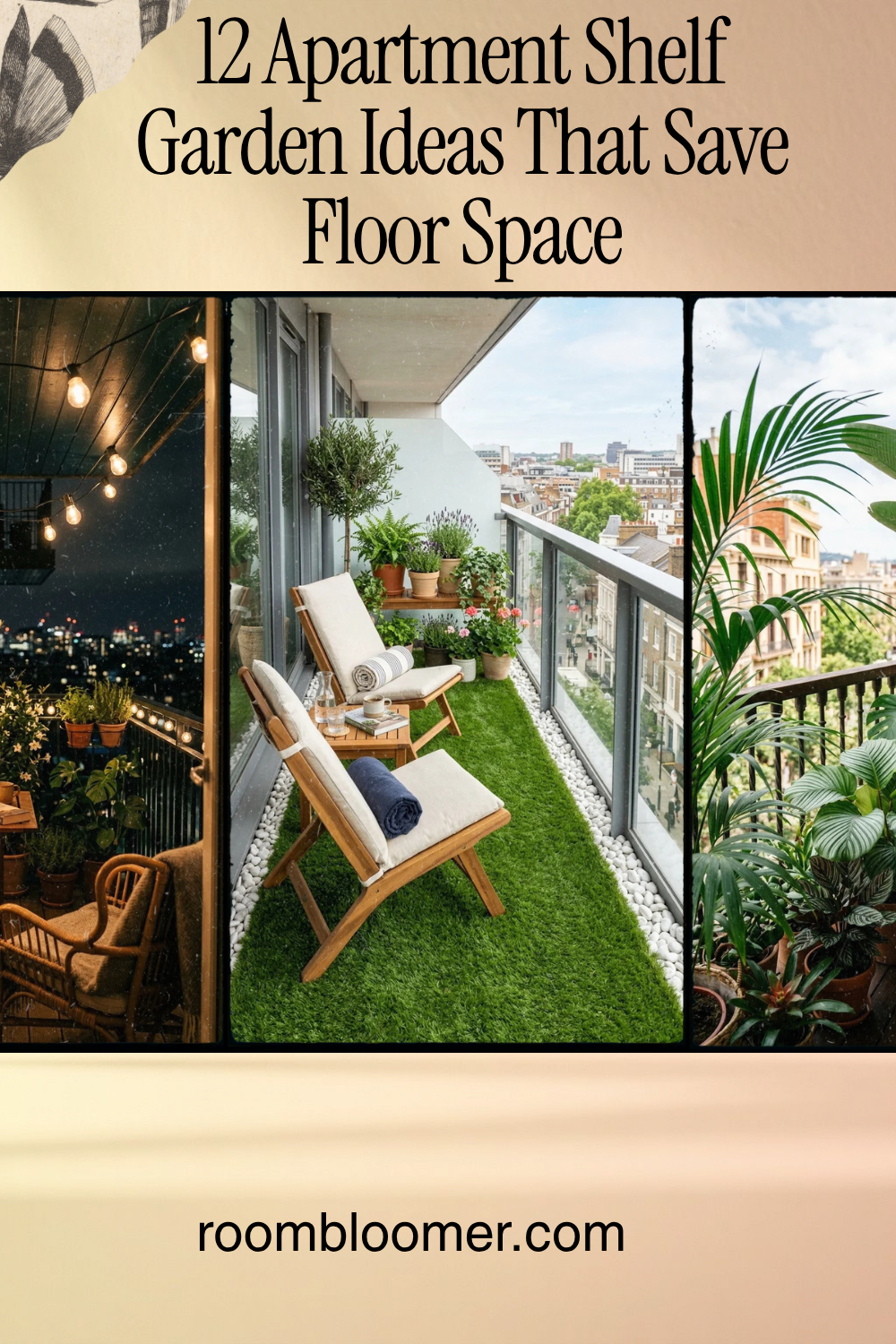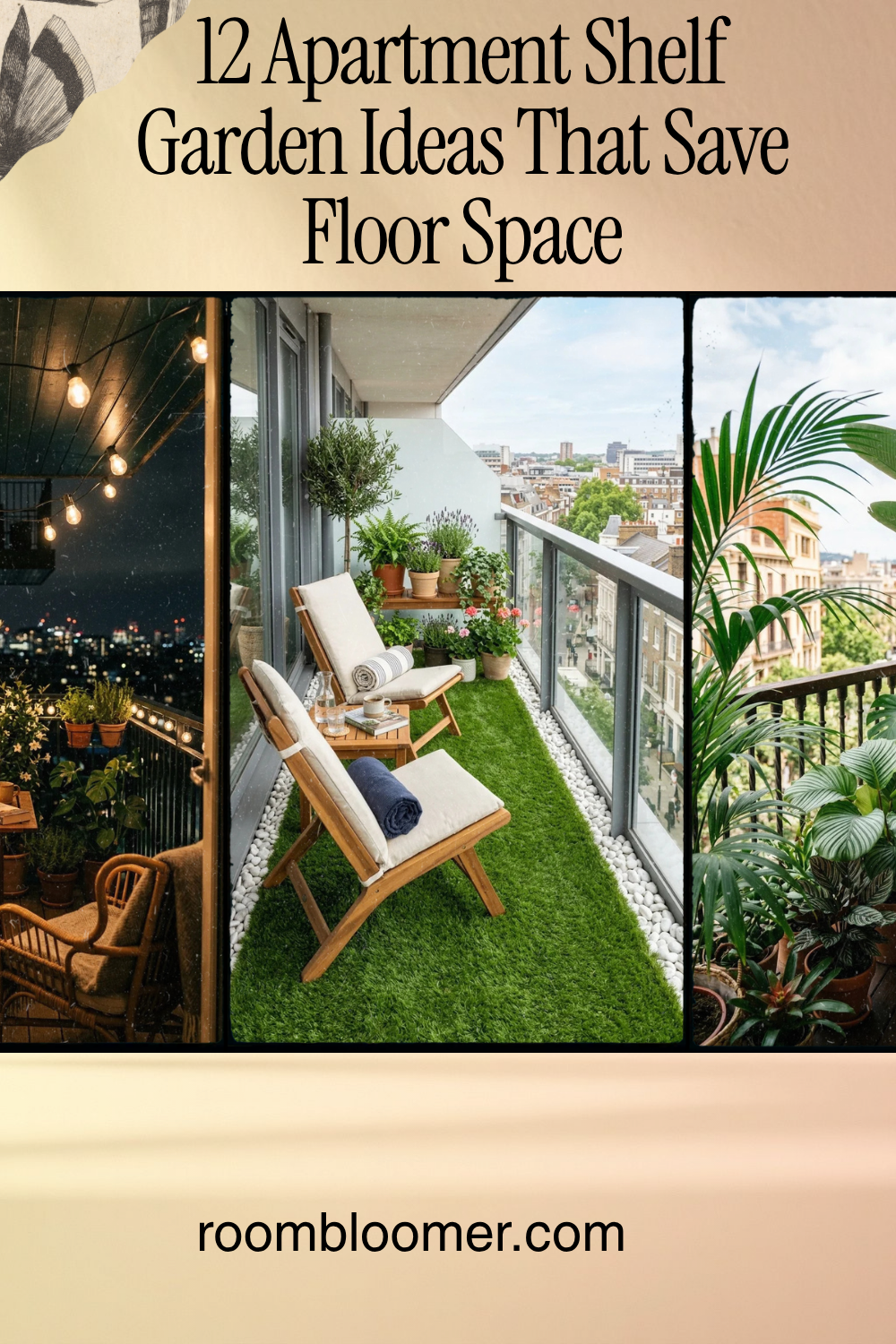
The dream of a lush, sprawling garden used to be reserved for those with vast backyards and rolling hills. But as we move into 2026, the trend of “biophilic living” has officially conquered the urban landscape. Apartment dwellers are no longer content with a single, lonely succulent on a windowsill. We are seeing a revolution in indoor horticulture, where technology meets aesthetics to turn even the smallest studio into a thriving sanctuary.
Whether you are looking to grow your own superfoods or simply want to breathe cleaner air while you work from home, these eleven indoor garden ideas represent the cutting edge of urban gardening.
1. Hydroponic Towers
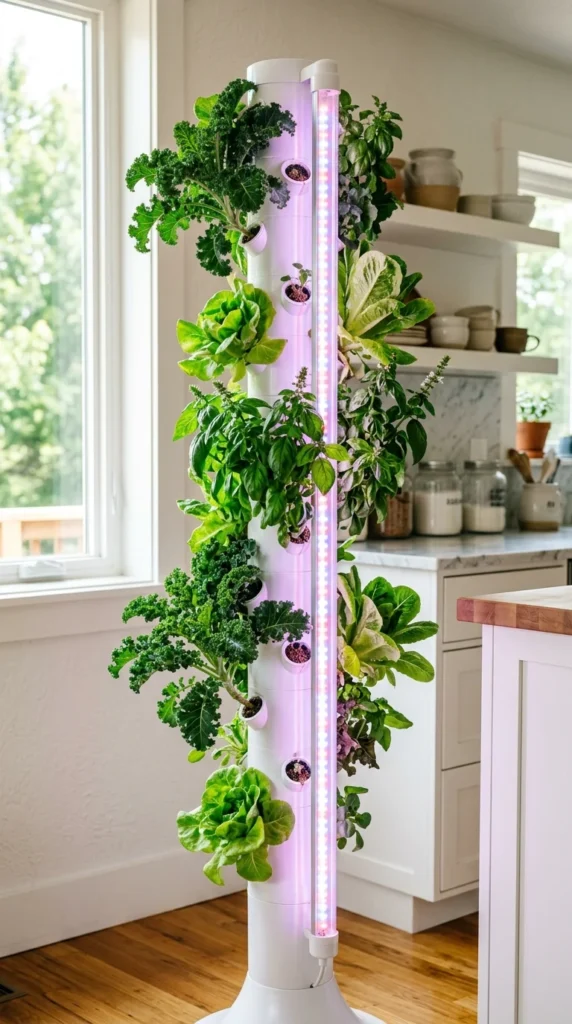
Vertical hydroponic towers are the gold standard for high-yield gardening in small spaces. By 2026, these systems have become whisper-quiet and incredibly stylish. These soil-free systems use a nutrient-rich water solution to feed plants directly at the root, allowing them to grow up to three times faster than traditional methods.
- Space Efficiency: They occupy less than two square feet of floor space while providing enough produce for a daily salad.
- Low Maintenance: Most 2026 models are fully automated, checking pH levels and water temperatures via a smartphone app.
- Aesthetic Appeal: With their sleek, columnar designs and integrated LED glow, they serve as a futuristic focal point for any room.
2. Smart Terrariums
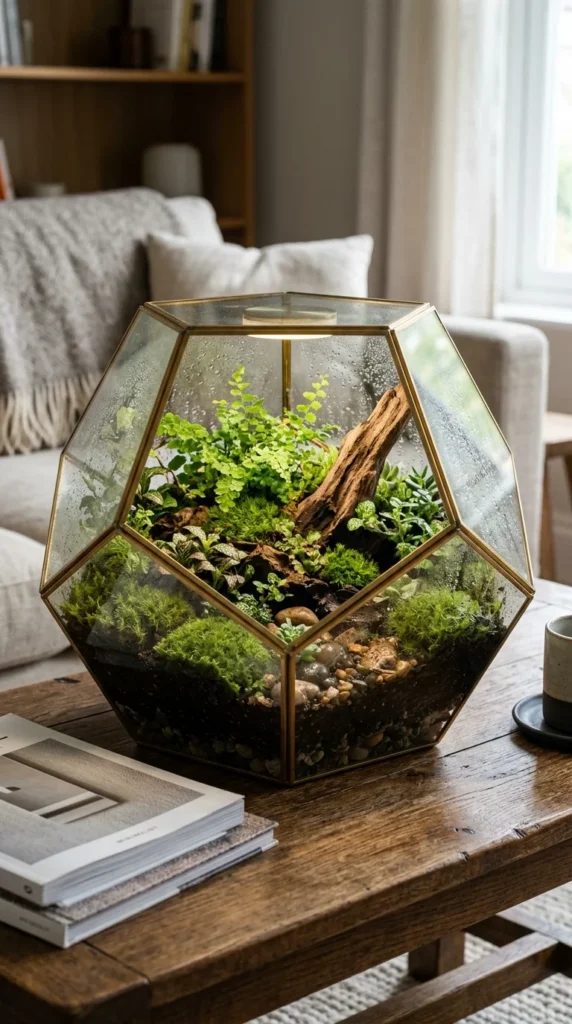
The terrariums of 2026 are a far cry from the glass jars of the past. Modern smart terrariums are self-contained ecosystems that manage their own climate. These are perfect for “black thumb” gardeners who love the look of tropical plants but struggle with the upkeep.
- Climate Control: Built-in sensors monitor humidity and light, automatically misting the plants or adjusting the brightness of the internal LEDs.
- Rare Species: Because the environment is so controlled, you can grow sensitive exotic mosses and orchids that would never survive in the dry air of a typical apartment.
- Zero Mess: Since the system is enclosed, there is no risk of soil spills or water damage to your furniture.
3. Hanging Macramé
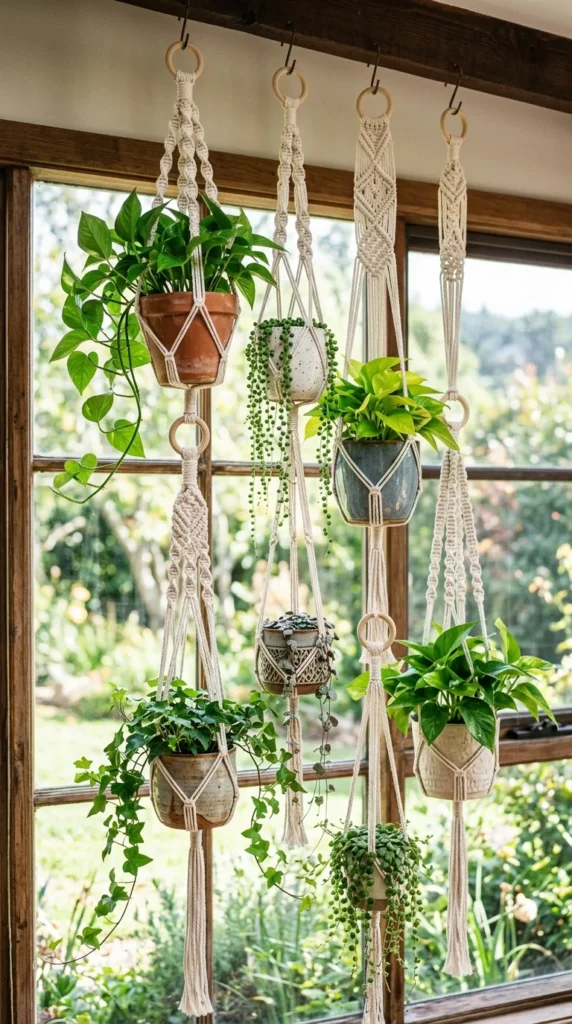
Bohemian style remains a staple of interior design, and hanging macramé planters are the ultimate way to utilize vertical space. This isn’t just about decor; it’s about creating a “curtain of green” that provides privacy from neighbors without blocking natural light.
- Layering: By hanging plants at different heights, you create visual depth and a sense of being immersed in nature.
- Kitchen Convenience: Hanging herbs like mint, parsley, and cilantro in your kitchen window keeps them within arm’s reach while cooking.
- Air Purification: Placing trailing plants high up allows them to filter the air as it circulates through the room.
4. Window Microgreens
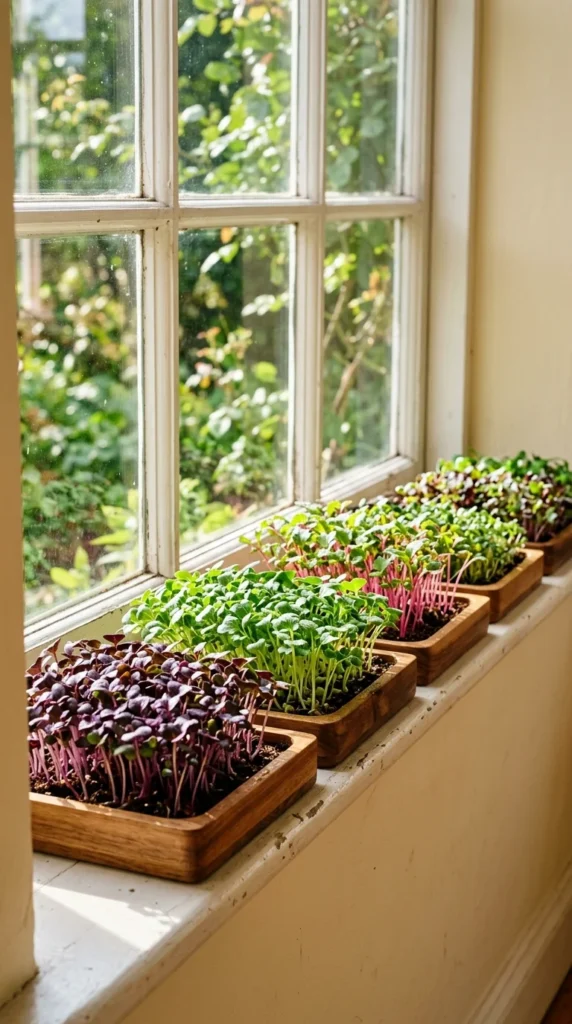
In 2026, “food as medicine” is a major lifestyle driver. Microgreens—young seedlings of edible vegetables—are nutrient powerhouses that can be grown in just 7 to 14 days. A window sill garden dedicated to these tiny greens is the most productive use of space in an apartment.
- Rapid Harvest: You get the satisfaction of “farm to table” eating every single week.
- High Nutrition: Studies show microgreens can have up to 40 times more nutrients than their mature counterparts.
- Minimal Equipment: All you need are shallow trays, a bit of seed-starting mix, and a sunny spot.
5. Living Walls
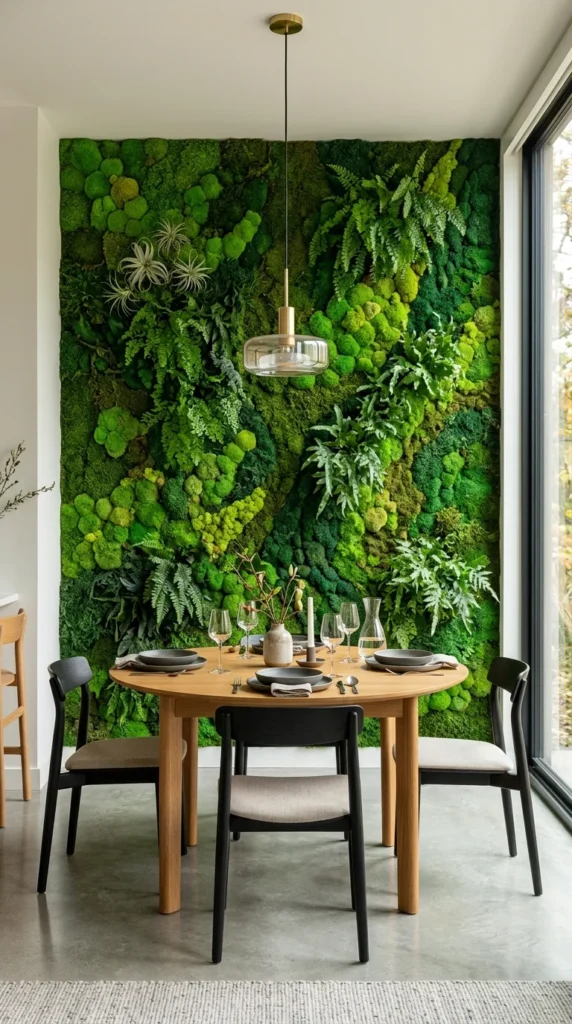
The “Living Wall” or vertical garden has evolved from a commercial luxury into a DIY-friendly apartment feature. Using modular felt pockets or framed moss panels, you can transform a boring white wall into a breathtaking botanical installation.
- Sound Insulation: The density of the plants and soil acts as a natural sound buffer, perfect for noisy city apartments.
- Mood Boosting: Being surrounded by a large surface area of green has been scientifically proven to lower cortisol levels.
- Irrigation Systems: Modern living wall kits come with drip irrigation lines that can be hidden behind the frame, making watering a breeze.
6. Aeroponic Pods
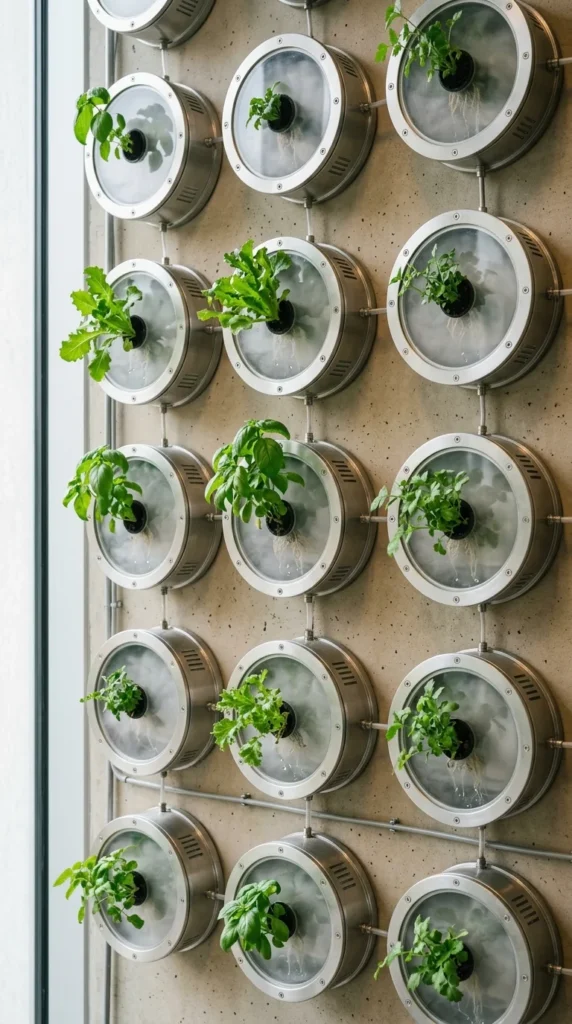
Aeroponics is the sister technology to hydroponics, but instead of water, the roots are suspended in the air and misted with nutrients. This is the “NASA style” of gardening, and by 2026, compact aeroponic pods have become a favorite for tech-savvy apartment dwellers.
- No Soil, No Pests: Without soil, you eliminate the risk of fungus gnats and other common houseplant pests.
- Oxygenation: Because the roots have constant access to oxygen, plants grow incredibly fast and stay exceptionally healthy.
- Futuristic Decor: These pods often look like pieces of modern art, combining brushed metals with vibrant organic life.
7. Tiered Stands
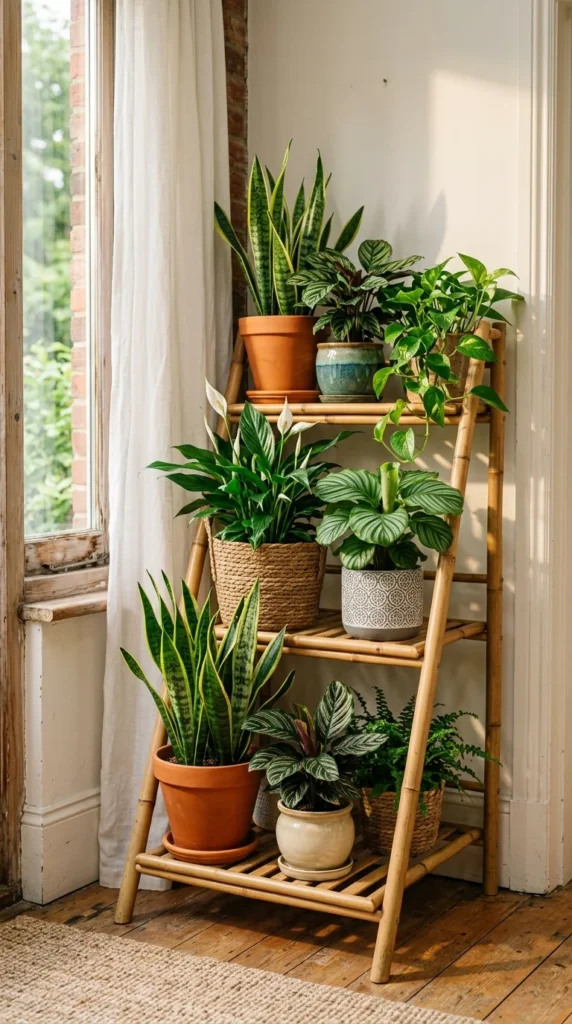
When you run out of floor space, the only way to go is up. Tiered plant stands allow you to group plants with similar light needs together, creating a “mini-jungle” effect that looks intentional and curated.
- Microclimates: Grouping plants together increases local humidity as they transpire, which helps tropical varieties thrive in dry apartments.
- Easy Organization: You can dedicate one tier to succulents (high light), another to ferns (medium light), and the bottom to low-light tolerant plants.
- Portability: Many modern stands come with wheels, allowing you to move your entire garden to follow the sun during different seasons.
8. Floating Shelves
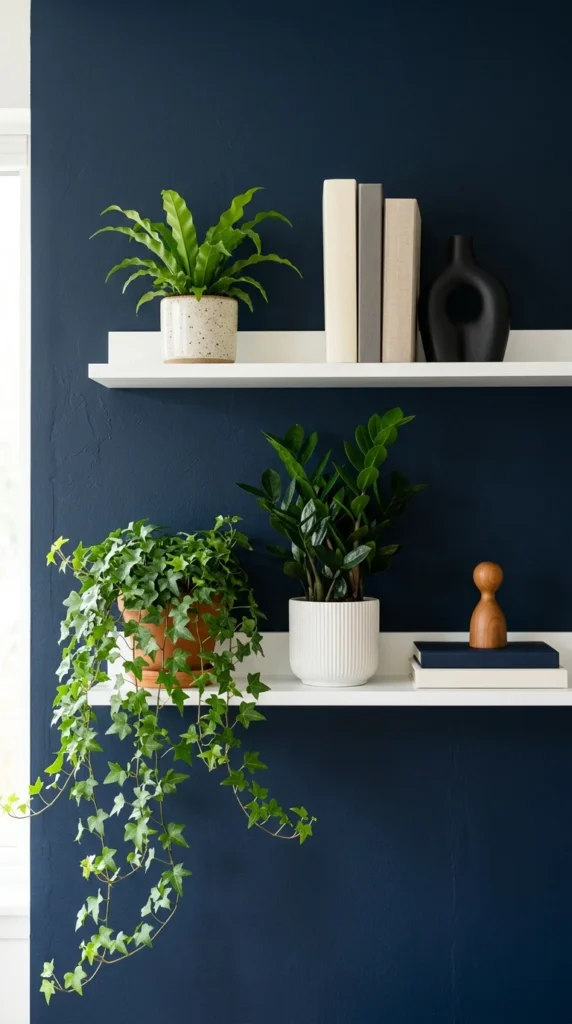
Floating shelves are the perfect solution for the minimalist who wants greenery without the clutter. By integrating plants into your existing shelving, you weave nature into the very fabric of your home’s architecture.
- Trailing Aesthetics: Shelves are the ideal home for “vining” plants like Heartleaf Philodendron or English Ivy, which can drape down to soften the sharp lines of the furniture.
- Safe from Pets: If you have a cat or dog, floating shelves keep your precious (and sometimes toxic) plants safely out of reach.
- Customizable: You can install shelves in unconventional places, such as above a doorway or over a headboard, to add a pop of life where it’s least expected.
9. Humidity Havens
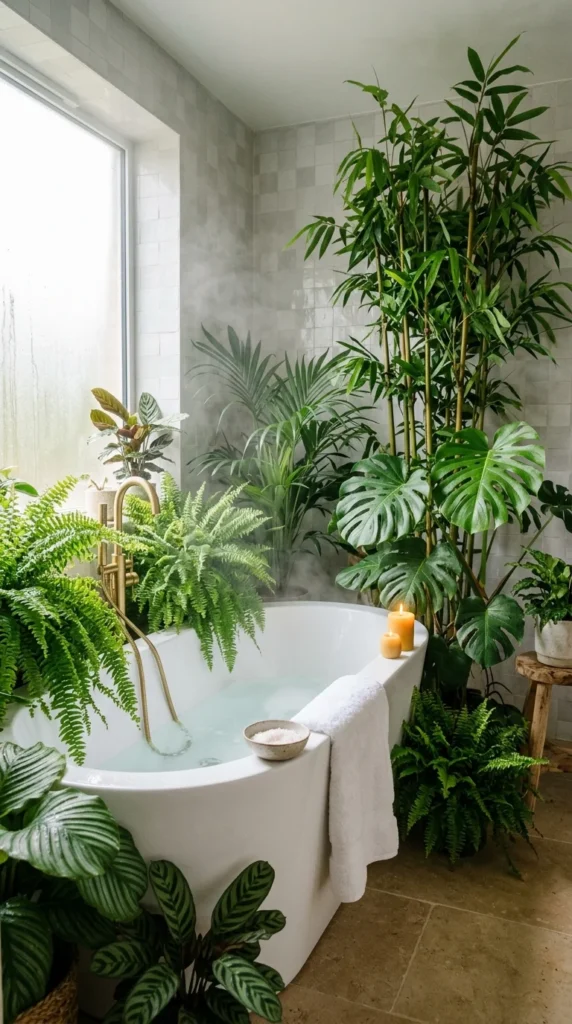
In 2026, the bathroom has transitioned from a utility space to a “home spa.” The high humidity from showers makes it the perfect environment for plants that typically struggle in the rest of the apartment.
- Natural Decor: Plants soften the hard surfaces of tile and porcelain, making the bathroom feel warm and inviting.
- Low Effort: Many of these plants will thrive on the humidity alone, requiring much less frequent watering.
- Species Selection: Calatheas, Orchids, and Air Plants are the kings of the humidity haven.
10. Dwarf Orchards
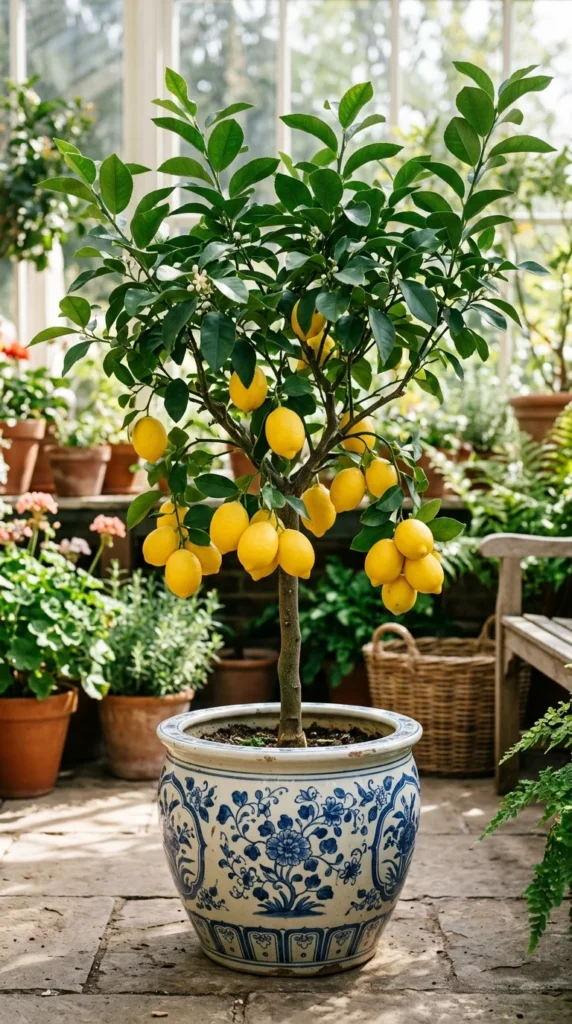
Who says you can’t have an orchard in a studio apartment? Selective breeding has led to a surge in “dwarf” and “columnar” fruit varieties that are specifically designed to live their whole lives in containers.
- Edible Rewards: There is nothing more satisfying than picking a fresh lemon or lime for your evening drink right in your living room.
- Fragrance: Citrus blossoms have one of the most incredible scents in the world, acting as a natural, non-toxic air freshener.
- Structural Beauty: Fruit trees provide a woody, structural element that smaller leafy plants lack, giving your indoor garden a sense of maturity and permanence.
11. Propagation Walls
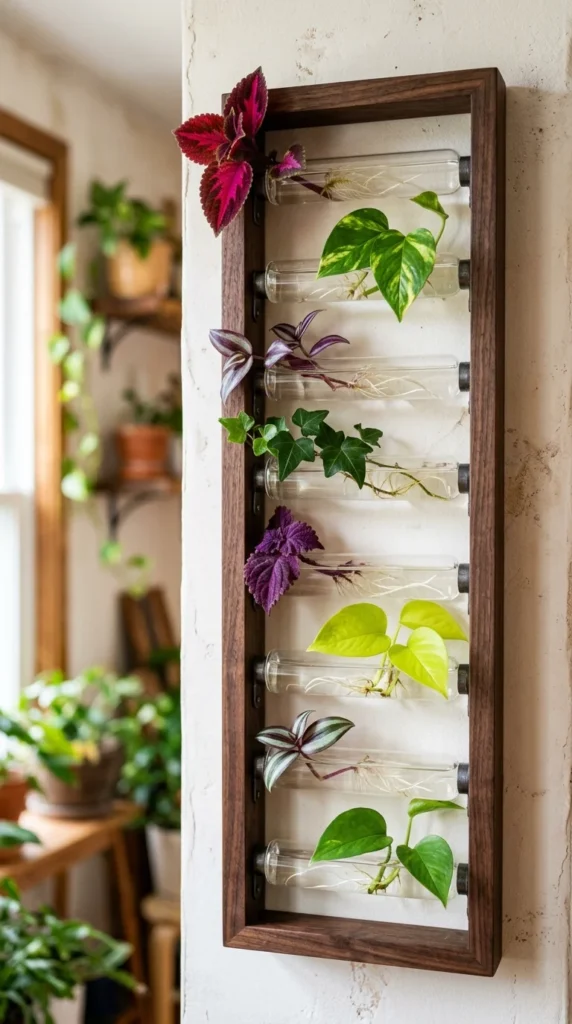
Propagation—the art of growing new plants from cuttings—has become a design trend in its own right. A propagation wall is essentially a “living laboratory” where you can watch the miracle of growth happen in real-time.
- Free Plants: Once you master propagation, you never have to buy a new plant again. You can simply multiply your existing collection.
- Visual Interest: The sight of white roots curling through clear water is mesmerizing and adds a scientific, clean aesthetic to your decor.
- Community: Propagation walls make it easy to “swap” cuttings with friends, turning your indoor garden into a social experience.
The apartment gardens of 2026 are about more than just decoration; they are about wellness, sustainability, and the joy of creation. By incorporating these ideas, you can transform your urban living space into a vibrant, oxygen-rich sanctuary that proves you don’t need a backyard to have a green thumb.