Transforming a small apartment into a botanical sanctuary doesn’t require a designer’s budget or a sprawling backyard. The secret to a “luxurious” indoor garden lies in intentional styling, architectural plant choices, and creative use of vertical space. Often, the most high-end looks come from simple DIY projects and thrifted finds that have been curated with a keen eye for aesthetics.
Whether you are living in a studio or a multi-room suite, these sixteen budget-friendly ideas will help you cultivate an indoor oasis that looks like it belongs on the pages of a luxury interior design magazine.
1. Propagation Walls
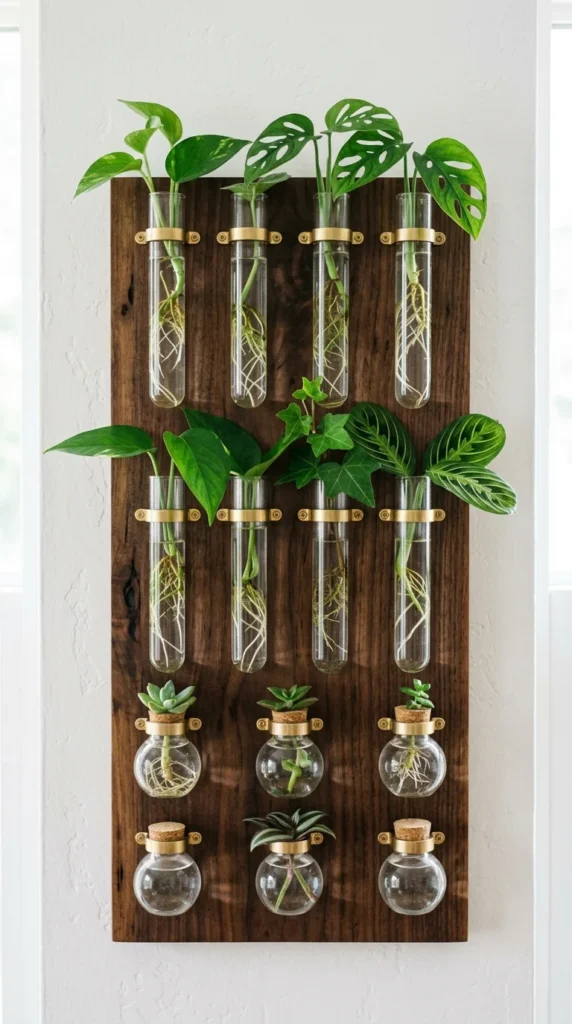
Propagation is the ultimate budget hack for gardeners. Instead of buying new plants, you can take cuttings from existing ones and display them as living art. A propagation wall utilizes vertical space and acts as a dynamic, changing installation. By using uniform glass vessels—like test tubes or recycled spice jars—mounted on a minimalist wooden frame, you create a laboratory-chic aesthetic that looks incredibly sophisticated.
2. Snake Plants
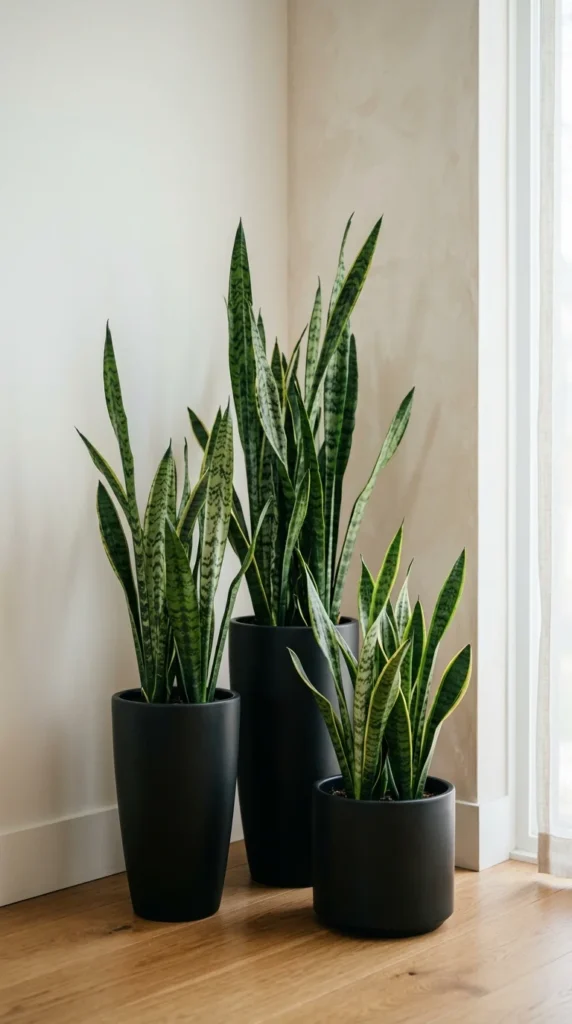
Snake plants (Sansevieria) are the darlings of modern interior design because of their architectural, vertical form. They are remarkably inexpensive and virtually indestructible. To make them look luxurious, group them in odd numbers (the rule of three) and use sleek, monochrome pots. Their height adds a sense of grandeur to empty corners, mimicking the look of expensive custom installations.
3. Upcycled Glass
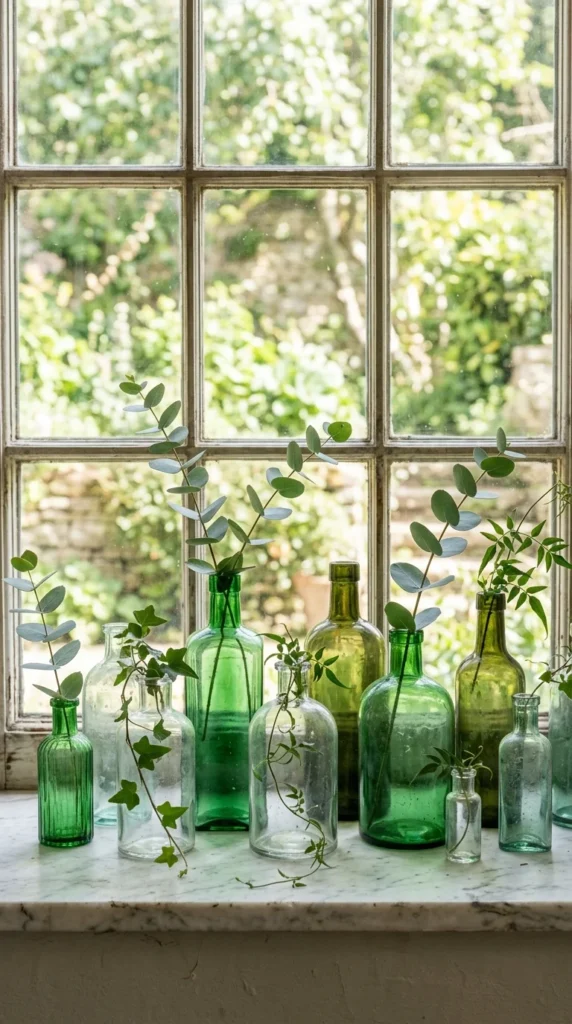
High-end decor often features unique, one-of-a-kind glass pieces. You can achieve this by scouring thrift stores or recycling high-quality glass bottles from oils or spirits. When cleaned and grouped together on a tray or windowsill, these vessels become a “glass garden.” The transparency allows light to filter through, creating a bright, airy feeling that enhances the sense of space in a small apartment.
4. Tiered Stands
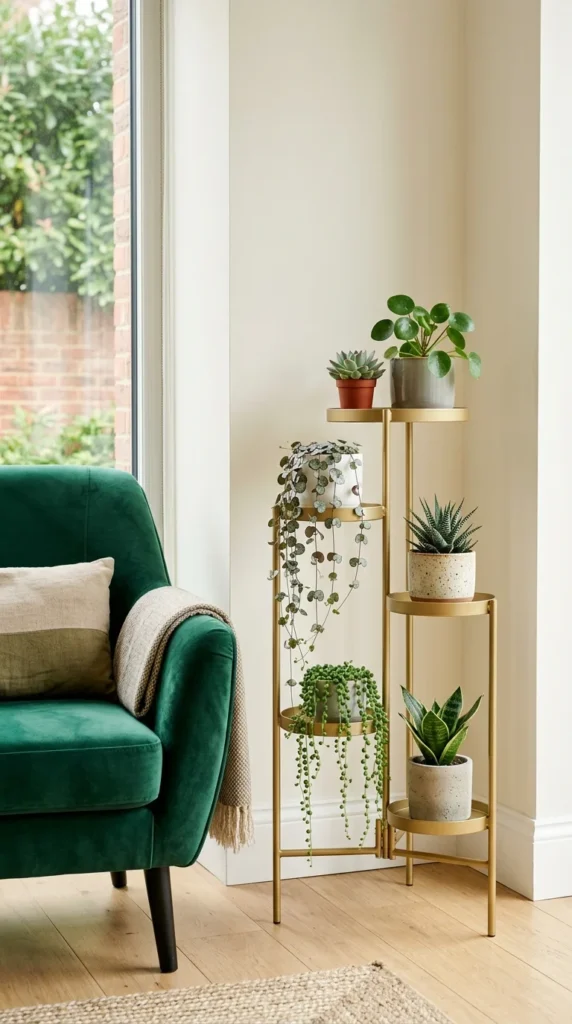
Verticality is key to a lush look. A tiered plant stand allows you to display multiple plants in a small footprint, creating a “jungle” effect without cluttering the floor. Opt for stands with metallic finishes like brass or matte black to elevate the look. Placing trailing plants like Pothos on the top tier and bushier plants like Ferns on the bottom creates a cascading waterfall of greenery.
5. Velvet Foliage
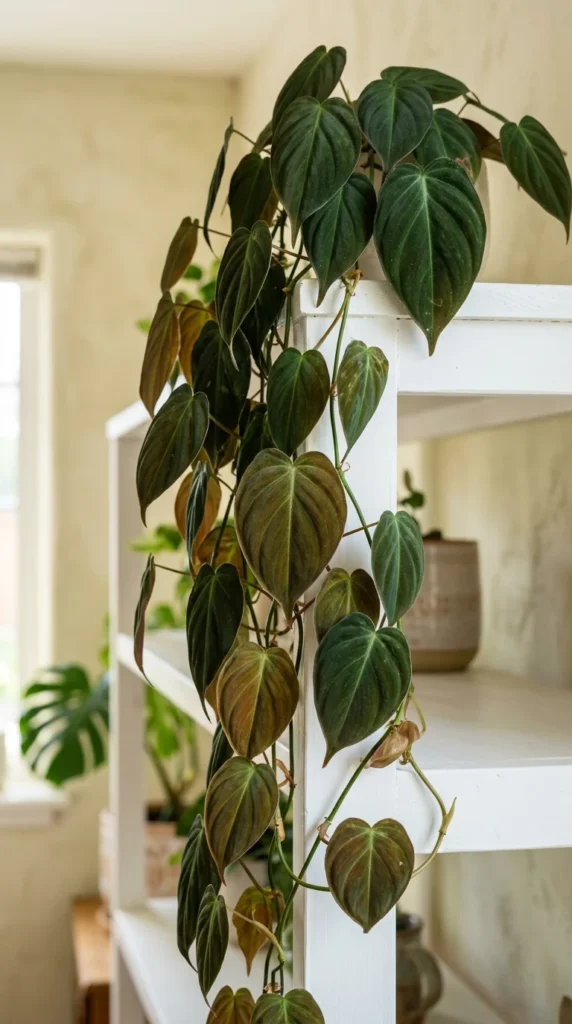
Plants with unusual textures often look more expensive than they are. The Philodendron Micans or the Alocasia Black Velvet offer a rich, matte texture that mimics luxury fabrics. These plants catch the light differently than waxy leaves, providing a sophisticated depth to your garden. Pairing these “velvet” plants with simple, understated pots allows their unique texture to be the focal point.
6. Geometric Planters
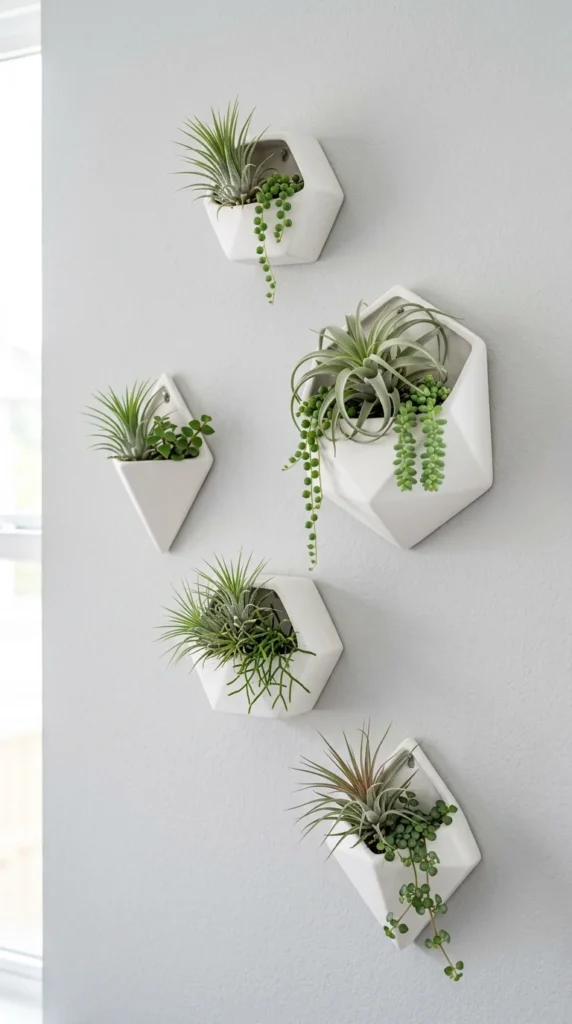
Wall-mounted geometric planters turn your garden into a 3D gallery. By arranging these in a deliberate pattern, you create a focal point that draws the eye upward. This is particularly effective for air plants (Tillandsia), which don’t require soil, making the display clean and low-maintenance. The sharp lines of the planters contrast beautifully with the organic shapes of the plants.
7. Macro Terrariums
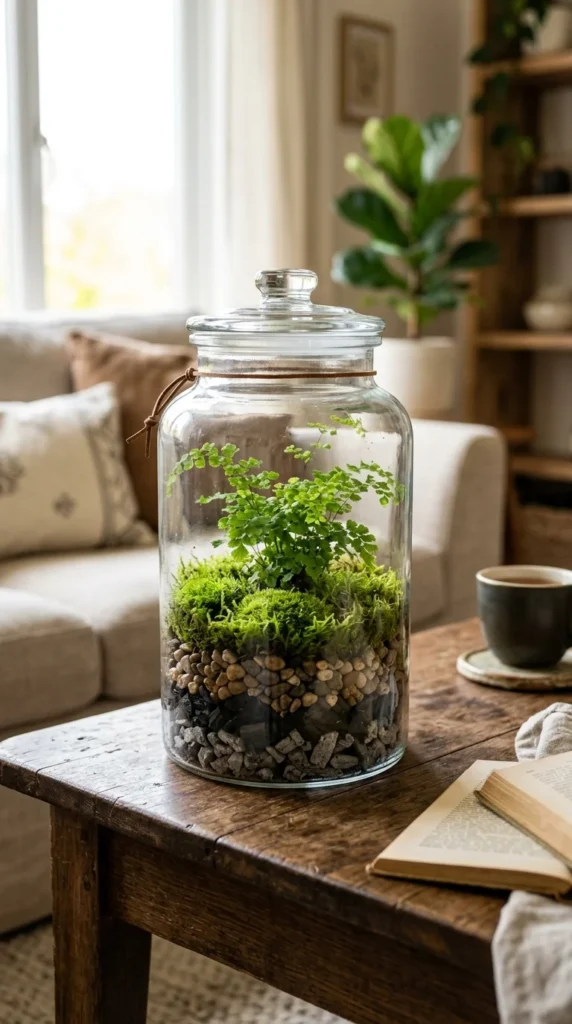
Terrariums are miniature ecosystems that act as living jewels. Using a large glass container—like a repurposed cookie jar or a large vase—creates a high-end “Wardian case” look. Focus on “macro” details: vibrant mosses, small ferns, and interesting stones. The enclosed glass traps humidity and creates a misty, forest-like atmosphere that looks incredibly polished and intentional.
8. Ivy Arches
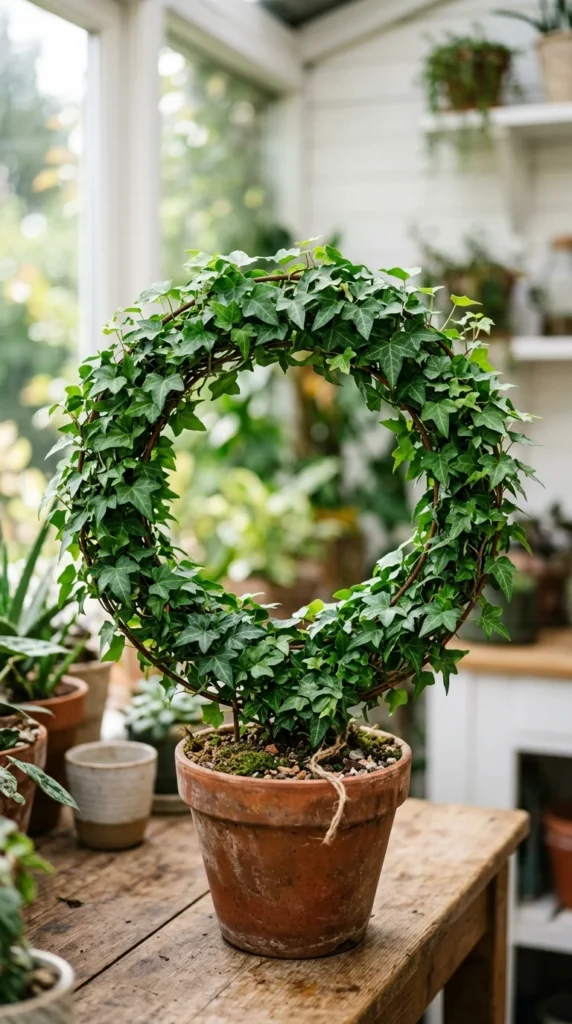
Training climbing plants into specific shapes is a classic technique used in European estate gardens. You can replicate this on a budget using a simple wire hoop or a bamboo trellis. As the ivy or Jasmine grows, wrap the vines around the frame. This creates a structured, “manicured” look that feels much more formal and expensive than a wild, trailing plant.
9. Monochrome Ceramics
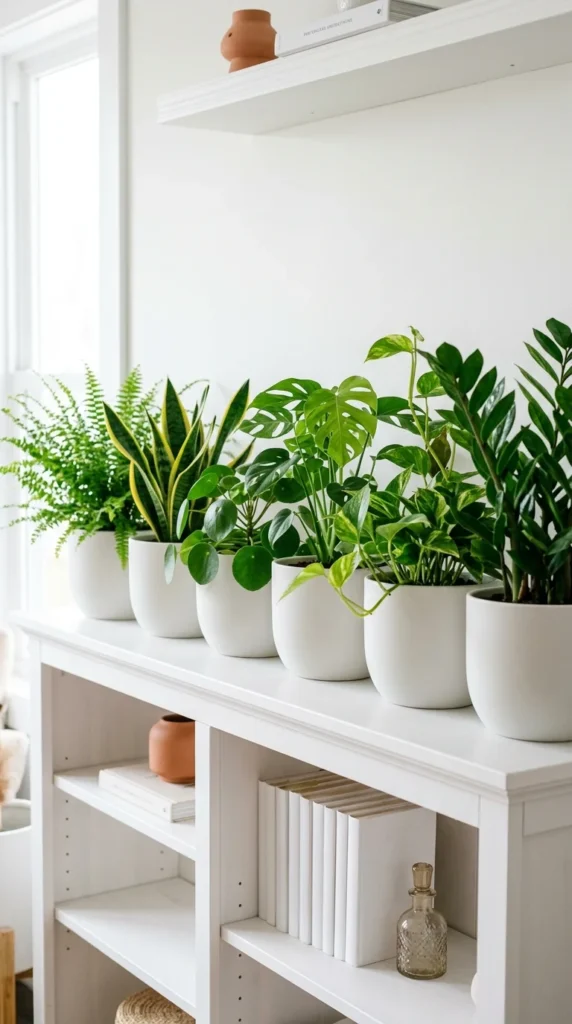
One of the easiest ways to make a budget garden look expensive is through visual unity. Even if your plants are common varieties, putting them in identical or color-coordinated pots (like all matte white, all terracotta, or all charcoal) creates a curated, professional appearance. This reduces visual noise and makes the collection look like a deliberate set.
10. Bar Cart Gardens
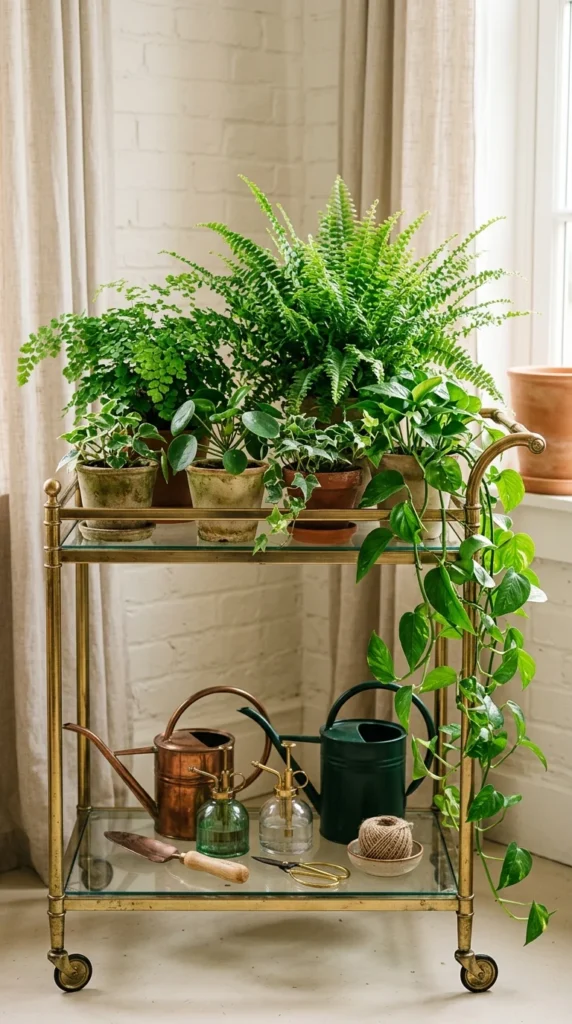
Repurposing a bar cart as a mobile garden station is a trendy and functional luxury hack. The metallic accents of the cart provide a sophisticated backdrop for the organic green of the plants. Since carts often have wheels, you can move your garden to follow the sunlight, ensuring your plants stay healthy and vibrant—a key component of the “luxurious” look.
11. Moss Wall Art
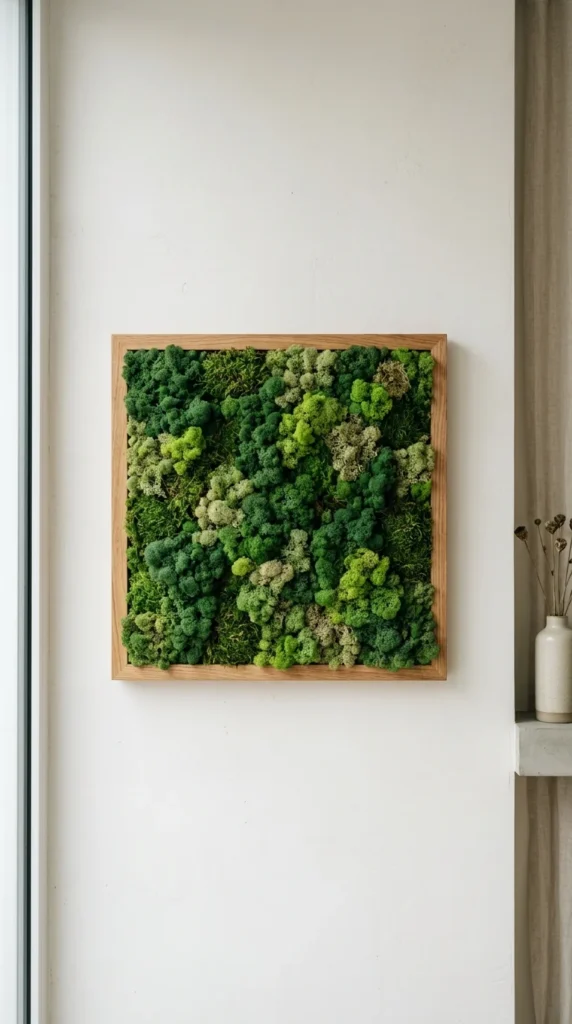
Preserved moss walls are a staple in high-end office lobbies and luxury spas. You can create a budget version by purchasing preserved moss and gluing it into a deep picture frame. This “living” art requires zero maintenance and no light, making it perfect for dark hallways or bathrooms. It provides a burst of rich color and organic texture that feels very high-concept.
12. Macrame Nets
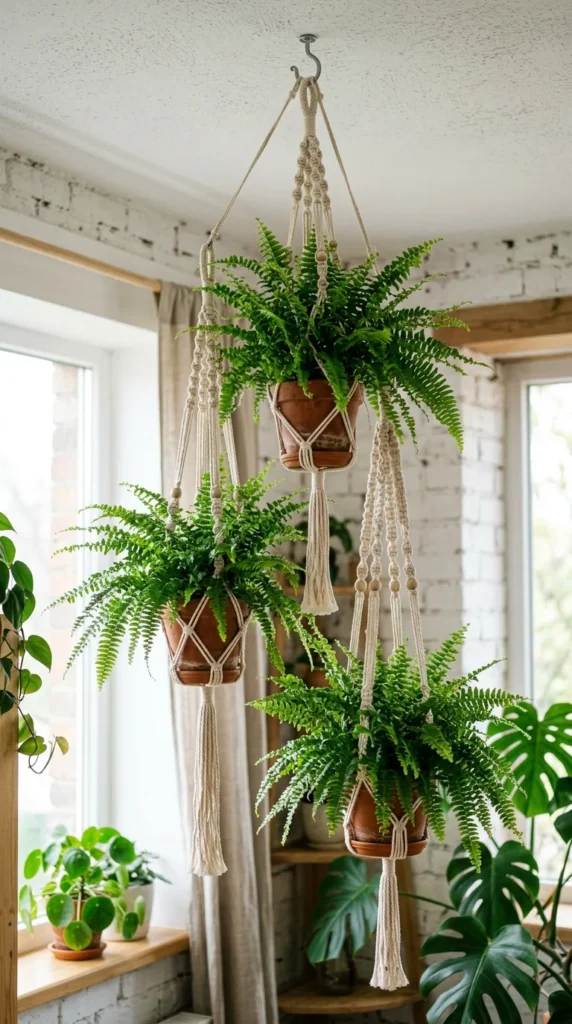
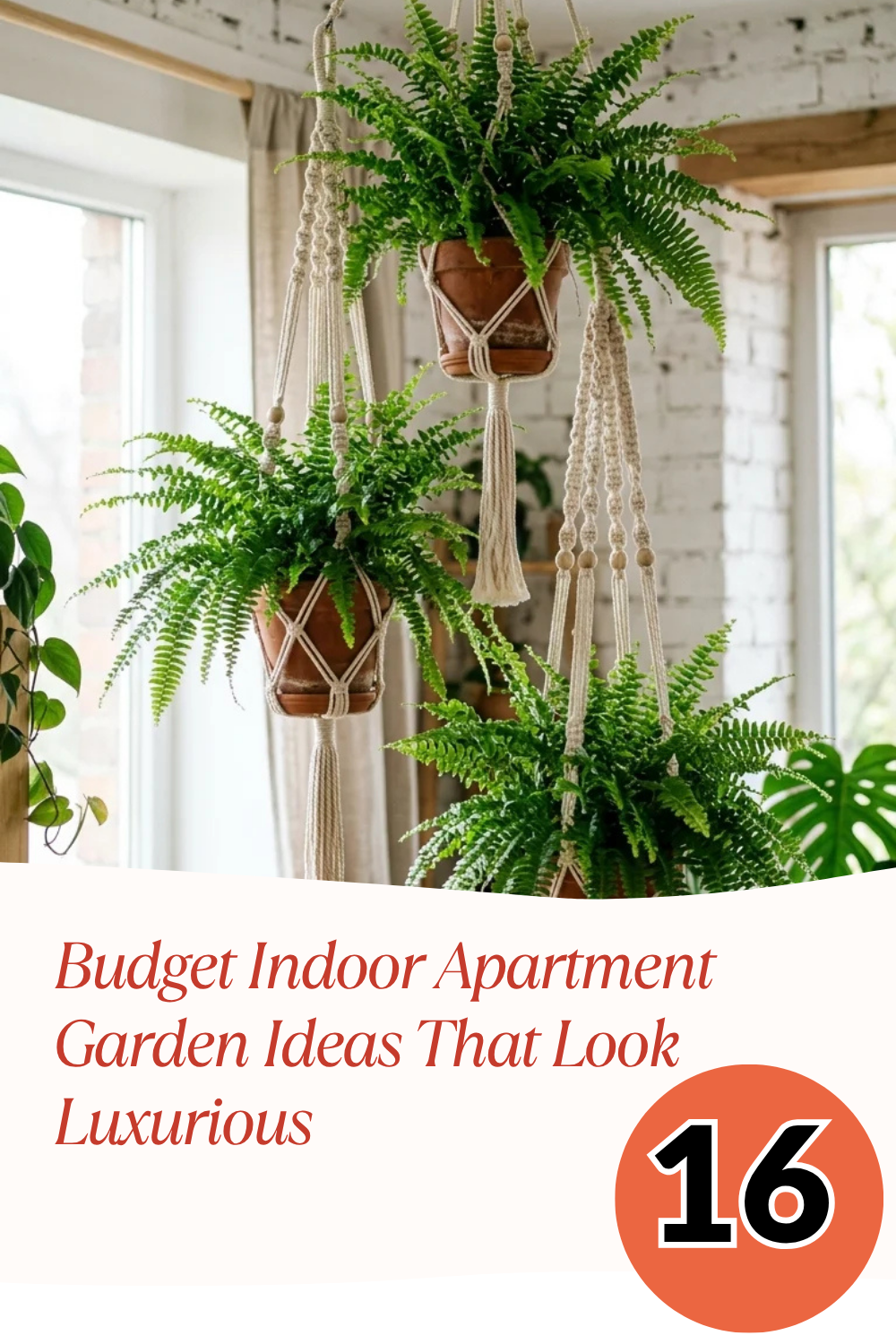
Bohemian luxury is all about layers and textures. Hanging plants in macrame holders draws the eye to the ceiling, making the room feel taller. To keep this look “luxurious” rather than just “crafty,” choose macrame in neutral tones like cream, grey, or black, and use high-quality ceramic bowls inside the nets rather than cheap plastic pots.
13. Citrus Accents
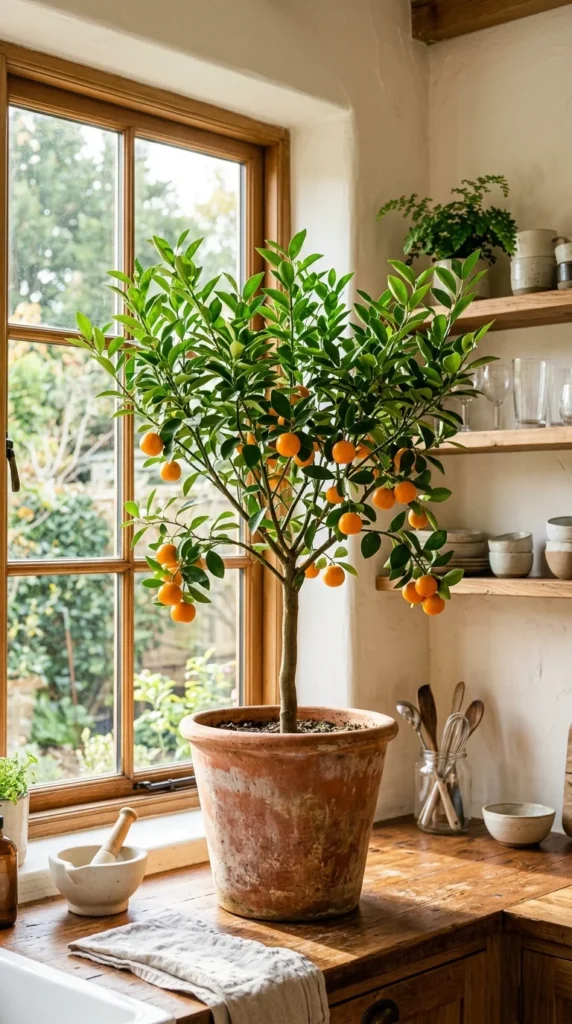
Indoor fruit trees, like dwarf lemons or oranges, add a Mediterranean villa vibe to any apartment. While a large tree can be pricey, starting with a smaller “starter” tree is affordable. The presence of actual fruit and the glossy, dark green leaves provide a level of “estate” sophistication that standard houseplants can’t match. Plus, they offer a delicate, fresh fragrance.
14. Water Bowls
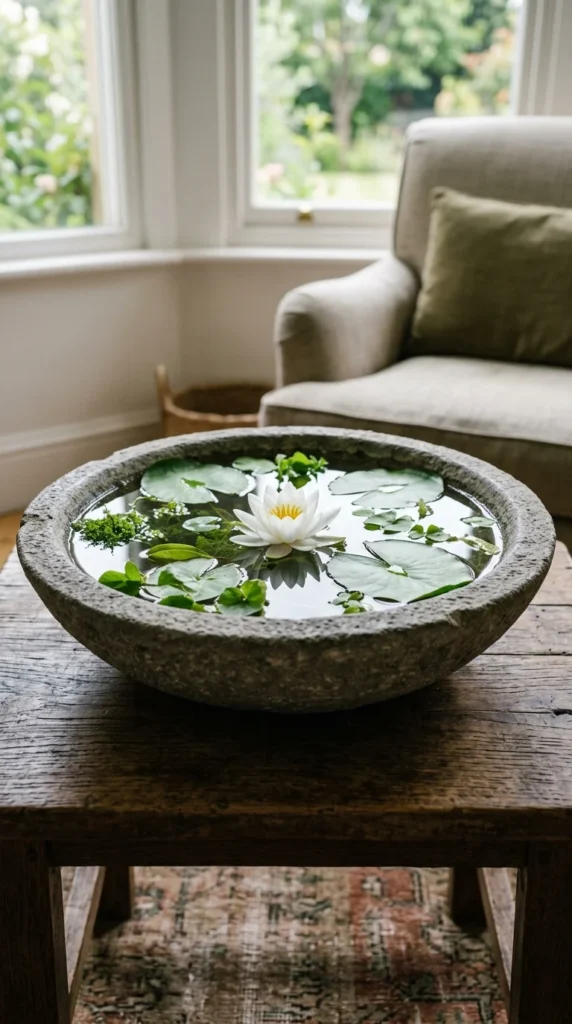
An indoor water garden is the pinnacle of zen luxury. You don’t need a pond; a simple wide-mouthed bowl or a glass basin will do. Use floating plants like Water Lettuce or even just a few decorative floating leaves. The reflection of light on the water adds a calming, spa-like element to your apartment, creating a multi-sensory garden experience.
15. Dramatic Palms
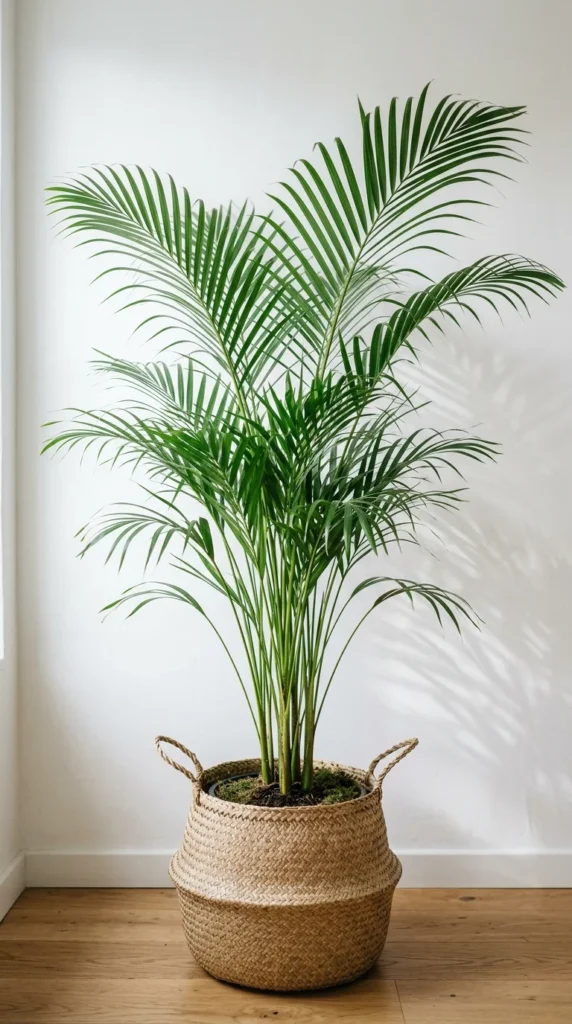
A single, large-scale plant can act as a piece of furniture. Palms like the Parlor Palm or the Areca Palm are relatively inexpensive even at larger sizes. Their feathery fronds create beautiful shadows and fill a large amount of visual space. Placing the nursery pot inside a high-quality woven basket hides the plastic and adds a layer of organic texture.
16. Herb Ladder Shelves
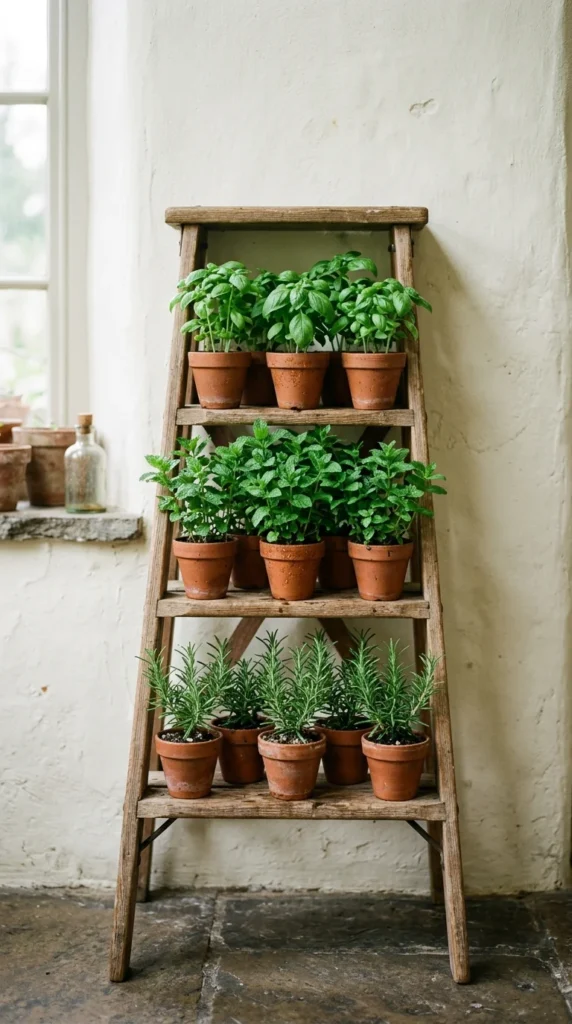
A kitchen herb garden is both functional and aesthetically pleasing. Using a dedicated “ladder” shelf for your herbs keeps them organized and creates a vertical “green wall” effect. The uniform look of the herbs, combined with the rustic charm of a wooden ladder, makes the kitchen feel like a high-end, chef-inspired space. The scent of fresh herbs further enhances the luxurious atmosphere of the home.