Living in a compact urban apartment often feels like a trade-off between city convenience and the desire for a backyard garden. However, the rise of indoor horticulture has proven that you don’t need an acre of land—or even a balcony—to harvest your own salad greens, aromatic herbs, and crunchy vegetables. Indoor gardening is no longer just a hobby; it is a lifestyle transformation that improves air quality, reduces grocery bills, and brings a sense of tranquility to small living spaces.
The key to success in a small apartment is maximizing vertical space, utilizing modern technology, and choosing the right plant varieties. From high-tech hydroponic systems to simple DIY repurposed containers, here are 17 innovative indoor vegetable garden ideas tailored for small-scale living.
1. Vertical Towers
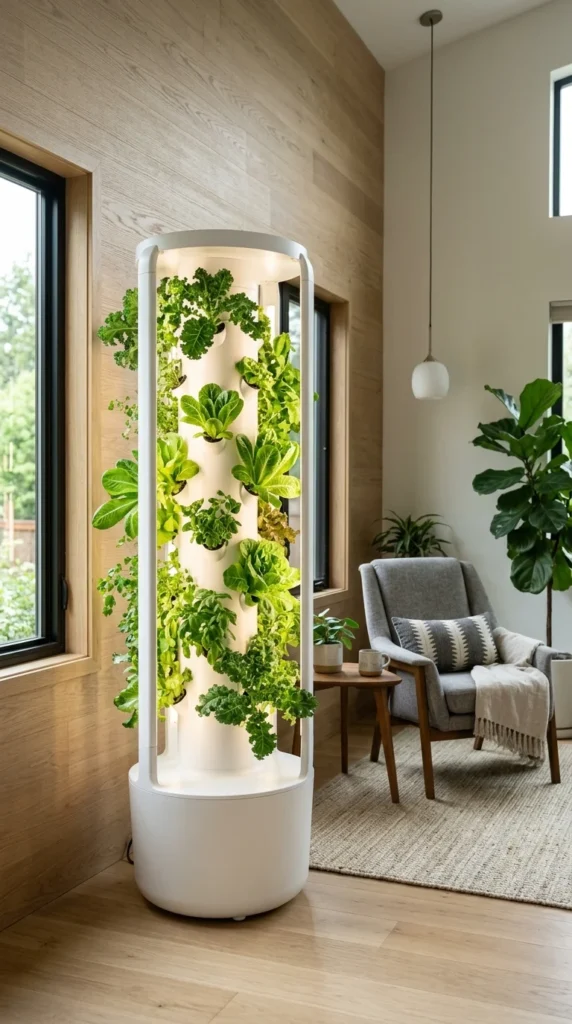
Vertical towers are the ultimate space-savers. By growing upward instead of outward, you can cultivate dozens of plants in a footprint no larger than a standard floor lamp. Many of these systems are hydroponic, meaning they use water and nutrients instead of messy soil, making them perfect for carpeted apartments. They often come with built-in timers and LED grow lights, ensuring your plants thrive even in the darkest corners of a studio apartment.
2. Windowsill Ledge
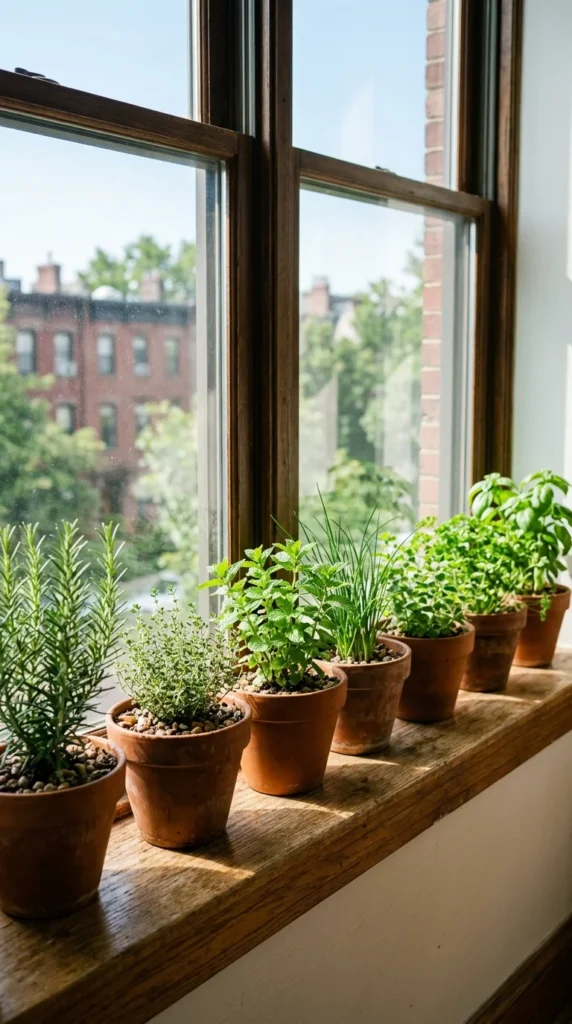
The windowsill is the most traditional and accessible spot for an indoor garden. Most culinary herbs—such as basil, parsley, cilantro, and chives—crave the direct sunlight found on a south-facing ledge. To make this look cohesive in a small space, use matching pots or a long rectangular planter box. This setup keeps your fresh ingredients within arm’s reach while you’re cooking, adding both flavor and fragrance to your kitchen.
3. Hydroponic Kits
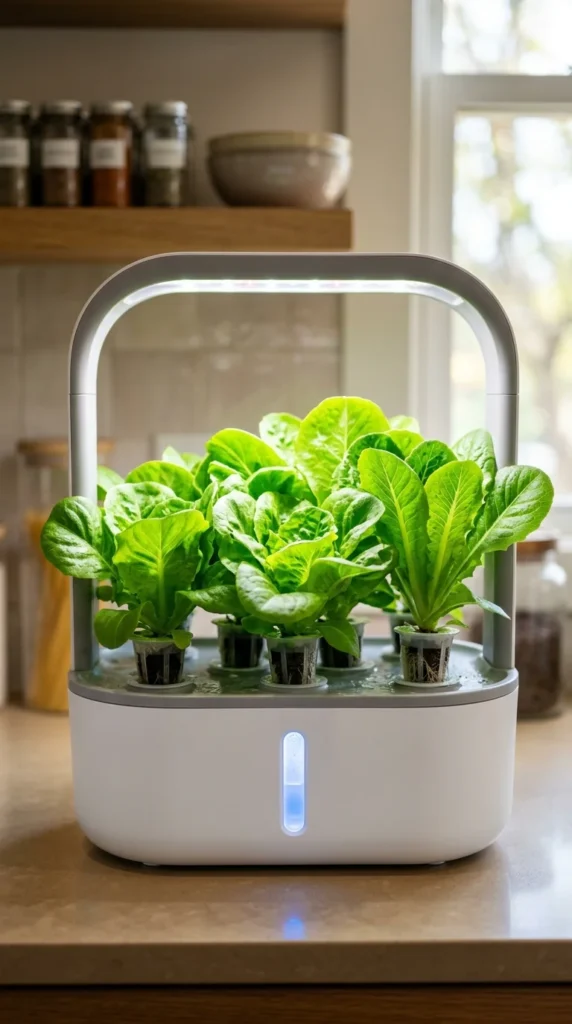
For those who lack a “green thumb,” automated hydroponic kits are a game-changer. These “plug-and-play” devices manage the light cycles and water levels for you. Brands like AeroGarden or Click and Grow offer sleek designs that fit perfectly on a bookshelf or kitchen counter. They are ideal for growing high-yield crops like cherry tomatoes or peppers in a controlled environment without the risk of over or under-watering.
4. Hanging Baskets
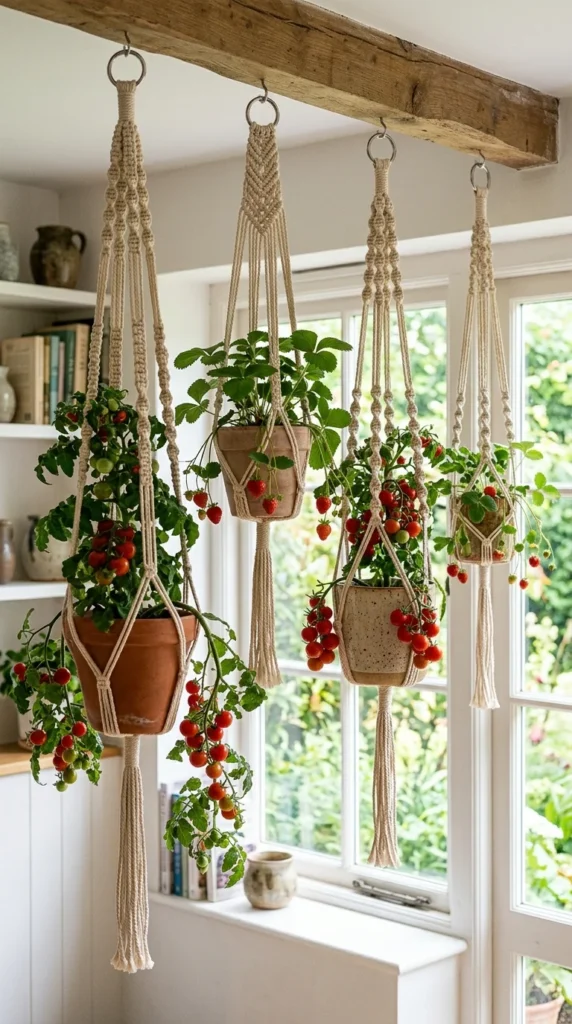
When floor and counter space are at a premium, look up. Hanging baskets allow you to utilize the unused volume of your rooms. Certain vegetable varieties, like trailing cherry tomatoes or strawberries, thrive in hanging containers where their fruit can dangle freely. Not only does this keep the plants away from curious pets, but it also creates a stunning “living chandelier” effect that doubles as home decor.
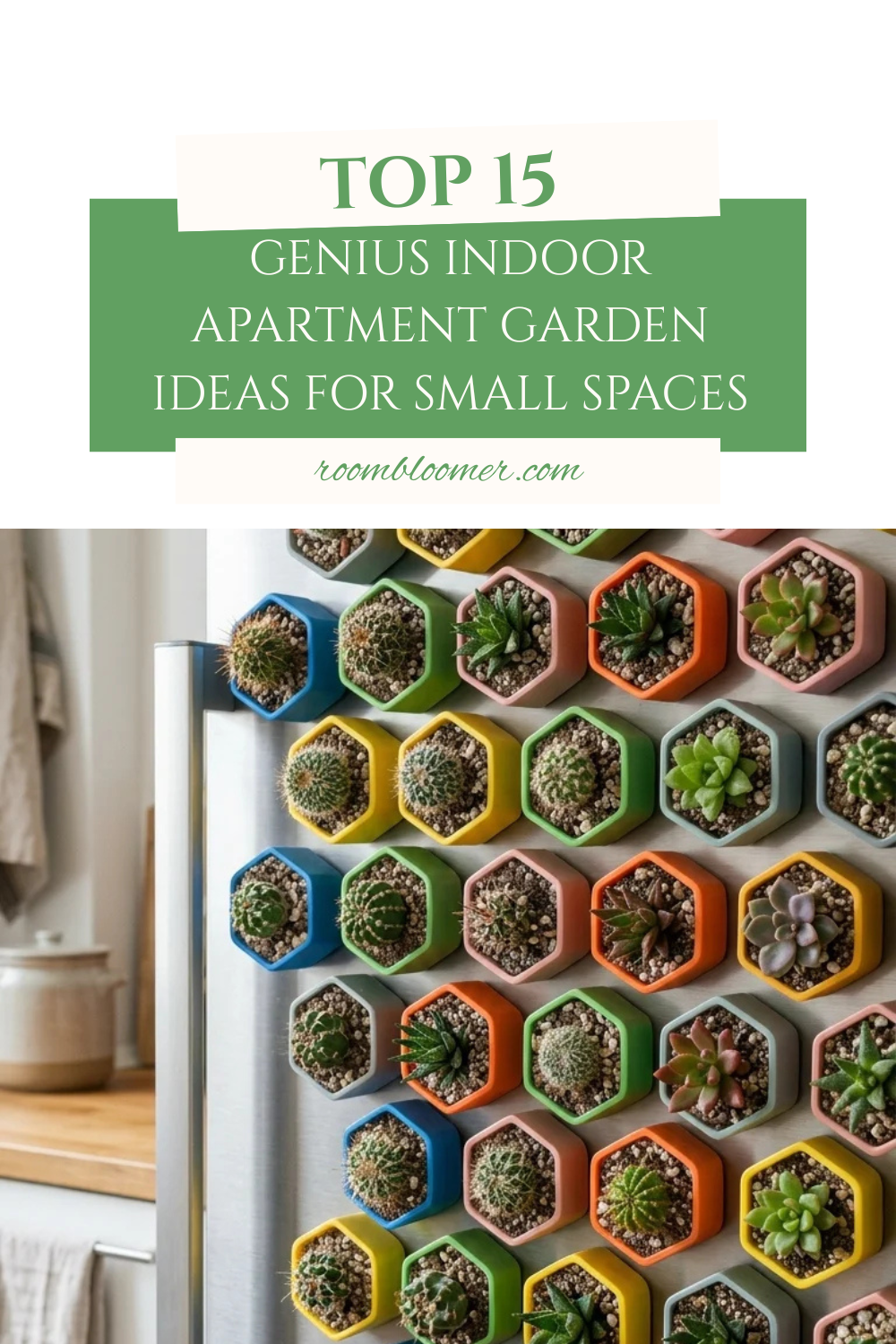
5. Magnetic Planters
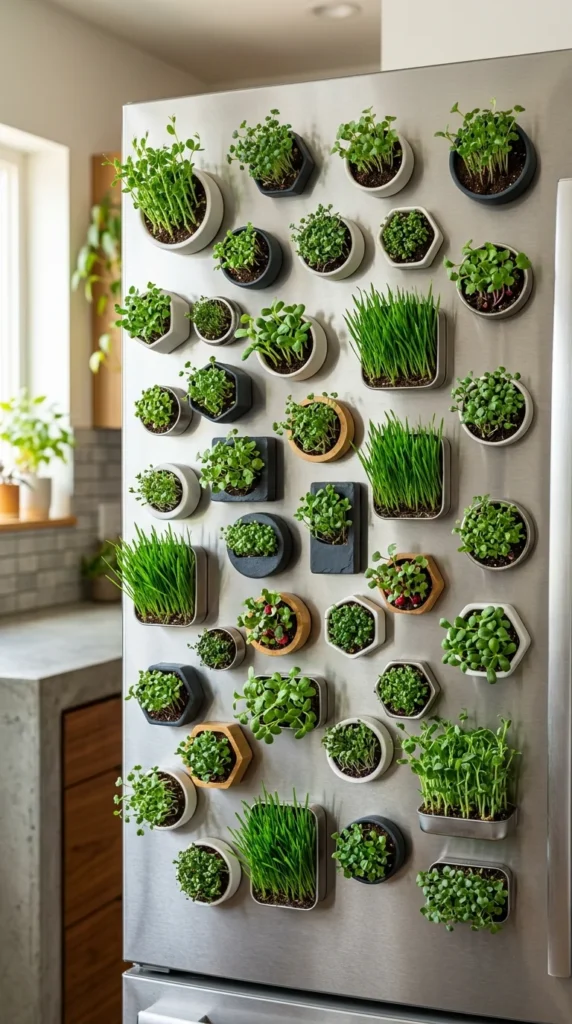
If you have zero counter space, the side or front of your refrigerator can become a vertical farm. Magnetic planters are typically small, lightweight containers with powerful magnets on the back. They are perfect for growing microgreens or small succulents. Since microgreens are harvested just days after germination, they don’t require deep soil, making these shallow magnetic pockets the perfect temporary home for your nutrient-dense garnishes.
6. Tiered Carts
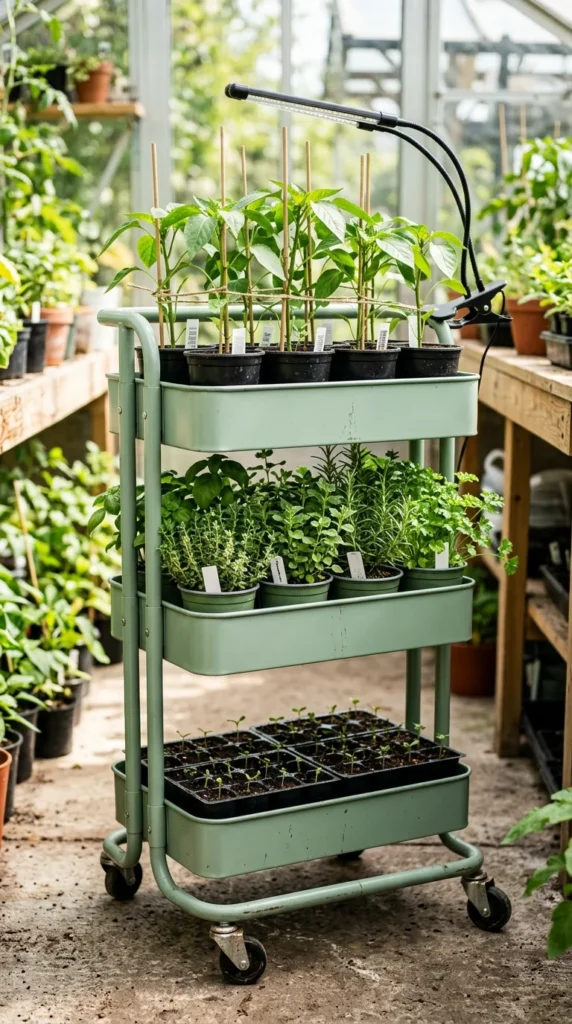
Mobility is a major advantage in a small apartment. A tiered utility cart (like the famous ones from IKEA) allows you to move your garden throughout the day to chase the sunlight. During the winter, you can roll the entire garden closer to a heater or under a dedicated grow lamp. The multiple levels provide ample space for a variety of crops, from root vegetables like radishes on the bottom to sun-loving peppers on the top.
7. Mason Jars
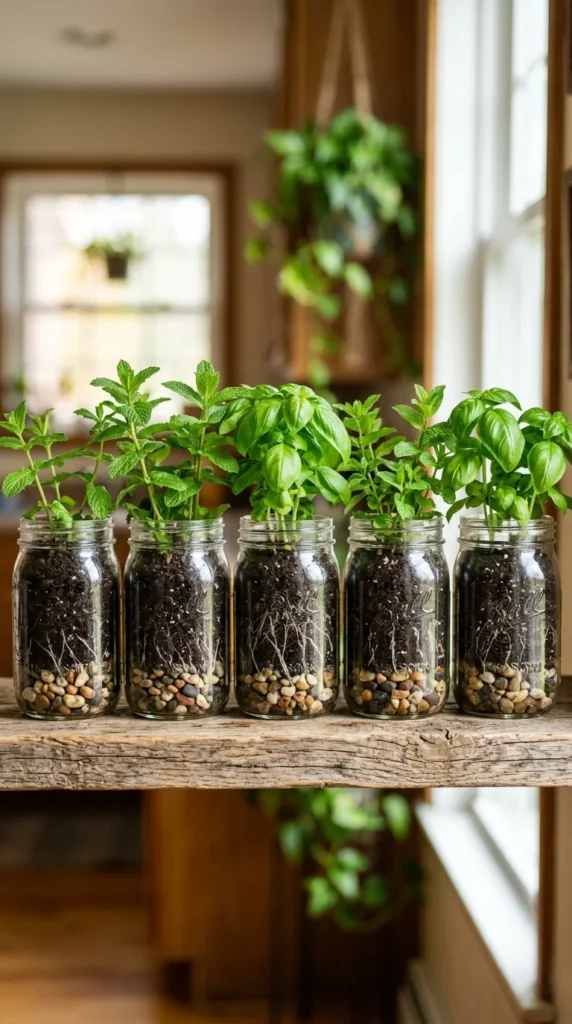
Mason jars offer a chic, farmhouse-inspired way to grow herbs in tiny spaces. Because they are narrow, they fit on even the skinniest of shelves. To prevent root rot (since these jars don’t have drainage holes), it is essential to layer the bottom with pebbles or charcoal. Mason jar gardens are particularly successful for water-based propagation or growing herbs that don’t mind damp environments, such as mint or lemon balm.
8. Wall Pockets
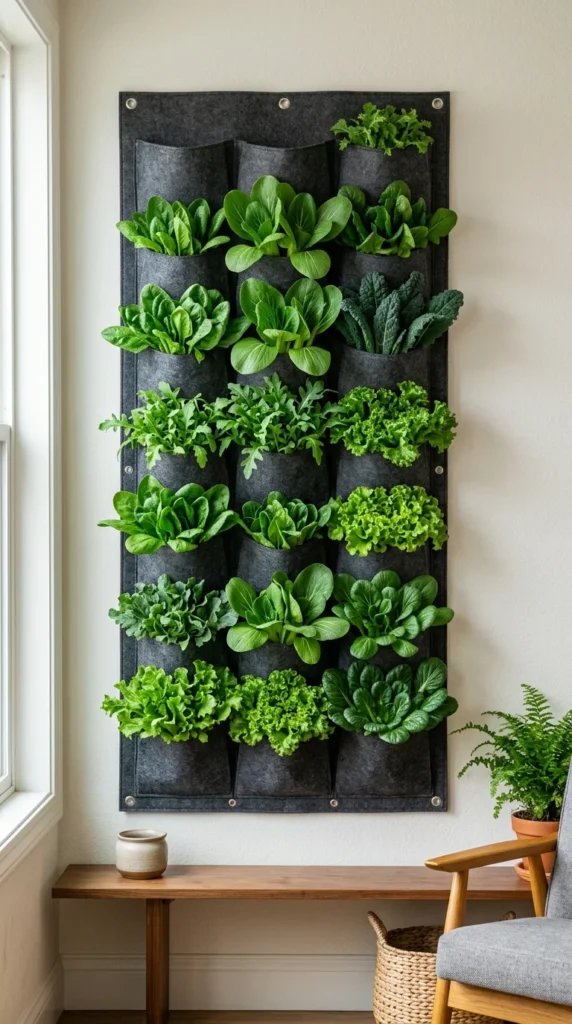
Felt wall pockets turn any blank wall into a breathable garden. These modular systems are breathable, which helps prevent overwatering by allowing excess moisture to evaporate. They are particularly effective for “cut and come again” salad greens. You can cover an entire wall with spinach, arugula, and Swiss chard, creating a striking focal point that provides a daily harvest for your salads.
9. Ladder Shelves
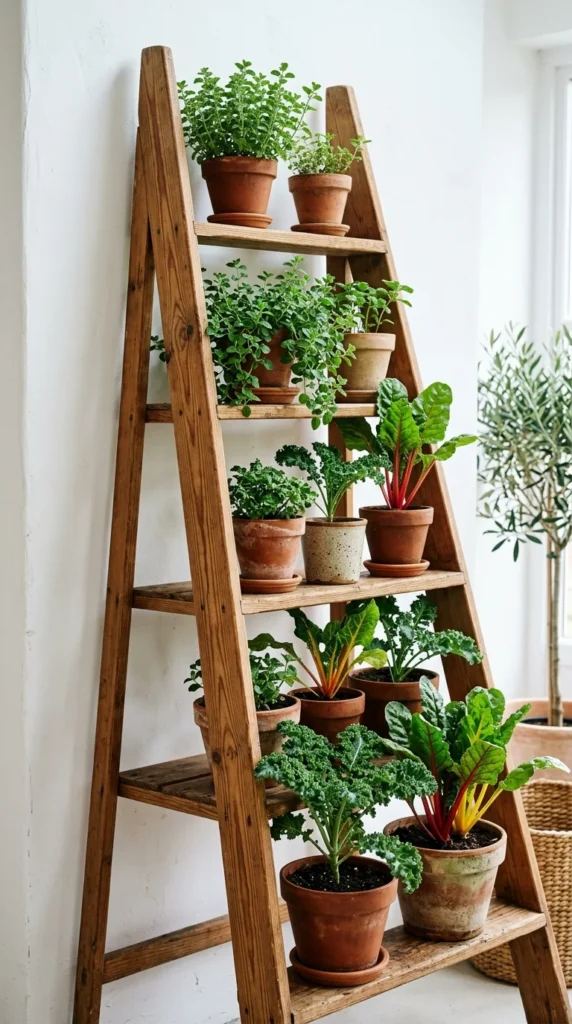
Ladder shelves are a stylish way to create a tiered garden without drilling holes into your walls. The staggered depth of the shelves allows you to place taller plants on the bottom and smaller ones on the top without them shading each other out. This setup is perfect for an apartment balcony or a sunny corner of a living room, providing a structured, organized look to your indoor farm.
10. Railing Planters
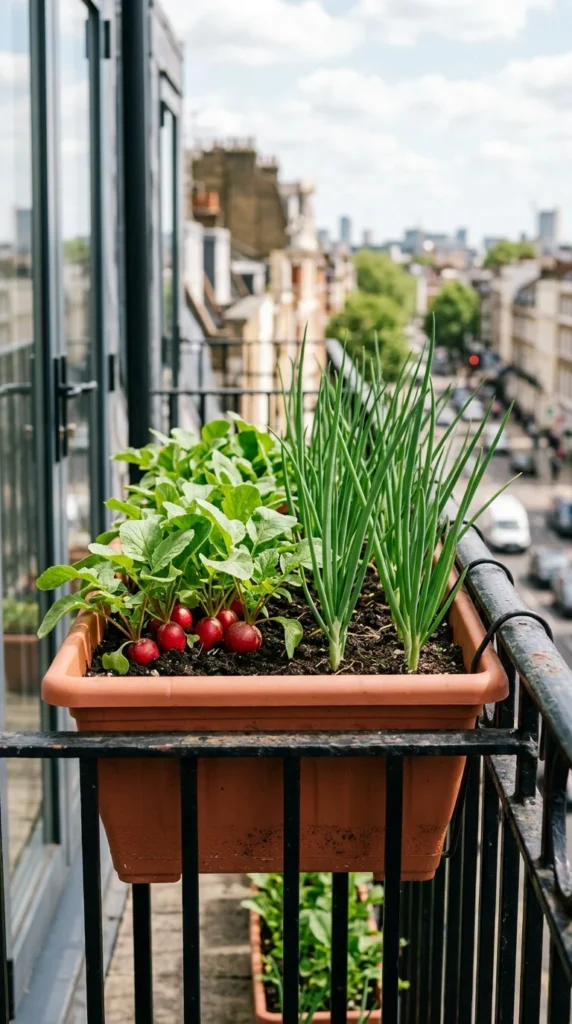
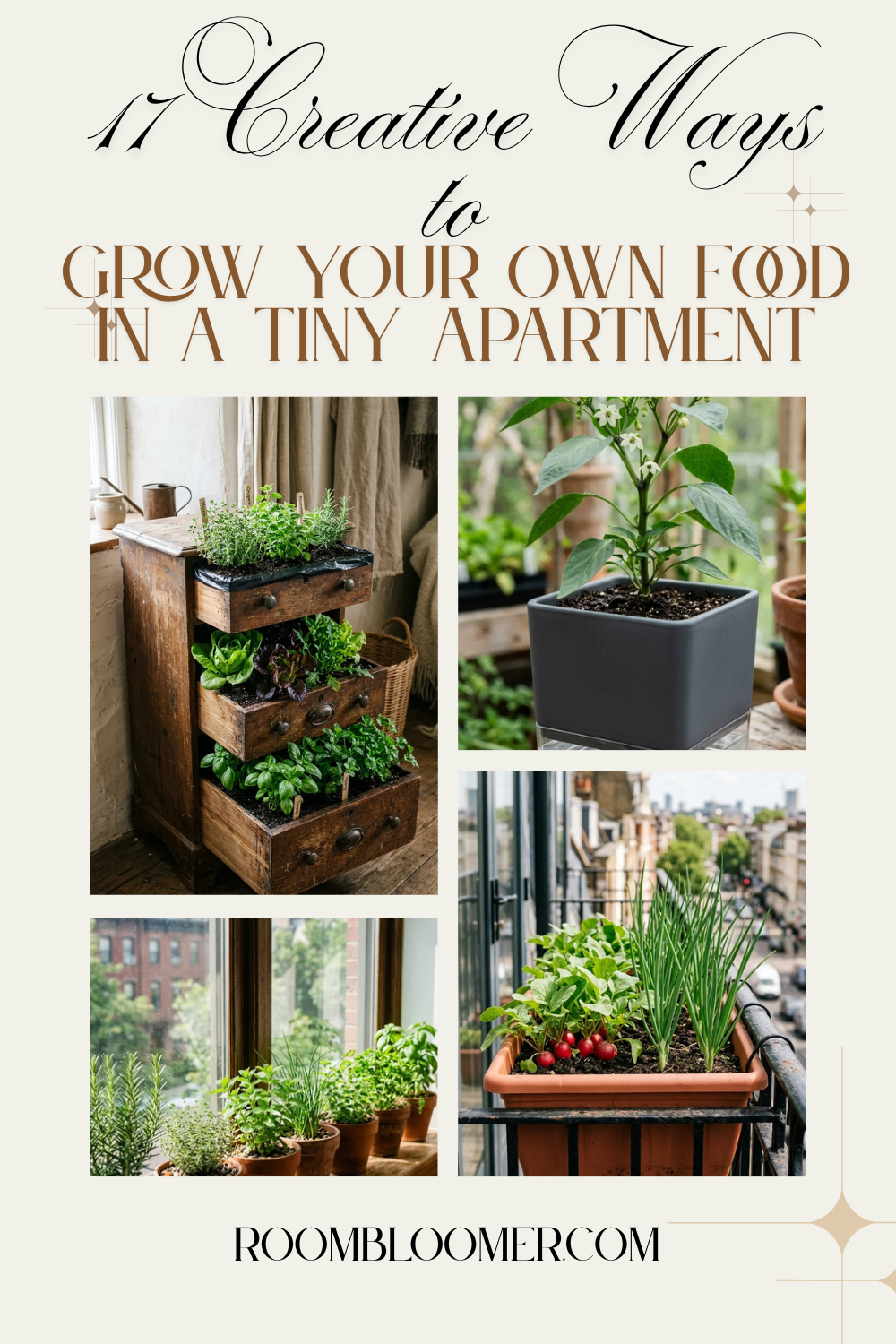
If your apartment features a Juliet balcony or an interior railing overlooking a loft, you have the perfect spot for a railing planter. These containers are notched at the bottom to sit securely over the rail, saving you from using any floor space. They are excellent for shallow-root vegetables like radishes, green onions, and garlic greens, which require minimal depth to produce a bountiful harvest.
11. Grow Lights
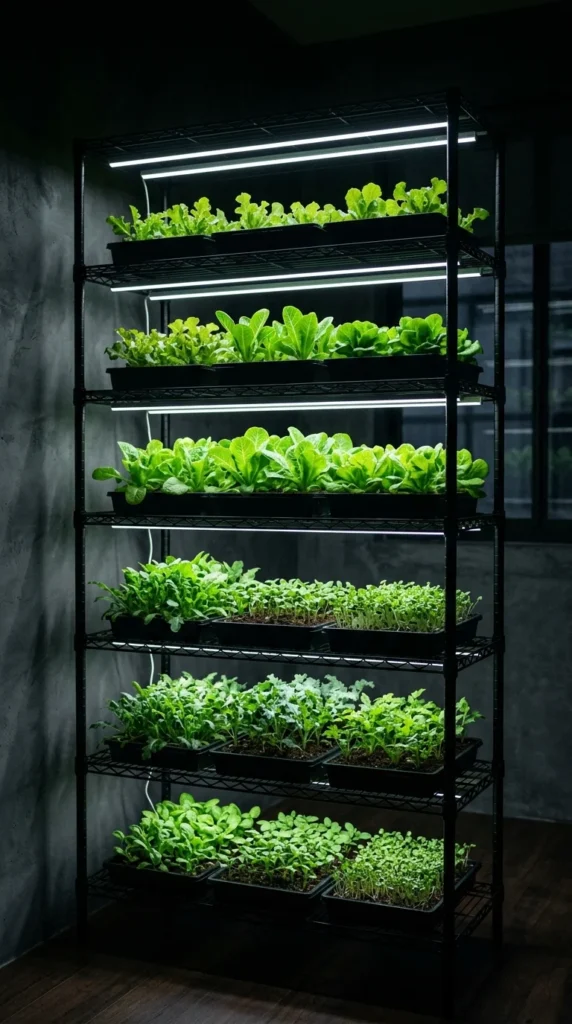
Don’t let a lack of natural light stop you. Modern LED grow lights are energy-efficient, produce very little heat, and can be easily hidden under cabinets or attached to bookshelves. By creating a dedicated “grow light station,” you can turn a dark hallway or a closet into a high-production vegetable garden. This is the best way to grow light-hungry plants like dwarf tomatoes or peppers indoors during the winter months.
12. Self-Watering Pots
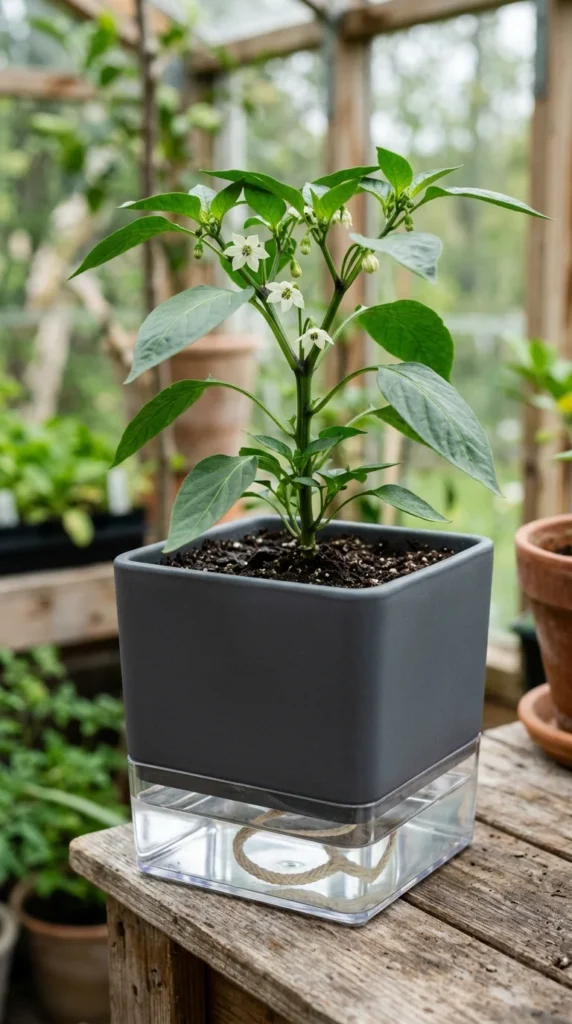
For the busy urbanite, self-watering pots are a lifesaver. These pots feature a reservoir at the bottom that the plant can drink from as needed via a wick system. This ensures consistent moisture levels—something that is notoriously difficult to maintain in small, indoor pots that dry out quickly. These are perfect for “thirsty” vegetables like cucumbers or peppers that require steady hydration to produce fruit.
13. Repurposed Furniture
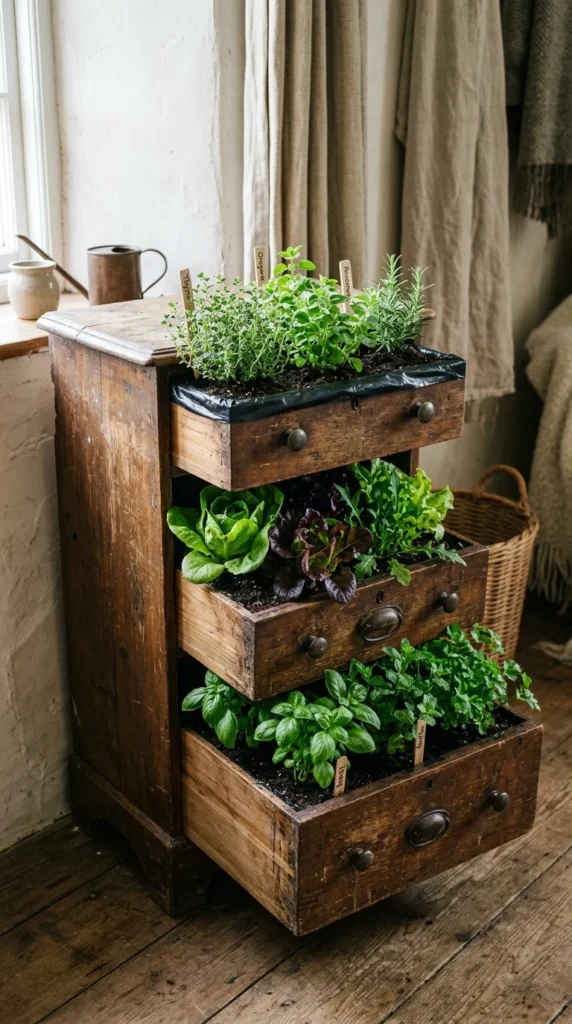
Small apartment living often requires a bit of DIY creativity. An old dresser or a set of wooden crates can be transformed into a multi-level garden. By lining drawers with plastic pond liner and adding drainage, you can create large planting beds that hold more soil than standard pots. This extra soil volume allows you to grow larger vegetables, like bush beans or dwarf eggplants, that need more room for their roots to expand.
14. Aeroponic Systems
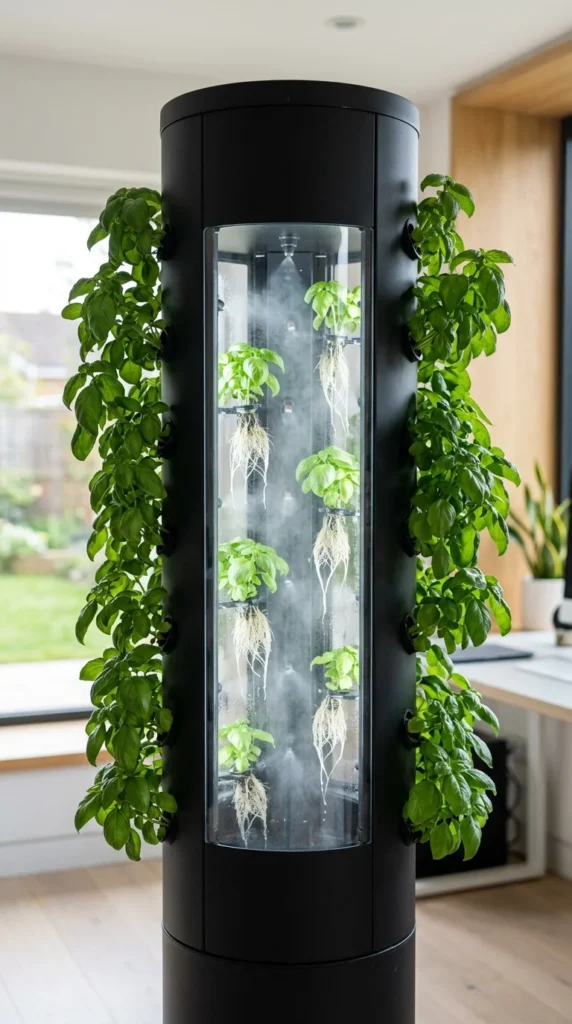
Aeroponics is the peak of indoor gardening technology. In these systems, plant roots hang in the air and are periodically misted with a nutrient-rich water solution. This method allows plants to grow significantly faster and larger than they would in soil because they have maximum access to oxygen. Compact aeroponic systems are now available for home use, providing a high-tech, soil-free way to grow gourmet greens in a small footprint.
15. Upside-Down Planters
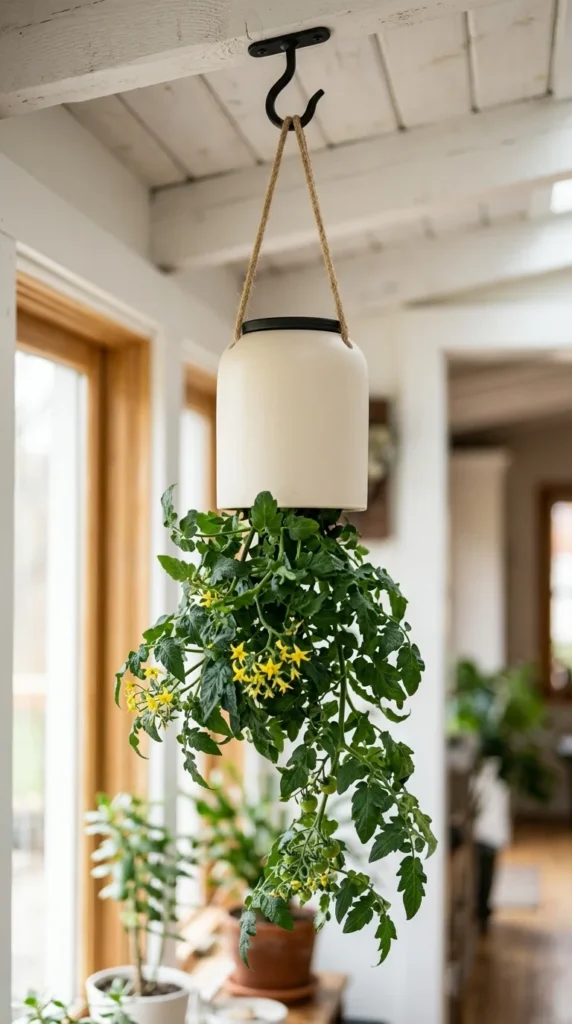
Upside-down gardening is a space-saving technique traditionally used for tomatoes. By hanging the plant upside down, you eliminate the need for stakes or cages, as gravity does the work for you. This also keeps the fruit off the ground (or floor) and away from pests. In an apartment, you can hang these near a window, allowing the vines to cascade down while leaving the windowsill free for smaller pots of herbs.
16. Microgreen Trays
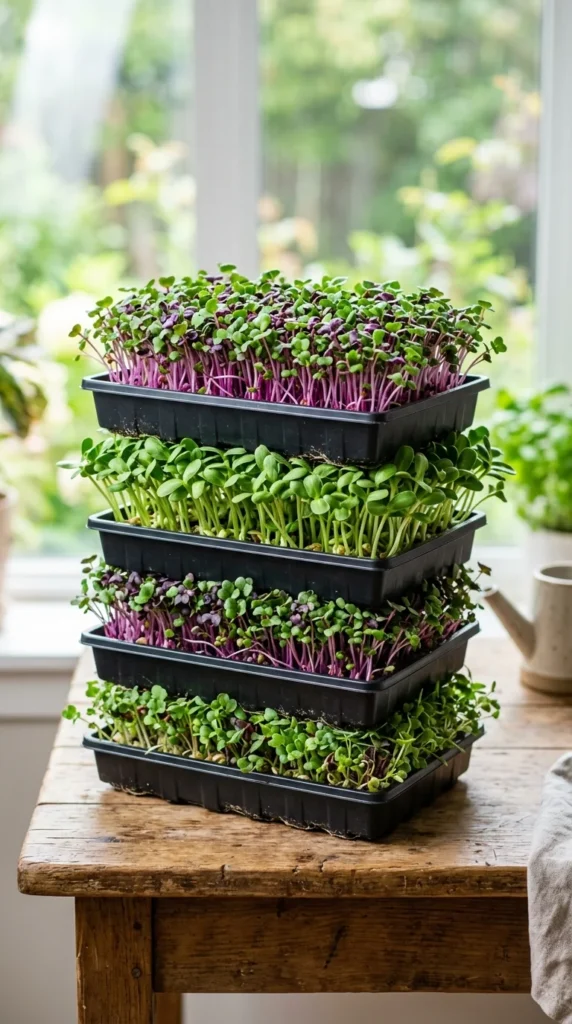
If you want the highest nutritional bang for your buck, microgreens are the answer. These are essentially vegetable seedlings harvested just after the first leaves appear. Because they are harvested so young, you can grow them in very shallow trays and stack the trays on top of each other in a small rack. They require very little light and are ready to eat in 7 to 14 days, making them the fastest and most space-efficient crop for apartment dwellers.
17. Countertop Pods
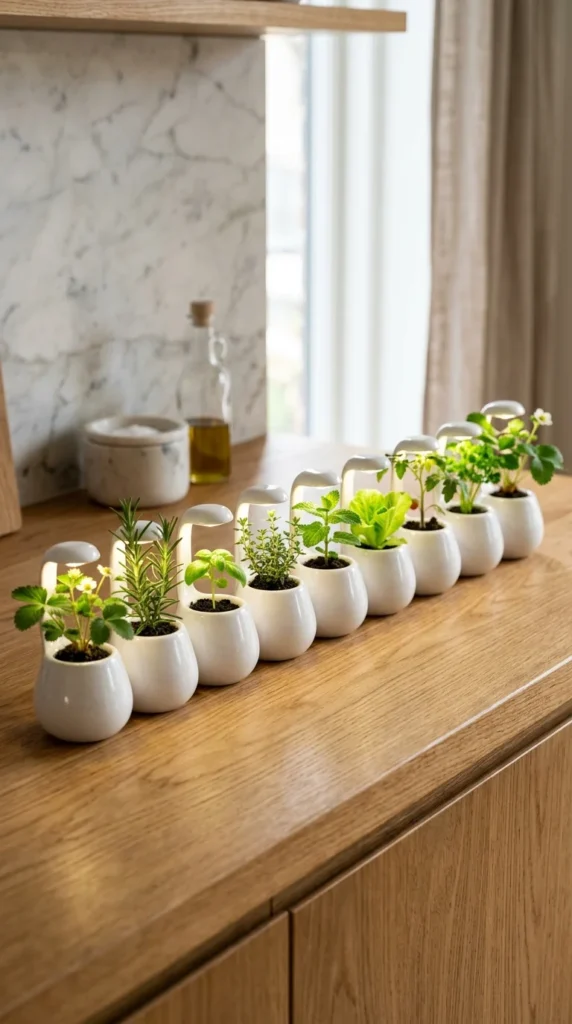
Individual countertop pods are the ultimate “micro-garden.” These are often used for single-serving harvests or for keeping a specific herb alive indefinitely. Because they are small and aesthetically pleasing, they can be placed anywhere—on a desk, a nightstand, or a small bathroom shelf. They represent the modular future of indoor gardening, where every corner of a small apartment can contribute to a healthier, greener lifestyle.