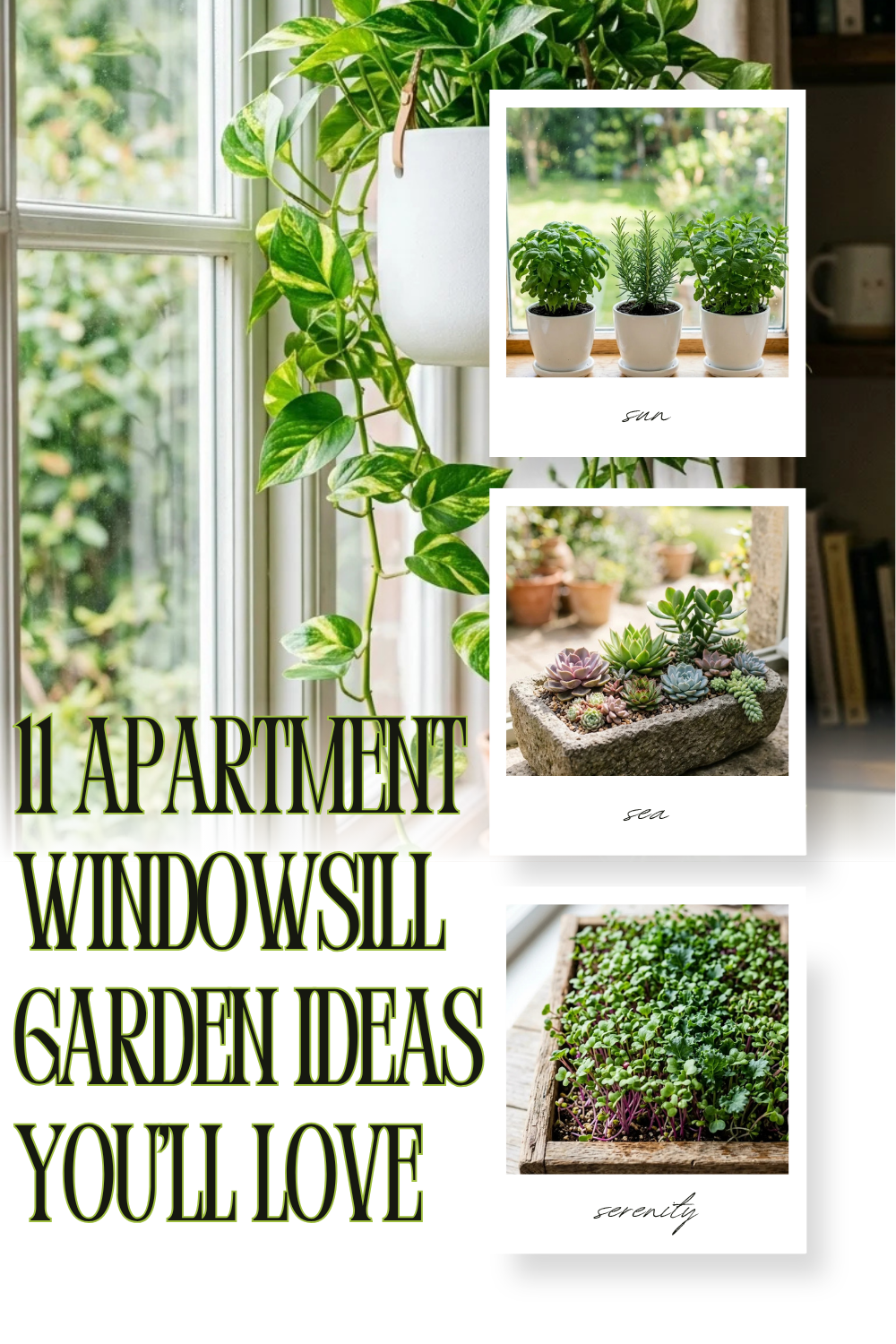
Living in a bustling city apartment doesn’t mean you have to sacrifice your green thumb. Even if you lack a backyard or a spacious balcony, your windowsill offers a prime piece of real estate for a thriving garden. Windowsill gardening is the perfect gateway into urban agriculture, providing a burst of nature, fresh ingredients for your kitchen, and a meditative hobby that fits right into your daily routine.
Whether you have a south-facing window drenched in sunlight or a north-facing ledge that sees more shadows, there is a plant perfectly suited for your space. Here are 11 creative and practical windowsill garden ideas to transform your apartment into a personal oasis.
1. Culinary Herbs
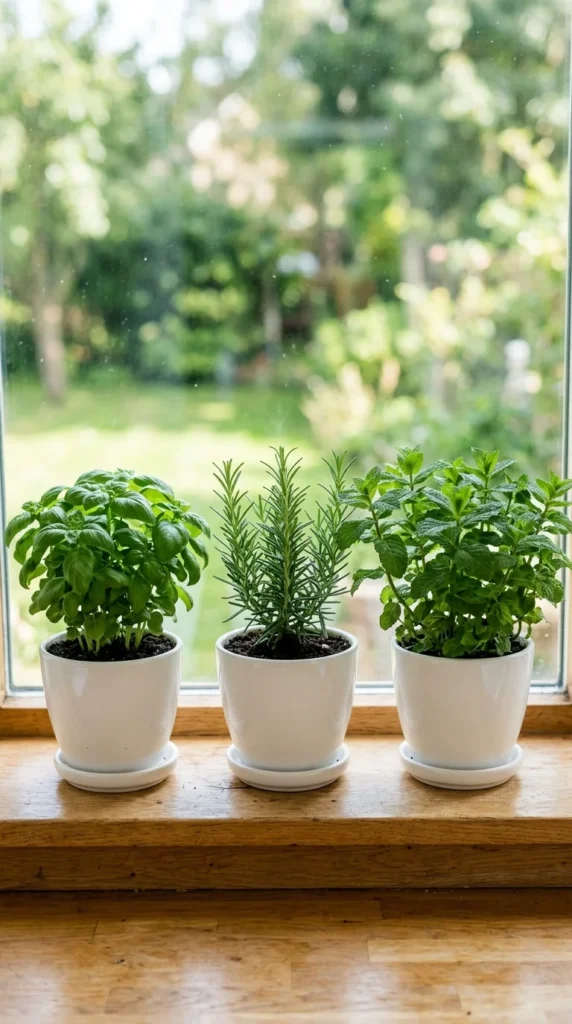
If you love to cook, a culinary herb garden is the most rewarding choice you can make. There is a profound difference between the wilted herbs found in plastic grocery store containers and the vibrant, aromatic leaves plucked directly from your windowsill.
- Top Picks: Basil, parsley, cilantro, mint, and chives are excellent starters.
- Why It Works: Herbs are generally compact and grow quickly.
- Care Tip: Most culinary herbs crave at least six hours of sunlight. If your window is a bit dark, consider a small LED grow light to keep them from getting “leggy.”
2. Hardy Succulents
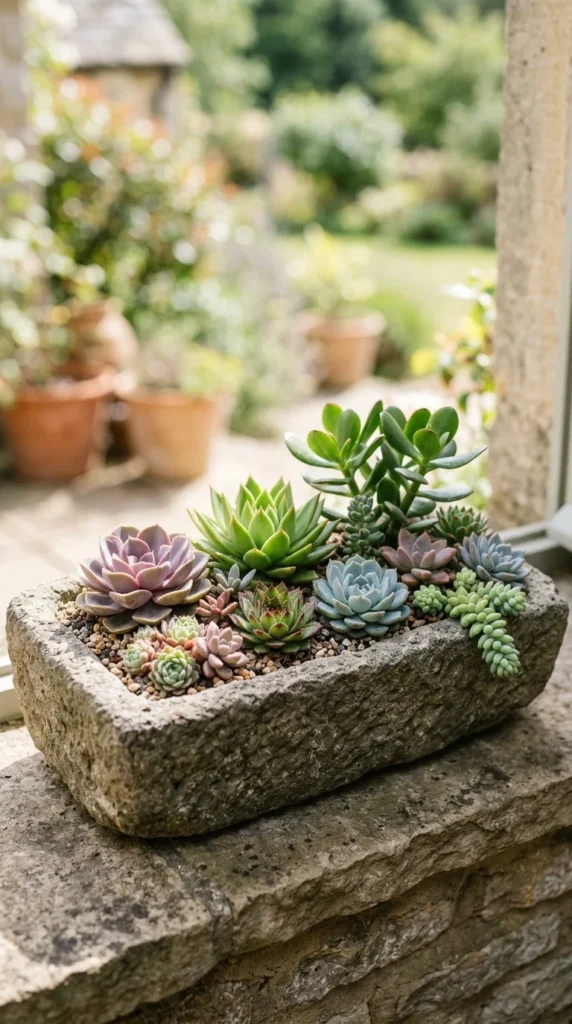
For the busy urbanite or the self-proclaimed “plant killer,” succulents are a dream come true. These resilient plants store water in their thick, fleshy leaves, making them incredibly drought-tolerant. They come in an endless array of geometric shapes, textures, and colors, turning your windowsill into a living piece of art.
- Top Picks: Echeveria, Jade plants, Zebra Haworthia, and Aloe Vera.
- Why It Works: They thrive on neglect and love the dry air often found in apartment buildings.
- Care Tip: Use a well-draining cactus soil mix and ensure your pots have drainage holes. Overwatering is the only real enemy of the succulent.
3. Vibrant Microgreens
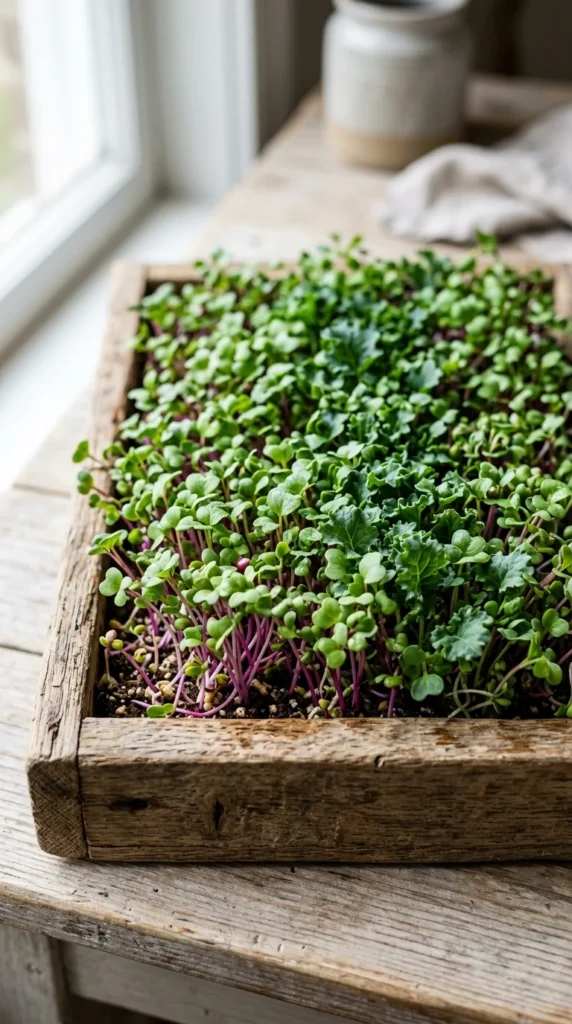
Microgreens are the ultimate “instant gratification” crop. These are simply young vegetable greens that are harvested just after the first true leaves have developed. They are packed with up to 40 times more nutrients than their mature counterparts and add a gourmet touch to sandwiches, salads, and soups.
- Top Picks: Radish, kale, arugula, and beet greens.
- Why It Works: They require very little space and go from seed to harvest in just 10 to 14 days.
- Care Tip: You don’t even need deep pots; a shallow tray with an inch of soil is plenty. Keep the soil consistently moist but not waterlogged.
4. Leafy Greens
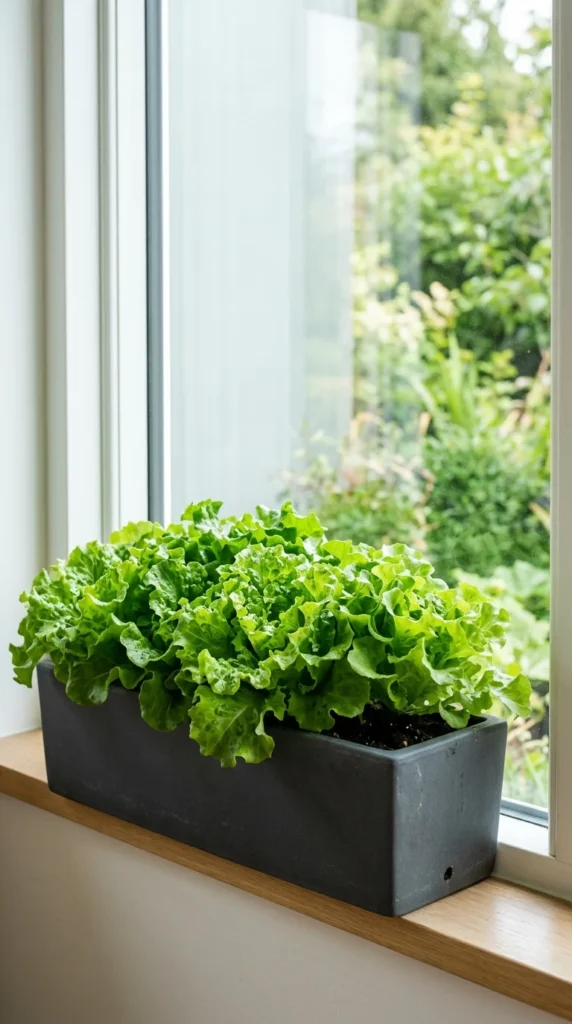
You don’t need a raised garden bed to grow your own salad. Many varieties of leafy greens are perfectly happy in the confines of a windowsill planter. “Cut-and-come-again” varieties are particularly efficient for small spaces, as you can harvest the outer leaves while the center continues to grow.
- Top Picks: Spinach, Swiss chard, and loose-leaf lettuce varieties like “Buttercrunch” or “Red Sails.”
- Why It Works: Many greens actually prefer the cooler temperatures near a window and can tolerate partial sun.
- Care Tip: Harvest regularly to encourage new growth and prevent the plants from becoming overcrowded.
5. Cascading Vines
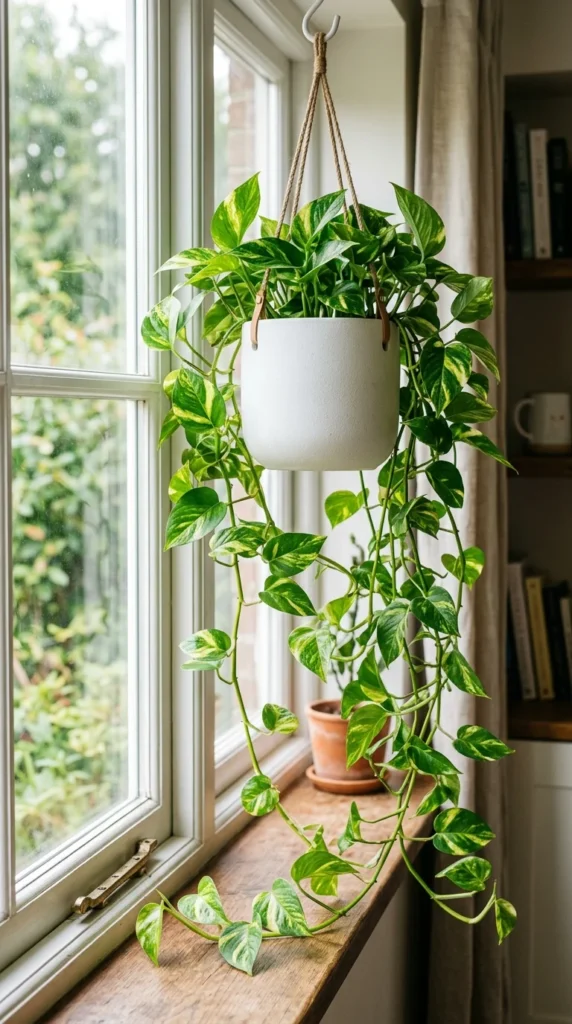
If you want to create a “jungle” vibe, focus on verticality. Cascading vines allow you to utilize the space below the windowsill as the foliage drapes down, framing your window in greenery. This creates a soft, romantic look that can hide unsightly radiators or wall vents.
- Top Picks: Pothos (Devil’s Ivy), Heartleaf Philodendron, and String of Pearls.
- Why It Works: These plants are generally very easy to care for and can adapt to various light levels.
- Care Tip: Pothos and Philodendrons are great for beginners because they “tell” you when they need water by slightly wilting their leaves.
6. Edible Flowers
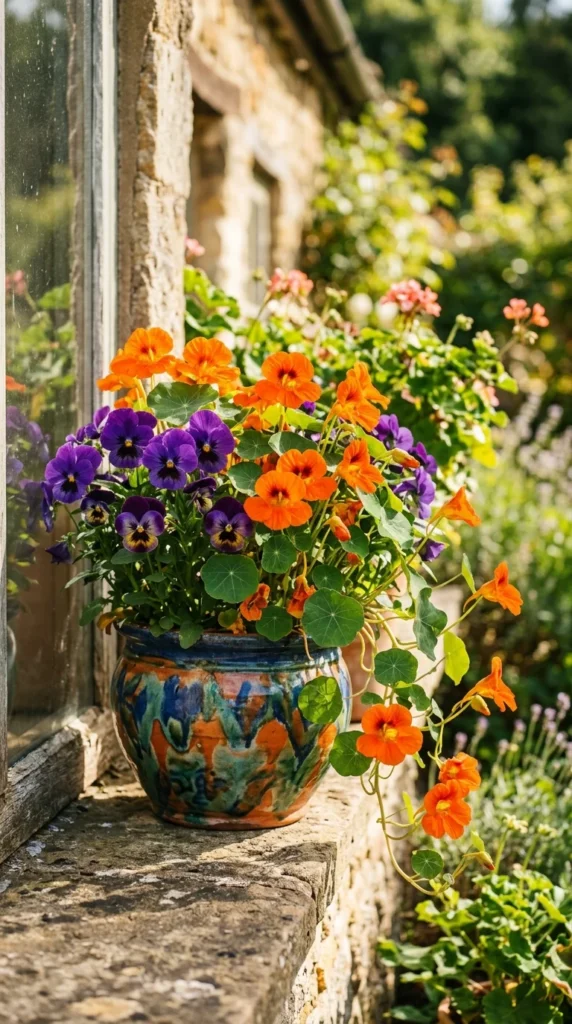
Why choose between beauty and utility when you can have both? Edible flowers add a splash of brilliant color to your windowsill and a unique, peppery or floral flavor to your culinary creations. They are fantastic for decorating cakes or freezing into ice cubes for fancy cocktails.
- Top Picks: Nasturtiums, Pansies, Marigolds, and Violas.
- Why It Works: They stay relatively small and bloom prolifically throughout the season.
- Care Tip: Ensure you are using organic soil and no chemical pesticides, as you will be consuming the petals.
7. Modern Air Plants
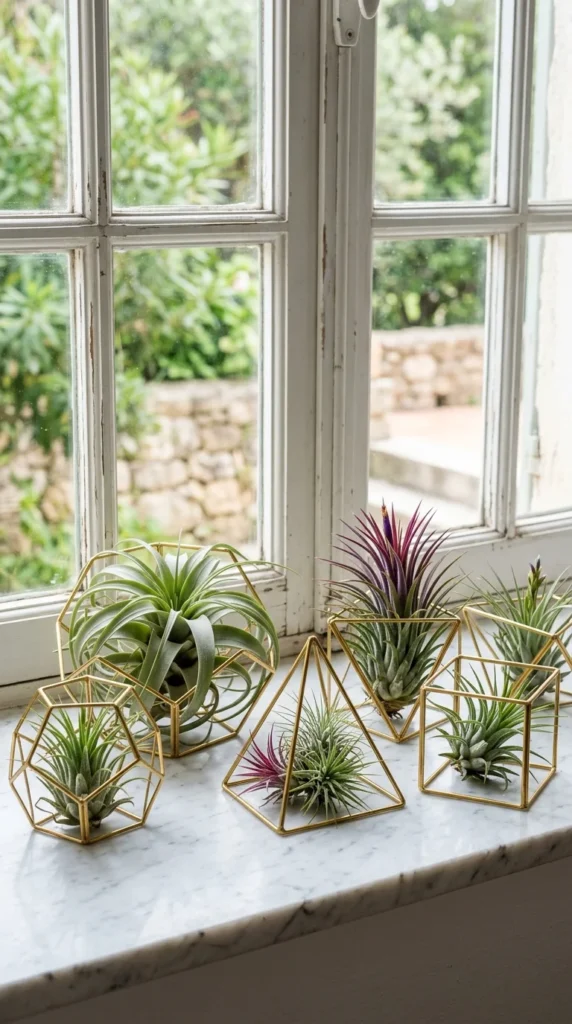
For the minimalist who wants a garden without the mess of soil, air plants (Tillandsia) are the answer. These fascinating epiphytes absorb moisture and nutrients through their leaves rather than roots. They can be placed in glass globes, mounted on driftwood, or tucked into modern wire frames.
- Top Picks: Tillandsia Ionantha, Xerographica, and Medusae.
- Why It Works: They are incredibly lightweight and versatile, perfect for narrow windowsills where a heavy pot won’t fit.
- Care Tip: Instead of watering like a traditional plant, soak them in a bowl of water for 20-30 minutes once a week, and ensure they dry completely afterward.
8. Regrown Scallions
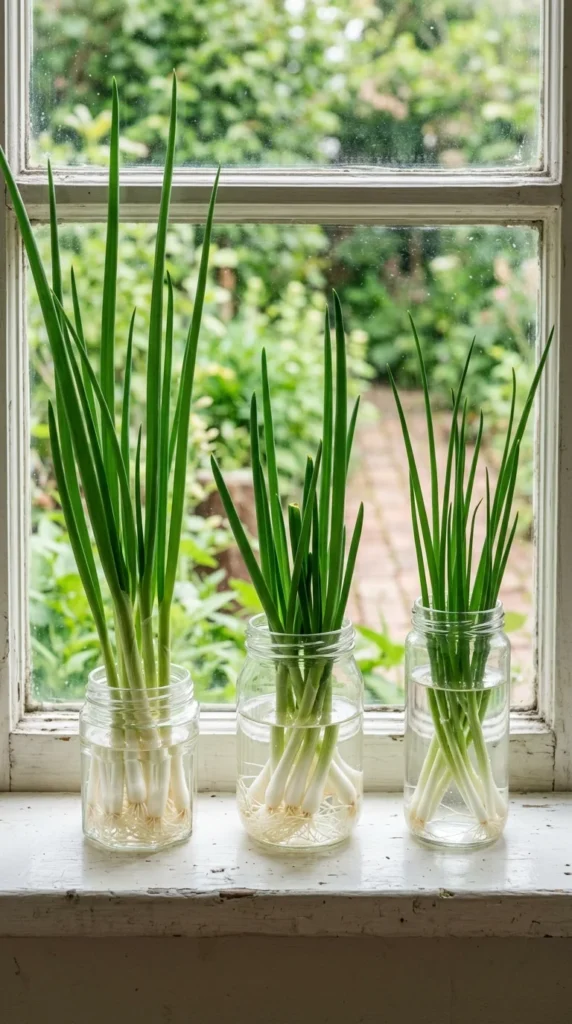
This is the easiest entry point into gardening and a fantastic way to reduce food waste. Instead of tossing the root ends of your store-bought green onions, you can regrow them indefinitely in just a bit of water. It’s a science experiment and a garden all in one.
- Top Picks: Scallions (green onions), leeks, and even celery hearts.
- Why It Works: It requires zero soil and produces a constant supply of fresh garnishes.
- Care Tip: Change the water every day or two to keep it fresh and prevent odors. Once the roots are long, you can transplant them into soil for even more vigorous growth.
9. Chili Peppers
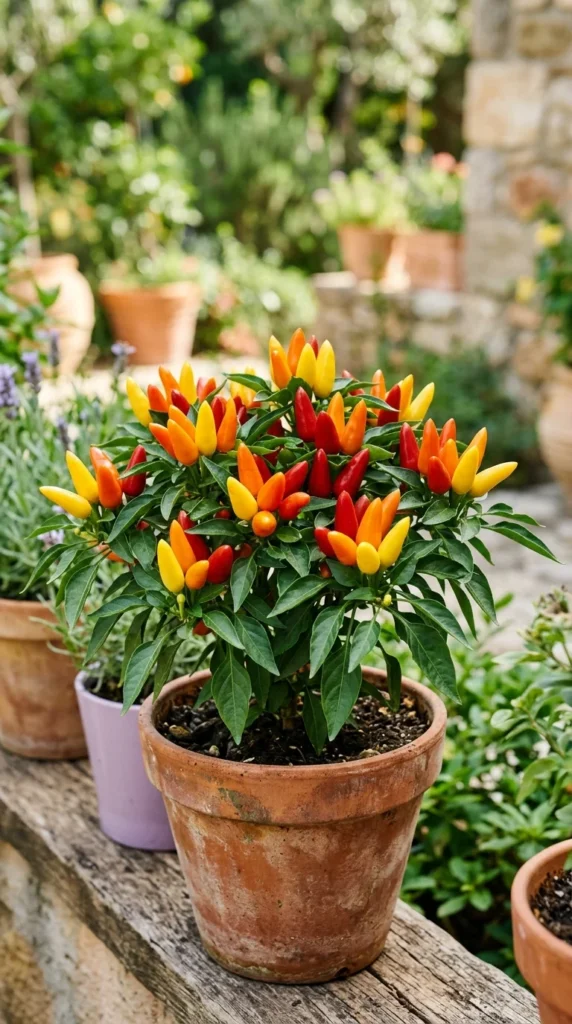
If your windowsill gets intense, direct sunlight, use that heat to grow chili peppers. Ornamental and dwarf pepper varieties are specifically bred for containers and provide a stunning visual display with their bright, jewel-toned fruits.
- Top Picks: Thai Hot, Apache, and Prairie Fire peppers.
- Why It Works: Pepper plants love the warmth generated by window glass and don’t mind the confined root space of a pot.
- Care Tip: Pepper plants need consistent moisture but hate “wet feet.” Use a pot with excellent drainage.
10. Aromatic Lavender
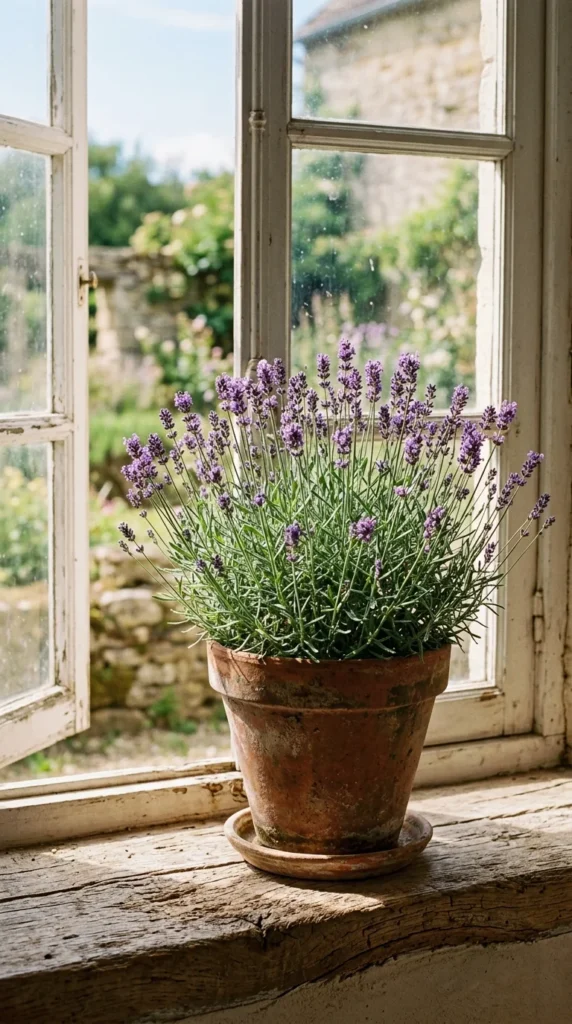
Transform your apartment into a spa with the calming scent of lavender. Growing lavender on your windowsill provides a natural aromatherapy boost every time a breeze blows through the screen. Its silvery-green foliage also adds a sophisticated, Mediterranean texture to your decor.
- Top Picks: French Lavender or English Lavender (Munstead or Hidcote varieties are more compact).
- Why It Works: It thrives in sunny, well-ventilated spots.
- Care Tip: Lavender requires a lot of light and very well-draining soil. Avoid overwatering at all costs, as the roots are prone to rot in soggy conditions.
11. Lush Ferns
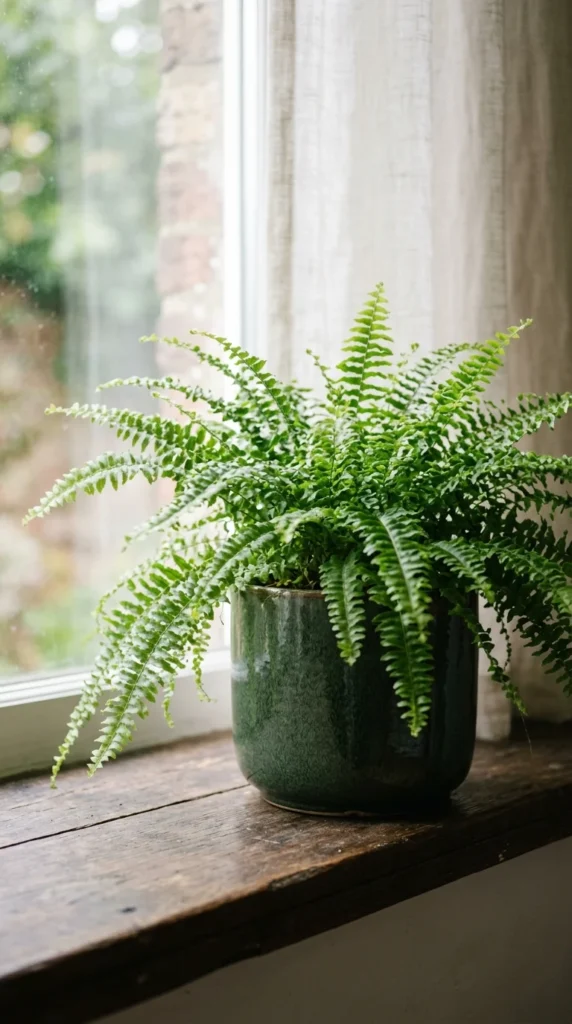
For north-facing windows or apartments that don’t get much direct sun, ferns are the royalty of the windowsill. They bring a lush, prehistoric feel to the home with their intricate, feathery fronds. They are perfect for adding softness and volume to your indoor garden.
- Top Picks: Boston Fern, Maidenhair Fern, and Lemon Button Fern.
- Why It Works: They thrive in indirect light and appreciate the higher humidity often found in kitchens or bathrooms.
- Care Tip: Ferns love humidity. If your apartment air is dry, place the pot on a tray filled with pebbles and water, or give the leaves a gentle misting every few days.
Tips for Windowsill Success
Regardless of which plants you choose, keep these three rules in mind:
- Rotation is Key: Plants naturally grow toward the light. Rotate your pots a quarter-turn every week to ensure even growth and prevent your garden from leaning too heavily in one direction.
- Mind the Temperature: Windows can be drafty in the winter and magnifying glasses in the summer. Be careful not to let leaves touch the glass during extreme temperatures, as this can lead to “leaf burn” or frost damage.
- Drainage Matters: Most windowsill plants fail because they sit in water. Always use pots with drainage holes and saucers to catch the excess. Your floors—and your plants—will thank you.