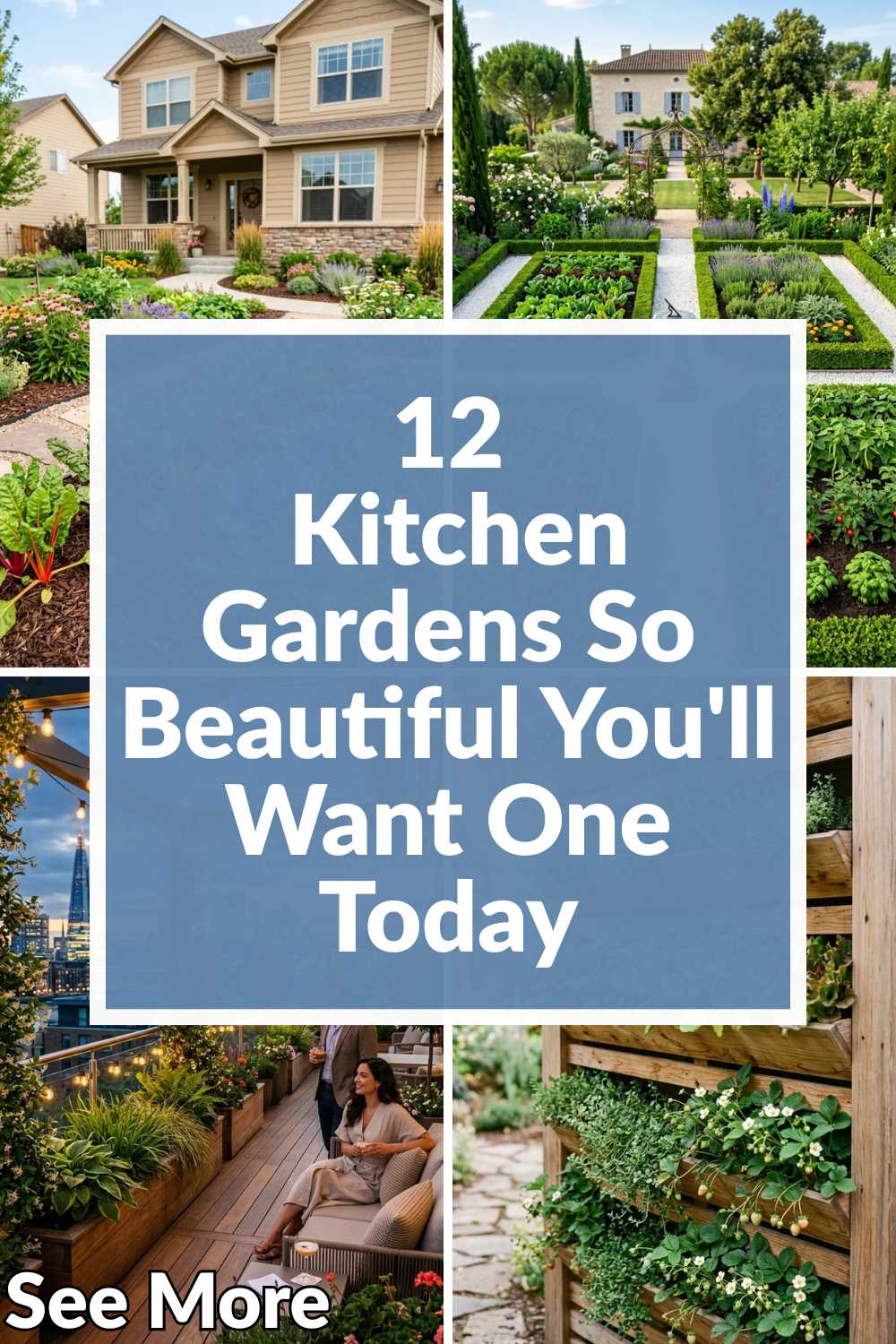
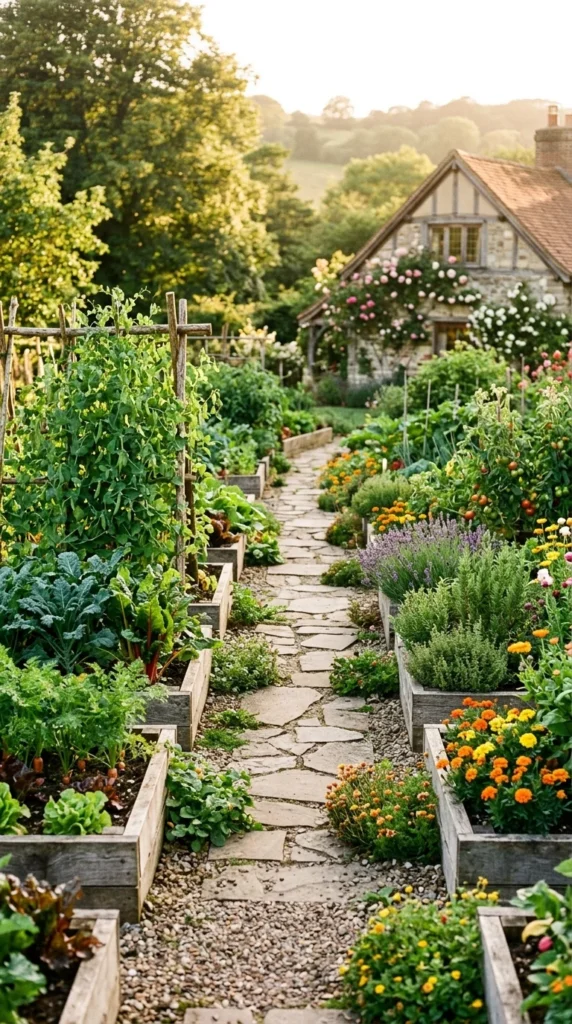
The concept of the kitchen garden, or potager, has transcended its humble origins of pure utility. Today, these spaces are designed to be as visually stunning as they are productive. Imagine stepping out of your back door and being greeted not by a patch of dirt, but by a curated sanctuary of scents, textures, and colors that also happens to provide your dinner.
Whether you have an expansive rural plot or a compact urban balcony, a kitchen garden offers a unique way to connect with nature. These twelve designs prove that you don’t have to choose between a beautiful landscape and a bountiful harvest.
1. Geometric Symmetry
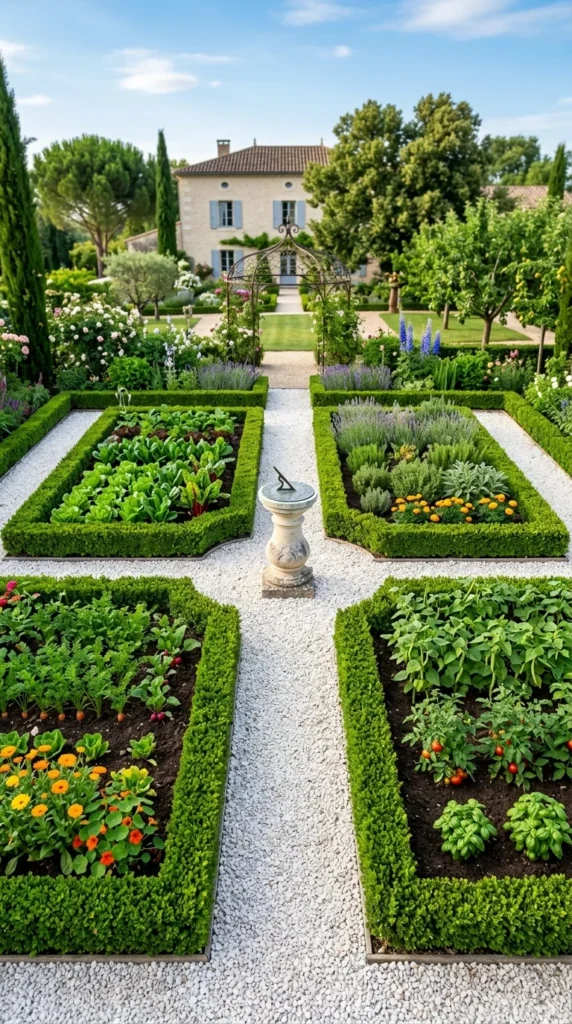
Symmetry provides an immediate sense of order and calm. In a geometric kitchen garden, the layout is the star. By using precise angles and repeating patterns, you create a formal look that feels like a living art installation. This style often uses boxwood or lavender borders to “frame” the edible crops, keeping the garden looking tidy even when the vegetables are in their messy mid-summer growth phase.
- Key Elements: Centered focal points, gravel pathways, and identical bed dimensions.
- Best Plants: Structural greens like kale, upright herbs like rosemary, and low-growing alpine strawberries.
2. Cedar Beds
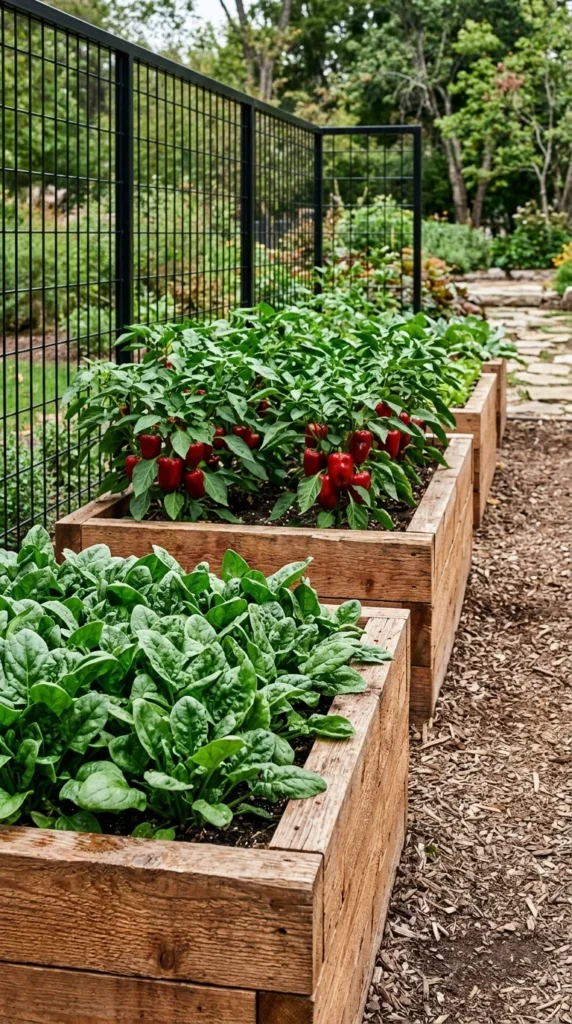
There is something timeless and comforting about the look of natural wood against a backdrop of greenery. Cedar is the gold standard for kitchen gardens because of its natural rot resistance and its beautiful aging process—turning from a warm red to a sophisticated silvery gray over time. Deep raised beds also save your back and allow for perfect soil control.
- Key Elements: High-quality timber, uniform heights, and dark organic mulch.
- Best Plants: Root vegetables like carrots and radishes that thrive in deep, loose soil.
3. Vertical Greens
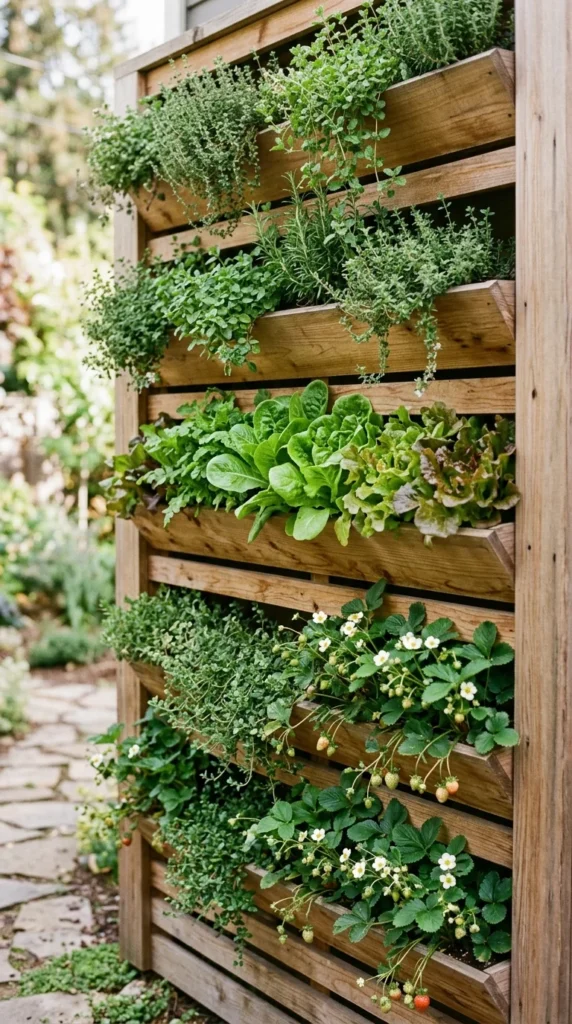
When ground space is at a premium, look up. Vertical kitchen gardens are the ultimate solution for urban dwellers or small courtyards. By using wall-mounted planters, trellises, or “living walls,” you can grow a surprising amount of food in a very small footprint. This design also adds a lush, textured wallpaper effect to your outdoor living area.
- Key Elements: Wall-mounted systems, drip irrigation, and sturdy support structures.
- Best Plants: Vining peas, beans, cucumbers, and trailing varieties of cherry tomatoes.
4. Rustic Farmhouse
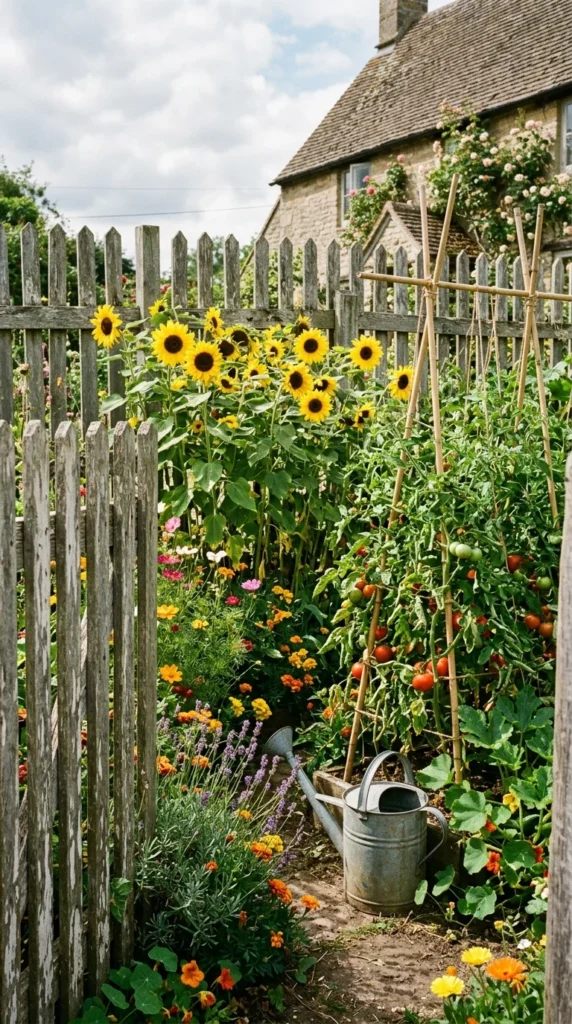
The farmhouse aesthetic celebrates the “perfectly imperfect.” This garden style is characterized by repurposed materials, such as old galvanized tubs used as planters or vintage gates used as trellises. It’s a garden that feels lived-in and loved, where flowers and vegetables mingle freely in a joyful, organized chaos.
- Key Elements: Weathered wood, antique garden tools, and a mix of edibles and cutting flowers.
- Best Plants: Heirloom tomatoes, large sunflowers, and sprawling squash vines.
5. Modern Minimalist
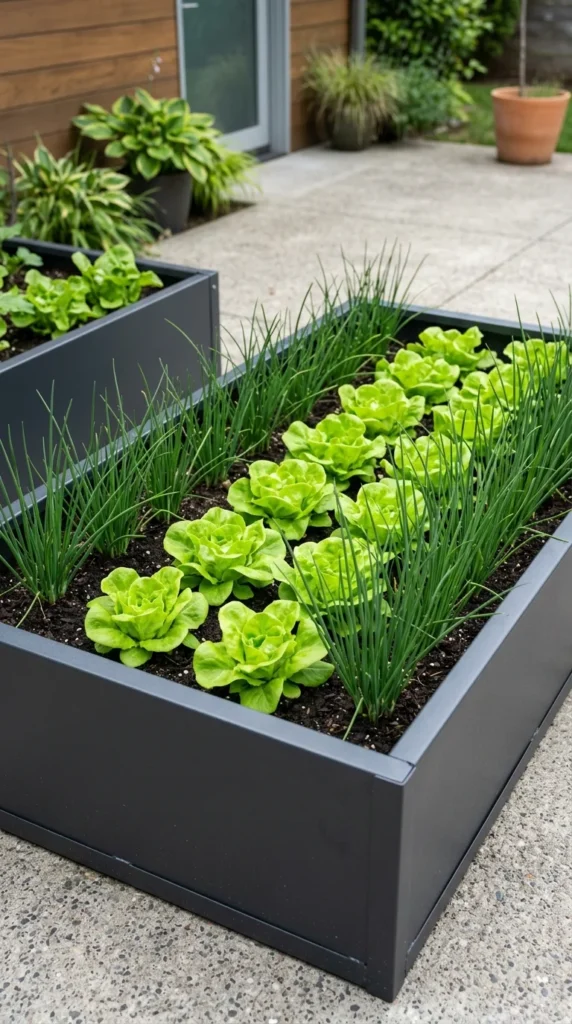
For those who love clean lines and a contemporary feel, the modern minimalist kitchen garden is the way to go. This style relies on a limited color palette—usually blacks, grays, and whites—to make the vibrant greens of the plants pop. It’s about precision and high-quality materials like steel, concrete, or composite wood.
- Key Elements: Hidden irrigation, monochromatic containers, and negative space.
- Best Plants: Architectural herbs like lemongrass, purple basil, and structured leafy greens.
6. Greenhouse Oasis
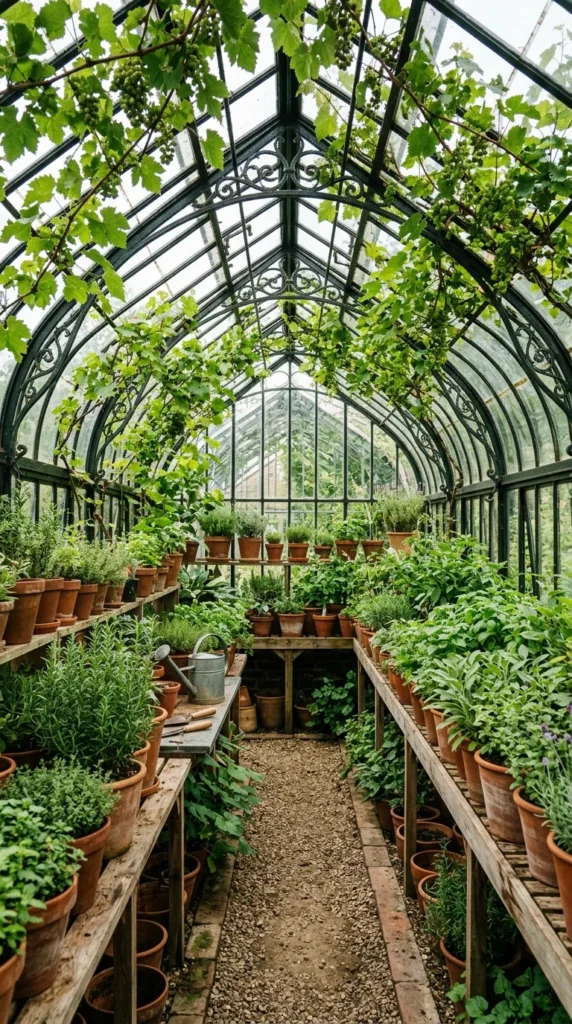
A greenhouse is the ultimate dream for many gardeners. Not only does it extend the growing season, but it also creates a stunning architectural feature in the yard. Whether it’s a sleek modern glass box or a romantic Victorian structure, the greenhouse becomes a sanctuary where you can garden regardless of the weather.
- Key Elements: Glass or polycarbonate panels, internal shelving, and ventilation windows.
- Best Plants: Heat-loving peppers, exotic citrus trees, and early-season starts.
7. Urban Balcony
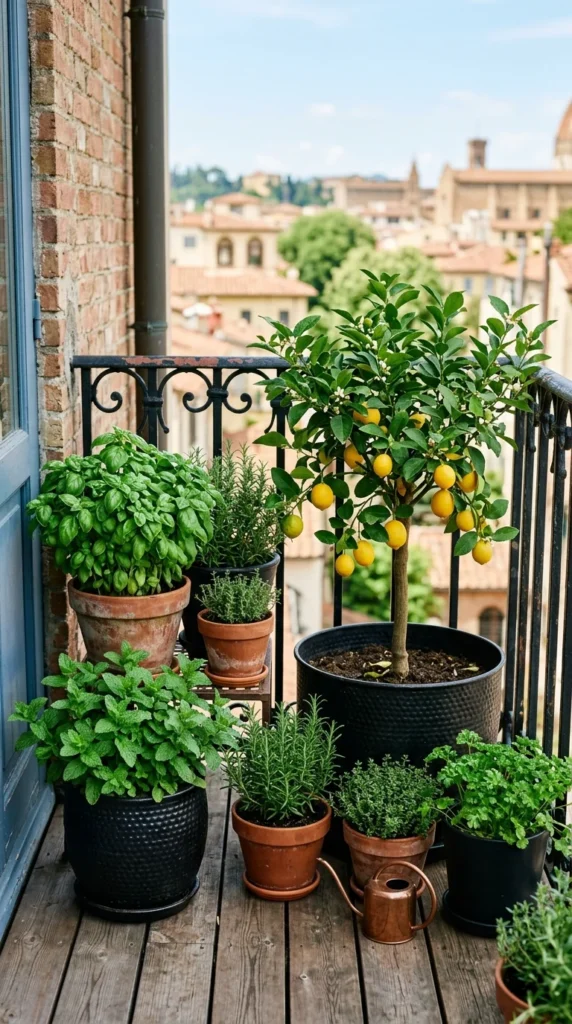
You don’t need an acre to have a kitchen garden. A well-designed balcony garden uses every inch of space creatively. By varying the heights of your pots and using railing planters, you can create a private, edible jungle that blocks out the city noise while providing fresh ingredients for your kitchen.
- Key Elements: Lightweight pots, vertical shelving, and clever use of railings.
- Best Plants: “Cut and come again” salad greens, dwarf citrus, and compact herbs.
8. Herb Spiral
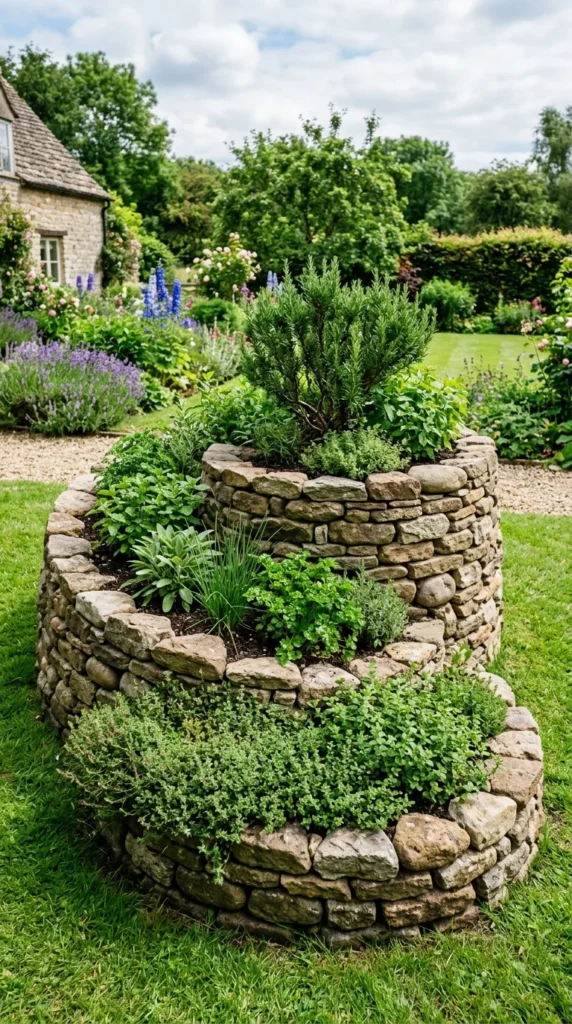
The herb spiral is a masterpiece of permaculture design. By building a mound of soil in a spiral shape supported by stone or brick, you create multiple microclimates in one small area. The top is hot and dry, while the bottom is cool and moist, allowing you to grow a vast variety of herbs with different needs in a single, beautiful structure.
- Key Elements: Stacked stone or brick, a vertical height gradient, and organic soil.
- Best Plants: Rosemary and sage at the top; parsley and chives at the bottom.
9. Cottage Core
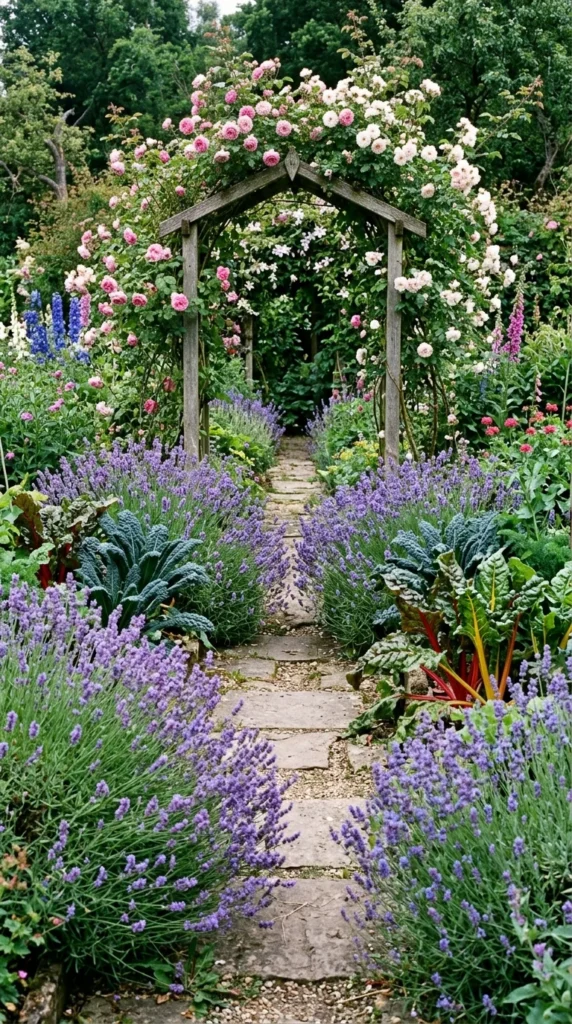
The cottage kitchen garden is a romantic’s dream. It blurs the lines between a flower garden and a vegetable patch. Here, you’ll find scarlet runner beans climbing over rose arches and bright orange nasturtiums winding around the base of broccoli plants. It’s a sensory explosion of scent and color that invites bees, butterflies, and humans alike.
- Key Elements: Arbors, winding dirt paths, and a high density of flowering plants.
- Best Plants: Edible flowers (violas, nasturtiums), beans, and sweet peas.
10. Rooftop Sanctuary
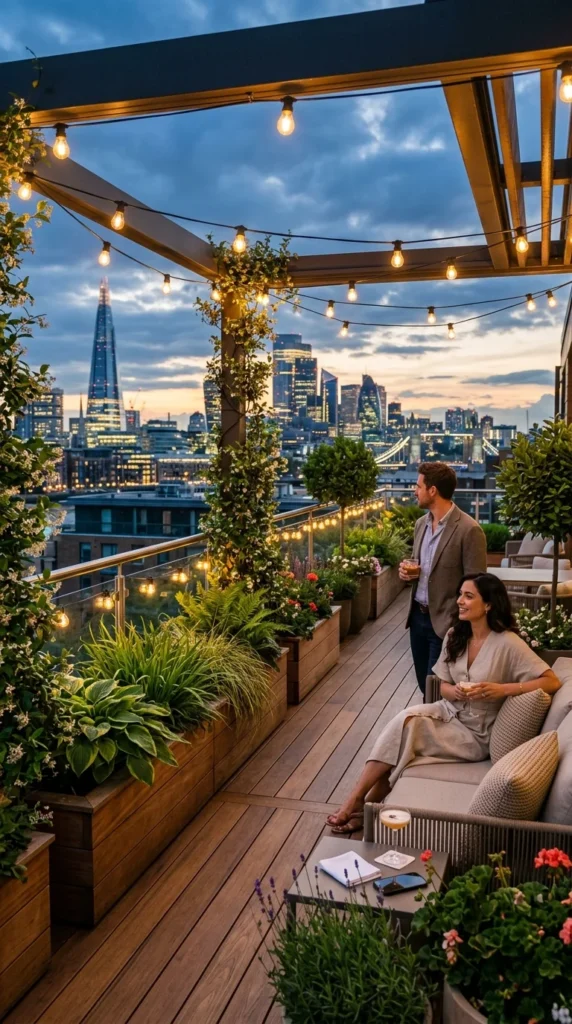
Transforming a flat roof into a kitchen garden is the height of urban luxury. These gardens often incorporate seating areas, making the garden an extension of the living space. The wind and sun on a rooftop can be intense, so these gardens often feature robust irrigation systems and sturdy, low-profile planters.
- Key Elements: Lightweight soil mixes, automatic watering, and wind-resistant structures.
- Best Plants: Hardy herbs like oregano, heat-tolerant peppers, and strawberries.
11. Mediterranean Courtyard
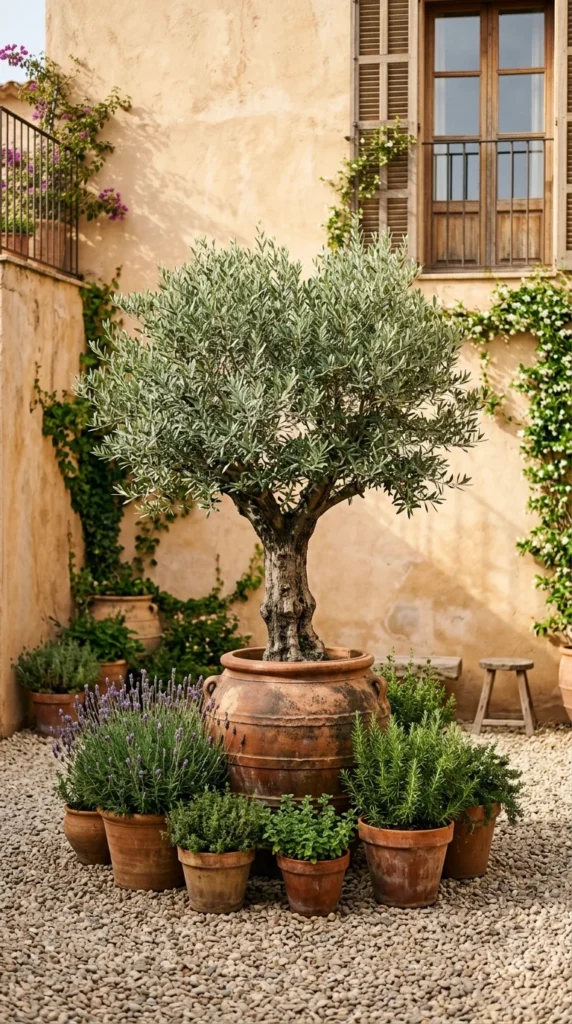
Inspired by the gardens of Italy and Greece, this style focuses on drought-tolerant plants and earthy materials. Stone walls, gravel floors, and terracotta pots create a warm, inviting atmosphere. This is a low-maintenance way to have a kitchen garden that looks beautiful even during the height of a dry summer.
- Key Elements: Gravel mulch, terracotta containers, and stone accents.
- Best Plants: Fig trees, bay laurel, sage, and artichokes.
12. Edible Front Yard
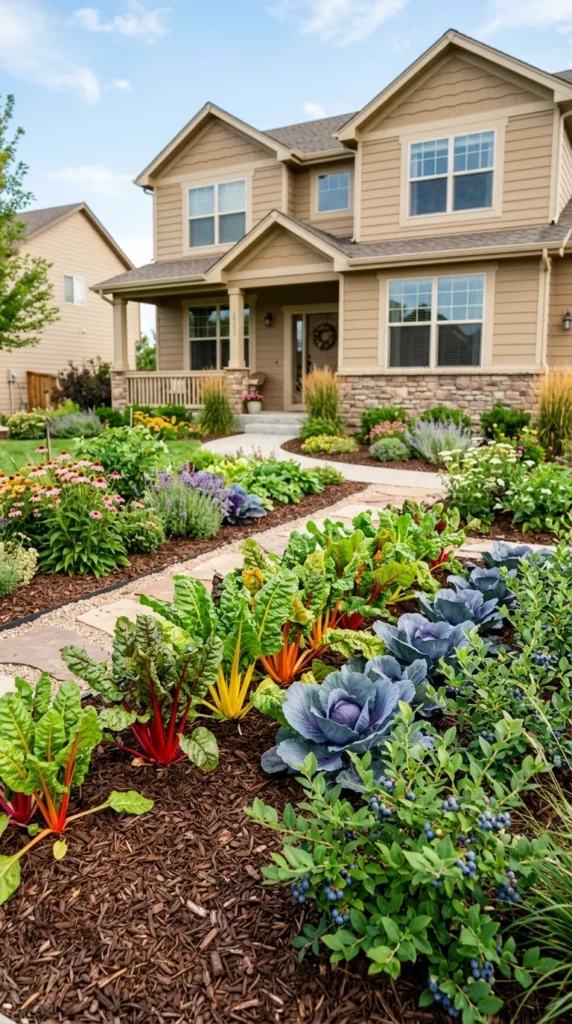
Why waste water and effort on a grass lawn when you could grow food? The edible front yard movement is gaining popularity as people realize that vegetables can be just as “curb-appeal friendly” as ornamental shrubs. By using colorful varieties of vegetables and neat edging, you can create a front-facing garden that is the envy of the neighborhood.
- Key Elements: Clean borders, colorful foliage (like ‘Bright Lights’ Swiss chard), and decorative mulching.
- Best Plants: Decorative peppers, purple kale, and fruiting shrubs like blueberries.