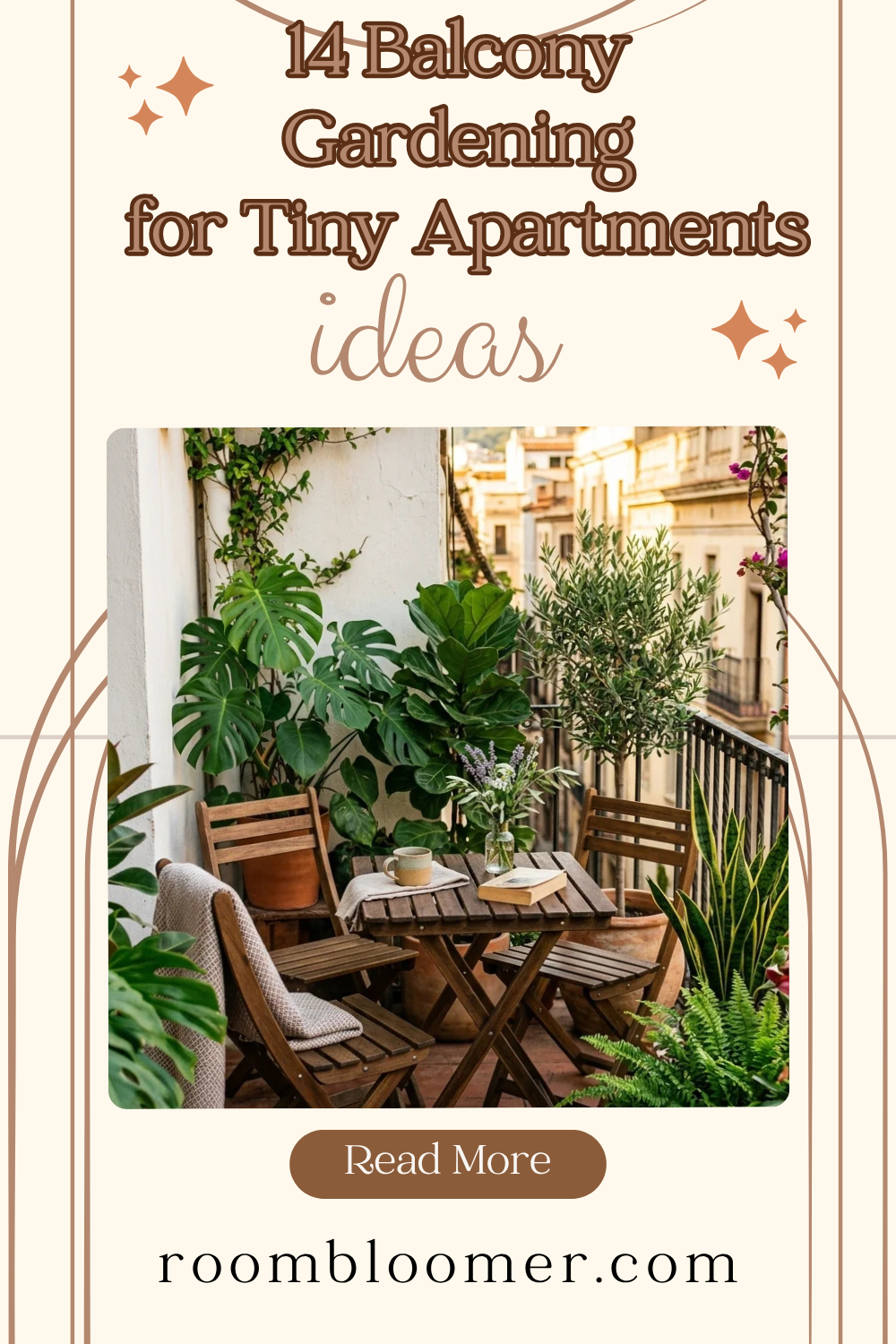
Living in a compact urban apartment often feels like a trade-off between city convenience and a connection to nature. However, your tiny balcony—no matter how narrow or cramped—is a goldmine of horticultural potential. With a bit of creativity and the right spatial strategy, you can transform a few square feet of concrete into a thriving “sky garden.” Whether you want to grow your own salad greens, cultivate aromatic herbs, or simply surround yourself with calming blossoms, the vertical and horizontal limits of a small balcony are just opportunities in disguise.
Here are 14 ingenious balcony gardening ideas designed specifically for tiny apartment living.
1. Vertical Planters
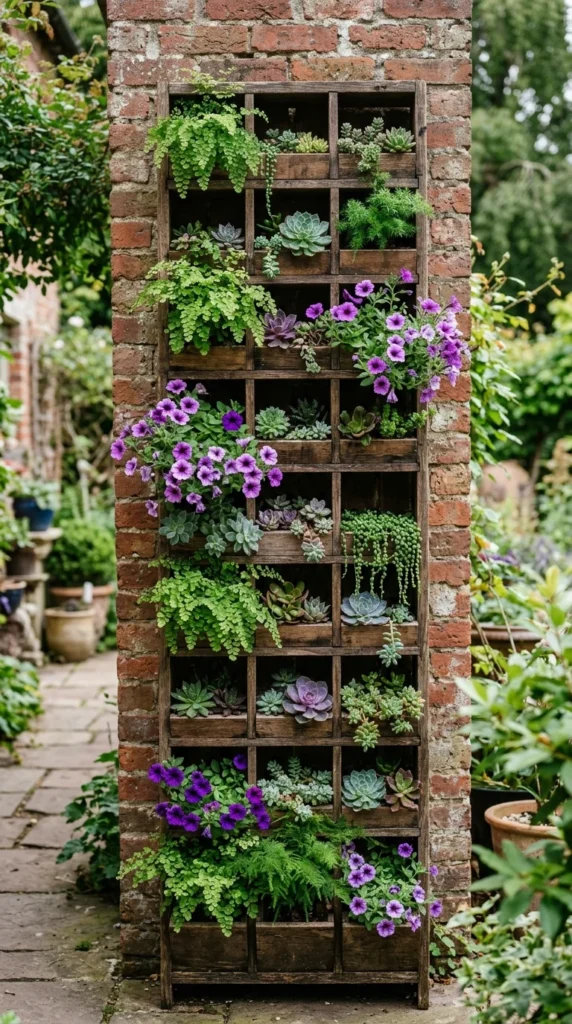
When floor space is at a premium, the only way to go is up. Vertical planters are the ultimate solution for tiny balconies because they utilize the wall space that usually goes to waste. You can find modular systems that stack on top of each other or wall-mounted frames that hold several small pots. This approach allows you to grow a diverse range of plants—from trailing vines to upright flowers—without taking up more than a single square foot of floor space. It also creates a stunning “living wall” effect that provides privacy from neighbors and dampens city noise.
2. Railing Boxes
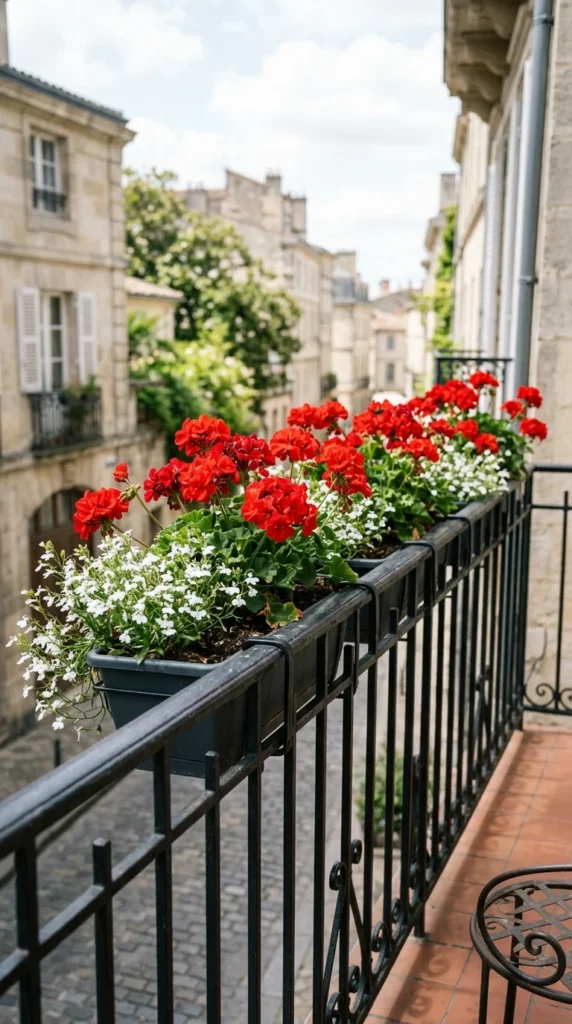
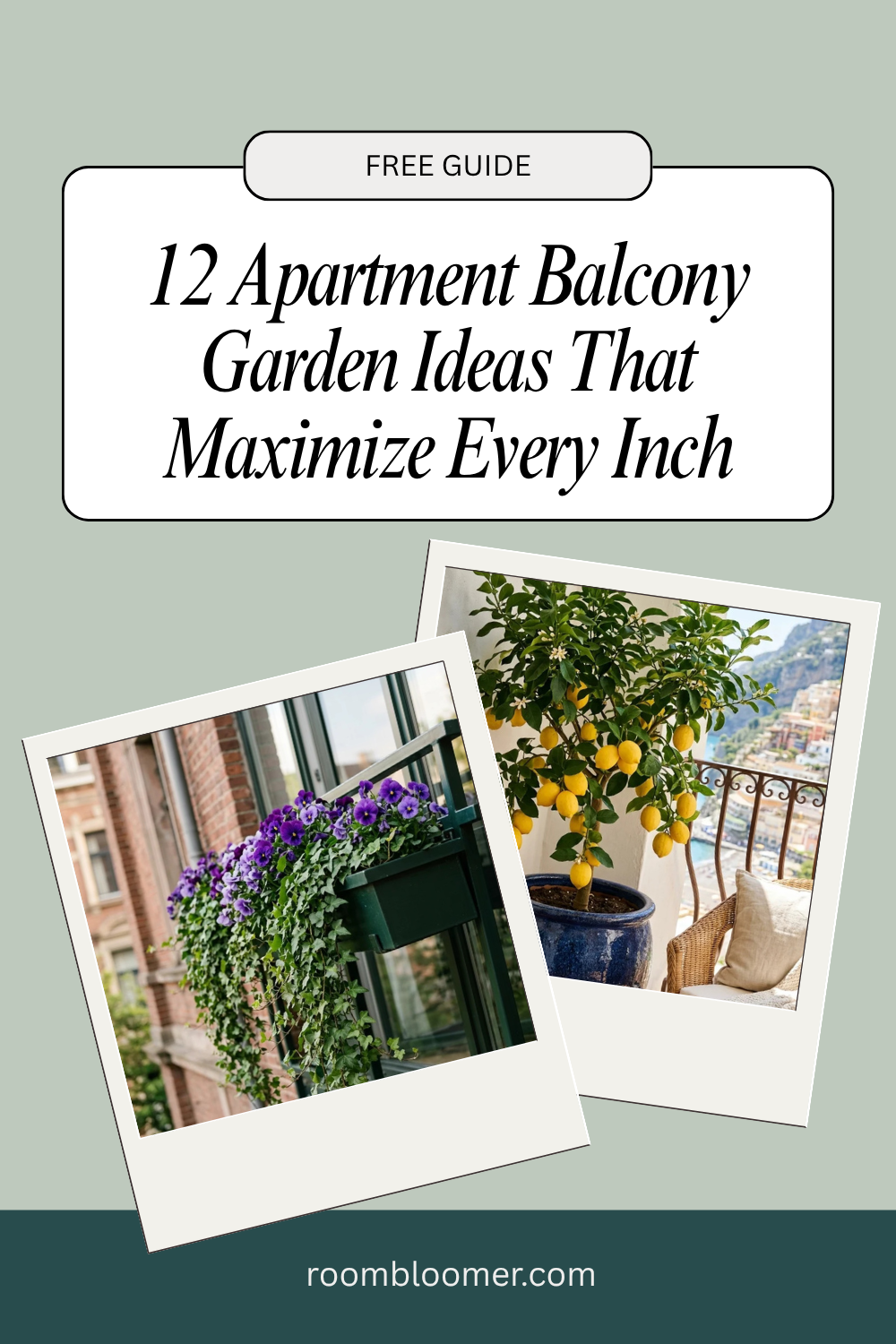
Your balcony railing is a structural asset. Railing boxes (or “saddlebag” planters) sit directly on top of the rail or hang off the side, extending your garden outward into the air. This is perfect for sun-loving plants because they aren’t shaded by the apartment building’s walls. When choosing railing boxes, ensure they are securely fastened with adjustable brackets to withstand high winds. Mixing trailing plants like creeping Jenny with upright blooms creates a layered look that looks beautiful from both inside your apartment and from the street below.
3. Hanging Baskets
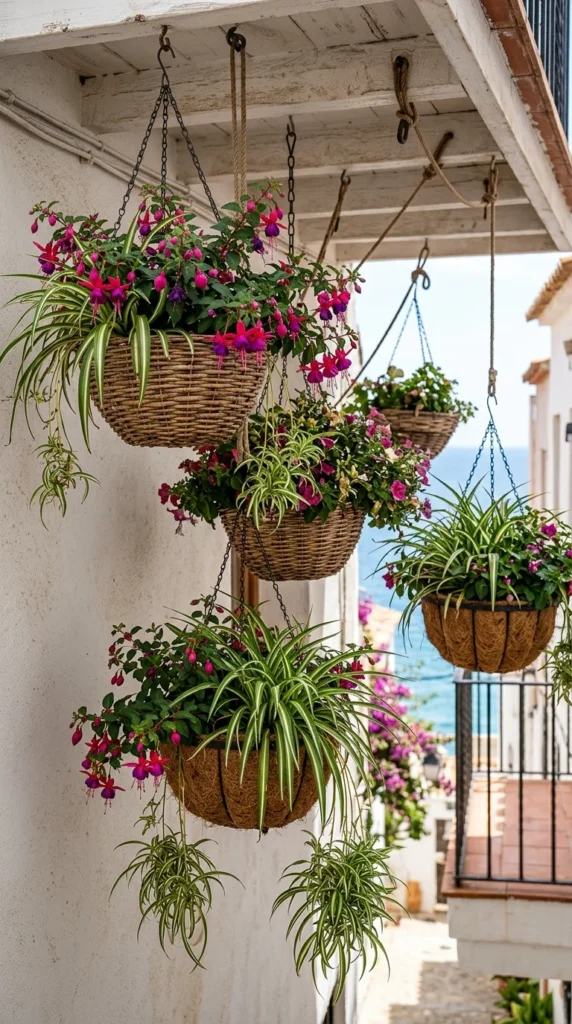
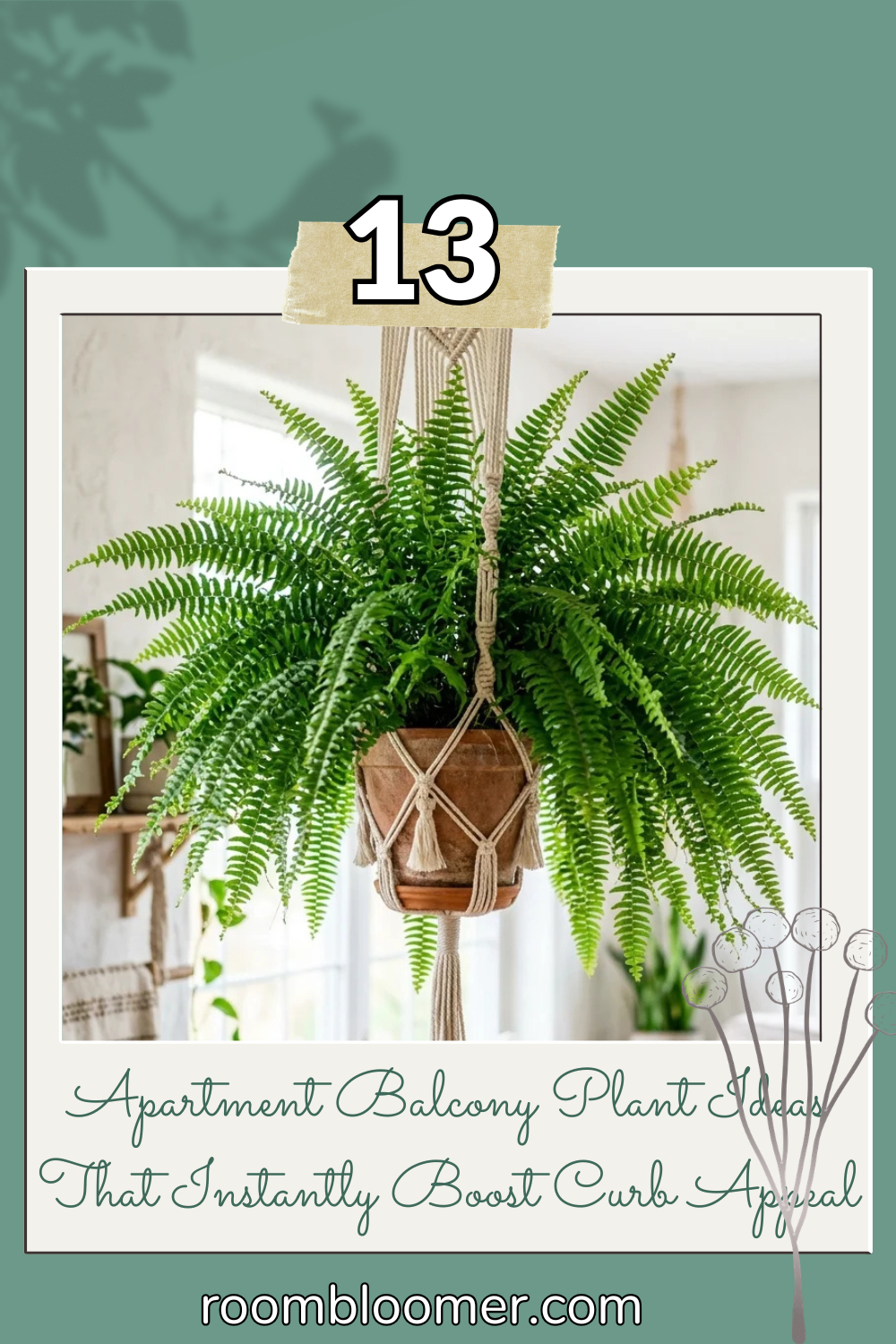
Don’t forget to look up! The ceiling or the underside of the balcony above you is prime real estate. Hanging baskets add a sense of depth and volume to your garden. They are particularly effective for “spiller” plants—species that naturally drape and flow downward. By hanging pots at varying heights, you create a canopy of green that makes the space feel like a secluded jungle. Just be mindful of your downstairs neighbors; use drip trays or self-watering baskets to prevent excess water from raining down on their balcony.
4. Tiered Shelving
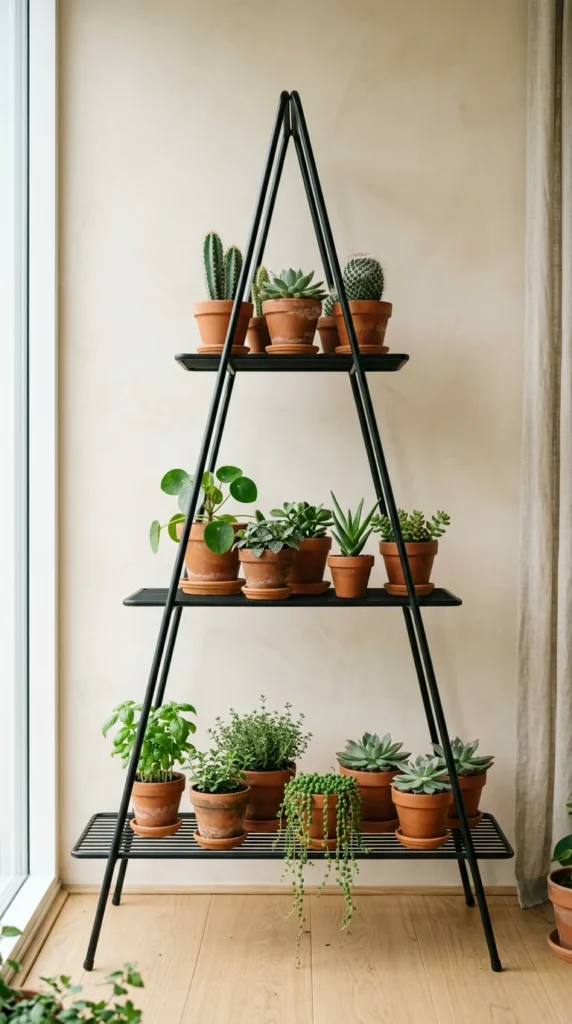
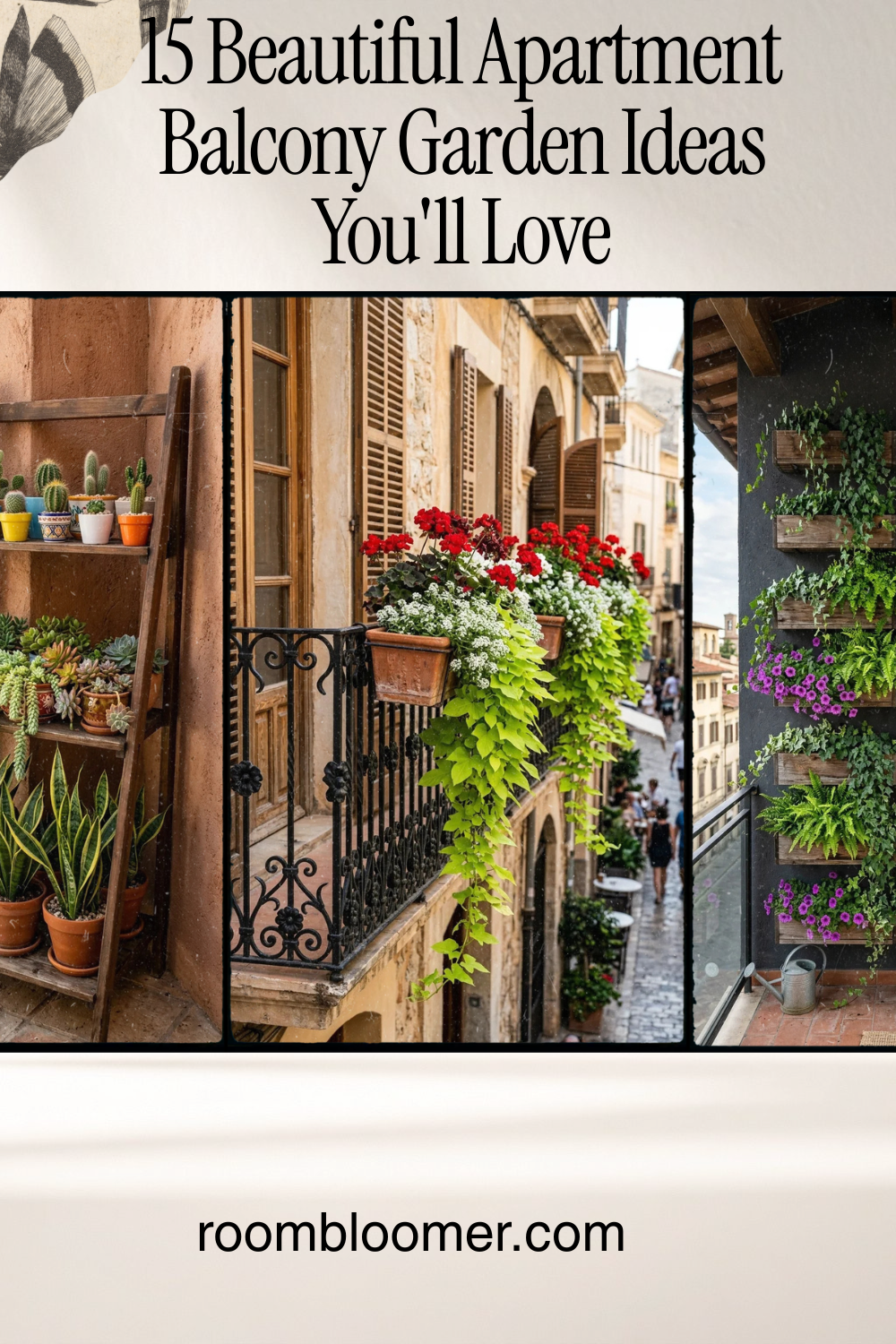
A tiered shelving unit, often called a plant ladder, acts as a display case for your botanical collection. This is an excellent way to organize plants with different light requirements. You can place sun-hungry succulents on the top shelf and shade-tolerant ferns on the bottom. Because these units are usually lightweight, they are easy to move around if you need to chase the sun during different seasons. Opt for weather-resistant materials like powder-coated steel or treated cedar to ensure the shelves survive the elements.
5. Pocket Organizers
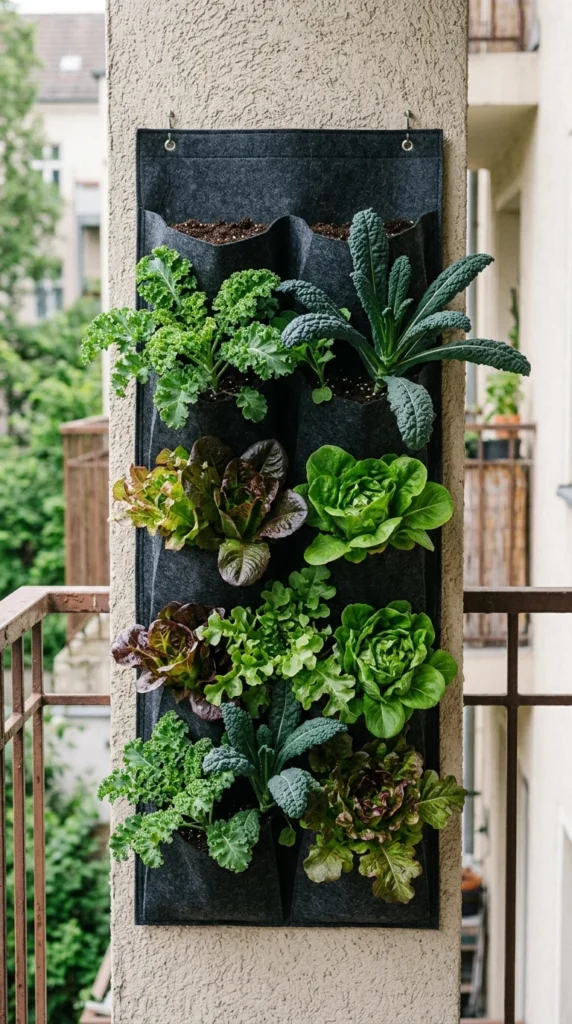
If you’re on a budget or have zero floor space, a fabric pocket organizer is a game-changer. Originally designed for shoes, these heavy-duty felt or canvas pouches can be mounted directly to a wall or fence. The fabric is breathable, which promotes healthy root growth and prevents waterlogging. This setup is particularly well-suited for a kitchen garden; imagine reaching out your balcony door to pluck fresh mint, basil, or parsley directly from a pocket. It’s lightweight, inexpensive, and can be easily folded away during the winter.
6. Herb Towers
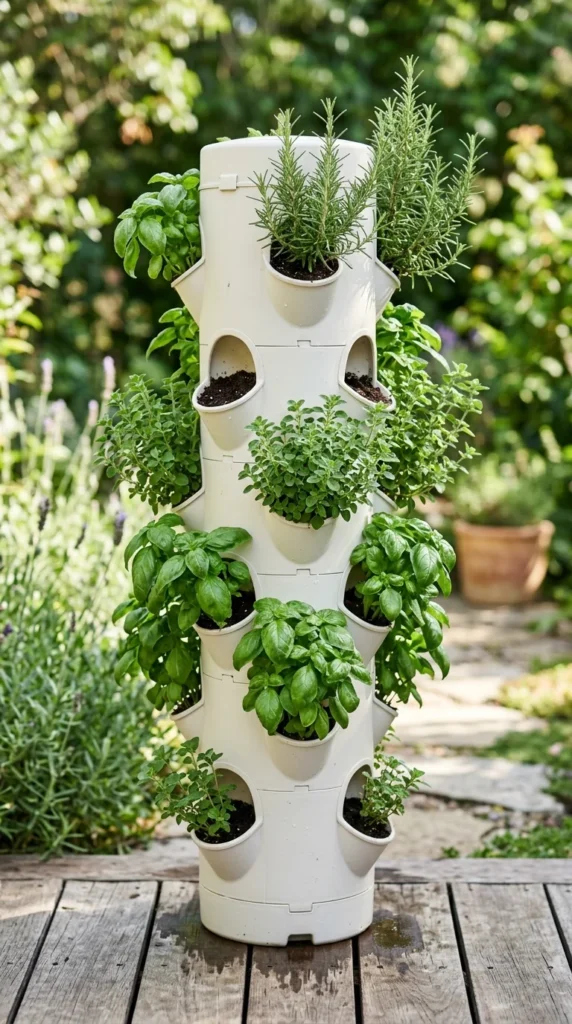
Herb towers are specifically designed to maximize productivity in a circular footprint. These towers often feature a central watering column that distributes moisture evenly to every level. Growing herbs vertically prevents them from competing for root space in a single pot. Since most herbs thrive in similar conditions—lots of sun and well-draining soil—a tower allows you to keep your entire culinary garden in one accessible spot. Plus, the aromatic scent of rosemary and thyme wafting into your apartment every time you open the door is an added bonus.
7. Folding Furniture
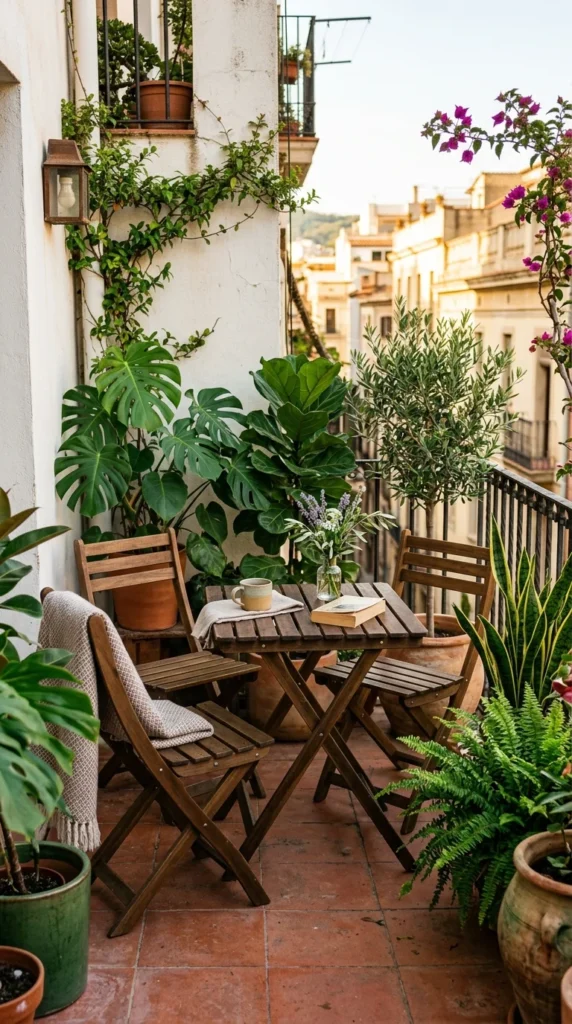
A balcony isn’t just for plants; it’s for you to enjoy them. In a tiny space, every piece of furniture must be functional. Choose folding tables and chairs that can be tucked away when you need to perform garden maintenance or repotting. Some clever designs even feature “half-tables” that bolt directly onto the railing, providing a surface for your morning coffee without the need for legs that clutter the floor. This allows you to maintain a high “plant-to-human” ratio while still keeping the space habitable.
8. Trellis Climbers
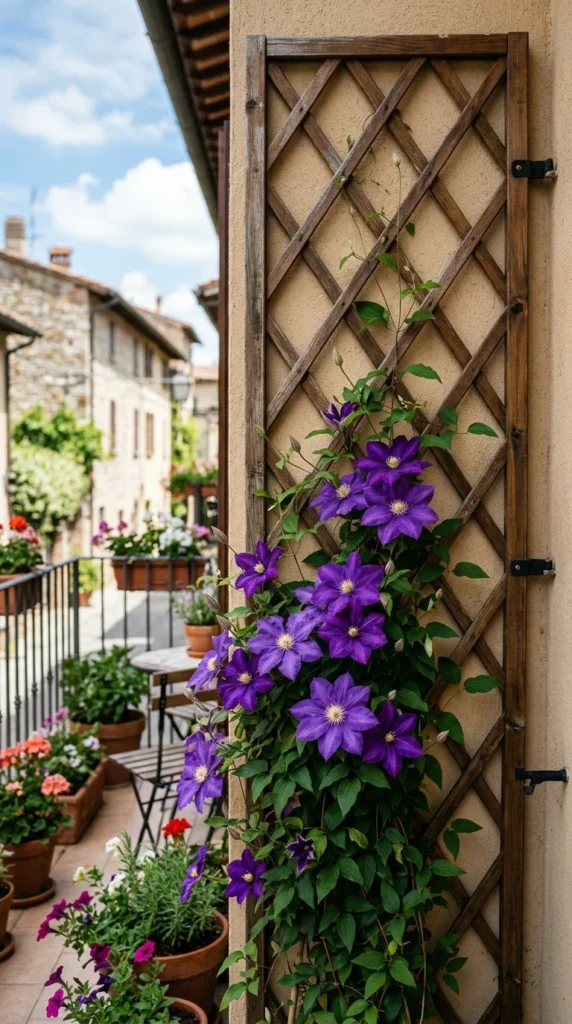
Vining plants are the marathon runners of the balcony world. With the help of a simple wooden or wire trellis, plants like jasmine, clematis, or even snap peas can climb several feet high. This creates a natural privacy screen and adds a romantic, lush feel to the space. If you cannot drill into your apartment walls, look for large planters that have built-in trellis backs. As the vines grow, they create a “green wall” that provides shade and keeps your apartment cooler during hot summer months.
9. Window Boxes
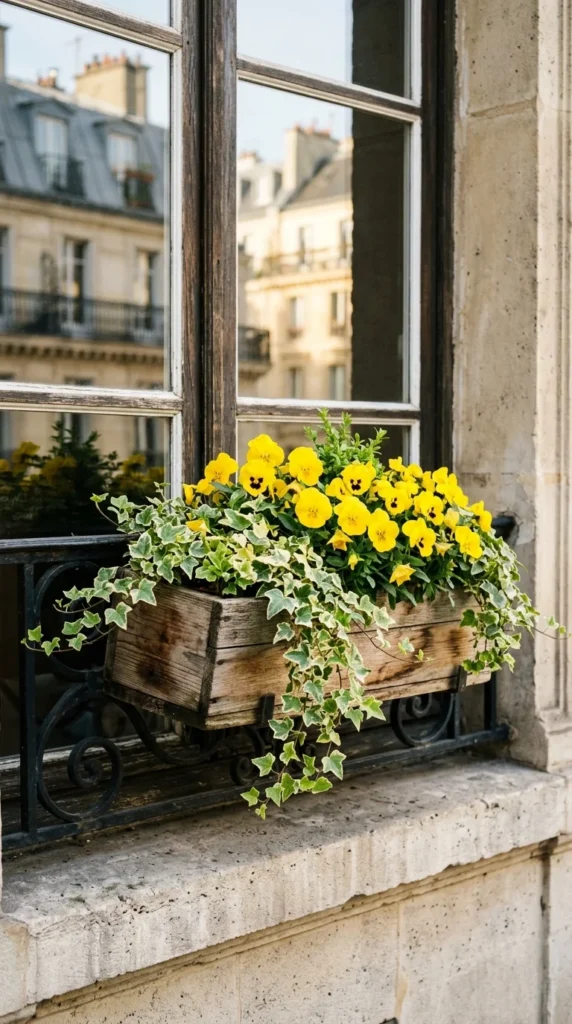
If your balcony is truly microscopic, utilize the window sills. Window boxes extend your gardening surface beyond the balcony floor. They are ideal for low-growing flowers or “cut and come again” salad greens. Because they are situated right at the window, they bridge the gap between your indoor and outdoor space, making your living room feel larger and more connected to the garden. Ensure they are bolted securely, as a soil-filled box can be quite heavy when wet.
10. Succulent Walls
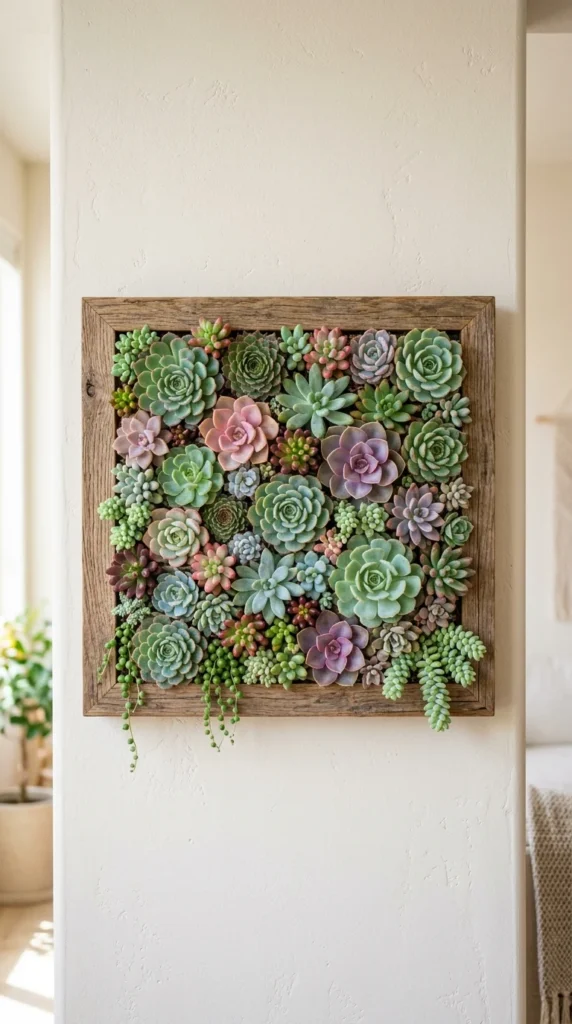
For the busy apartment dweller, a succulent wall is the ultimate low-maintenance garden. These “living pictures” use shallow frames and wire mesh to hold small succulents in place. Because succulents store water in their leaves, they don’t require frequent watering and can survive the intense heat that often reflects off apartment glass and concrete. A succulent wall is as much a piece of art as it is a garden, providing texture and color that lasts year-round.
11. Pallet Gardens
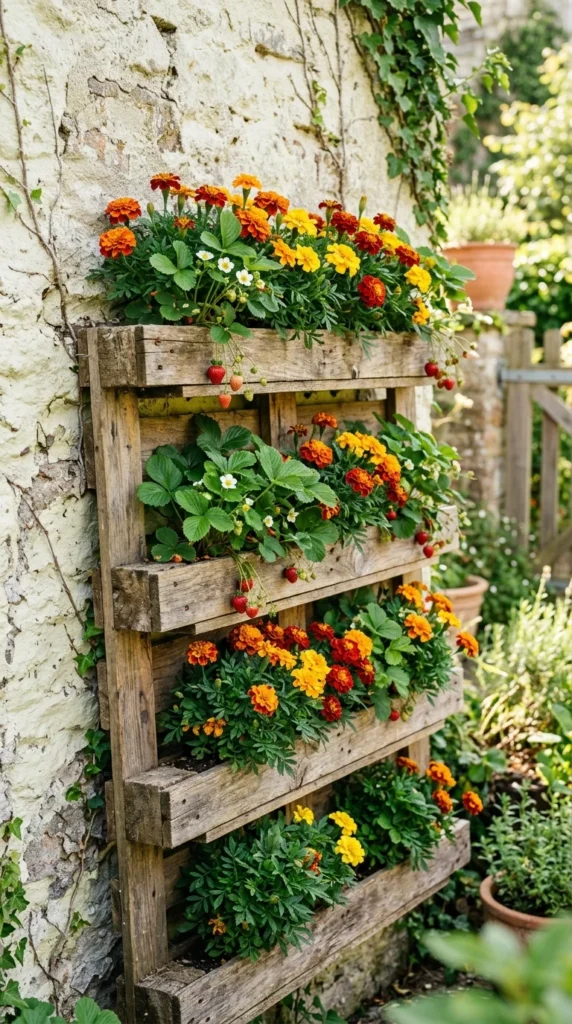
The humble wooden pallet is a staple of DIY balcony gardening. By sealing the bottom and back with landscape fabric, you can turn the internal slats into long, narrow planting troughs. It’s a rustic, industrial-chic look that costs almost nothing. Pallets are sturdy and can hold a surprising amount of soil, making them great for growing slightly larger crops like strawberries or peppers. Just ensure the pallet you use is heat-treated (marked with “HT”) rather than chemically treated to keep your plants safe.
12. Self-Watering Systems
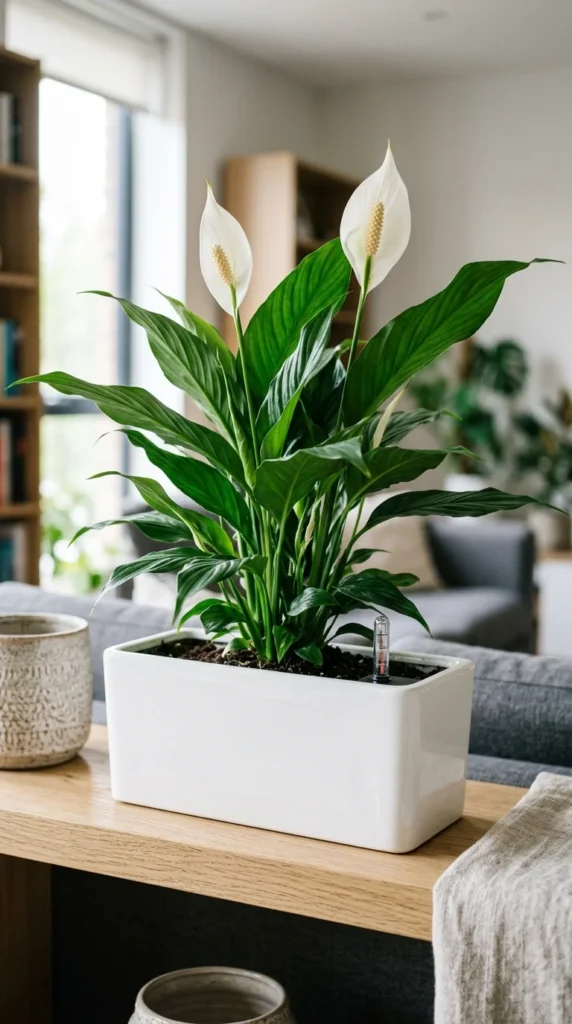
One of the biggest challenges of balcony gardening is that pots dry out quickly due to wind and sun. Self-watering planters feature a reservoir at the bottom that allows plants to wick up moisture as they need it. This is a lifesaver for people who travel or occasionally forget to water. In a tiny space, using self-watering containers means you can have fewer, healthier plants rather than a dozen struggling ones. It also prevents the common issue of water dripping onto the floor and causing slips or stains.
13. Corner Stands
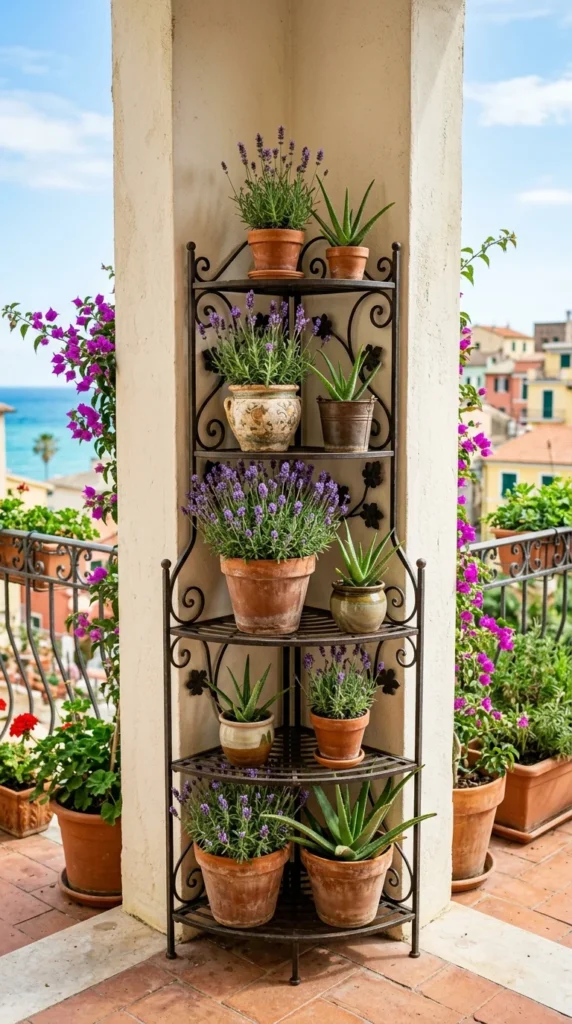
Corners are often the most underutilized parts of a balcony. A quarter-circle corner stand fits snugly into these dead zones, allowing you to display plants without obstructing the walkway. These stands often come in decorative metal or wood and provide multiple levels of display. By filling the corners first, you frame the balcony, which can actually make the central space feel more open and organized.
14. Fairy Gardens
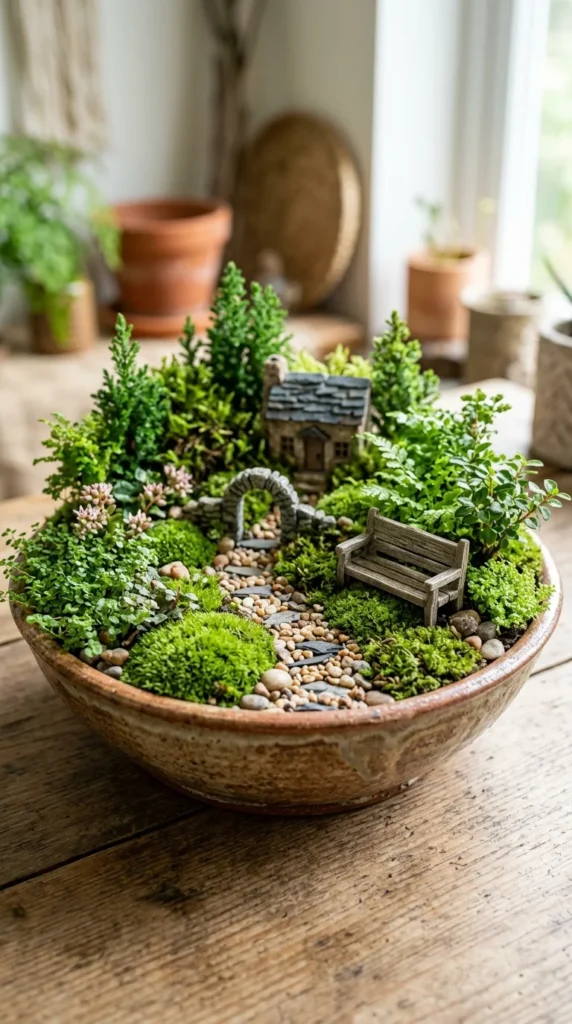
If you find that you simply don’t have the room for large shrubs or sprawling vines, go miniature. A fairy garden is a complete landscape in a single pot. Using slow-growing “micro” plants, moss, and tiny accessories, you can create a whimsical world that fits on a small side table. It’s a great way to practice garden design and “aquascaping” techniques on a tiny scale. Fairy gardens require a delicate touch and provide a wonderful sense of calm and detail that you can enjoy up close while sitting on your balcony.
By combining these ideas, you can turn even the smallest balcony into a lush, productive sanctuary. The key is to think vertically, choose the right containers, and select plants that match your specific sunlight and maintenance levels. Happy gardening!