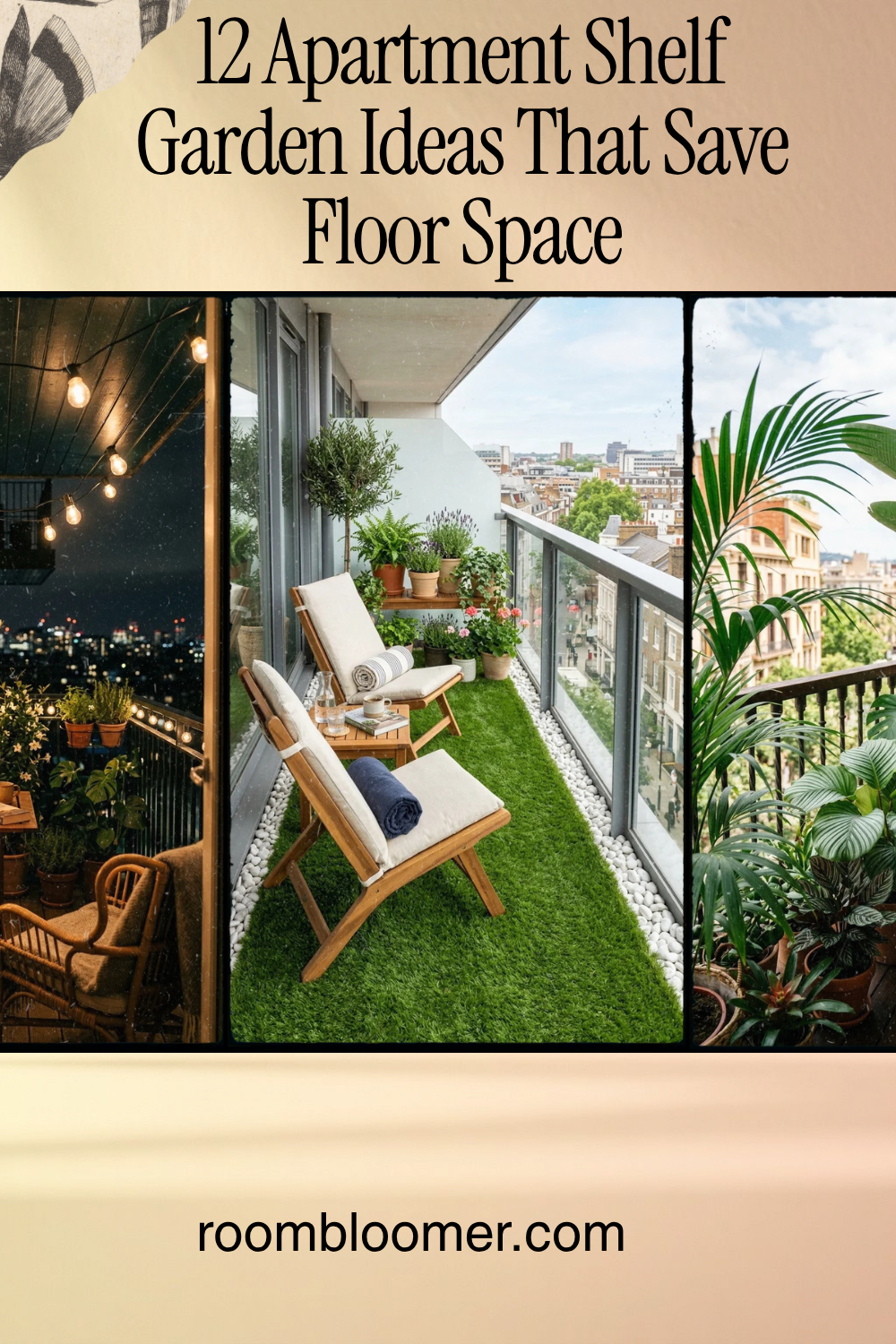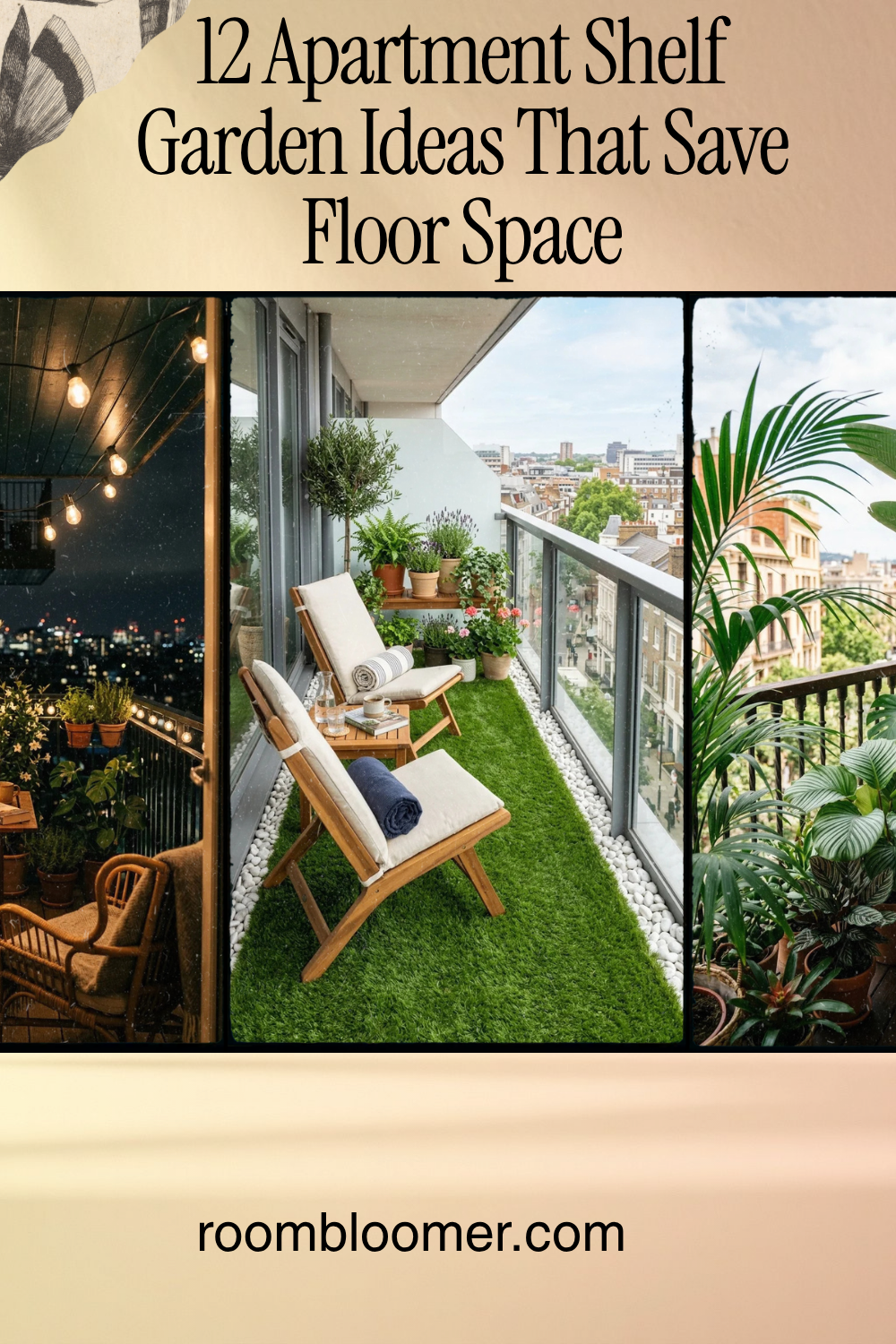
Living in a small apartment shouldn’t mean you have to sacrifice your dream of a lush, green sanctuary. While floor space might be at a premium, your walls, ceilings, and even your windows offer untapped potential for a thriving indoor garden. Bringing nature indoors not only beautifies your living space but also purifies the air and boosts your mental well-being.
The secret to successful urban gardening lies in thinking vertically and choosing the right tools. From high-tech hydroponic systems to DIY reclaimed wood projects, there are endless ways to squeeze a garden into a few square feet. Here are 14 creative and space-saving indoor garden ideas designed specifically for apartment living.
1. Vertical Pockets
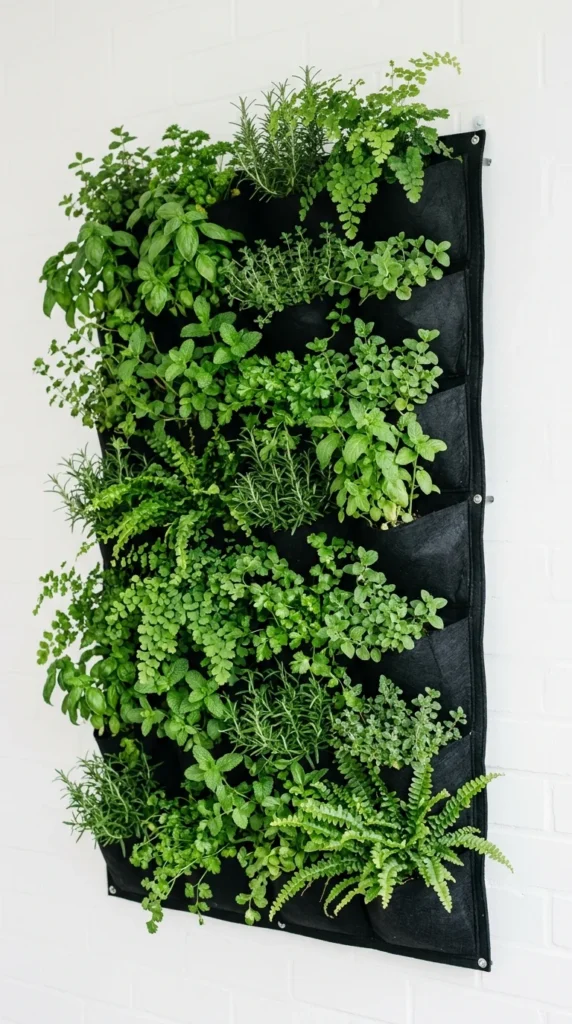
Vertical pockets are a game-changer for anyone with zero floor space. These fabric planters, often made of breathable felt, can be mounted directly onto a wall or the back of a door. The felt allows for excellent drainage and aeration, which prevents root rot and keeps your plants healthy.
- Best Plants: Herbs like basil, mint, and chives, or trailing plants like pothos and ivy.
- Space Saver: It uses 100% wall real estate, leaving your floor completely clear.
- Pro Tip: Line the back with a waterproof membrane to protect your apartment walls from moisture.
2. Hanging Macramé
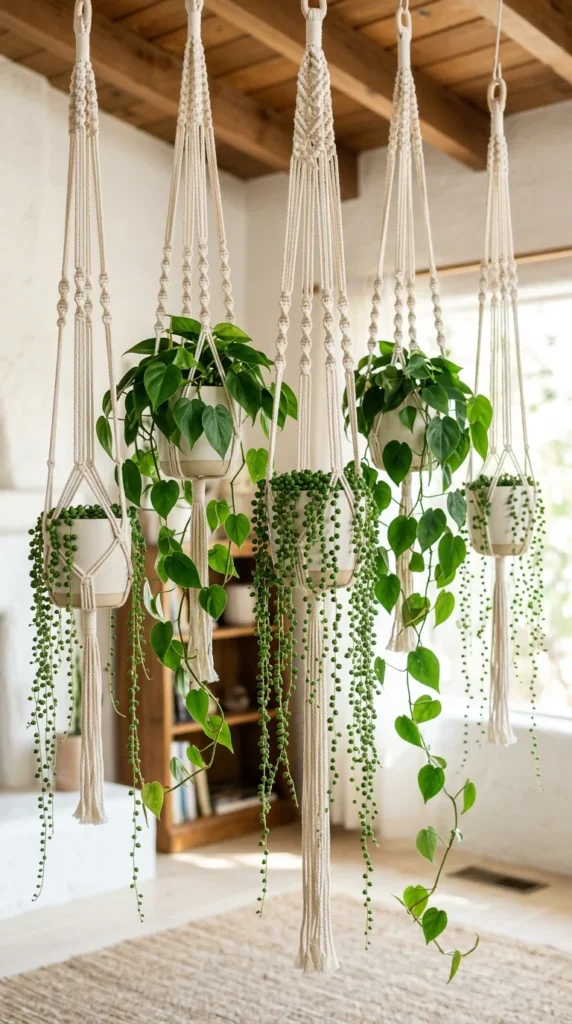
When you run out of shelf space, look up. Hanging planters are a classic for a reason—they take up absolutely no footprint. Macramé hangers add a touch of bohemian texture to your decor while allowing your “trailers” to cascade beautifully toward the floor.
- Placement: Hang them in corners that are otherwise “dead space” or near windows.
- Visual Impact: They create layers in your room, making the ceiling feel higher.
- Safety: Ensure you use sturdy ceiling hooks and anchors, especially for heavy ceramic pots.
3. Tiered Carts
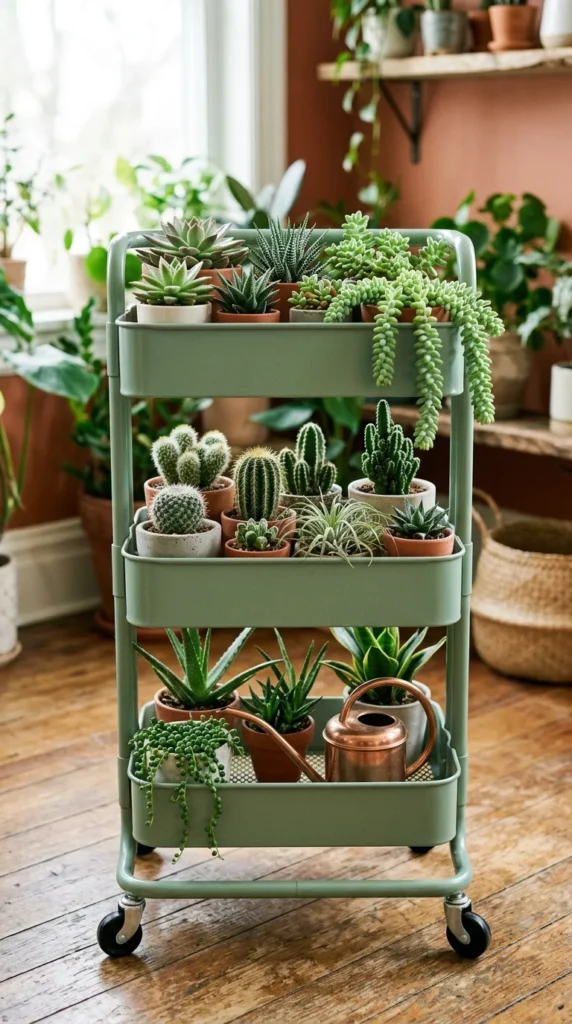
The utility cart is the ultimate mobile garden. Because it’s on wheels, you can move your entire garden to follow the sun throughout the day. This is particularly useful in apartments where light patterns change drastically between morning and afternoon.
- Organization: Group plants with similar light and water needs on the same tier.
- Versatility: It can serve as a bar cart by night and a nursery by day.
- Maintenance: Easy to wheel into the kitchen or bathroom for a quick watering session without dripping on the carpet.
4. Window Sills
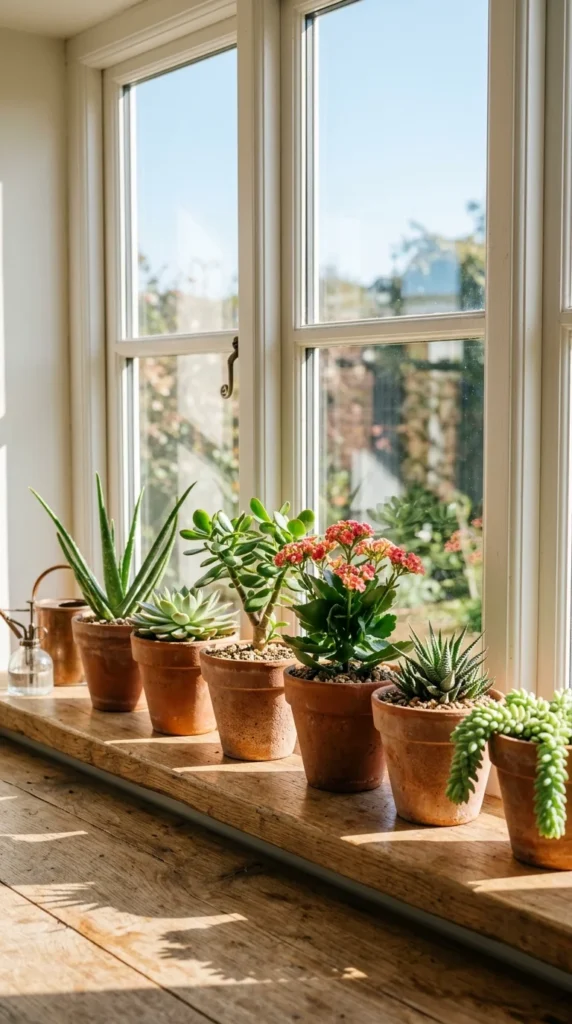
Your window sill is prime real estate. Even narrow sills can be extended with clip-on shelves or specialized window-mounted planters. This is the best spot for sun-loving succulents and kitchen herbs that need at least six hours of direct light.
- Maximization: Use long, rectangular troughs instead of individual pots to fit more plants in the same area.
- Light: Be mindful of “cold snaps” near glass during winter months.
- Aesthetics: Choose pots that complement your view to create a seamless transition between inside and out.
5. Floating Shelves
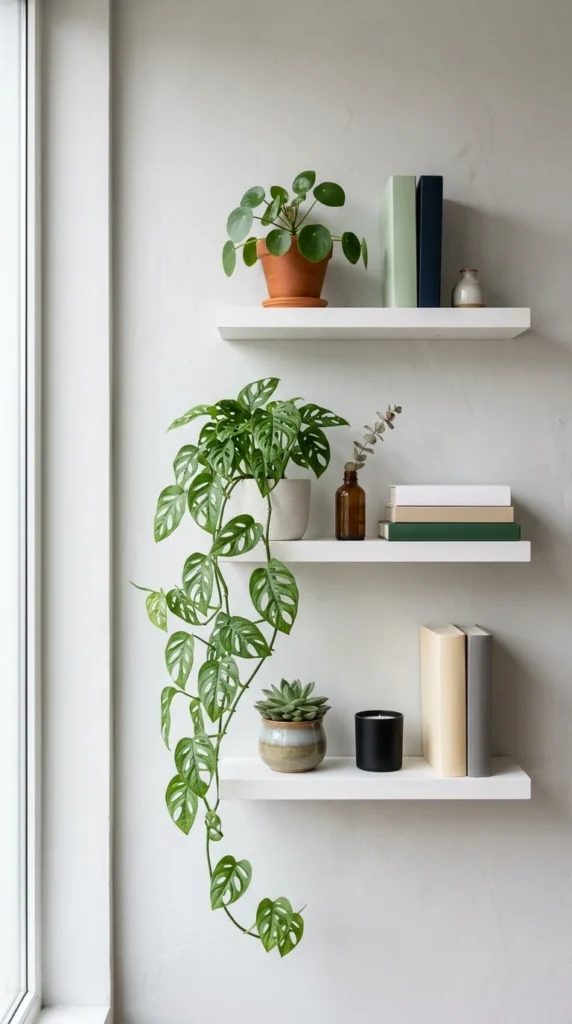
Floating shelves allow you to create a “plant gallery” anywhere. By staggering them at different heights, you can accommodate plants of varying sizes and growth habits. This method keeps your surfaces clean and your plants safely out of reach of curious pets or toddlers.
- Customization: You can install these in the kitchen for herbs or the bathroom for humidity-loving ferns.
- Depth: Use narrow shelves to keep walkways clear in tight hallways.
- Style: Mix and match pot textures—terracotta, glazed ceramic, and wood—for a curated look.
6. Magnetic Planters
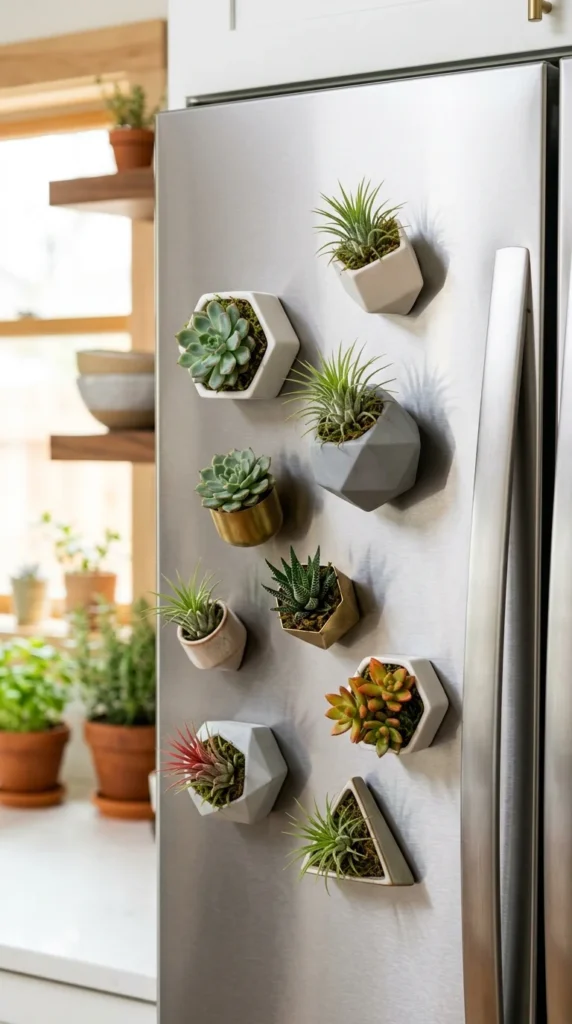
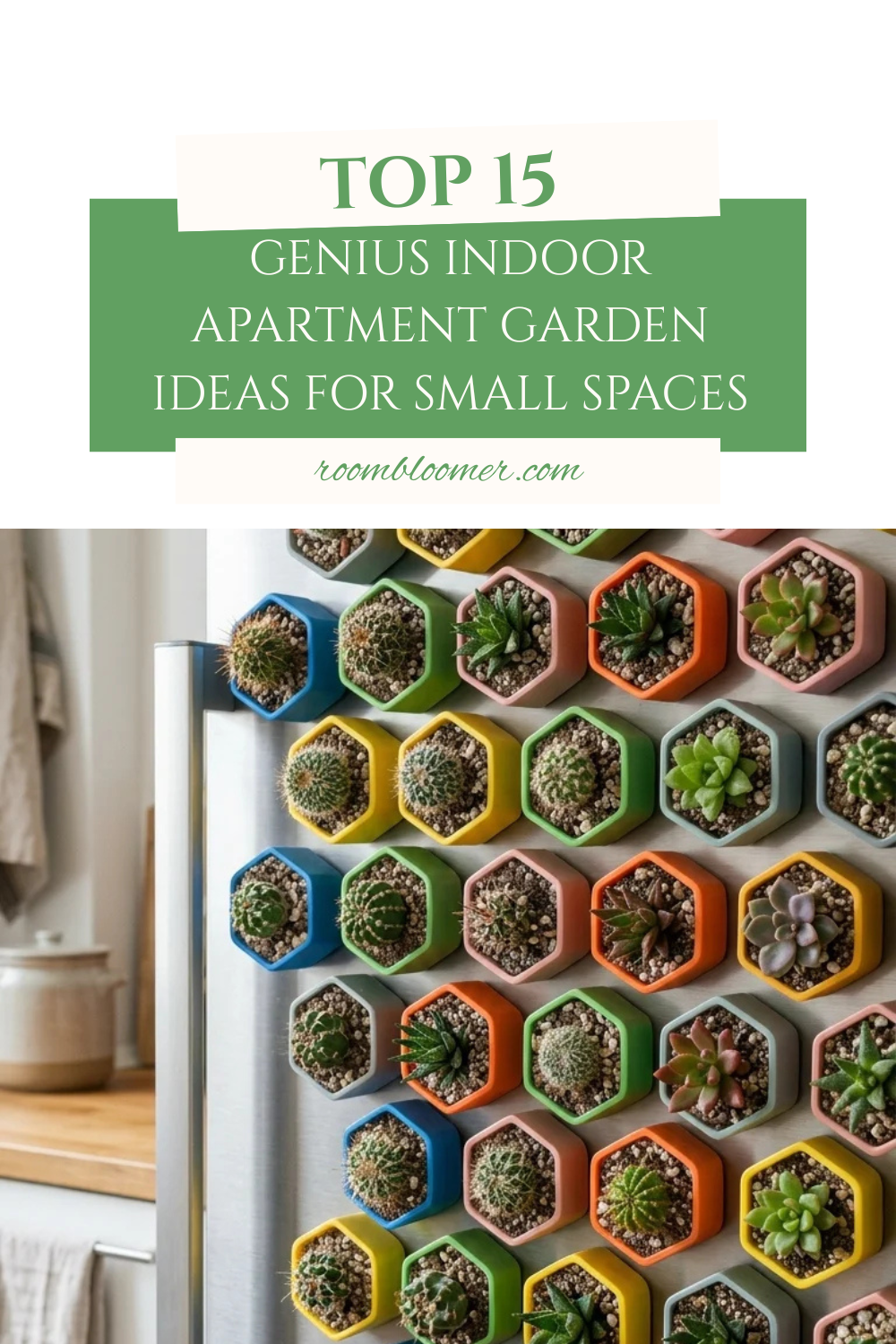
The kitchen is often the heart of the home, but also the most crowded. Magnetic planters turn your refrigerator or any metal surface into a vertical garden. These are perfect for “micro-gardening,” focusing on small species that don’t require deep soil.
- Best Plants: Air plants (Tillandsia) are ideal because they don’t even need soil—just a misting every few days.
- Light: Ensure your fridge isn’t tucked away in a dark corner if you plan to use this method.
- Weight: Stick to lightweight plastic or aluminum magnetic pots to prevent them from sliding down the door.
7. Ladder Shelves
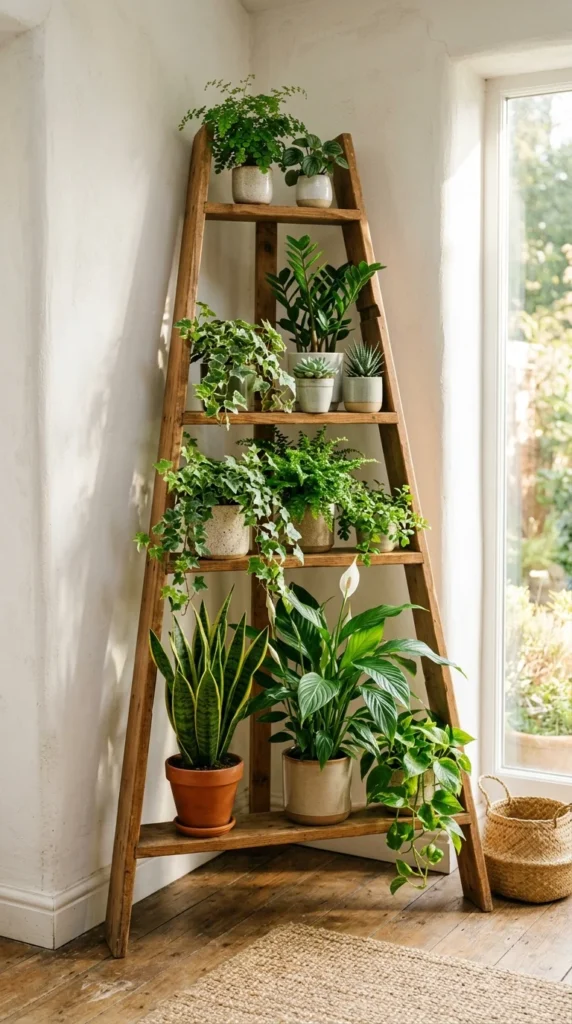
A leaning ladder shelf is a stylish way to stack your plants without drilling dozens of holes in the wall. The graduated depths of the shelves are perfect: put larger, heavier pots on the bottom and smaller, trailing ones on the top.
- Footprint: It takes up very little floor space while providing four to five layers of gardening room.
- Decor: It acts as a focal point in a room, turning your plant collection into a piece of living furniture.
- Portability: Easy to move if you decide to rearrange your apartment layout.
8. Pegboard Walls
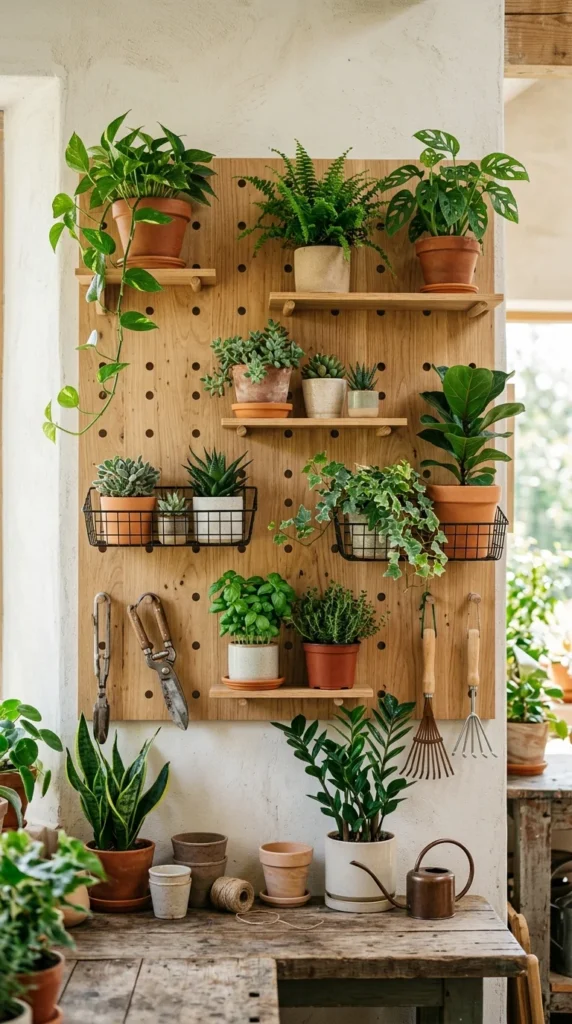
Borrowed from the world of workshops and craft rooms, pegboards are incredibly versatile for gardeners. You can move shelves, hooks, and baskets around as your plants grow or as you add new members to your green family.
- Modularity: You can create a dedicated “garden station” that stores both your plants and your tools in one spot.
- Airflow: The open design of a pegboard allows for excellent air circulation around your plants.
- DIY Friendly: You can paint the pegboard to match your wall for a subtle look or a bold accent color.
9. Tension Rods
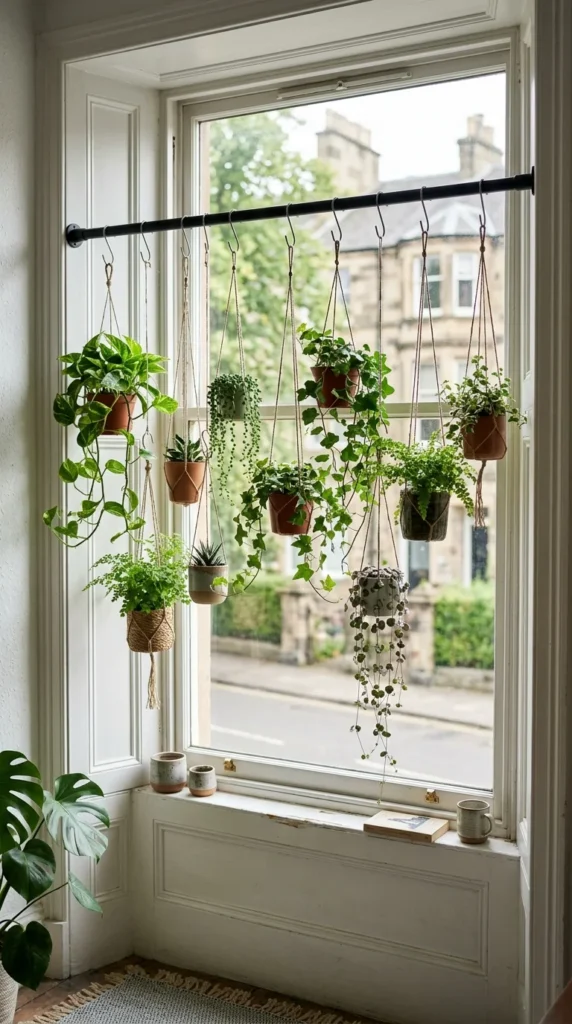
If you’re a renter who can’t drill into the ceiling, a tension rod is your best friend. Typically used for shower curtains, a heavy-duty tension rod wedged into a window frame or between two walls can hold several small hanging plants.
- Rent-Friendly: No permanent damage and can be taken down in seconds.
- Light Access: It puts your plants directly in the path of the sun without blocking the lower half of the window.
- Capacity: Just be sure to check the weight limit of the rod before loading it up with heavy ceramic pots.
10. Stackable Planters
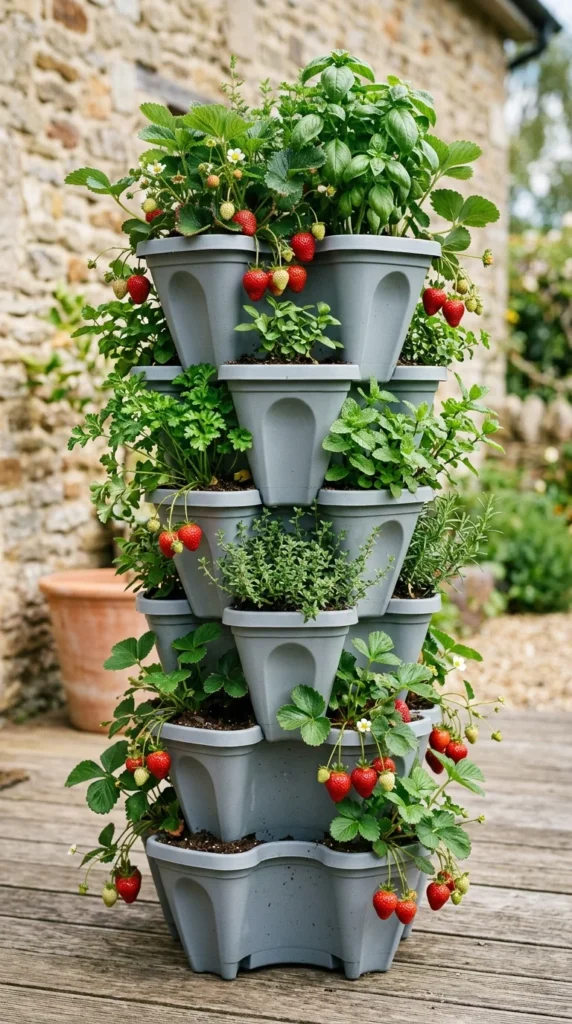
Stackable planters are designed for maximum yield in a minimum footprint. These “tower” systems allow you to grow a dozen or more plants in a space no larger than a standard dinner plate. They are particularly effective for “edible” gardening in an apartment.
- Watering: Most stackable systems are designed so that you water the top, and it trickles down to nourish every level.
- Mobility: Many of these towers come on a swivel base, allowing you to rotate them for even sun exposure.
- Productivity: Great for growing a salad bar—lettuce, spinach, and herbs—all in one corner.
11. Glass Terrariums
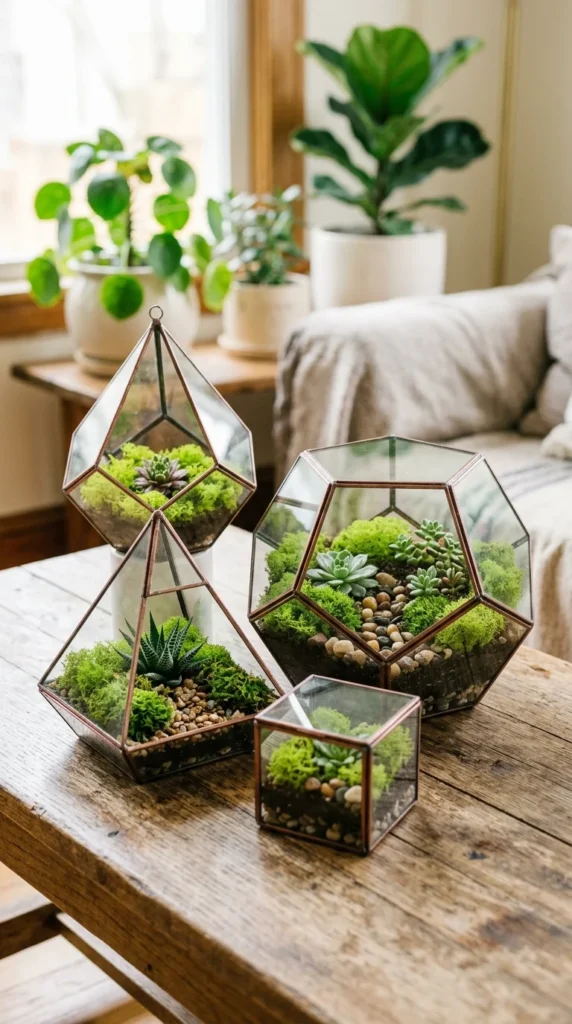
Terrariums are the ultimate “small space” garden because they are self-contained ecosystems. You can place them on coffee tables, bookshelves, or even a nightstand. They act like miniature greenhouses, maintaining their own humidity levels.
- Low Maintenance: Closed terrariums require very little watering as the moisture recycles itself.
- Design: They serve as stunning pieces of decor that protect delicate plants from dry indoor air.
- Scale: Perfect for slow-growing plants like mosses, ferns, and carnivorous plants.
12. Over-Door Organizers
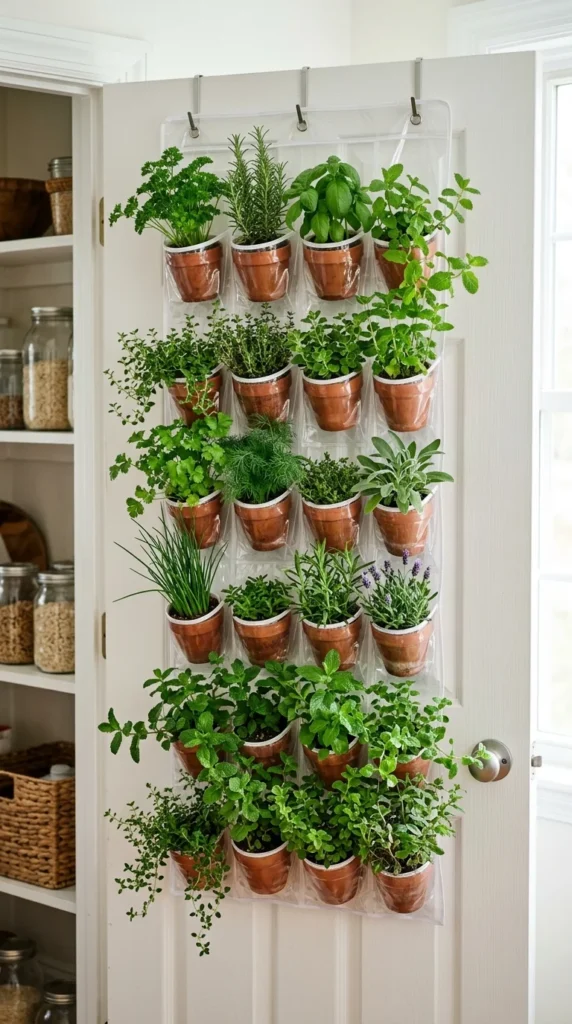
Don’t overlook the back of your doors. A simple fabric or plastic over-the-door shoe organizer can be repurposed into a massive herb garden. This is a fantastic solution for studio apartments where every inch of wall is already occupied.
- Utility: Perfect for the back of a kitchen or pantry door for easy access while cooking.
- Drainage: If using plastic, poke a few small holes in the bottom of each pocket; if using fabric, the material usually breathes enough on its own.
- Quantity: You can easily fit 20+ different plants on a single door.
13. Railing Boxes
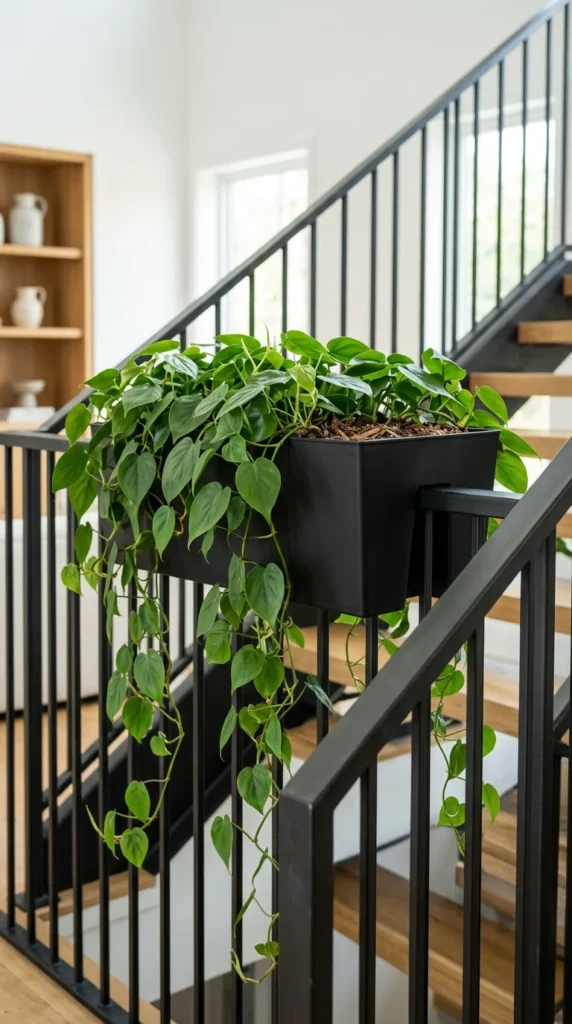
If your apartment has an internal balcony, a mezzanine, or even a sturdy room divider railing, use it! Railing boxes aren’t just for outdoor decks. They can be brought inside to add greenery to structural elements that are usually left bare.
- Room Dividers: Use them on a low railing to create a living “wall” between your living area and workspace.
- Space Usage: They utilize the “empty” space on either side of the railing.
- Variety: Available in various colors and materials to match your interior design.
14. Hydroponic Kits
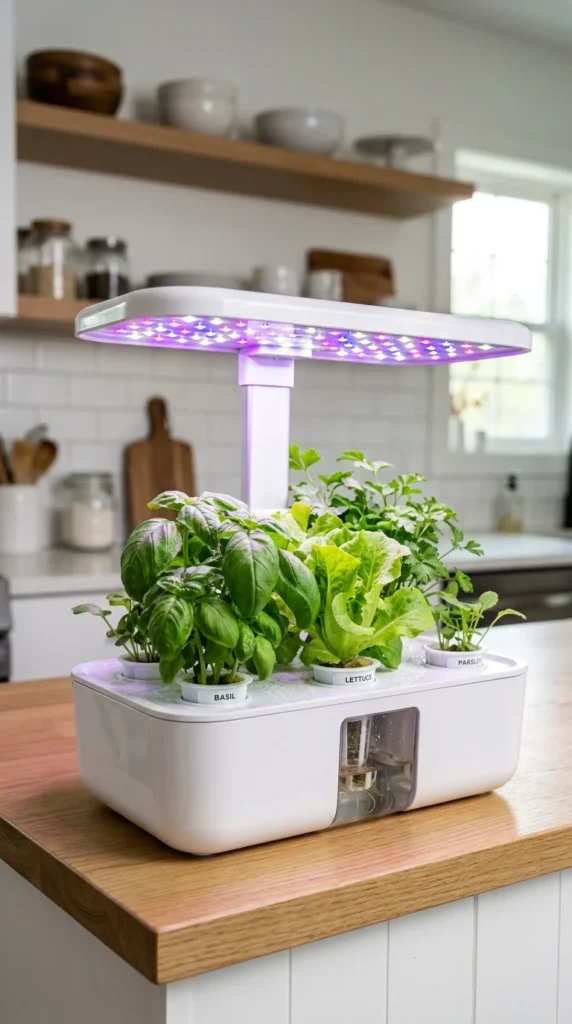
For the tech-savvy gardener, a smart hydroponic kit is the ultimate space-saver. These systems use water and nutrients instead of soil, allowing plants to grow up to three times faster. Most are small enough to sit on a kitchen counter and come with built-in grow lights.
- No Sunlight Needed: Since they have their own lights, you can put these in a windowless kitchen or a dark basement apartment.
- Cleanliness: No soil means no mess and fewer pests like fungus gnats.
- Success Rate: Most units are automated, telling you exactly when to add water or food, making them foolproof for beginners.