Living in an urban environment often means sacrificing a traditional backyard, but it doesn’t mean you have to give up your green thumb. When horizontal square footage is at a premium, the only way to go is up. Vertical gardening is the ultimate hack for apartment dwellers, transforming sterile walls into breathing ecosystems and cramped corners into lush retreats. Whether you are looking to grow your own herbs for cooking or simply want to improve your indoor air quality, these fifteen vertical garden ideas will help you maximize your space with style and efficiency.
1. Tiered Stands
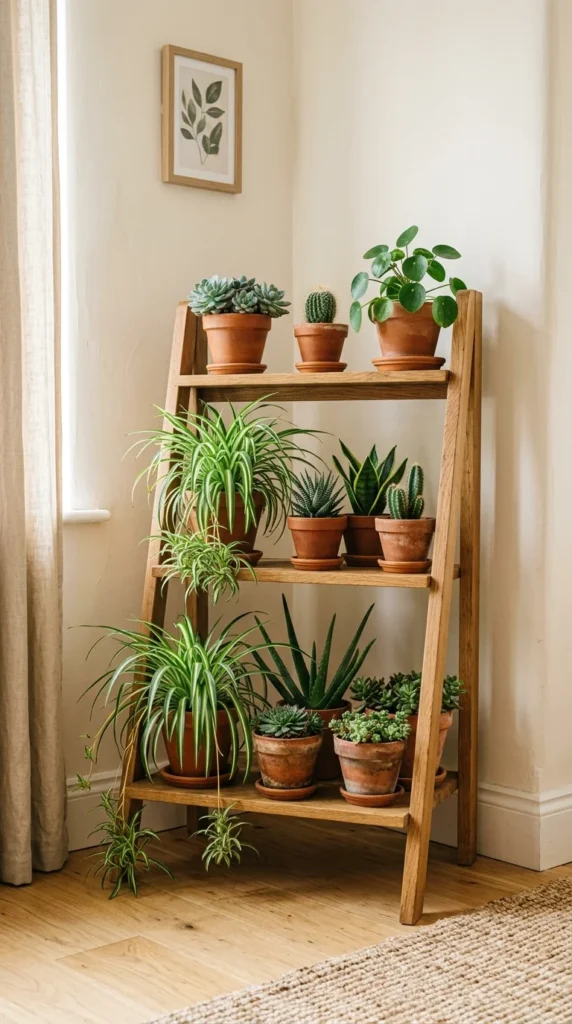
Tiered stands are the quintessential solution for those who have a small footprint but a large collection of plants. By staggering the heights of your greenery, you allow each plant to receive adequate light while creating a visually appealing “staircase” of foliage. These stands come in various materials, from rustic reclaimed wood to sleek mid-century modern metal, making them easy to integrate into any decor style. They are particularly effective in corners that otherwise go unused, turning a “dead zone” into a vibrant focal point.
2. Hanging Baskets
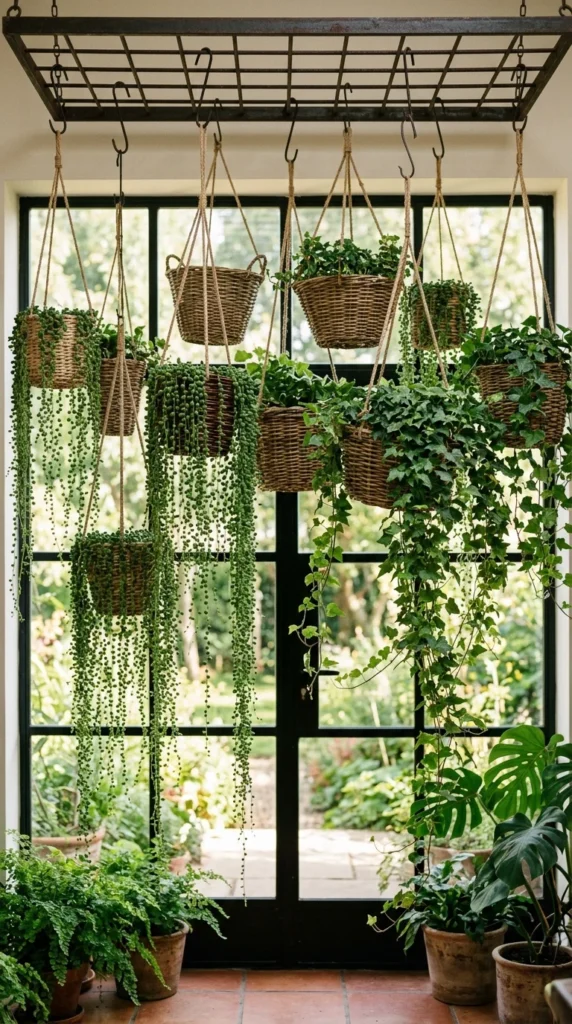
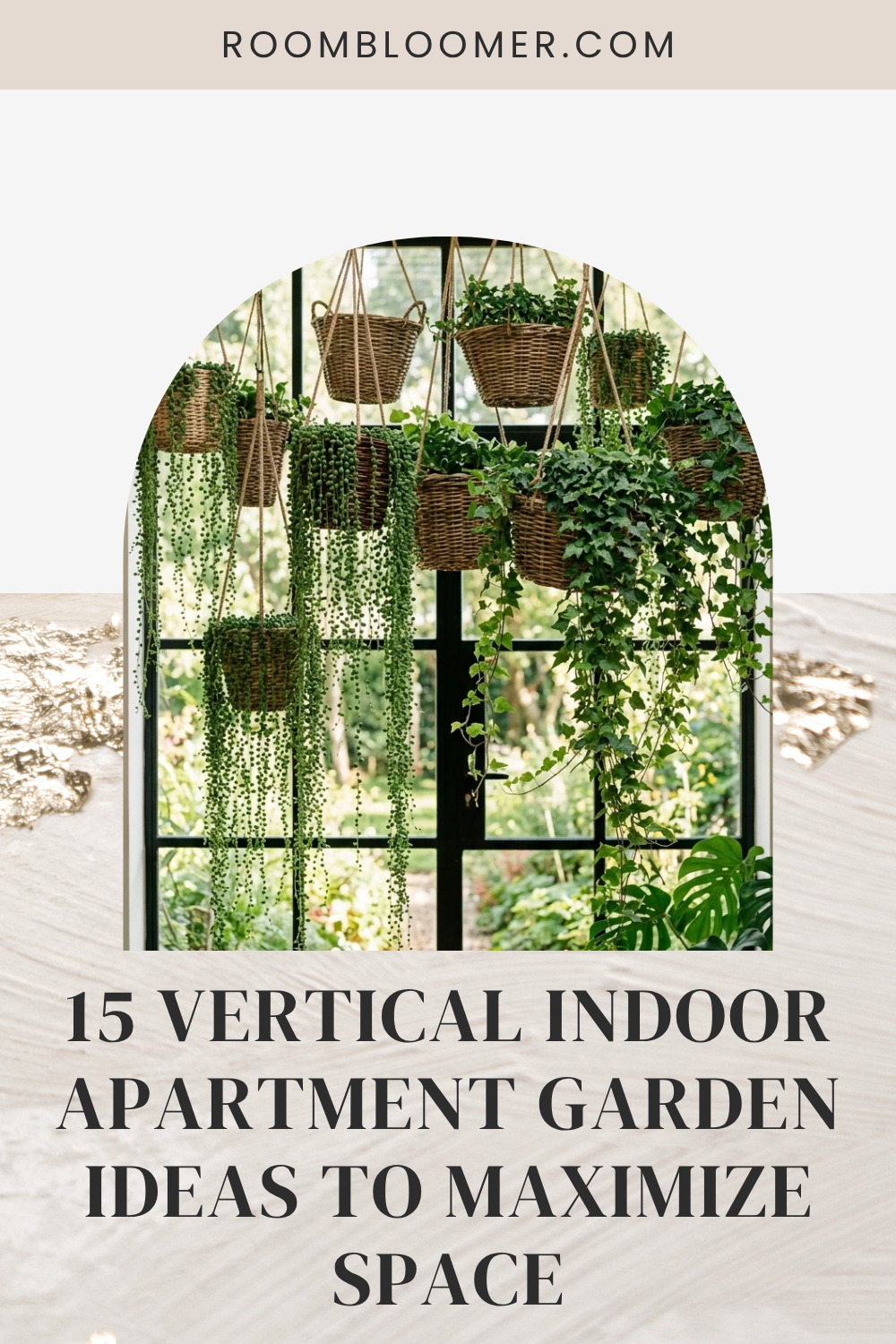
If your floor space is completely occupied, look to the ceiling. Hanging baskets are a classic vertical gardening technique that utilizes the upper atmosphere of your apartment. Trailing plants like Pothos, Heartleaf Philodendron, or String of Pearls are perfect candidates for this setup, as their vines will naturally cascade downward, creating a stunning “living curtain” effect. Using adjustable hooks or decorative chains allows you to play with different levels, adding depth and dimension to your room.
3. Wall Pockets
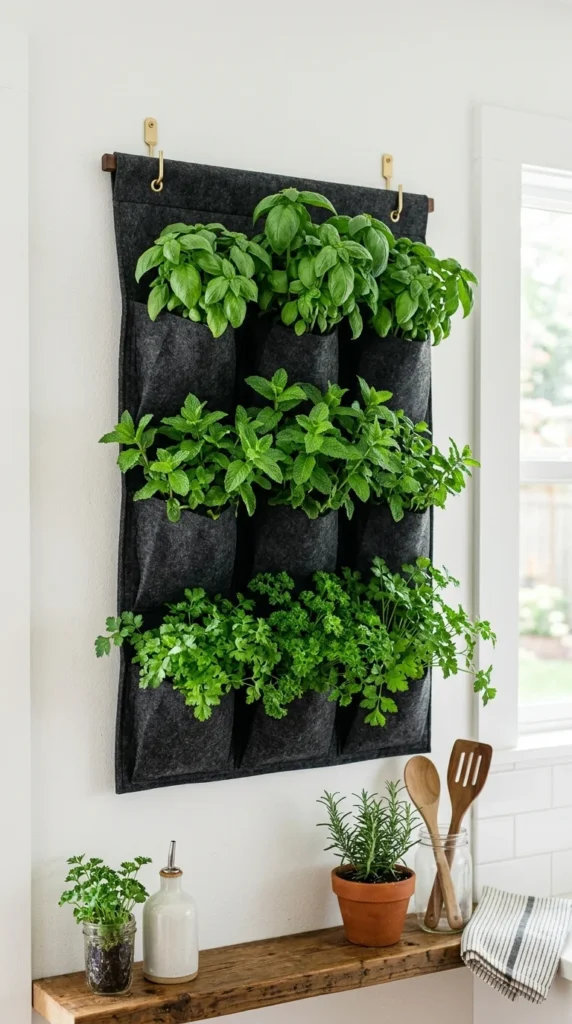
Wall-mounted pockets, often made from breathable felt or recycled plastic, are like a “living wallpaper” for your apartment. These systems are incredibly lightweight and can be easily attached to a wall using hooks or screws. The breathable material allows for excellent drainage and aeration, which prevents root rot. This is an ideal setup for a kitchen herb garden, as it keeps your fresh ingredients at eye level and within arm’s reach while you cook, all without taking up a single inch of counter space.
4. Magnetic Planters
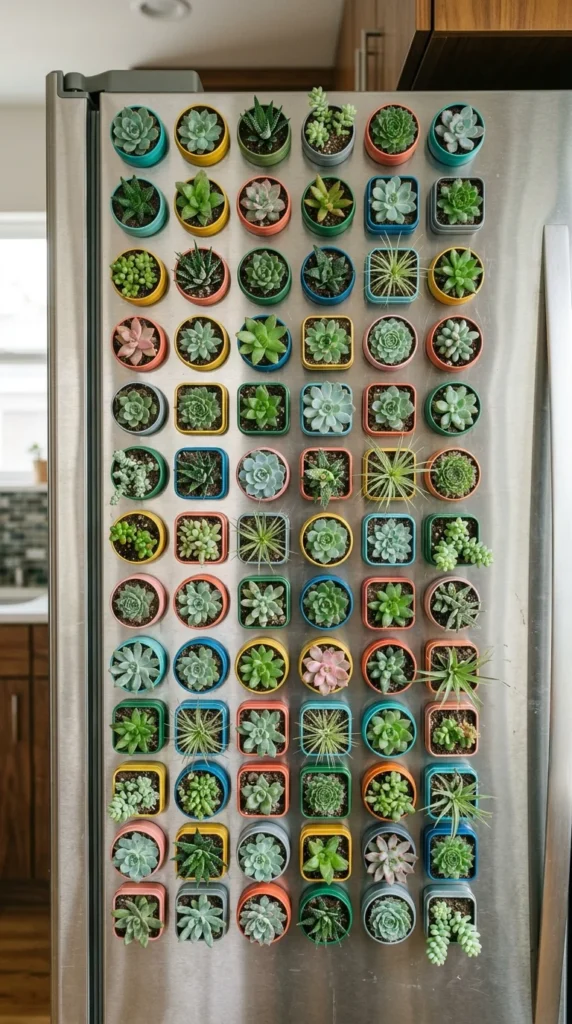
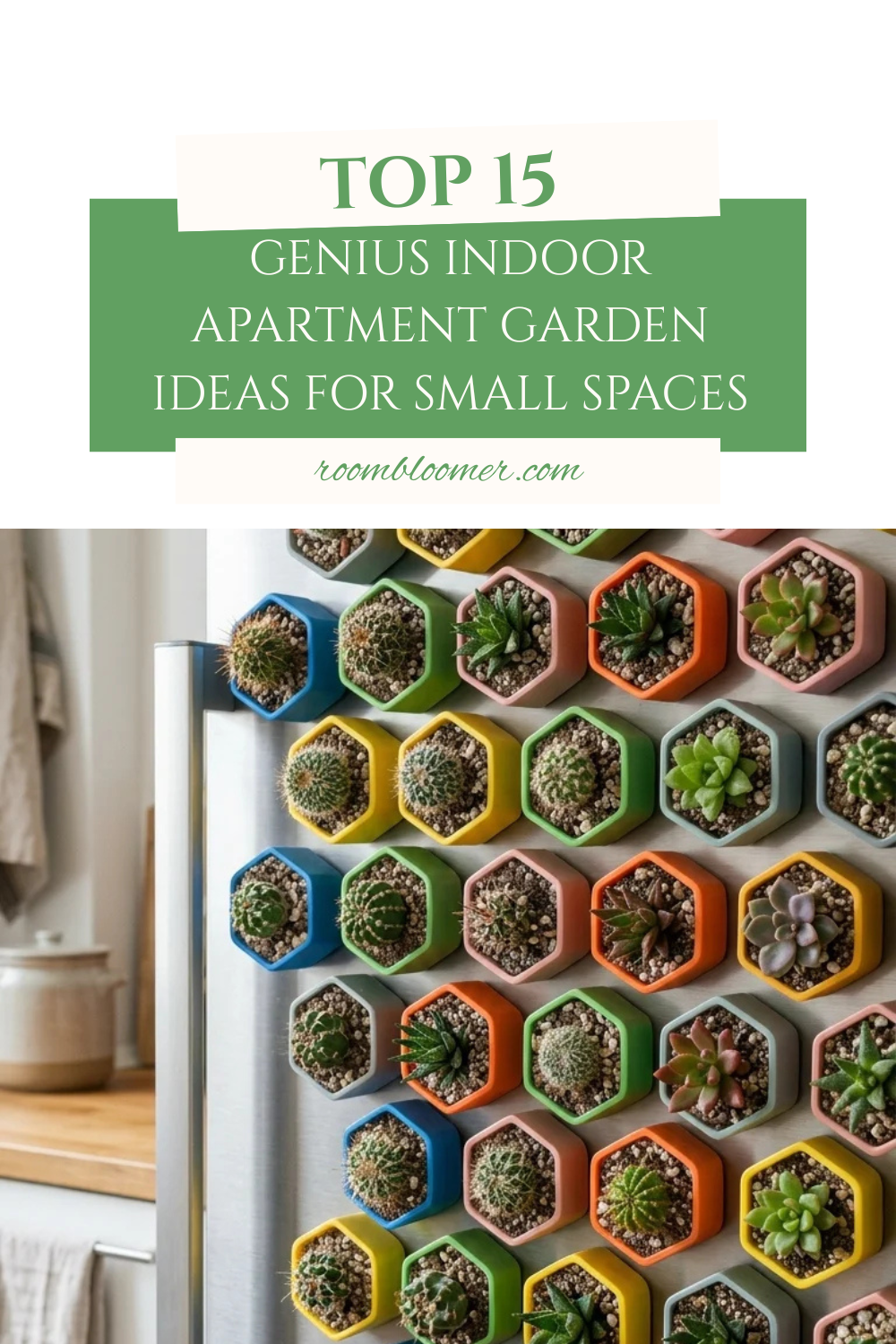
For the ultimate minimalist or those living in micro-studios, magnetic planters offer a creative way to use the most overlooked vertical surface: the refrigerator. These small containers are equipped with powerful magnets that cling to any metallic surface. While they are too small for large ferns, they are perfect for slow-growing succulents, air plants (Tillandsia), or even small sprouts. It’s a whimsical way to add a touch of nature to a high-traffic area like the kitchen.
5. Indoor Trellises
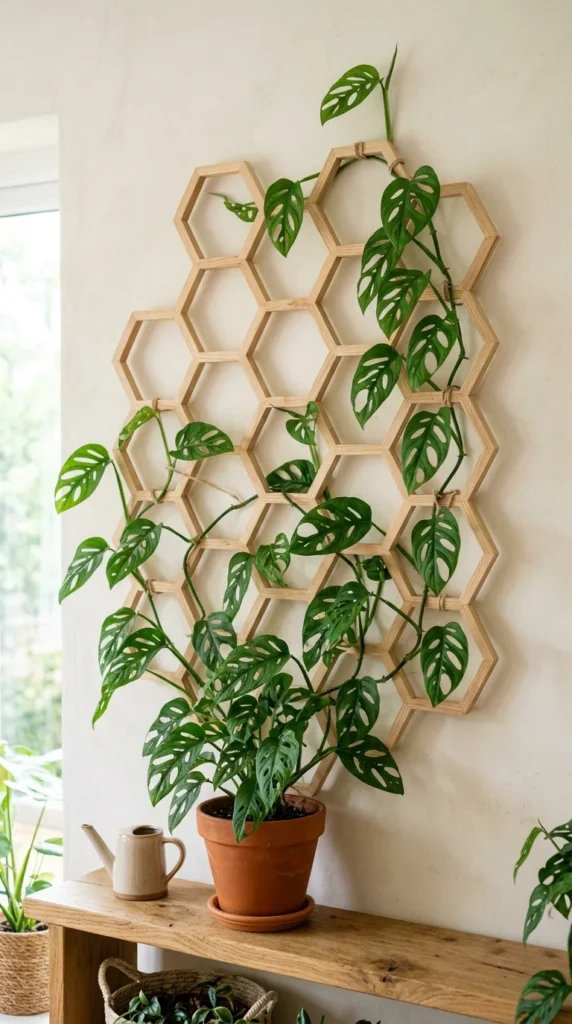
Many indoor plants are natural climbers. Instead of letting them crawl across your floor or shelf, give them a trellis. An indoor trellis can be as simple as a few bamboo stakes or as elaborate as a custom-built geometric wooden frame mounted to the wall. This encourages plants like the Monstera, Hoya, or Ivy to grow upward, creating a lush, vertical tapestry. Not only does this save space, but it also mimics the plant’s natural environment, often leading to larger leaves and faster growth.
6. Leaning Ladders
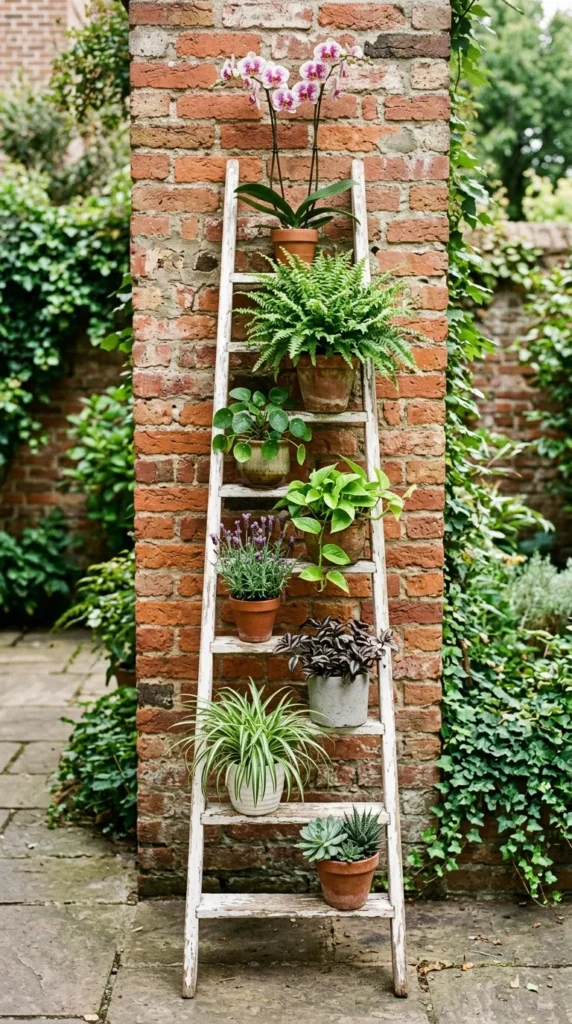
The leaning ladder is a favorite among interior designers for its “shabby chic” aesthetic and incredible functionality. Because it leans against the wall at an angle, it provides a stable base for various pot sizes without the need for permanent mounting. This is an excellent option for renters who want a vertical garden but are restricted from drilling holes into the walls. You can mix and match pots, books, and decorative items to create a curated, botanical display.
7. Versatile Pegboards
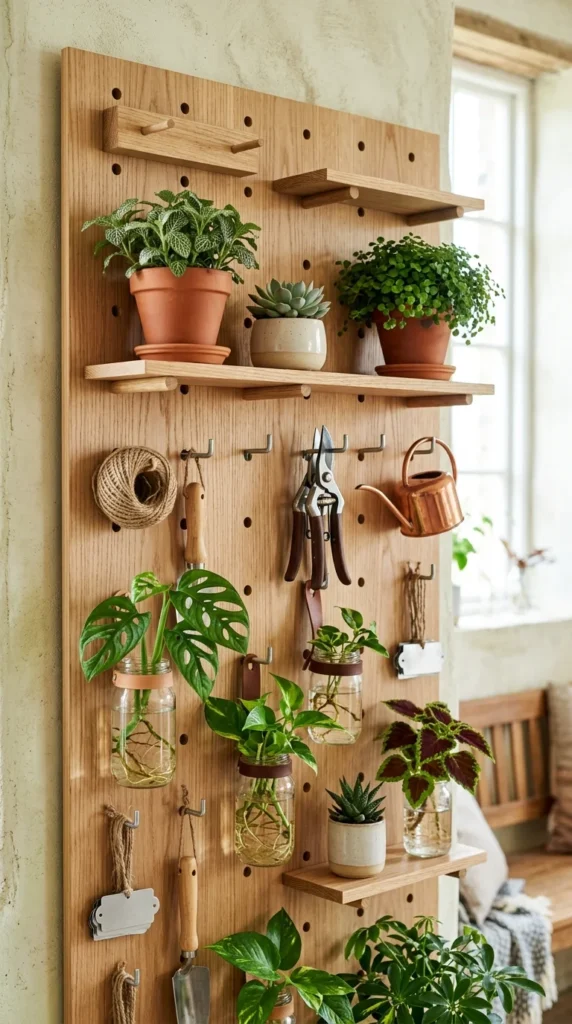
Pegboards are no longer just for tool sheds. A sturdy pegboard mounted in a living room or home office provides a modular vertical gardening system that can evolve with your collection. You can move shelves, hooks, and baskets around whenever you get a new plant or when the seasons change and your plants need different light levels. It’s a highly customizable “living gallery” that combines utility with a modern, industrial aesthetic.
8. Floating Shelves
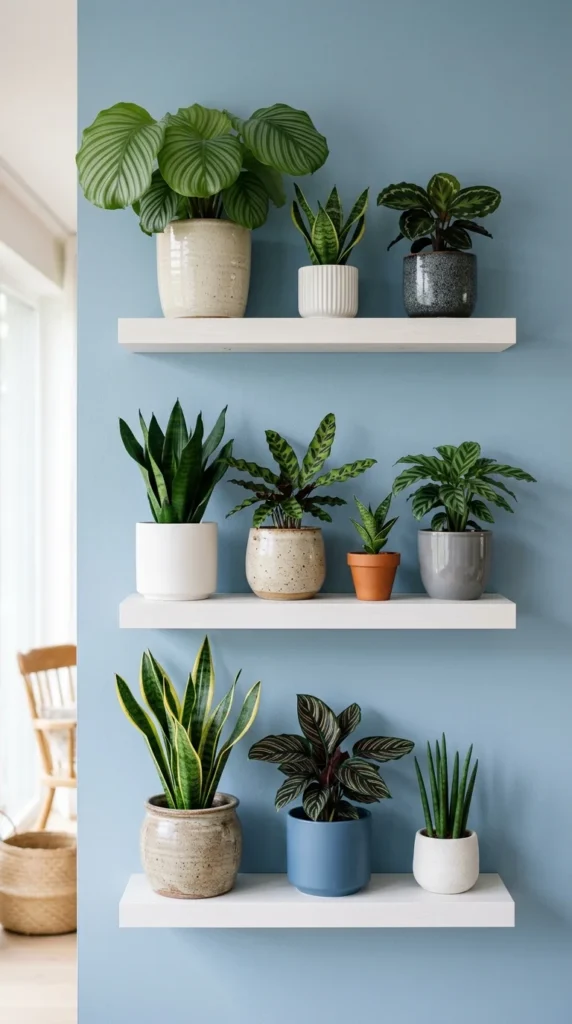
Floating shelves provide a clean, streamlined look that works perfectly in contemporary apartments. By installing shelves vertically up a wall, you can host a significant number of plants without the bulk of a traditional bookcase. This method is particularly effective for plants that require specific light conditions; you can place sun-loving succulents on the top shelves closer to the window and shade-tolerant ferns on the lower tiers.
9. Stackable Towers
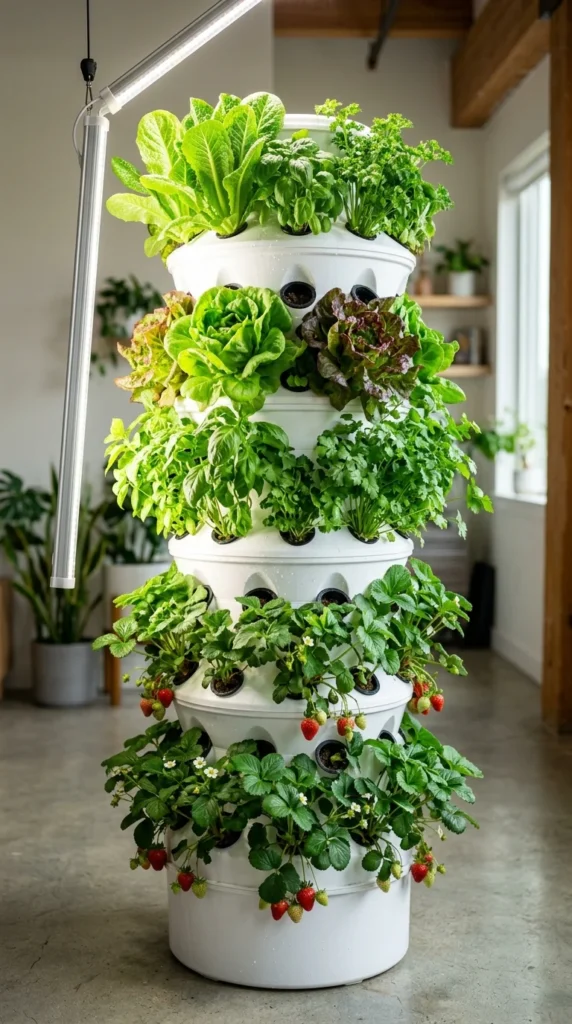
Stackable planting towers are the heavy hitters of the vertical gardening world. Designed specifically for high-yield gardening in small spaces, these towers allow you to grow dozens of plants in a footprint of just a few square feet. Many models come with self-watering systems or internal reservoirs, making maintenance a breeze. They are perfect for those who want to grow a “salad bar” indoors, including lettuce, kale, strawberries, and herbs.
10. Window Tension-Rods
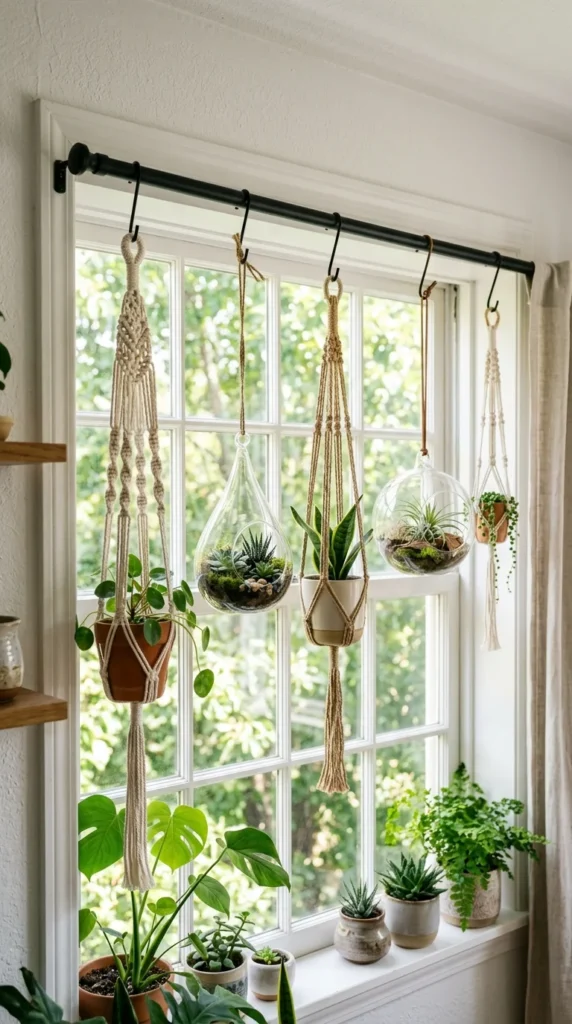
If you have a window with a great view but no sill, a tension rod is your best friend. By securing a heavy-duty tension rod across the window frame, you can hang multiple plants directly in the path of the sun. This uses the “airspace” of the window that is usually left empty. It’s a non-permanent solution that is perfect for apartment dwellers, and it creates a beautiful backlit effect as the sun shines through the leaves.
11. Recycled Pallets
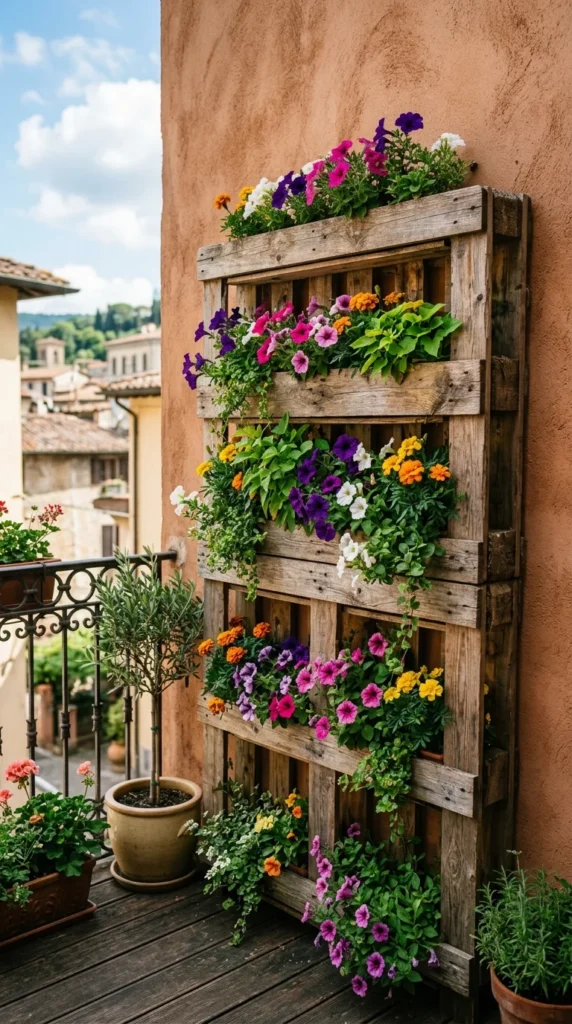
For the DIY enthusiast, a recycled wooden pallet can be transformed into a rustic vertical planter with very little effort. By adding landscape fabric to the back and bottom of the slats, you create long troughs for soil. This “garden wall” look is perfect for a balcony or a sunroom. It’s an eco-friendly way to repurpose materials while providing a large surface area for flowers or small vegetables.
12. Macrame Nets
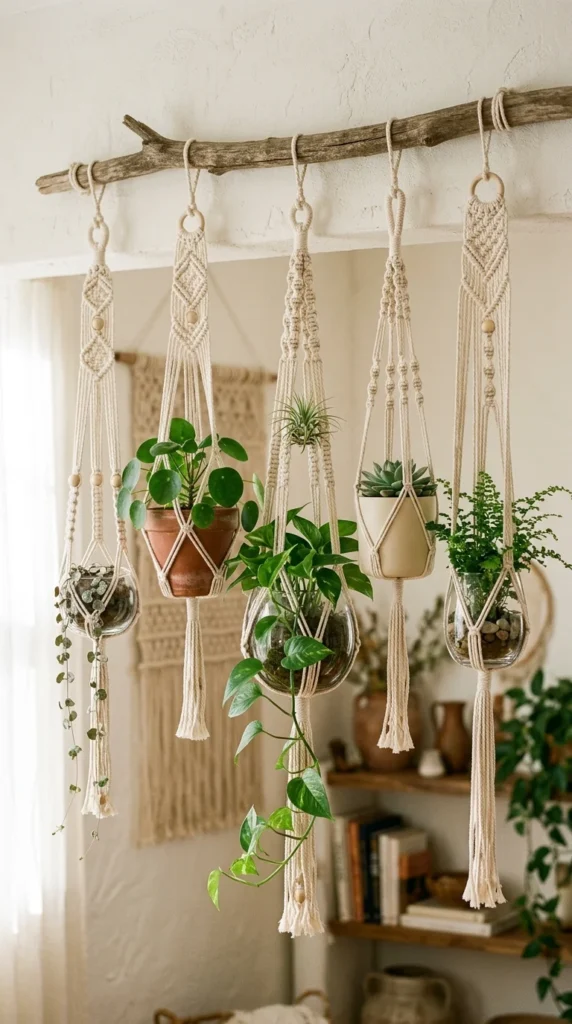
Macrame has made a massive comeback in interior design, and for good reason. These hand-knotted cord hangers are incredibly strong and add a bohemian, tactile element to your vertical garden. They allow you to hang plants from almost anywhere—curtain rods, ceiling hooks, or even wall brackets. The open weave of the macrame ensures that the plant pot remains the star of the show while providing a secure cradle for even heavy ceramic containers.
13. Hydroponic Systems
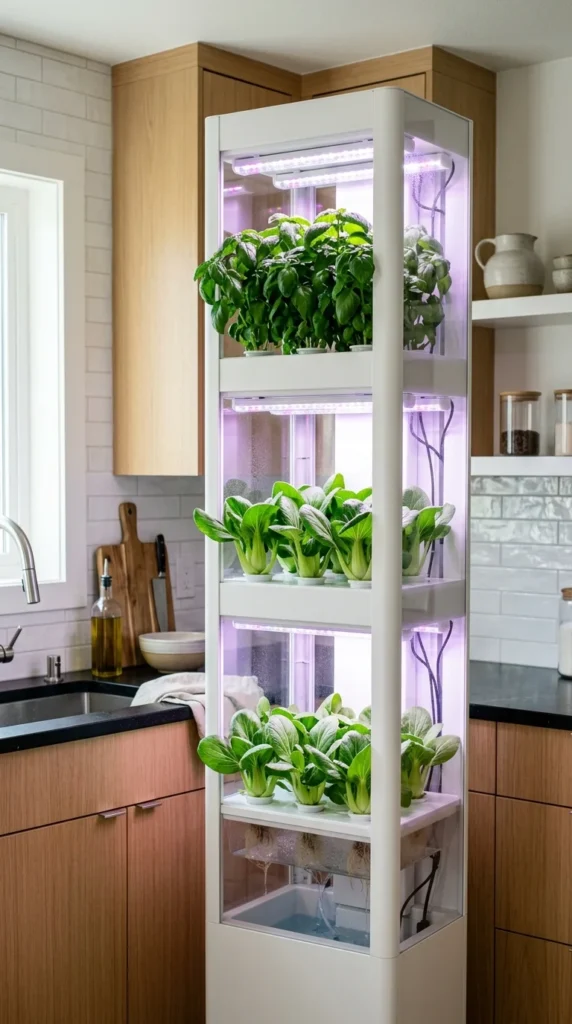
If you want to take your vertical gardening to the tech-savvy next level, consider a vertical hydroponic system. These soil-free setups use nutrient-rich water to grow plants faster and cleaner than traditional methods. Many systems are designed to be “plug-and-play,” featuring automated lights and water pumps. They are perfect for apartments with low natural light, as the integrated LEDs provide everything the plants need to thrive year-round.
14. Vertical Frames
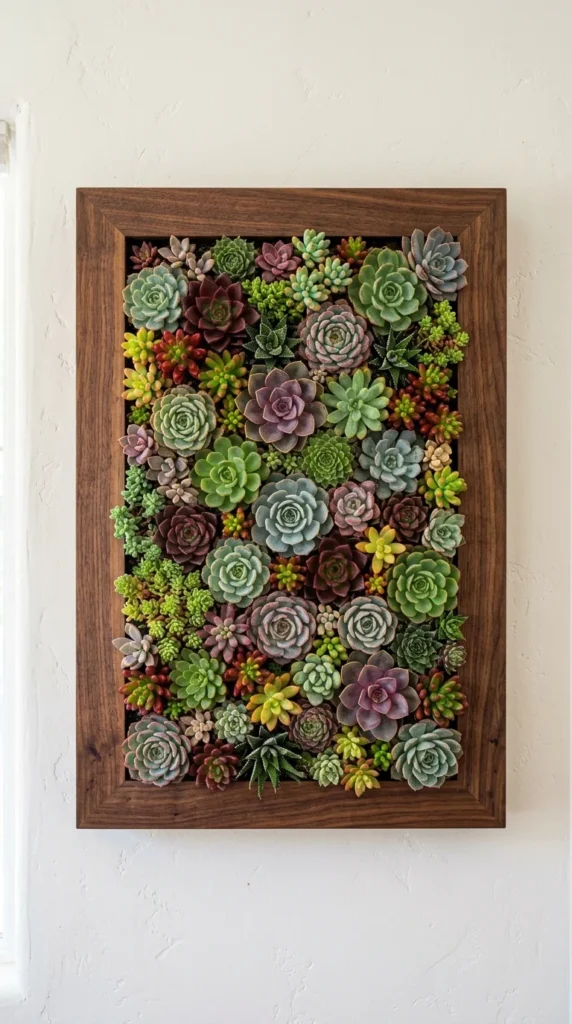
A vertical frame, or “living picture,” is a piece of art that breathes. These are specialized shallow boxes with a wire mesh front that holds the soil and plants in place. They are usually planted with succulents because of their shallow root systems and low water requirements. When mounted on a wall, they act as a stunning centerpiece that requires minimal maintenance while providing a high-impact visual of nature’s geometry.
15. Cork Boards
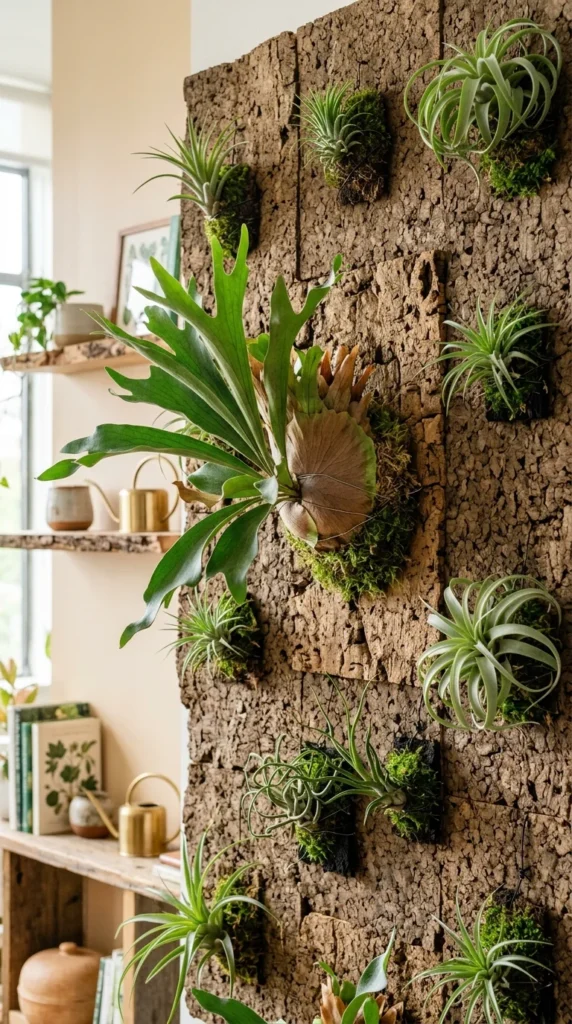
For epiphytic plants—those that grow on trees in nature, like air plants or Staghorn ferns—a cork board is the perfect vertical substrate. Instead of using pots and soil, you can mount these plants directly onto the cork using a bit of floral wire and sphagnum moss. This mimics their natural vertical habitat and creates a unique, organic wall display. It’s a lightweight and striking way to fill a wall with life without the weight of heavy pots and dirt.