
In our modern, high-stress world, the bedroom should be more than just a place to crash; it should be a sanctuary. While we often focus on mattress quality or blackout curtains to improve our sleep, we frequently overlook one of nature’s most effective sleep aids: indoor plants.
Beyond their aesthetic charm, certain plants possess the power to purify the air, increase humidity, and release calming scents that can significantly improve the quality of your rest. Science suggests that the mere presence of greenery can lower cortisol levels and create a sense of tranquility. Here are the 16 best bedroom plants to help you drift off into a deep, restorative slumber.
1. Snake Plant
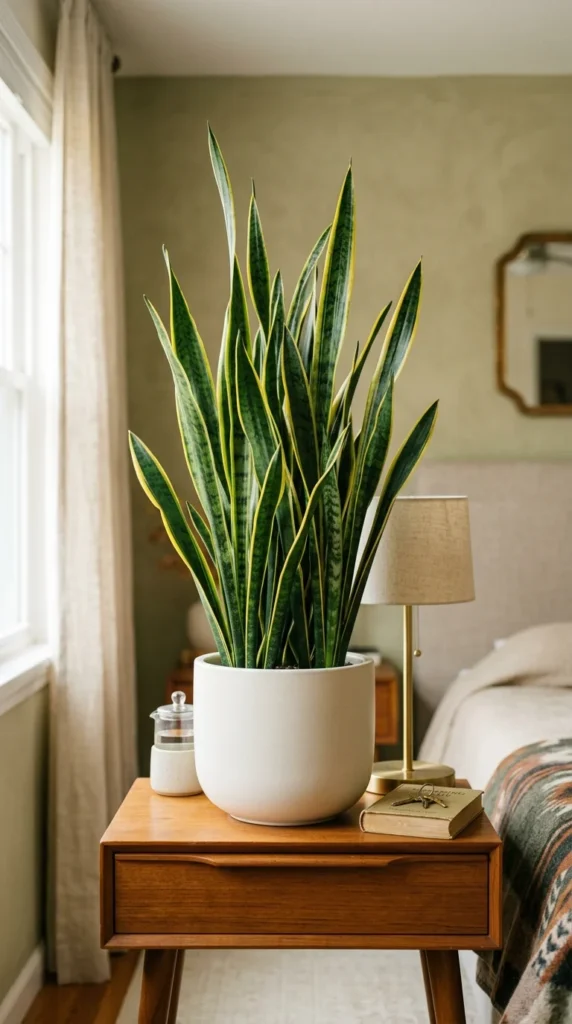
Often referred to as “Mother-in-Law’s Tongue,” the Snake Plant is a powerhouse for the bedroom. Unlike most plants that take in oxygen at night, the Snake Plant is a rare species that converts CO2 into oxygen during the evening hours. This boost in fresh oxygen can lead to better breathing and a deeper sleep. Furthermore, it is incredibly hardy, requiring very little light and infrequent watering, making it perfect for those without a “green thumb.”
2. Lavender
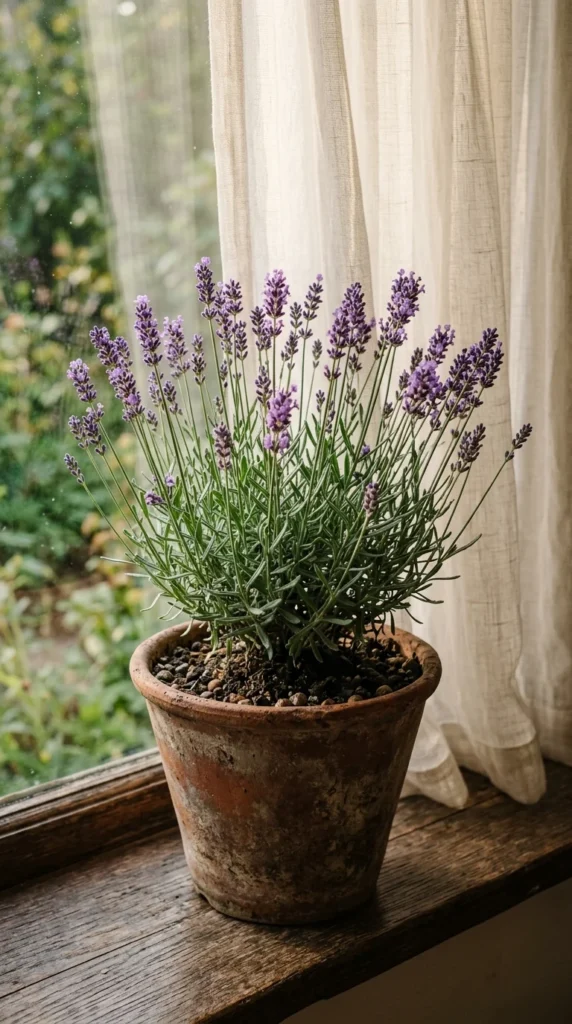
Lavender is world-renowned for its ability to induce relaxation. Its fragrance is scientifically proven to slow down the heart rate, lower blood pressure, and reduce stress levels. While many use lavender essential oils, having a live plant in your bedroom provides a continuous, subtle scent that can help soothe a restless mind and prepare your body for sleep. It prefers bright light, so keep it on a sunny windowsill.
3. Jasmine
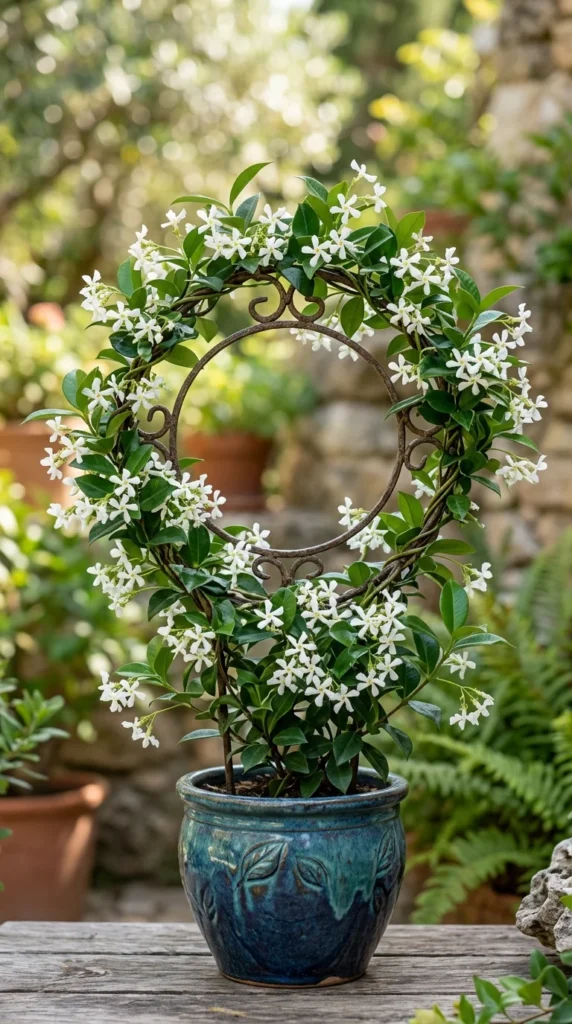
Jasmine features a sweet, exotic scent that has been shown to improve the quality of sleep and increase alertness the following morning. Studies have suggested that the aroma of jasmine can act as a natural sedative, reducing sleep movement and decreasing anxiety. Its delicate white flowers also add a touch of romantic elegance to any bedroom decor.
4. Spider Plant
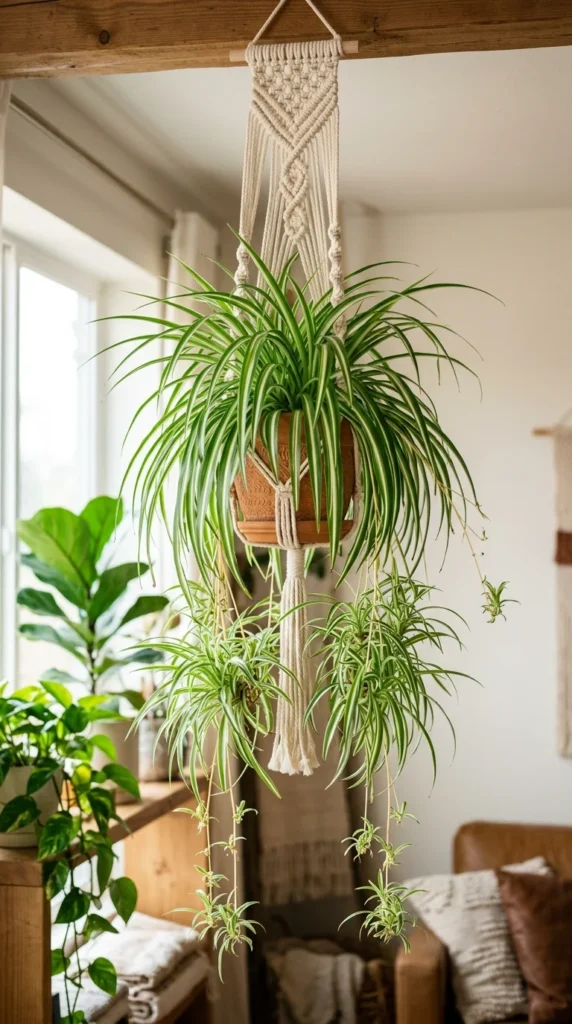
The Spider Plant is a champion of air purification. NASA’s Clean Air Study found that this plant can remove up to 90% of potentially cancer-causing formaldehyde from the air. Since formaldehyde is often found in common household items like adhesives and fillers, the Spider Plant helps ensure the air you breathe while sleeping is as clean as possible. It is also non-toxic to pets, making it a safe choice for animal lovers.
5. Aloe Vera
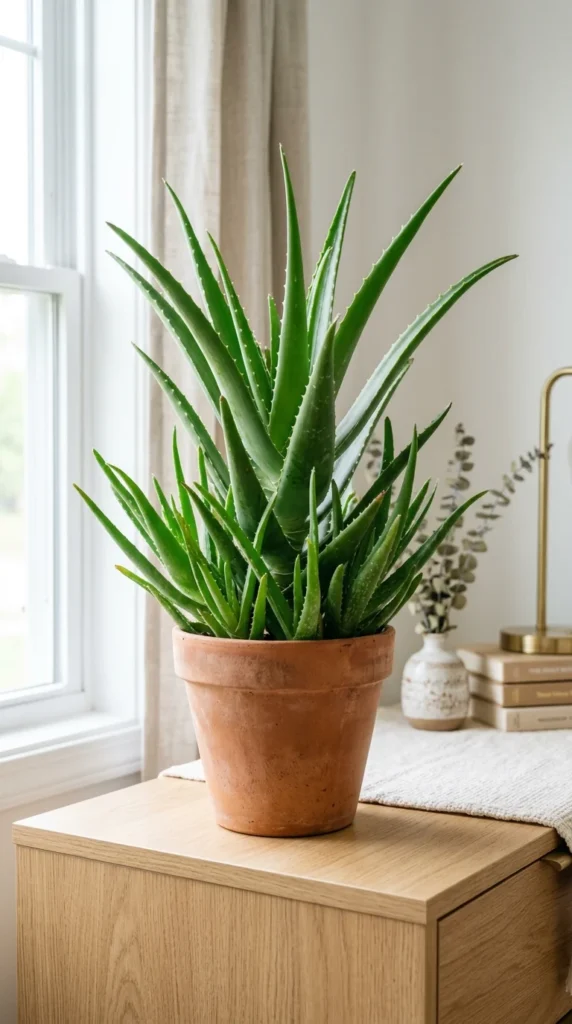
Much like the Snake Plant, Aloe Vera releases oxygen at night, which helps improve the air quality of your sleeping environment. It is also known as the “plant of immortality” because it is so difficult to kill. Beyond its air-purifying qualities, the gel inside the leaves can be used topically for minor burns and skin irritations, making it a functional addition to your bedside.
6. Peace Lily
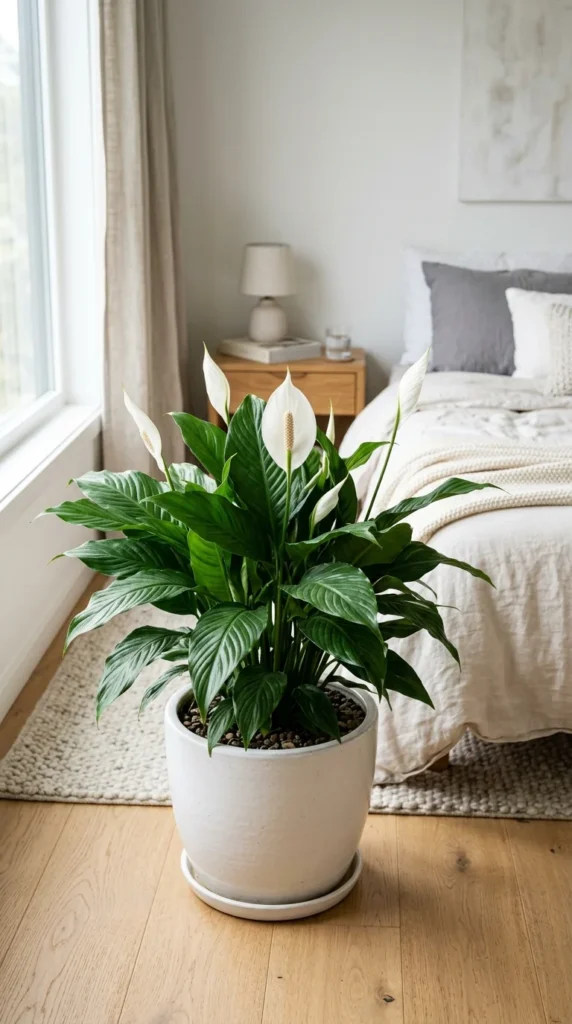
The Peace Lily is not just a beautiful ornamental plant; it is a functional air scrubber. It can increase room humidity by up to 5%, which is excellent for suppressing airborne microbes that can lead to allergies or a dry throat. If you suffer from dry sinuses or wake up with a “stuffy” feeling, the Peace Lily’s ability to filter out benzene, ethyl, and trichloroethylene is a game-changer.
7. English Ivy
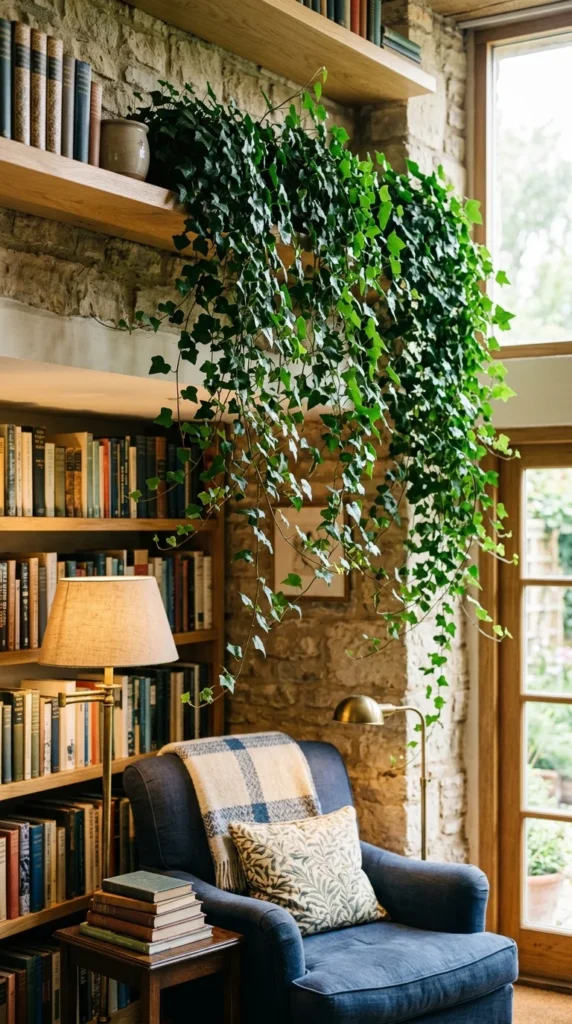
English Ivy is particularly beneficial for those who suffer from allergies or asthma. Research has shown that this vine can reduce the amount of airborne mold and feces-related particles in a room within just 12 hours. By clearing these irritants from the air, English Ivy helps ensure that your respiratory system can relax fully during the night.
8. Golden Pothos
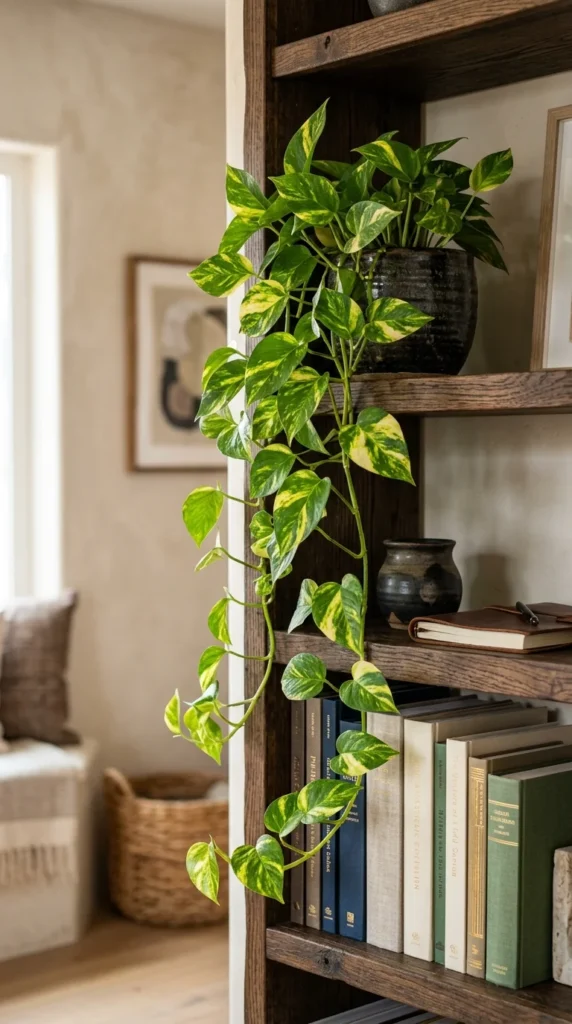
Golden Pothos, also known as Devil’s Ivy, is one of the most popular indoor plants because it is nearly indestructible. It is exceptionally good at removing indoor pollutants such as carbon monoxide and benzene. Its trailing vines create a “jungle” feel that can make a bedroom feel more secluded and peaceful. It thrives in various lighting conditions, including the lower light levels found in many bedrooms.
9. Valerian
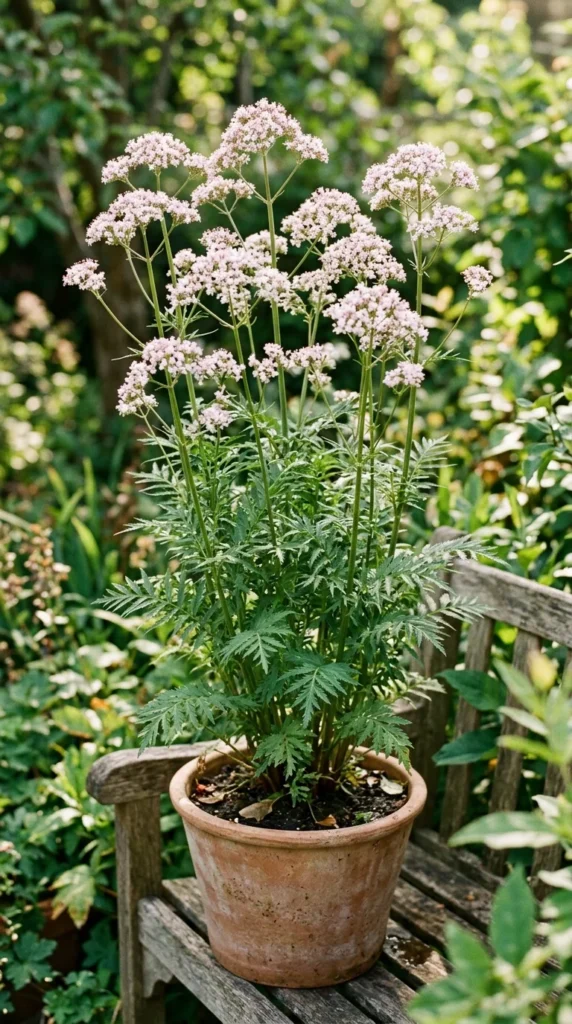
While the root of the Valerian plant is commonly used as a herbal tea for insomnia, the plant itself is a lovely addition to a bedroom. The scent of its flowers was famously used by 16th-century perfumers, and inhaling the aroma is said to help you fall asleep faster. It requires a sunny spot, so place it where it can catch at least six hours of sunlight during the day.
10. Gardenia
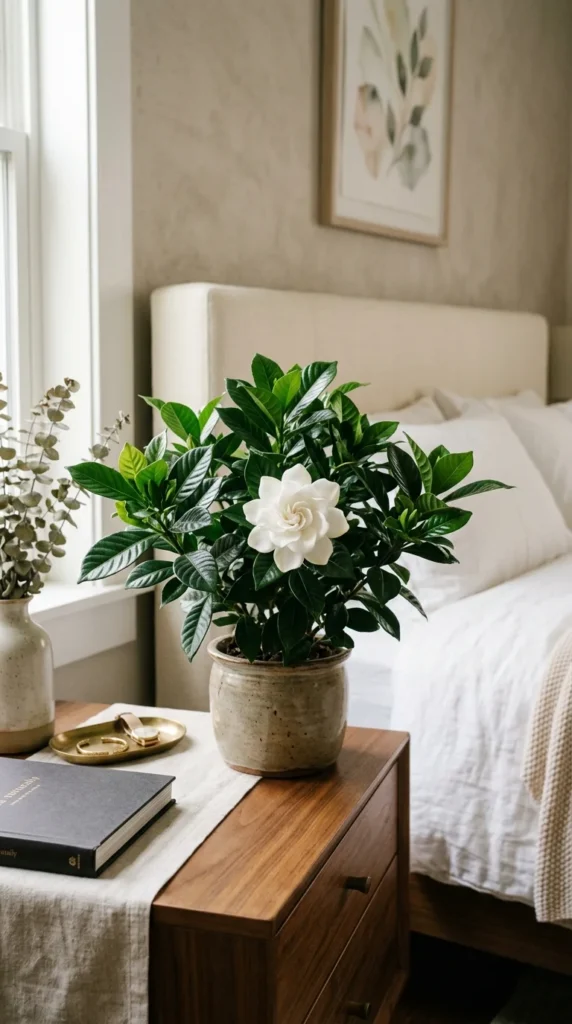
Gardenias are perhaps the most challenging plants on this list to care for, but the reward is worth it. They produce a fragrance that is arguably more effective than any candle or diffuser. Some studies have compared the calming effects of the Gardenia scent to that of Valium, helping to soothe the brain and body into a state of deep relaxation. They require bright, indirect light and consistent moisture.
11. Rubber Plant
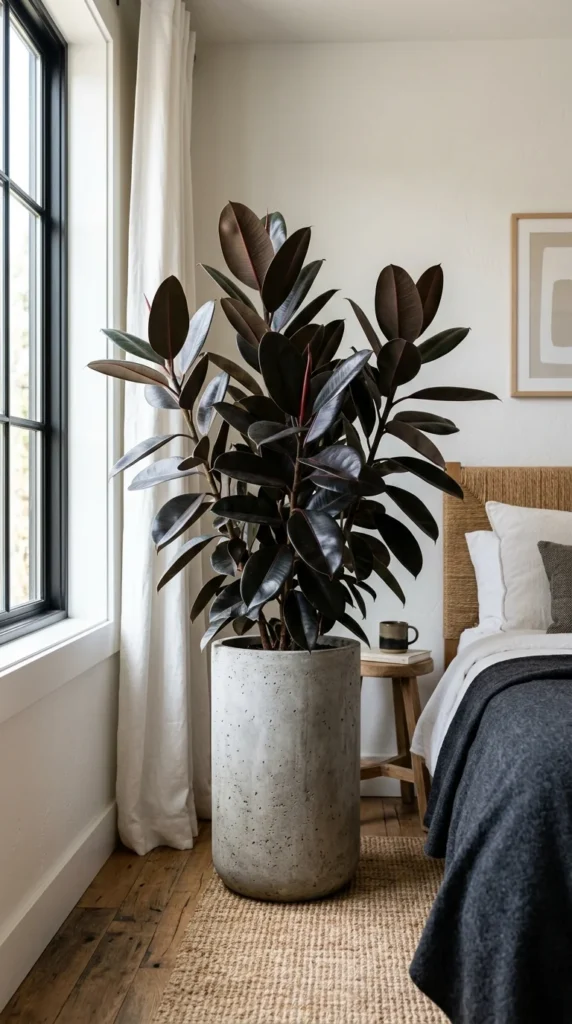
If you want a plant that makes a statement while cleaning your air, the Rubber Plant is it. Its large, broad leaves are excellent at absorbing toxins and carbon dioxide. Because of its leaf surface area, it is one of the most efficient plants for removing formaldehyde from the indoor environment. It prefers bright, filtered light and a regular watering schedule.
12. Areca Palm
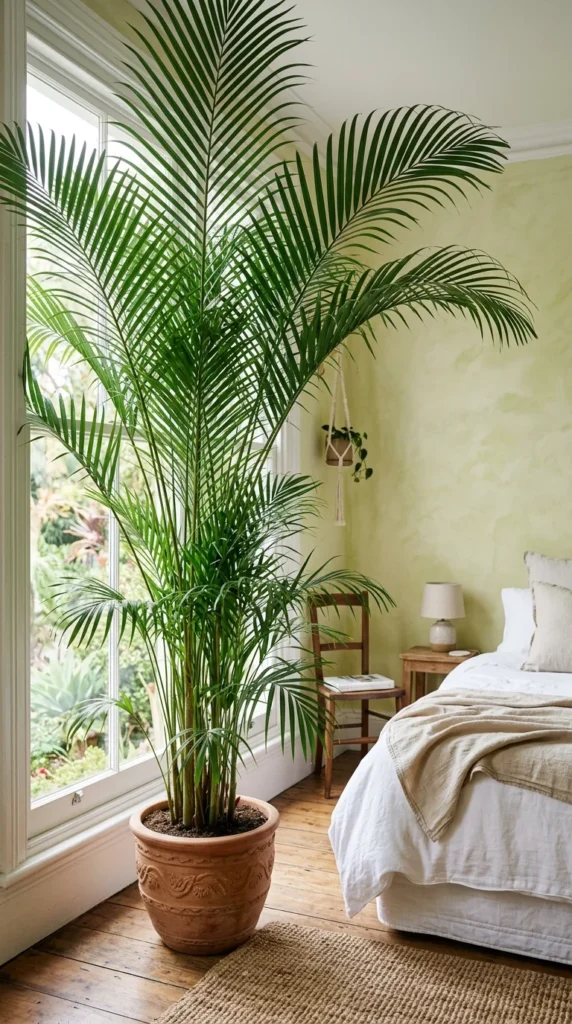
For those living in dry climates or who use heaters that dry out the air, the Areca Palm acts as a natural humidifier. It releases a significant amount of moisture into the air, which can prevent your nose and throat from becoming irritated during the night. It also looks incredibly tropical and elegant, turning your bedroom into a high-end spa retreat.
13. Bromeliad
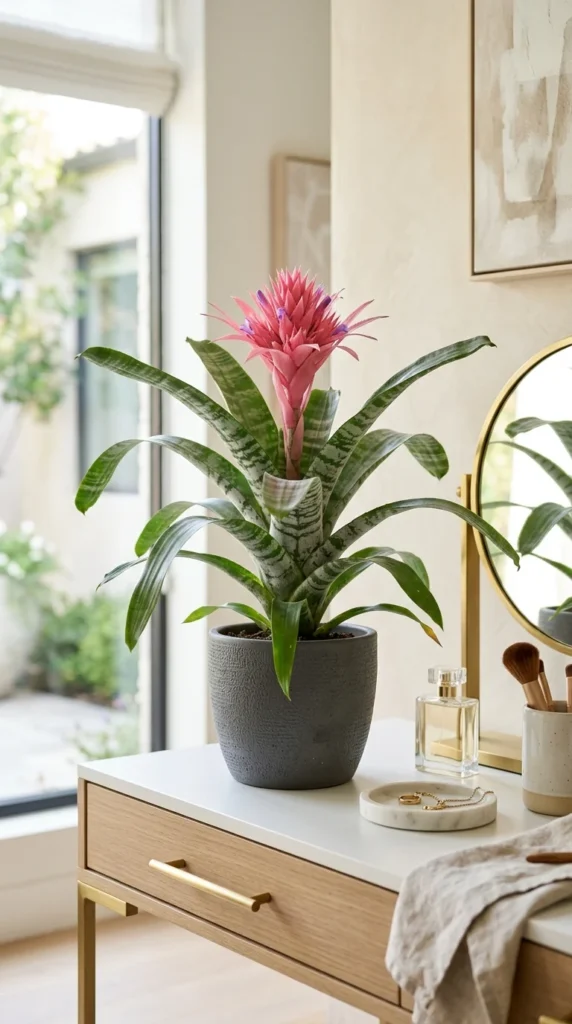
Bromeliads are unique because, like succulents, they utilize CAM photosynthesis, meaning they take in CO2 and release oxygen primarily at night. This makes them the perfect “roommate” for a small bedroom where air circulation might be limited. Their bright, exotic colors also provide a cheerful pop of visual interest that can boost your mood upon waking.
14. Rosemary
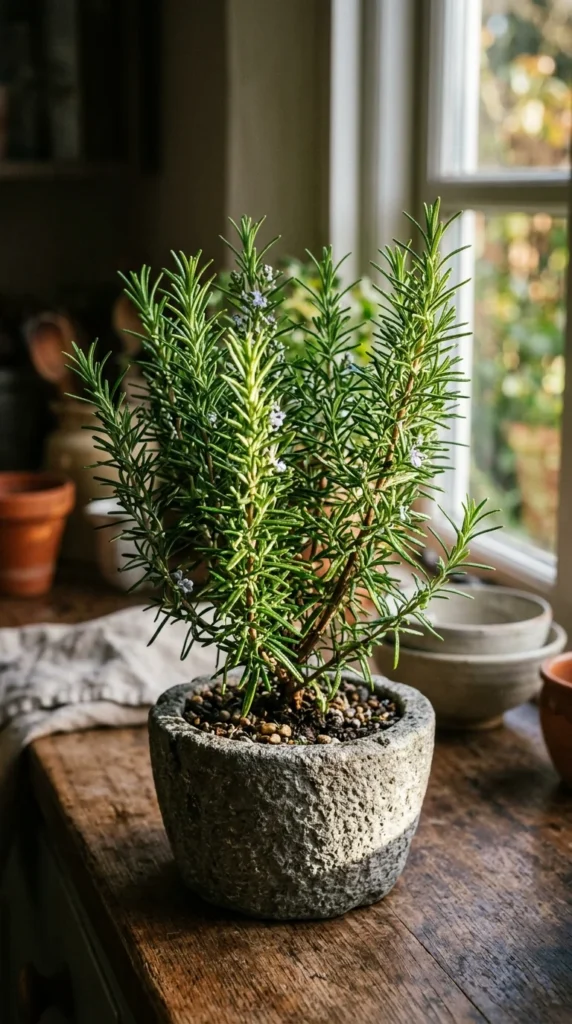
While usually found in the kitchen, Rosemary is a fantastic bedroom companion. Its scent has been linked to improved memory and a reduction in cortisol (the stress hormone). By lowering stress levels before bed, Rosemary helps transition the brain from “active mode” to “rest mode.” It also adds a fresh, herbaceous scent that keeps the room smelling clean.
15. Boston Fern
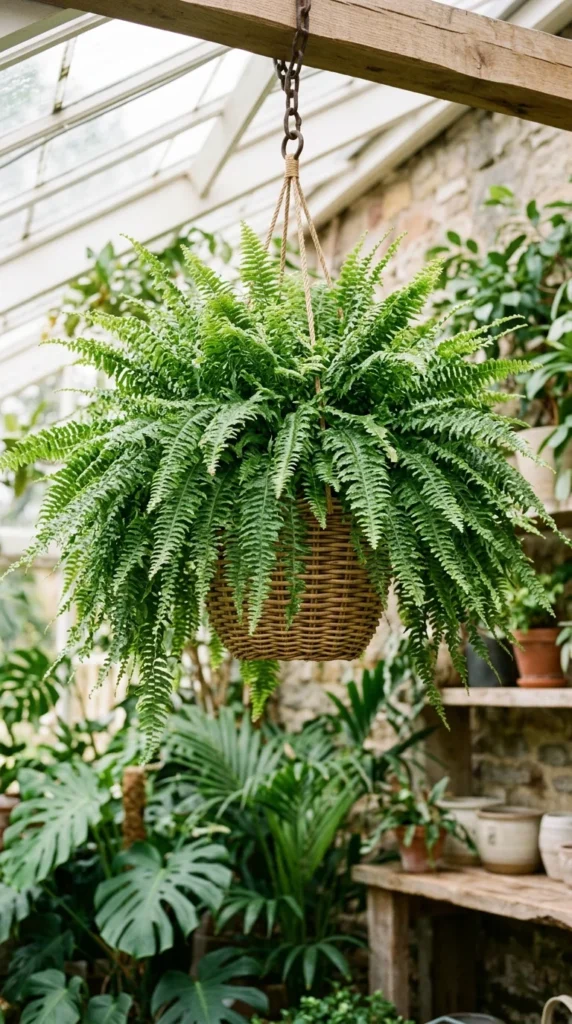
The Boston Fern is a classic indoor plant that excels at humidifying the air. It is also highly effective at removing air pollutants like xylene and formaldehyde. Because they love humidity, they are a great choice if your bedroom is adjacent to a master bath. Their soft, feathery texture adds a sense of gentleness and calm to the room’s aesthetic.
16. ZZ Plant
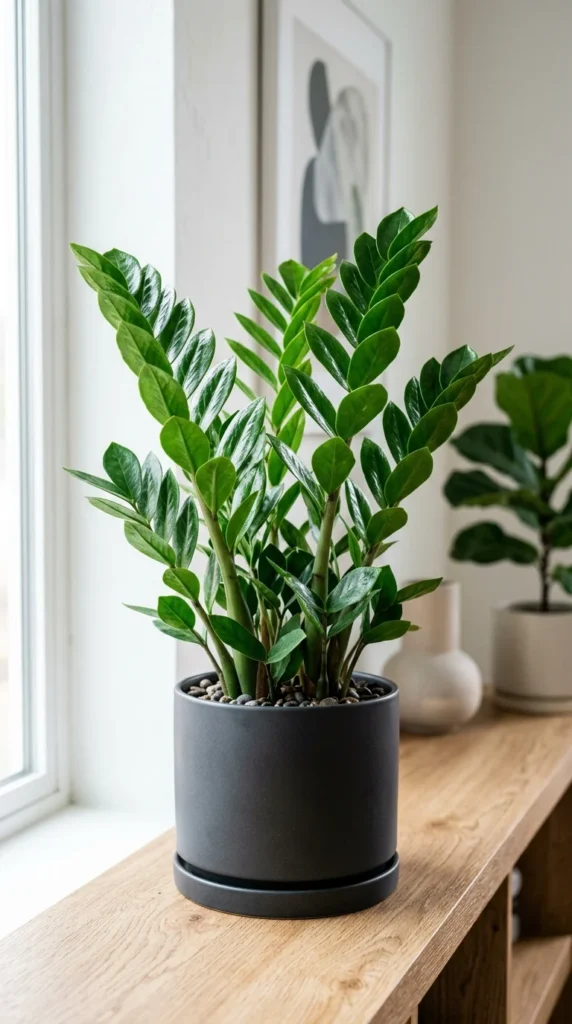
The ZZ Plant (Zamioculcas zamiifolia) is the ultimate plant for the low-maintenance sleeper. It can survive in very low light and requires very little water. In terms of sleep benefits, it is an excellent air purifier, removing large amounts of toxins from the air. Its deep green, waxy leaves are also visually grounding, providing a sense of stability and calm in your personal space.
Tips for a Greener Sleep Sanctuary
To get the most out of your bedroom plants, keep these simple maintenance tips in mind:
- Wipe the Leaves: Dust can clog the “pores” of your plants, preventing them from effectively purifying the air. Wipe them down once a month with a damp cloth.
- Don’t Overwater: Most bedroom plants die from too much love. Check the soil moisture before adding more water.
- Choose the Right Pot: Ensure your pots have drainage holes to prevent root rot.
- Balance the Numbers: For a standard-sized bedroom, having 2 to 5 plants is usually enough to notice a difference in air quality without making the room feel cluttered.
By incorporating these living filters and natural aromatics into your decor, you can transform your bedroom into a powerhouse of health and relaxation. Sweet dreams!