Creating a lush, productive garden doesn’t require a massive backyard or a bottomless bank account. In fact, some of the most stunning gardens are born from creativity, upcycling, and a little bit of dirt under the fingernails. Container gardening is the ultimate “hack” for urban dwellers, renters, or anyone looking to add a splash of green to their porch without spending a fortune on heavy ceramic pots.
By repurposing items you already have or can find for free, you turn “trash” into a thriving ecosystem. Whether you want to grow your own salad greens, aromatic herbs, or a wall of cascading flowers, these 17 DIY container garden ideas will prove that a green thumb is more about imagination than investment.
1. Plastic Buckets
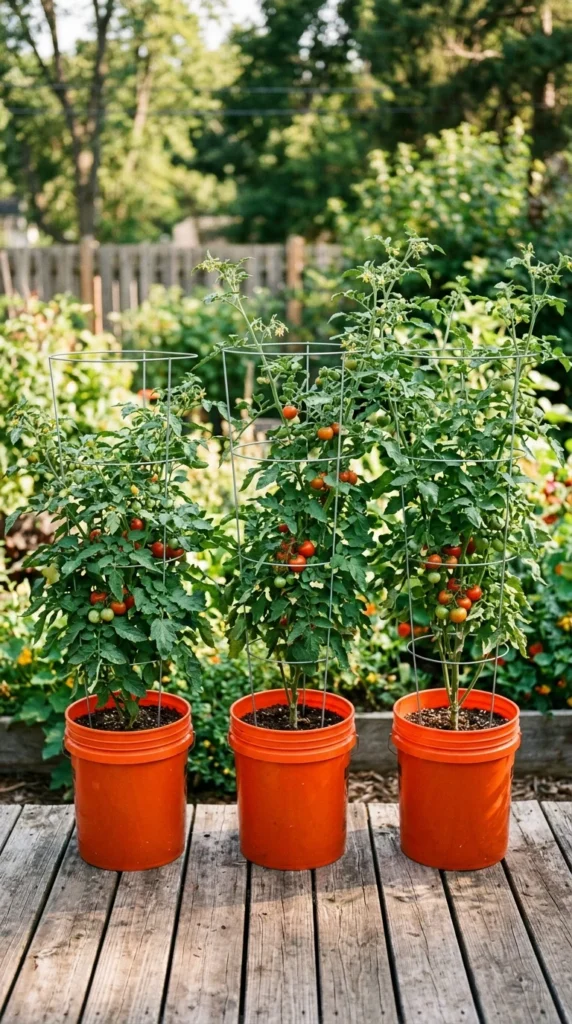
Five-gallon buckets are the unsung heroes of the budget garden. Often available for free from bakeries or construction sites, these sturdy containers are deep enough to house heavy feeders like tomatoes, peppers, and even eggplants. To turn them into planters, simply drill several drainage holes in the bottom. You can leave them in their industrial glory for a “gritty” look or give them a quick coat of spray paint to match your outdoor decor. Because they have handles, they are incredibly easy to move around as the sun shifts throughout the seasons.
2. Wooden Pallets
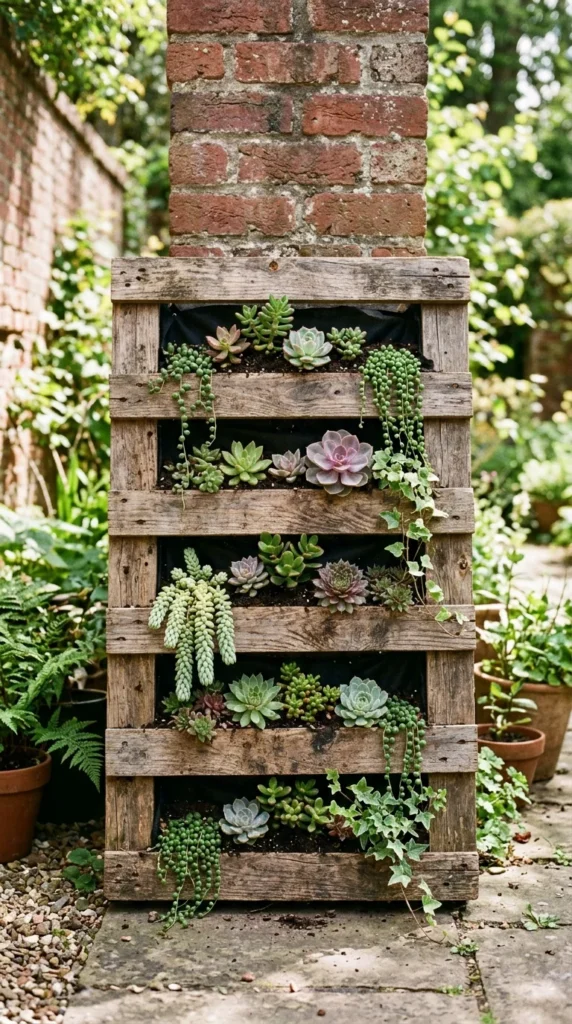
Wooden pallets are the gold standard for vertical gardening. If you are short on floor space, a pallet allows you to grow “up” instead of “out.” By stapling heavy-duty landscaping fabric to the back and bottom of the slats, you create pockets that can be filled with soil. This setup is perfect for “living walls” of lettuce, strawberries, or herbs. Just ensure the pallet is heat-treated (marked with an “HT” stamp) rather than chemically treated to ensure your edible plants stay safe and organic.
3. Tin Cans
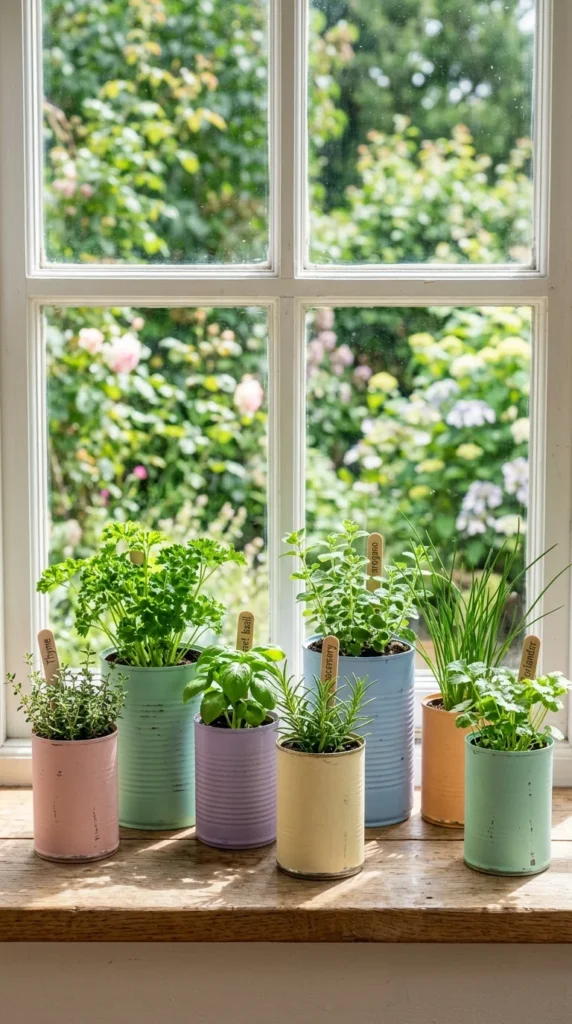
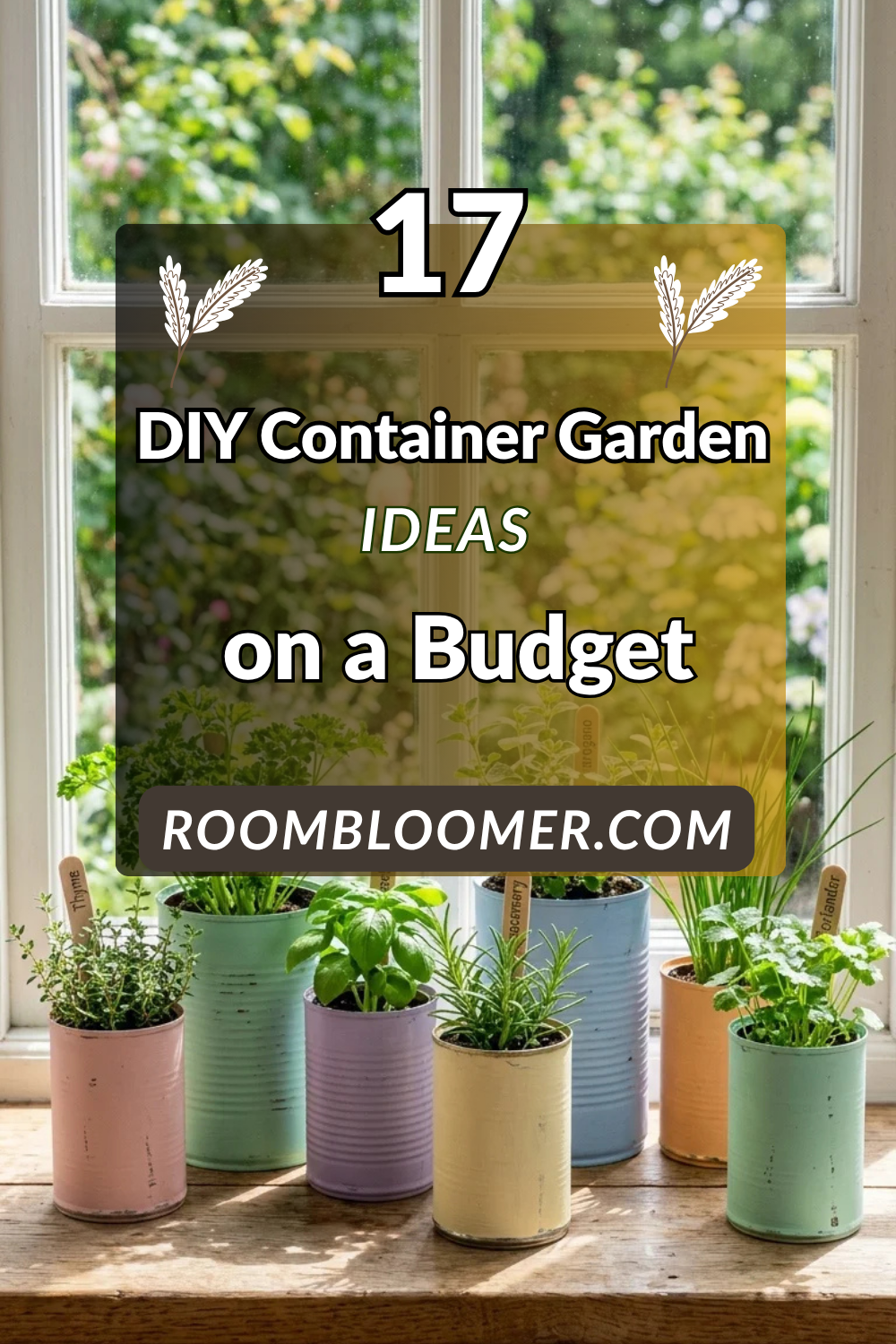
Before you toss those soup or coffee cans into the recycling bin, consider them your next herb garden. Tin cans are the perfect size for small plants like cilantro, parsley, or chives. They look fantastic when grouped together on a tray or mounted to a wooden board. To prevent rust and ensure plant health, drill a few holes in the bottom and consider lining the inside with a small plastic bag (with holes) to create a barrier between the metal and the soil. They offer a charming, rustic aesthetic that fits perfectly in a kitchen.
4. Old Tires
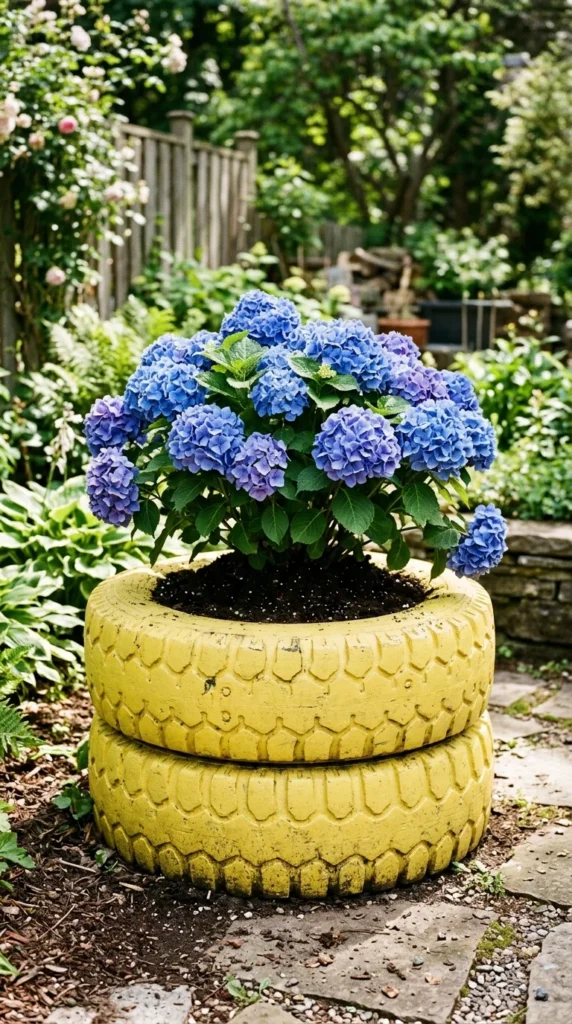
Old tires are a major environmental burden, but in the garden, they become durable, weather-resistant raised beds. You can stack them to create depth for deep-rooted plants or lay them out individually for a tiered flower bed. Painting them transforms them from “garage waste” into “garden art.” Use a primer first to ensure the paint sticks to the rubber. They are particularly good for heat-loving plants like peppers because the black rubber absorbs sunlight and warms the soil early in the spring.
5. Shoe Organizers
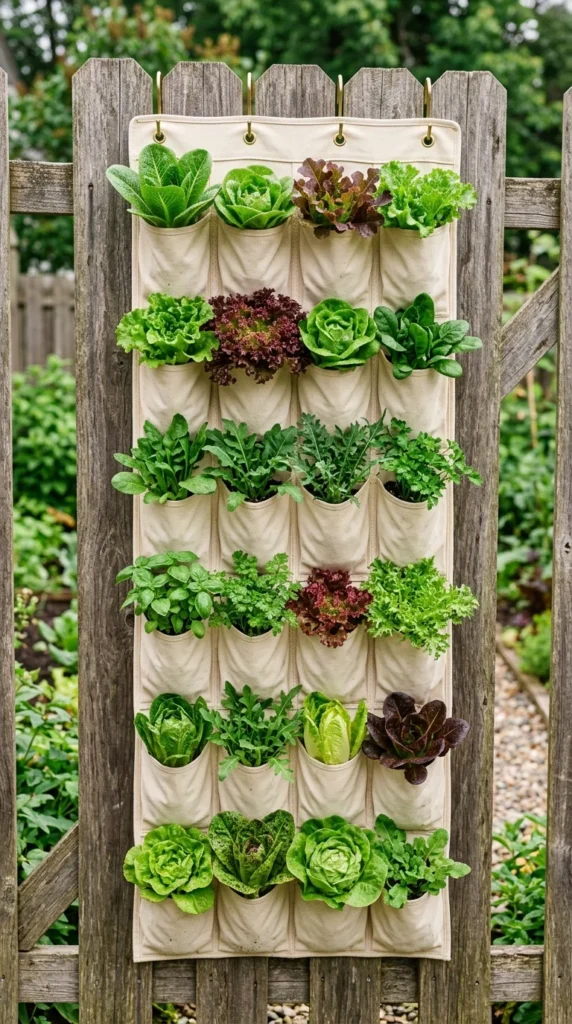
An over-the-door fabric shoe organizer is a vertical garden in a box. The pockets are perfectly sized for individual herb plants or leafy greens like spinach and arugula. The fabric allows for excellent aeration and drainage, preventing root rot. Simply hang the organizer on a sunny fence or wall, fill the pockets with a lightweight potting mix, and plant your seeds. It’s one of the most space-efficient ways to grow a massive amount of salad in a tiny footprint.
6. Metal Colanders
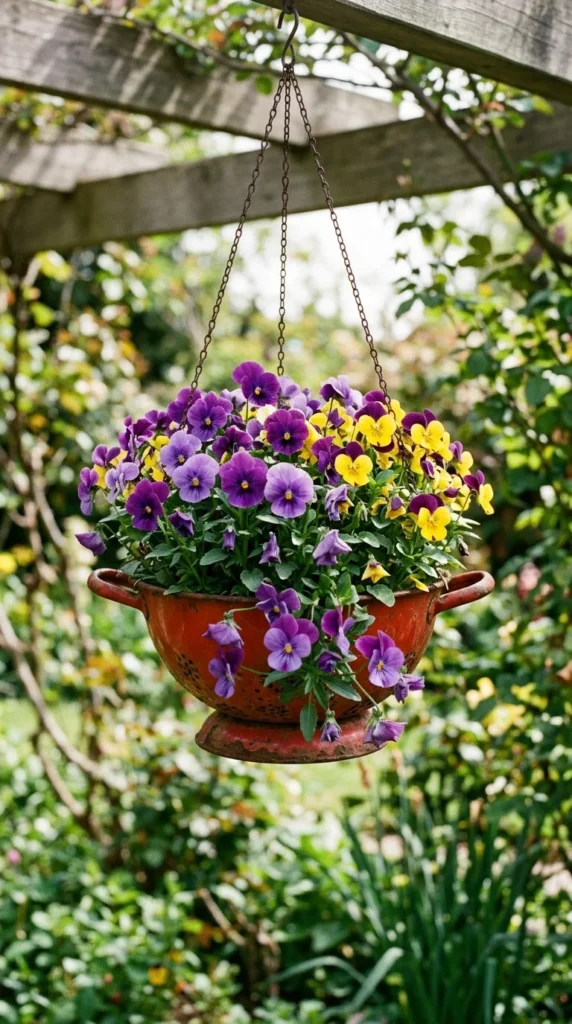
Kitchen colanders are practically pre-made planters. They already have the most important feature of any container: built-in drainage. A vintage metal colander filled with bright annuals like petunias or pansies makes for a stunning hanging basket. Because they are open-air, the soil can dry out quickly, so they are best suited for plants that enjoy well-drained soil or for gardeners who don’t mind a frequent watering schedule. They add a whimsical, “cottage-core” vibe to any porch.
7. Wine Crates
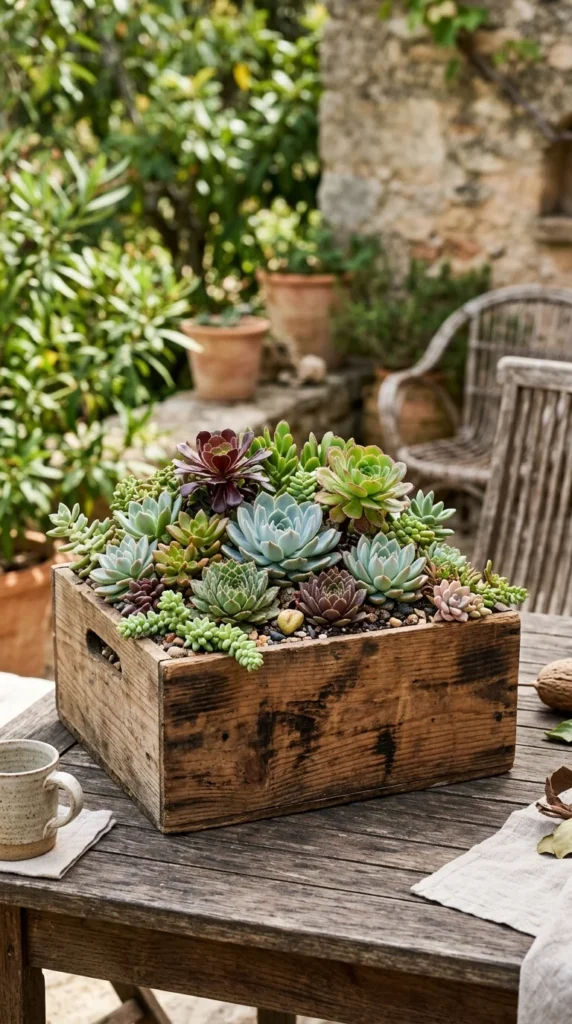
Wooden wine crates provide a sophisticated, rustic look for a fraction of the cost of store-bought wooden planters. These crates are usually made of high-quality wood and are deep enough for shallow-rooted vegetables like radishes or a variety of succulents. Since wood is porous, it helps regulate soil temperature and moisture. To make them last longer, line the inside with plastic (with drainage holes) to prevent the wood from rotting over time.
8. Burlap Sacks
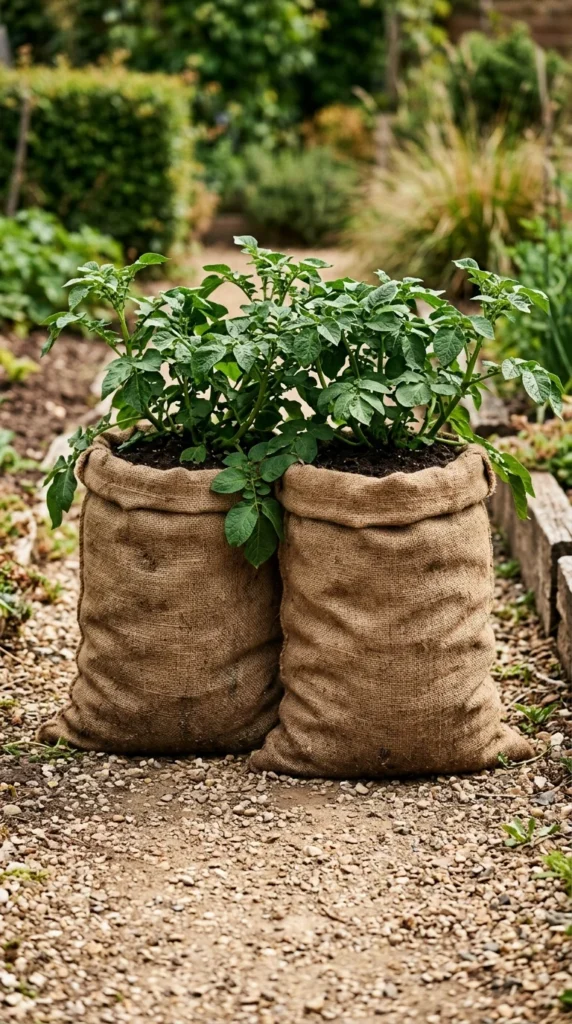
Burlap sacks—often available for free or cheap from coffee roasters—are the ultimate breathable container. They are particularly famous for “potato bags.” Because the material is so porous, it allows for incredible air pruning of the roots, leading to a healthier, more robust plant. When the harvest is over, you can simply dump the soil, wash the bag, and fold it away for next year. It’s a zero-waste gardening solution that looks naturally beautiful in an earthy, organic garden.
9. Mason Jars
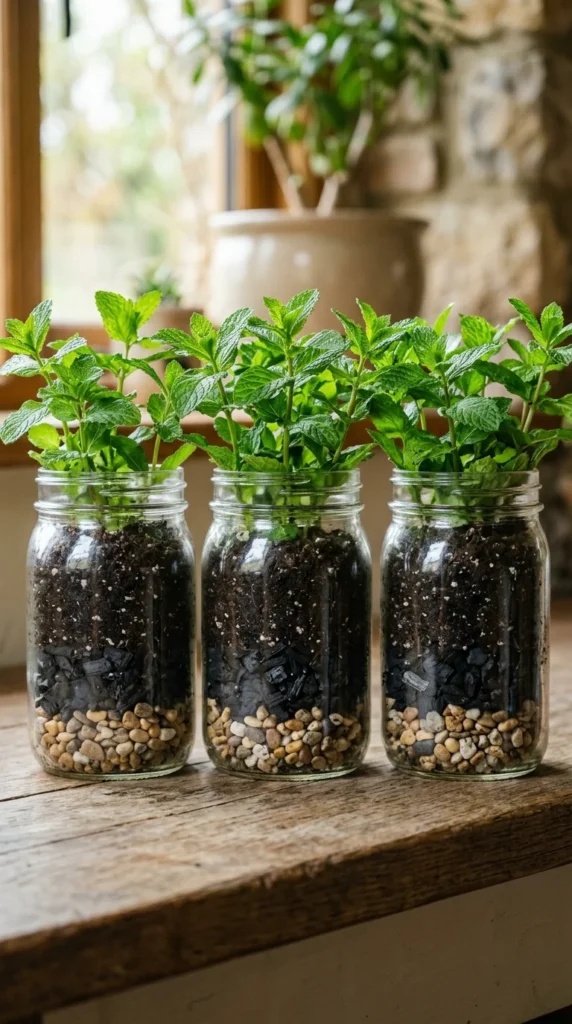
For the indoor gardener, mason jars are a classic choice. While they don’t have drainage holes, you can create a functional “drainage layer” by placing an inch of small pebbles or activated charcoal at the bottom before adding soil. This allows excess water to settle away from the roots. They are perfect for a windowsill herb garden, allowing you to see the moisture levels in the soil and the development of the root systems through the glass.
10. Vintage Teacups
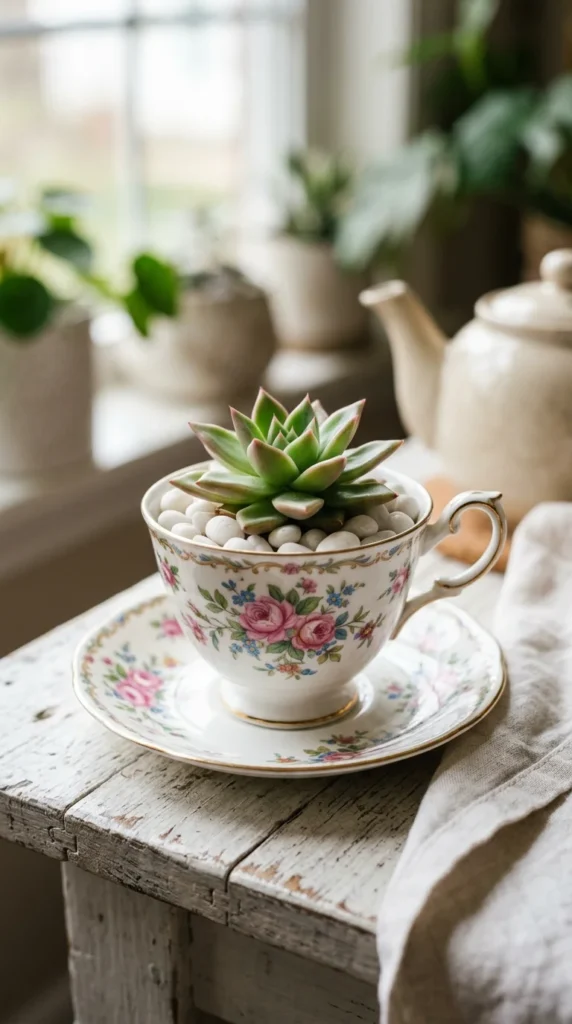
If you love succulents or slow-growing cacti, vintage teacups are the perfect home. These miniature planters are ideal for office desks, bookshelves, or as unique party favors. You can find beautiful, mismatched cups at thrift stores for pennies. If you’re feeling brave, you can use a ceramic drill bit to add a drainage hole, or simply be very careful with your watering can. They bring a touch of elegance and history to your indoor plant collection.
11. Dresser Drawers
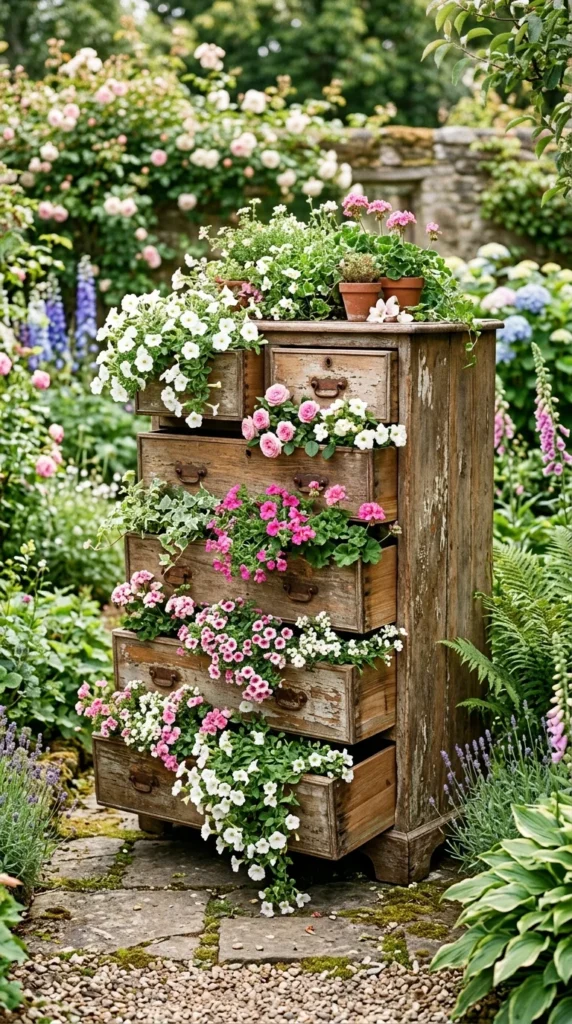
An old dresser destined for the landfill can be transformed into a dramatic, multi-tiered garden focal point. By pulling the drawers out at different lengths, you create a cascading effect of greenery and color. This is a great way to recycle furniture that is no longer functional. To ensure longevity, treat the wood with a non-toxic sealant and drill drainage holes in the bottom of each drawer. It’s a conversation piece that maximizes vertical space and adds a sense of “shabby chic” mystery to your yard.
12. Galvanized Tubs
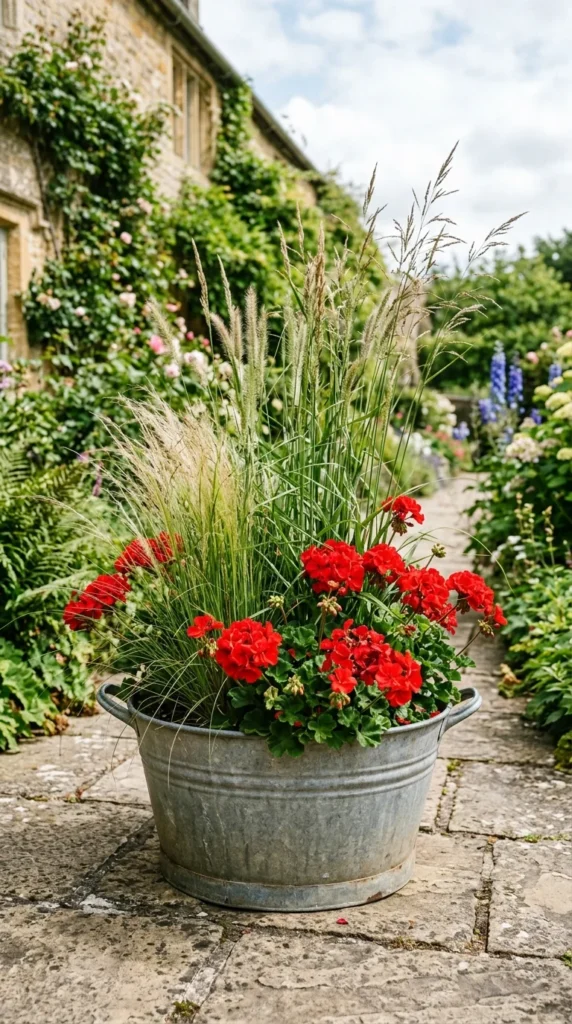
Galvanized steel tubs offer a classic farmhouse aesthetic that is both durable and stylish. These tubs can last for decades and are large enough to act as a “mini-garden” in a single container. You can plant a “thriller, filler, and spiller” combination—a tall plant in the center, mounding plants around it, and trailing plants over the edges. Just be sure to use a heavy-duty drill to create plenty of drainage, as the metal will hold water effectively.
13. Rain Gutters
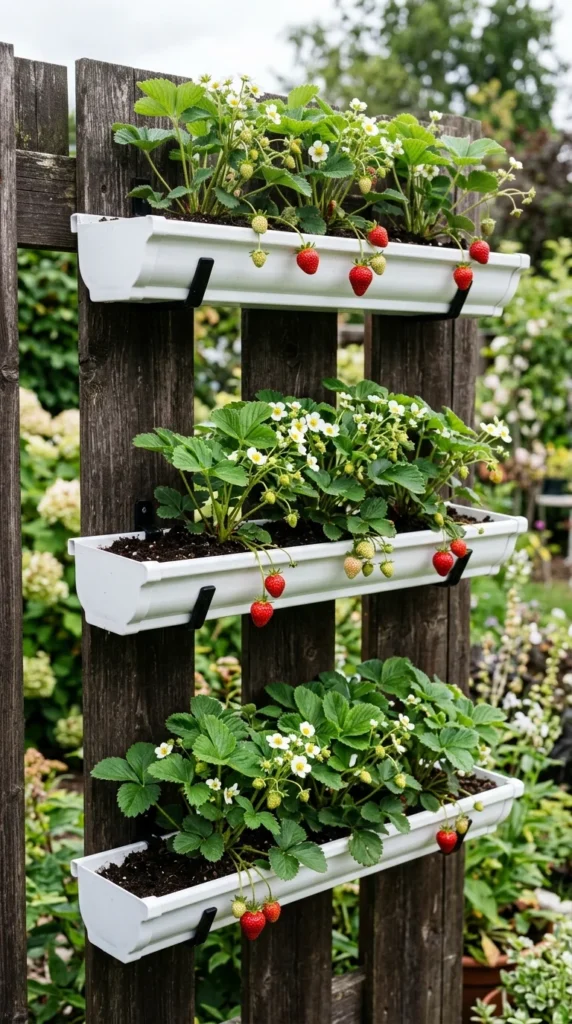
Rain gutters are an ingenious solution for narrow spaces. By mounting sections of gutter to a fence or a wall, you create long, shallow planting rows. This is the perfect environment for strawberries, which love to trail their fruit over the edges, or for a continuous supply of salad greens. It keeps the plants off the ground, away from many pests, and makes harvesting as easy as standing up and picking.
14. Woven Baskets
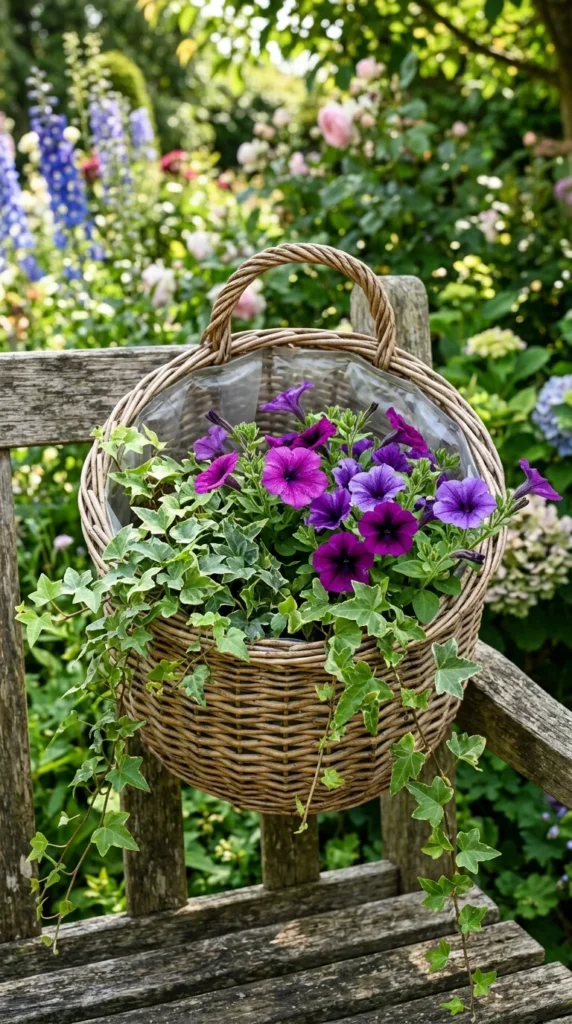
Wicker and woven baskets add a soft, natural texture to a garden that plastic and metal simply can’t match. Thrift stores are usually overflowing with these for a few dollars. Because the weave is loose, you’ll need to line them with plastic or coco coir to keep the soil inside. They look particularly beautiful hanging from porch eaves or nestled among larger pots on the ground, providing a varied height and texture to your container display.
15. Cinder Blocks
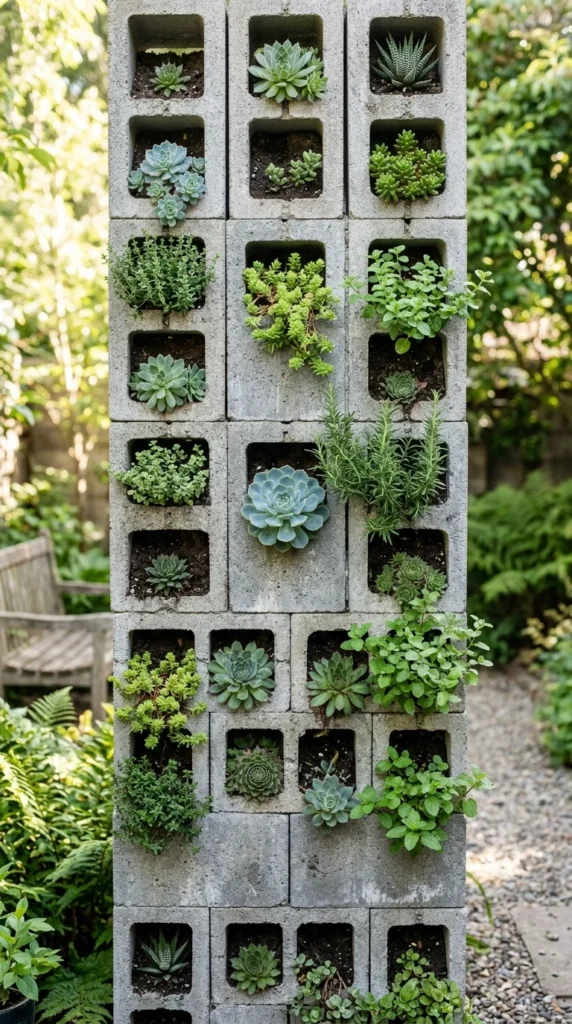
Cinder blocks are incredibly inexpensive and allow for a modular gardening approach. You can stack them to create a raised bed, or use the hollow centers as individual planting pockets. Their grey, industrial look creates a striking contrast with the organic shapes of plants. They are also heavy and stable, making them a great choice for windy areas where lighter plastic pots might blow over.
16. Plastic Bottles
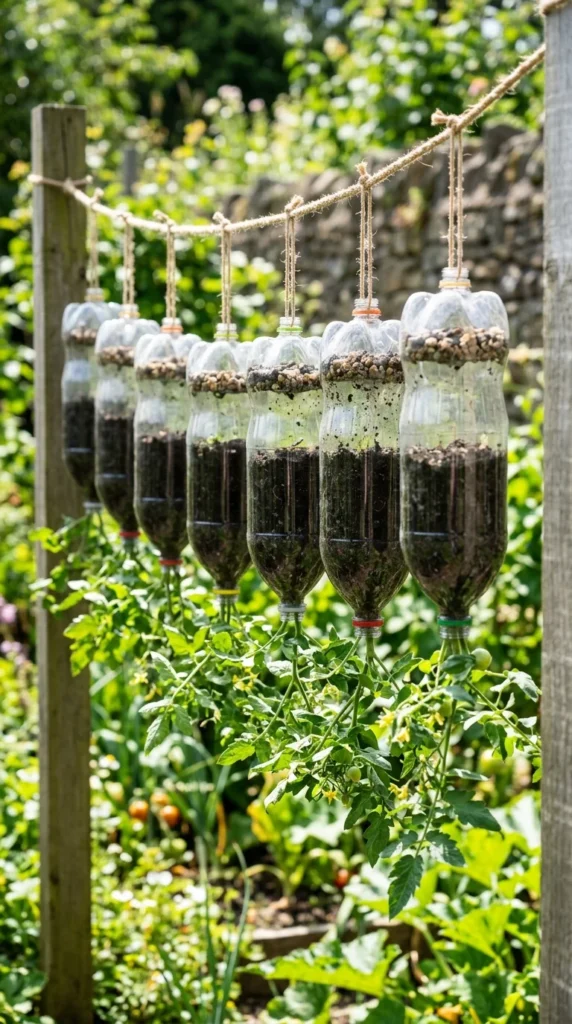
If you want to garden for essentially zero dollars, start saving your soda and water bottles. You can cut them in half to create small starter pots, or even create a self-watering system by inverting the top half into the bottom half. For a more ambitious project, you can string dozens of bottles together to create a vertical “bottle wall.” It’s the ultimate way to keep plastic out of the ocean and put fresh food on your table.
17. Clay Pot Tower
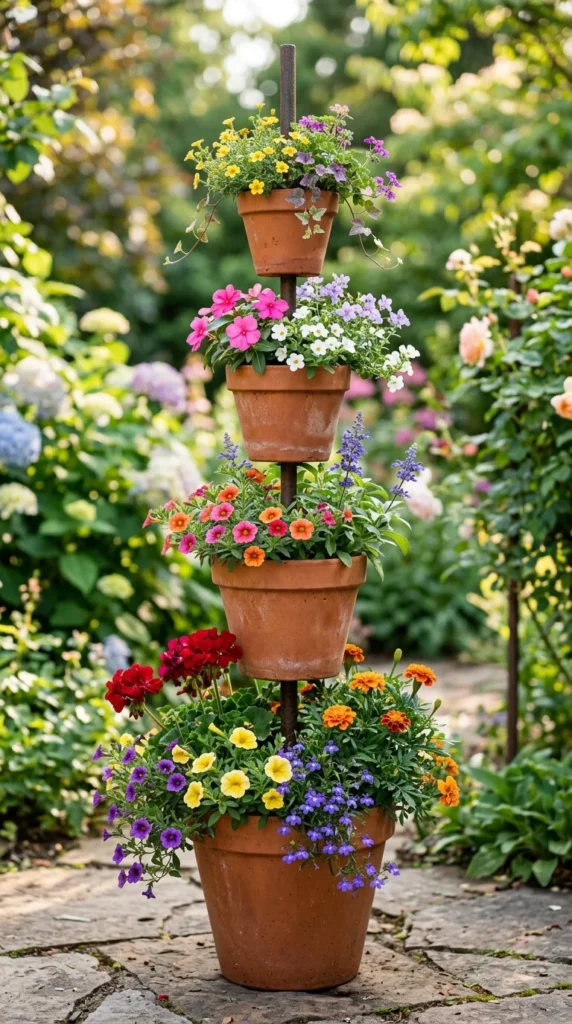
A clay pot tower is a classic DIY project that uses physics to save space. By threading a piece of rebar through the drainage holes of several pots of decreasing size, you can create a stable, vertical tower. This allows you to grow four or five times as many plants in the same amount of ground space. It’s an architectural marvel for your garden that provides 360 degrees of planting surface, making it a perfect centerpiece for a small patio.