Organic gardening is more than just a hobby; it is a philosophy of working with nature rather than against it. It is a commitment to soil health, biodiversity, and the long-term vitality of the ecosystem. However, for many beginners and even seasoned green thumbs transitioning away from synthetic chemicals, the learning curve can be steep. Unlike conventional gardening, which often relies on “quick fix” sprays and pellets, organic gardening requires patience and a deeper understanding of biology.
If you’ve found your organic patch struggling, don’t lose heart. Most failures stem from a few common oversights. By identifying and correcting these 15 mistakes, you can transform your backyard into a thriving, self-sustaining paradise.
1. Soil Quality
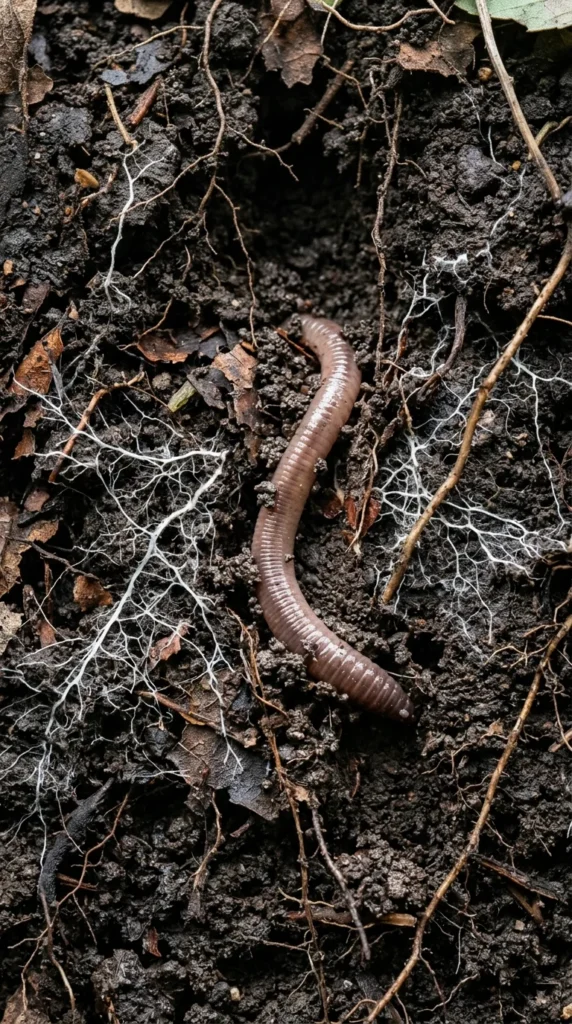
The most fundamental mistake in organic gardening is treating soil like “dirt.” In a chemical-based system, soil is often seen merely as a substrate to hold the plant up while liquid fertilizers do the work. In organic gardening, the soil is a living organism.
Neglecting to feed the soil with compost, leaf mold, or aged manure means you are starving the very microbes that provide nutrients to your plants. Without a healthy “soil food web,” your plants will be weak, prone to disease, and stunted. Always start with a soil test to understand your pH and nutrient levels, then build your “black gold” over time.
2. Overwatering
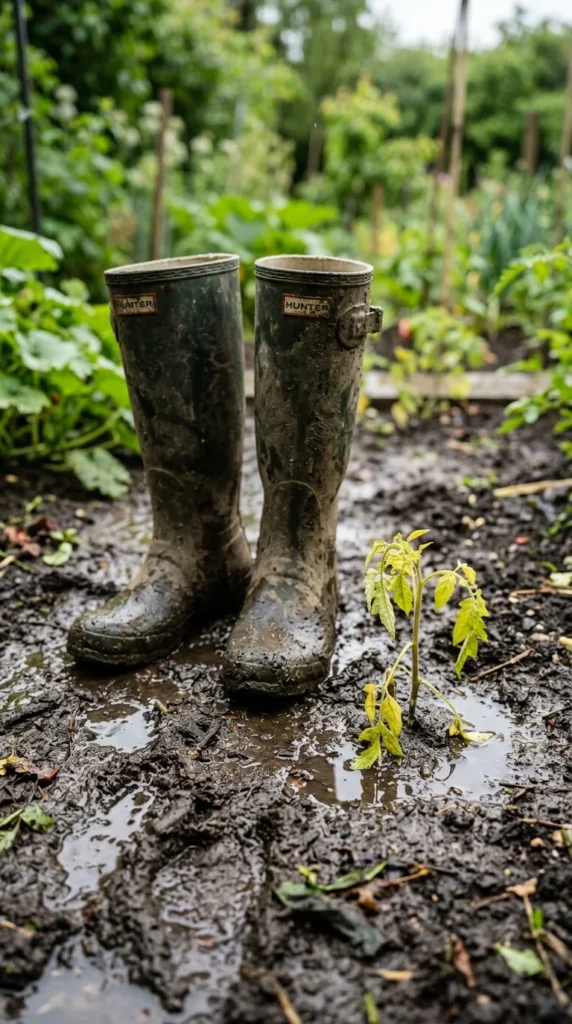
Many gardeners equate love with water. However, overwatering is one of the quickest ways to kill an organic garden. Excessive moisture displaces oxygen in the soil, causing roots to suffocate and rot. It also creates a breeding ground for fungal diseases like powdery mildew and damping-off.
Organic matter (like compost) actually helps soil retain moisture more efficiently than sandy or clay-heavy soils. Instead of watering on a schedule, use the “finger test.” Stick your finger two inches into the soil; if it feels damp, walk away. If it’s dry, water deeply at the base of the plant to encourage deep root growth.
3. Monocropping
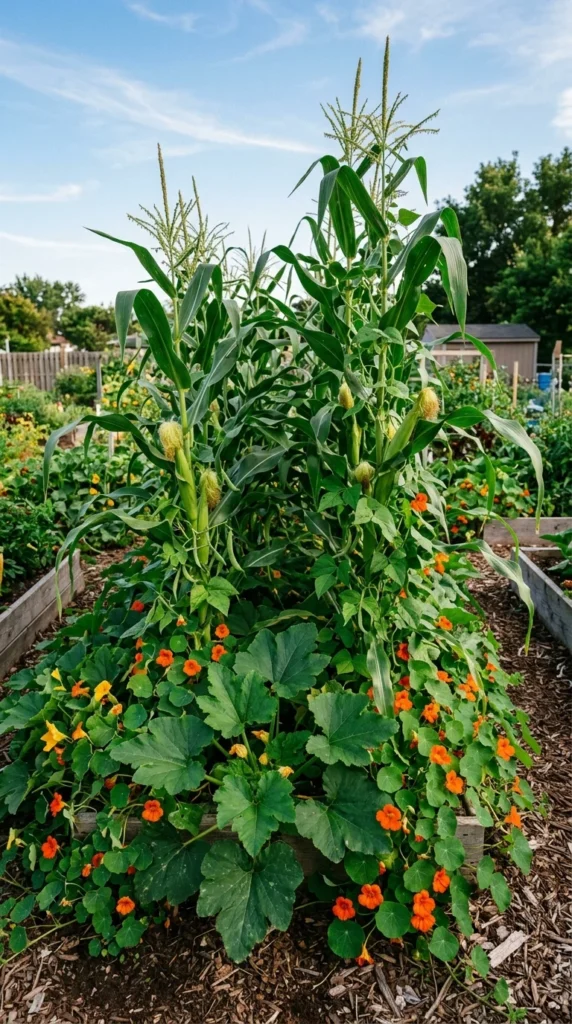
Planting huge rows of only one vegetable—known as monocropping—is an invitation for disaster. In nature, plants rarely grow in isolation. When you plant twenty cabbage plants in a perfect line, you are essentially setting up an “all-you-can-eat” buffet for the cabbage white butterfly.
The mistake here is failing to embrace polyculture. By mixing different families of plants, you confuse pests and create a more resilient environment. Incorporating companion planting—such as putting basil near tomatoes or marigolds near peppers—uses natural scents and root exudates to repel pests and improve flavor.
4. Neglecting Mulch
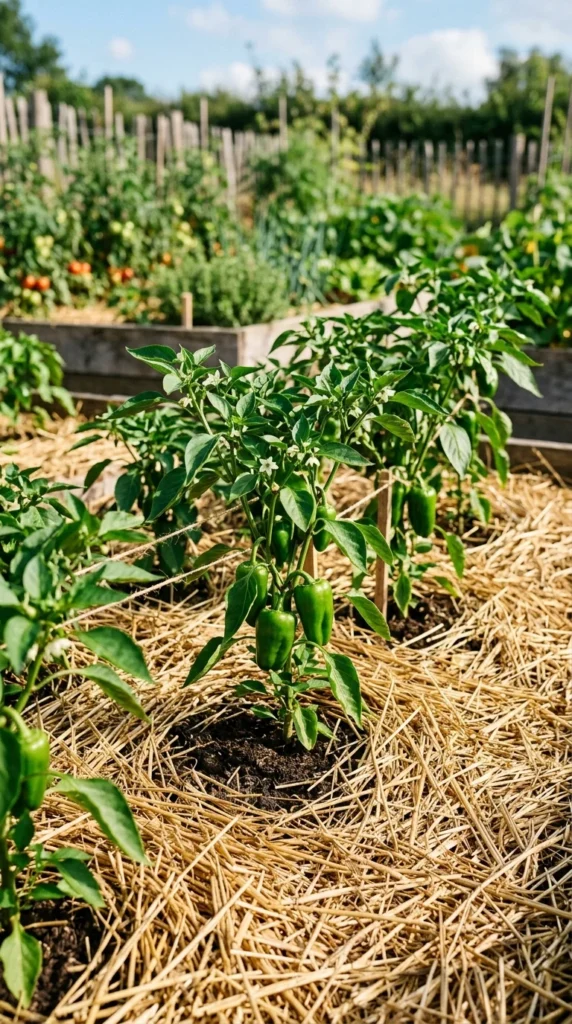
Leaving soil bare is a cardinal sin in organic gardening. Bare soil is vulnerable to erosion from rain, extreme temperature fluctuations from the sun, and the encroachment of weeds.
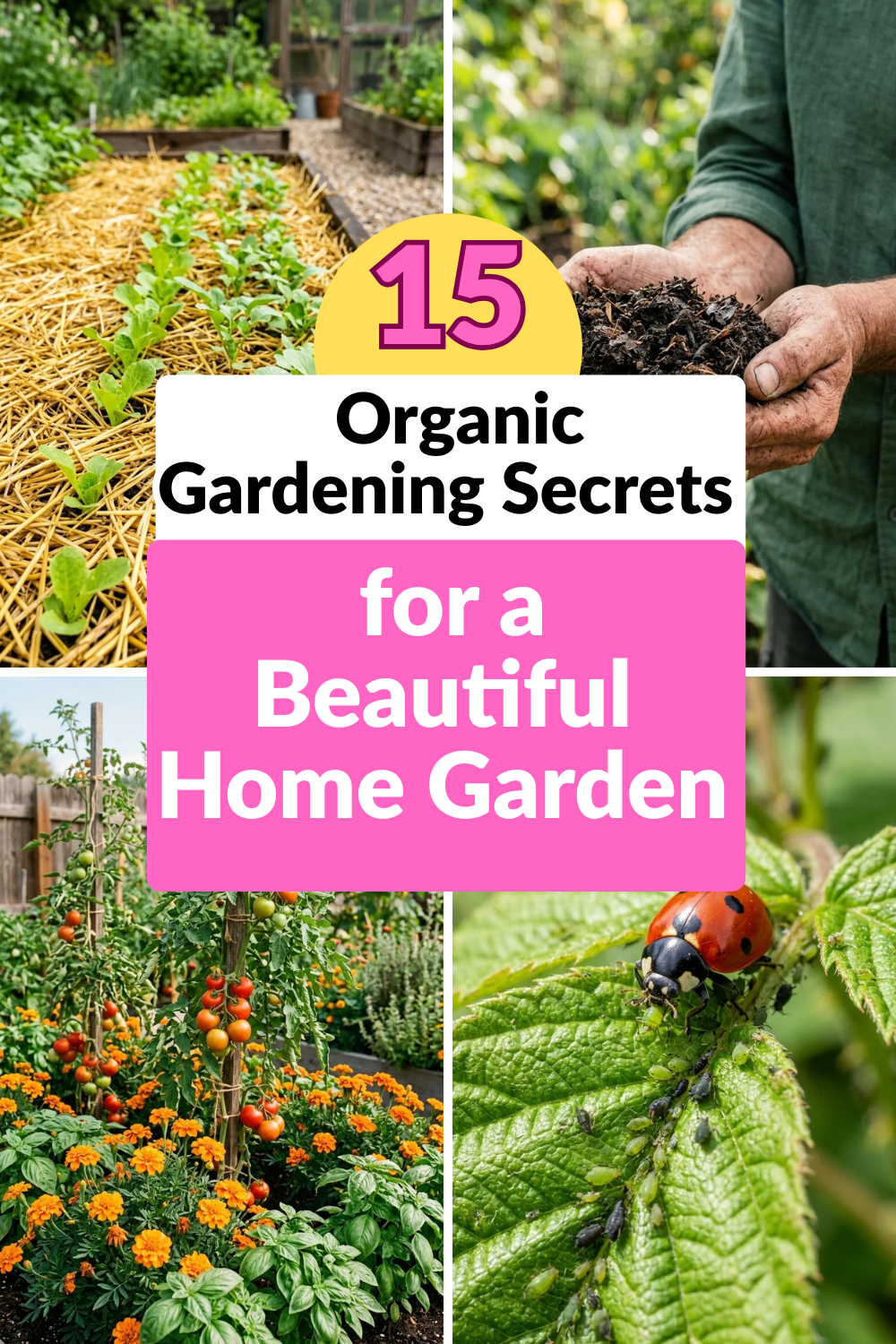
Many gardeners forget to mulch, leading to thirsty plants and a constant battle with invasive grasses. A thick layer of organic mulch—such as weed-free straw, shredded leaves, or wood chips—acts as a protective blanket. It keeps the soil cool, suppresses weed seeds from germinating, and eventually breaks down into even more rich organic matter for your worms to enjoy.
5. Non-Organic Seeds
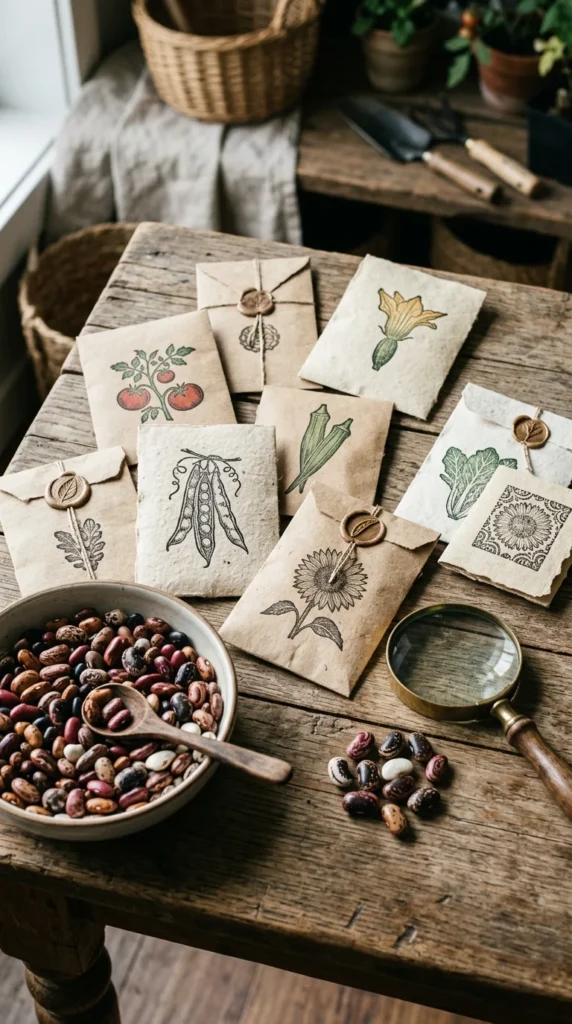
You can follow every organic practice perfectly, but if you start with seeds that have been pre-treated with systemic fungicides or sourced from GMO crops designed for chemical intensive farming, you’re at a disadvantage from day one.
The mistake is not checking the source. Organic seeds are harvested from plants that have already proven they can thrive without synthetic interventions. They often possess natural resistances to local pests and diseases. Investing in heirloom, organic, and non-GMO seeds ensures that your garden’s DNA is as clean as the soil you’re planting it in.
6. Beneficial Insects
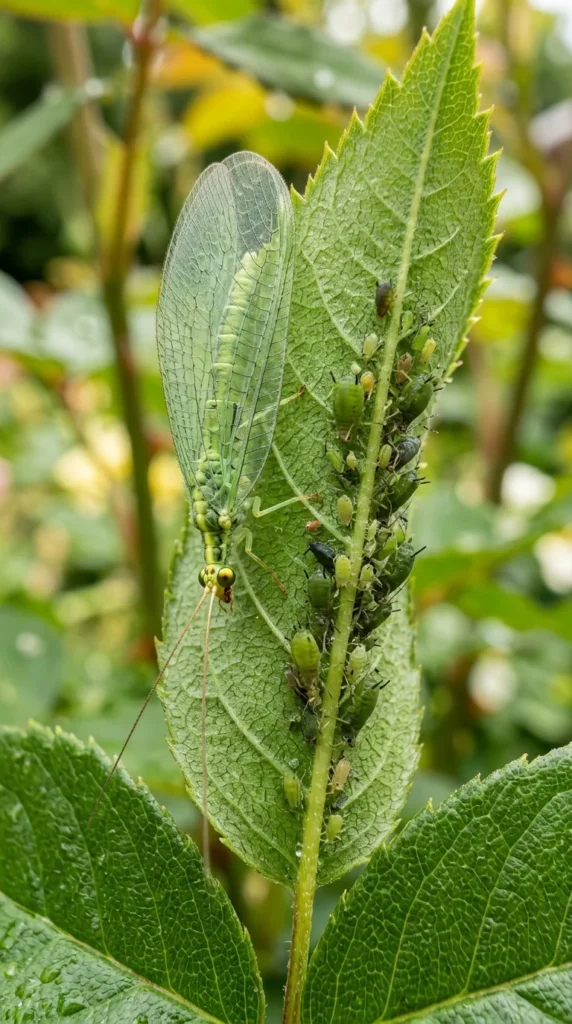
A common mistake is the “scorched earth” policy: seeing a bug and immediately wanting to kill it. In an organic garden, 90% of the insects you see are either harmless or actively helpful. If you use even “organic” broad-spectrum pesticides (like Neem oil or Pyrethrin) too aggressively, you risk killing your “garden police.”
Ladybugs, lacewings, hoverflies, and predatory wasps are your best friends. They provide free pest control. If you see a few aphids, wait a day or two before reacting; often, the predators will arrive to handle the situation for you. A garden without bugs is an imbalanced ecosystem.
7. Chemical Drift
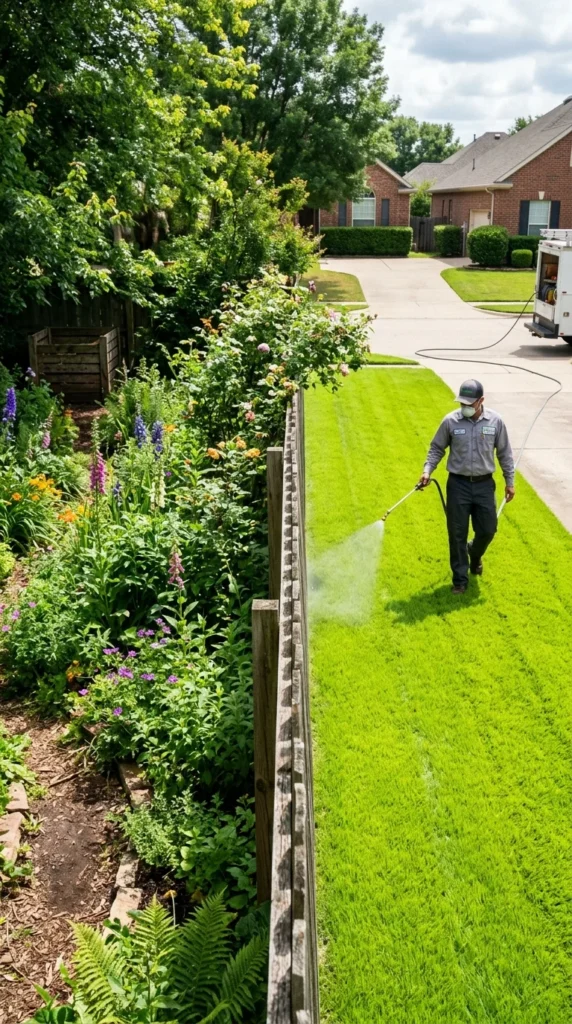
Sometimes the mistake isn’t yours; it’s your neighbor’s. Many organic gardeners fail to account for “drift”—the movement of synthetic herbicides and pesticides through the air or water.
If your neighbor sprays their lawn for dandelions on a windy day, those chemicals can land on your organic kale. Furthermore, be wary of “tainted” organic inputs. Buying hay or manure from a farmer who uses persistent herbicides (like Aminopyralid) can accidentally poison your soil for years. Always ask questions about the source of your mulch and manure.
8. Crowded Plants
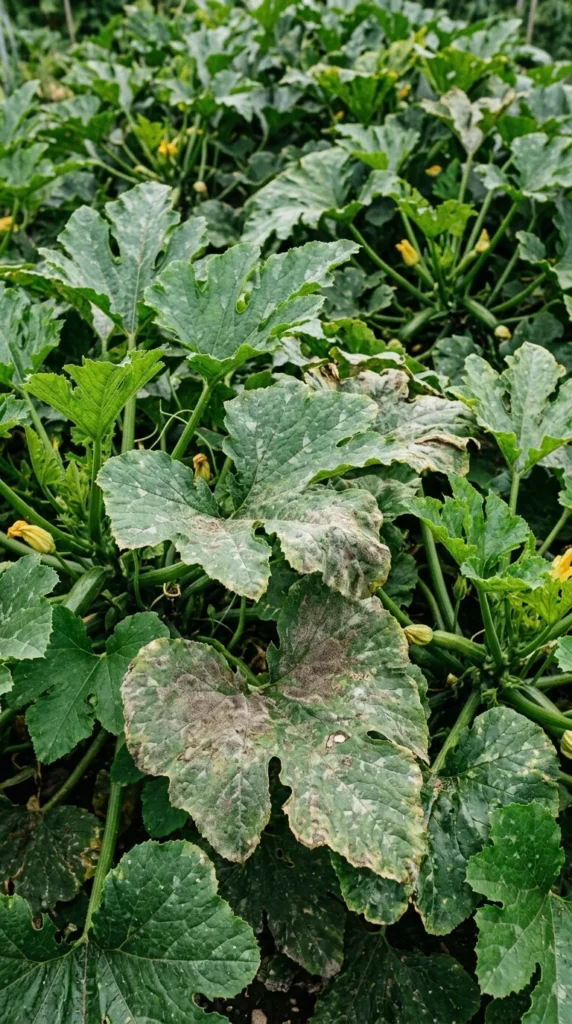
It is incredibly tempting to squeeze just “one more” seedling into a garden bed. However, crowding is a major mistake that leads to poor air circulation. When plants are packed too tightly, humidity gets trapped between the leaves, leading to fungal outbreaks that can wipe out an entire crop.
Plants also compete for nutrients and light. A single, well-spaced tomato plant will often out-produce three plants crammed into the same space. Follow the spacing recommendations on your seed packets; they are there to ensure each plant has the “elbow room” it needs to reach its full potential.
9. Misidentifying Pests
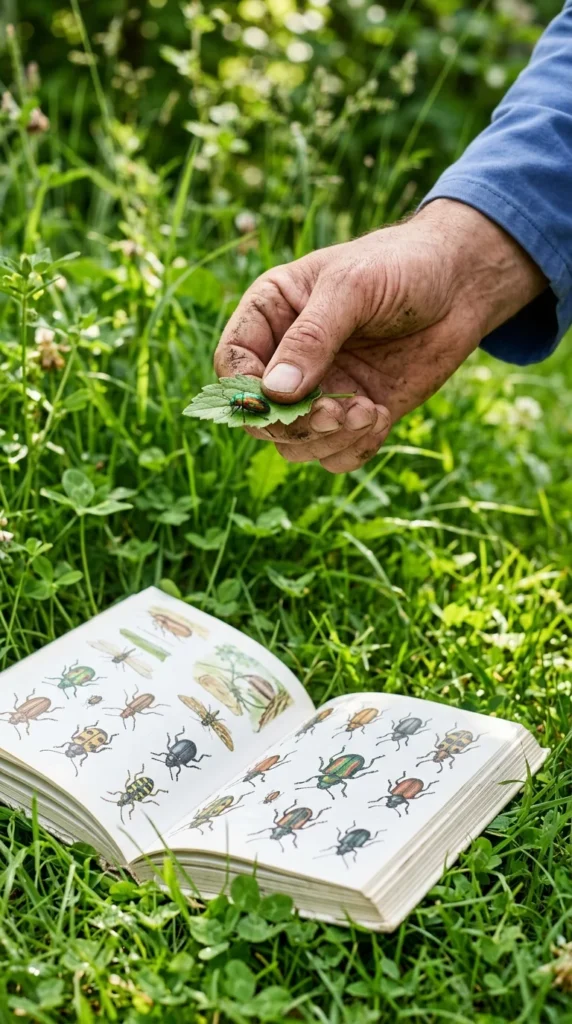
Acting before identifying is a recipe for regret. Many gardeners see a strange larva and assume it’s a pest, only to realize later they killed a future swallowtail butterfly or a ladybug nymph (which looks nothing like the adult).
Before you reach for any organic spray or even pick a bug off by hand, identify it. Use an app or a field guide. Understanding the life cycle of your garden inhabitants allows you to target only the truly destructive species while protecting the “good guys” who keep your garden’s heart beating.
10. Lazy Composting
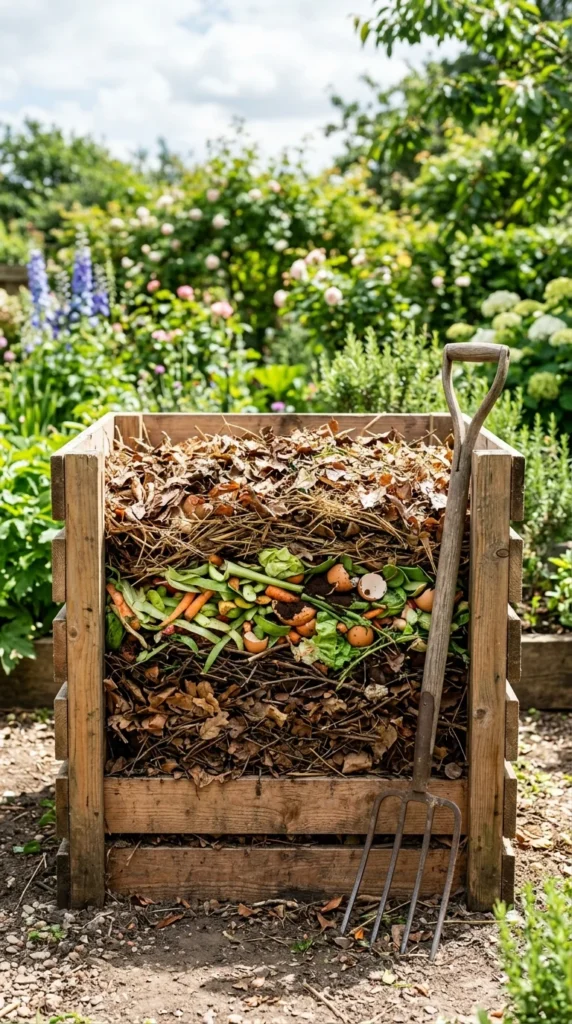
Tossing a few banana peels into a pile in the corner isn’t necessarily composting; it’s just making a rot pile. A common mistake is not balancing the “greens” (nitrogen-rich kitchen scraps) with “browns” (carbon-rich straw or dried leaves).
Without the right ratio, your compost pile will either become a slimy, stinky mess or it will simply sit there and never break down. Lazy composting also fails to reach the temperatures necessary to kill weed seeds and pathogens. For the best organic fertilizer, turn your pile regularly and ensure it stays as damp as a wrung-out sponge.
11. Timing Errors
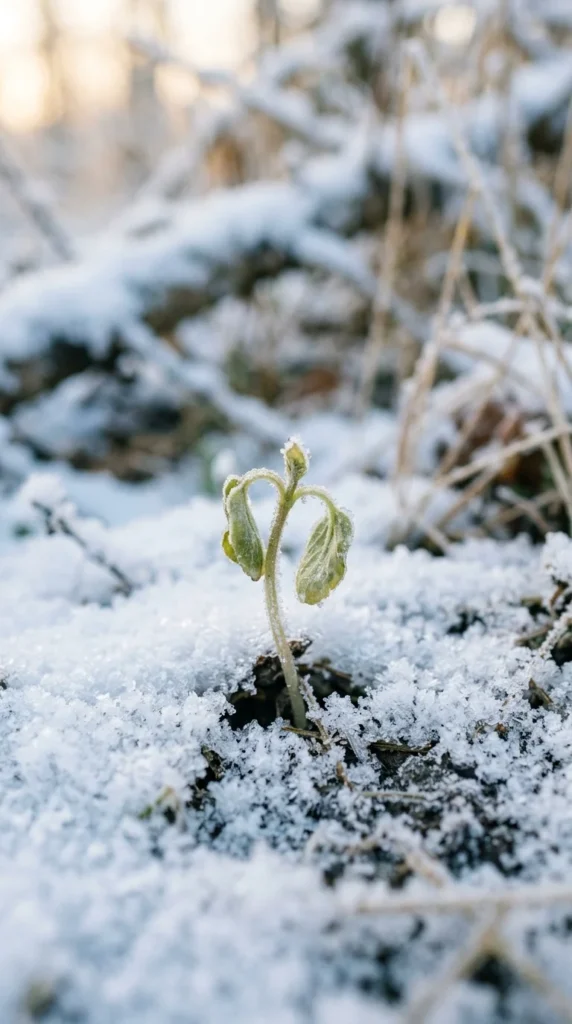
In conventional gardening, fertilizers can sometimes force a plant to grow even when the conditions aren’t ideal. Organic plants are more sensitive to the rhythms of nature. Planting heat-loving peppers in cold, damp spring soil—or sowing peas in the heat of mid-July—is a mistake that leads to stressed, low-yielding plants.
Understand your local frost dates and your USDA Hardiness Zone. Organic gardening is about synchronization. When you plant at the correct time, the plant is naturally stronger and better equipped to fend off the pests that typically emerge during that season.
12. Crop Rotation
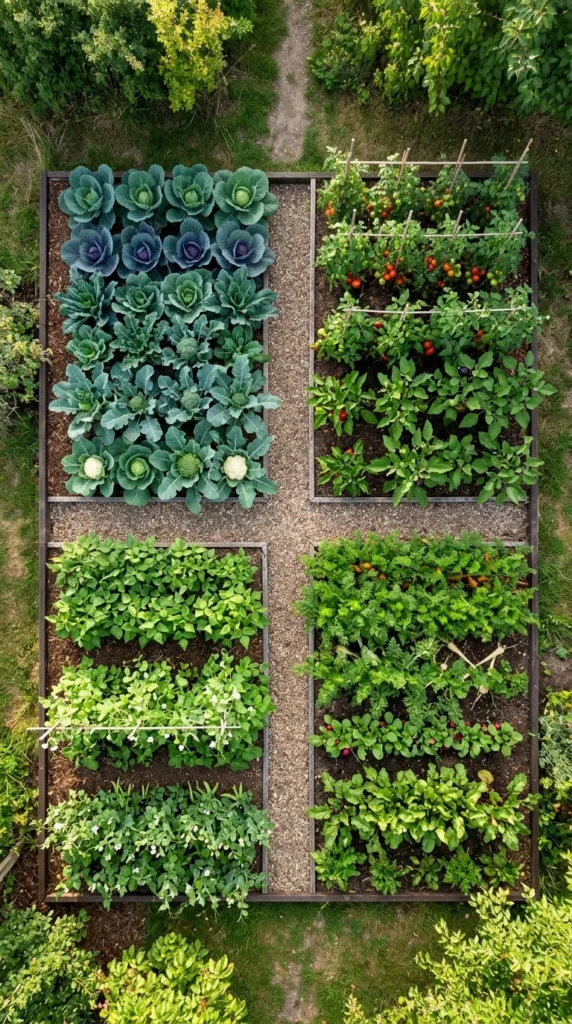
Planting the same thing in the same spot year after year is a shortcut to failure. Pests and diseases are often crop-specific; they overwinter in the soil, waiting for their favorite host to return. If you plant tomatoes in the same bed three years in a row, the early blight spores will build up to uncontrollable levels.
Furthermore, different plants “eat” different things. Corn is a heavy nitrogen feeder, while beans actually add nitrogen back into the soil. By rotating your crops, you naturally manage soil fertility and break the life cycles of persistent pests without needing a single drop of chemical spray.
13. Over-Fertilizing
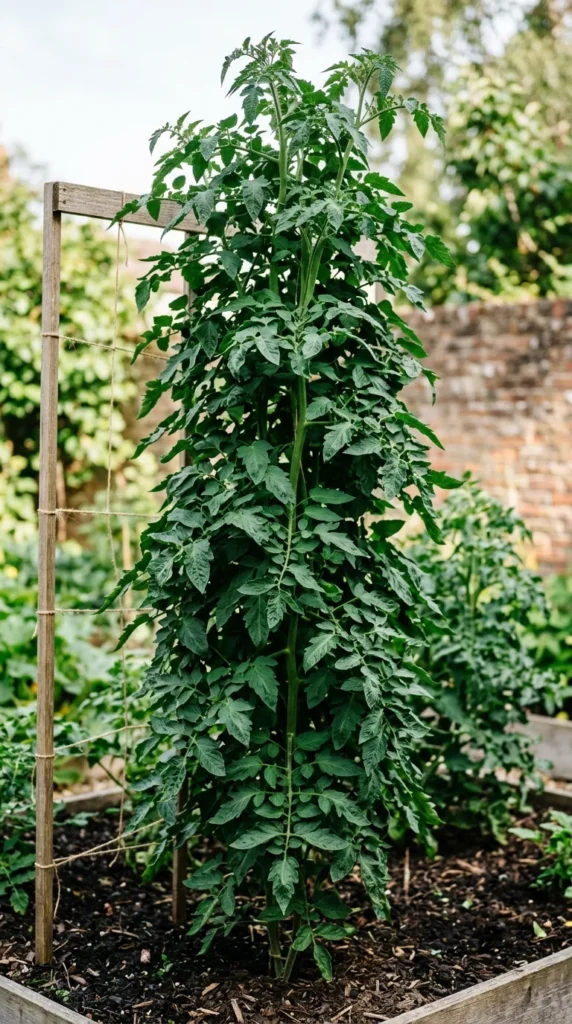
Even organic fertilizers can be overdone. A common mistake is the “more is better” mentality with nitrogen-heavy amendments like blood meal or fresh poultry manure.
Too much nitrogen creates lush, soft, green growth that acts like a magnet for aphids and mites. Furthermore, in fruiting plants like tomatoes or peppers, excessive nitrogen tells the plant to keep making leaves rather than flowers and fruit. Organic gardening is about balance, not abundance. Focus on slow-release nutrients like compost and kelp meal rather than high-octane organic concentrates.
14. Ignoring Pollinators
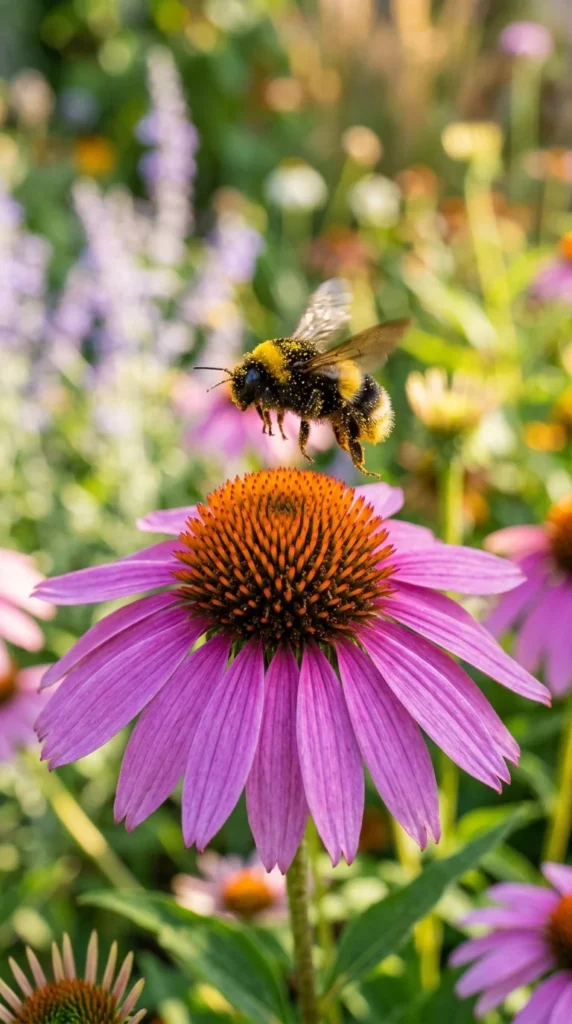
Many vegetable gardeners focus so much on the “food” that they forget the “flowers.” If you don’t provide a habitat for bees, butterflies, and other pollinators, your squash, cucumbers, and fruit trees will fail to produce.
The mistake is failing to dedicate at least 10-20% of your garden space to native flowers and herbs. Planting patches of lavender, zinnias, and sunflowers ensures that when your veggies are ready to be pollinated, the “workforce” is already living in your garden, ready to go.
15. Giving Up Too Early

Perhaps the biggest mistake of all is expecting perfection in the first year. Organic gardening is a long game. It takes time for the soil to heal from previous chemical use and for a balance of predatory insects to establish themselves.
You will have seasons where the squash bugs win. You will have years where the rain doesn’t stop. The “mistake” is seeing these as failures rather than lessons. Every “pest” is a sign of an imbalance, and every “weed” is telling you something about your soil. Stay the course, keep learning, and eventually, the garden will begin to take care of itself.