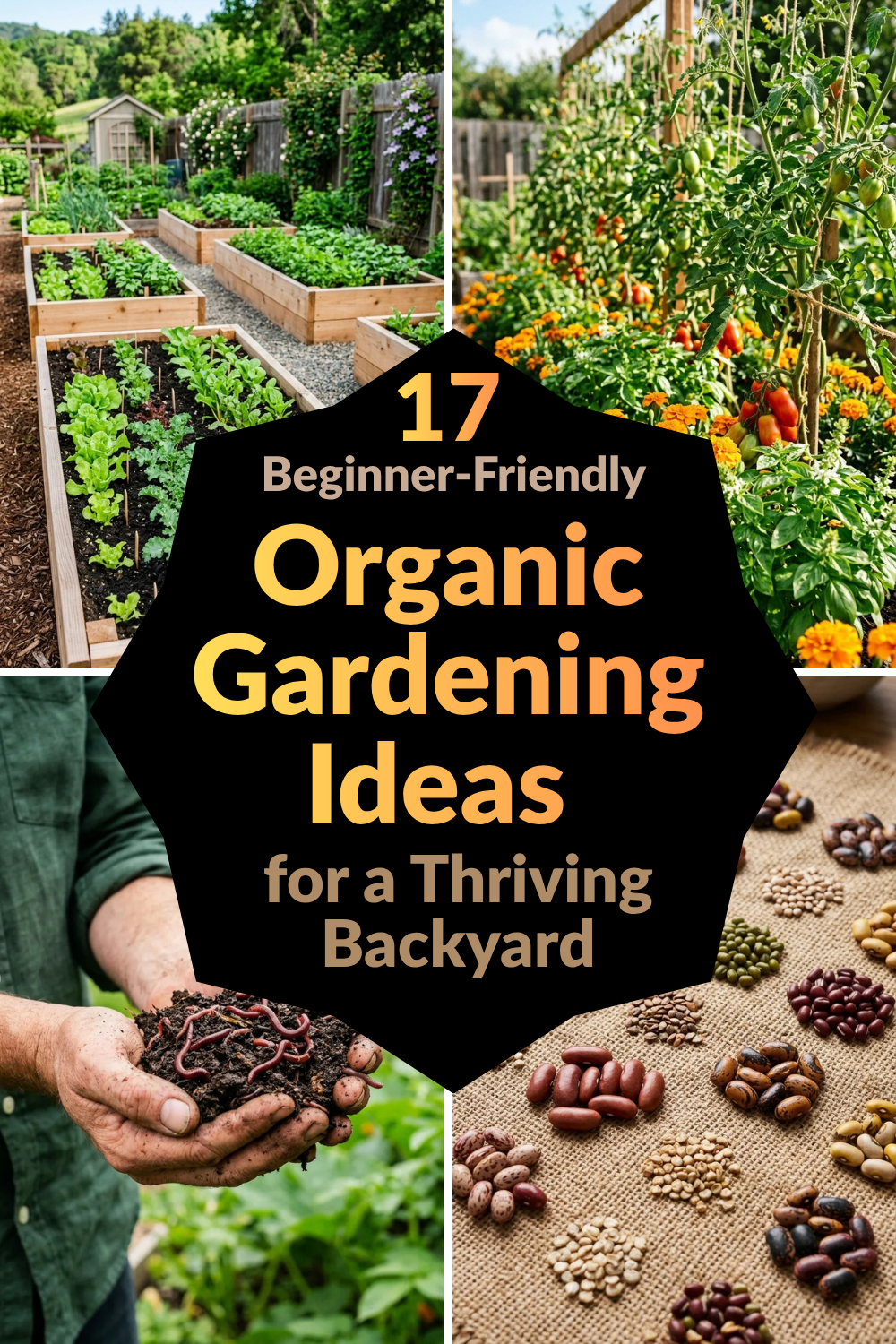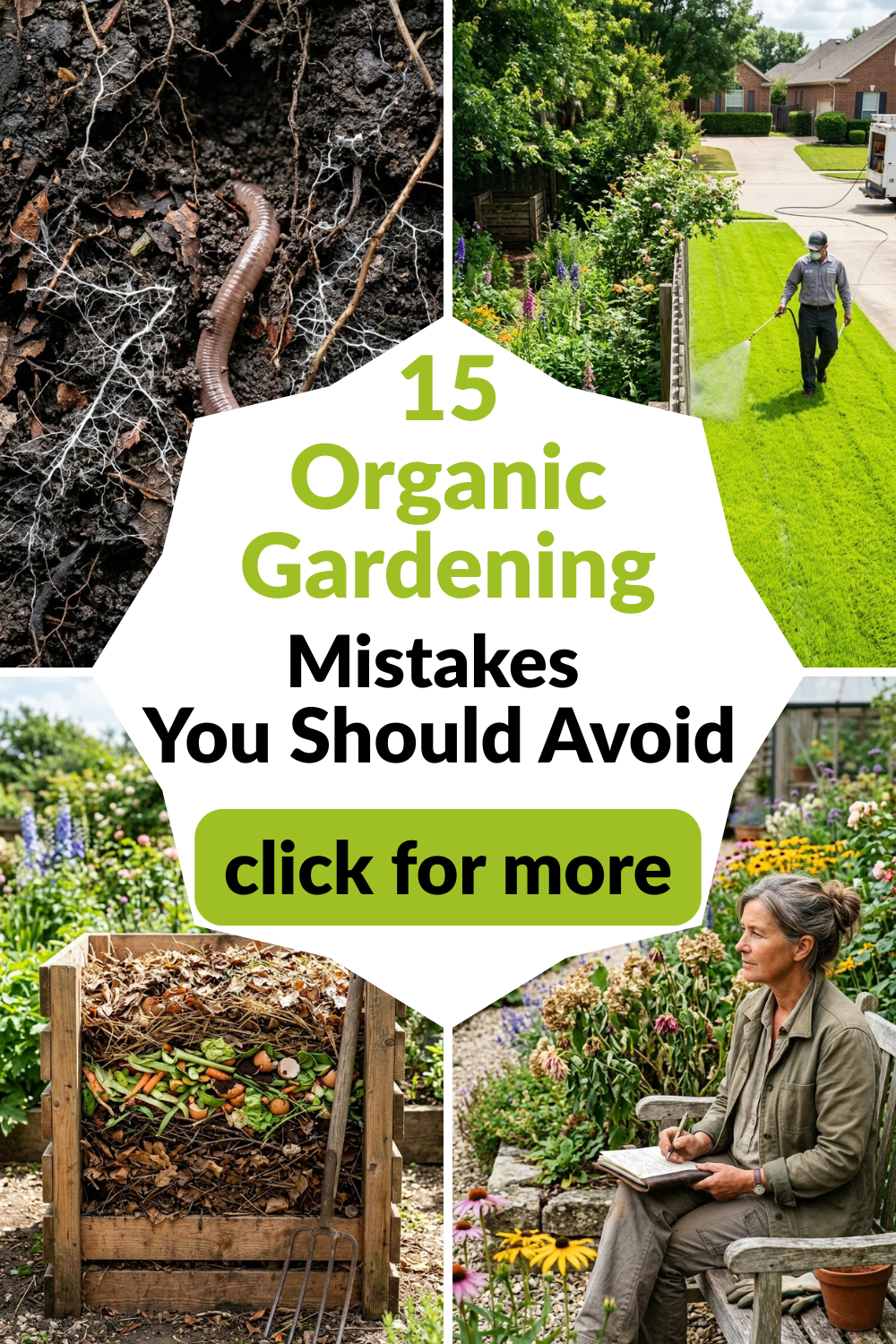
Creating a flourishing garden without the use of synthetic chemicals is more than just a trend; it is a return to the roots of nature. Organic gardening focuses on building a self-sustaining ecosystem where the soil, plants, and local wildlife work in harmony. While many beginners believe that going organic means sacrificing the “perfect” look of a garden, the reality is quite the opposite. By following these fifteen secrets, you can cultivate a space that is not only visually stunning but also resilient, healthy, and incredibly productive.
1. Black Gold
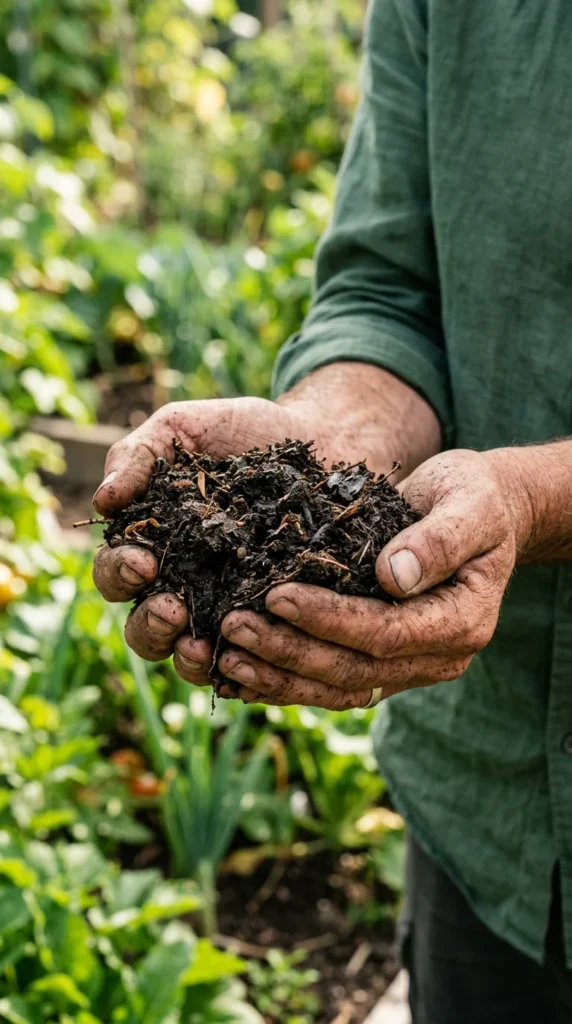
The foundation of every successful organic garden is the soil. Instead of using chemical fertilizers that provide a temporary “high” for plants, organic gardeners focus on “Black Gold”—compost. Composting is the process of recycling kitchen scraps, lawn clippings, and dry leaves into a nutrient-dense soil amendment.
- Why it works: Compost introduces beneficial microbes and fungi that unlock nutrients for your plants.
- The Secret: Aim for a “lasagna” style compost pile, layering nitrogen-rich green materials (vegetable scraps) with carbon-rich brown materials (dried leaves). Keep it as moist as a wrung-out sponge to accelerate the breakdown process.
2. Ground Cover
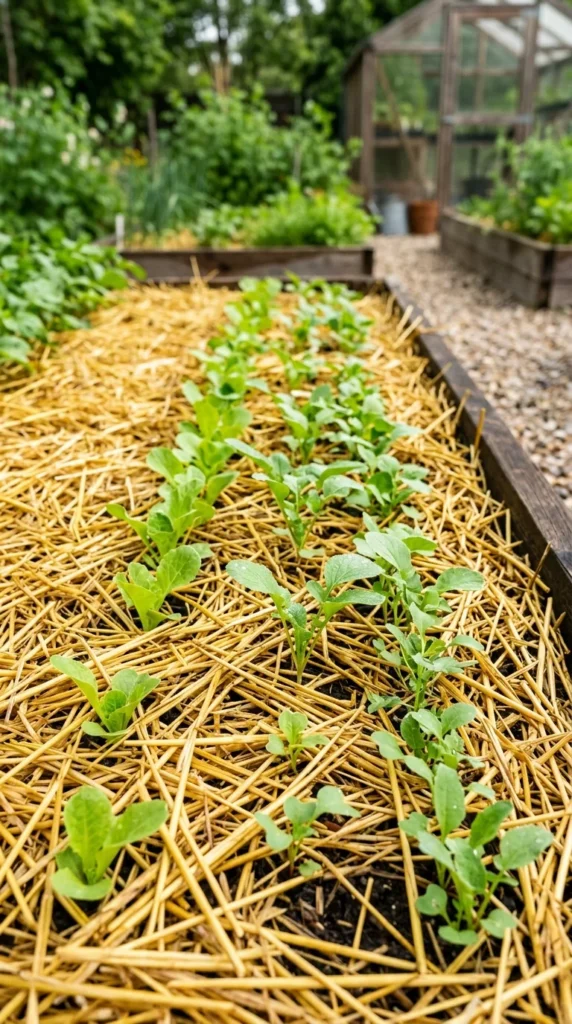
Bare soil is an invitation for trouble. It dries out quickly, erodes in the rain, and provides a perfect landing strip for weed seeds. Organic gardeners use mulch to protect the “skin” of the earth.
- Materials: Use organic options like straw, shredded bark, pine needles, or even grass clippings (provided they haven’t been treated with herbicides).
- Benefits: Mulch regulates soil temperature, suppresses weeds by blocking sunlight, and slowly decomposes to add even more organic matter back into the ground.
3. Plant Partnerships
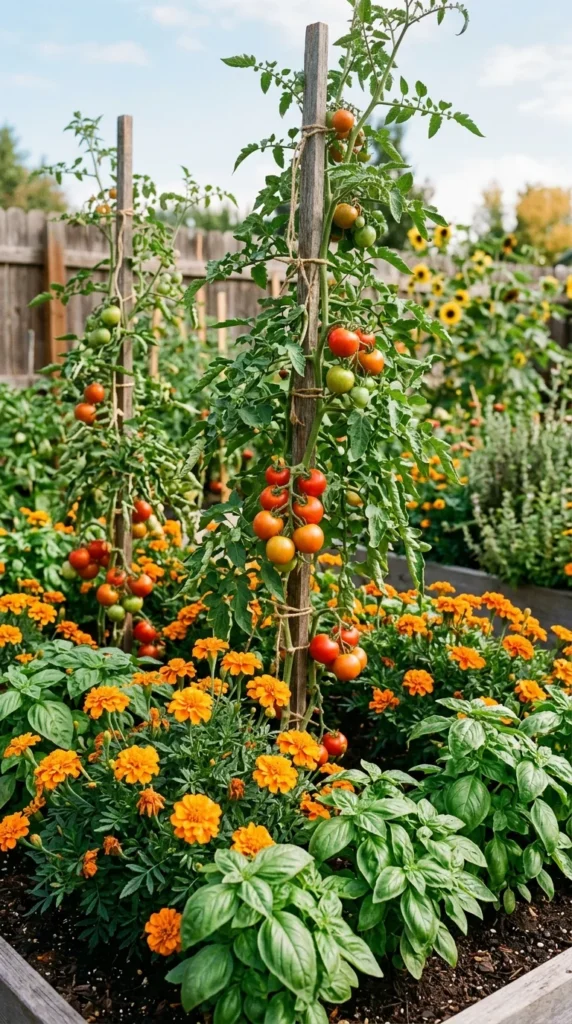
Companion planting is the art of placing plants together that benefit one another. Some plants act as natural bodyguards, while others improve the flavor or growth rate of their neighbors.
- Classic Duo: Tomatoes and basil are the ultimate pair. Basil helps repel thrips and flies while many gardeners swear it makes the tomatoes taste sweeter.
- The Secret: Use “The Three Sisters” method (corn, beans, and squash). The corn provides a trellis, the beans fix nitrogen in the soil, and the squash leaves shade the ground to keep it cool.
4. Garden Allies
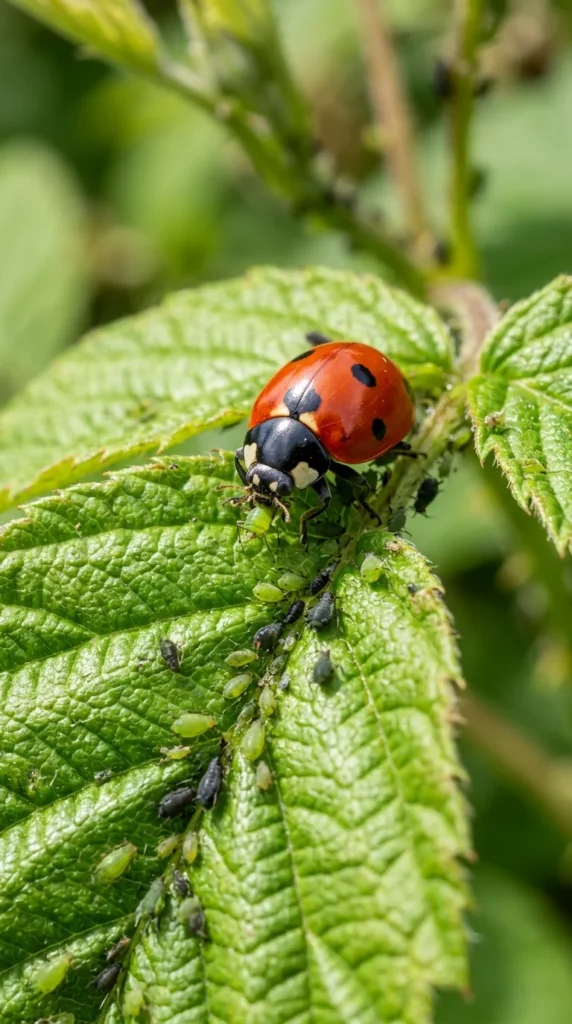
In an organic garden, “bugs” are not the enemy; the absence of predatory insects is the problem. By creating an environment that attracts beneficial insects, you can eliminate the need for pesticides.
- Who to Invite: Ladybugs, lacewings, and hoverflies are ferocious predators of aphids and mites.
- How to Attract Them: Plant “insectary” flowers like dill, fennel, yarrow, and alyssum. These plants provide nectar for the adults, encouraging them to lay their eggs in your garden.
5. Plot Rotation
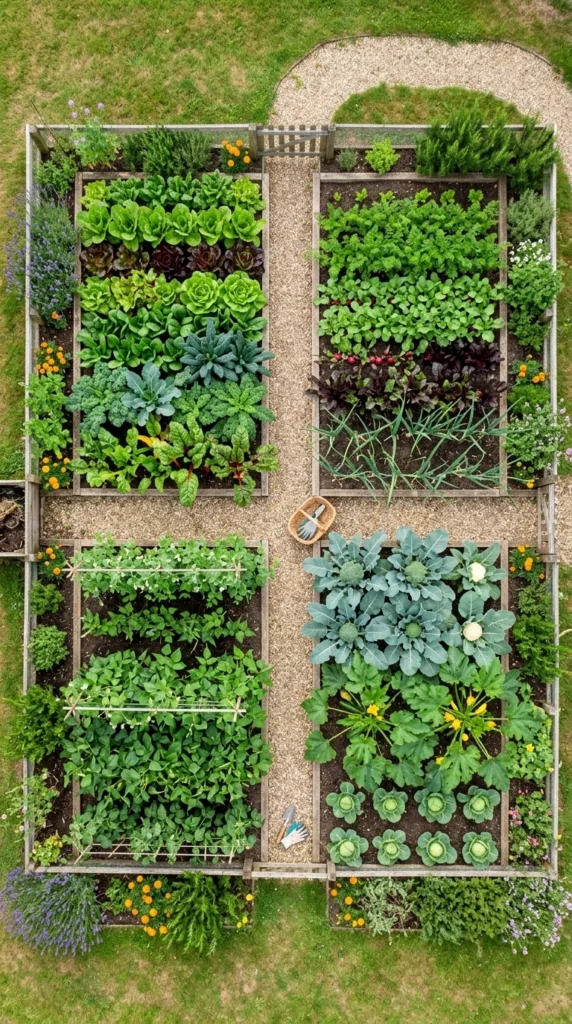
Planting the same crop in the same spot year after year is a recipe for disaster. Pests and diseases that target specific plant families build up in the soil, and the soil’s nutrients become depleted.
- The Strategy: Divide your garden into four groups: Brassicas (broccoli, kale), Legumes (beans, peas), Nightshades (tomatoes, peppers), and Roots (carrots, onions).
- The Cycle: Move each group to a new section every year. This breaks the life cycle of pests and allows the soil to recover naturally.
6. Undisturbed Earth
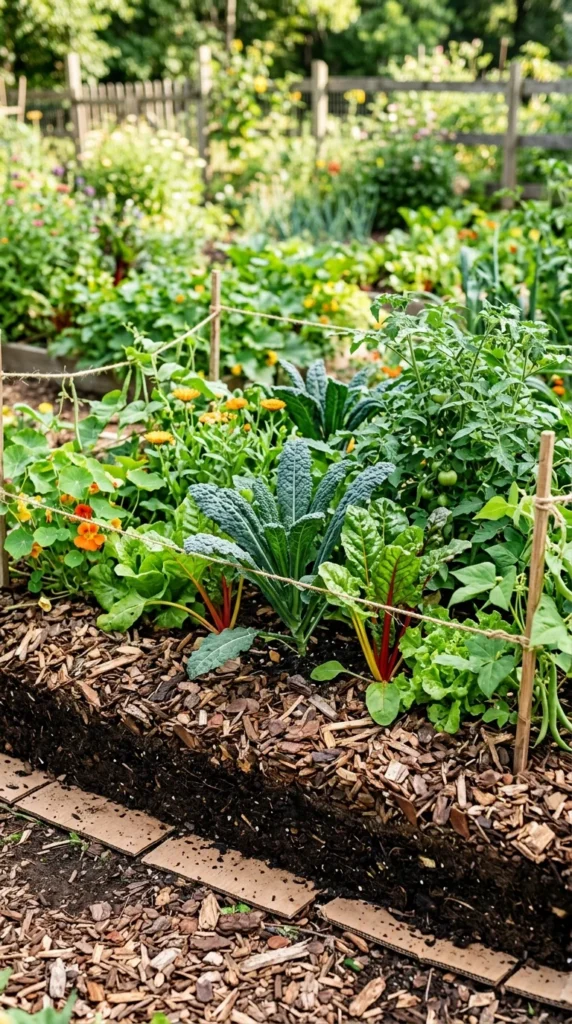
Traditional gardening often involves tilling the soil every spring. However, organic experts now favor “No-Till” or “No-Dig” methods. Tilling destroys the delicate network of fungal hyphae (mycelium) and earthworm tunnels that provide air and water to roots.
- The Method: Instead of digging, simply layer organic matter on top of the soil. This mimics the forest floor.
- Result: Over time, your soil will become more porous, hold more water, and have a much higher population of beneficial earthworms.
7. Liquid Life
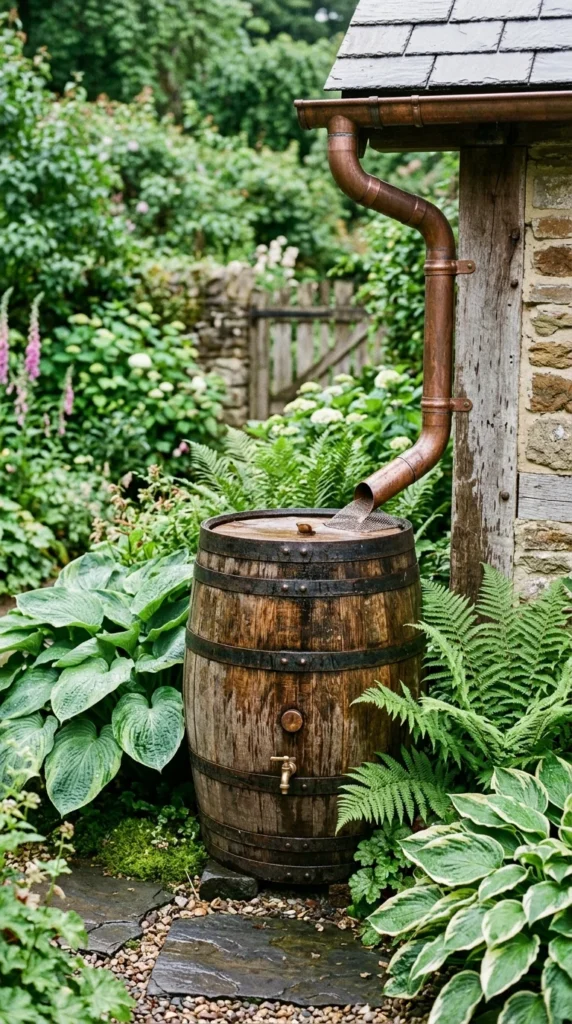
Tap water often contains chlorine and minerals that can be harsh on sensitive organic soil biology. Harvesting rainwater is a secret to keeping your garden hydrated and healthy.
- Why Rainwater? Rainwater is slightly acidic, which helps plants absorb nutrients more efficiently. It also contains traces of nitrogen in a form that plants can immediately use.
- The Tip: Ensure your rain barrel has a fine mesh screen to prevent mosquitoes from breeding and to keep debris out of your watering cans.
8. Wild Roots
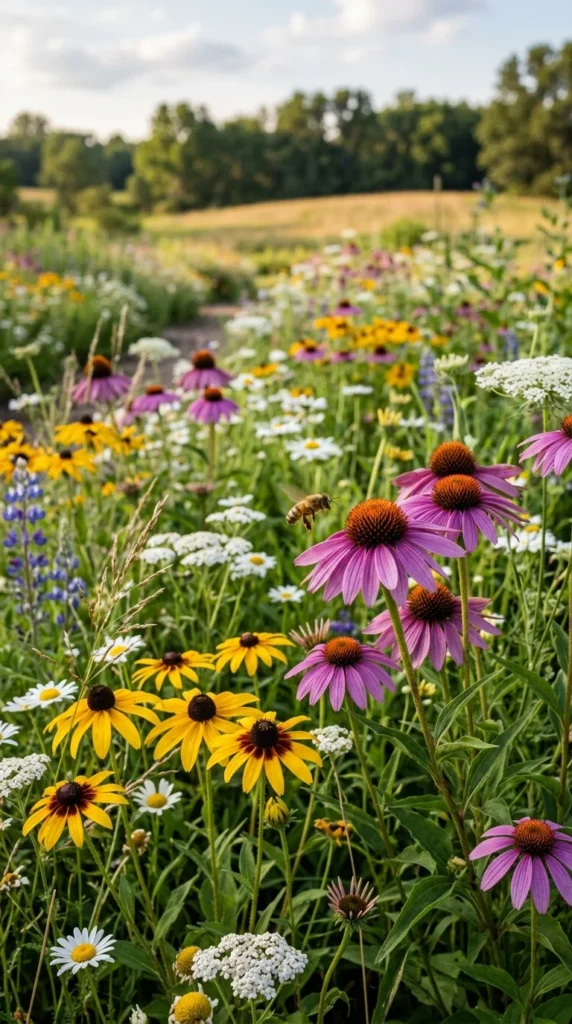
One of the best-kept secrets of a low-maintenance organic garden is the use of native plants. Native species have evolved to thrive in your specific climate and soil conditions without the need for extra fertilizer or excessive watering.
- Eco-Impact: Natives provide essential food and habitat for local pollinators and birds.
- Beauty: Native plants offer a sense of “place,” making your garden feel like a natural extension of the local landscape rather than an artificial insertion.
9. Botanical Sprays
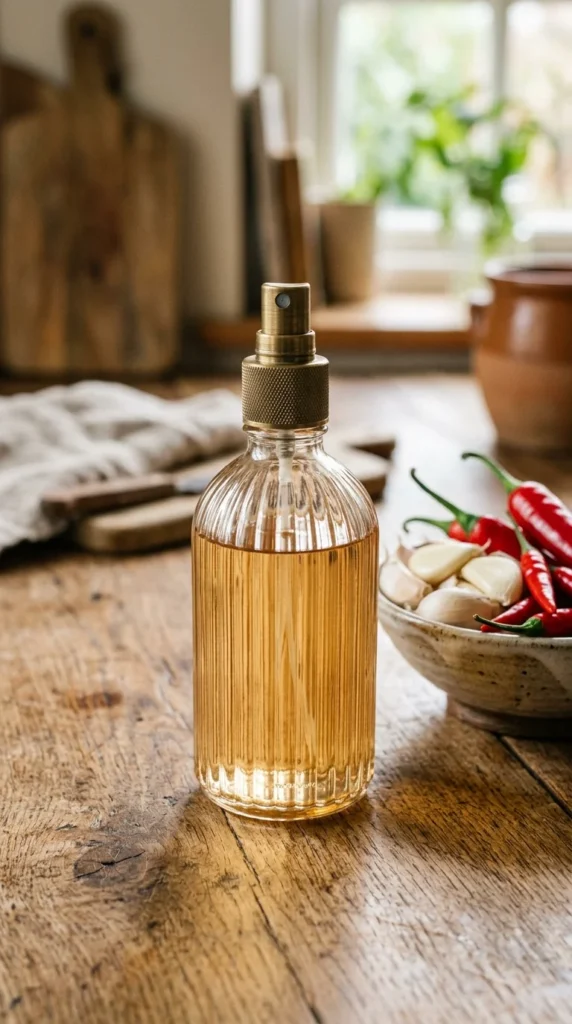
Even the best organic gardens face pest outbreaks. Instead of reaching for toxic chemicals, use “soft” botanical sprays that target pests without harming the environment.
- Neem Oil: Derived from the seeds of the Neem tree, this oil disrupts the life cycle of many chewing and sucking insects.
- Garlic-Chili Spray: A homemade mixture of blended garlic and hot peppers acts as a powerful deterrent for mammals like rabbits and squirrels, as well as many soft-bodied insects.
10. Upward Growth
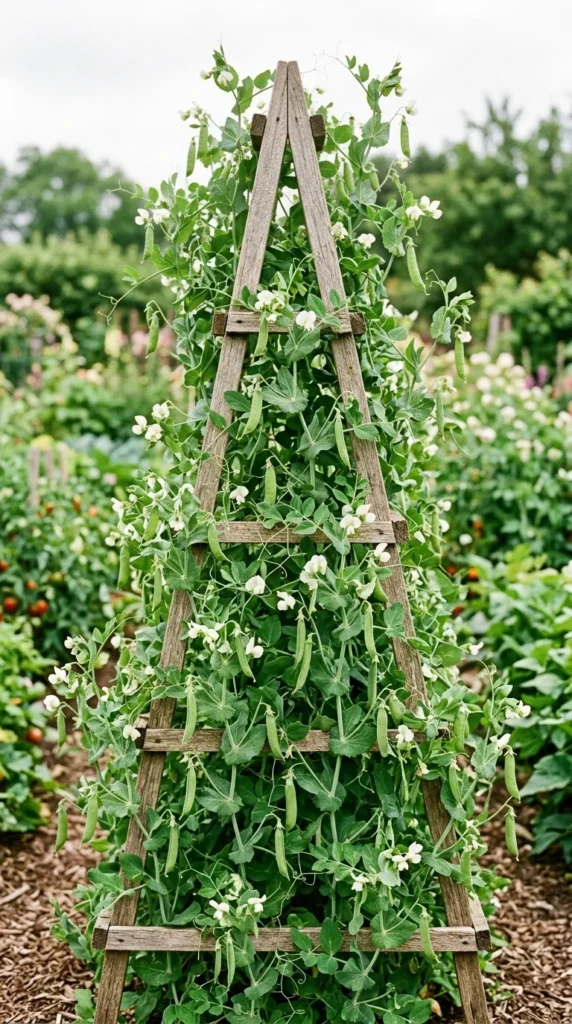
A beautiful garden doesn’t have to be wide; it can be tall. Vertical gardening is an organic secret for maximizing space and improving plant health.
- Airflow: Growing plants like cucumbers, melons, and beans on trellises increases air circulation, which drastically reduces the risk of fungal diseases like powdery mildew.
- Visual Interest: Vertical structures like obelisks, cattle panels, and pergolas add architectural beauty and focal points to your landscape.
11. Decoy Plants
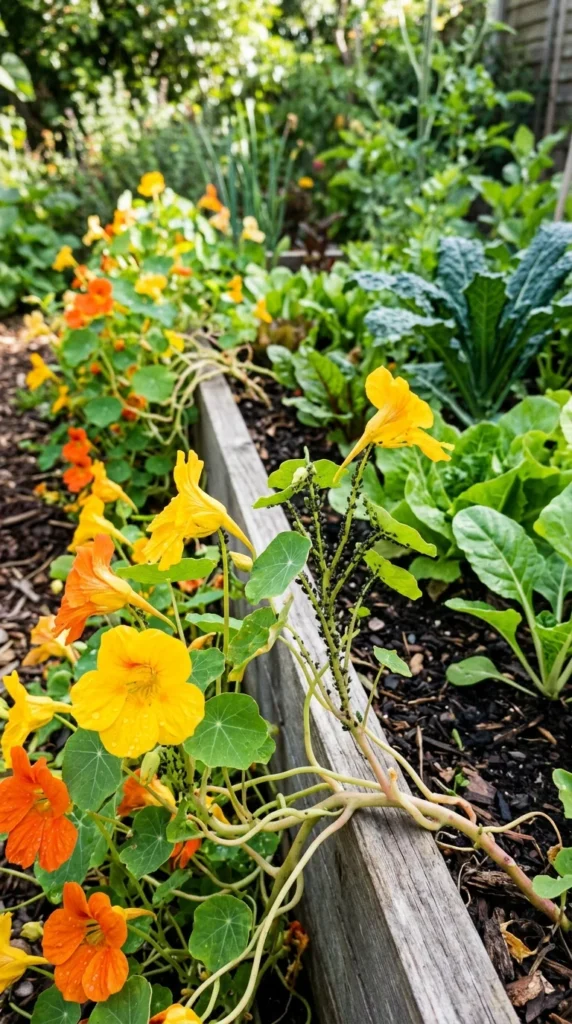
Trap cropping involves planting a specific “decoy” plant that pests find more attractive than your main crops.
- The Sacrifice: For example, aphids love nasturtiums. If you plant nasturtiums near your kale, the aphids will flock to the flowers, leaving your greens untouched.
- Management: Once the trap crop is heavily infested, you can simply remove and compost that specific plant, effectively removing the pest population from your garden.
12. Earth Science
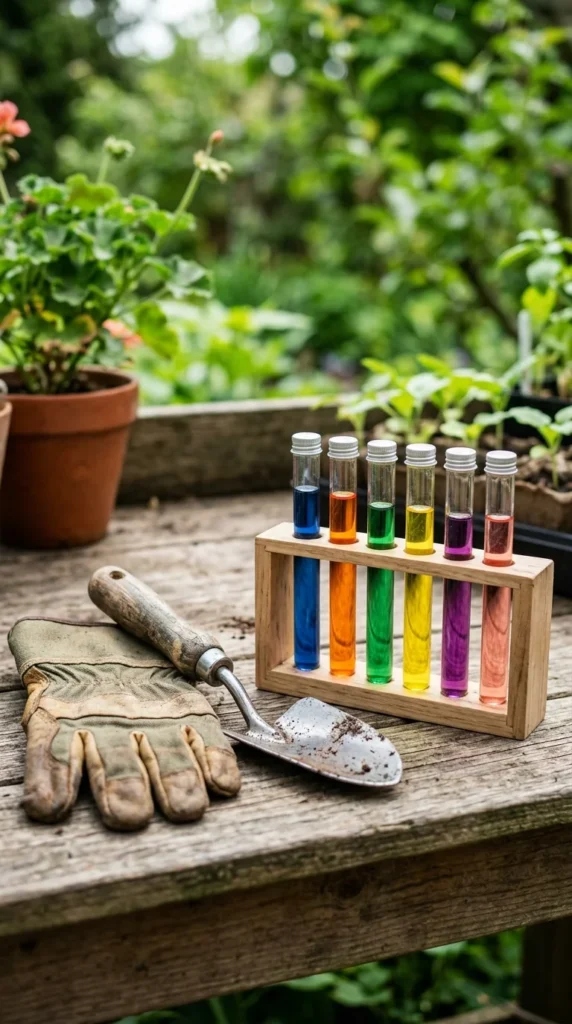
You can’t fix what you don’t understand. A professional soil test is the secret to moving from “guessing” to “knowing” exactly what your garden needs.
- pH Balance: If your soil is too acidic or too alkaline, your plants won’t be able to absorb nutrients, no matter how much compost you add.
- Organic Solutions: If you need to adjust pH, use organic amendments like lime (to raise pH) or elemental sulfur (to lower it).
13. Worm Power
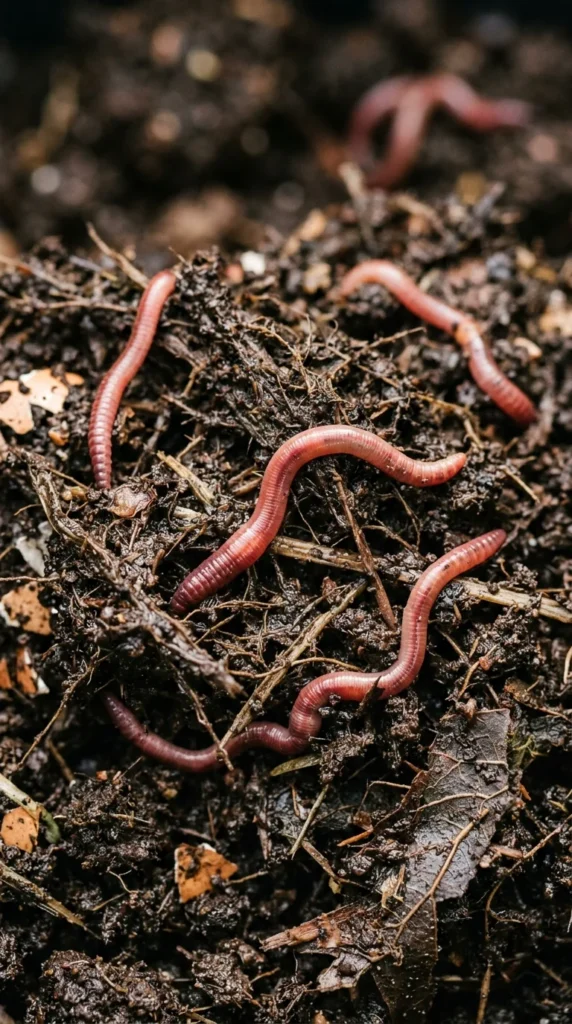
Vermiculture, or worm farming, produces “worm castings,” which are arguably the most powerful organic fertilizer on the planet.
- Microbial Boost: Castings are packed with a concentrated dose of beneficial bacteria and enzymes.
- Application: You don’t need much. Adding just a handful of worm castings to a planting hole or using it as a “top dressing” around heavy feeders like roses or peppers can yield incredible results.
14. Nature’s Clock
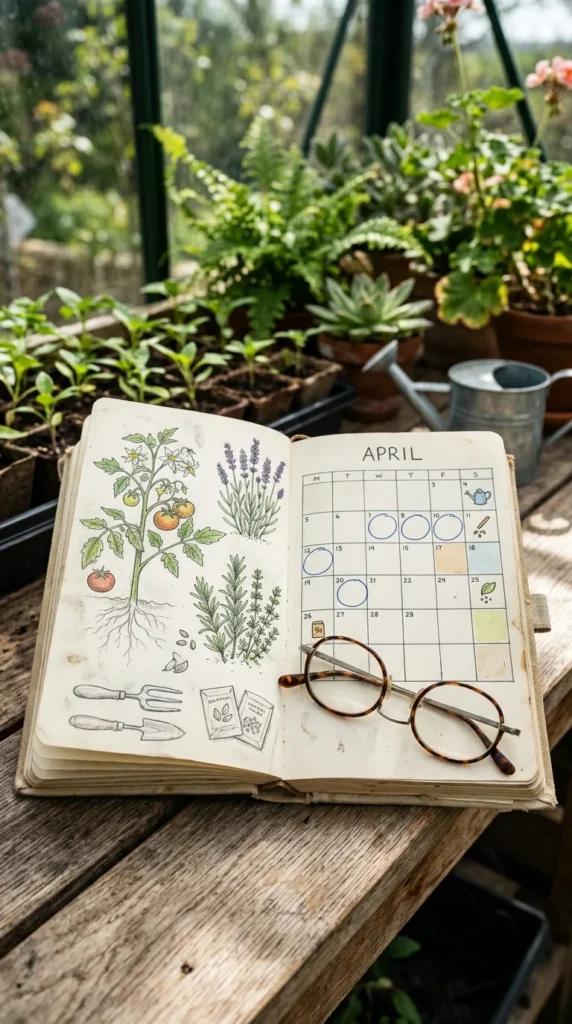
Organic gardening is all about timing. Working with the seasons rather than against them ensures that your plants are growing during their optimal window of strength.
- Avoid Stress: Planting “cool-weather” crops like spinach in the heat of summer causes them to bolt and become bitter.
- The Secret: Use a local planting calendar to determine the exact frost dates for your area. Healthy, unstressed plants are much less likely to be attacked by pests or succumb to disease.
15. Future Harvests
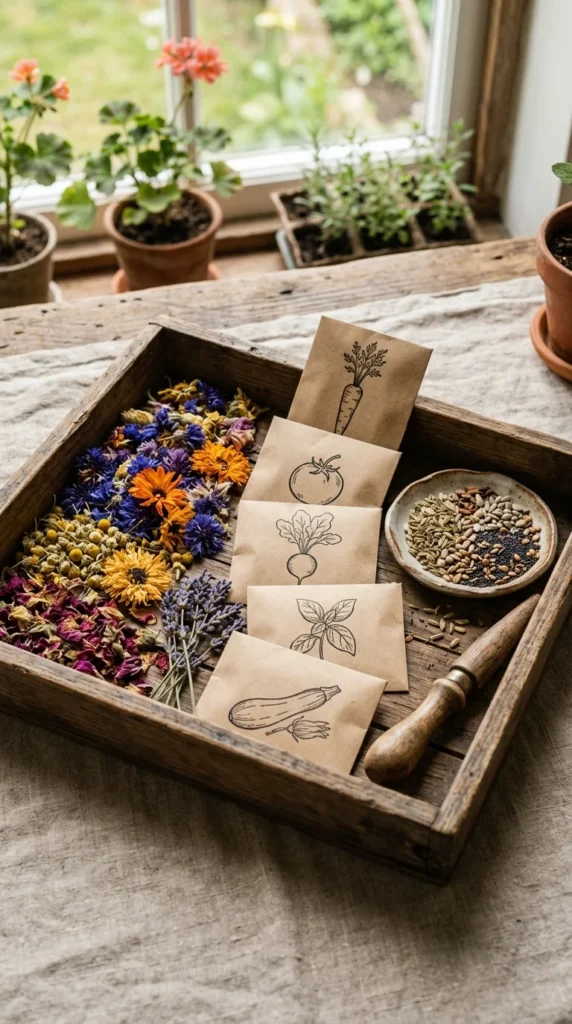
The final secret of an expert organic gardener is seed saving. By saving seeds from your most successful and beautiful plants, you are performing “micro-evolution.”
- Adaptation: Each year, the seeds you save become more adapted to your specific garden’s soil, light, and microclimate.
- Independence: Seed saving ensures you have access to rare or heirloom varieties that aren’t available in big-box stores, keeping your garden unique and biodiverse year after year.