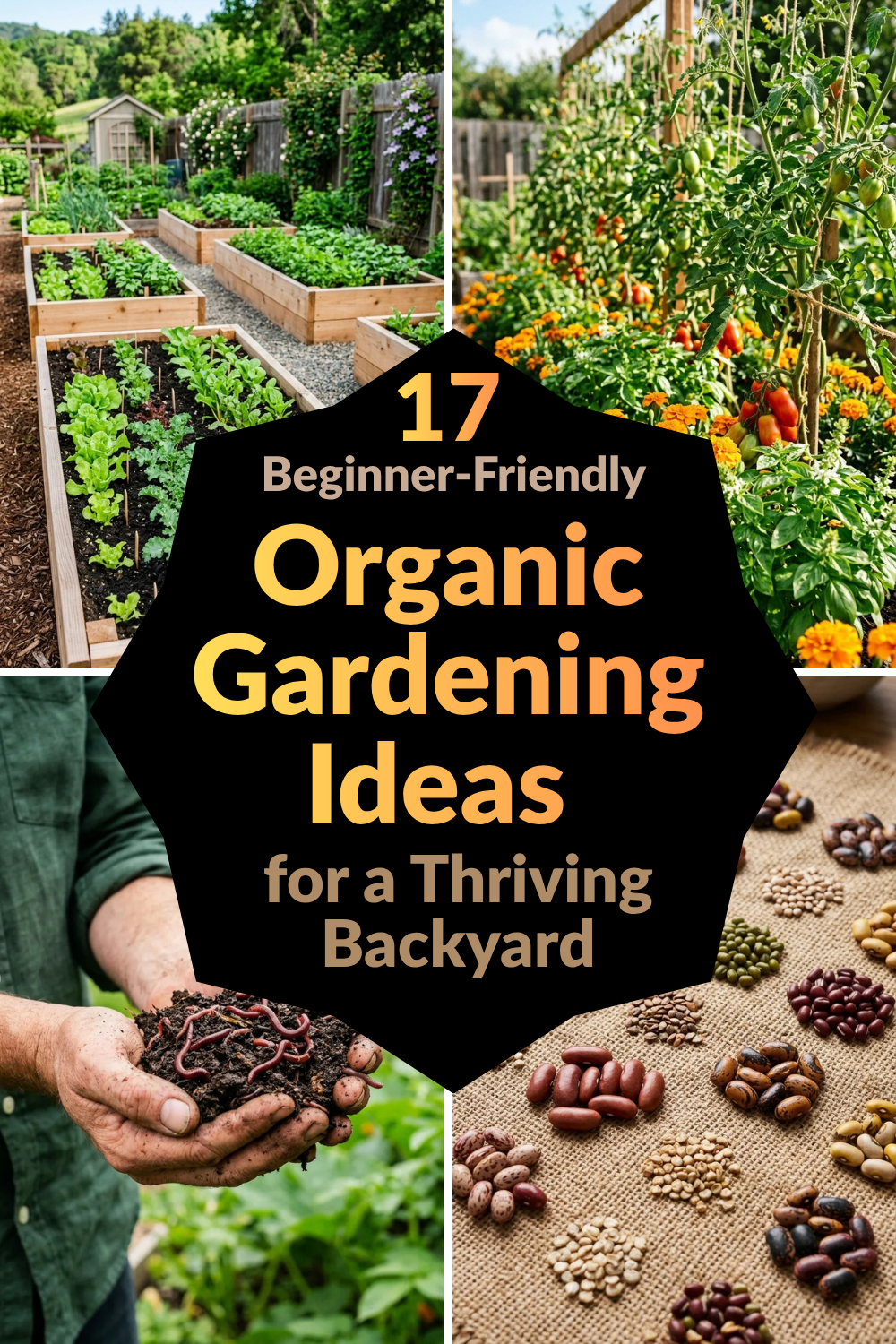
Organic gardening is more than just a hobby; it is a commitment to the health of the planet and your family. By eliminating synthetic chemicals and working in harmony with nature, you create a self-sustaining ecosystem that produces nutrient-dense food. If you are just starting out, the prospect of managing a garden without industrial fertilizers or pesticides might seem daunting. However, organic gardening is actually simpler than its conventional counterpart once you master the basics of soil health and biodiversity.
Here are 17 beginner-friendly organic gardening ideas to help you cultivate a beautiful, productive, and chemical-free sanctuary.
1. Composting
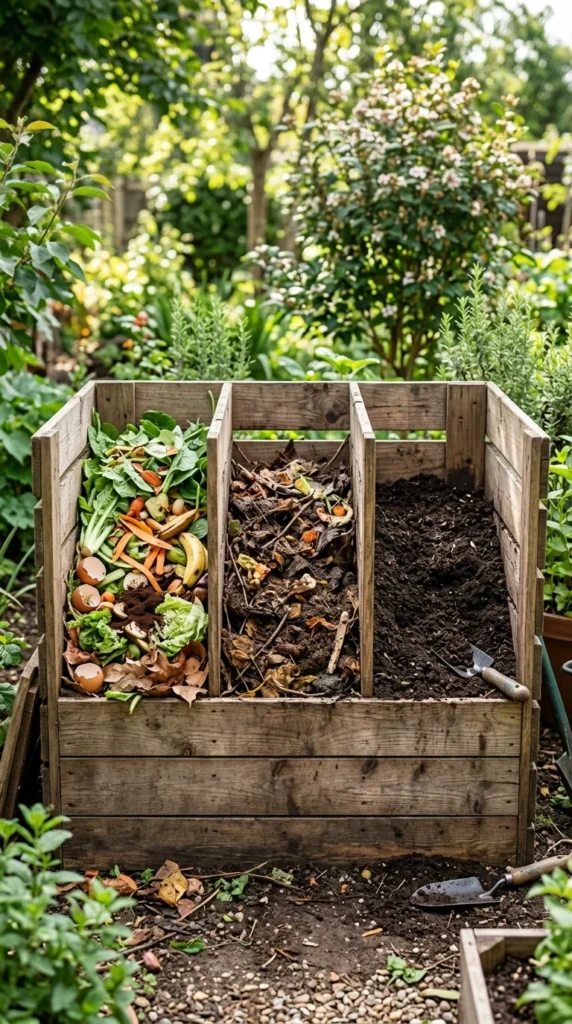
Composting is the heartbeat of any organic garden. Instead of throwing away kitchen scraps like potato peels, coffee grounds, and eggshells, you can turn them into “black gold.” Composting recycles nutrients back into the earth, improving soil structure and water retention. For beginners, a simple heap in the corner of the yard or a specialized compost tumbler works wonders. The key is to balance “greens” (nitrogen-rich materials like grass clippings and food scraps) with “browns” (carbon-rich materials like dried leaves and cardboard).
2. Raised Beds
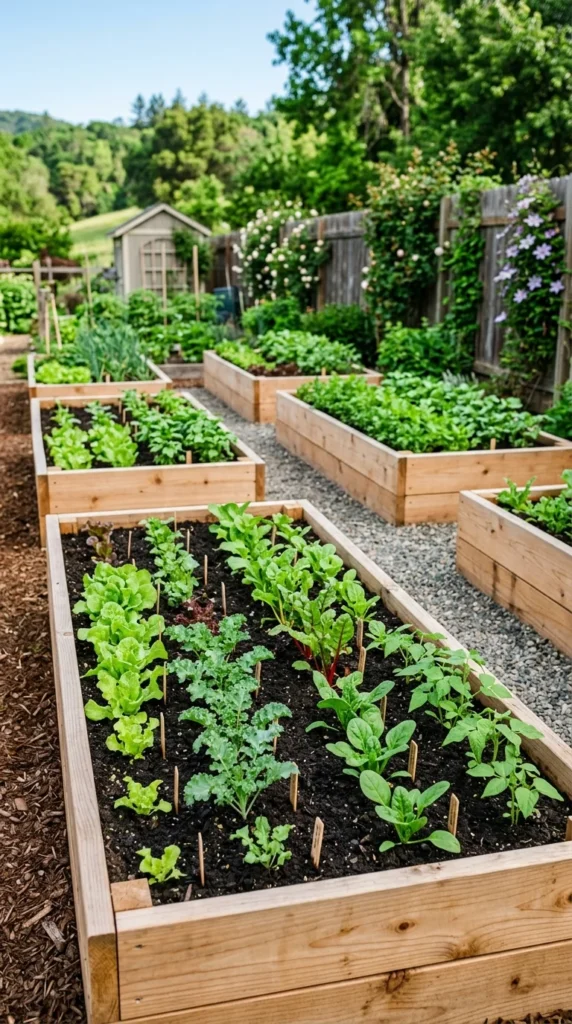
Raised beds are a lifesaver for beginners. They provide an immediate solution to poor native soil and offer excellent drainage. Because the soil in a raised bed isn’t stepped on, it remains light and airy, allowing roots to penetrate easily. You can build these beds from untreated cedar, stone, or even recycled bricks. They also help keep weeds at bay and protect your crops from some crawling pests, making the maintenance process much more manageable.
3. Mulching
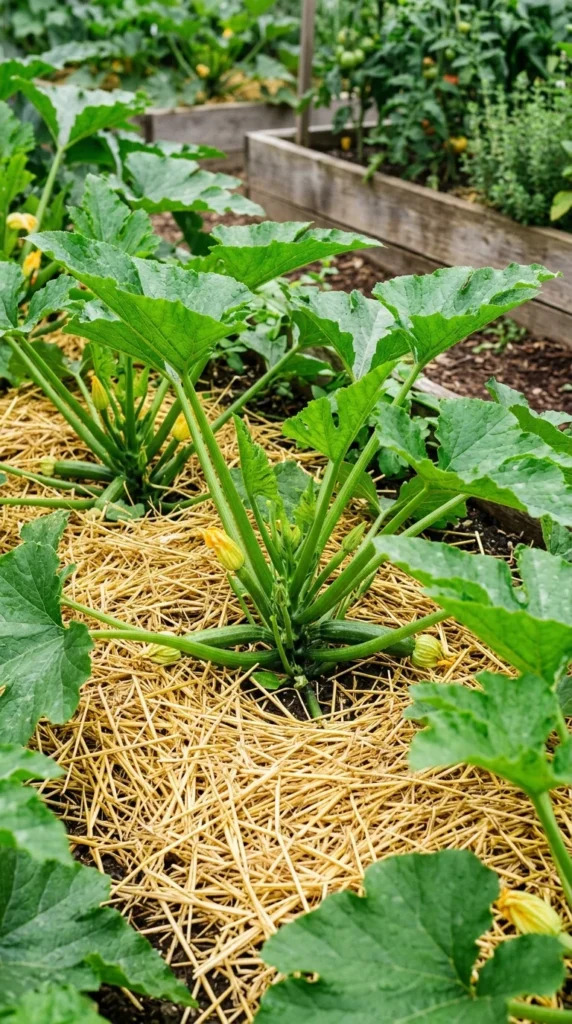
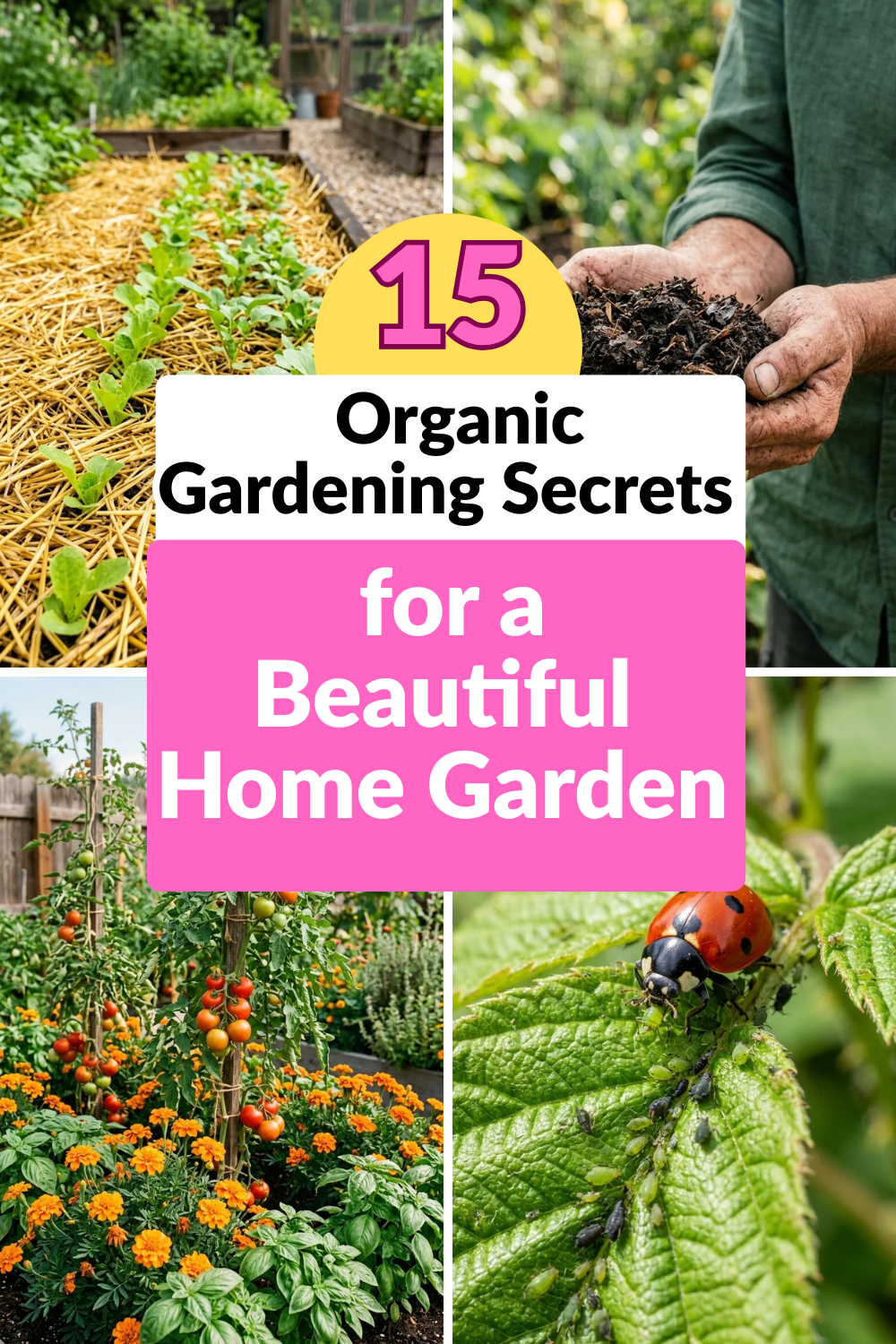
Mulching is the organic gardener’s secret weapon for moisture conservation and weed suppression. By covering the soil with organic matter like straw, shredded leaves, or wood chips, you create a protective barrier. This barrier prevents the sun from baking the soil dry and stops weed seeds from germinating. As the mulch breaks down over time, it further enriches the soil with organic matter, feeding the earthworms and beneficial microbes living beneath the surface.
4. Companion Planting
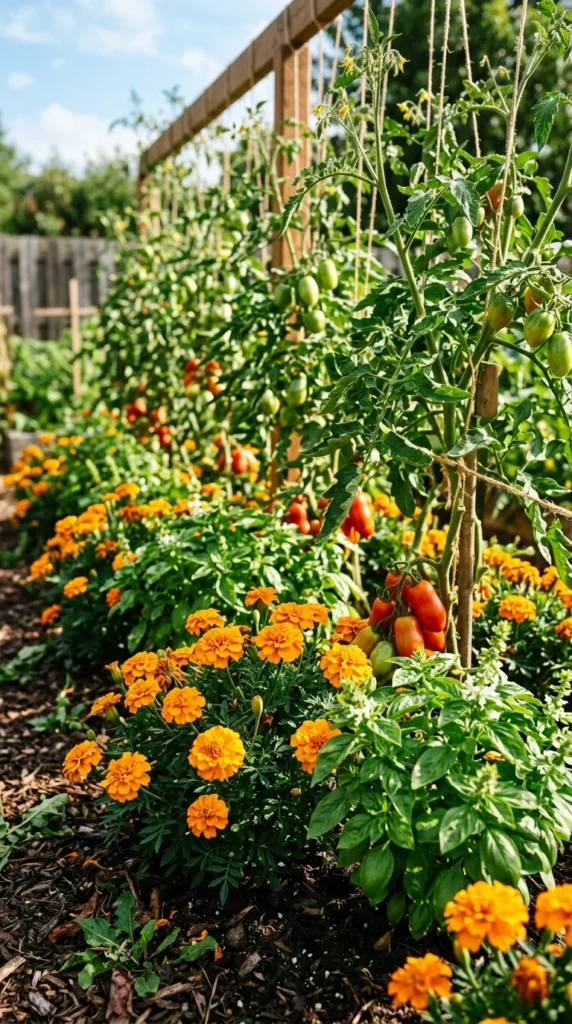
Nature rarely grows a single species in isolation, and your garden shouldn’t either. Companion planting involves placing different plants together that benefit each other. For example, planting marigolds near tomatoes helps deter nematodes and aphids, while basil can improve the flavor of the tomatoes. Another classic is the “Three Sisters” method: corn, beans, and squash grown together. The corn provides a trellis for the beans, the beans fix nitrogen in the soil, and the large squash leaves act as a living mulch.
5. Rain Barrels
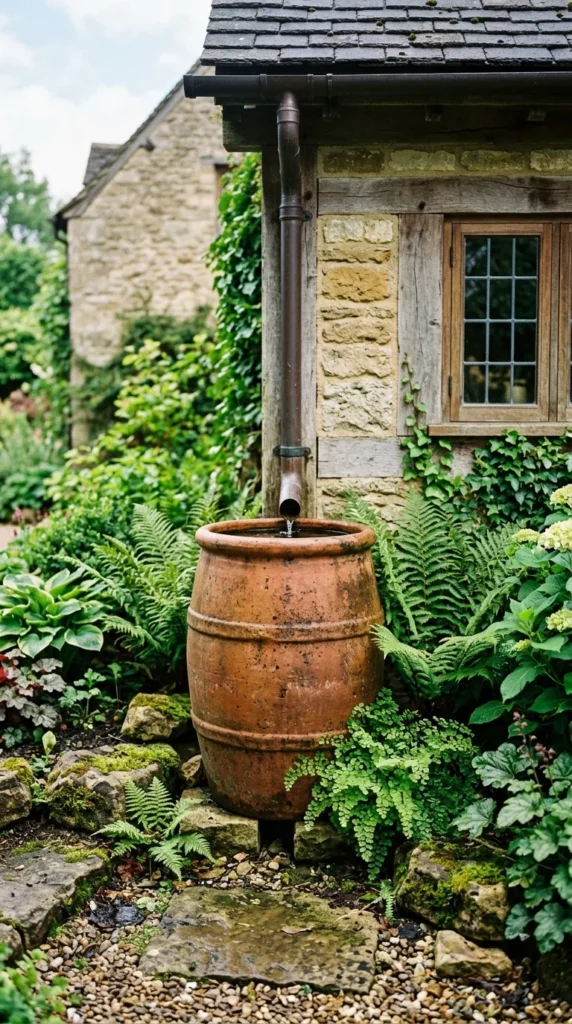
Organic gardening is deeply tied to sustainability, and water conservation is a huge part of that. Installing a rain barrel at the base of your gutter downspout allows you to collect soft, chlorine-free rainwater. This is much better for your plants than treated tap water, which can sometimes contain minerals that build up in the soil. Using a rain barrel is an easy way to lower your water bill while ensuring your garden stays hydrated during dry spells.
6. Vertical Gardens
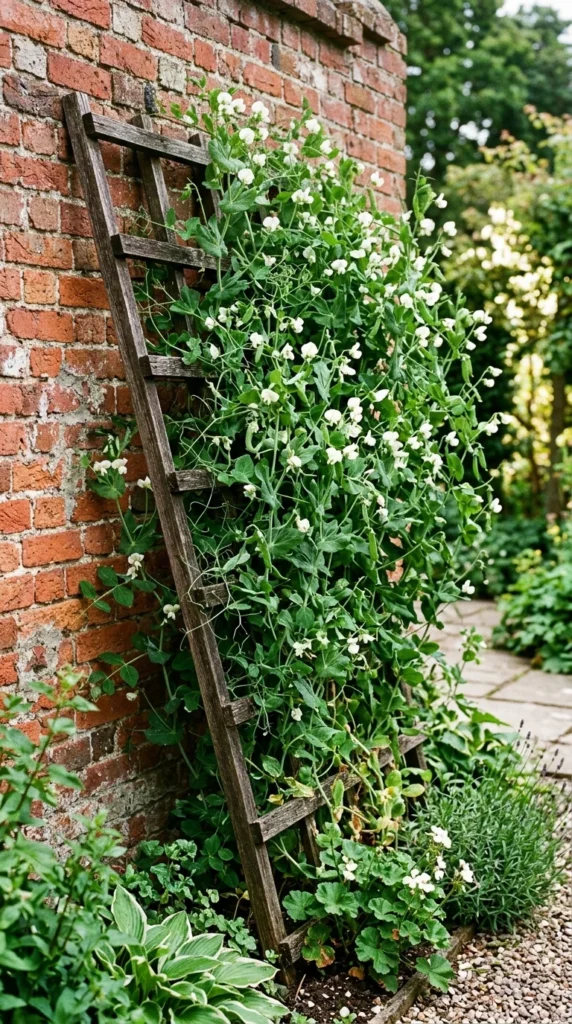
If you are short on space, go up! Vertical gardening is perfect for small backyards or balconies. You can grow cucumbers, peas, beans, and even certain types of squash on trellises, fences, or A-frames. This not only saves ground space but also increases air circulation around the plants, which reduces the risk of fungal diseases like powdery mildew. Plus, harvesting is much easier on your back when the fruit is hanging at eye level.
7. Heirloom Seeds
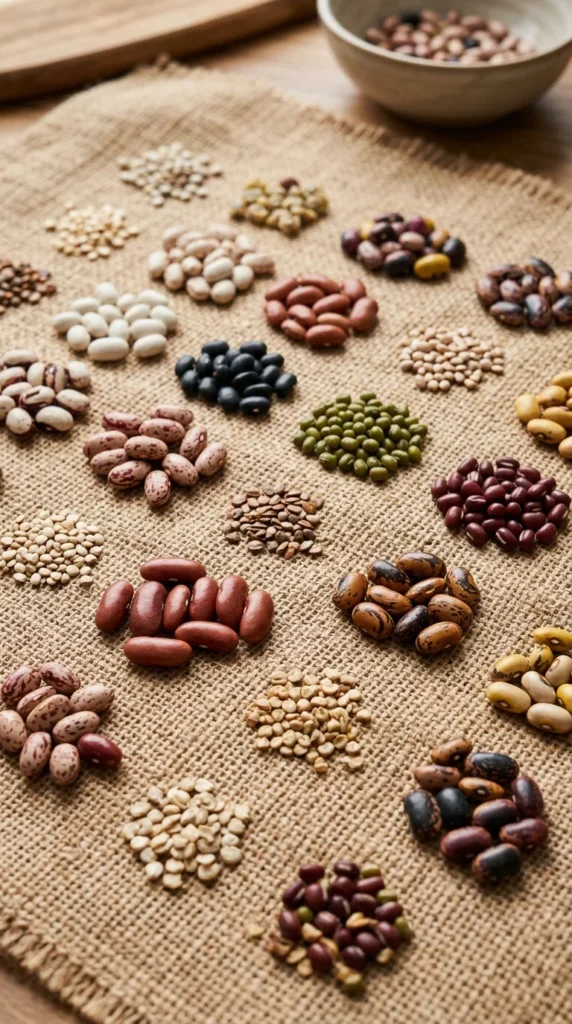
Start your garden with history by choosing heirloom seeds. Unlike hybrid seeds, which are bred for commercial shipping and shelf-life, heirlooms are prized for their flavor, nutrition, and genetic diversity. These seeds have been passed down through generations and are adapted to specific climates. Furthermore, you can save the seeds from your heirloom harvest to plant again next year, creating a truly sustainable and self-reliant garden loop.
8. Pollinator Gardens
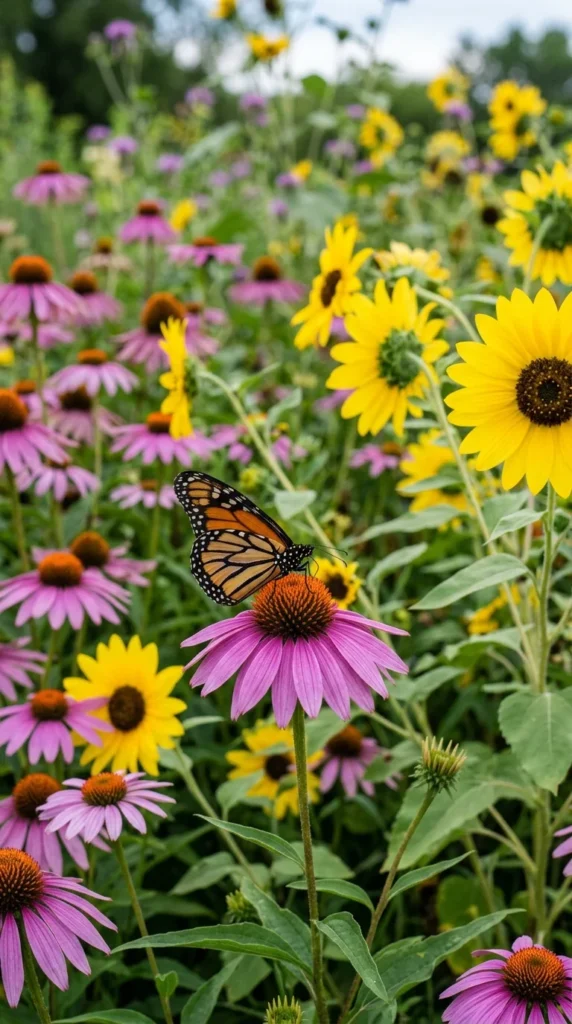
A successful organic garden relies on pollinators like bees, butterflies, and hoverflies. To attract these helpful insects, dedicate a portion of your garden to native flowering plants. Choose flowers of different shapes and colors that bloom at different times throughout the season. This ensures that pollinators have a steady food source. In return, they will visit your vegetable crops, leading to better pollination and a much higher yield of fruits and vegetables.
9. Natural Pesticides
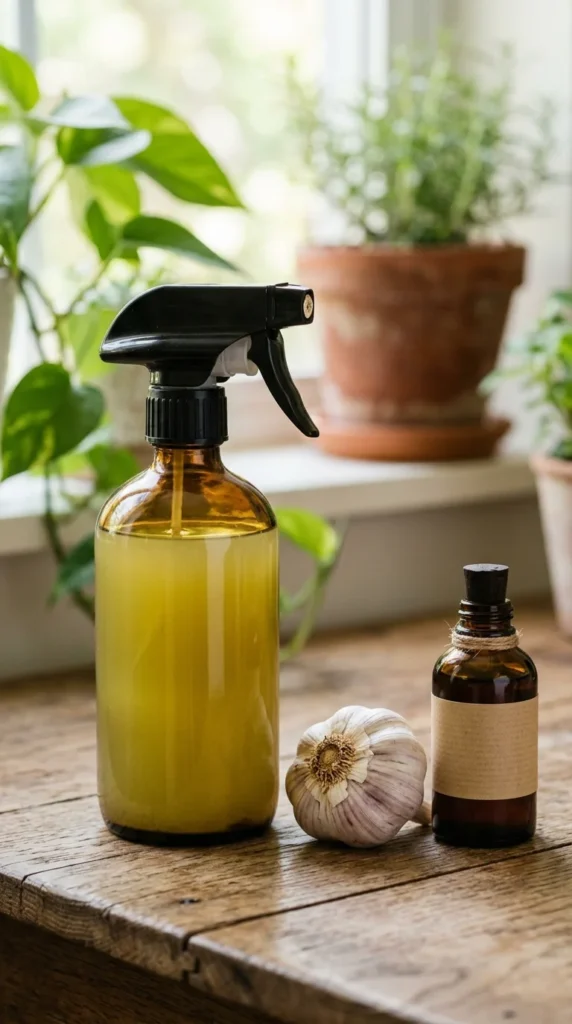
In an organic system, you want to avoid synthetic chemicals at all costs. Instead, use natural remedies for pest outbreaks. A simple solution of water and organic castile soap can deter aphids, while neem oil is effective against a wide range of fungal issues and insects. You can also make a “garlic and chili spray” to discourage deer and rabbits. Remember, the goal is not to eradicate every bug, but to keep the ecosystem in balance.
10. Kitchen Scrap Gardening
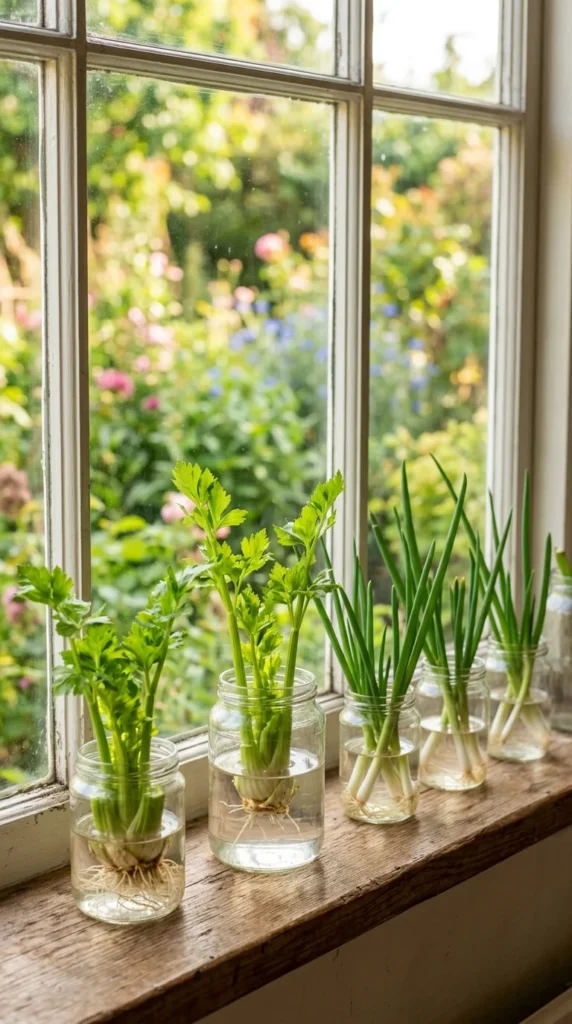
You don’t always need to buy seeds to start a garden. Many common vegetables can be regrown from the scraps you would otherwise toss out. Green onions, leeks, and celery can be started in a shallow dish of water until they grow new roots and stalks. Once they have established themselves, you can transplant them into soil. This is a fun, zero-cost way for beginners to experiment with growing their own food.
11. Herb Spiral
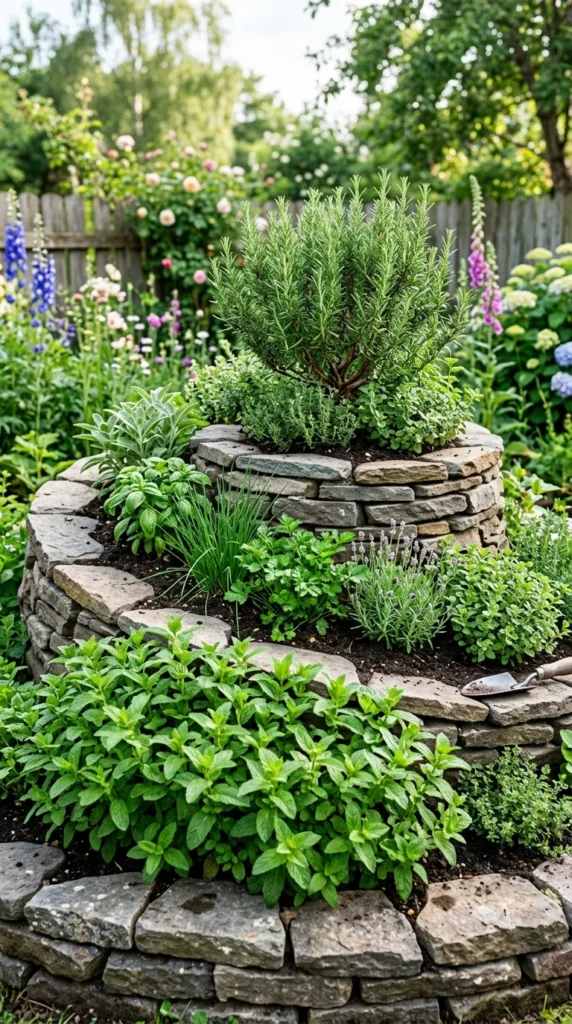
An herb spiral is a permaculture classic that packs a lot of production into a small footprint. By building a mound of soil in a spiral shape supported by stones or bricks, you create multiple micro-climates. The top is dry and sunny, perfect for Mediterranean herbs like rosemary and thyme. The bottom stays moist and shaded, making it ideal for mint or parsley. It’s an efficient, aesthetic, and beginner-friendly way to grow all your culinary herbs in one spot.
12. Cover Crops
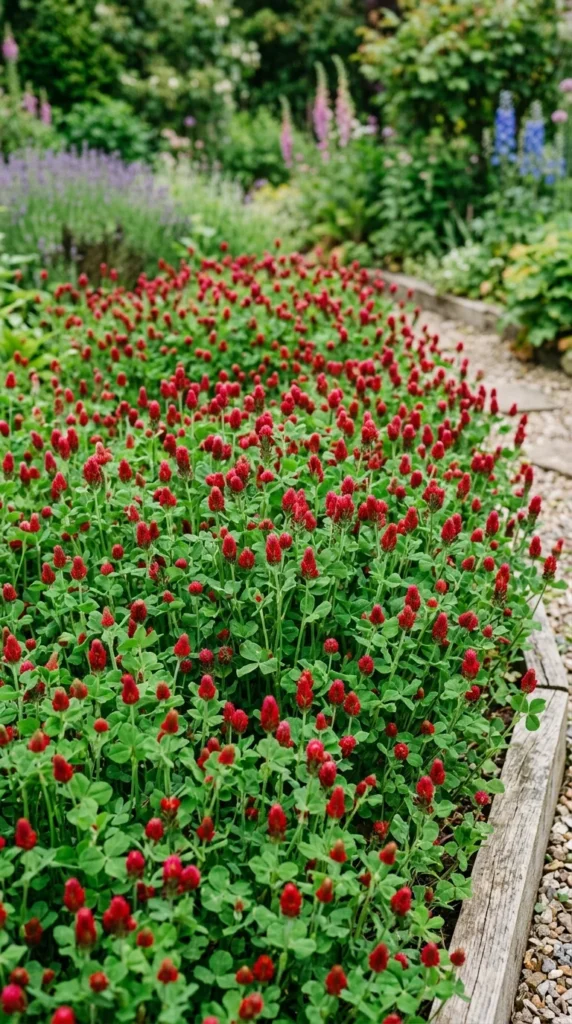
During the off-season, don’t leave your soil bare. Bare soil is prone to erosion and nutrient leaching. Instead, plant a cover crop like clover, winter rye, or vetch. These “living mulches” protect the soil over winter. In the spring, you can mow them down and tilling them back into the earth. As they decompose, they add massive amounts of organic nitrogen and biomass, essentially “recharging” your garden for the next planting season.
13. Container Gardening
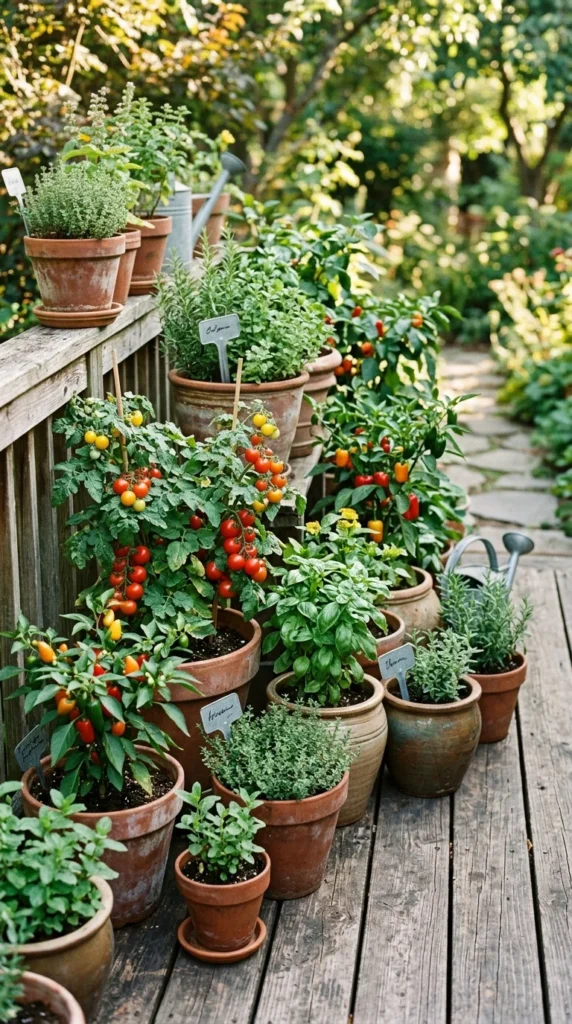
You don’t need a massive plot of land to be an organic gardener. Container gardening is the ultimate entry point for beginners. You can grow almost anything in a pot—from blueberries to carrots—as long as the container is large enough and has drainage holes. Containers allow you to control the soil quality perfectly and can be moved around to follow the sun. This is an excellent way to practice your green thumb before committing to a larger garden plot.
14. Drip Irrigation
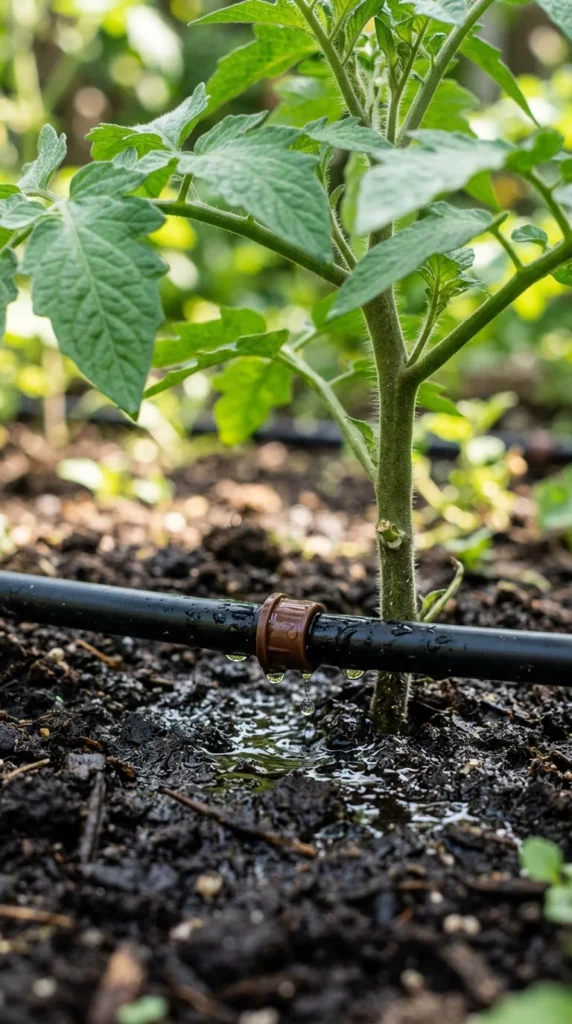
Consistent watering is key to plant health, but overhead watering can lead to disease and wasted water. A drip irrigation system delivers water directly to the base of the plants, right where the roots need it. For beginners, simple “soaker hoses” or DIY bottle drippers are easy to set up. This method keeps the foliage dry, which prevents many common garden blights, and ensures that every drop of water is used efficiently.
15. Worm Farming
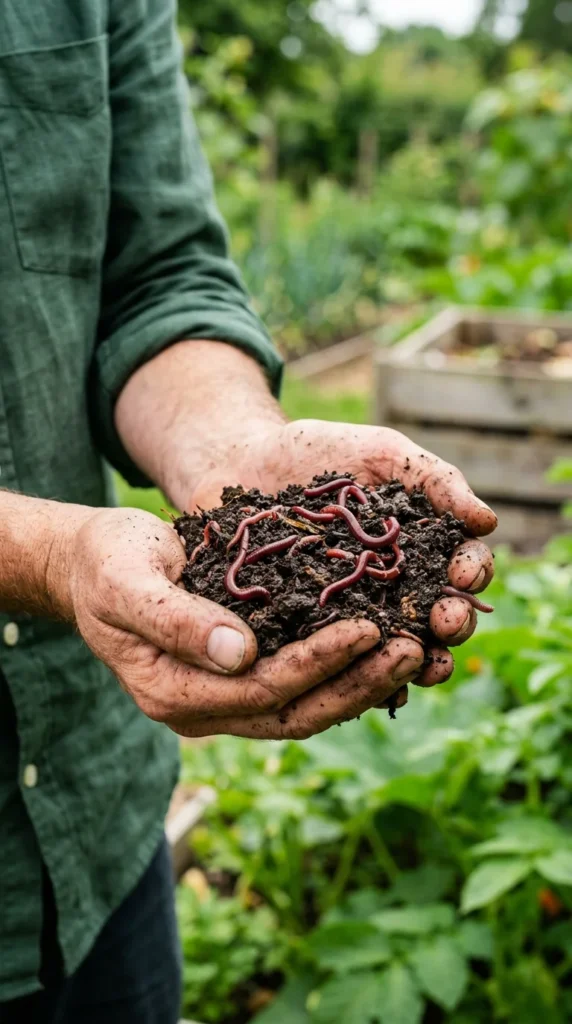
Worm farming, or vermicomposting, is a great way to compost if you live in an apartment or have a very small yard. Red wiggler worms can eat their weight in food scraps every day, producing “worm castings”—the most nutrient-dense fertilizer on the planet. A worm bin is odorless and can be kept in a basement or under a sink. Adding just a handful of these castings to your planting holes will give your vegetables a massive organic boost.
16. Straw Bale Gardening
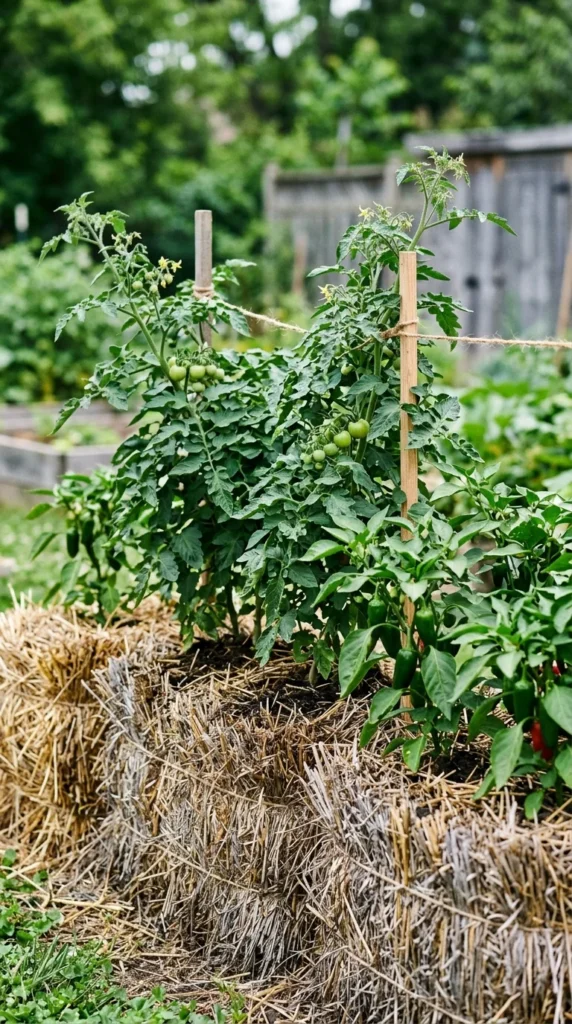
Straw bale gardening is a unique method where the bale itself acts as both the container and the growing medium. You “condition” the bale with organic nitrogen over a couple of weeks to start the internal decomposition process. Once it’s ready, you plant directly into the straw. This is perfect for beginners with extremely poor soil or those with mobility issues, as the bales are at a comfortable height and require no digging or weeding.
17. Native Plants
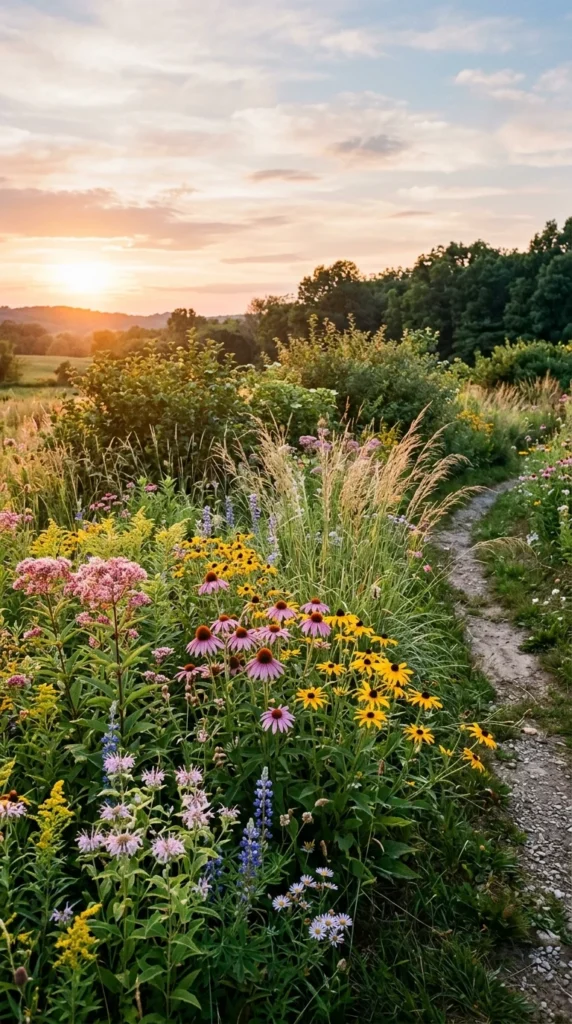
One of the best things you can do for an organic garden is to incorporate native plants. These are plants that have evolved over thousands of years to thrive in your specific climate and soil without human intervention. They require less water, no fertilizer, and are naturally resistant to local pests. By planting natives, you support the local ecosystem and create a low-maintenance landscape that looks beautiful and belongs in its environment.