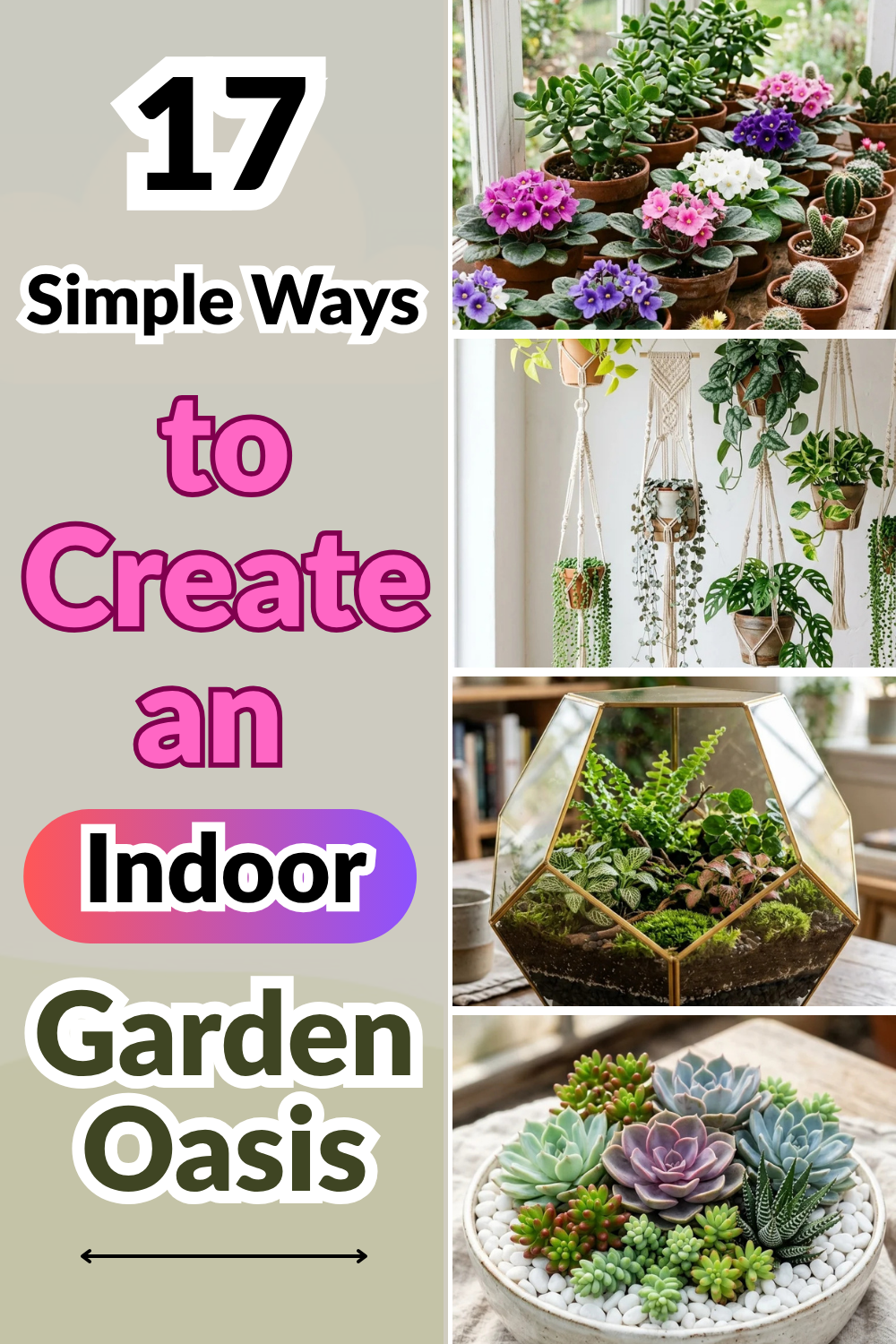
Transforming your home into a lush, green sanctuary doesn’t require a backyard or a professional degree in botany. An indoor garden oasis is about more than just aesthetics; it is about bringing the calming, air-purifying essence of nature into your daily living space. Whether you live in a tiny studio apartment or a sprawling suburban house, these seventeen strategies will help you cultivate a thriving botanical retreat.
1. Window Ledges
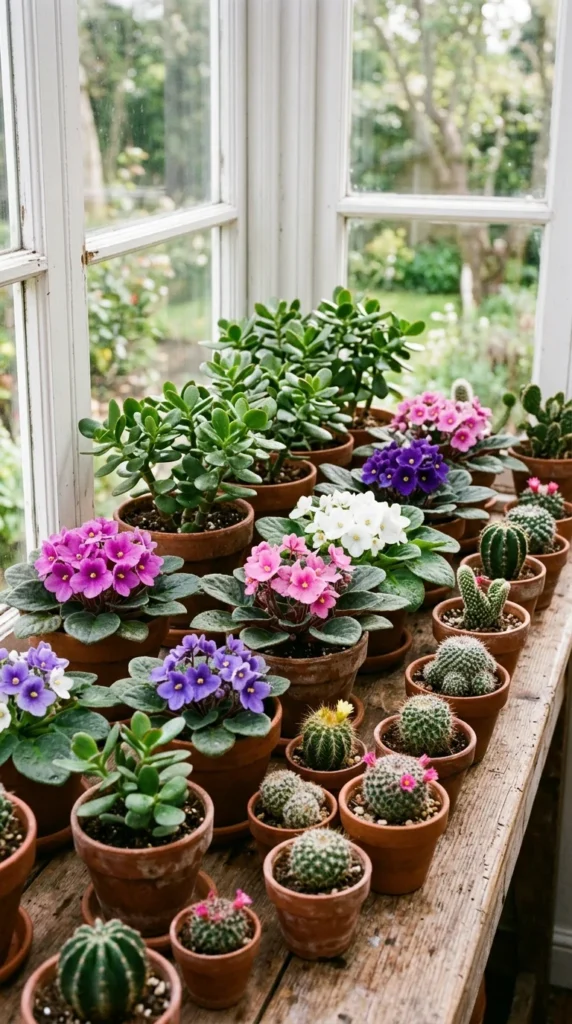
The most natural place to start your indoor garden is wherever the light is strongest. Window ledges are prime real estate for sun-loving plants. To create a curated look, mix and match different pot sizes but keep the material consistent, such as using all terracotta or all white ceramic. This creates a cohesive “botanical border” that frames your view of the outside world while softening the transition between indoors and out.
2. Hanging Planters
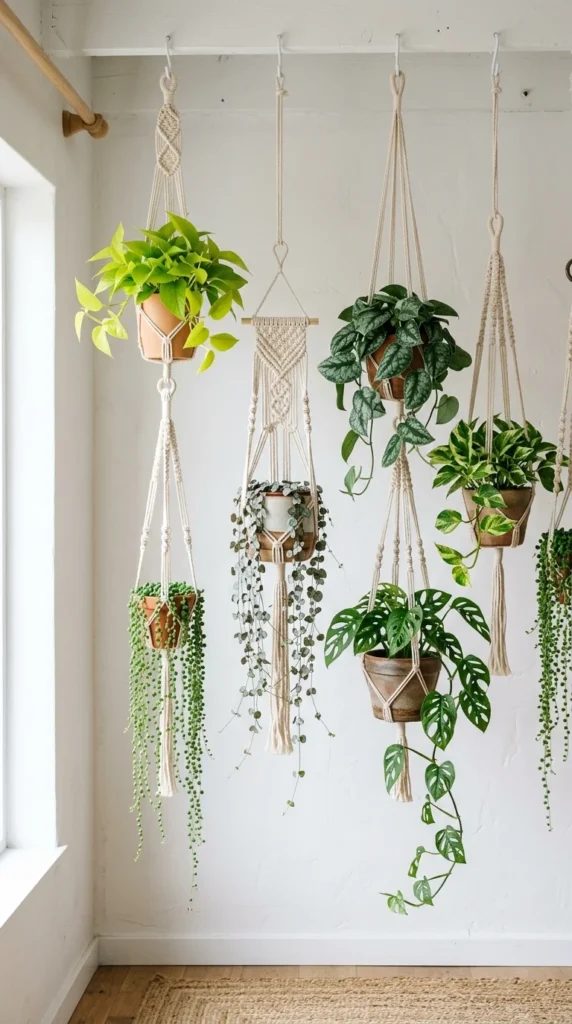
When floor space is limited, look up. Hanging planters allow you to utilize vertical space that would otherwise go to waste. Using macrame, leather, or sleek metal hangers adds a layer of texture to your room. By staggering the heights of these plants, you create a “curtain” of greenery that adds depth and visual interest to corners or empty ceiling areas.
3. Vertical Walls
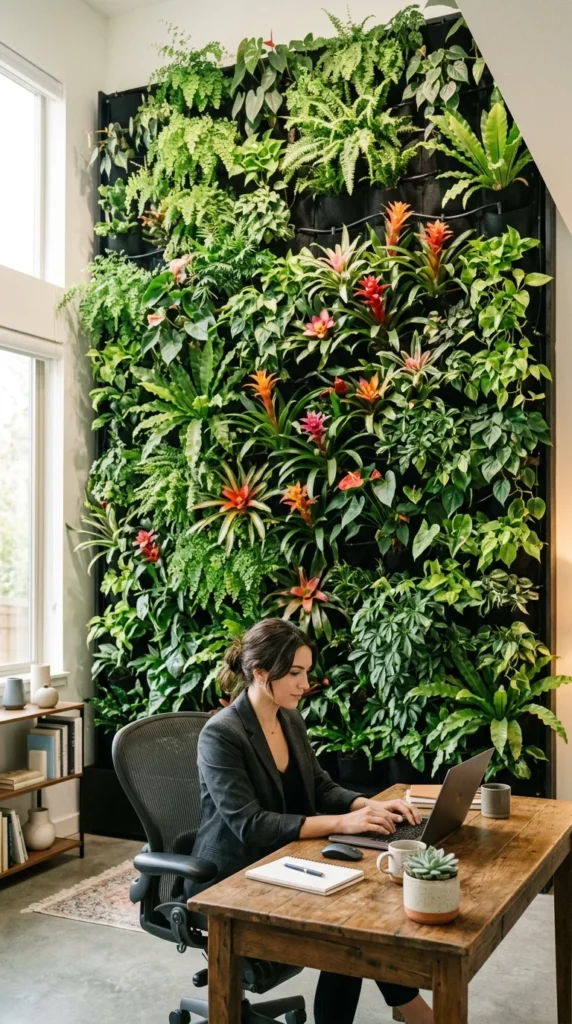
A living wall is the ultimate statement piece for an indoor oasis. You can achieve this look using modular wall planters or felt-pocket systems that mount directly to your drywall. Choose a variety of species with different leaf shapes and shades of green to create a tapestry effect. Not only does this look stunning, but it also acts as a natural sound insulator and a massive air purifier for the room.
4. Glass Terrariums
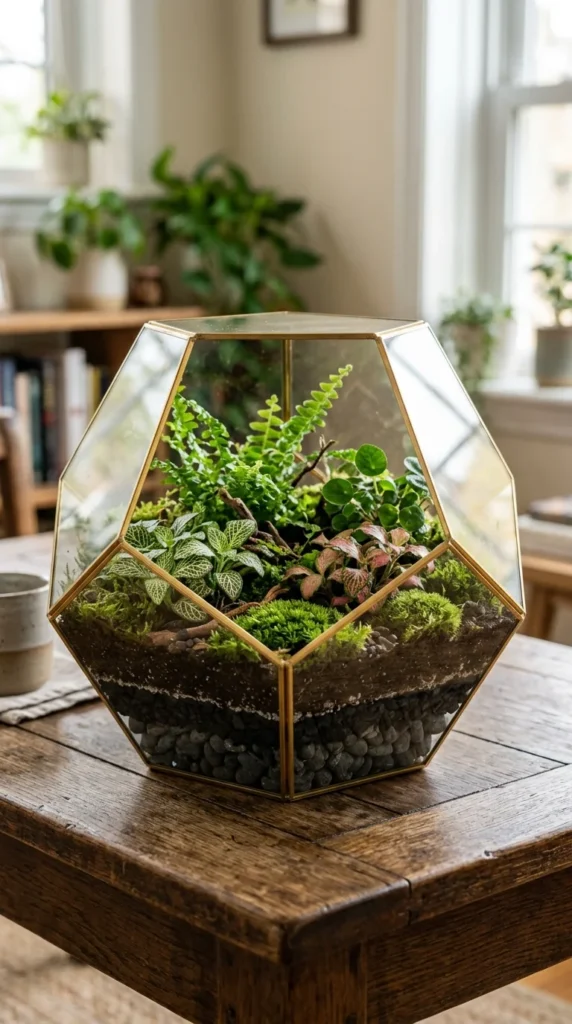
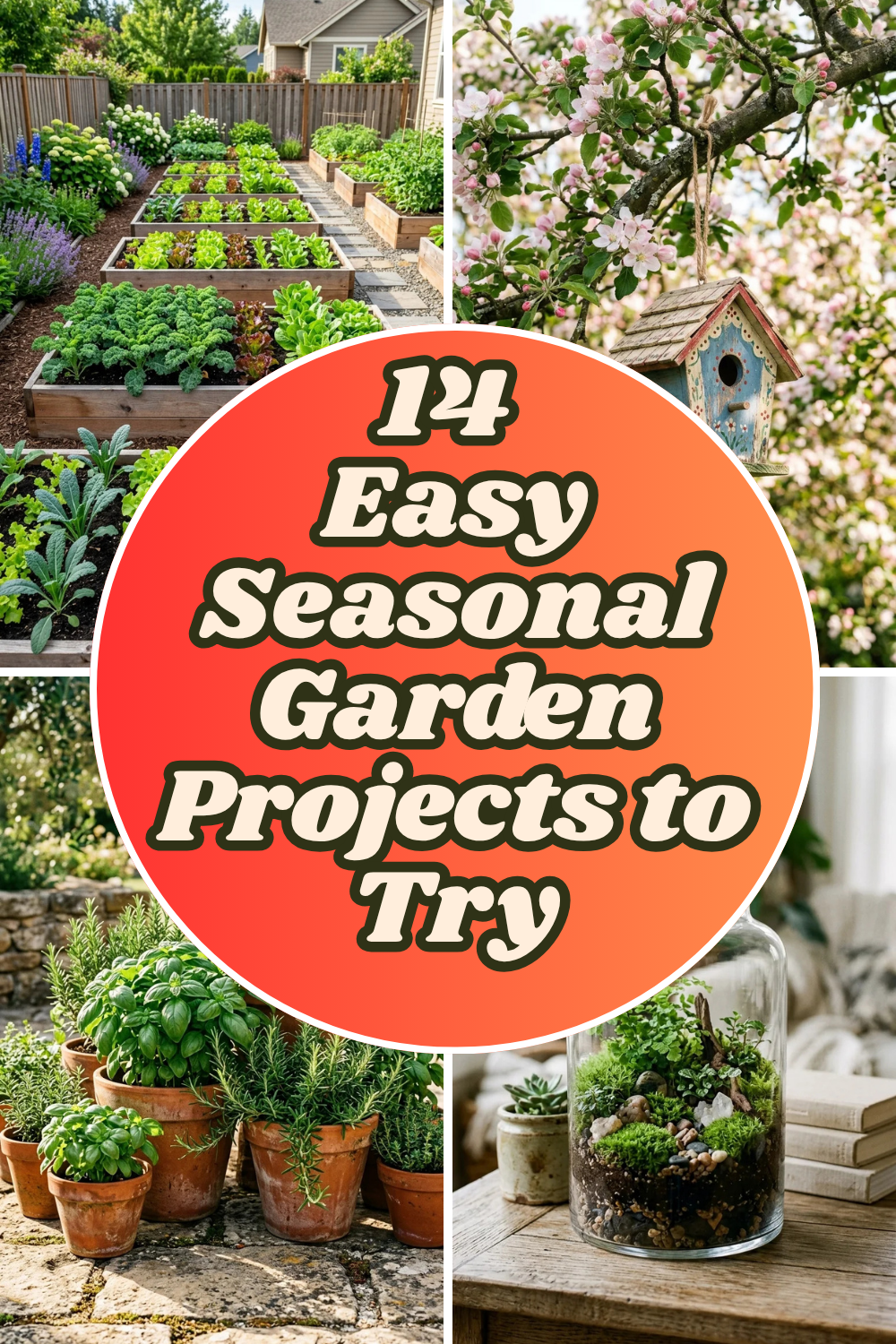
Terrariums are miniature worlds encapsulated in glass. They are perfect for plants that crave high humidity, such as ferns and mosses. Because they are self-contained, they require very little maintenance. Placing a few different-sized terrariums on a sideboard or bookshelf adds a touch of whimsy and elegance, allowing you to observe the intricate details of nature up close.
5. Herb Kitchens
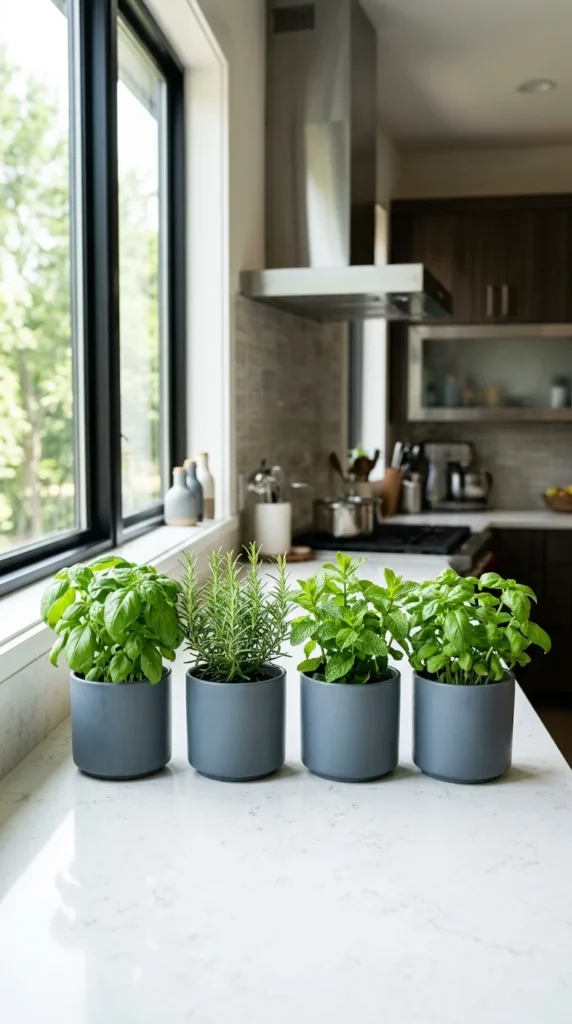
Functionality meets beauty in the kitchen garden. Growing your own herbs—like basil, mint, parsley, and cilantro—on your kitchen counter ensures you always have fresh ingredients at hand. Use matching pots or a dedicated herb trough to keep the look organized. The aromatic scent of fresh herbs also provides a natural fragrance that enhances the sensory experience of your home.
6. Tiered Stands
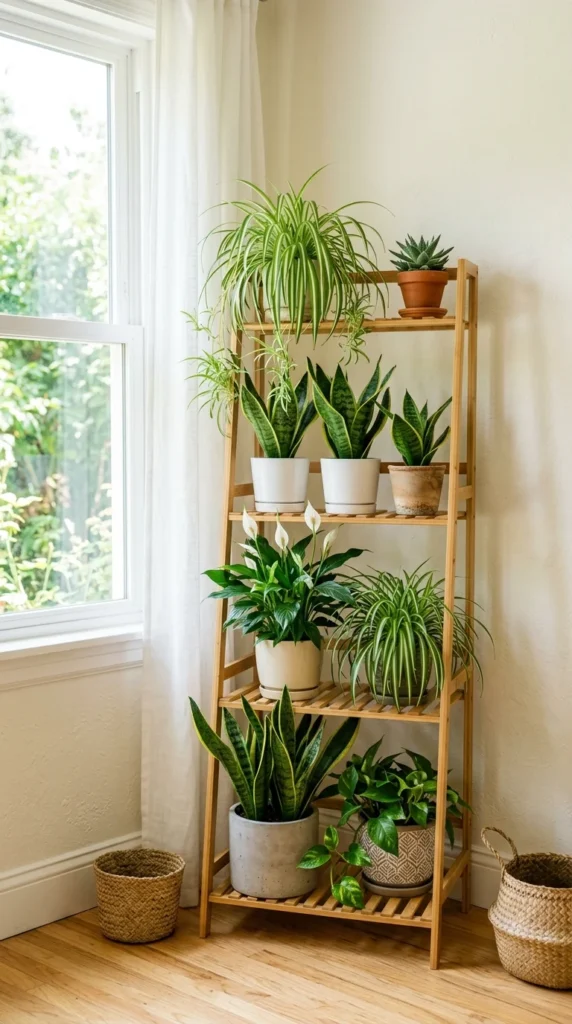
Tiered plant stands are excellent for creating a “jungle” effect without needing dozens of individual tables. By elevating some plants and keeping others lower, you mimic the natural layers of a forest floor. This arrangement also ensures that every plant gets its fair share of light, as taller plants won’t shade the smaller ones if positioned correctly.
7. Statement Trees
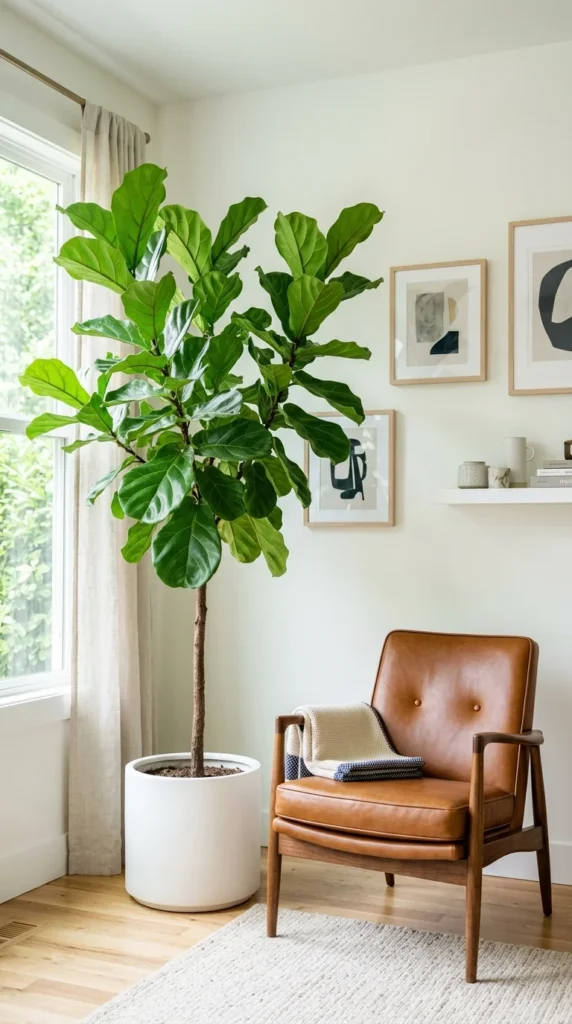
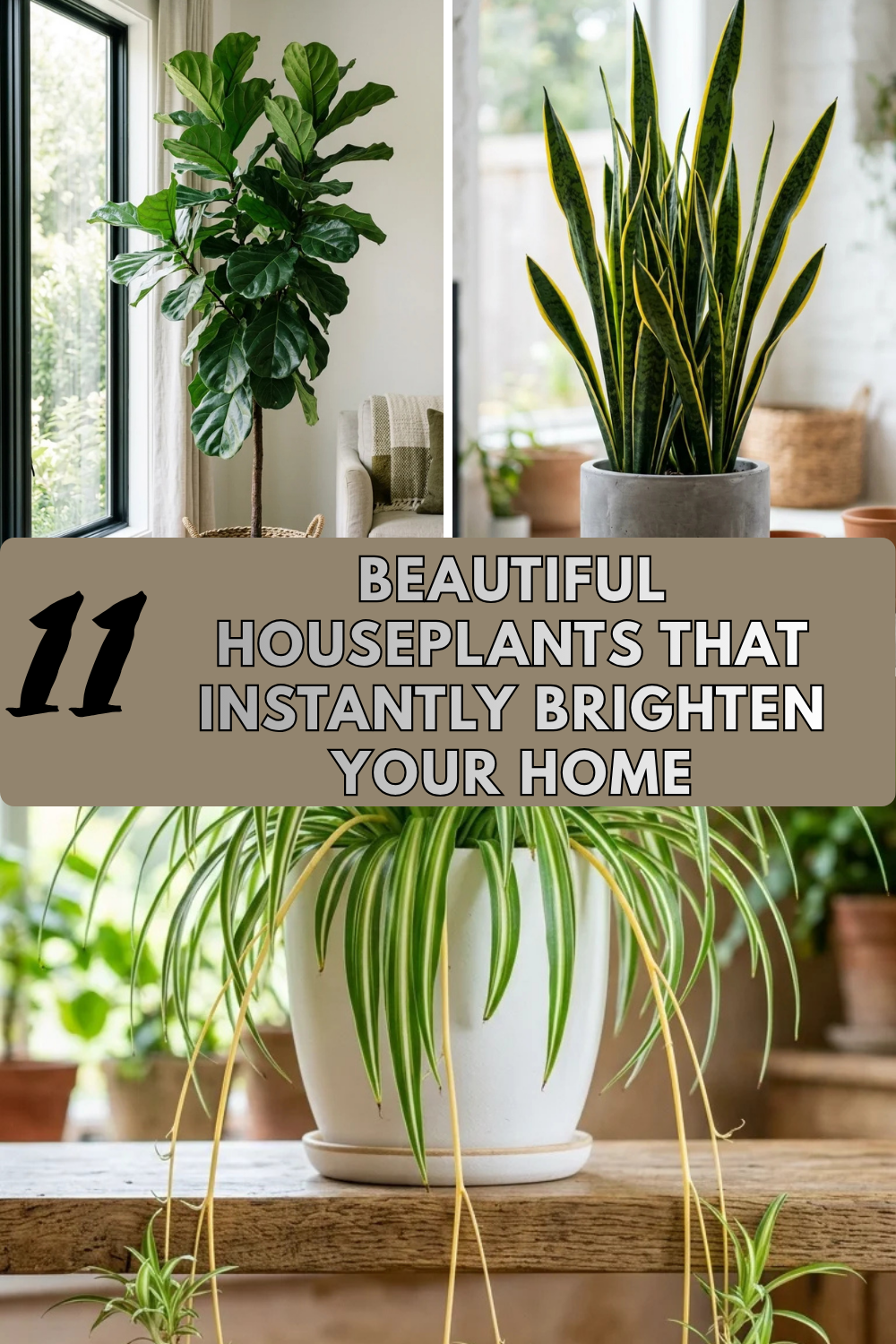
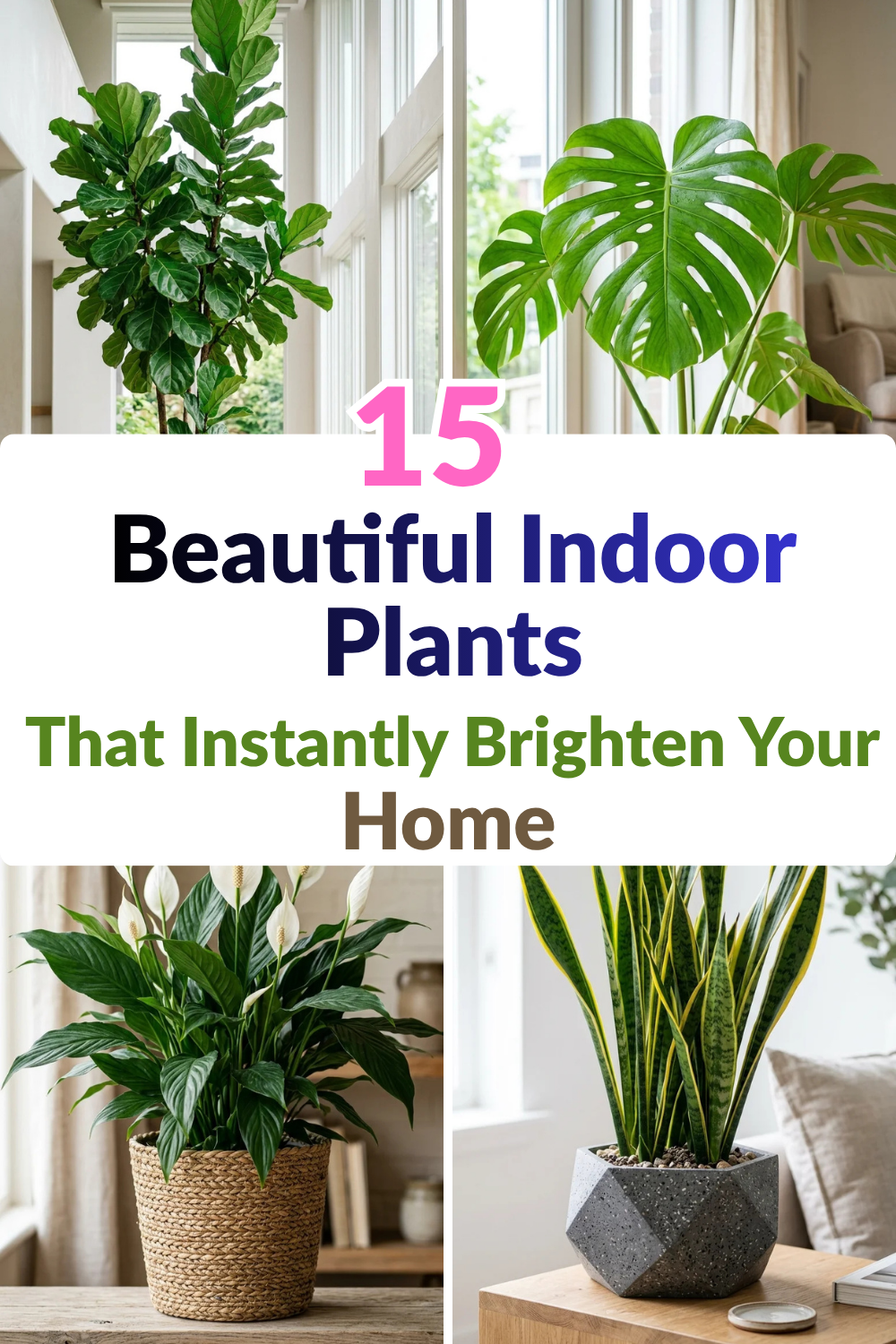
Sometimes, one large plant makes more of an impact than ten small ones. A statement tree, such as a Fiddle Leaf Fig, a Bird of Paradise, or a Rubber Tree, acts as living furniture. These architectural giants draw the eye upward and provide a sense of scale and permanence to your indoor garden. Place them in corners or next to large pieces of furniture to anchor the room.
8. Propagation Stations
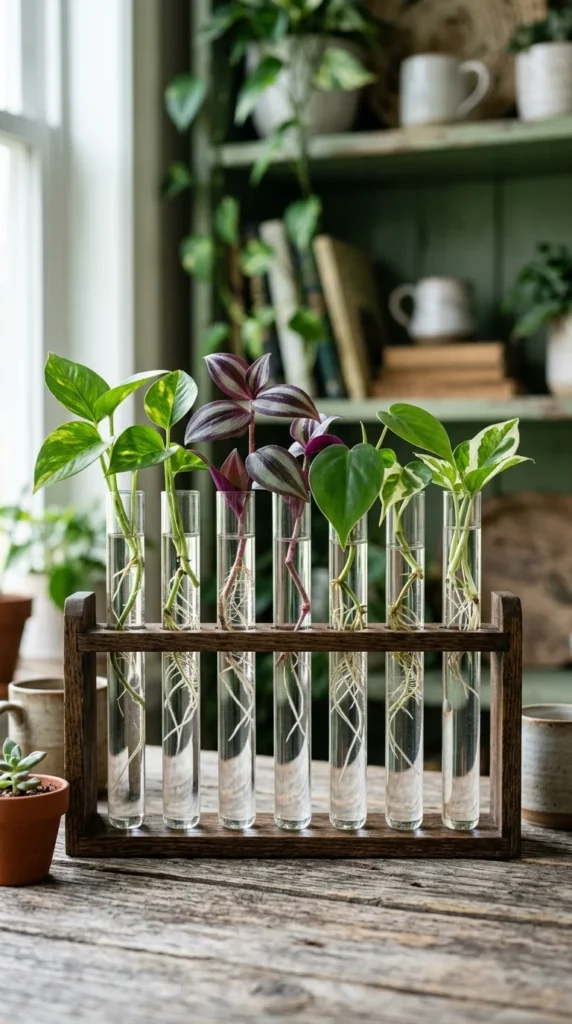
Propagation is the art of growing new plants from cuttings, and it can be a beautiful decorative element in itself. Using clear glass vials, old apothecary bottles, or dedicated propagation stations allows you to see the fascinating process of root development. Lining these up on a shelf or mantel creates a “laboratory of life” vibe that is both educational and aesthetically pleasing.
9. Trailing Vines
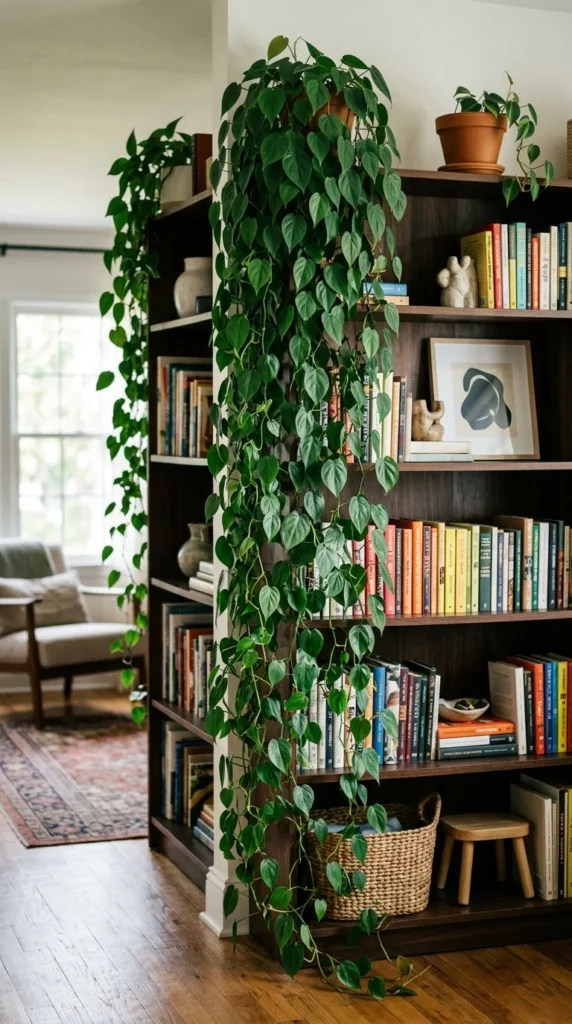
Trailing plants like Pothos, English Ivy, or Heartleaf Philodendron are the “workhorses” of the indoor garden. They are incredibly resilient and can be trained to grow along walls, over doorframes, or down the sides of tall furniture. By allowing these vines to roam, you blur the sharp lines of your home’s architecture, making the space feel more organic and lived-in.
10. Water Gardens
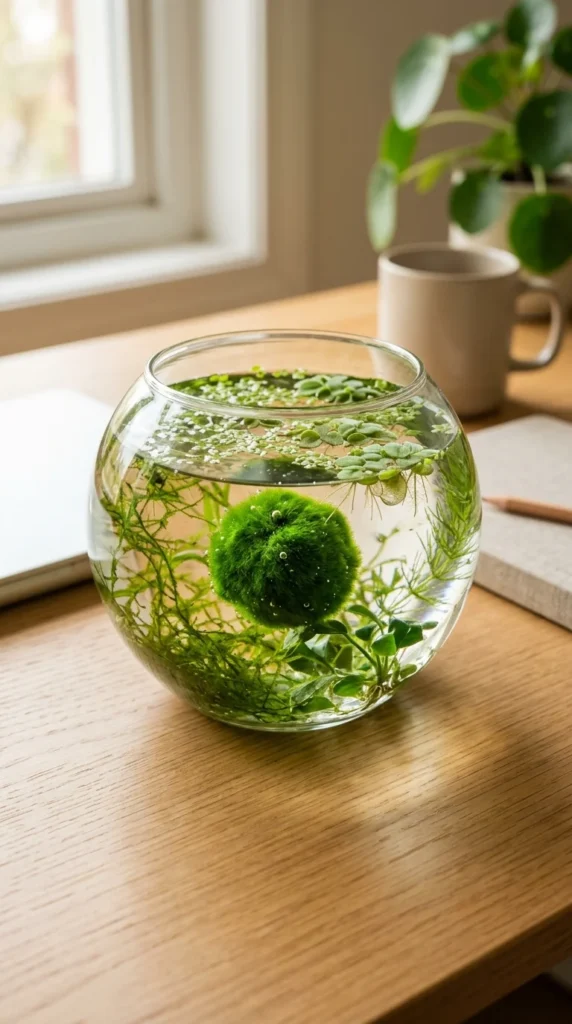
Not all plants need soil to thrive. Water gardens, or hydroponic displays, offer a clean and modern look. You can grow Lucky Bamboo, Spider Plants, or even certain varieties of Philodendron entirely in water. Adding river stones or colorful glass beads to the bottom of the vessel adds a decorative touch and helps stabilize the plants’ roots.
11. Moss Art
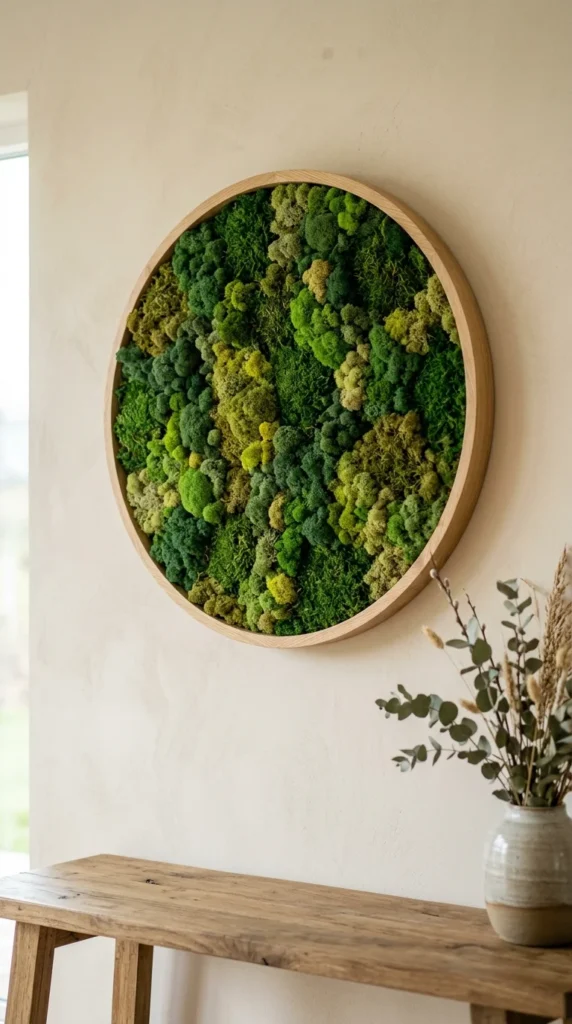
If you have a windowless room or struggle to keep plants alive, moss art is a fantastic alternative. Preserved moss frames require zero water or light but provide the same visual cooling effect as live plants. These “living” canvases bring a touch of the forest floor to your walls and remain vibrant for years without any maintenance.
12. Bathroom Jungles
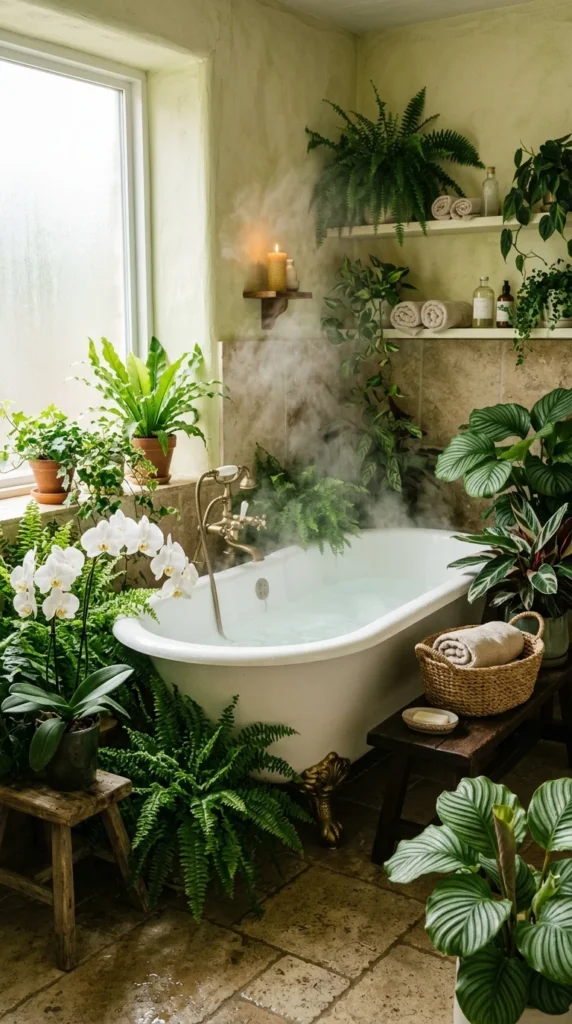
The bathroom is often the most humid room in the house, making it a paradise for tropical plants. Ferns, Calatheas, and Air Plants thrive in the damp environment. Placing plants on the edge of the tub, on top of the toilet tank, or hanging from the shower rod transforms a purely functional space into a luxurious, spa-like retreat.
13. Repurposed Decor
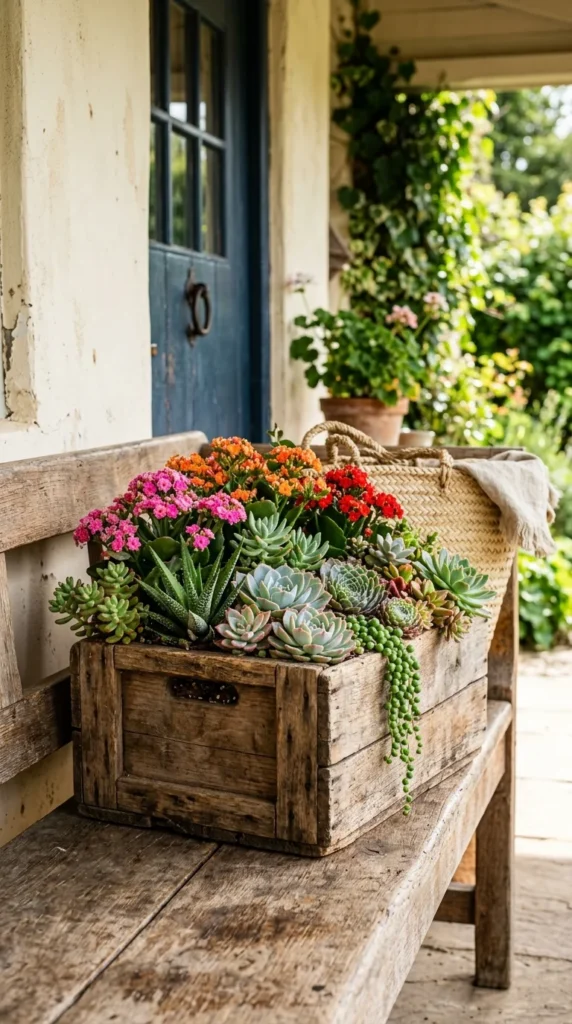
You don’t have to stick to traditional pots. Repurposing vintage items—like old tea tins, wooden crates, ceramic bowls, or even colorful boots—adds personality and a “shabby-chic” charm to your garden. Just ensure you add a layer of gravel at the bottom for drainage if you can’t drill holes in the container.
14. Succulent Bowls
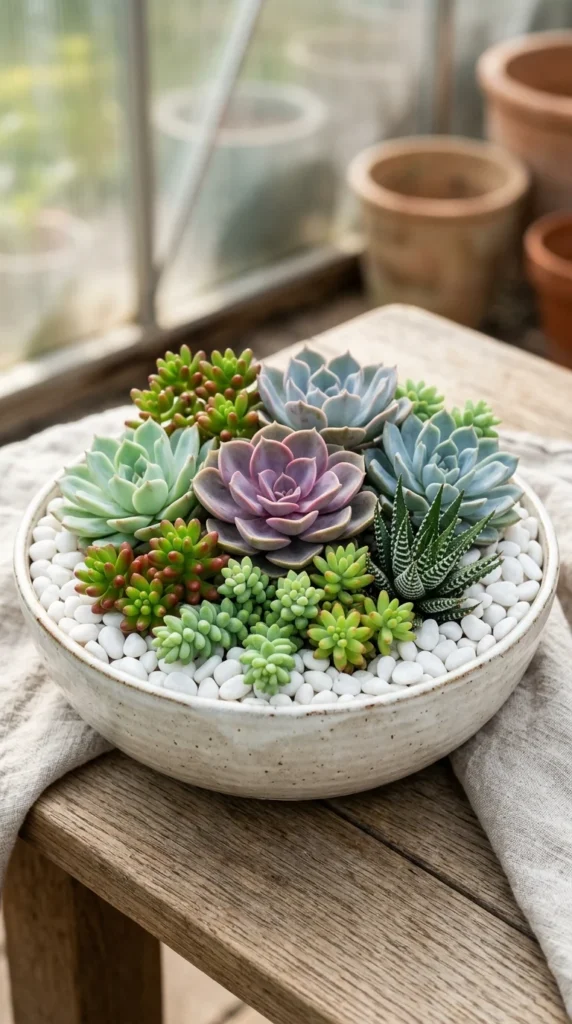
Succulent bowls are like living jewelry for your coffee table or desk. These low-maintenance arrangements focus on geometric shapes and subtle color variations. Because succulents store water in their leaves, they are incredibly forgiving. A well-arranged bowl with different textures and heights can serve as a stunning centerpiece that lasts for months with minimal intervention.
15. Air Plants
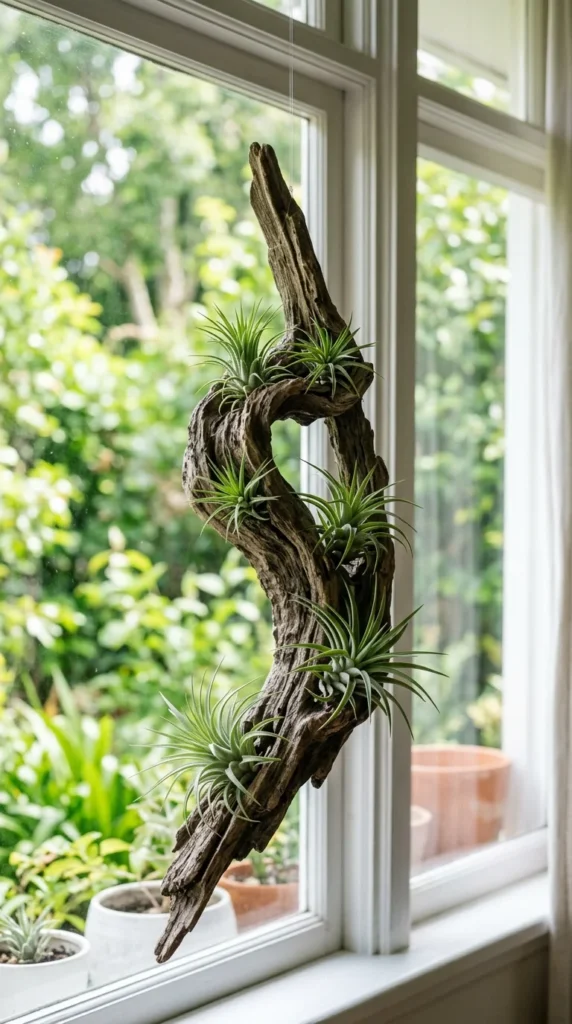
Air plants (Tillandsia) are perhaps the most versatile plants for an indoor oasis because they don’t require soil at all. They absorb moisture and nutrients through their leaves. You can mount them on driftwood, place them in sea shells, or hang them in glass orbs. Their alien-like shapes and silver-green hues add a modern, sculptural element to any display.
16. Grow Lights
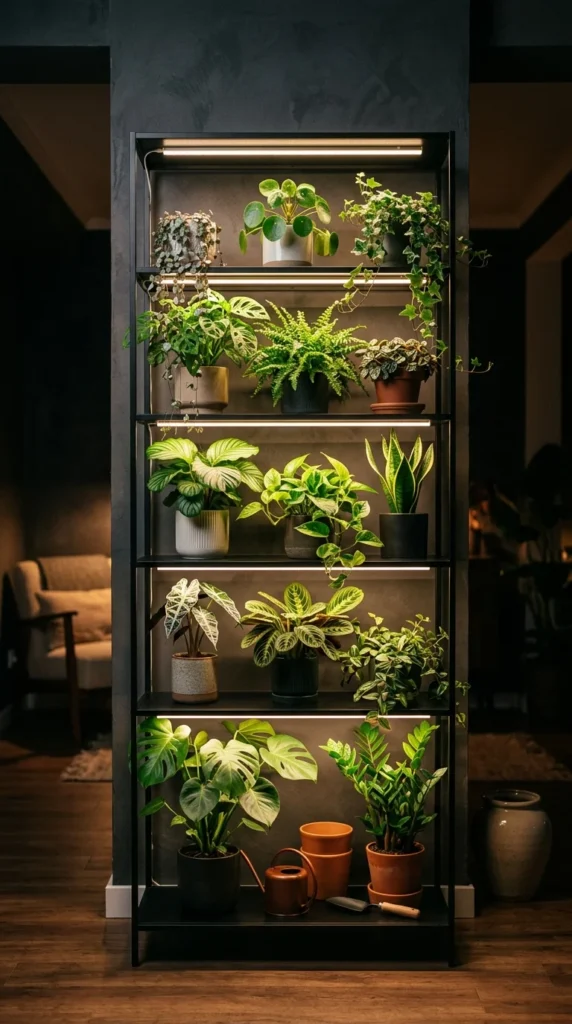
If your home lacks natural light, don’t despair. Modern LED grow lights come in stylish designs that blend seamlessly into your decor. You can find “halo” lights that stake into individual pots or sleek strips that hide under shelves. These lights provide the specific spectrum of light plants need to photosynthesize, allowing you to turn even the darkest corner into a thriving green zone.
17. Grouping Textures
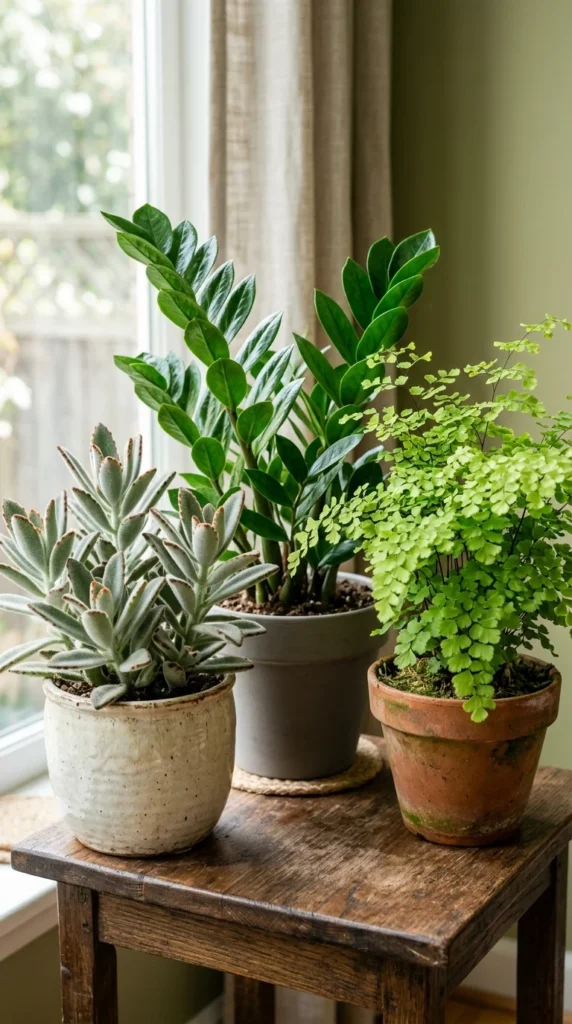
The secret to a professional-looking indoor garden is contrast. Instead of spreading single plants throughout a room, try grouping them in odd numbers (three or five). Mix leaf textures—pair a soft, fuzzy plant with a shiny, waxy one, or a broad-leafed plant with a wispy, delicate one. This layering of textures creates a visual richness that feels abundant and intentionally designed.