Transforming your outdoor space doesn’t require a landscape architecture degree or a massive budget. Often, the most rewarding changes come from small, manageable projects that align with the natural rhythm of the seasons. Whether you are looking to boost your curb appeal, grow your own food, or create a sanctuary for local wildlife, these fourteen projects offer a perfect blend of utility and beauty.
1. Seed Starting
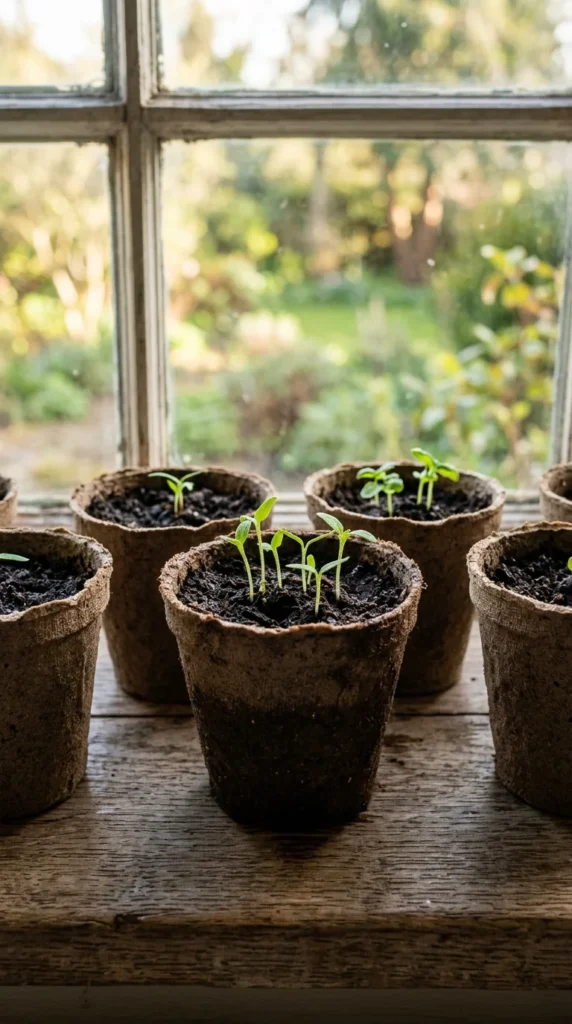
Spring is the season of renewal, and there is nothing quite as satisfying as watching a tiny seed transform into a vigorous plant. Starting your seeds indoors allows you to get a head start on the growing season, especially for plants with long maturity dates like tomatoes or peppers.
- The Process: Use eggshells, newspaper pots, or biodegradable trays. Fill them with a high-quality seed-starting mix, sow your seeds at the recommended depth, and keep them in a warm, bright spot.
- Why it works: It is significantly cheaper than buying established nursery plants and gives you access to thousands of unique heirloom varieties not found in big-box stores.
2. Raised Beds
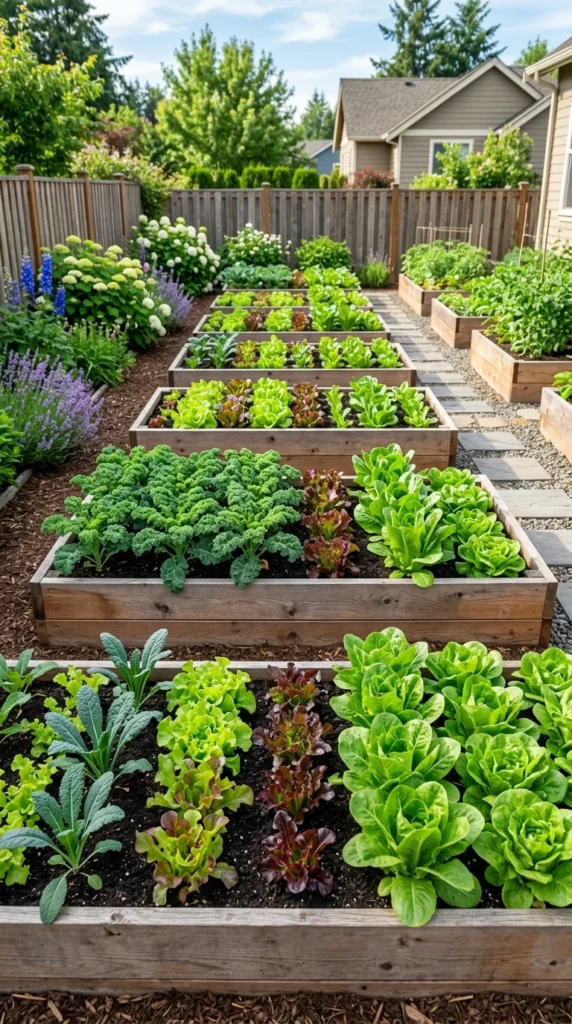
If you struggle with poor soil quality or drainage issues, raised beds are the ultimate solution. They provide total control over the growing medium and help keep weeds at bay.
- The Process: Construct simple frames using untreated cedar or redwood. Clear the grass beneath, lay down a layer of cardboard to suppress weeds, and fill the bed with a 50/50 mix of topsoil and organic compost.
- Why it works: Raised beds warm up faster in the spring, allowing for earlier planting, and they save your back by reducing the amount of bending required for maintenance.
3. Birdhouses
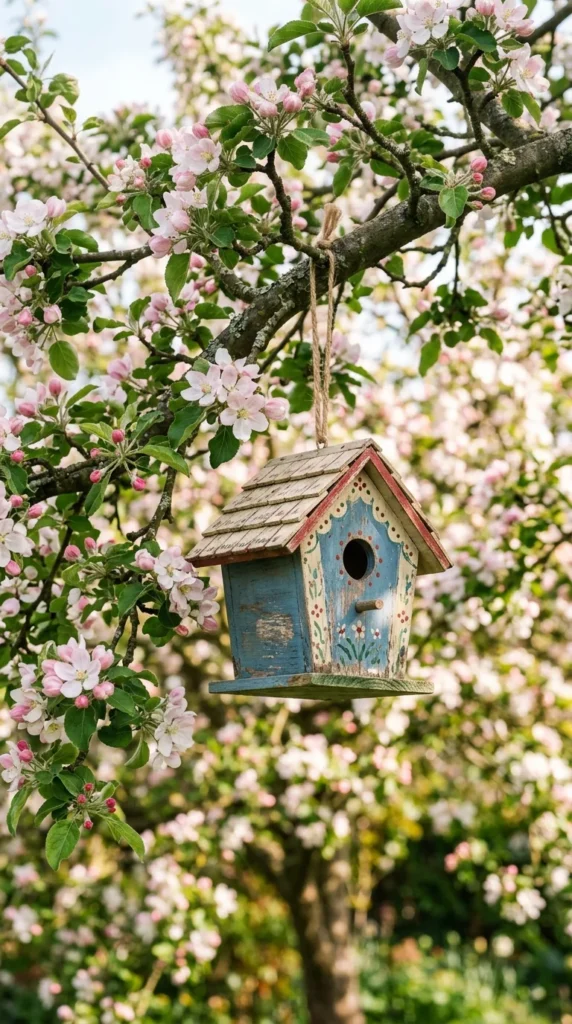
Invite nature into your garden by providing safe nesting sites for local birds. Bluebirds, wrens, and chickadees are not only a joy to watch but also act as natural pest controllers, eating thousands of insects every day.
- The Process: You can build a birdhouse from scrap wood or buy a simple kit. Ensure the entrance hole is sized specifically for the species you want to attract and include drainage holes at the bottom.
- Why it works: It’s a fantastic project for families and significantly increases the biodiversity of your garden ecosystem.
4. Herb Garden
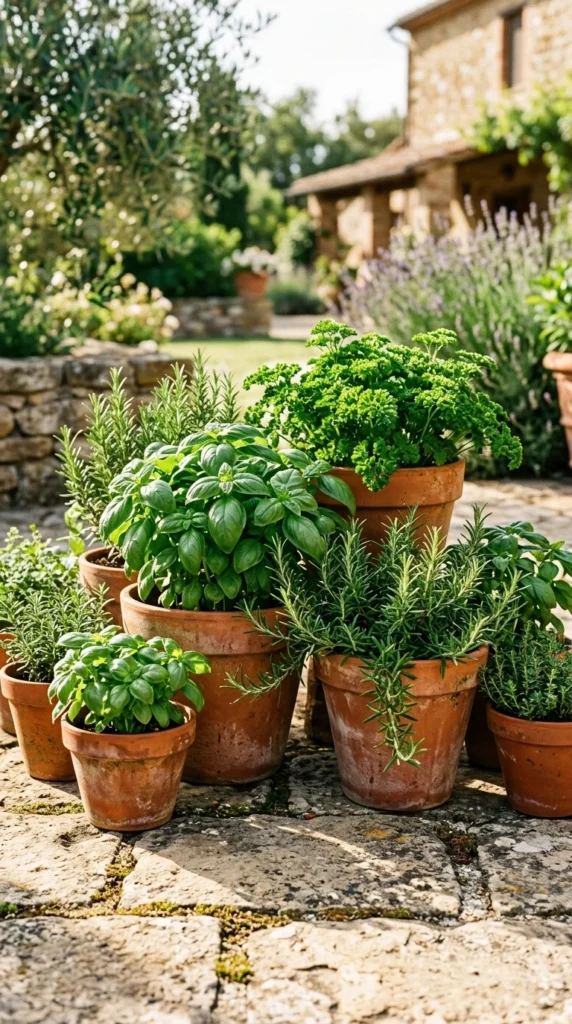
As summer heat arrives, a dedicated herb garden becomes the “chef’s corner” of the yard. Herbs are generally hardy, drought-tolerant, and produce a high yield in a very small footprint.
- The Process: Choose a spot that gets at least six hours of sun. You can plant them in the ground, in a dedicated “herb spiral,” or in a collection of decorative pots near your kitchen door.
- Why it works: Fresh herbs elevate your cooking instantly, and many varieties—like lavender and mint—produce scents that act as natural mosquito repellents.
5. Butterfly Oasis
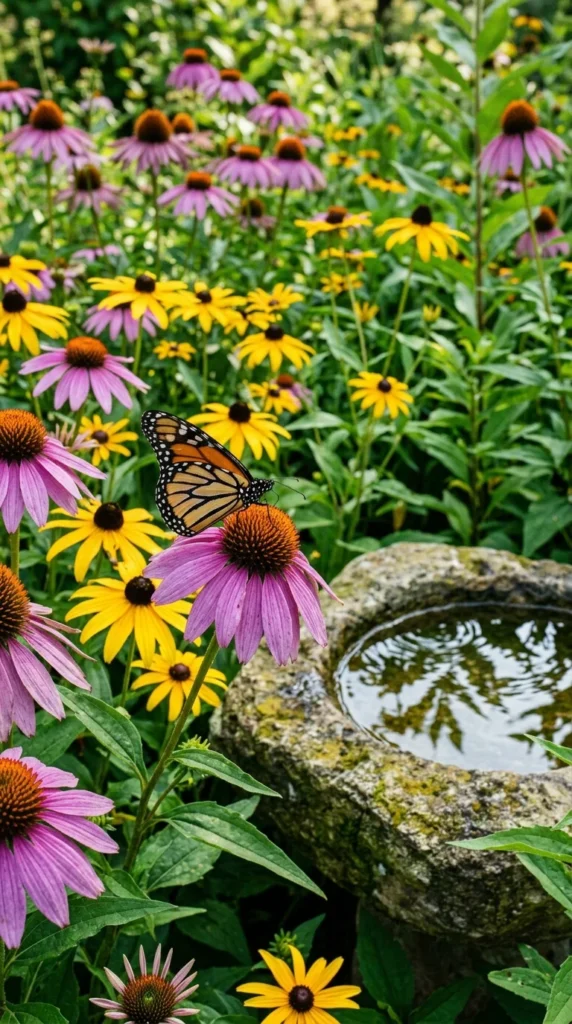
Create a sanctuary for pollinators by planting a “butterfly buffet.” By choosing specific nectar-rich flowers and host plants, you can turn your garden into a vital stopover for migrating butterflies.
- The Process: Plant a mix of perennials like milkweed (essential for Monarchs), zinnias, and buddleia. Include a “puddling station”—a shallow dish filled with damp sand and stones where butterflies can drink and take in minerals.
- Why it works: Beyond the visual beauty, supporting pollinators is crucial for the health of the entire planet’s food system.
6. Drip Irrigation
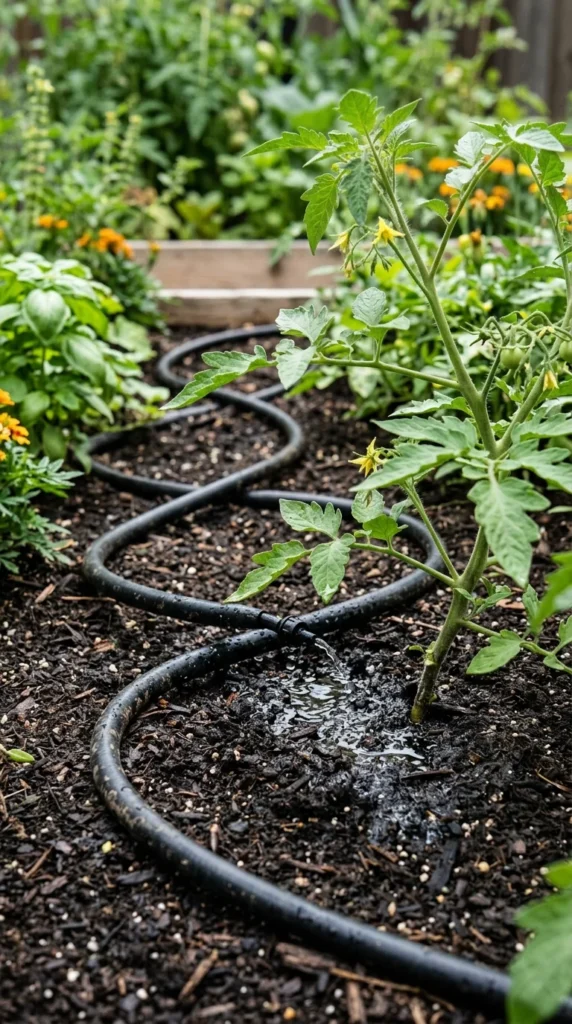
Summer vacations shouldn’t mean the death of your plants. A simple drip irrigation system delivers water directly to the roots, where it’s needed most, reducing evaporation and waste.
- The Process: Use a basic starter kit from a hardware store. Snake the porous soaker hose or emitter line through your beds and cover it with mulch to hide the tubing and retain moisture.
- Why it works: It saves hours of manual watering and prevents many fungal diseases caused by getting water on the leaves of sensitive plants like roses or cucumbers.
7. Garden Path
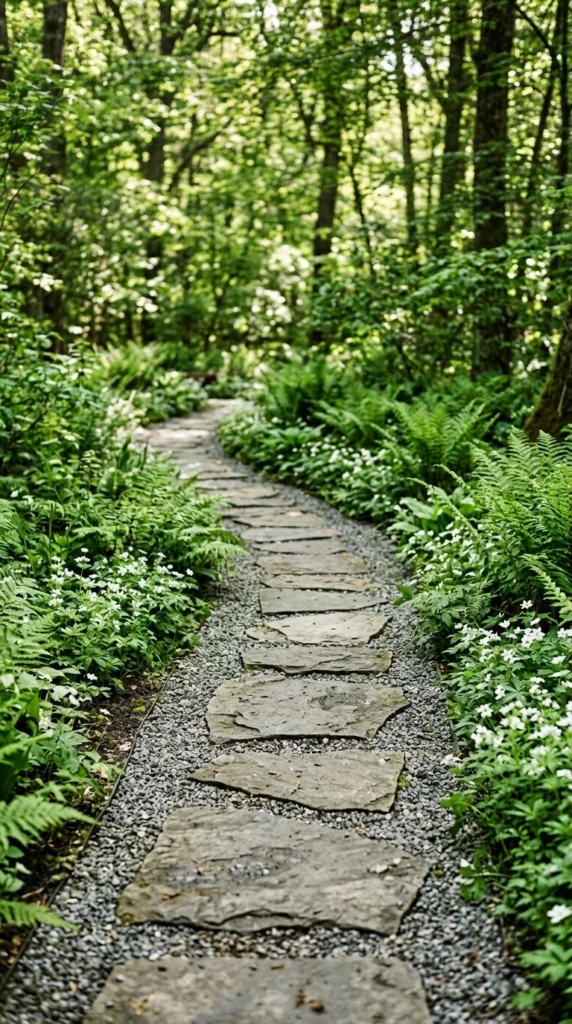
A path defines the “rooms” of your garden and prevents soil compaction by directing foot traffic. It adds structure and a sense of discovery to even the smallest yard.
- The Process: Lay out your path using a garden hose to find a natural curve. Dig out about two inches of soil, lay down landscape fabric, and fill with your choice of material—mulch, gravel, or stepping stones.
- Why it works: It keeps your shoes clean during rainy spells and provides a visual “spine” that ties different garden elements together.
8. Composting
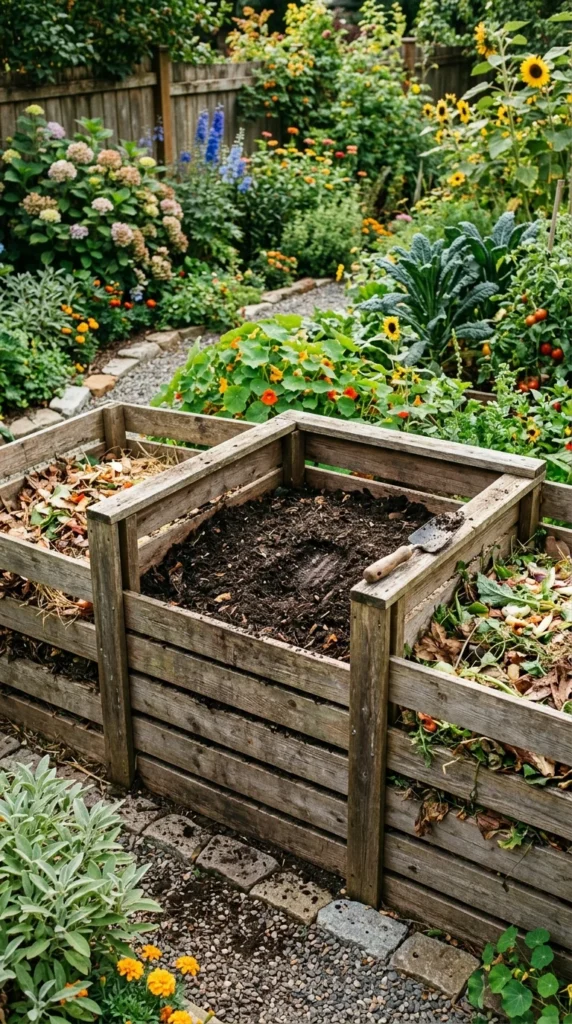
As autumn leaves begin to fall, it’s the perfect time to start a compost pile. Composting turns “waste” into the most nutrient-dense fertilizer you can get, often referred to by gardeners as “black gold.”
- The Process: Balance your “greens” (kitchen scraps, fresh grass clippings) with your “browns” (fallen leaves, shredded cardboard). Turn the pile occasionally to aerate it and speed up decomposition.
- Why it works: It reduces your household waste footprint and creates a self-sustaining cycle where your garden feeds itself.
9. Bulb Planting
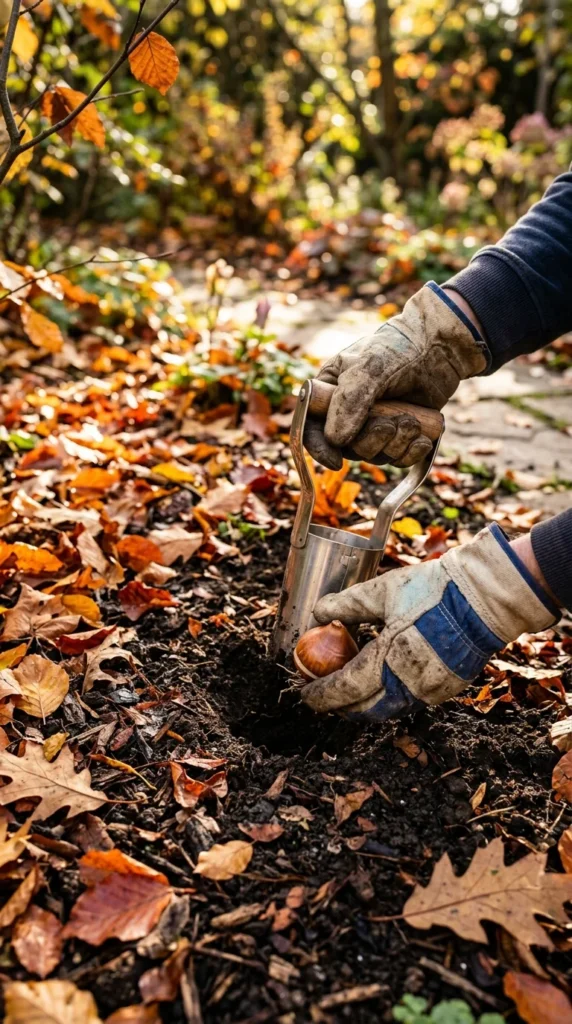
Fall is the season of secret-keeping. Planting bulbs in the autumn is an investment in your future happiness, as they will be the first signs of life to emerge when the snow melts.
- The Process: Dig holes roughly three times as deep as the bulb is tall. Drop the bulb in with the “pointy side” up, sprinkle in a little bone meal, and cover with soil.
- Why it works: Bulbs like tulips, daffodils, and alliums require a period of cold dormancy to bloom, making fall the mandatory time for this task.
10. Cold Frames
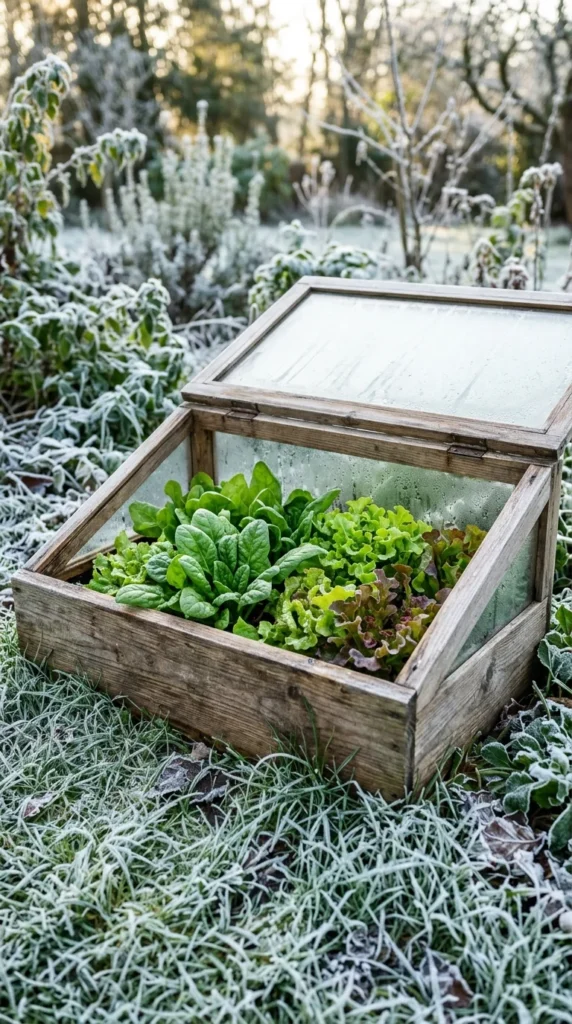
Extend your growing season into the late fall or even early winter with a cold frame. This simple structure acts like a miniature greenhouse, trapping solar heat and protecting plants from frost.
- The Process: Build a simple bottomless wooden box and top it with an old glass window or a sheet of clear polycarbonate. Angle the lid toward the south to capture maximum sunlight.
- Why it works: It allows you to harvest fresh greens like spinach and kale long after the first frost has claimed the rest of the garden.
11. Leaf Mold
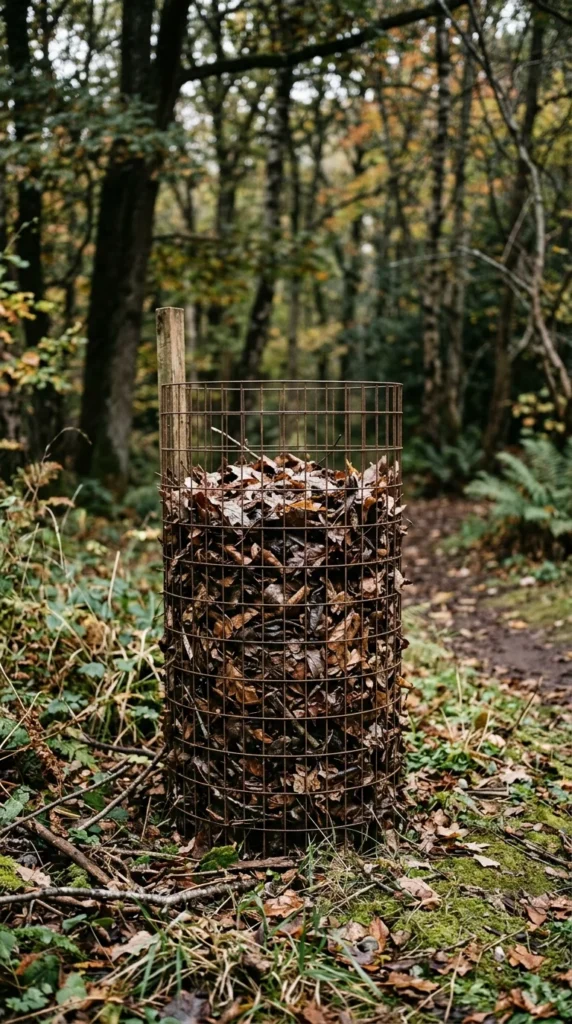
While compost is high in nutrients, leaf mold is the ultimate soil conditioner. It’s made entirely of decomposed leaves and is prized for its ability to hold massive amounts of water.
- The Process: Rake your autumn leaves into a simple wire cage or even just a large pile. Keep them moist and let fungi do the work over the next year.
- Why it works: It’s a “lazy” project that requires zero turning. In a year or two, you’ll have a crumbly, earthy material that makes the perfect mulch for moisture-loving plants.
12. Tool Care
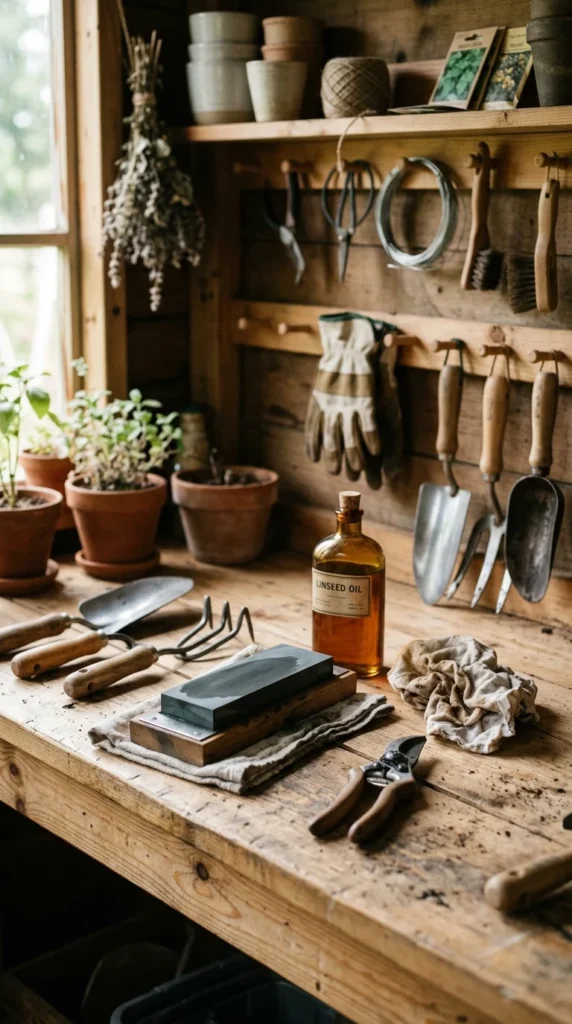
When the ground freezes and outdoor work stops, move into the shed or garage. Proper tool maintenance extends the life of your equipment and makes spring chores much easier.
- The Process: Scrub off any dried mud or rust using a wire brush. Sharpen the edges of spades and pruners with a file or whetstone, and rub wooden handles with linseed oil to prevent cracking.
- Why it works: Sharp tools are safer to use and make cleaner cuts on plants, which reduces the risk of disease transmission in your garden.
13. Terrariums
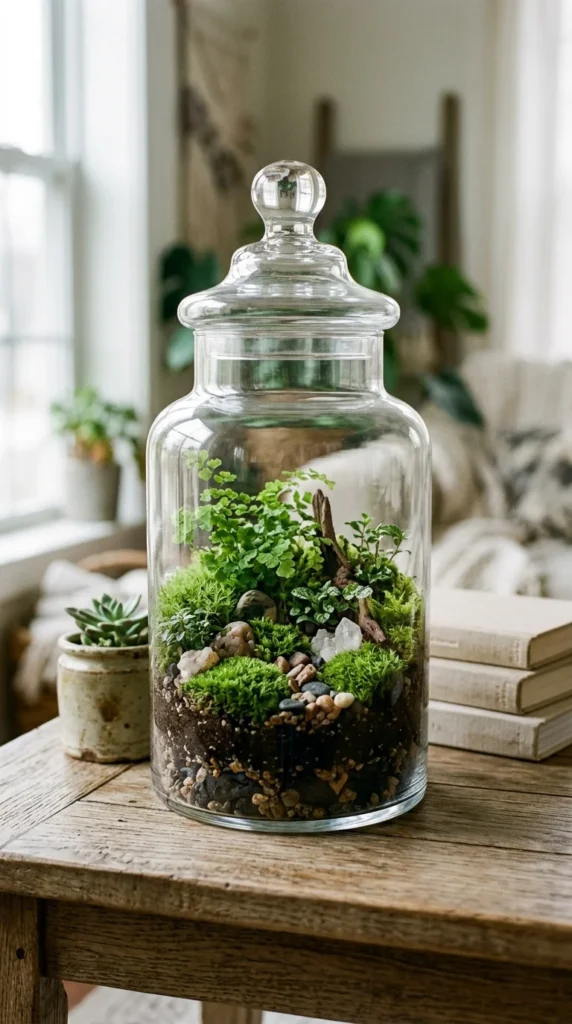
Bring the garden indoors during the winter months by creating a self-contained ecosystem. Terrariums are beautiful pieces of living decor that require very little maintenance once established.
- The Process: Choose a glass container. Layer pebbles for drainage, activated charcoal to keep the water fresh, and potting soil. Add humidity-loving plants like moss, ferns, or fittonia.
- Why it works: It satisfies the “gardening itch” when it’s too cold to be outside and adds a refreshing pop of greenery to your indoor living space.
14. Vertical Planters
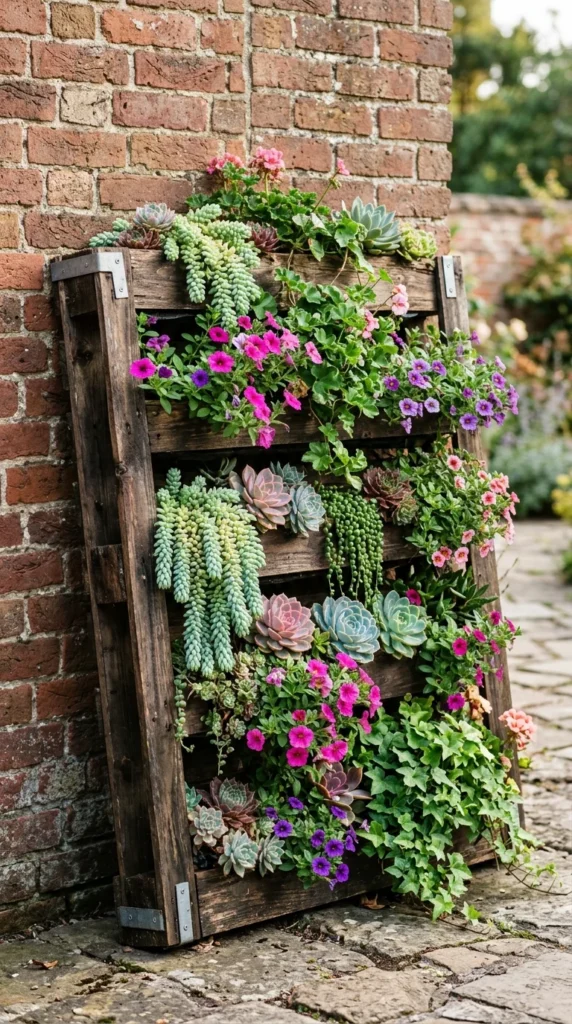
If you are short on space, the only way to go is up. Vertical planters turn walls and fences into productive growing spaces, making them perfect for urban gardeners.
- The Process: You can use hanging pockets, stacked pots, or even a repurposed wooden pallet lined with landscape fabric. This setup is ideal for strawberries, herbs, or cascading flowers like petunias.
- Why it works: It maximizes your square footage and creates a stunning visual “living wall” that can provide privacy and shade.