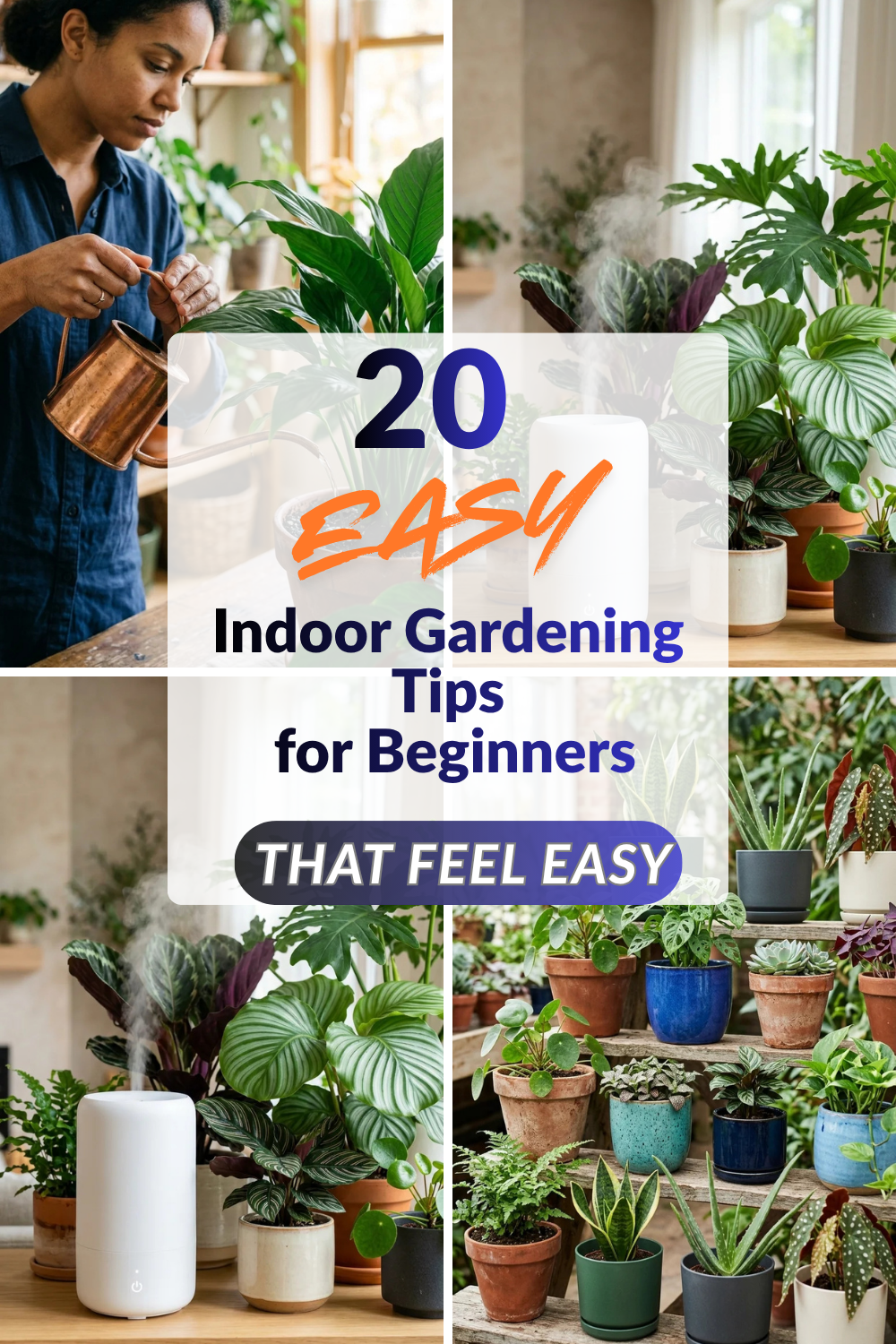
Indoor gardening is more than just a home decor trend; it is a lifestyle shift that brings nature into your sanctuary. Whether you live in a sprawling house or a compact city apartment, cultivating a green thumb is a rewarding journey that improves air quality, reduces stress, and adds a vibrant pulse to your living space. However, for many beginners, the transition from “plant admirer” to “plant parent” can feel daunting.
The secret to a thriving indoor garden isn’t a magical gift; it’s about understanding the fundamental needs of your botanical companions. From the way light hits your windows to the frequency of your watering routine, small adjustments make a world of difference. This comprehensive guide outlines 20 essential, easy-to-follow tips that will help you move past the “trial and error” phase and into a world of lush, healthy greenery.
1. Light
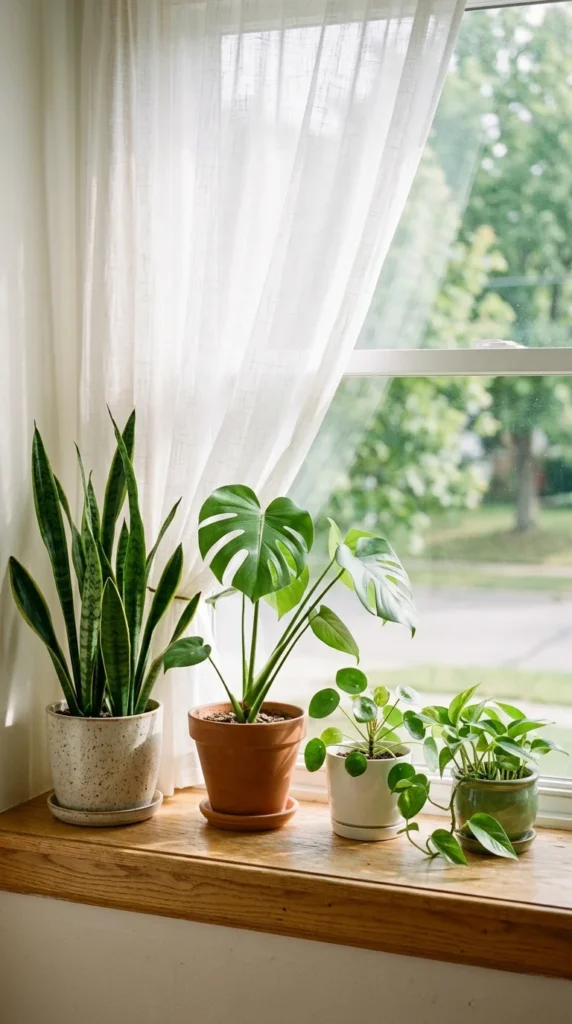
Light is the primary food source for your plants through photosynthesis. Every plant has a specific light preference: low, medium, or bright. Before buying a plant, observe your home’s light patterns. South-facing windows usually offer the brightest, most direct light, while north-facing windows provide lower, consistent light. If your home lacks natural light, don’t worry—LED grow lights can mimic the sun’s spectrum and keep your plants happy even in windowless corners.
2. Watering
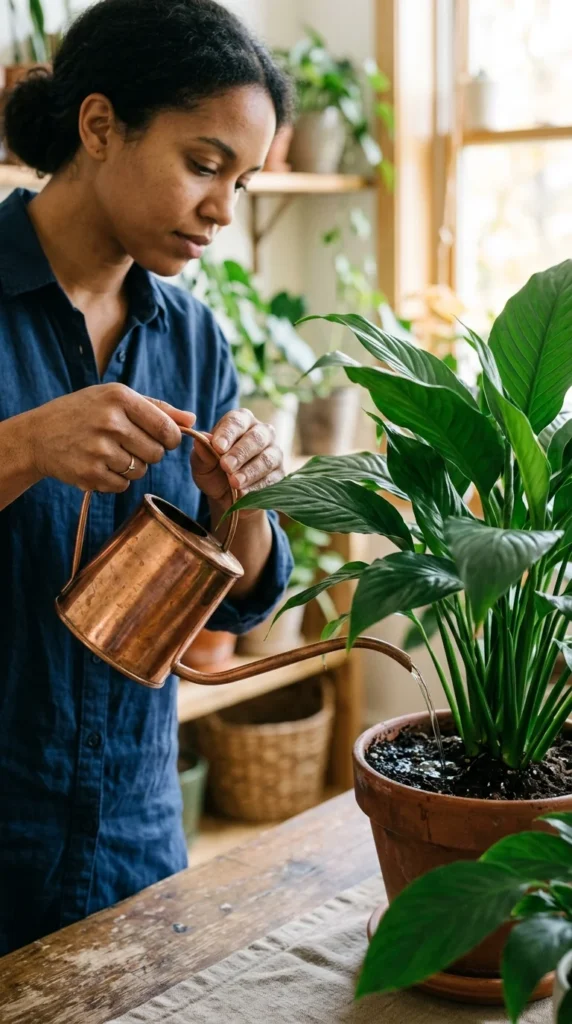
The most common cause of plant death is overwatering. Instead of sticking to a rigid calendar schedule, use the “finger test.” Stick your finger about an inch into the soil; if it feels dry, it’s time to water. If it’s still damp, wait a few more days. Different plants have different needs—cacti love to dry out completely, while ferns prefer to stay consistently moist. Always use room-temperature water to avoid shocking the delicate root systems.
3. Drainage
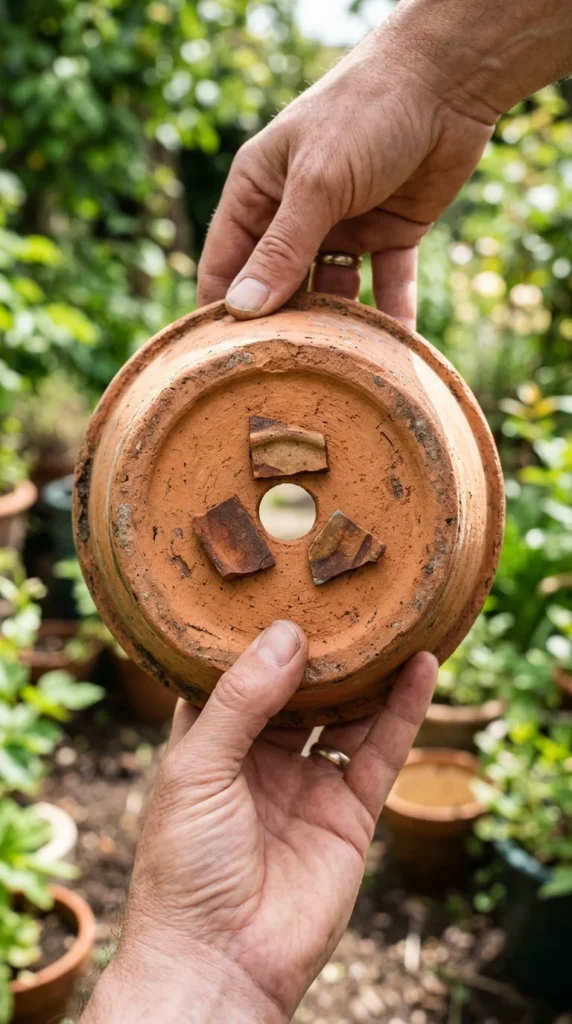
Never let your plants sit in “wet feet.” Proper drainage is non-negotiable. Ensure every pot has at least one hole at the bottom to allow excess water to escape. If you find a decorative pot (a “cachepot”) without a hole, keep your plant in a plastic nursery pot with holes and place that inside the decorative one. This allows you to take the inner pot to the sink, water it, let it drain, and then return it to its stylish home.
4. Pots
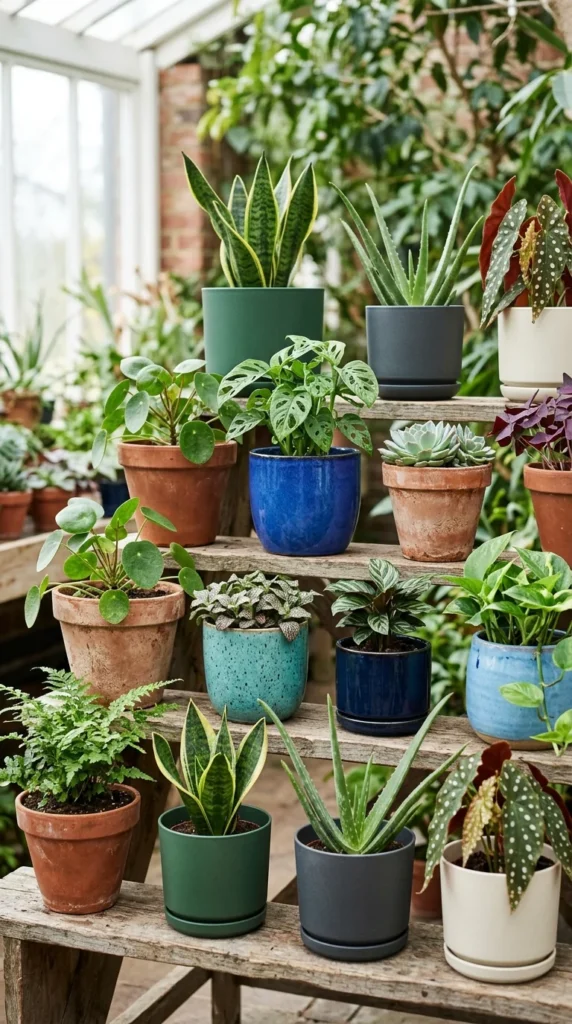
The size and material of your pot matter. Terracotta is porous and breathes, making it great for plants that like to dry out, like succulents. Plastic and glazed ceramic hold moisture longer, which is ideal for tropical plants. When choosing a size, don’t go too big too fast. A pot that is significantly larger than the root ball will hold too much water, leading to soil stagnation and root rot.
5. Soil
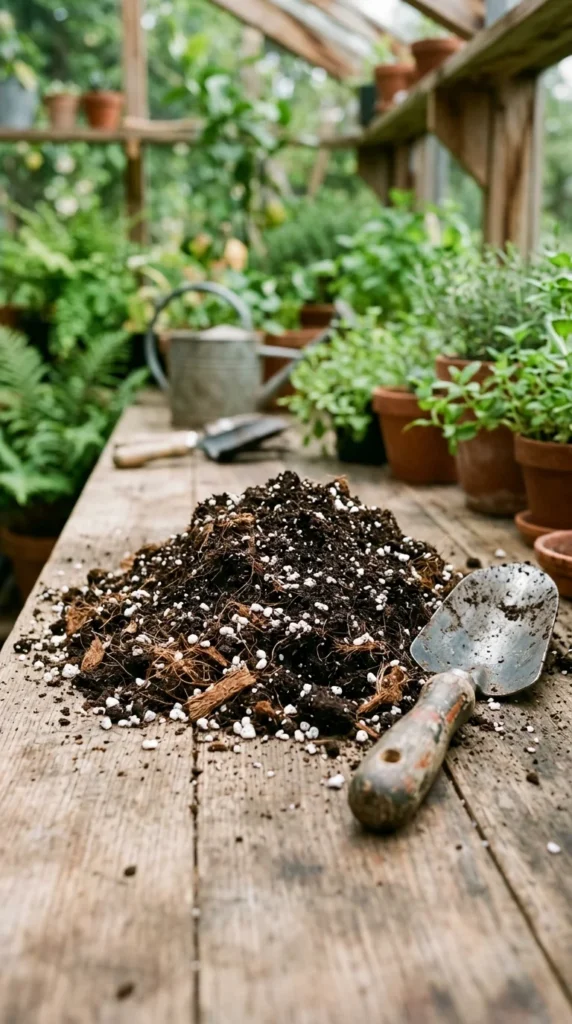
Garden soil from your backyard is too heavy and may contain pests or diseases. For indoor gardening, always use a high-quality “potting mix.” These mixes are lightweight, sterile, and designed to provide the perfect balance of aeration and moisture retention. You can even find specialized mixes for specific plants, such as gritty sand-based mixes for cacti or chunky bark-based mixes for orchids.
6. Fertilizer
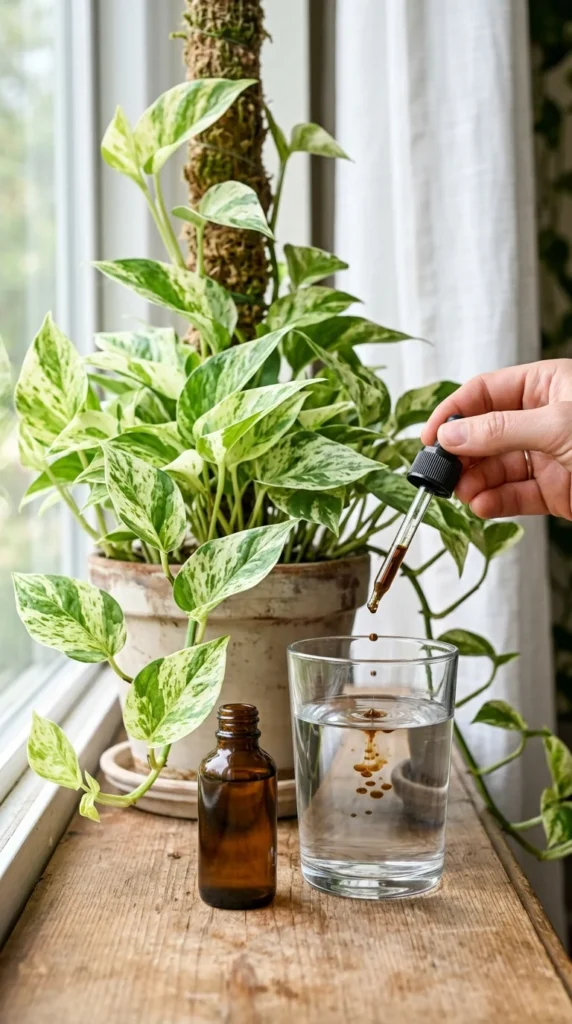
Plants need nutrients to grow, especially during the spring and summer. Think of fertilizer as a multivitamin. During the “growing season,” use a balanced, water-soluble fertilizer once a month. In the winter, most plants go dormant and don’t need the extra boost, so it’s best to stop fertilizing until the days get longer again. Always dilute your fertilizer to half-strength to prevent “fertilizer burn” on the roots.
7. Humidity
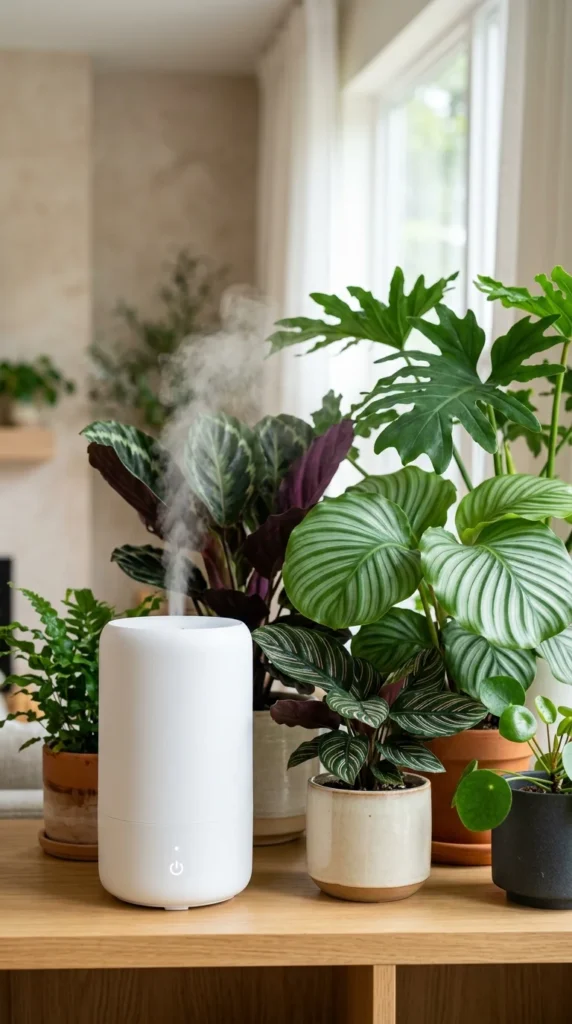
Most houseplants originate from tropical regions where the air is thick with moisture. Our heated or air-conditioned homes are often too dry for them. You can boost humidity by misting your plants, placing them on a tray filled with pebbles and water (the “pebble tray” method), or using a dedicated humidifier. Grouping plants together also creates a small microclimate where they share the moisture they release through their leaves.
8. Airflow
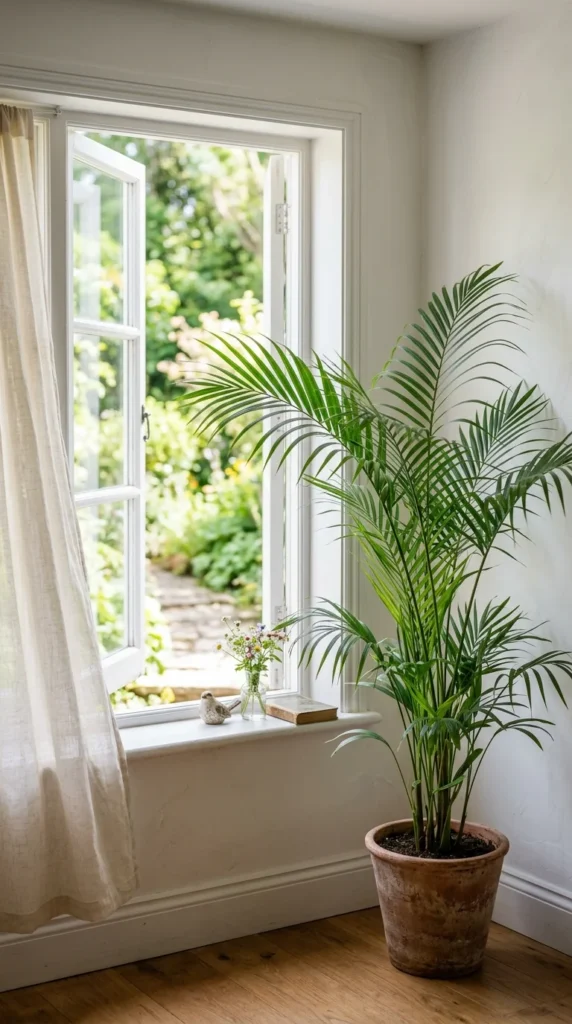
Stagnant air can lead to fungal growth and pest infestations. While you should avoid placing plants directly in the path of an icy air conditioner vent or a scorching heater, a bit of gentle air circulation is healthy. Opening a window on a mild day or using a ceiling fan on a low setting helps strengthen the plant’s stems and prevents moisture from sitting too long on the foliage.
9. Pruning
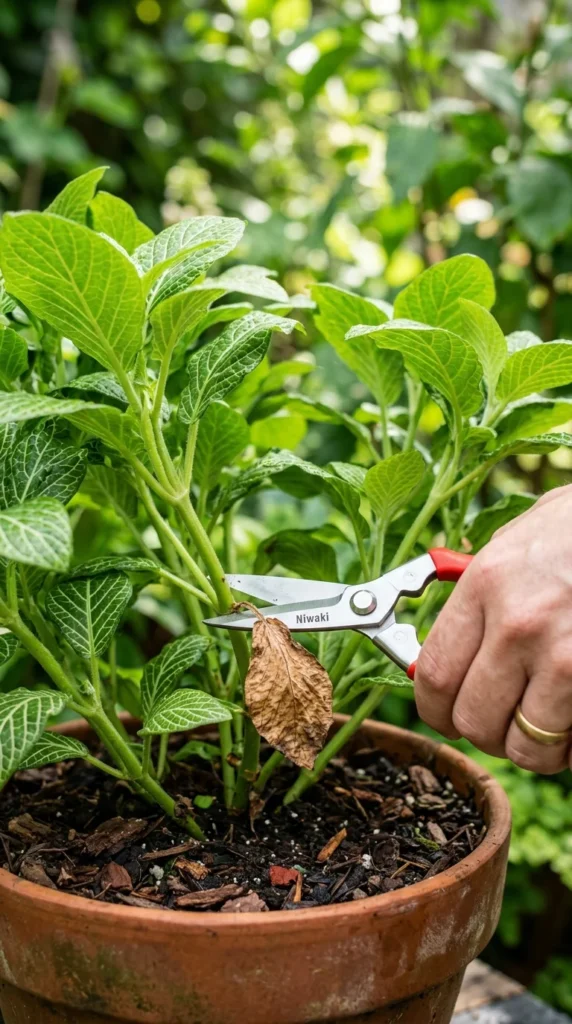
Pruning isn’t just about aesthetics; it’s about health. Removing yellowing or dead leaves allows the plant to redirect its energy toward producing new, healthy growth. It also prevents rot from spreading. If a plant is getting too “leggy” (long stems with few leaves), pinching back the tips can encourage it to grow bushier and fuller.
10. Pests
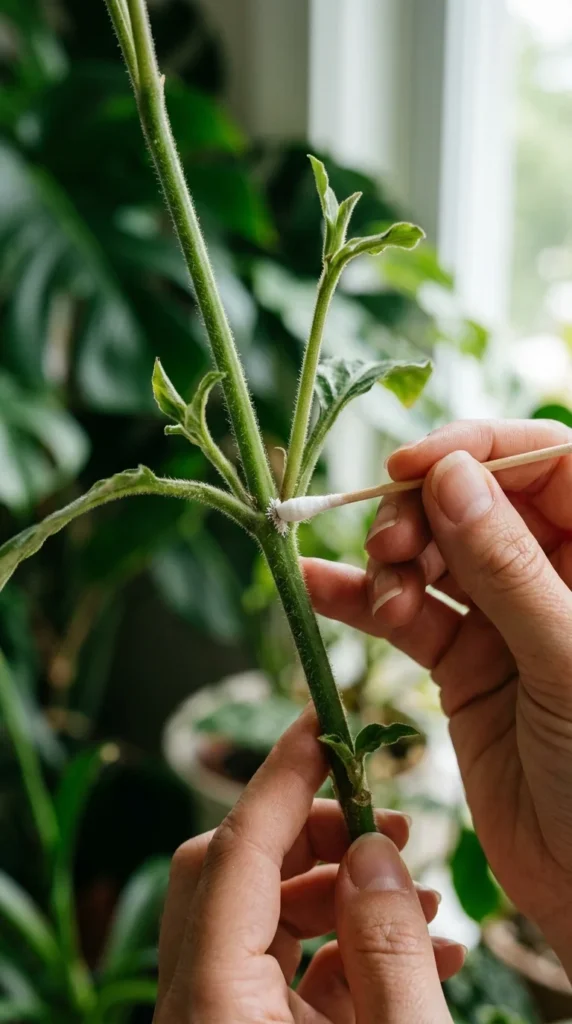
Keep a close eye on your plants. Look for signs of “unwanted guests” like spider mites, aphids, or fungus gnats. If you spot tiny webs or sticky residue on the leaves, isolate the plant immediately to prevent the pests from spreading to your entire collection. Most common pests can be treated with a simple spray of neem oil or a mixture of water and mild dish soap.
11. Dusting
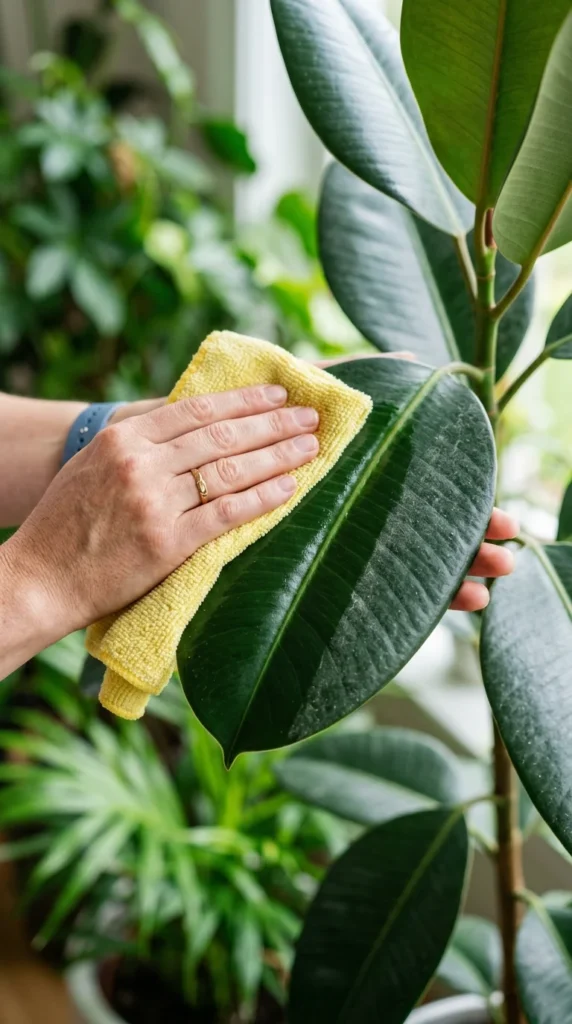
Dust acts as a barrier between the sun and your plant’s leaves, making it harder for the plant to “breathe” and photosynthesize. Once every few weeks, gently wipe the leaves with a damp cloth. For plants with many small leaves, you can give them a gentle “shower” in the sink or bathtub with lukewarm water to rinse away the debris.
12. Rotation
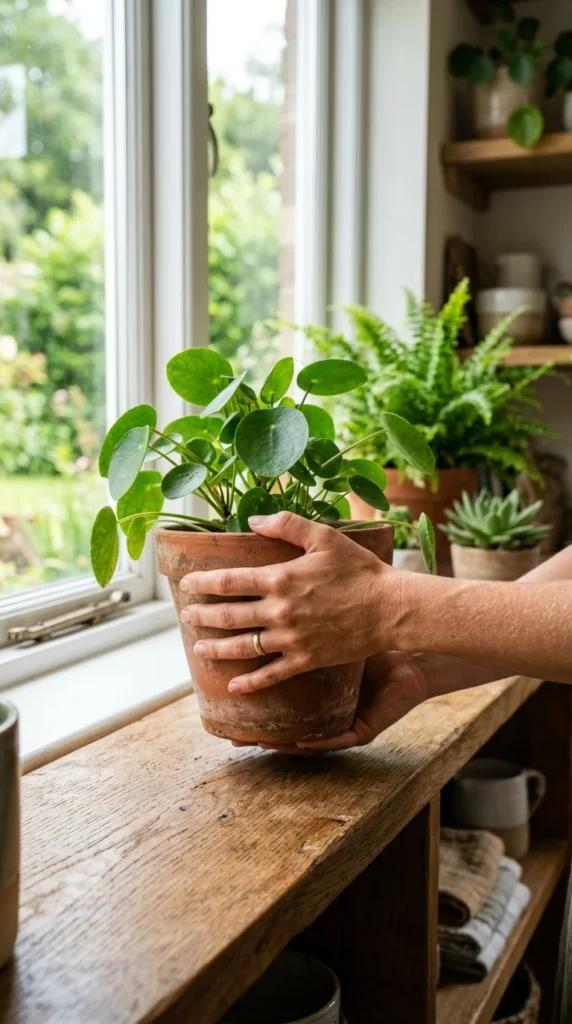
Plants naturally grow toward their light source, a phenomenon called phototropism. If you don’t rotate your pots, your plants will eventually lean significantly in one direction and become lopsided. Give your pots a quarter-turn every time you water them. This ensures that all sides of the plant receive equal light, resulting in a balanced, upright shape.
13. Temperature
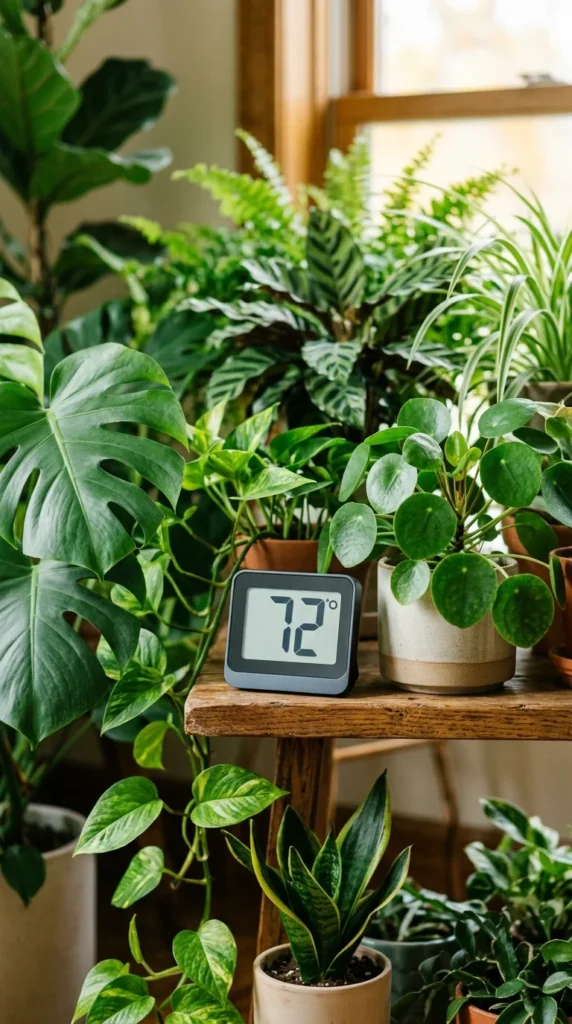
Most houseplants thrive in temperatures between 65°F and 75°F (18°C–24°C), which is the standard range for most homes. The key is consistency. Avoid placing plants in “drafty” areas like near a frequently opened front door in winter or right next to a radiator. Extreme temperature fluctuations can cause leaves to drop and stress the plant’s system.
14. Grouping
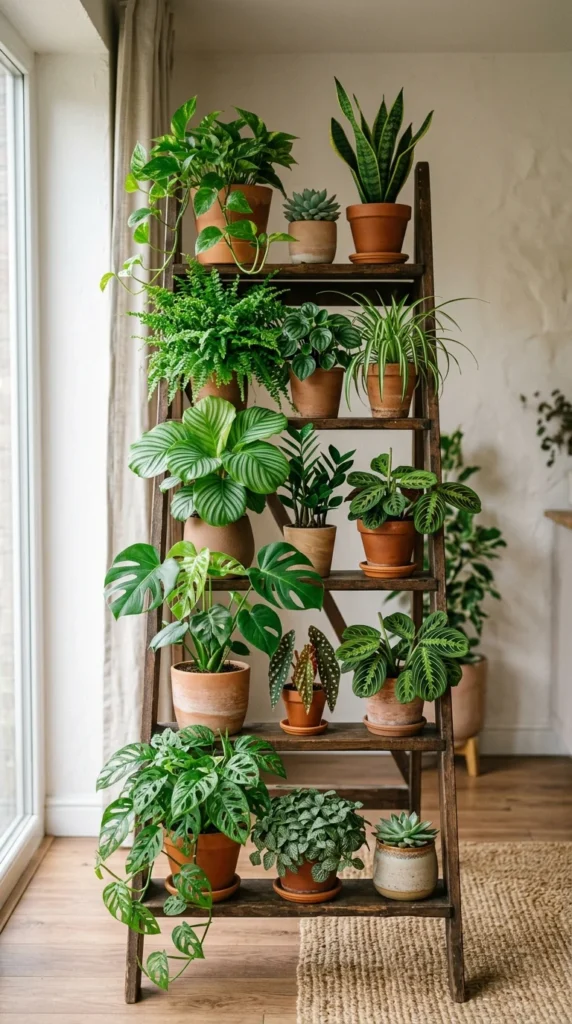
Plants are social creatures—well, sort of. Grouping your plants together is an excellent way to maintain higher humidity levels through a process called transpiration. As plants “breath,” they release moisture. When they are clustered, they create their own humid “mini-forest.” Plus, grouped plants look visually stunning and make it easier for you to perform your maintenance routine in one go.
15. Repotting
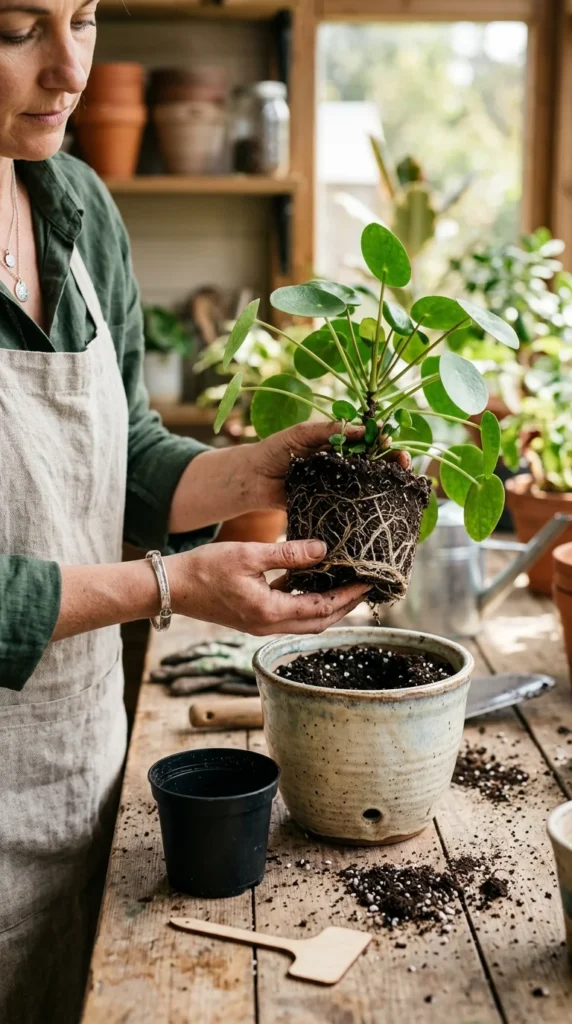
If you see roots growing out of the drainage holes or if the water runs straight through the pot without soaking in, your plant is likely “root-bound.” This means it has outgrown its current home. Every year or two, move your plant into a pot that is one size larger (about 1–2 inches wider in diameter). Spring is the best time for repotting as the plant is entering its peak growth phase.
16. Propagation
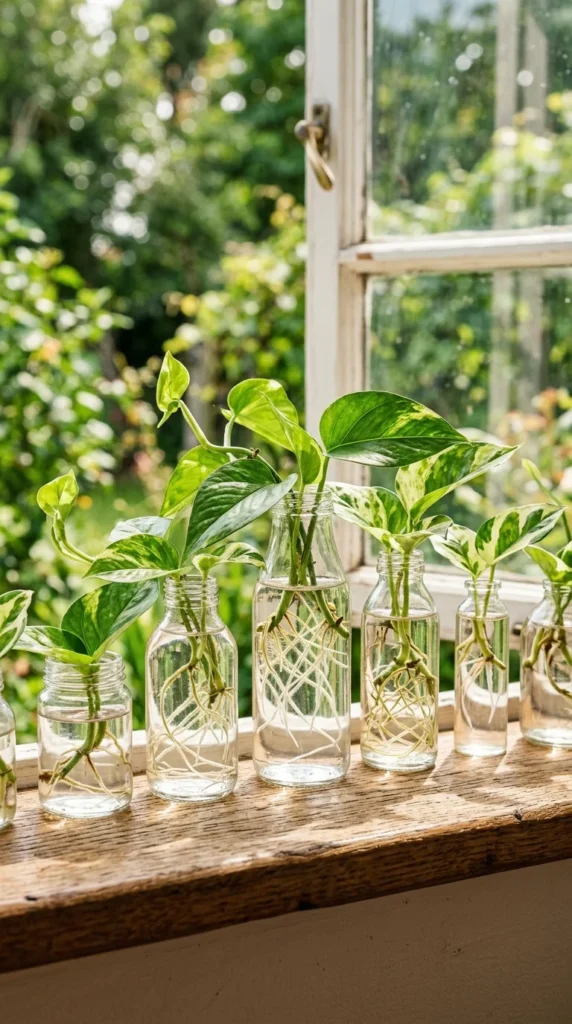
One of the most exciting parts of indoor gardening is making new plants for free! Propagation involves taking a cutting from a healthy parent plant and growing roots from it. Many common plants, like Pothos, Tradescantia, and Philodendrons, can be easily propagated in a simple jar of water. Once the roots are a few inches long, you can pot them in soil and start a brand-new plant.
17. Herbs
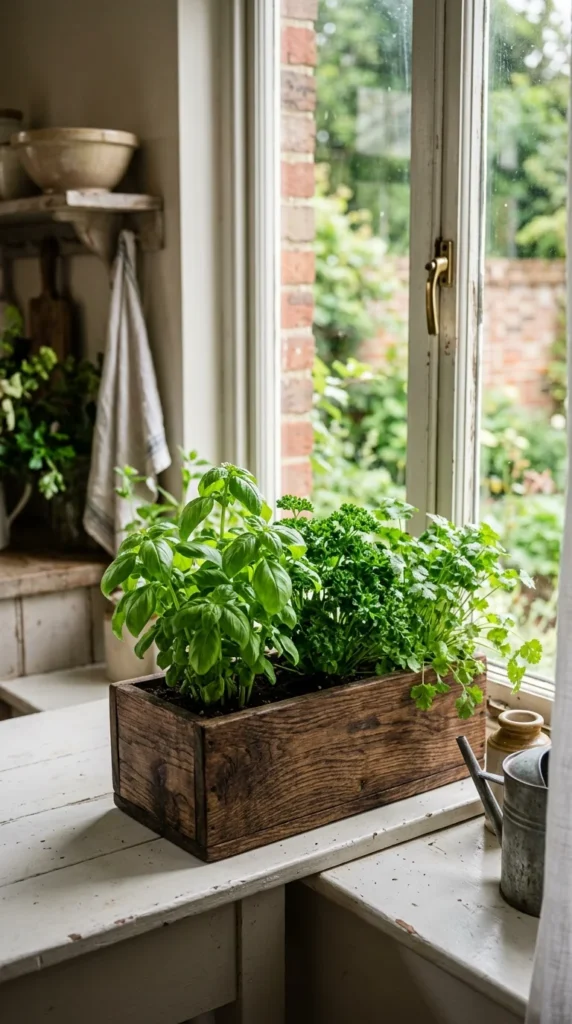
If you want a garden that is both beautiful and functional, start an indoor herb garden. Herbs like mint, basil, chives, and rosemary can grow perfectly well on a sunny kitchen windowsill. Not only do they provide a fresh scent, but you’ll also have a constant supply of organic ingredients for your cooking. Just remember that herbs typically require more direct sunlight than average houseplants.
18. Succulents
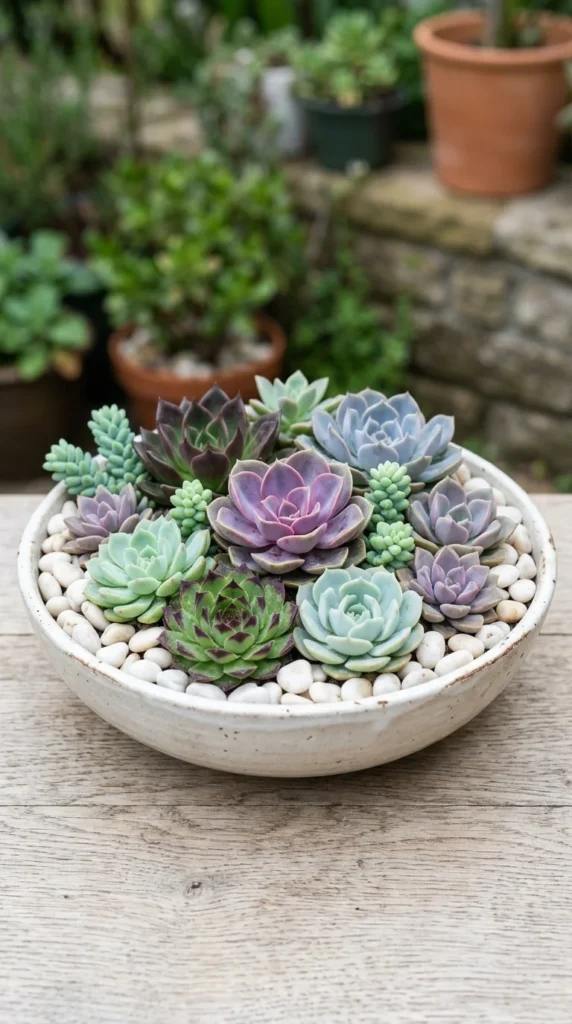
For those who tend to forget to water, succulents are the perfect entry point. These plants store water in their fleshy leaves and stems, making them incredibly drought-tolerant. They need very bright light and soil that drains rapidly. The number one rule with succulents? When in doubt, don’t water. They are far more likely to die from too much love (water) than from neglect.
19. Research
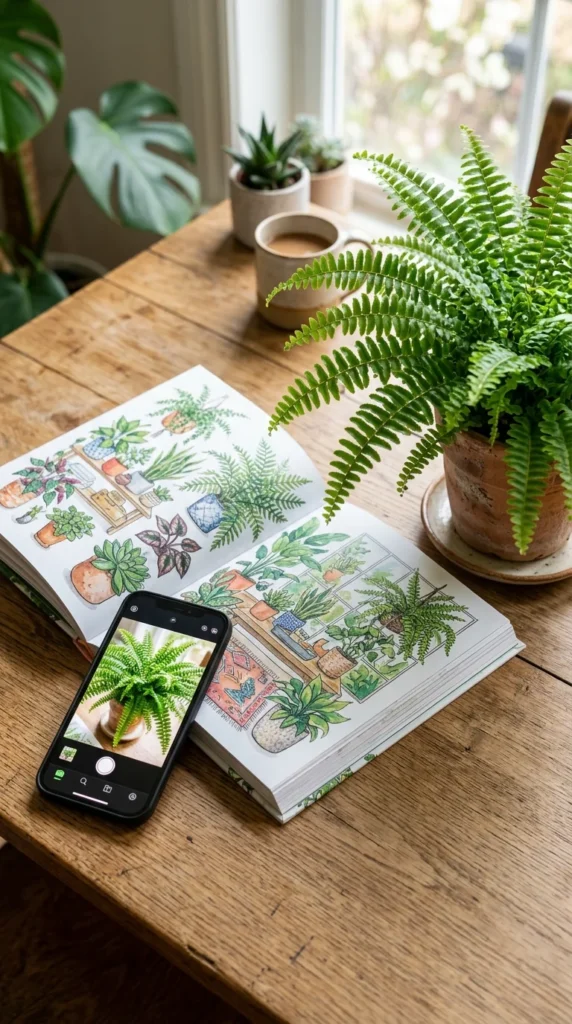
Every plant has a story and a specific set of needs based on its natural habitat. When you bring a new plant home, take five minutes to look up its specific requirements. Does it like to be misted? Does it prefer indirect light? Is it toxic to pets? Knowledge is your best tool for success. Using a plant identification app can help you identify mystery plants and set reminders for care tasks.
20. Patience
Gardening is a marathon, not a sprint. You will have plants that thrive and others that, despite your best efforts, might struggle. Don’t be discouraged by a yellow leaf or a slow-growing sprout. Gardening is a learning process. Observe how your plants react to changes, celebrate every new leaf, and enjoy the calming presence that greenery brings to your life. With time and a little bit of care, you’ll be amazed at how much your indoor garden can grow.