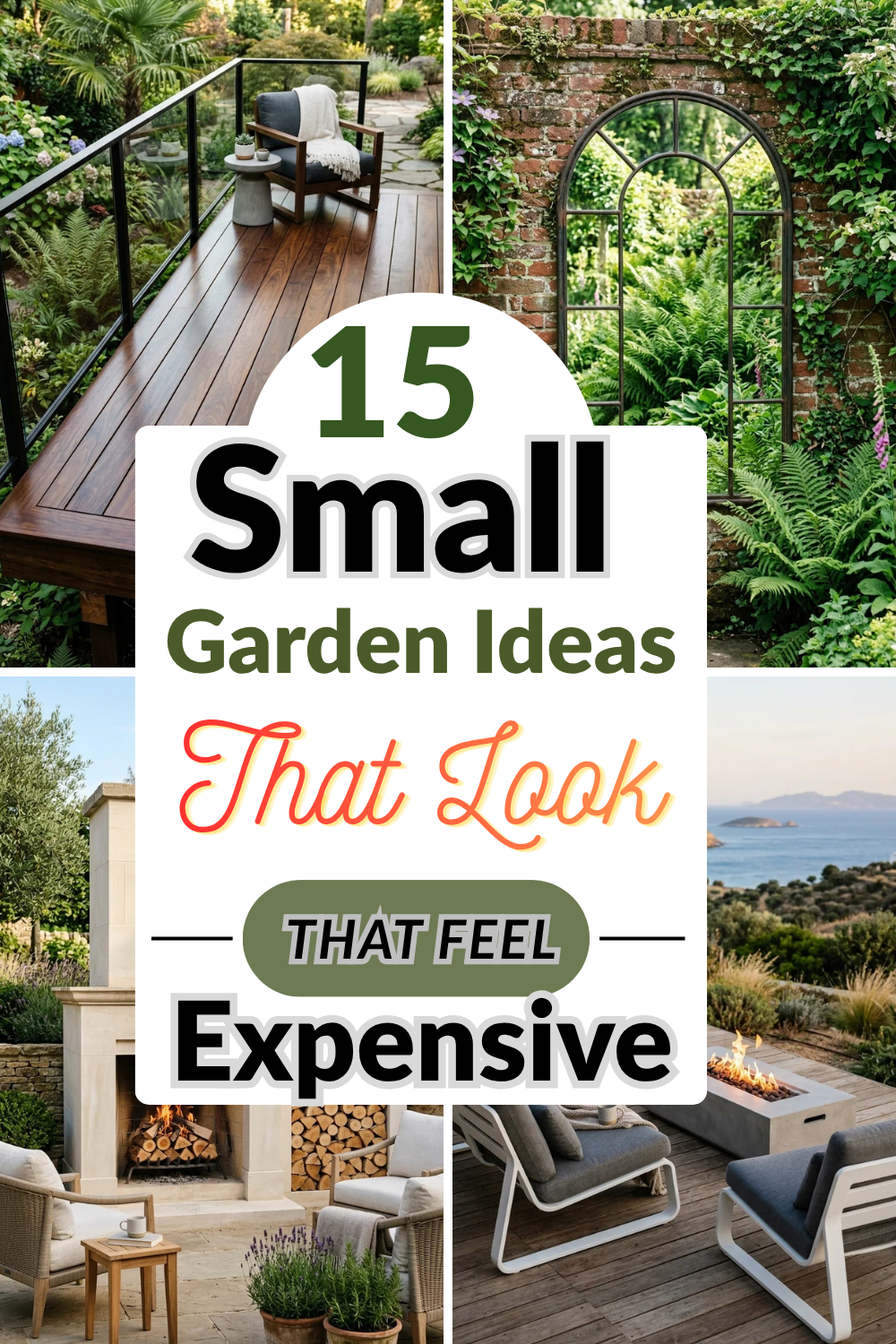
Creating a high-end garden doesn’t require a sprawling estate or a million-dollar budget. When it comes to outdoor design, “expensive” is often more about intentionality, cohesive textures, and clever focal points than it is about the square footage. In a small garden, every detail is magnified, providing a unique opportunity to curate a space that feels like a private boutique hotel retreat. By focusing on structural elements, sophisticated color palettes, and layered lighting, you can transform a modest patio or a tiny backyard into a high-end sanctuary.
1. Monochromatic Planting
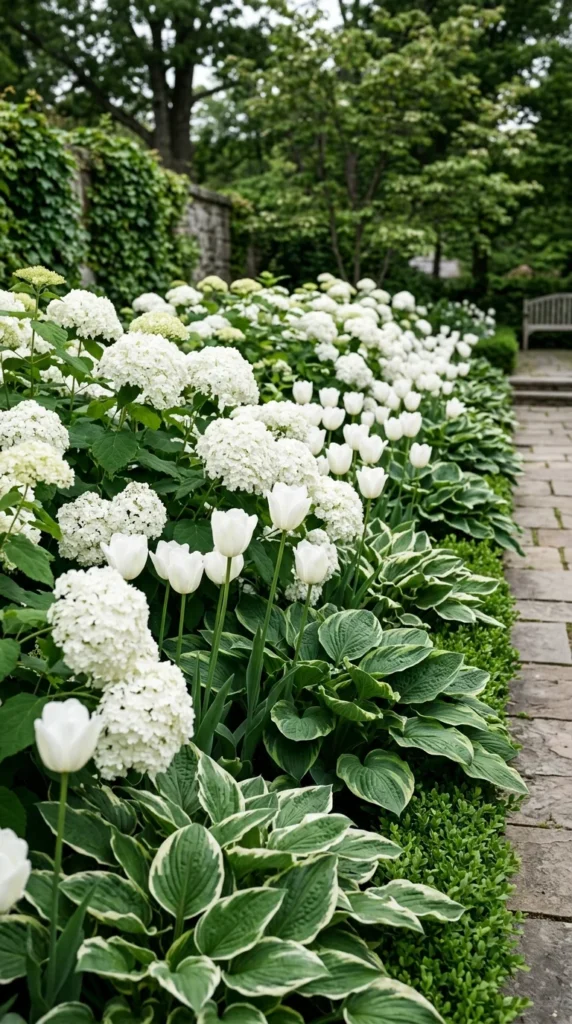
One of the easiest ways to make a small garden look professionally designed is to stick to a restricted color palette. A monochromatic scheme—particularly one focused on white flowers and various shades of green foliage—screams “luxury.” This classic “Moon Garden” look feels serene, organized, and intentional. By stripping away a chaotic rainbow of colors, you allow the textures of the leaves and the shapes of the petals to take center stage. Consider white hydrangeas, lilies, and gardenias against dark green boxwoods or ferns.
2. Layered Lighting
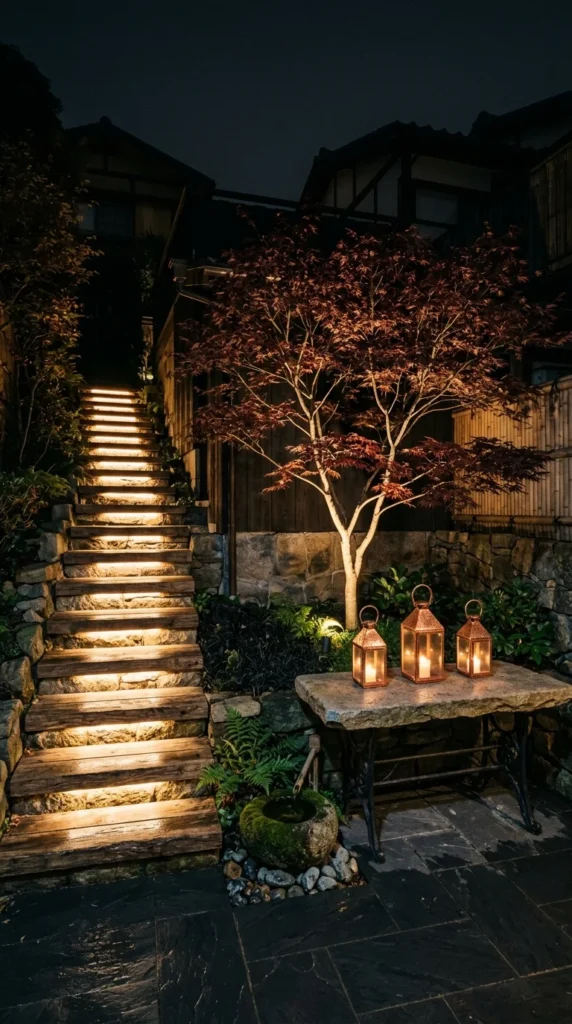
Lighting is the secret weapon of high-end landscape architects. Instead of one bright floodlight, aim for “layered” lighting. This involves combining different types of light to create depth: uplighting to highlight the bark of a tree, path lights for safety, and accent lights to graze a stone wall. Warm-toned LEDs (2700K) provide a golden glow that makes even the simplest wooden fence look like an architectural feature. Strategic shadows are just as important as the light itself, adding a sense of mystery and scale to a small area.
3. Geometric Paving
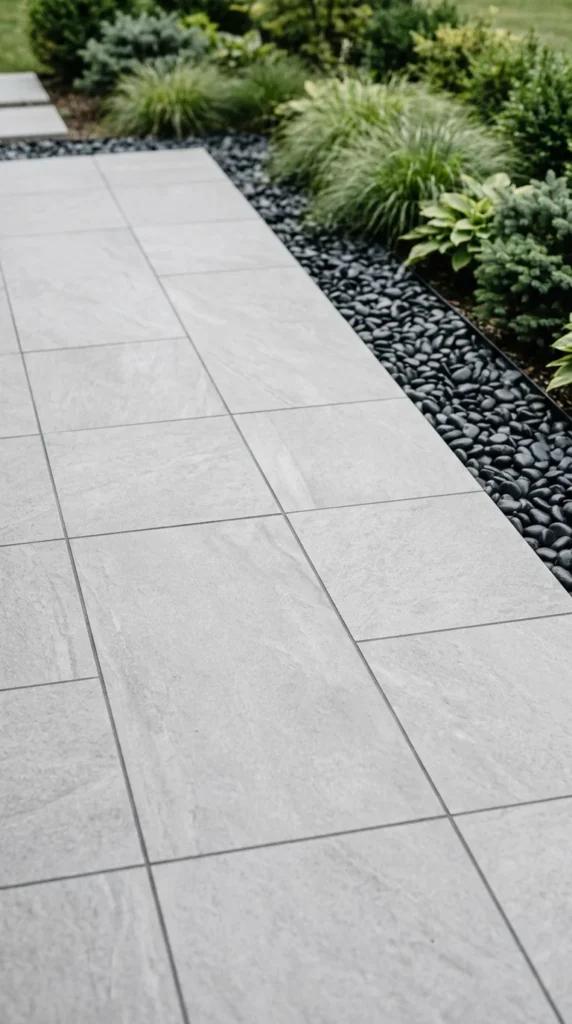
The ground you walk on sets the tone for the entire garden. To achieve an expensive look, move away from small, busy pavers and opt for large-format tiles or geometric patterns. Oversized porcelain or natural stone slabs make a small space feel larger because there are fewer grout lines to break up the visual field. Laying stones in a crisp herringbone or a clean grid pattern provides a sense of structural order that mimics high-end modern architecture.
4. Minimalist Water
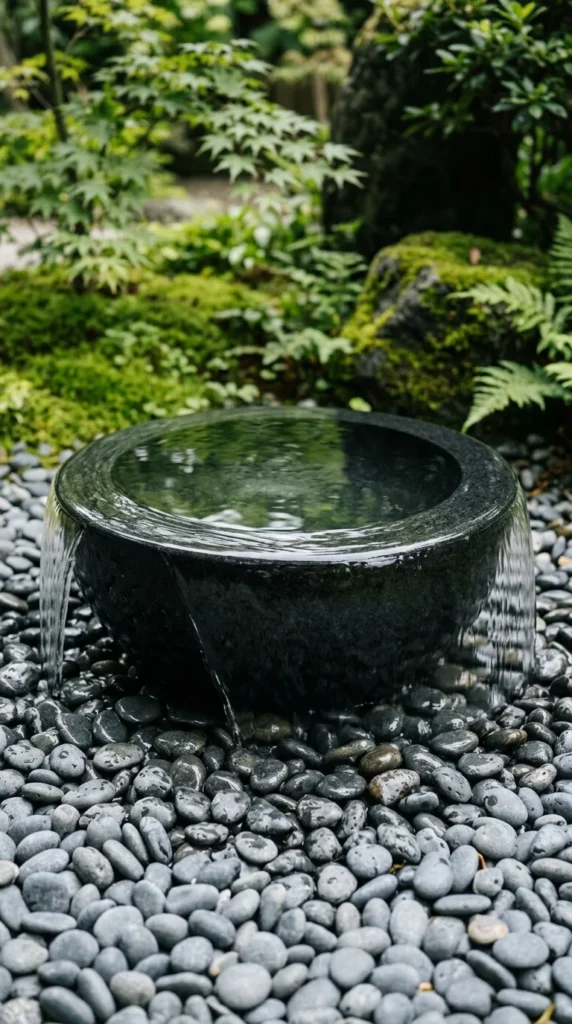
The sound of running water instantly elevates the sensory experience of a garden, making it feel like a spa. In a small space, skip the ornate tiered fountains and go for a minimalist water feature. A simple stone bowl, a sleek steel rill, or a wall-mounted spout creates a sophisticated focal point without taking up much room. The key is to keep the design clean—avoiding plastic components or visible pumps—and focusing on the reflection of the sky in the water’s surface.
5. Vertical Greenery
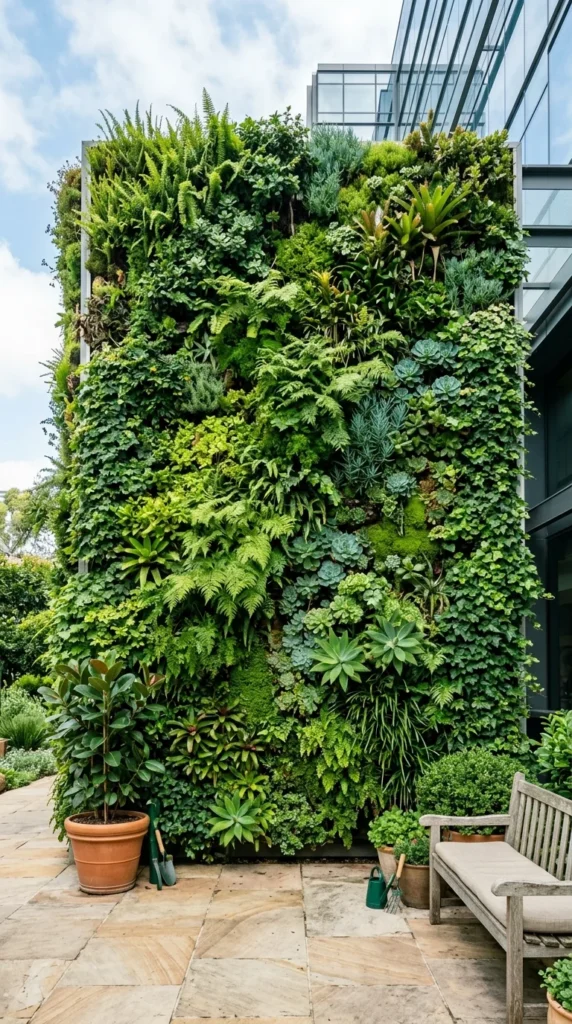
When floor space is limited, luxury goes vertical. A “living wall” or a series of high-quality trellises covered in climbing jasmine or wisteria creates a lush, immersive environment. Vertical gardening hides ugly boundary walls and replaces them with a tapestry of texture. For a more structured “expensive” look, use a modular green wall system that covers the entire surface, making the garden feel like a verdant, secluded room rather than just a backyard.
6. Hardwood Decking
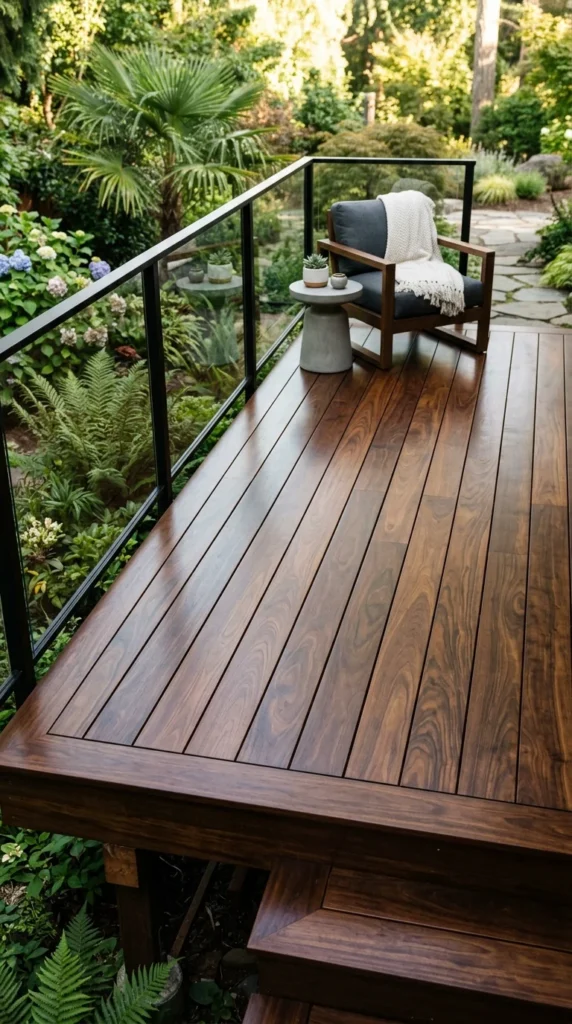
Standard pressure-treated pine decking can look DIY and rustic. For an upscale finish, look toward hardwoods like Ipe, Cumaru, or high-end composite materials that mimic exotic woods. These materials have a rich, deep grain and can be installed with “invisible” fasteners so no screw heads are visible. A well-maintained hardwood deck feels like an extension of your indoor living room, blurring the lines between inside and out.
7. Statement Furniture
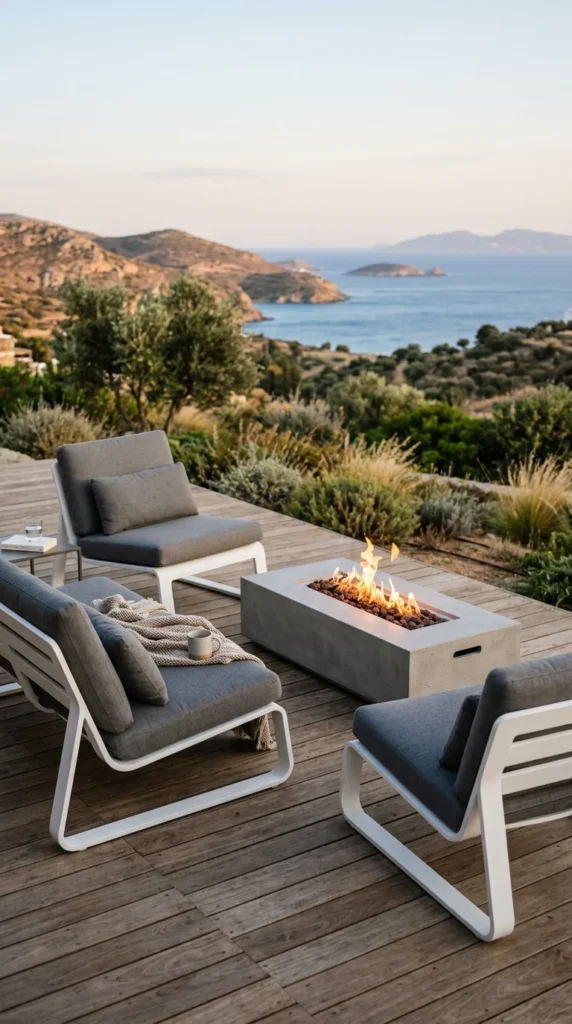
In a small garden, furniture shouldn’t just be functional; it should be sculptural. Rather than a bulky six-piece dining set that cramps the space, opt for two high-quality statement chairs or a sleek, built-in bench. Materials like powder-coated aluminum, teak, or woven rope offer a contemporary, designer feel. Choosing pieces with “breathing room”—such as furniture with slim legs rather than solid bases—keeps the garden feeling airy and expansive.
8. Garden Mirrors
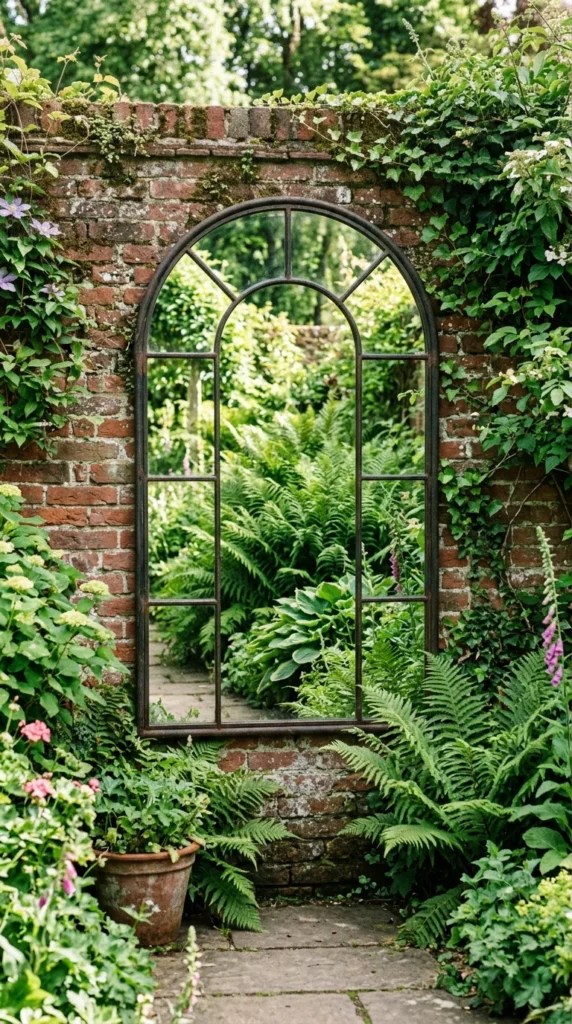
Interior designers use mirrors to double the size of rooms, and the same trick works outdoors. A large, weather-treated mirror placed at the end of a path or mounted on a dark wall creates an “Alice in Wonderland” illusion of a hidden garden beyond. When framed in an architectural style—like a Gothic arch or a modern grid—a mirror acts as a “faux window,” adding depth and a touch of grand estate elegance to a confined courtyard.
9. Architectural Topiary
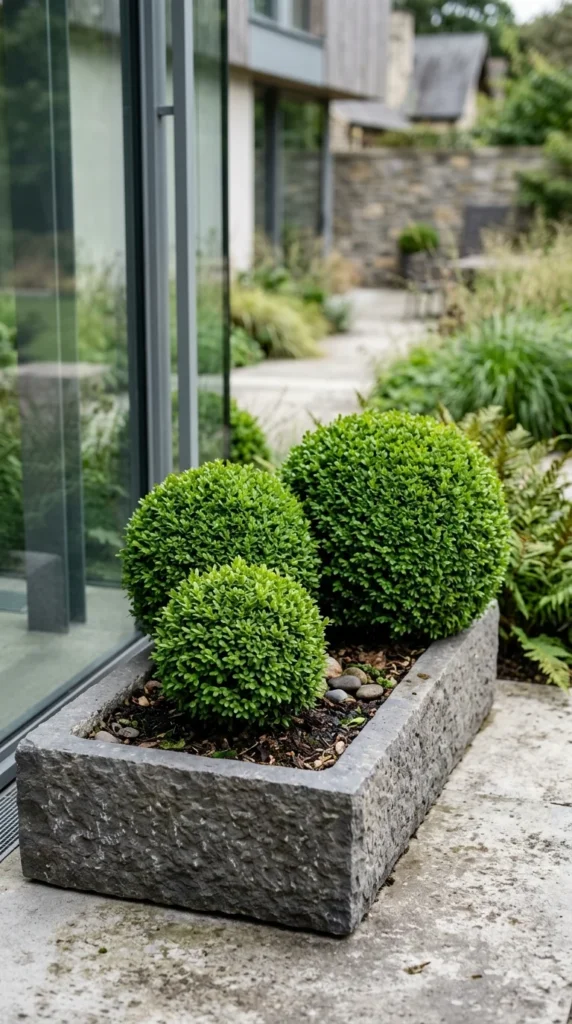
Nothing says “manicured luxury” like topiary. Adding structured, evergreen shapes like spheres, cones, or spirals provides a year-round framework for the garden. These architectural plants give the eye a place to rest and suggest a high level of maintenance and care. For a modern, expensive look, group topiary in odd numbers (threes or fives) and use different heights to create a sense of rhythm and movement.
10. Seamless Transitions
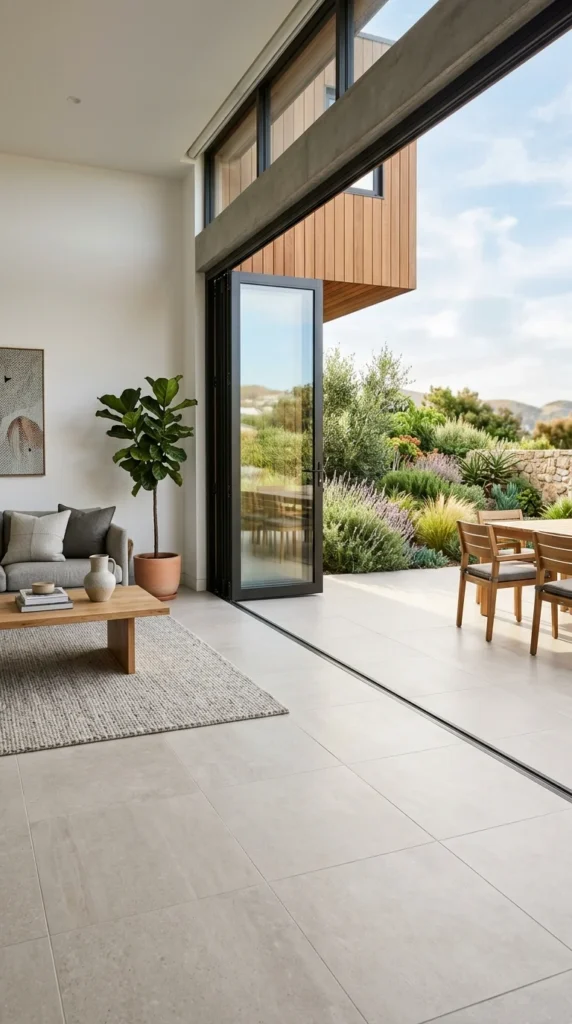
A hallmarks of high-end residential design is the “inside-out” flow. You can achieve this by using the same flooring material for your interior kitchen or lounge and your outdoor patio. When the levels are perfectly flush and the colors match, the eye doesn’t see a boundary, making both the house and the garden feel significantly larger and more integrated. This architectural continuity is a staple of luxury Mediterranean and Californian homes.
11. Stone Fireplaces
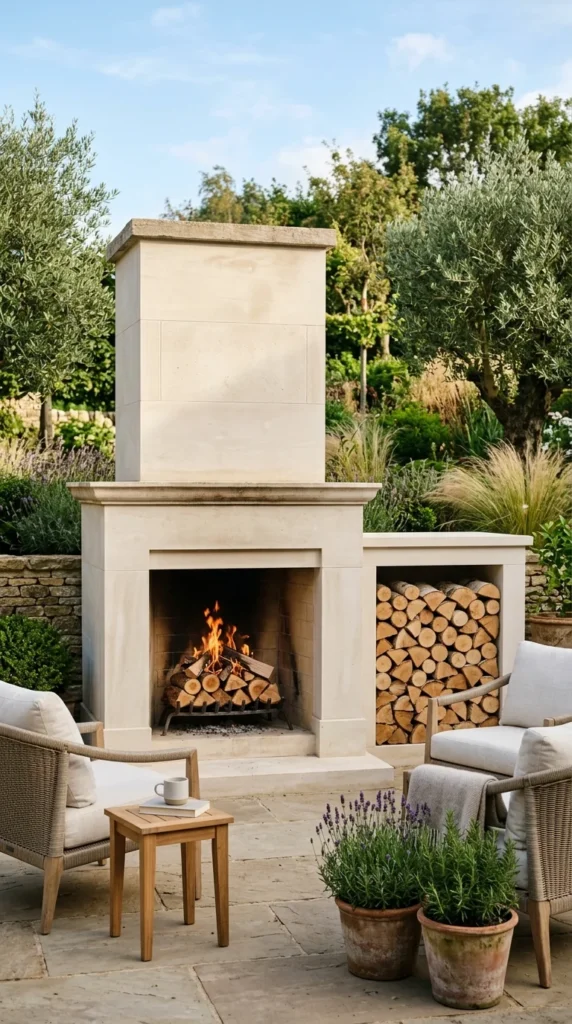
While a portable metal fire pit is functional, a permanent, built-in fire feature looks expensive. Whether it’s a linear gas fire table or a custom-built stone fireplace, a permanent hearth becomes the heart of the garden. It provides a structural anchor and allows you to use the space well into the evening and cooler months. Surround it with built-in stone seating for a look that feels integrated and intentional.
12. Slatted Screening
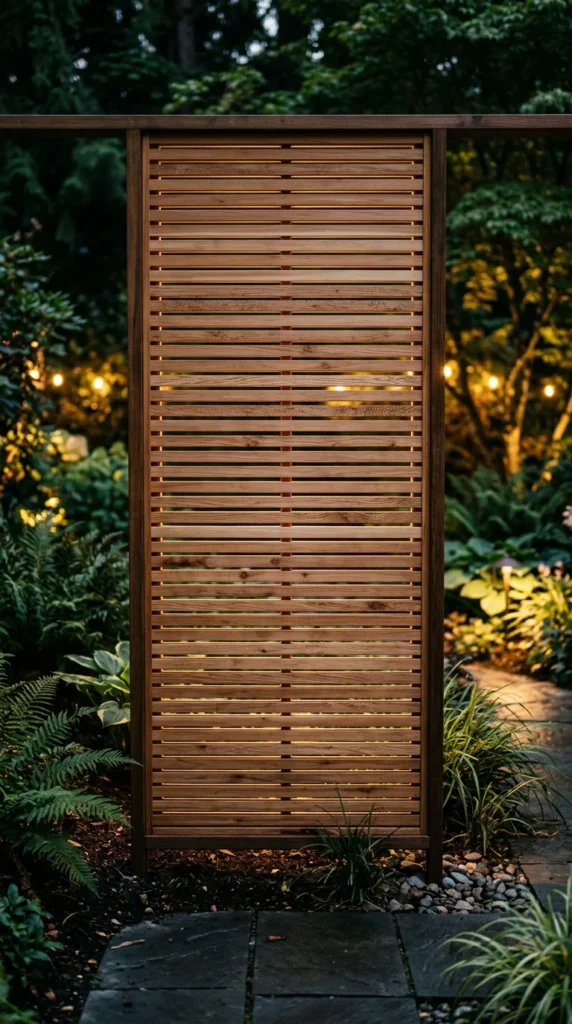
Privacy is a luxury. Traditional lap-panel fencing can look cheap and dated, but horizontal slatted screening—often called “Venetian fencing”—instantly modernizes a space. Using warm woods like cedar or larch with small gaps between the slats allows light and air to filter through while providing a sophisticated, rhythmic backdrop for your plants. It turns a functional boundary into a design feature.
13. Oversized Containers
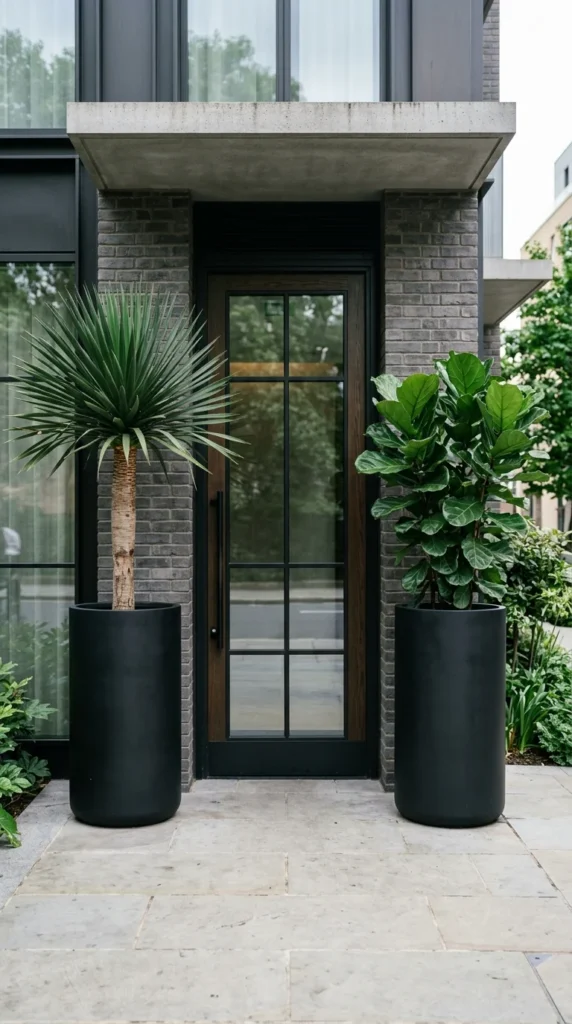
In small gardens, many people make the mistake of using lots of small pots. This creates visual “clutter” which can look messy. To achieve a high-end aesthetic, go for scale. One or two massive, oversized planters have a much greater impact than a dozen small ones. Choose high-quality materials like fiber-clay, hand-thrown terracotta, or heavy concrete. A large pot with a single architectural plant, like a dwarf olive tree or a giant agave, creates a bold, gallery-like statement.
14. Crushed Gravel
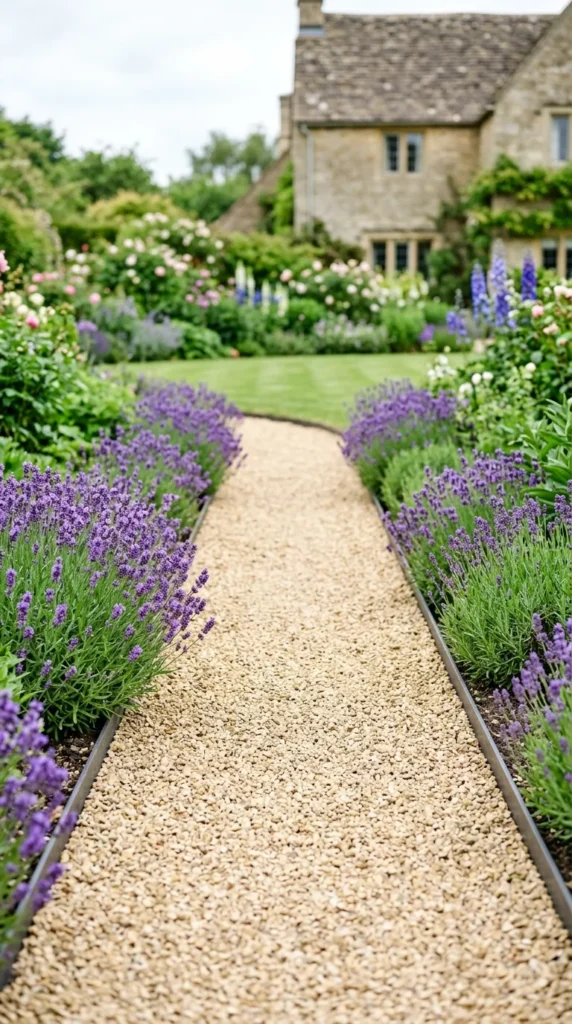
There is a reason the finest French chateaus and English estates use gravel. It provides a wonderful crunch underfoot and a soft, organic texture that contrasts beautifully with hard paving. For an expensive look, use “stabilized” gravel (using a honeycomb grid underneath) so it stays level and neat. Stick to a sophisticated color like light gray granite or buff-colored flint, and always use a crisp metal or brick edging to keep the lines sharp.
15. Defined Edging
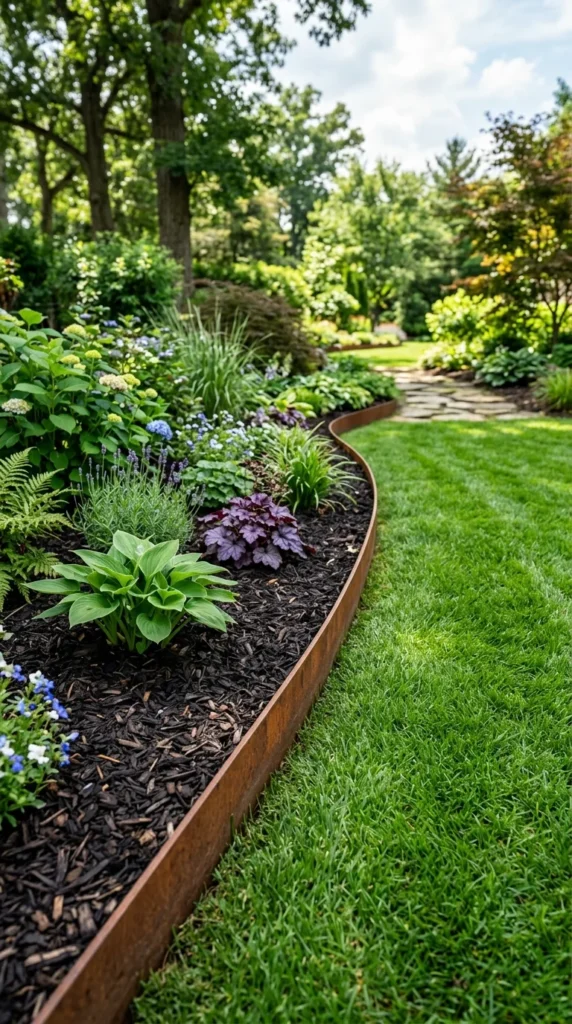
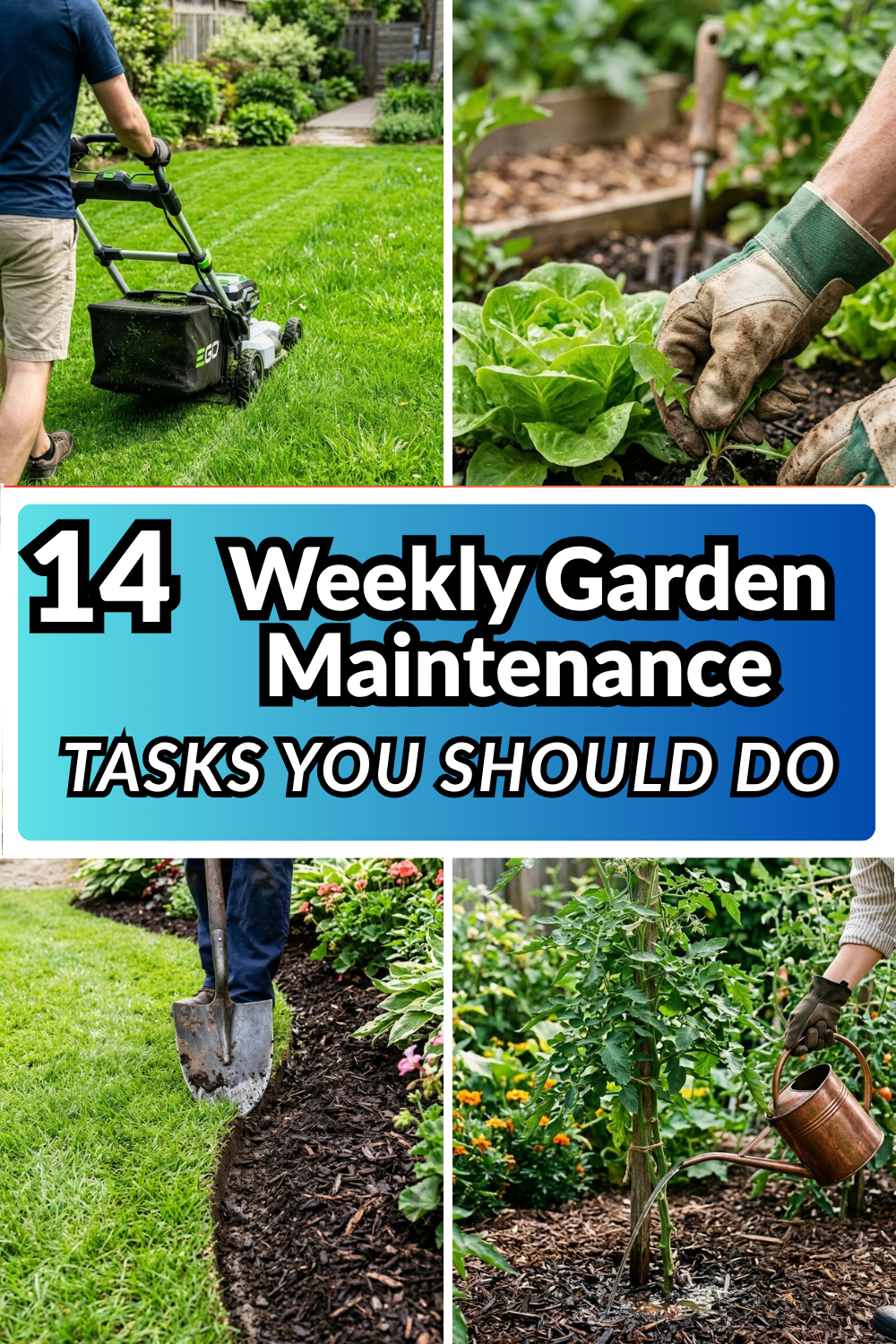
The difference between a “nice” garden and an “expensive” garden is often in the crispness of the lines. Professional-grade edging—made of steel, aluminum, or neatly laid brick—keeps lawns, gravel, and flower beds perfectly separated. It prevents the garden from looking “shaggy” over time and gives it a permanent, structured feel. Using Corten steel (which develops a beautiful rusted patina) adds a contemporary, industrial-chic touch that is currently very popular in high-end landscape design.