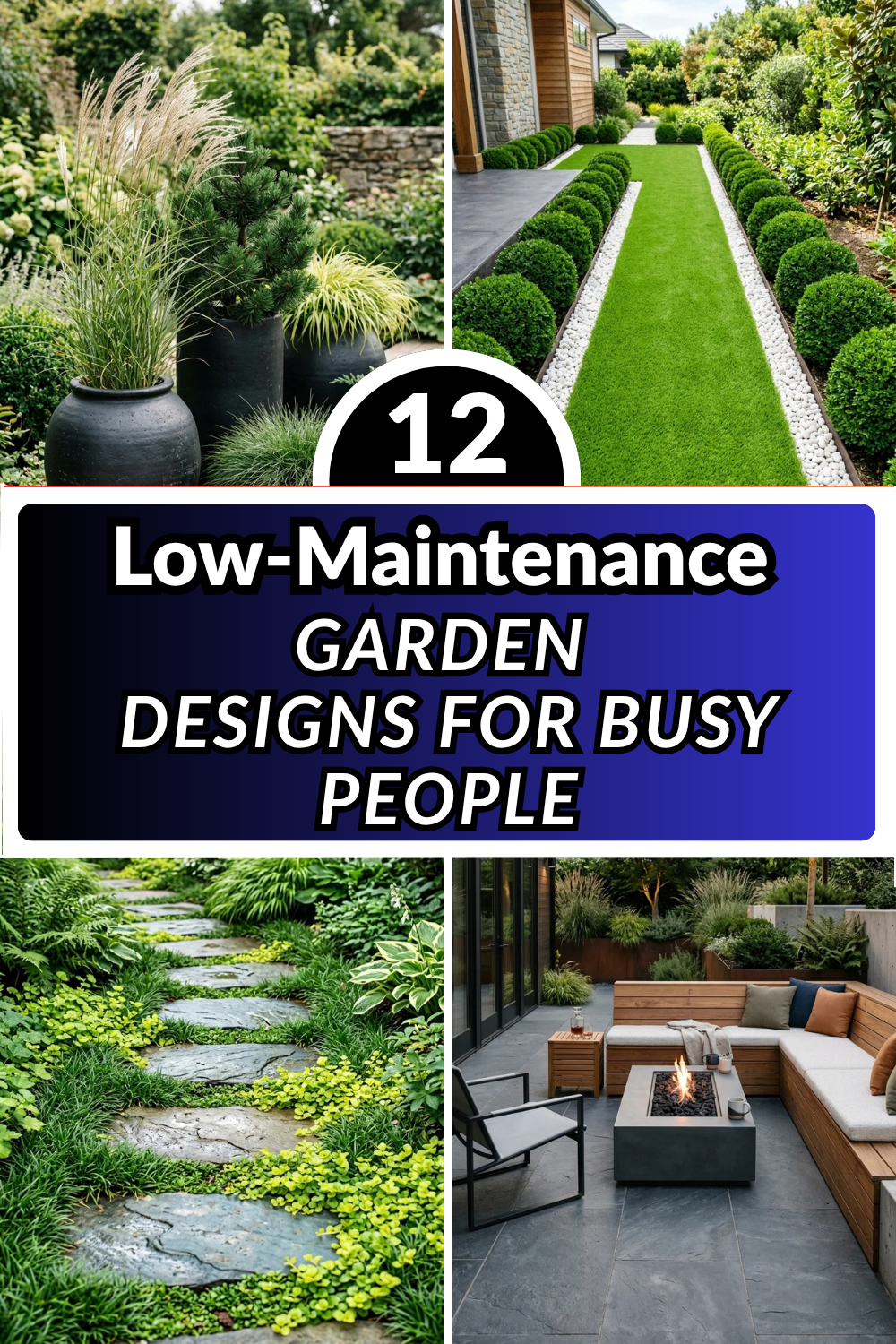
In a world that seems to move faster every day, the luxury of time has become our most precious commodity. For many, the dream of a lush, vibrant garden often feels at odds with a demanding career, family commitments, and a packed social calendar. However, having a stunning outdoor retreat doesn’t have to mean spending every Saturday morning pulling weeds or tethered to a garden hose.
Low-maintenance gardening is about working smarter, not harder. By choosing the right plants, materials, and layouts, you can create a high-impact landscape that practically takes care of itself. Here are 12 innovative garden designs tailored for the busy homeowner who wants to enjoy their outdoor space without the constant labor.
1. Xeriscaping
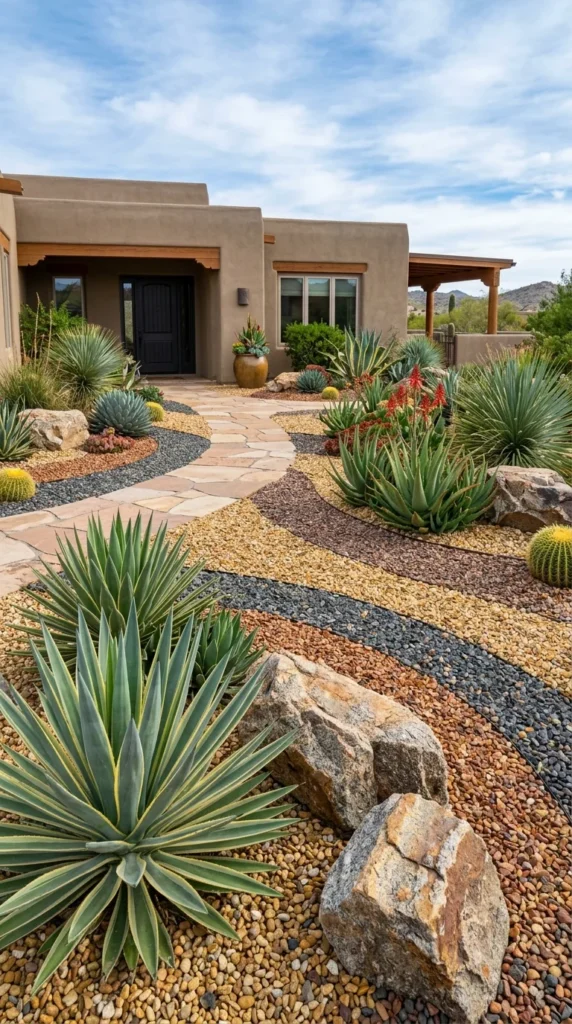
Xeriscaping is the gold standard for low-maintenance gardening, particularly in regions prone to drought. The philosophy revolves around reducing or eliminating the need for supplemental water from irrigation. By replacing thirsty turf grass with a combination of gravel, river rocks, and drought-tolerant plants, you create a landscape that thrives on neglect.
Agaves, yuccas, and various cacti provide striking architectural shapes that remain beautiful year-round. Beyond the initial planting and occasional weeding, a xeriscaped garden requires almost zero intervention. It’s an environmentally conscious choice that slashes water bills and frees up your weekends.
2. Native Plants
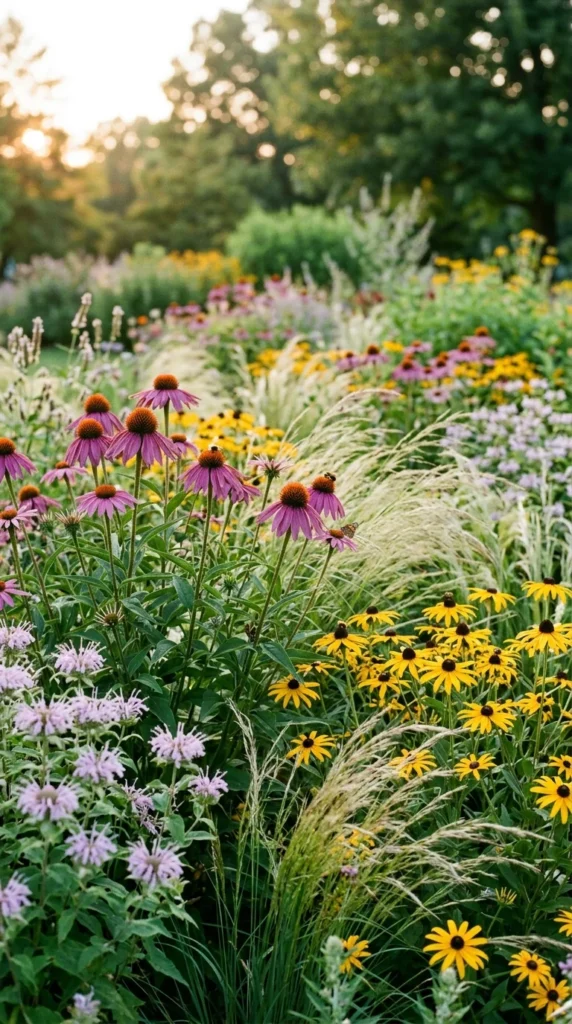
Mother Nature is the best landscape architect. Native plants are species that have evolved over thousands of years to thrive in your specific local climate and soil conditions. Because they are “at home,” they are naturally resistant to local pests and diseases and are perfectly adapted to your area’s rainfall patterns.
Integrating native flora into your garden means less fertilizing, less watering, and less fussing. Once established, these plants create a self-sustaining ecosystem that also provides vital habitats for local pollinators like bees and butterflies. It’s a win-win for both the busy gardener and the environment.
3. Hardscaping
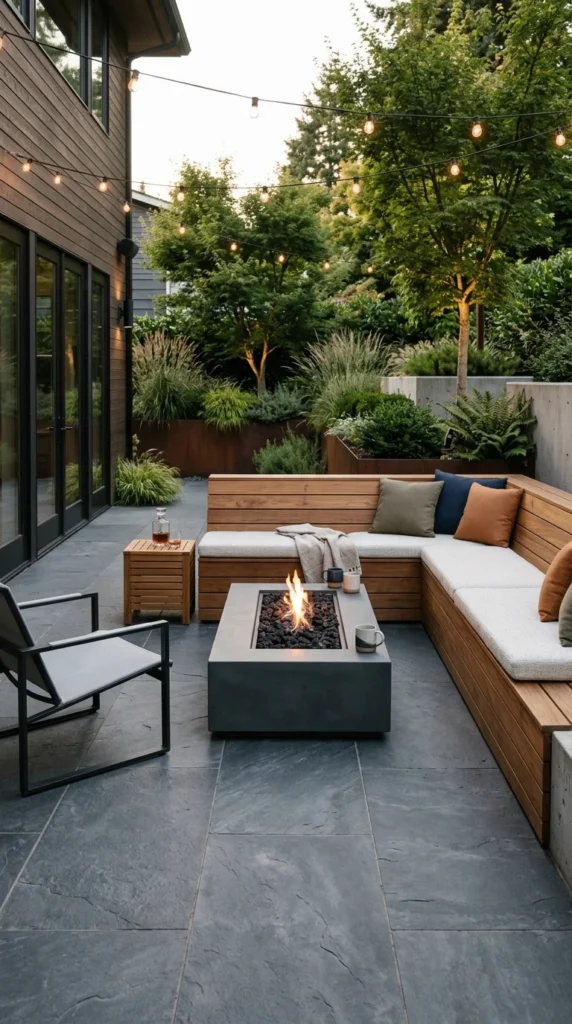
If you want to spend zero time mowing or weeding, the most effective strategy is to reduce the amount of “softscape” (living plants) in favor of “hardscape” (non-living elements). Expanding your patio, installing a deck, or laying down large stone pavers creates functional outdoor living rooms that require nothing more than an occasional sweep or power wash.
Hardscaping provides the structure for your yard. By using high-quality materials like natural stone, composite decking, or concrete, you create a permanent foundation for relaxation. You can add pops of green with a few strategically placed pots, giving you the feel of a garden without the square footage of maintenance.
4. Containers
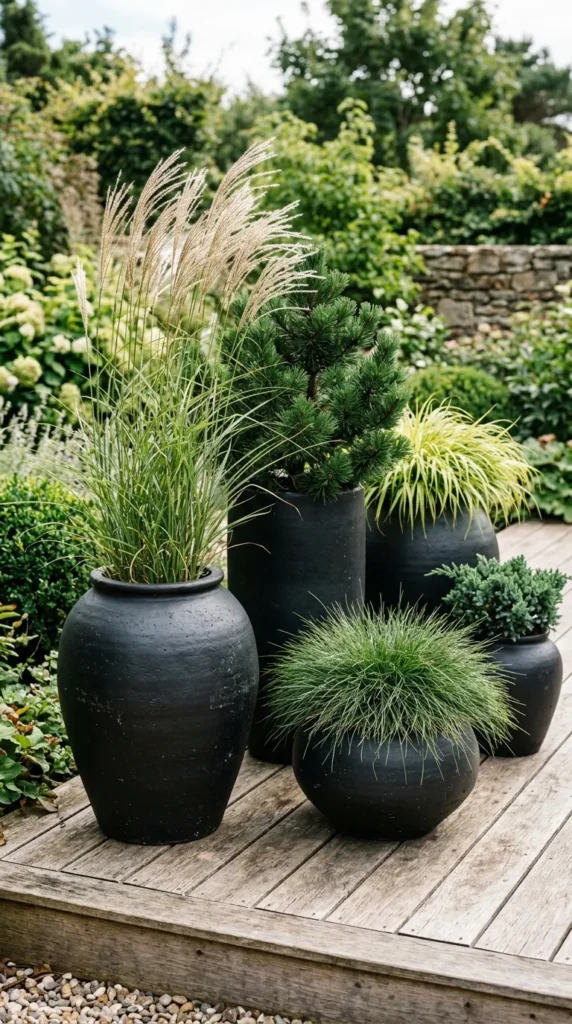
Container gardening is the ultimate solution for those who want a “controlled” garden. Growing plants in pots allows you to dictate the soil quality, moisture levels, and sunlight exposure with precision. It also eliminates the back-breaking work of tilling soil and prevents invasive weeds from creeping into your flower beds.
For the busiest individuals, choosing large containers is key. Larger pots hold more soil and moisture, meaning they don’t dry out as quickly as small ones. With a few “thrillers, fillers, and spillers”—and perhaps an automated drip line hidden in the pots—your container garden can look professionally curated with minimal effort.
5. Artificial Turf
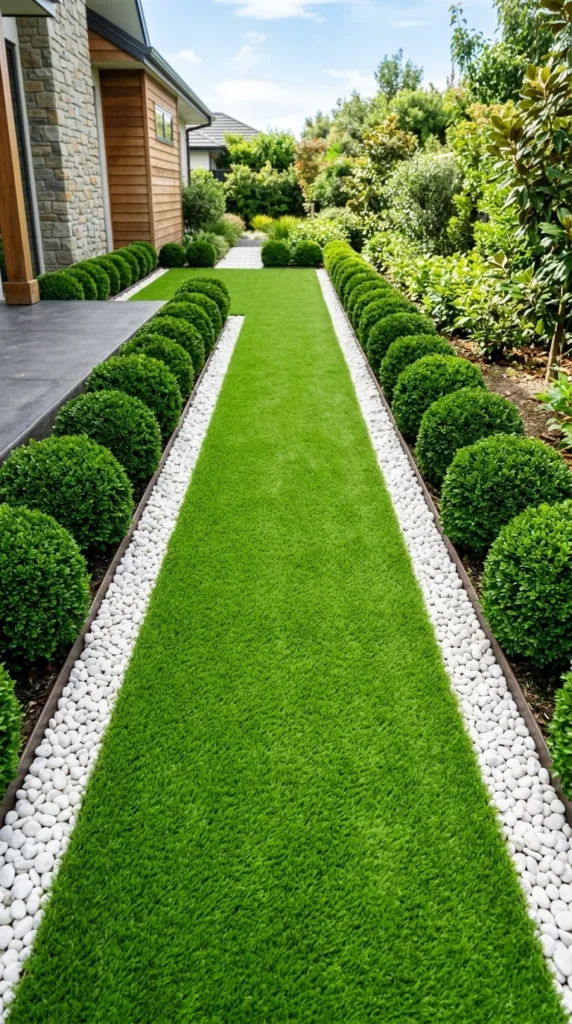
For many, the lawn is the biggest time-sink in the garden. Between mowing, edging, aerating, and fertilizing, a traditional grass lawn is a high-maintenance mistress. Modern artificial turf has come a long way from the plastic-looking “astroturf” of the past. Today’s options look remarkably realistic, feel soft underfoot, and remain perfectly green regardless of the weather.
Installing high-quality synthetic grass provides an instant, evergreen play area for children or pets. There’s no mud, no weeds, and most importantly, no lawnmower required. It’s a one-time investment that returns hours of free time every single week.
6. Perennial Borders
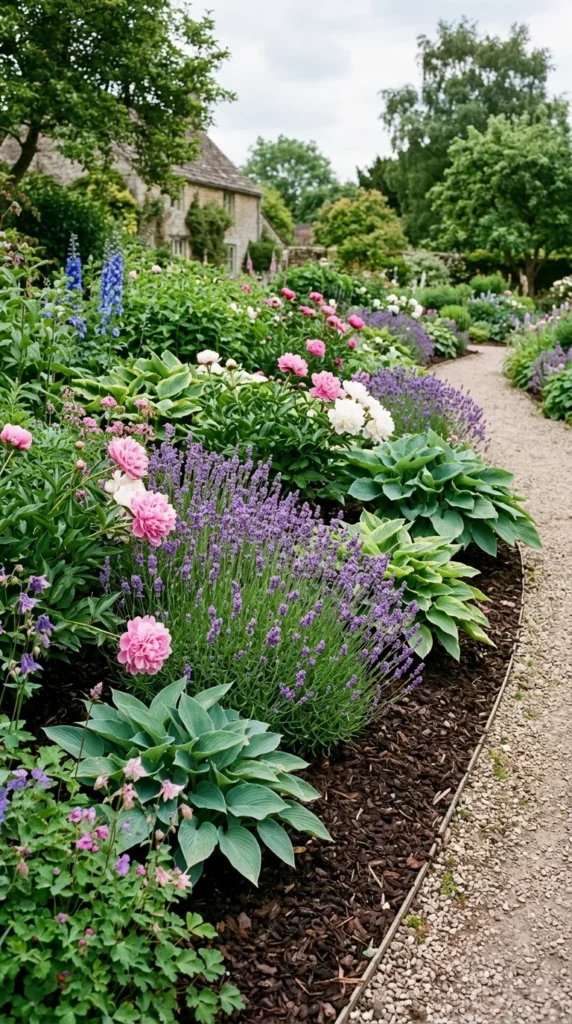
Unlike annuals, which must be replanted every year, perennials are the gift that keeps on giving. They go dormant in the winter and return stronger and larger every spring. Designing a garden around hardy perennials like hostas, lavender, daylilies, and salvia ensures a recurring color palette without the annual trip to the nursery.
The secret to a low-maintenance perennial border is density and mulch. By planting closely together and applying a thick layer of organic mulch, you shade out weed seeds and retain moisture in the soil. Once these plants mature, they knit together to form a living carpet that requires only a quick seasonal trim.
7. Rock Gardens
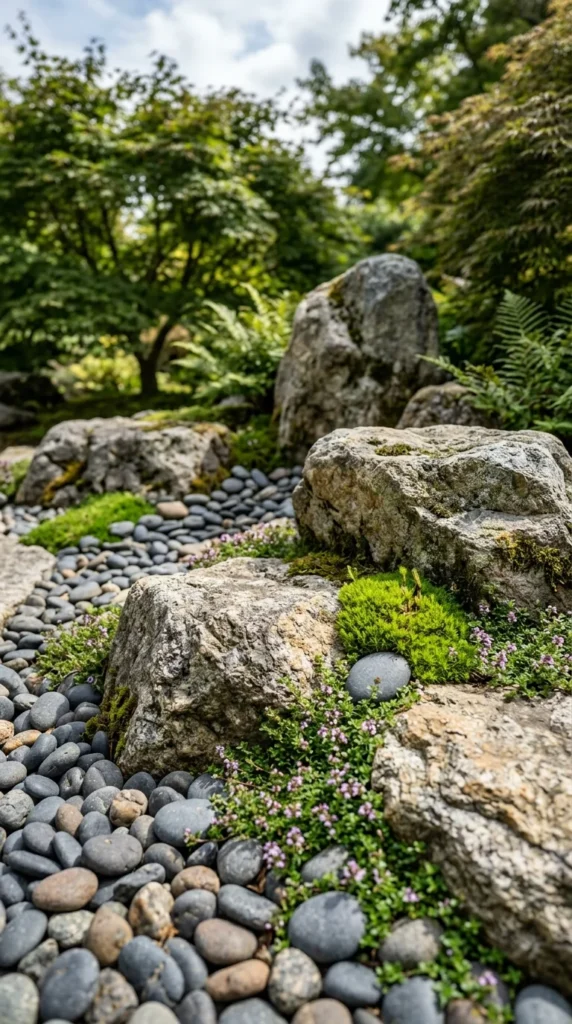
Rock gardens embrace a rugged, natural aesthetic that requires virtually no upkeep. By using stones as the primary visual element, you reduce the amount of plant material that needs tending. A well-designed rock garden uses various textures and colors of stone to create visual interest, punctuated by hardy alpine plants or mosses that thrive in rocky crevices.
This design is particularly effective on slopes or uneven terrain where traditional gardening would be difficult. Rock gardens don’t need water, they don’t need fertilizer, and they look just as good in the dead of winter as they do in the height of summer.
8. Smart Irrigation
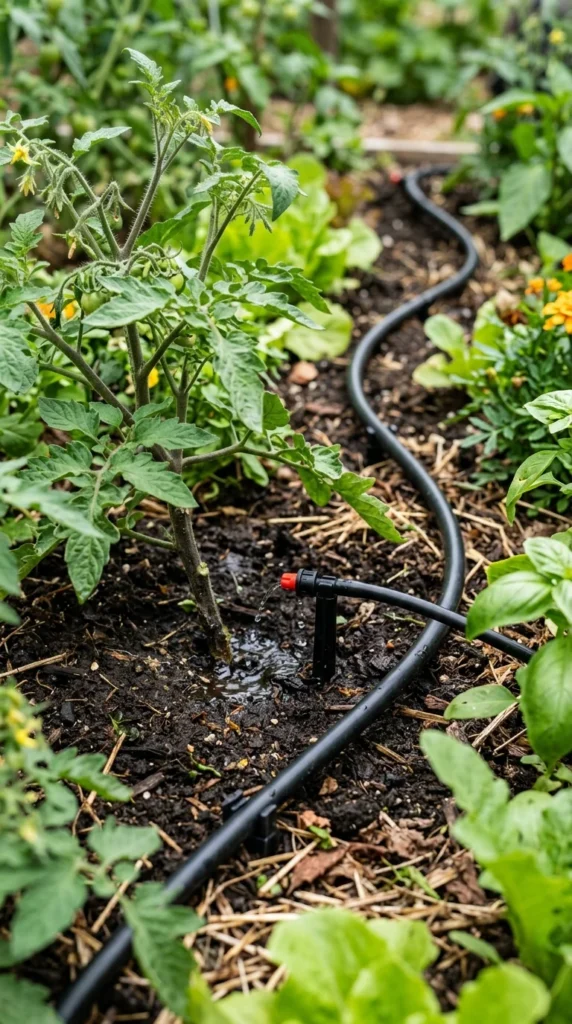
Technology is a busy gardener’s best friend. If your primary struggle is keeping plants alive during a heatwave, an automated smart irrigation system is the solution. Drip irrigation delivers water directly to the roots of the plants, where it’s needed most, reducing evaporation and preventing the growth of weeds in unplanted areas.
When paired with a smart controller that adjusts watering schedules based on local weather forecasts, your garden becomes self-regulating. You can go on a two-week vacation without worrying about coming home to a graveyard of wilted flowers.
9. Ground Covers
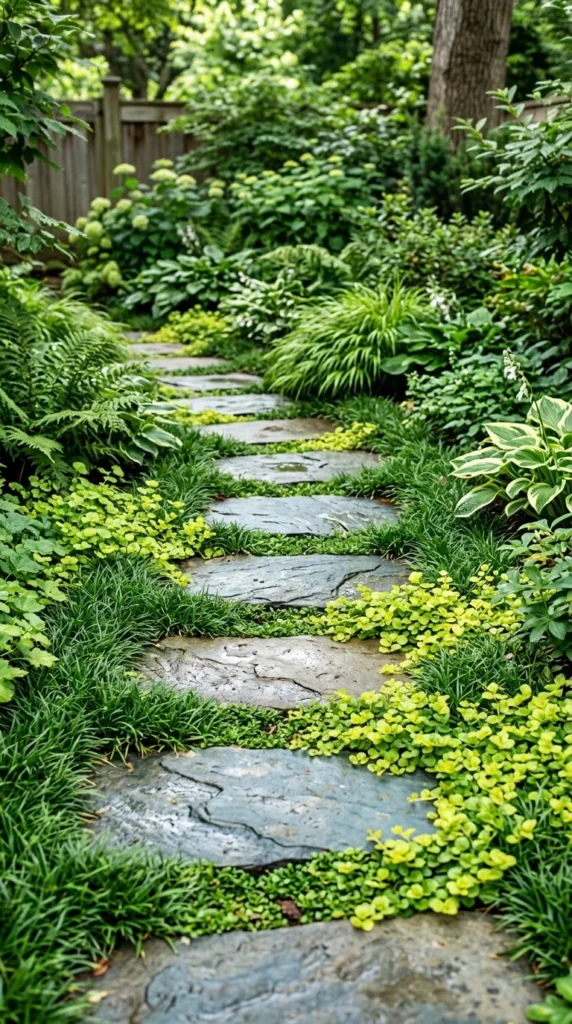
If you have areas where grass refuses to grow or where you’re tired of mulching every year, ground covers are the answer. These are low-growing plants that spread horizontally, forming a thick “living mulch.” Species like Creeping Thyme, Sedum, or Clover are incredibly resilient and can handle light foot traffic.
Ground covers suppress weeds by stealing their sunlight and space. Many varieties also produce beautiful flowers or pleasant scents when stepped on. Replacing a traditional lawn with a hardy ground cover means you can retire your lawnmower and enjoy a soft, green landscape that stays low to the ground naturally.
10. Evergreens
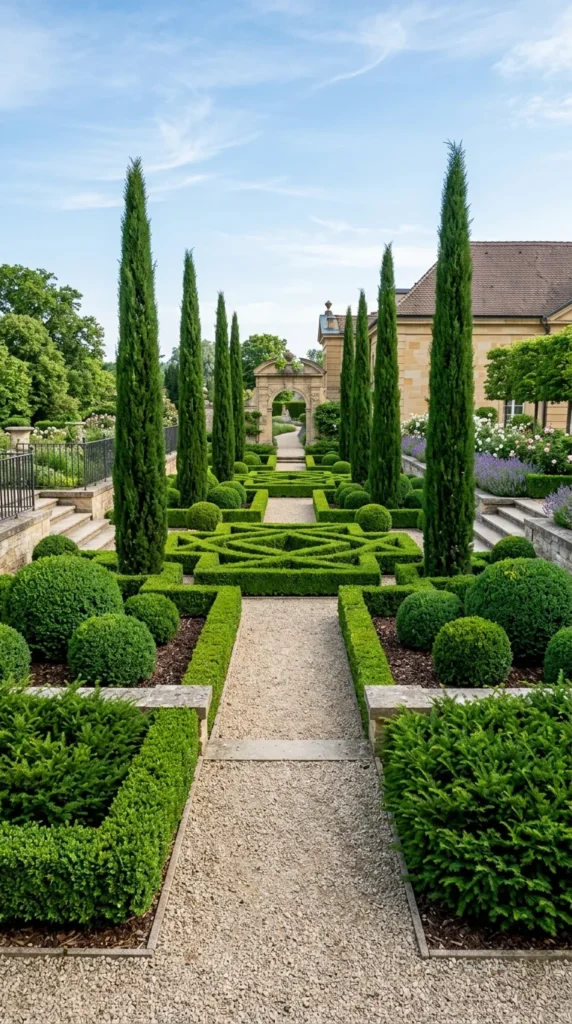
Evergreens are the workhorses of the low-maintenance landscape. While deciduous trees drop leaves that need raking and flowers drop petals that need cleaning, evergreens provide year-round color and structure with very little mess. From towering cedars to dwarf pines and boxwood hedges, there is an evergreen for every scale.
By using evergreens as the “bones” of your garden, you ensure that the yard looks finished and “designed” even when nothing else is in bloom. They require minimal pruning—usually just once a year to maintain their shape—and are generally very resistant to pests.
11. Raised Beds
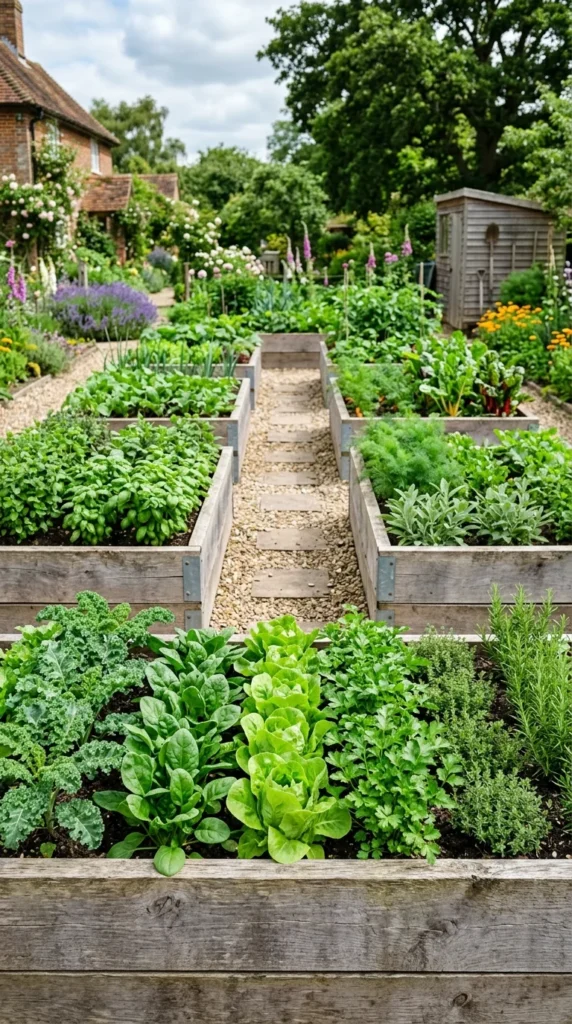
Raised beds are a game-changer for ergonomics and maintenance. By lifting the garden off the ground, you significantly reduce the amount of bending and kneeling required. More importantly, you have total control over the soil. By filling raised beds with a weed-free soil mix, you eliminate the majority of the weeding tasks associated with traditional inground gardening.
Raised beds also provide better drainage and warm up faster in the spring, extending your growing season. Whether you want to grow a few kitchen herbs or a full vegetable patch, keeping them contained in raised beds keeps the rest of your yard tidy and manageable.
12. Minimalist Zen
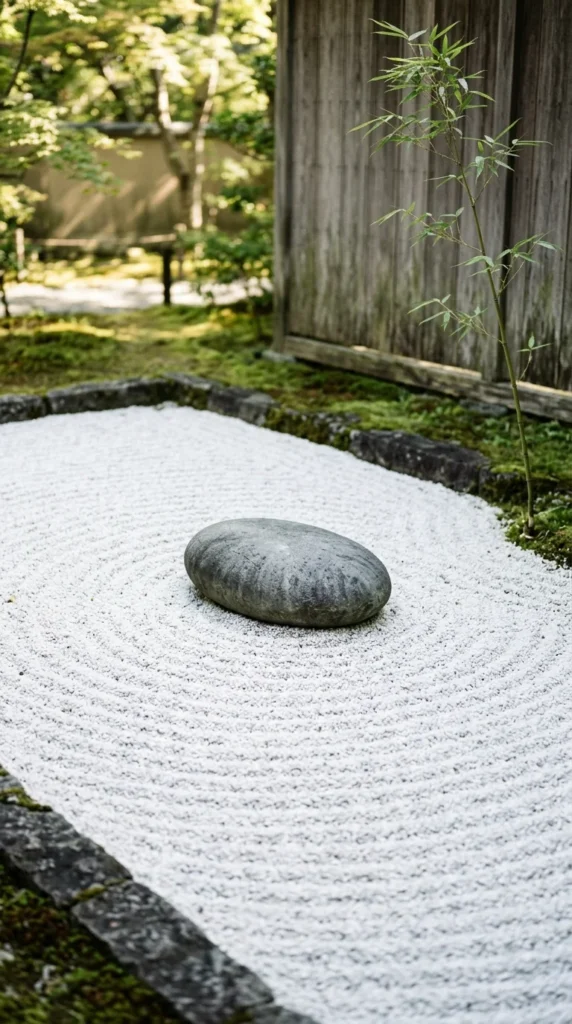
The Zen garden (Karesansui) is the epitome of “less is more.” Traditionally used for meditation, these gardens rely on the arrangement of rocks, gravel, and sand to represent mountains and water. This design is inherently low-maintenance because it uses very little living material.
A Zen garden provides a peaceful, sculptural element to your home. Maintenance usually involves nothing more than the occasional raking of the gravel—a task that many find therapeutic rather than burdensome. It is a sophisticated, clean, and modern look that suits the lifestyle of a busy professional perfectly.