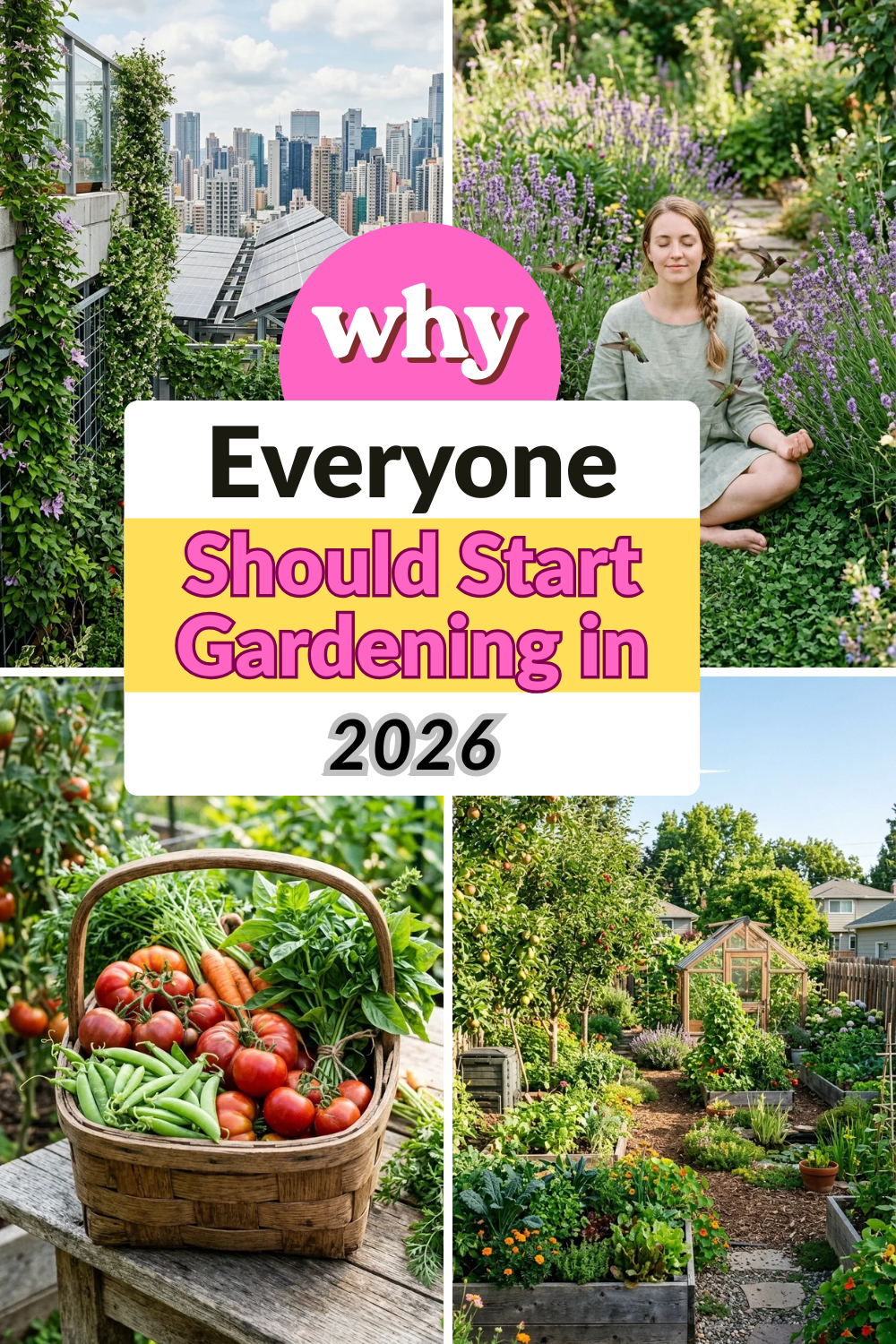
As we approach the mid-point of the decade, the world is shifting. The frantic pace of the digital “roaring twenties” has led many to seek a literal grounding. In 2026, gardening is no longer just a hobby for the retired or those with sprawling estates; it has become a vital act of rebellion, health, and sustainability. Whether you have a tiny balcony in a high-rise or a suburban backyard, the reasons to get your hands dirty have never been more compelling.
1. Mental Wellness
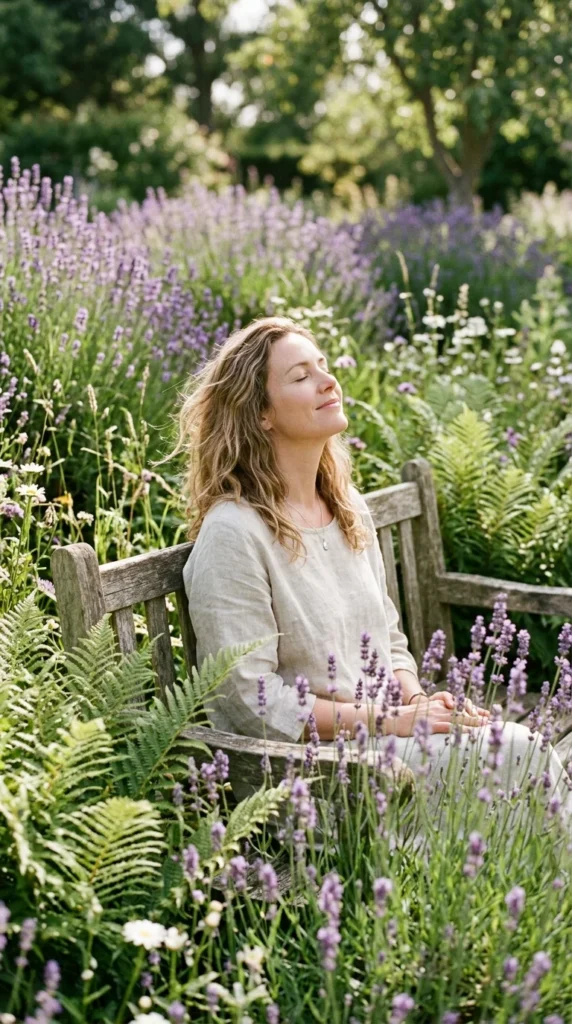
The mental health crisis of the mid-2020s has driven a desperate need for “digital detox” zones. In 2026, the garden serves as the ultimate sanctuary. Research has consistently shown that the act of “earthing”—physically touching the soil—releases serotonin in the brain. The Mycobacterium vaccae found in soil acts almost like an antidepressant, improving mood and reducing anxiety.
Gardening forces a slower pace. You cannot “high-speed” a growing cucumber or “double-tap” a rose into blooming. This forced patience is the perfect antidote to the instant-gratification culture of social media. It provides a meditative space where the only notifications you receive are the humming of bees and the rustle of leaves.
2. Food Security
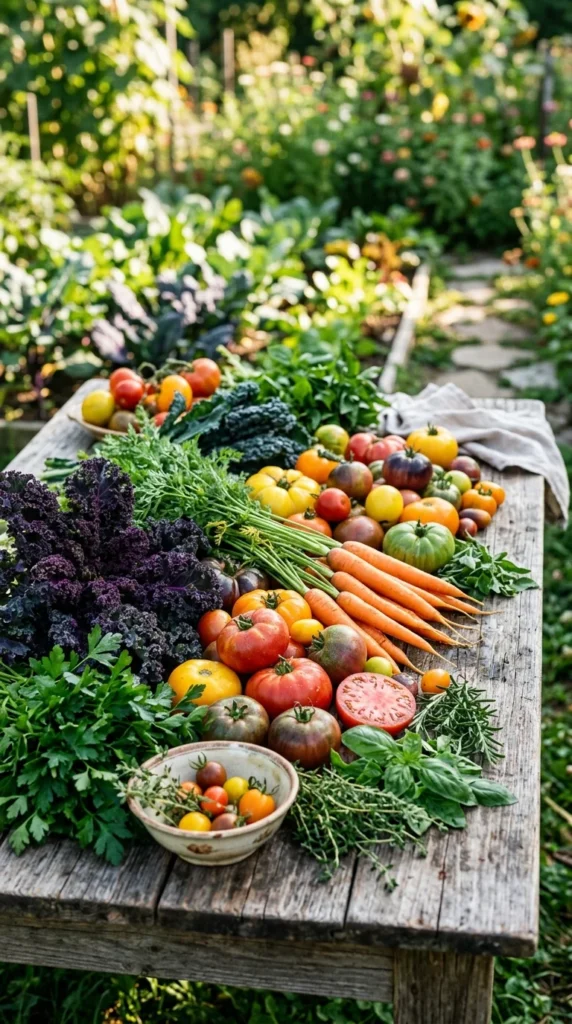
With global supply chains remaining unpredictable and the cost of organic produce reaching all-time highs, growing your own food in 2026 is a savvy financial move. Food security isn’t just about having enough to eat; it’s about the quality of what you consume.
By growing your own vegetables, you bypass the pesticides and long-haul shipping that strip nutrients from store-bought produce. A tomato picked from your own vine at peak ripeness contains significantly more Vitamin C and antioxidants than one picked green and ripened in a shipping container. In 2026, the “garden-to-table” movement is moving from high-end restaurants into every household.
3. Active Living
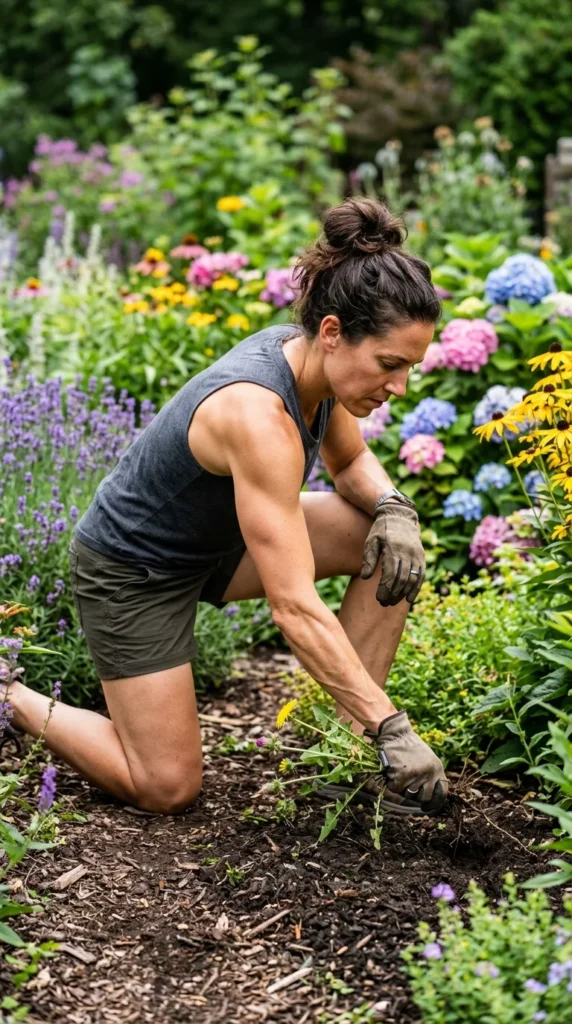
Forget the gym membership. In 2026, functional fitness is the priority, and gardening is one of the best ways to achieve it. Digging, planting, weeding, and carrying watering cans provide a full-body workout that improves flexibility, strength, and endurance.
It is a low-impact form of exercise that appeals to all ages. For older adults, it maintains motor skills and bone density. For younger generations, it offers a way to move the body that doesn’t feel like a chore. Best of all, you get vitamin D from the sun, which is crucial for immune function and bone health, provided you garden safely during the cooler parts of the day.
4. Smart Technology
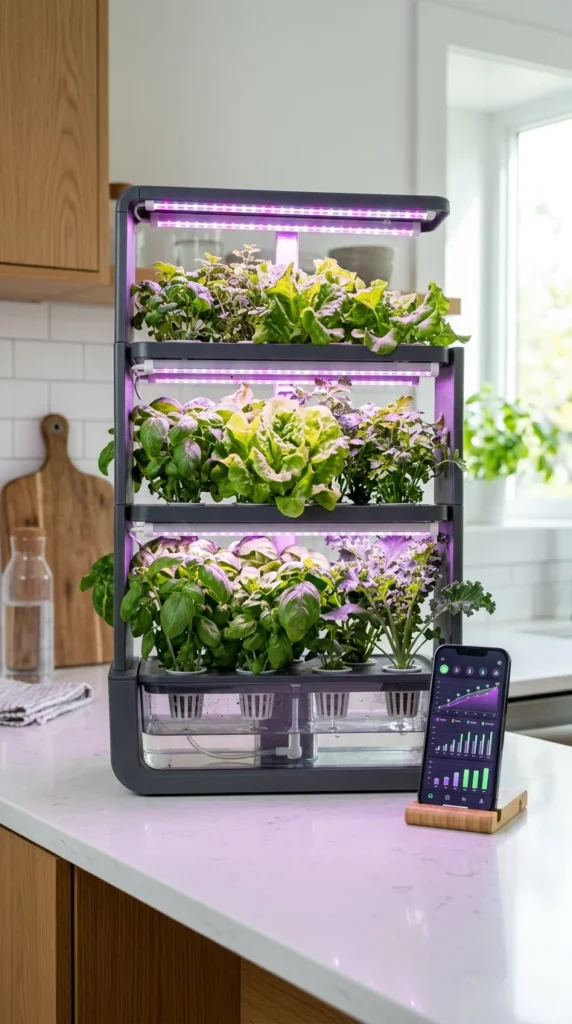
2026 marks the year that technology and nature perfectly synchronize. If you’ve avoided gardening because you “kill everything,” the tech of 2026 has solved that problem. Smart sensors can now tell your phone exactly when your soil is dry, which nutrients are missing, and how much sunlight your plants are receiving.
Automated irrigation systems and AI-powered gardening apps have lowered the barrier to entry. Even if you live in a windowless apartment, advanced hydroponic and aeroponic systems allow you to grow a full salad bar in your kitchen. Gardening is no longer dependent on having a “green thumb”; it is accessible to anyone with a smartphone and a desire to grow.
5. Environmental Impact
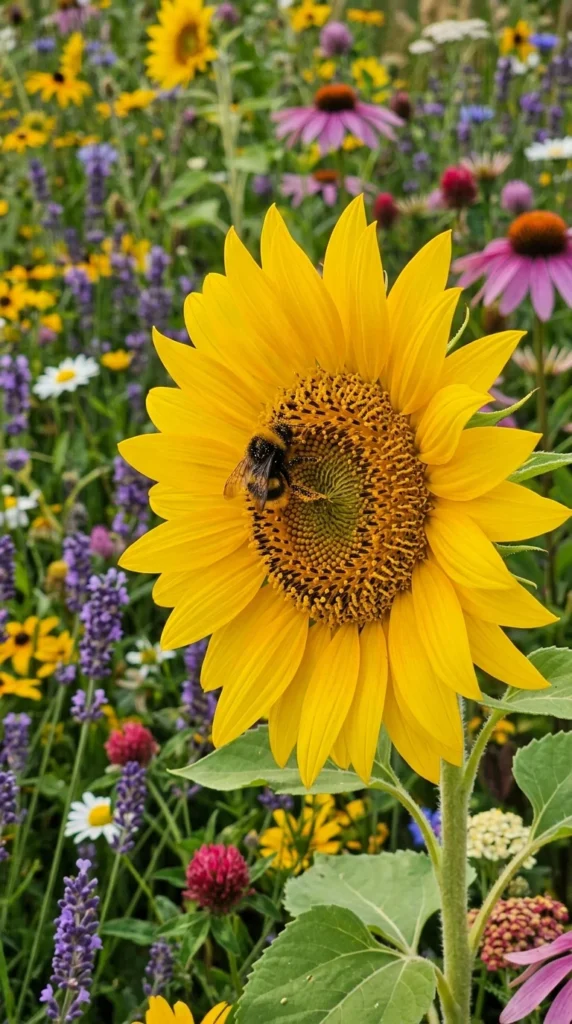
As climate consciousness reaches a fever pitch in 2026, gardening has become a primary way for individuals to reduce their carbon footprint. Every square inch of greenery helps sequester carbon and cool the local microclimate. Urban heat islands—cities that are significantly hotter than surrounding rural areas—can be cooled by the widespread adoption of rooftop and balcony gardens.
Furthermore, by planting native species and pollinator-friendly flowers, you are providing a vital lifeline for bees, butterflies, and birds whose habitats are shrinking. Your garden becomes a small but mighty link in a global corridor of biodiversity.
6. Biodiversity
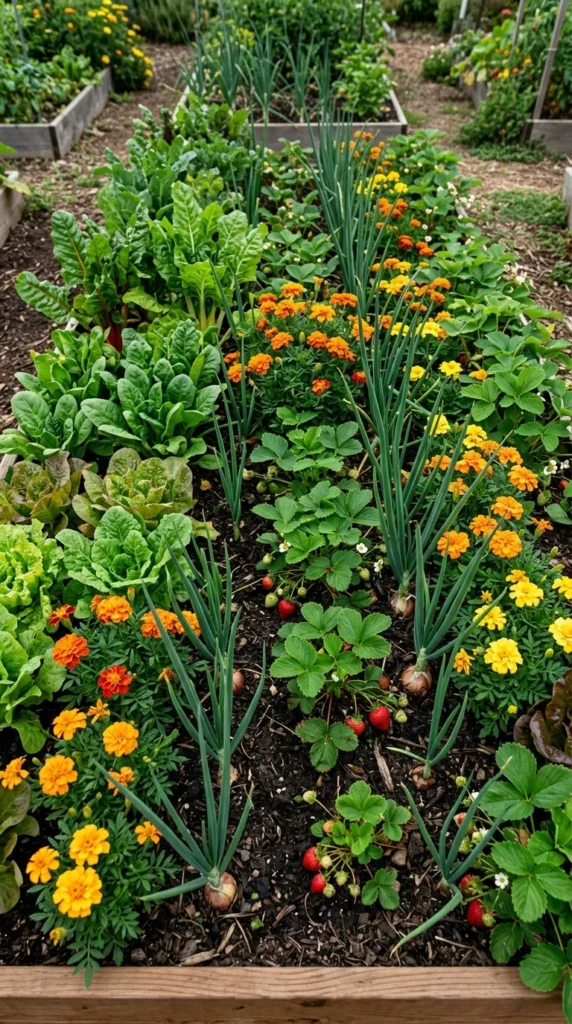
In 2026, the focus has shifted from “perfect” lawns to biodiverse ecosystems. Monoculture—growing only one type of plant—is out. Intercropping and companion planting are in. By starting a garden, you contribute to the preservation of heirloom seeds that are at risk of extinction.
Growing different varieties of plants creates a resilient ecosystem in your own yard. Marigolds protect your tomatoes from pests, while beans fix nitrogen in the soil for your leafy greens. This natural synergy reduces the need for chemical fertilizers and sprays, making your immediate environment safer for your family and pets.
7. Community Connection
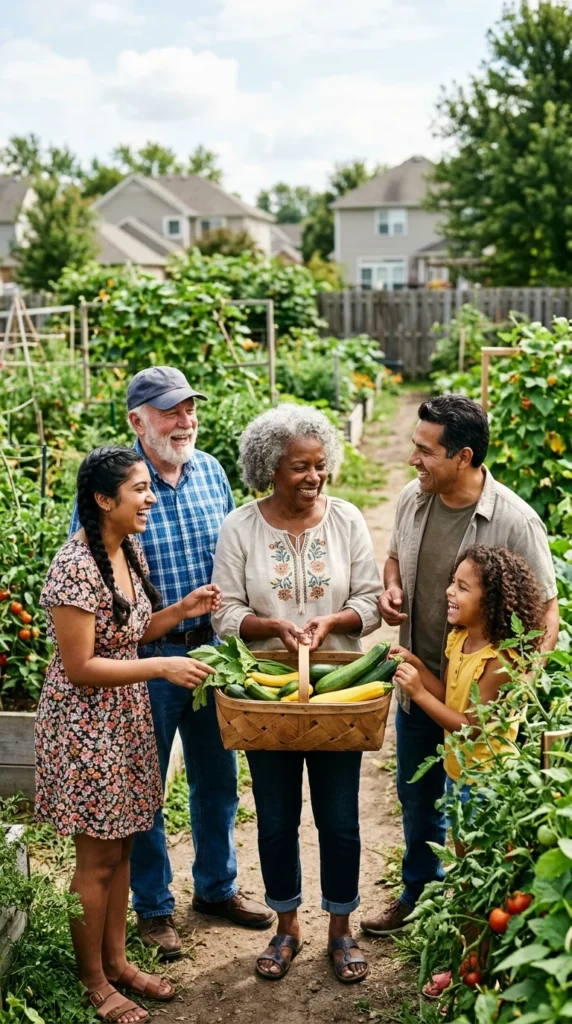
Perhaps the most beautiful reason to start gardening in 2026 is the sense of community it fosters. Community gardens are exploding in popularity, turning vacant lots into vibrant social hubs. Gardeners are notoriously generous; if you have a surplus of zucchini, your neighbors will soon know about it.
This “seed-sharing” culture builds social capital. It connects generations—young children learning where their food comes from and elders sharing centuries-old wisdom about the soil. In an era where many feel isolated, the garden is a place where we can once again grow together.
Final Thoughts for 2026
Starting a garden this year isn’t just about the produce; it’s about the person you become while tending to it. It’s about resilience, health, and a deep, soul-satisfying connection to the earth. Whether you start with a single pot of basil or a half-acre orchard, the best time to plant a tree was twenty years ago—the second best time is today. Embrace the dirt, enjoy the sun, and watch yourself grow alongside your plants in 2026.