A garden is a living, breathing entity that thrives on consistency. While the heavy lifting often happens in the spring and autumn, the secret to a magazine-worthy landscape lies in the small, weekly habits that prevent chaos from taking over. By spending just a few hours each week on targeted maintenance, you can ensure your plants stay healthy, your yields remain high, and your outdoor space remains a sanctuary rather than a chore.
1. Weeding
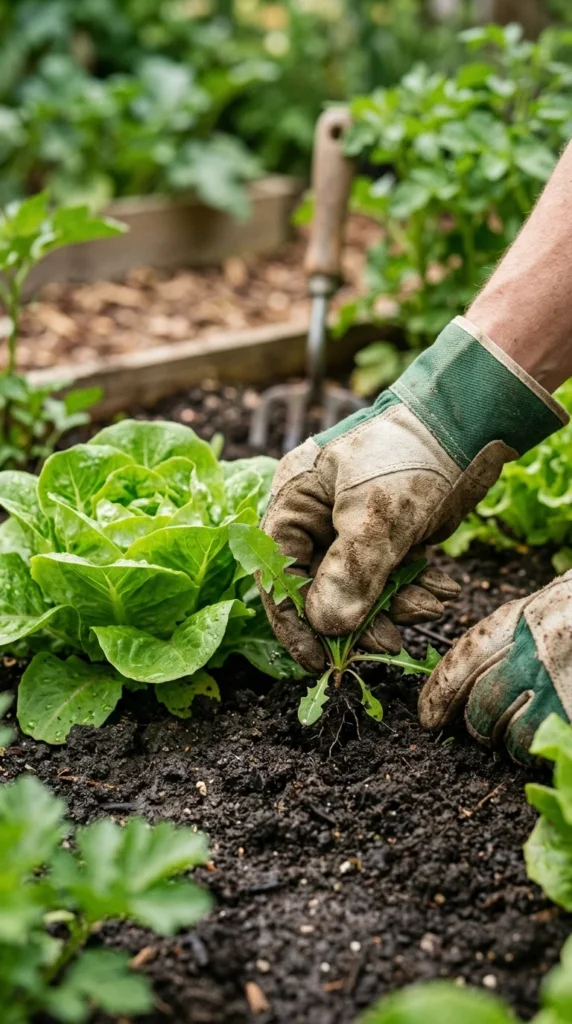
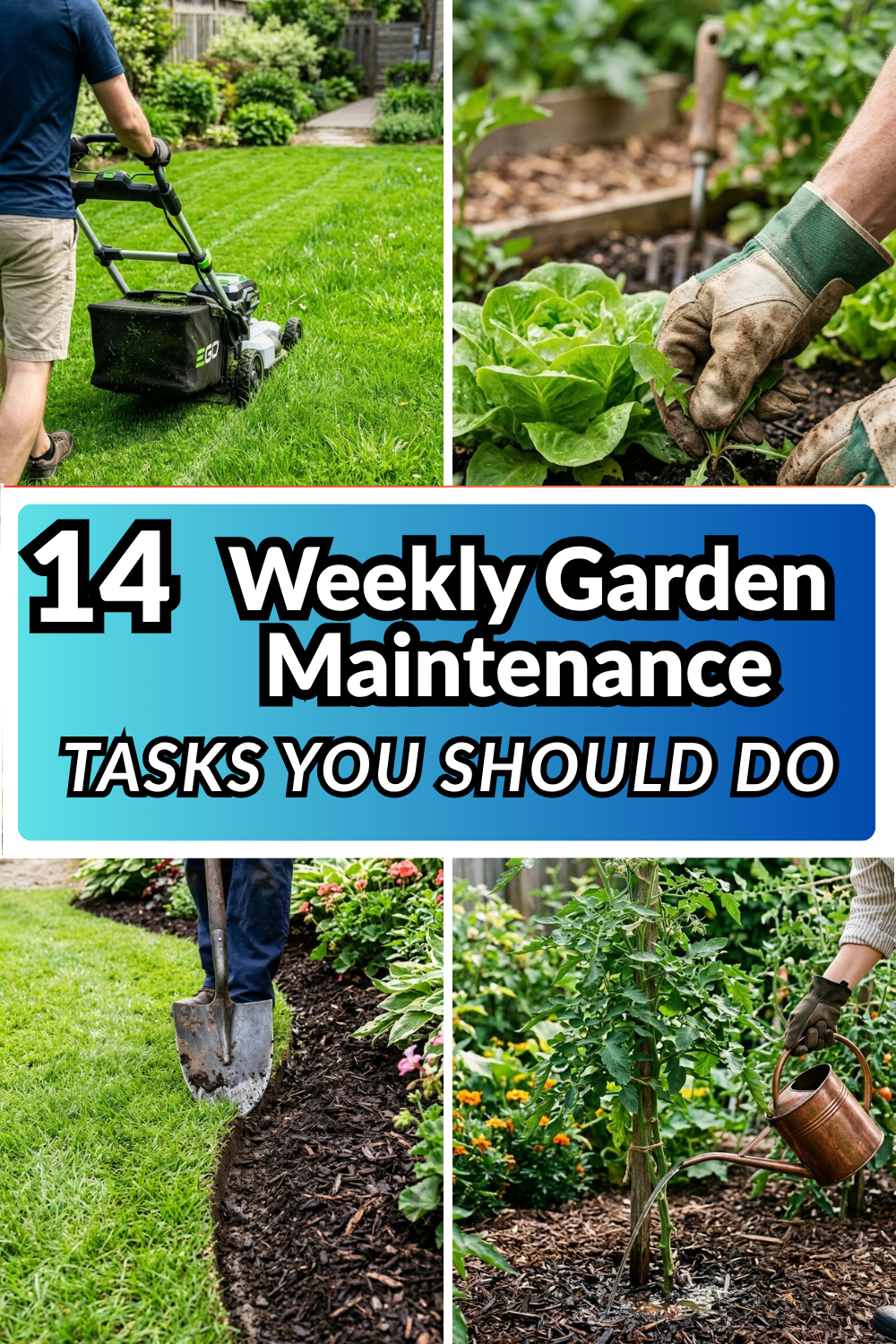
The most fundamental rule of gardening is that weeds never take a day off. On a weekly basis, a quick “patrol” of your beds is essential. When you catch weeds while they are young, their root systems are shallow and easily removed. If left for a month, they can establish deep taproots or, worse, go to seed and drop thousands of future headaches into your soil. Focus on pulling weeds after a rain or a deep watering session when the soil is soft, ensuring you get the entire root to prevent regrowth.
2. Deadheading
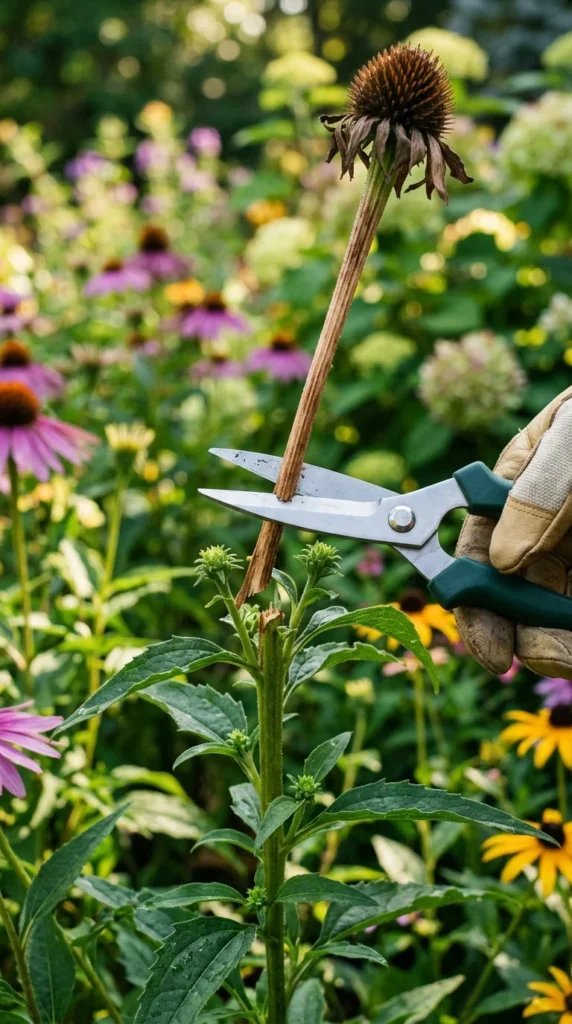
Deadheading is the process of removing faded or dead flowers from a plant. This isn’t just about aesthetics; it’s about biology. Once a flower fades, the plant shifts its energy toward seed production. By snipping off the old blooms, you trick the plant into thinking it hasn’t finished its reproductive cycle, encouraging it to produce a second or even third flush of flowers. For perennials like salvia and annuals like petunias, a weekly deadhead keeps the color vibrant all season long.
3. Deep Watering
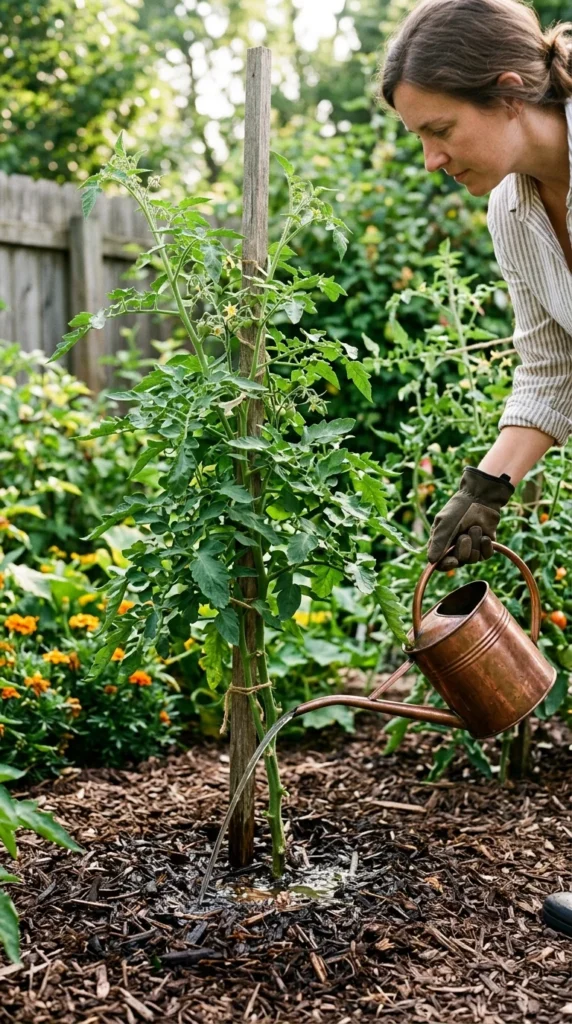
While a daily sprinkle might seem helpful, it often does more harm than good by encouraging shallow root systems. Once a week, your garden needs a deep, thorough soak. This encourages roots to reach down into the cooler, moister layers of the earth, making them more resilient to heatwaves. Focus your watering at the base of the plants to keep foliage dry, which significantly reduces the risk of fungal diseases like powdery mildew.
4. Lawn Mowing
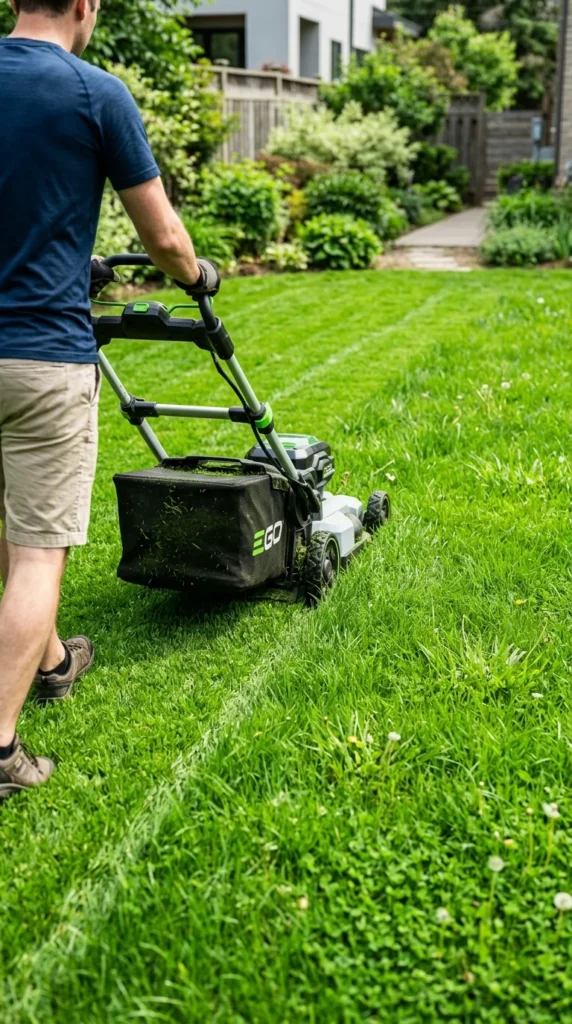
A weekly mow is standard for most climates during the growing season. However, the key is the “one-third rule”: never remove more than one-third of the grass blade at once. Keeping your lawn at a consistent height prevents stress on the grass and helps it outcompete weeds. Ensure your mower blades are sharp; dull blades tear the grass rather than cutting it, leaving jagged edges that turn brown and invite disease.
5. Pest Scouting
Early detection is the difference between a minor nuisance and a total crop loss. Once a week, walk through your garden and inspect the undersides of leaves. Look for signs of aphids, spider mites, or cabbage worms. You might also spot “beneficials” like ladybug larvae or lacewings. By catching an infestation early, you can often manage it with a simple blast of water or a spot treatment of insecticidal soap before it spreads to the rest of the garden.
6. Foliar Feeding

While slow-release fertilizers in the soil provide long-term nutrition, a weekly foliar feed can provide an instant boost. Using a liquid seaweed or fish emulsion diluted in water, spray the leaves of your heavy feeders (like tomatoes, peppers, and roses). Plants can absorb nutrients through their stomata (tiny pores on the leaves), providing a quick pick-me-up that improves leaf color and fruit production.
7. Light Pruning
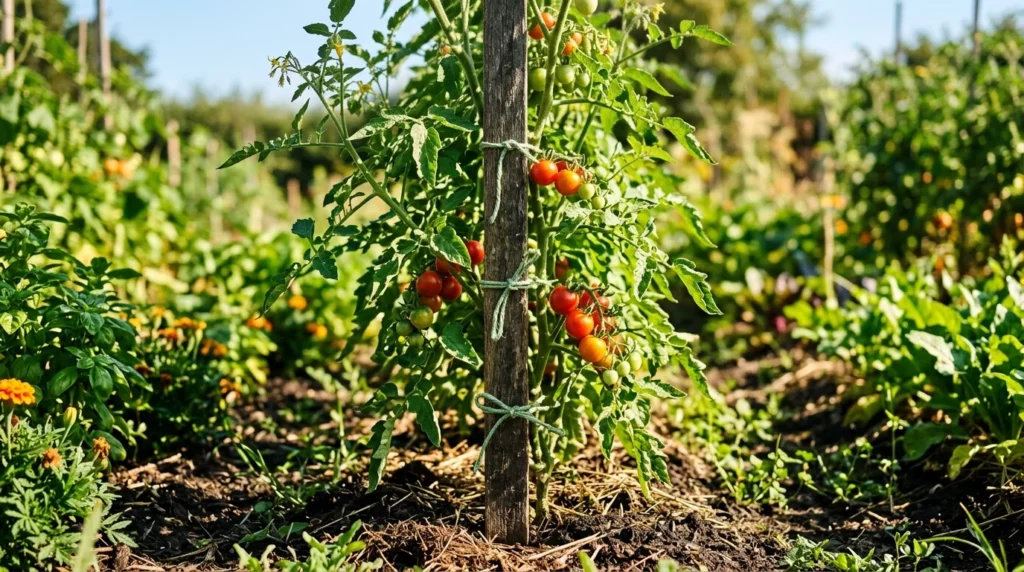
You don’t need to do a major overhaul every week, but “snip-as-you-go” pruning is highly effective. Remove any yellowing or diseased leaves to improve airflow and prevent the spread of pathogens. For vining plants like tomatoes, removing suckers helps direct the plant’s energy toward fruit production rather than excessive foliage. For shrubs, a quick snip of a stray branch keeps the shape tidy and prevents the plant from encroaching on pathways.
8. Turning Compost
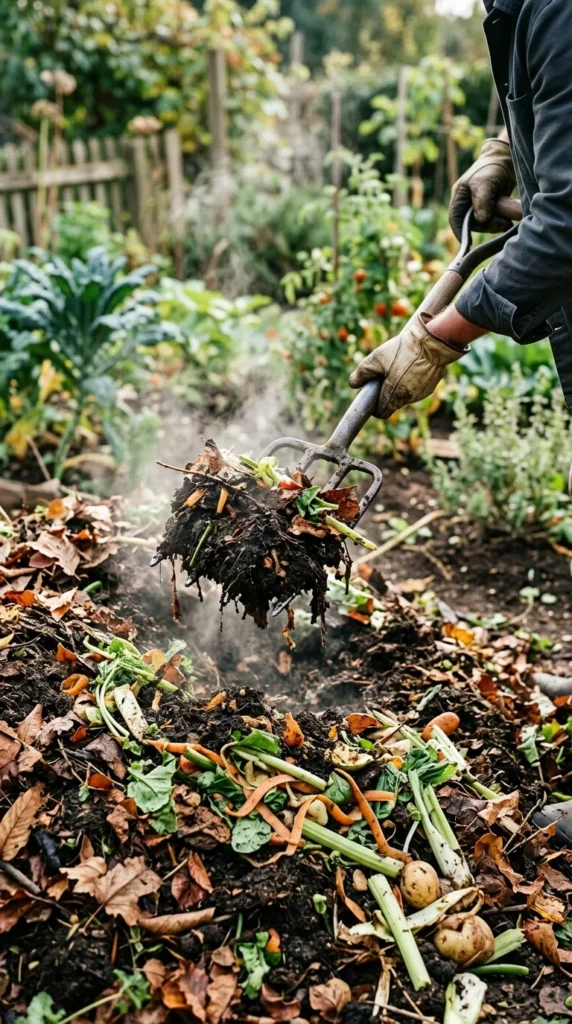
A compost pile needs oxygen to thrive. Once a week, use a pitchfork or a compost turner to aerate the heap. This introduces oxygen to the aerobic bacteria that break down organic matter. Turning the pile also moves the newer material from the outside to the center, where the heat is most intense, accelerating the decomposition process. If the pile looks dry, give it a light spray of water while you turn it.
9. Edging
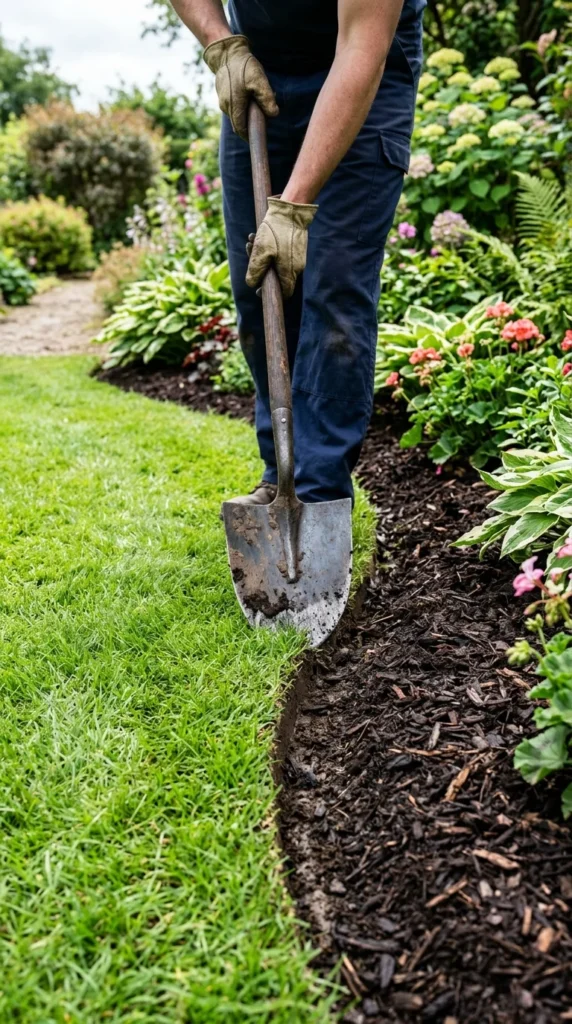
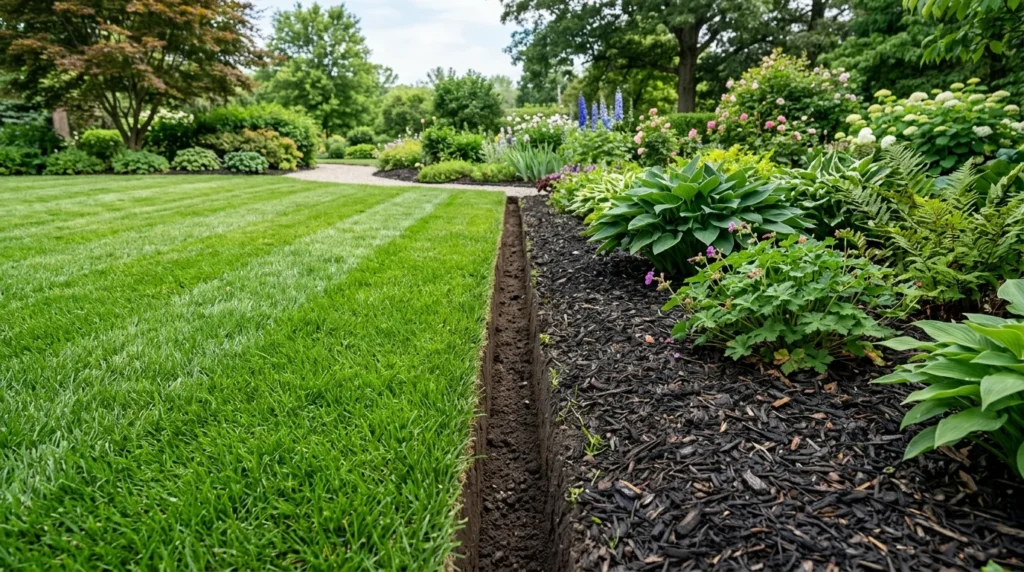
Nothing makes a garden look “pro” like clean edges. Over the course of a week, grass can start to creep into your mulch beds. Using a manual edger or a string trimmer, walk the perimeter of your beds to redefine the line. This prevents “creeping” weeds from entering your flower beds and gives the entire landscape a manicured, intentional appearance that masks other minor imperfections.
10. Tool Maintenance
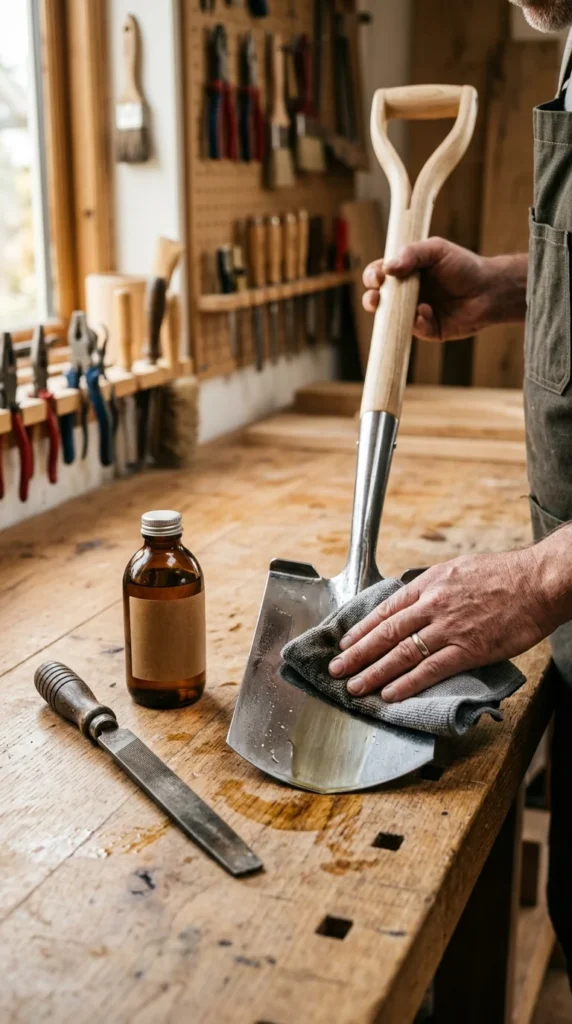
Your tools are an extension of your hands. At the end of your weekly chores, take ten minutes to care for them. Scrape off dried mud, rinse them down, and dry them thoroughly. Wiping the blades with a bit of oil prevents rust, and a quick pass with a sharpening stone on your pruners ensures they stay effective. Clean tools also prevent the accidental transfer of soil-borne diseases from one part of the garden to another.
11. Harvesting
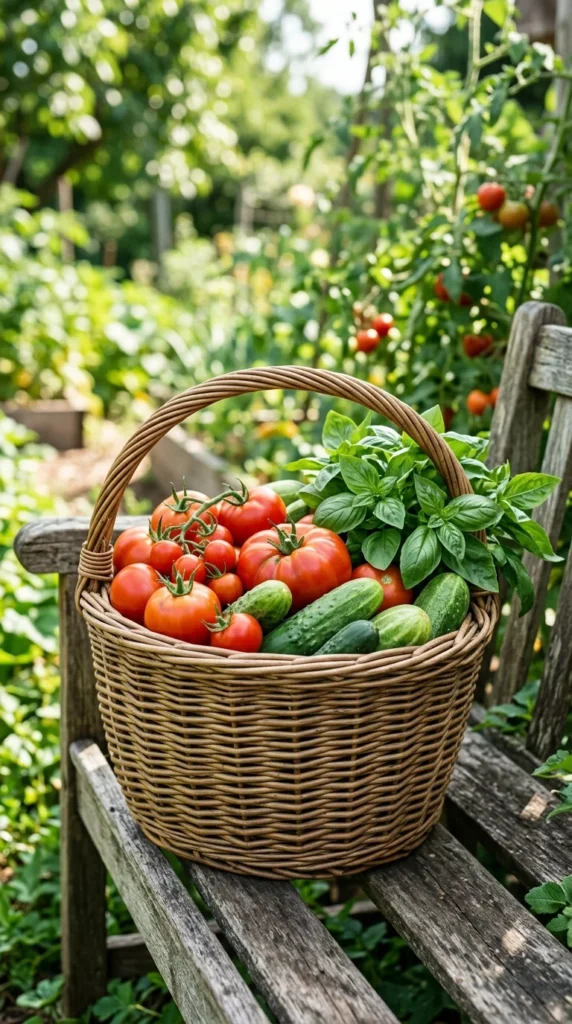
In a vegetable garden, harvesting is a vital maintenance task. Many plants, particularly beans, peas, and zucchini, will stop producing if the fruit is left to get too large and go to seed. By harvesting every week (or even every few days), you signal to the plant that it needs to keep producing more. Regular harvesting also ensures you catch produce at its peak flavor and texture before it becomes woody or bitter.
12. Support Checking
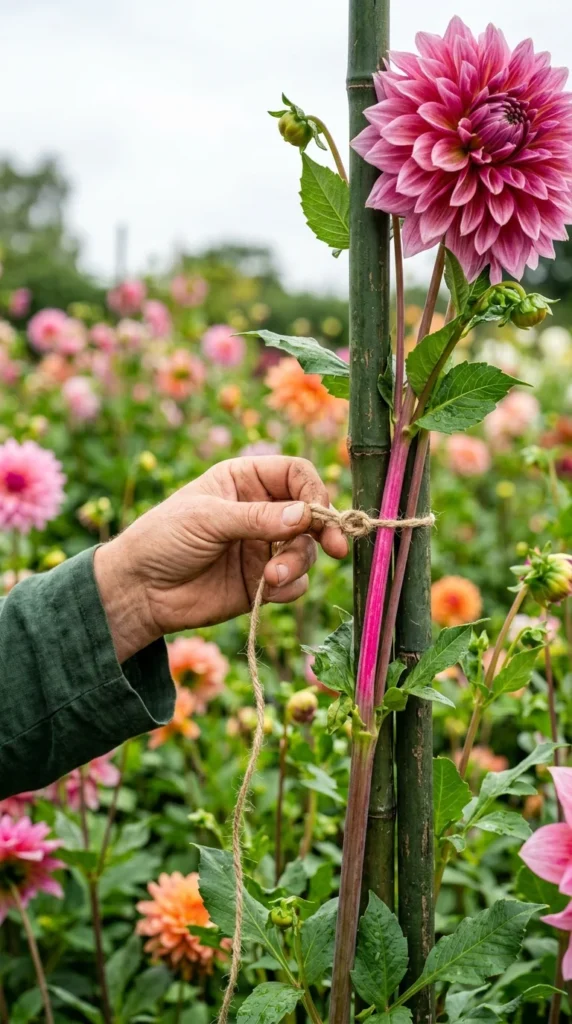
As plants grow rapidly during the summer, they can quickly become top-heavy. Check your stakes, trellises, and cages weekly. Ensure that heavy-headed flowers like dahlias or peonies are properly supported before a summer storm knocks them over. Check that ties aren’t too tight; as stems thicken, tight ties can “girdle” the plant, cutting off the flow of nutrients.
13. Path Clearing
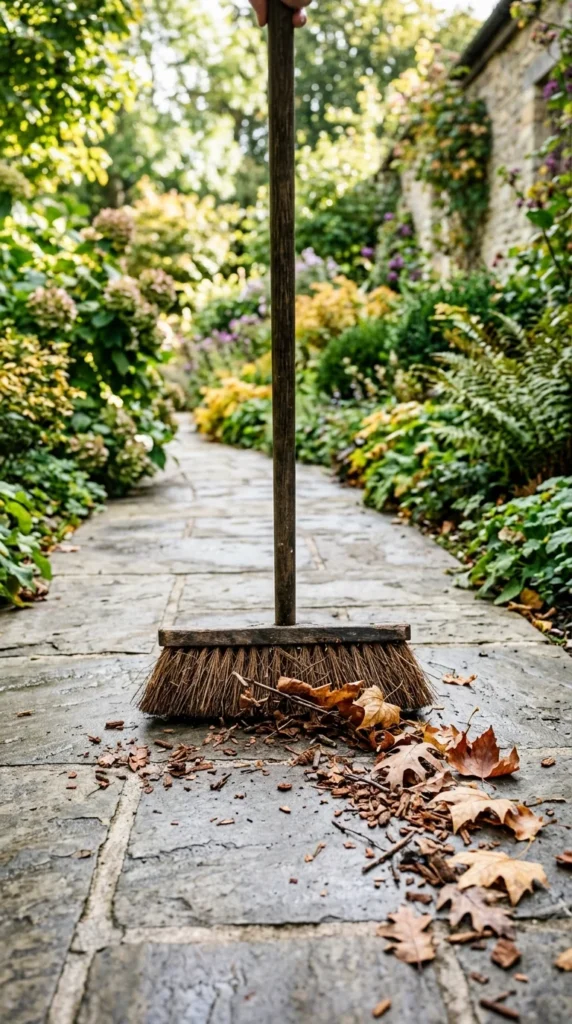
Garden paths can quickly become overgrown or covered in debris, which is both an aesthetic issue and a safety hazard. Sweep away fallen leaves, stray mulch, or dirt that has washed onto the walkway. If you have gravel paths, a quick rake will redistribute the stones and keep the surface even. Keeping paths clear makes the garden more inviting and prevents you from tracking mud and debris back into the house.
14. Wildlife Support
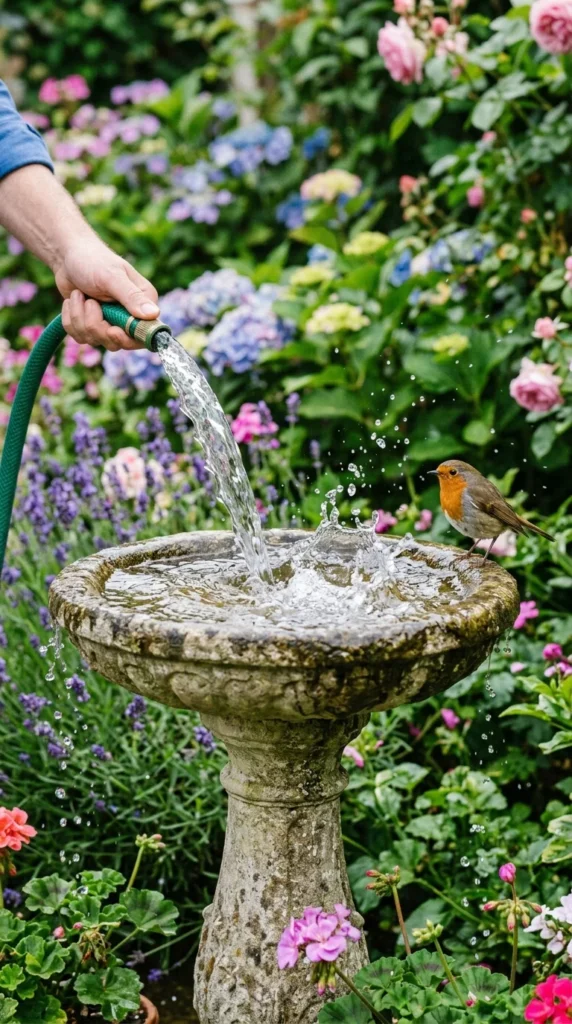
A healthy garden is an ecosystem. Once a week, scrub out your bird baths and refill them with fresh water to prevent mosquito larvae from hatching and to keep the water safe for local birds. If you have “bug hotels” or bird feeders, check them for damage or cleanliness. Providing a consistent source of clean water encourages birds and beneficial insects to stay in your garden, where they will help manage pests naturally.