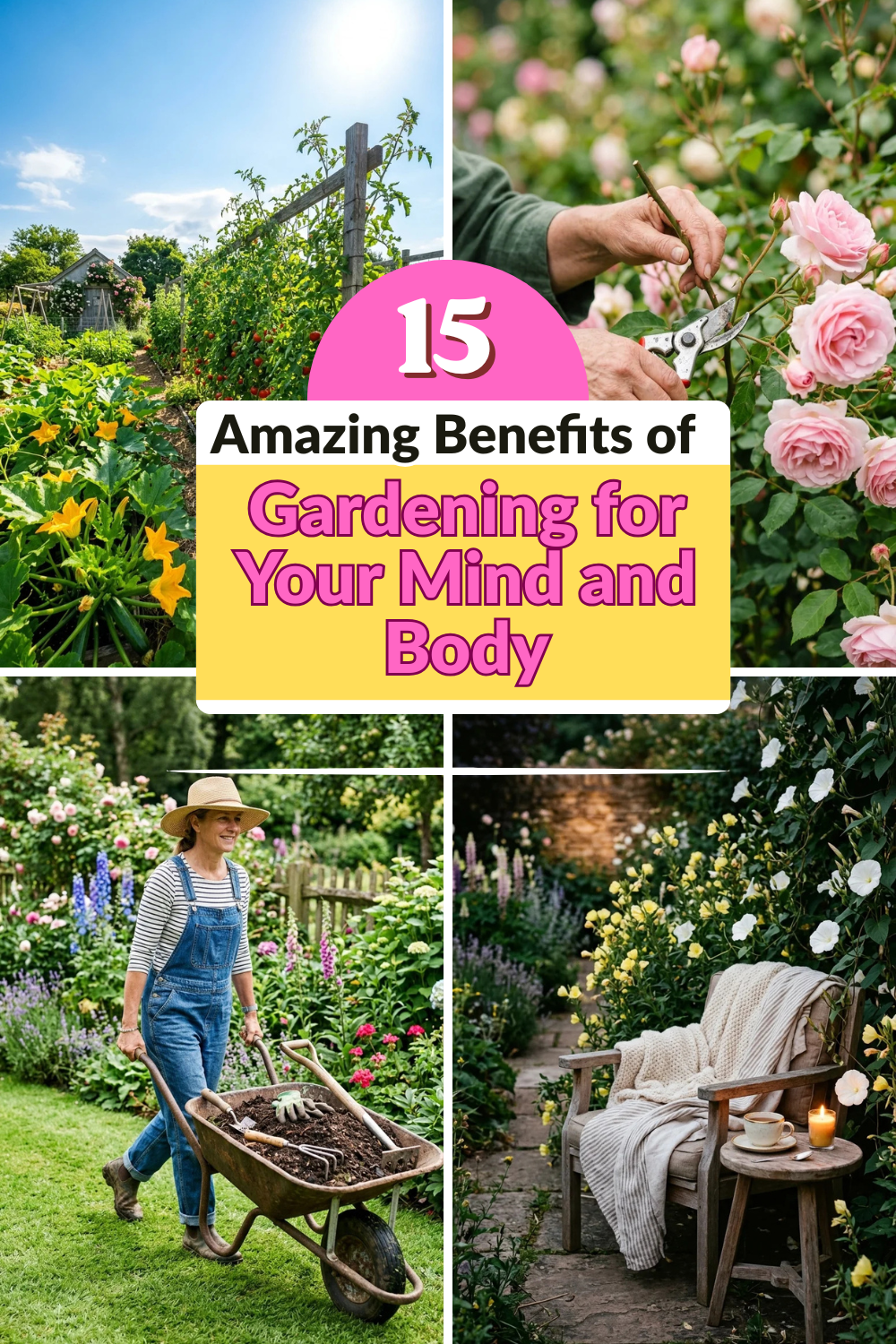
Gardening is often viewed as a quiet, leisurely pastime enjoyed by those with a green thumb and time to kill. However, beneath the surface of planting seeds and pulling weeds lies a powerhouse of health benefits that can transform your life. Whether you have a sprawling backyard or a small balcony collection of succulents, the act of nurturing plants provides a unique synergy of physical exercise, mental rejuvenation, and spiritual grounding.
As we navigate an increasingly digital and fast-paced world, returning to the soil offers a much-needed “reboot” for our biological systems. From lowering cortisol levels to providing a boost in essential vitamins, gardening is a holistic approach to wellness. Let’s dive deep into the 15 amazing ways gardening benefits your mind and body.
1. Stress Relief
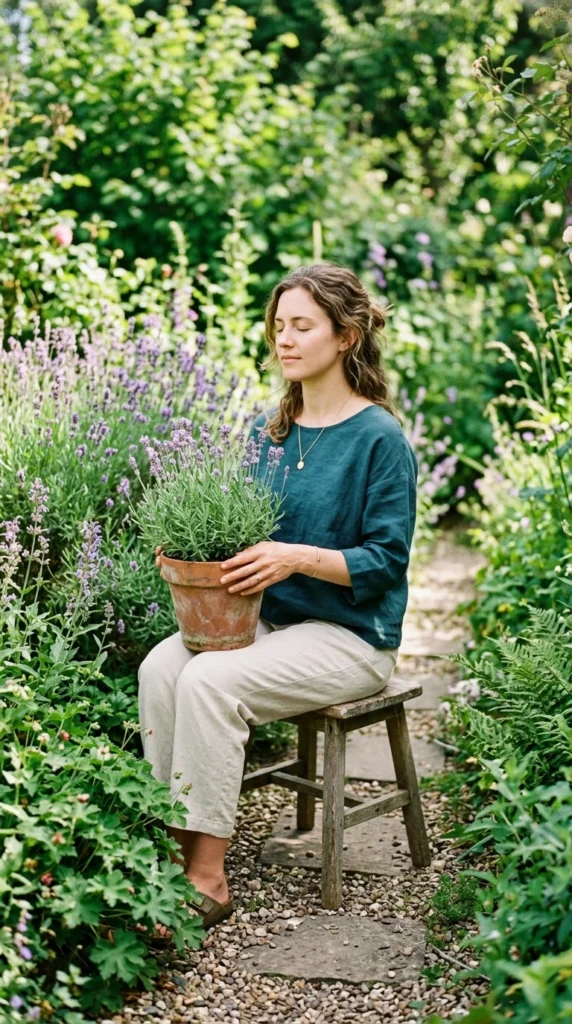
In today’s high-pressure environment, stress has become a chronic issue for many. Gardening serves as a natural tranquilizer. Studies have shown that gardening for just 30 minutes can significantly lower cortisol levels—the hormone responsible for stress. The repetitive nature of tasks like weeding, watering, and pruning allows the mind to enter a meditative “flow state,” where worries about work or finances fade into the background. The rhythmic interaction with nature helps reset the nervous system, moving the body from a “fight or flight” state into “rest and digest.”
2. Physical Workout
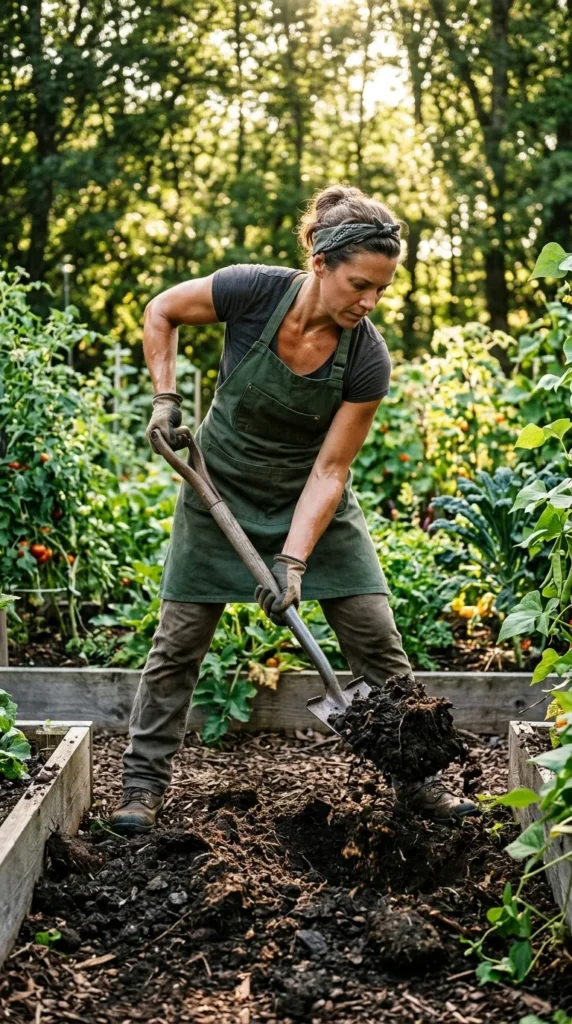
Don’t let the peaceful scenery fool you; gardening is a serious workout. It involves functional movements like squatting, lifting, stretching, and pulling. Digging a trench or moving bags of mulch provides resistance training that builds muscle strength. Raking leaves and hoeing garden beds serve as cardiovascular exercises that get your heart rate up. Because gardening is often an engaging task, people tend to stay active for longer periods than they would on a treadmill, burning anywhere from 200 to 400 calories per hour without even realizing it.
3. Vitamin D

Spending time outdoors is the most natural way to get your daily dose of Vitamin D. Known as the “sunshine vitamin,” it is crucial for a healthy immune system and strong bones. When the sun hits your skin, your body triggers the synthesis of Vitamin D, which helps you absorb calcium more effectively. This is particularly beneficial for older adults looking to maintain bone density and prevent osteoporosis. Just remember to wear sunscreen and time your gardening sessions to avoid the peak intensity of UV rays.
4. Mental Clarity
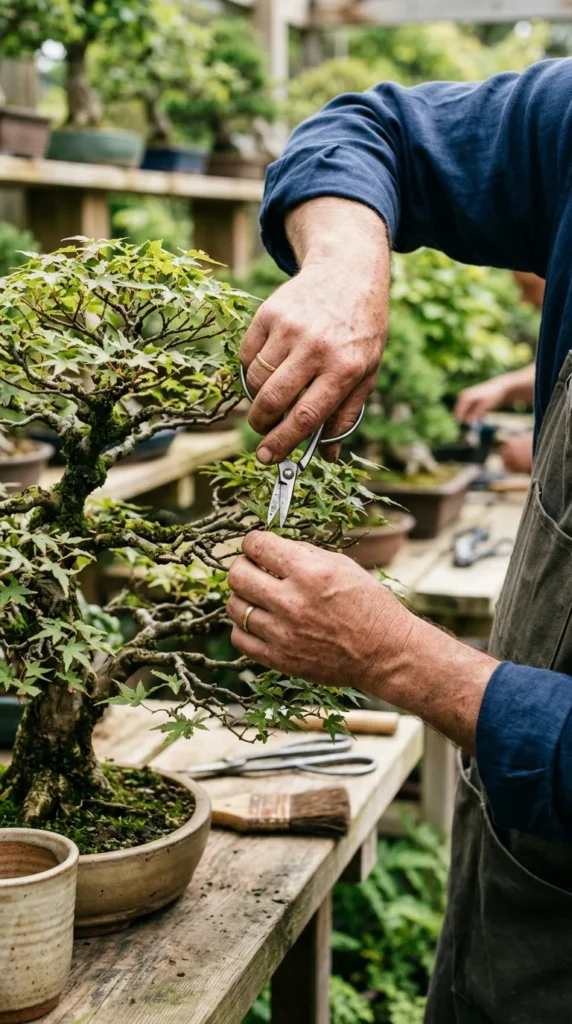
Gardening requires a level of focused attention that can improve your overall mental clarity. This is often referred to as “Attention Restoration Theory.” While our modern world forces us to use “directed attention” (focusing on screens and tasks), nature provides “soft fascination.” This allows our cognitive resources to replenish. By focusing on the specific needs of a plant or the layout of a flower bed, you are exercising your brain’s ability to concentrate, which can lead to better problem-solving skills and sharper focus in other areas of your life.
5. Immune Support
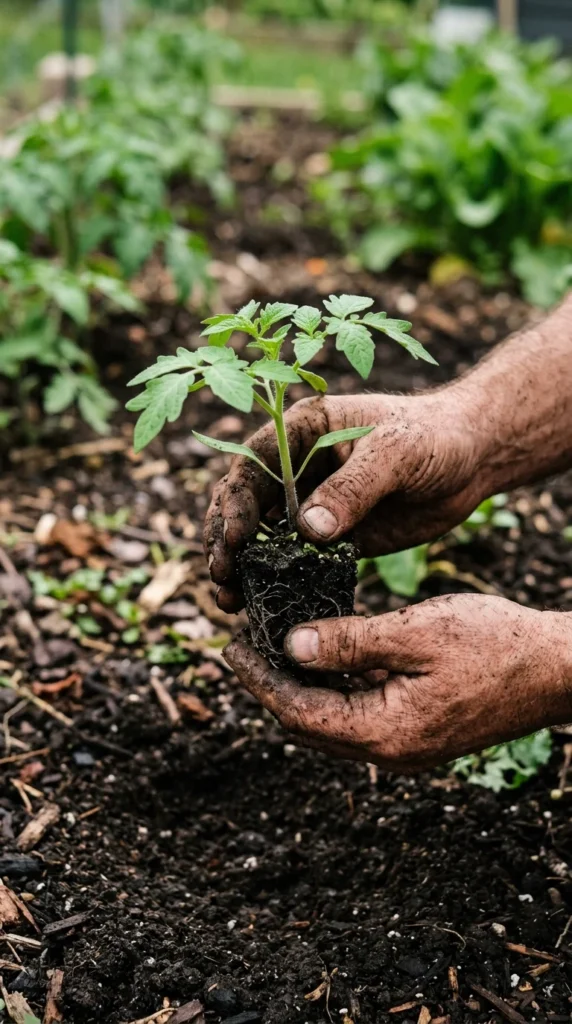
Getting your hands dirty might actually keep you from getting sick. Research has found that soil contains a friendly bacterium called Mycobacterium vaccae. When we garden, we inhale these microbes or get them on our skin. This bacterium has been linked to increased serotonin levels and a more robust immune response. Exposure to a diverse range of soil microbes can help “train” the immune system, making it more resilient against allergies and autoimmune disorders. It’s a literal way of building health from the ground up.
6. Nutritious Food
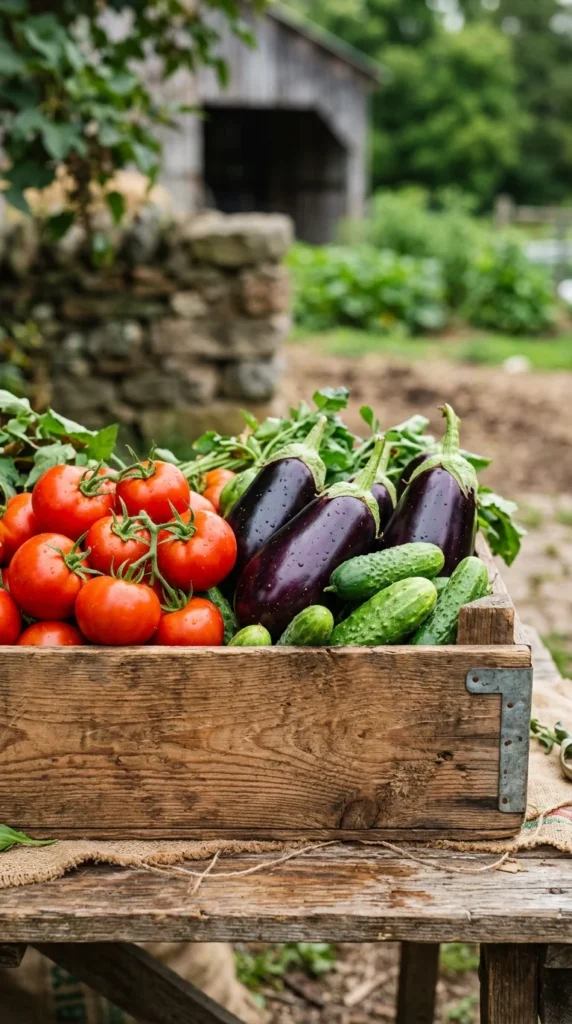
There is no comparison between a store-bought tomato and one picked fresh from your own vine. Gardening gives you direct access to the most nutrient-dense produce possible. Vegetables and fruits start losing their nutritional value the moment they are harvested. By growing your own, you ensure that you are eating food at its peak ripeness and vitamin content. Furthermore, gardeners are statistically more likely to eat the recommended daily intake of vegetables, simply because they have an abundance of delicious, chemical-free produce at their fingertips.
7. Sleep Quality

If you struggle with insomnia or restless nights, gardening might be the cure. The combination of physical exertion and exposure to natural light helps regulate your body’s internal clock, or circadian rhythm. By being outdoors in the morning and afternoon, your body learns when to be alert and when to produce melatonin for sleep. The physical tiredness resulting from a day of yard work also ensures a deeper, more restorative sleep, allowing your body to repair itself overnight.
8. Hand Dexterity
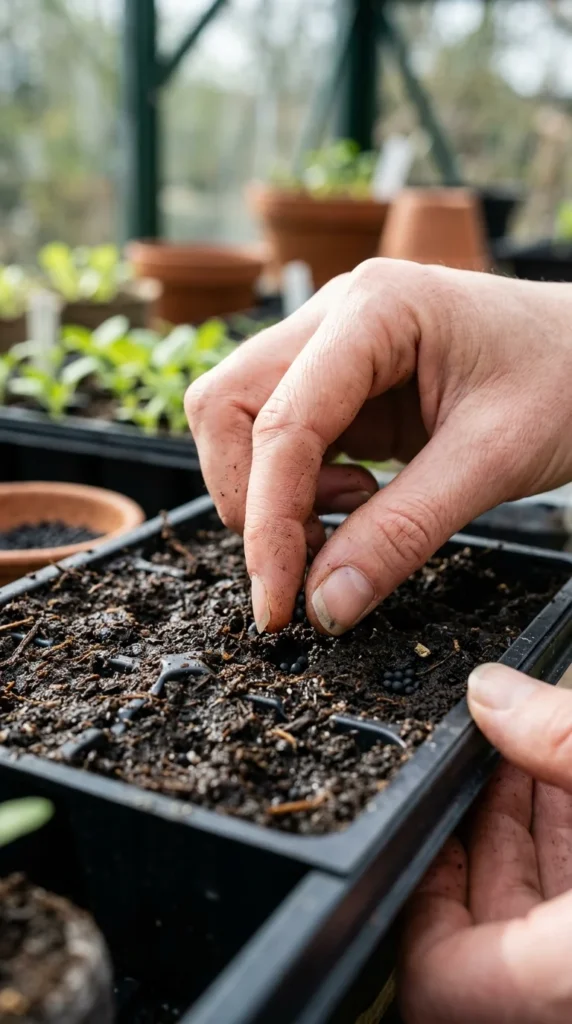
As we age, maintaining fine motor skills and grip strength becomes increasingly important. Gardening acts as a form of physical therapy for the hands. The actions of pinching small seeds, using hand pruners, and gripping a trowel keep the joints in the fingers and wrists flexible. This can be especially beneficial for individuals suffering from arthritis, as gentle, consistent movement helps keep the joints lubricated and reduces stiffness.
9. Community Connection

Gardening doesn’t have to be a solitary act. Community gardens are popping up in cities worldwide, providing a space for people to connect over a shared passion. These spaces foster a sense of belonging and reduce feelings of loneliness and isolation. Sharing seeds, advice, and a surplus harvest builds social bonds and creates a support network. For many, the garden is a social hub where friendships are cultivated right alongside the vegetables.
10. Brain Health
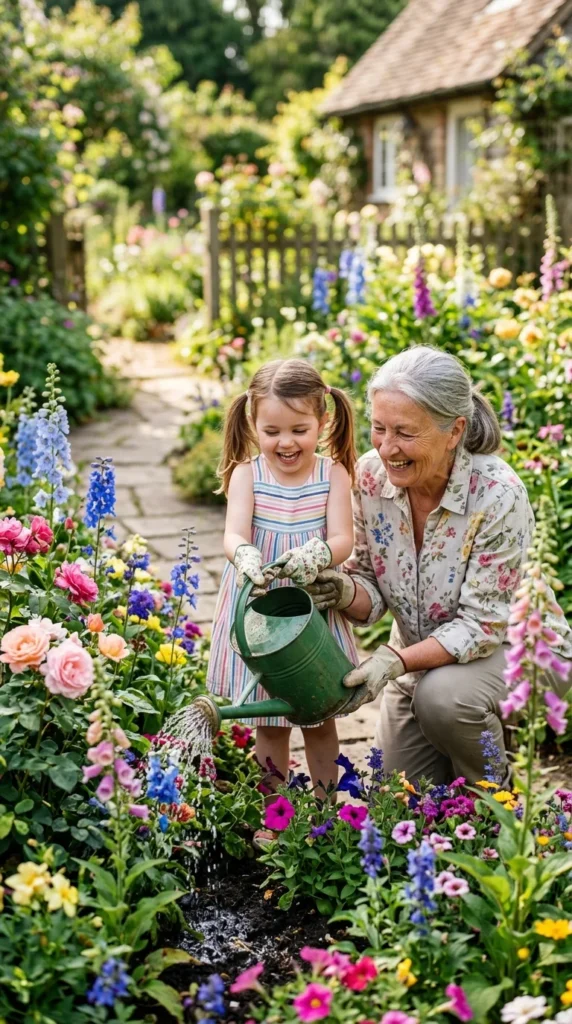
Gardening is a brain-boosting activity that can lower the risk of dementia. A long-term study followed thousands of individuals and found that daily gardening was the single most effective way to reduce the risk of Alzheimer’s and other forms of cognitive decline. Gardening involves complex tasks—planning the season, diagnosing plant diseases, and navigating the physical space—which keeps the brain’s neural pathways active and engaged. It is a multi-sensory experience that stimulates the brain in ways that few other hobbies can.
11. Patience Cultivation
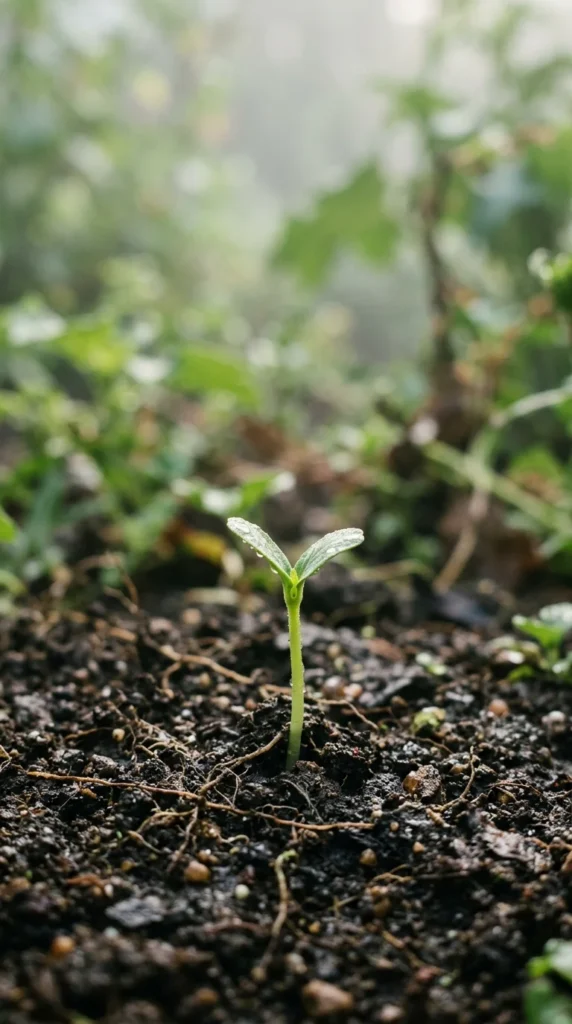
In a world of instant gratification, gardening teaches us the value of waiting. You cannot force a seed to sprout or a flower to bloom before its time. This practice of patience is incredibly grounding. It teaches us to respect the cycles of nature and to understand that the best things in life often require time, care, and persistence. This shift in perspective can help reduce frustration in other areas of life, fostering a more calm and accepting temperament.
12. Weight Management

Because gardening is a form of moderate-intensity exercise that people actually enjoy, it is highly effective for long-term weight management. Unlike a grueling gym session that one might skip, the garden always has tasks that need doing, providing a consistent source of activity. The calorie burn from digging, hauling water, and mowing the lawn adds up quickly. Combined with the healthier diet that comes from growing your own vegetables, gardening is a powerful tool for maintaining a healthy body weight.
13. Self-Esteem

There is a profound sense of accomplishment that comes from seeing a plant thrive under your care. For those struggling with low self-esteem or depression, the tangible results of gardening can be a major confidence booster. Successfully growing a giant pumpkin or a beautiful orchid provides a sense of agency—the realization that your actions can produce beauty and life. This “success” in the garden often translates into increased confidence in one’s ability to handle challenges in the outside world.
14. Sensory Stimulation

Gardening is an explosion of sensory experiences. The vibrant colors of the petals, the earthy scent of wet soil, the rustle of leaves in the wind, and the taste of a sun-warmed berry all work together to ground you in the present moment. This sensory engagement is a form of mindfulness that helps disconnect the brain from digital overstimulation. It centers the person in their physical body, providing a therapeutic experience that can alleviate symptoms of anxiety and sensory processing issues.
15. Environmental Impact
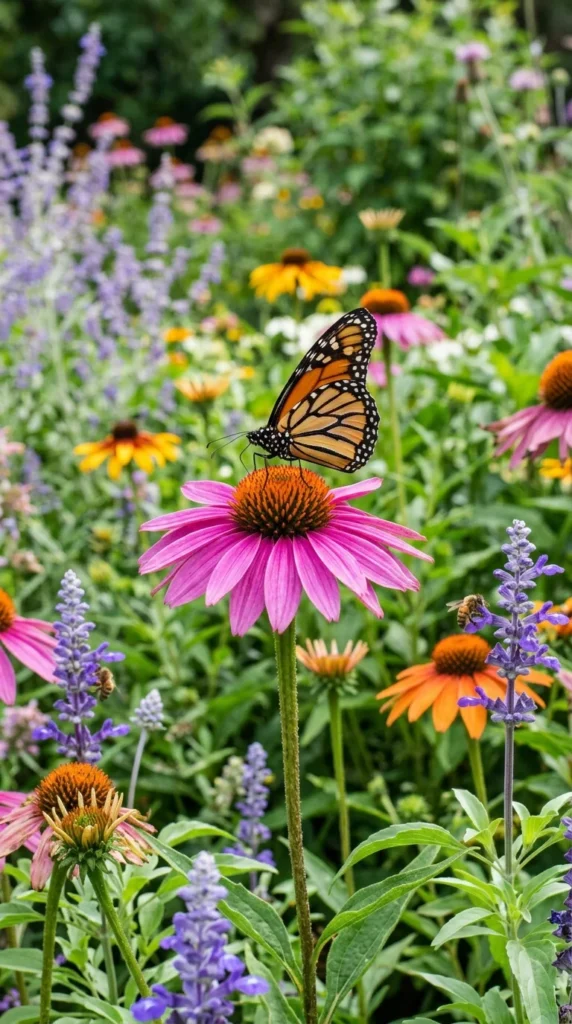
Finally, gardening allows you to be a steward of the earth. By planting a garden, you are creating a micro-habitat for pollinators like bees and butterflies, which are essential for our global food system. You can also reduce your carbon footprint by compostng kitchen scraps and reducing the need for commercially transported produce. Knowing that you are contributing positively to the environment provides a sense of purpose and “eco-therapy,” helping to soothe “eco-anxiety” by taking direct, positive action in your own backyard.