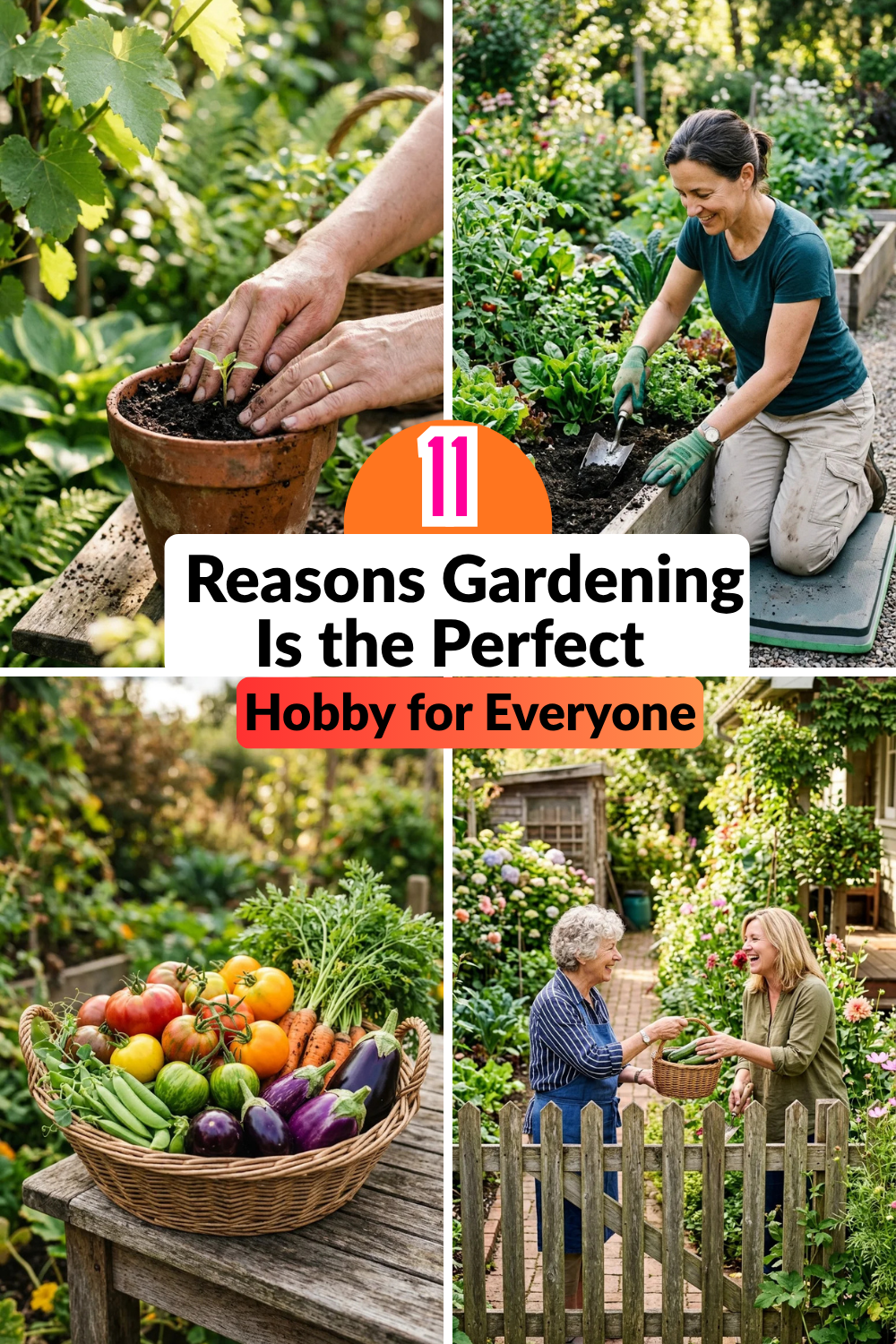
Gardening is often perceived as a pastime reserved for retirees or those with expansive country estates. However, this ancient practice is experiencing a massive modern resurgence, and for good reason. Whether you have a sprawling backyard, a small balcony, or just a sunny windowsill, gardening offers a unique blend of physical activity, mental restoration, and tangible rewards that few other hobbies can match. It is a democratic hobby—nature doesn’t care about your age, your career, or your fitness level; it only asks for a little bit of your time and care.
From the therapeutic sensation of soil between your fingers to the pride of eating a tomato you grew from a tiny seed, gardening nourishes the soul as much as it nourishes the body. Here are 11 compelling reasons why gardening is the ultimate hobby for everyone.
1. Stress Relief
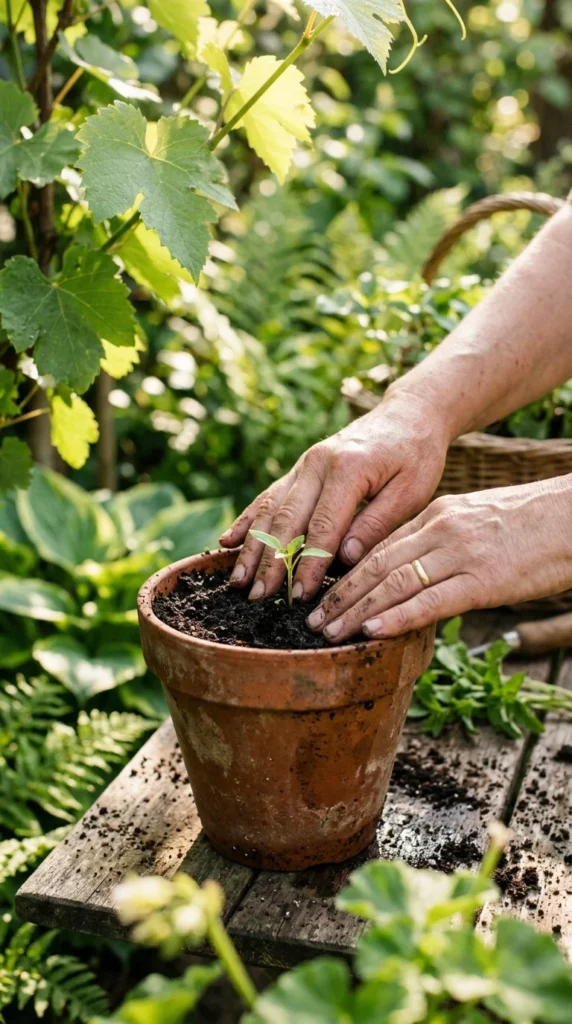
In our hyper-connected, high-speed world, stress has become a constant companion. Gardening acts as a natural “off” switch for the sympathetic nervous system. When you step into a garden, the pace of life immediately slows down. Scientific studies have shown that gardening can significantly lower cortisol levels—the hormone responsible for stress.
The rhythmic tasks involved—pruning, weeding, and watering—encourage a state of mindfulness. You aren’t worrying about emails or deadlines; you are focused on the immediate, tactile needs of a living organism. This “green therapy” provides a mental sanctuary where the noise of the world fades, replaced by the rustle of leaves and the chirp of birds.
2. Physical Health
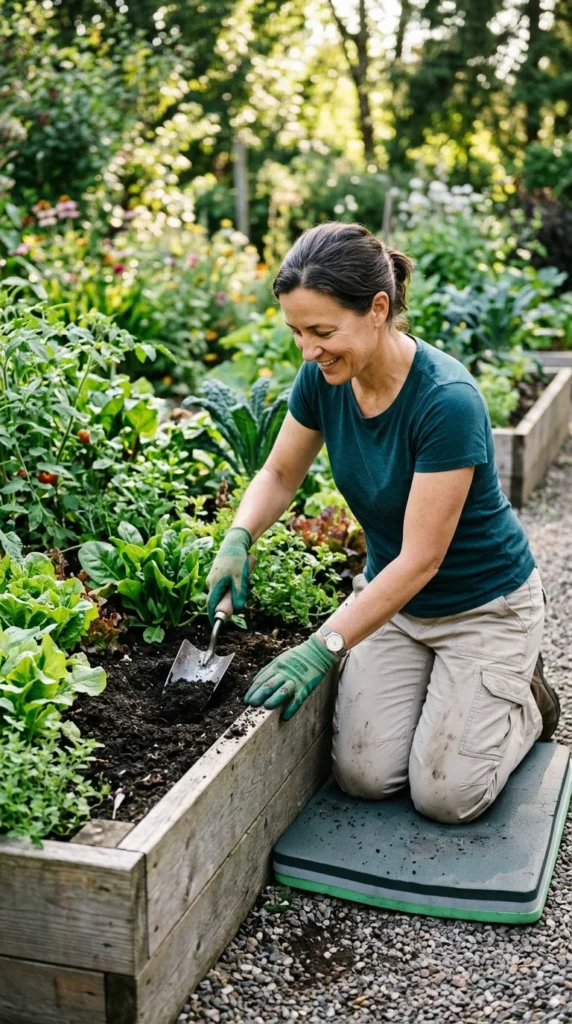
You don’t need a gym membership to stay fit when you have a garden. Gardening is a functional, low-impact form of exercise that engages almost every major muscle group. Digging, planting, and hauling mulch provide excellent resistance training, while reaching and weeding improve flexibility and balance.
Because gardening is goal-oriented, you often don’t even realize you’re working out. A few hours of yard work can burn as many calories as a session on the treadmill, but with the added benefit of fresh air and sunshine. Furthermore, the Vitamin D your body synthesizes while outdoors supports bone health and boosts your immune system, making it a holistic win for your physical well-being.
3. Fresh Produce
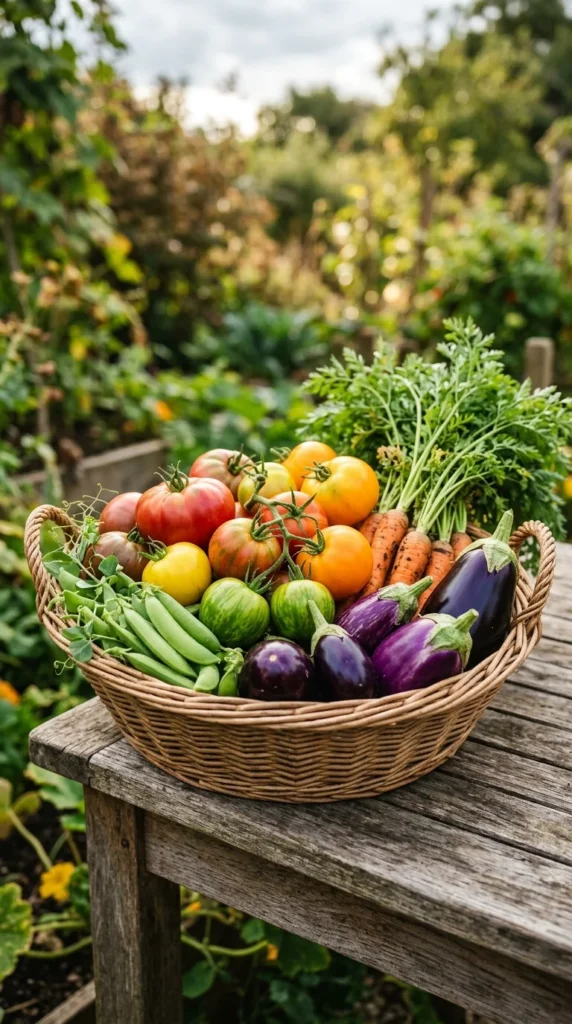
There is a profound difference between a vegetable bought at a supermarket and one harvested minutes before it reaches your plate. When you grow your own food, you have complete control over the process. You choose the varieties, the soil quality, and most importantly, you decide what chemicals—if any—are used.
Homegrown produce is often more nutrient-dense because it hasn’t traveled thousands of miles or sat in storage for weeks. The flavor is incomparable; a sun-warmed strawberry or a crisp cucumber from your own vine has a depth of taste that store-bought versions simply cannot replicate. For families, this is also a fantastic way to encourage children to eat their vegetables, as they are far more likely to try something they helped grow.
4. Environmental Impact
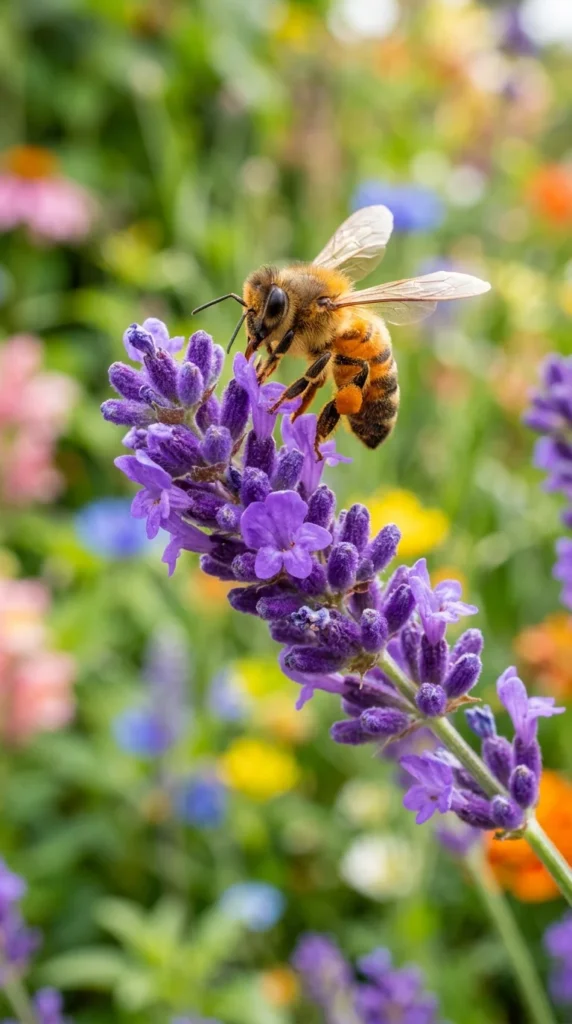
By starting a garden, you become an active participant in environmental conservation. Even a small plot can serve as a vital corridor for local wildlife. By planting native species and flowers rich in nectar, you provide essential habitats and food sources for pollinators like bees, butterflies, and hummingbirds, whose populations are currently under threat.
Gardening also allows you to reduce your carbon footprint. Every vegetable grown in your backyard is one less item that needs to be packaged in plastic and transported via heavy machinery. Additionally, home composting turns kitchen scraps that would otherwise rot in a landfill into “black gold,” enriching your soil and completing a sustainable cycle of life right in your own yard.
5. Aesthetics
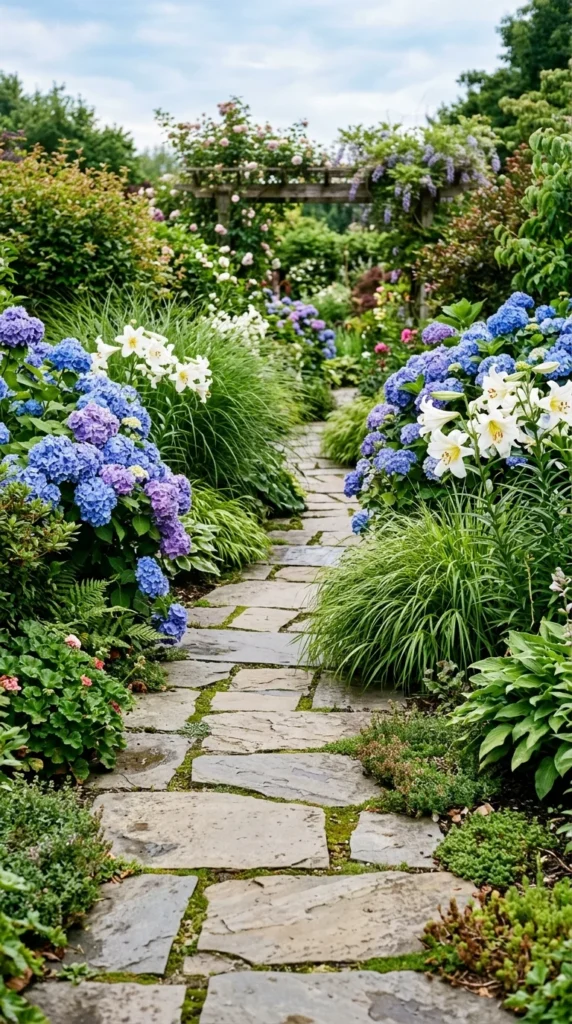
Gardening is a form of living art. It gives you the power to transform a dull patch of dirt or a concrete balcony into a breathtaking oasis. Through the careful selection of colors, textures, and heights, you can design a space that reflects your personal style.
The aesthetic rewards of gardening extend beyond your own enjoyment. A well-maintained garden increases curb appeal and can significantly boost the property value of a home. More importantly, looking out of your window at a sea of green and bursts of floral color provides a daily dose of joy and a sense of pride in the beauty you’ve helped create.
6. Learning
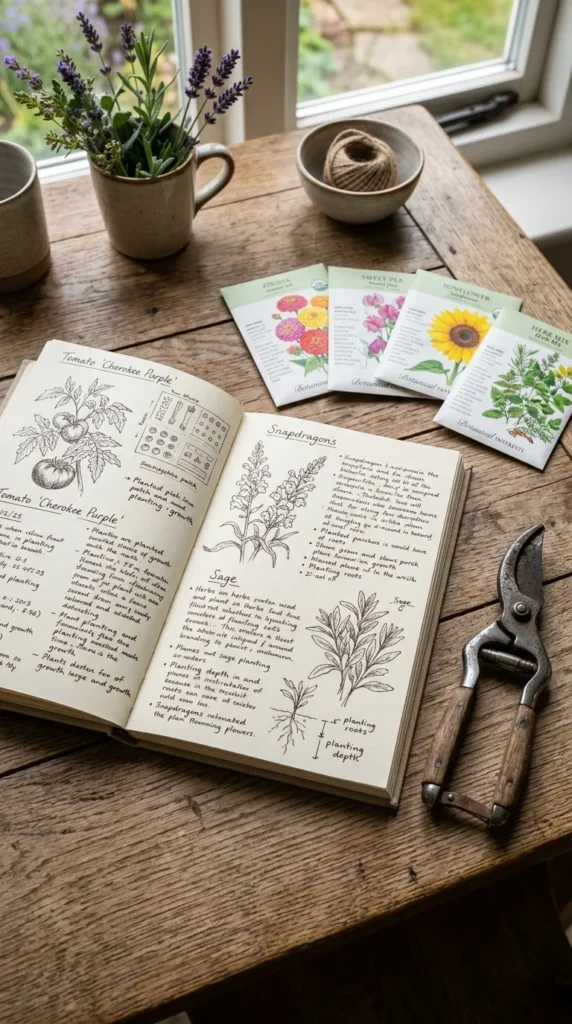
One of the most exciting aspects of gardening is that you never truly stop being a student. It is a hobby that encompasses biology, chemistry, meteorology, and history. You’ll learn about soil pH, the nitrogen cycle, the specific needs of different plant families, and how to read the weather.
Every season brings new challenges and lessons. You’ll discover why certain plants thrive while others struggle, and you’ll learn the art of patience. This constant intellectual stimulation keeps the mind sharp and fosters a sense of curiosity about the natural world that can last a lifetime.
7. Community
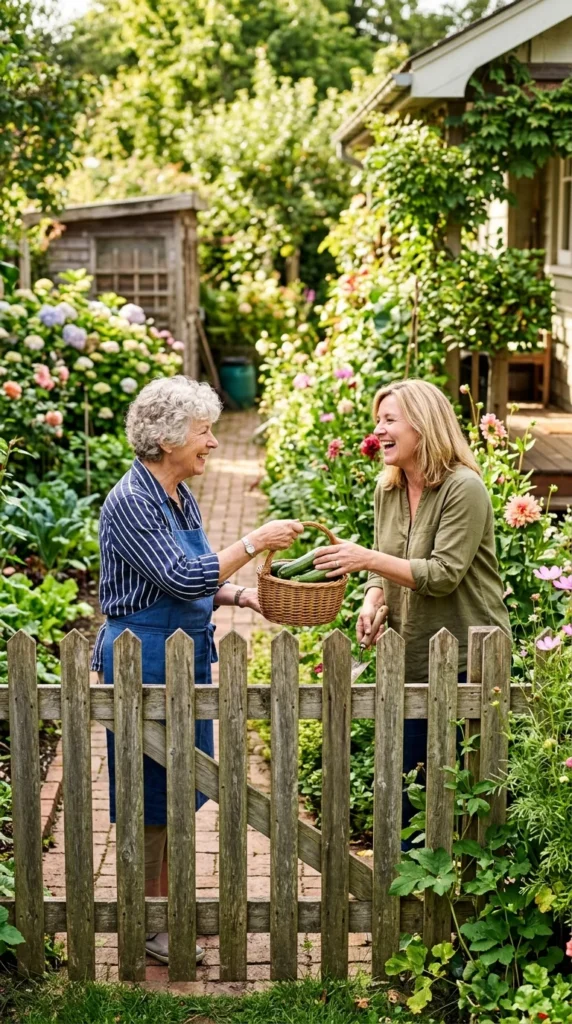
Gardening has a unique way of bringing people together. It is a universal language that transcends demographics. Whether it’s chatting with a neighbor over the fence about the best way to keep aphids off roses or joining a local community garden, this hobby fosters social connections.
Gardeners are notoriously generous people. They love to share their knowledge, their extra seeds, and their surplus harvests. Engaging in “produce swaps” or participating in local garden tours allows you to meet like-minded individuals, building a sense of belonging and community pride that is often missing in today’s digital-first society.
8. Creativity
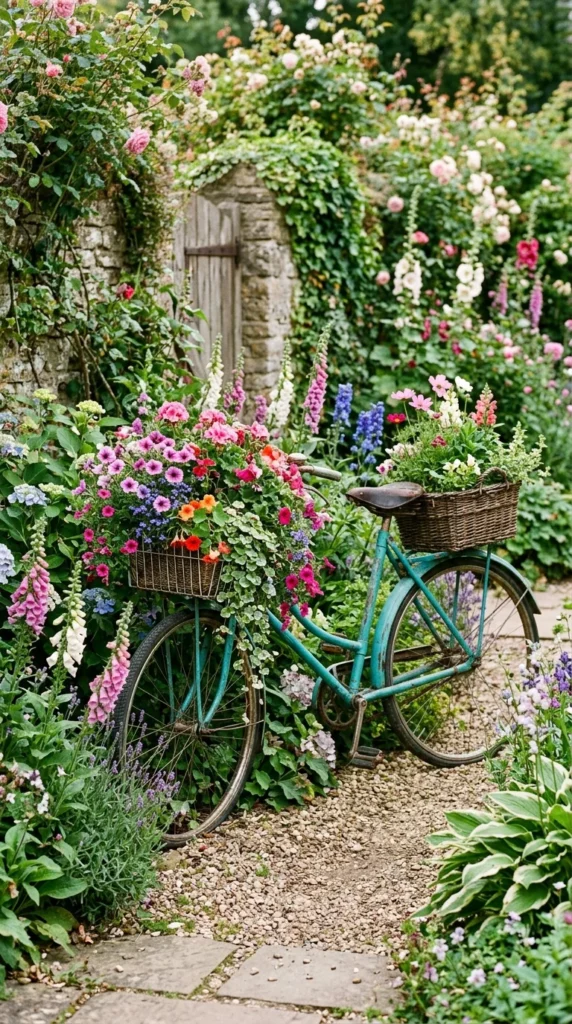
A garden is a blank canvas where you can let your imagination run wild. Gardening allows for immense creative expression, from the structural design of the landscape to the minute details of container arrangements. You can experiment with different themes—perhaps a zen Japanese garden, a wild English cottage garden, or a sleek, modern minimalist space.
Beyond the plants themselves, creativity comes into play with garden “hardscaping” and decor. Building trellises, choosing unique pots, or creating DIY birdbaths allows you to infuse your personality into the environment. It is an evolving project that allows you to reinvent your surroundings year after year.
9. Resilience
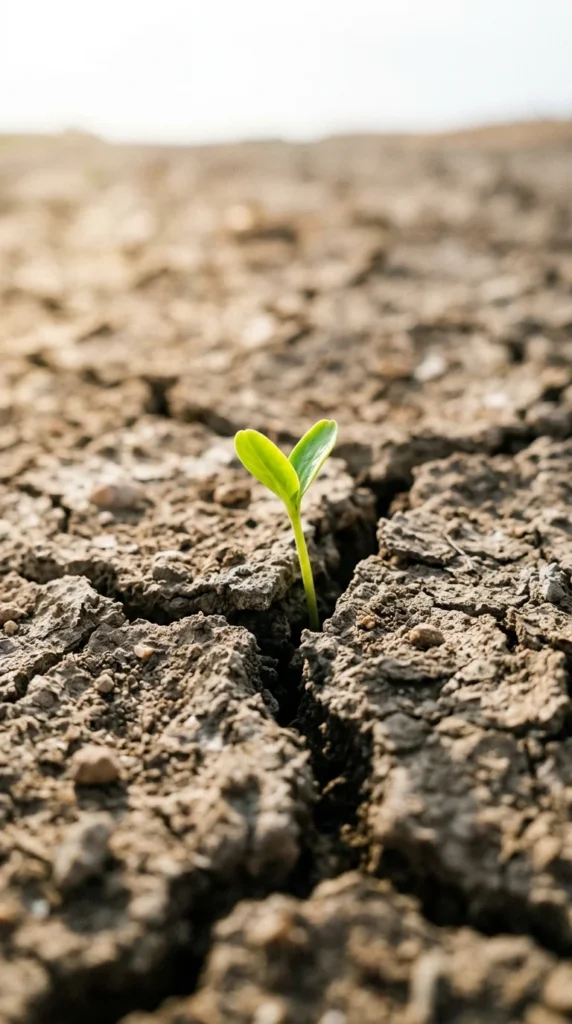
Gardening is a masterclass in resilience and the cycle of life. Not every seed will sprout, and not every harvest will be a success. You will deal with unexpected frosts, hungry pests, and heatwaves. However, these setbacks are part of the journey.
Learning to handle failure in the garden builds a sense of “grit” that translates to other areas of life. It teaches you that setbacks are temporary and that with a little adjustment and persistence, success is possible. Watching a plant recover from a wilted state after a deep watering is a powerful reminder of nature’s—and our own—ability to bounce back.
10. Connectivity

We spend a significant portion of our lives staring at screens, but gardening forces us to disconnect from the digital and reconnect with the physical. It provides a “sensory feast”—the smell of damp earth after rain, the sound of wind through the stalks of corn, and the vibrant colors of a sunset against the silhouettes of trees.
This connection to the earth is often referred to as “grounding.” It reminds us that we are part of a larger ecosystem. Getting your hands dirty and working with the seasons helps sync your internal clock with the natural world, leading to better sleep and a deeper sense of perspective on your place in the universe.
11. Budget-Friendly
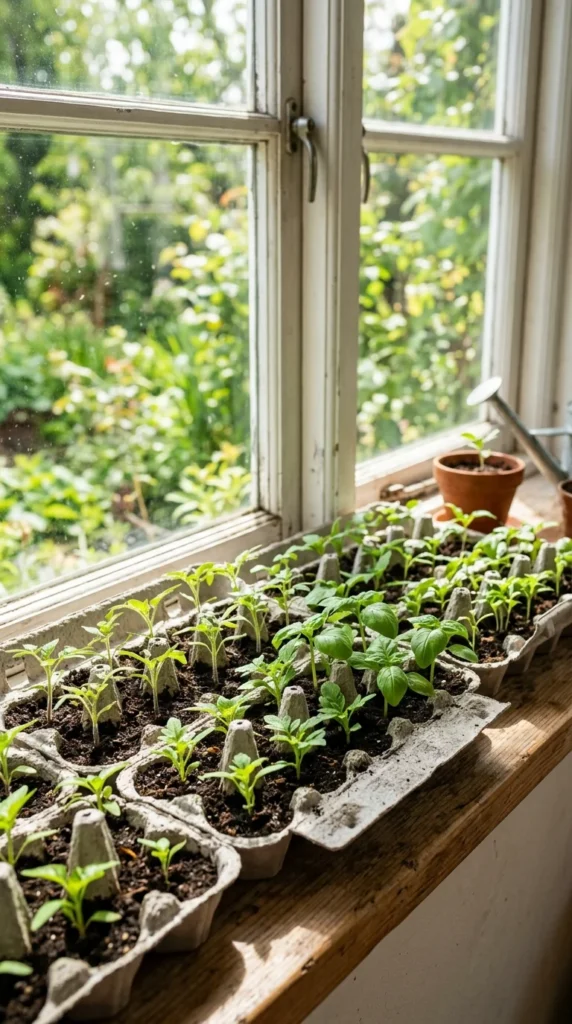
While gardening can be an expensive hobby if you buy every high-end tool available, it is fundamentally one of the most budget-friendly activities you can choose. A single packet of seeds costing a few dollars can yield dozens of pounds of produce or hundreds of flowers.
By learning to save seeds, propagate cuttings from friends, and make your own compost, you can maintain a stunning garden for next to nothing. In the long run, the money saved on grocery bills—especially for expensive organic herbs and berries—can more than pay for the initial investment in tools and soil. Gardening isn’t just a way to spend time; it’s a way to invest in your future health and financial well-being.