For centuries, humans have found solace in the soil. Whether it’s a sprawling backyard plot or a few terracotta pots on a sunlit balcony, the act of nurturing a plant from seed to harvest offers a profound sense of satisfaction. But beyond the aesthetic appeal and the joy of a home-grown tomato, there is a wealth of scientific evidence suggesting that gardening is one of the most beneficial hobbies for your physical and mental well-being.
Researchers have spent decades studying the “Green Thumb Effect,” discovering that the combination of physical activity, sunlight, and interaction with nature creates a powerful synergy for human health. Here are 11 science-backed benefits of gardening that prove digging in the dirt is more than just a hobby—it’s a prescription for a better life.
1. Stress Relief
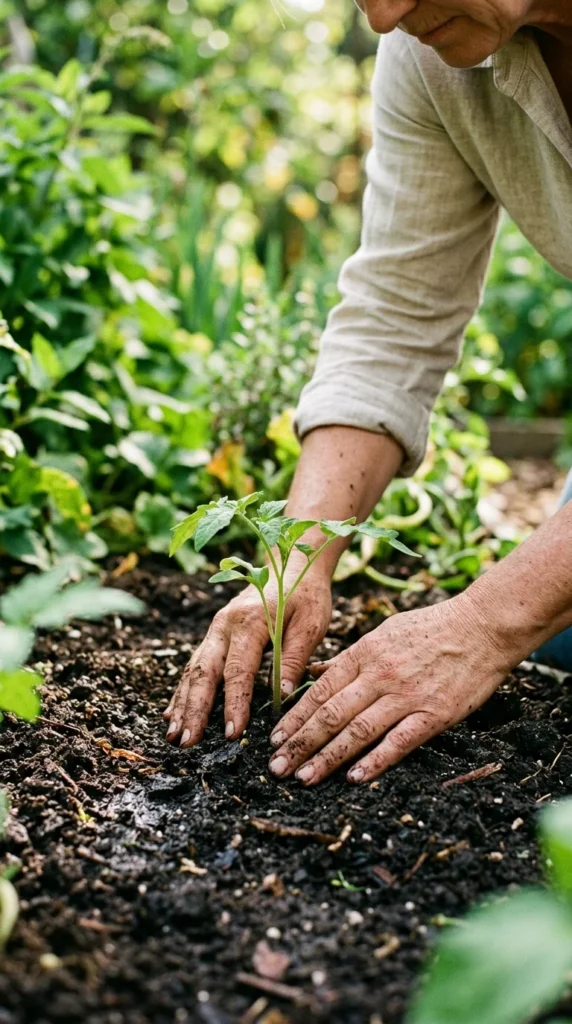
One of the most immediate benefits of gardening is its ability to lower stress levels. A study published in the Journal of Health Psychology compared gardening to indoor reading as a stress-relieving activity. The results showed that gardening led to a significant decrease in cortisol—the body’s primary stress hormone—and a more positive mood compared to reading. The rhythmic nature of weeding, pruning, and planting allows the mind to enter a state of “flow,” providing a much-needed break from the constant digital interruptions of modern life.
2. Physical Activity

Gardening is a full-body workout disguised as a leisure activity. Digging, raking, and carrying watering cans involve repetitive functional movements that build strength, stamina, and flexibility. According to the CDC, gardening is considered a moderate-intensity exercise. Spending just 30 to 45 minutes in the garden can burn up to 300 calories. Because it is low-impact, it is an ideal way for people of all ages to stay active without the strain often associated with high-intensity gym routines.
3. Vitamin D

While we spend more time indoors than ever before, our bodies still crave the sun. Gardening provides a natural way to boost your Vitamin D levels. Vitamin D is essential for hundreds of bodily functions, including bone health and immune system regulation. Scientific studies suggest that regular sun exposure through outdoor activities like gardening can help maintain optimal levels of this “sunshine vitamin,” which has been linked to a lower risk of certain cancers, heart disease, and depression.
4. Brain Health
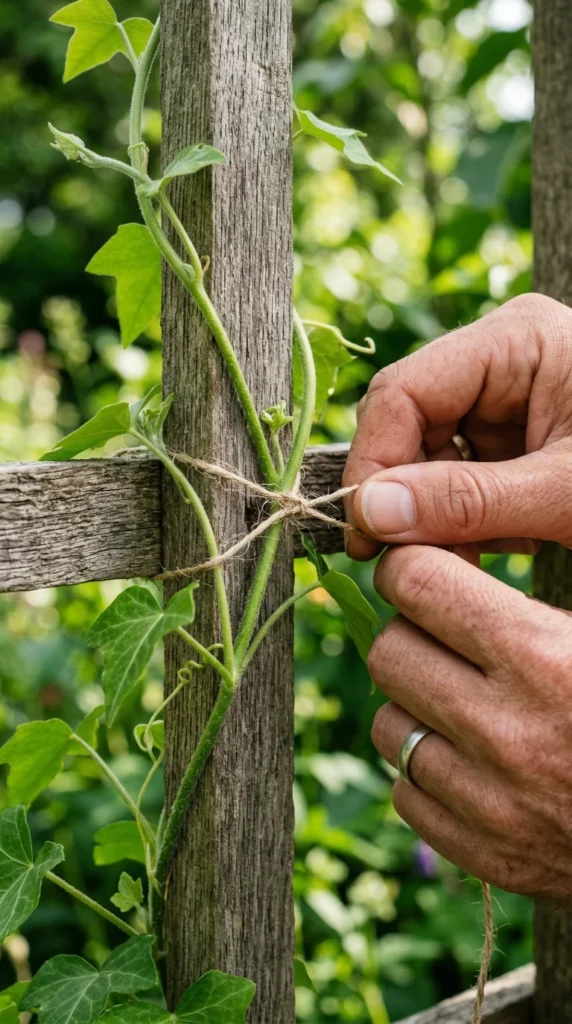
Gardening might be the ultimate brain booster. Research published in the Journal of Alzheimer’s Disease found that regular gardening could reduce the risk of dementia by as much as 36%. The complexity of gardening—planning the layout, remembering watering schedules, and learning about different plant species—utilizes various cognitive functions, including problem-solving and sensory awareness. It keeps the mind sharp and engaged, providing a protective effect against age-related cognitive decline.
5. Immune System
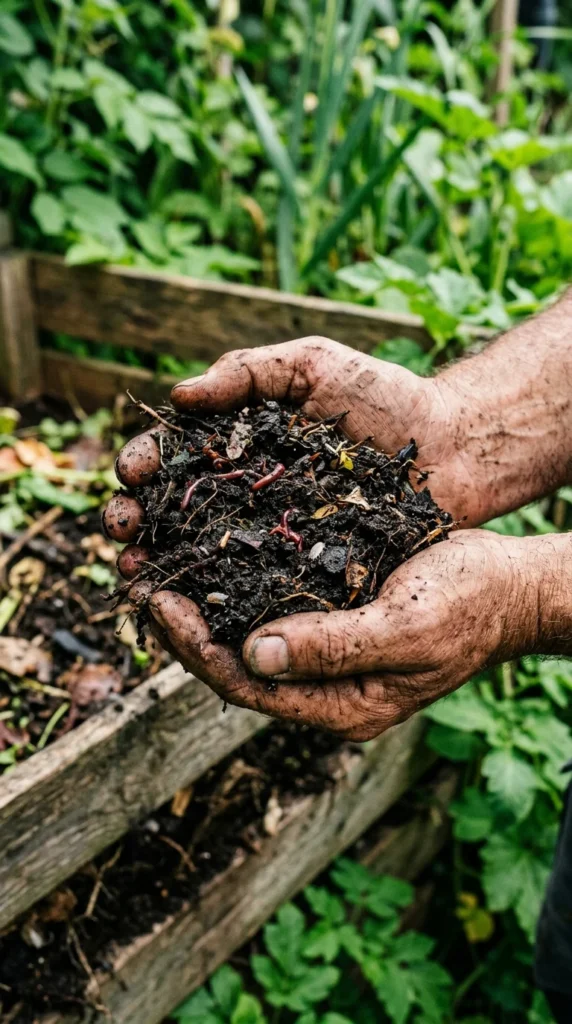
It turns out that getting “dirty” is actually good for you. Soil contains a specific strain of healthy bacteria called Mycobacterium vaccae. Studies have shown that exposure to these microbes can stimulate the human immune system and even increase levels of serotonin, the chemical that helps regulate mood. By interacting with the natural biome of the garden, you are effectively “training” your immune system to be more resilient against allergies and infections.
6. Heart Health
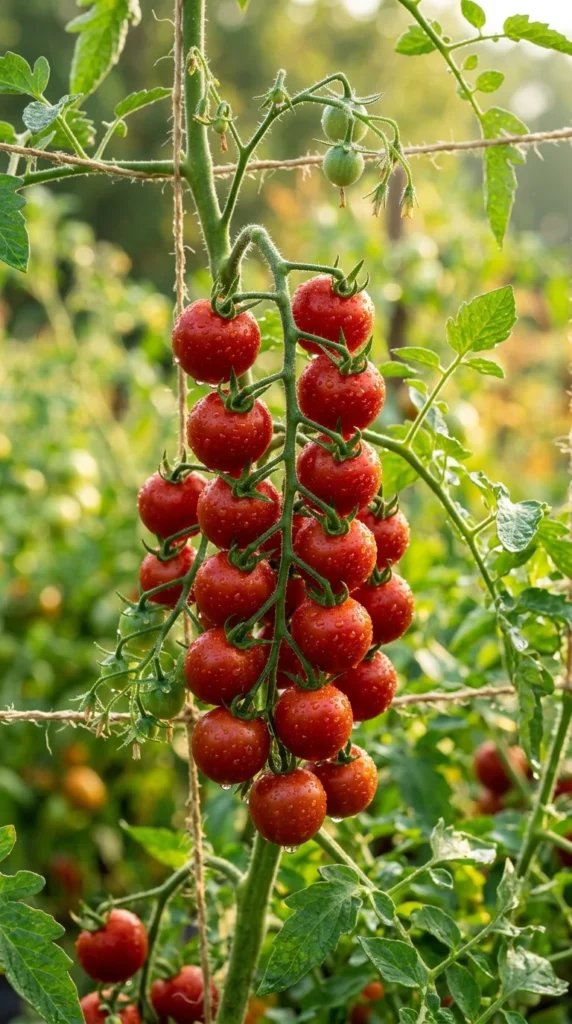
Engaging in regular gardening can significantly lower the risk of heart attack and stroke. The combination of physical exertion and the calming effect of nature helps regulate blood pressure. A long-term study conducted in Sweden found that for those over the age of 60, regular gardening was just as effective as traditional exercise in reducing cardiovascular risk. The steady, consistent movement keeps the heart pumping and the blood flowing, making it a heart-healthy habit for life.
7. Better Nutrition

One of the most practical benefits of gardening is the access to fresh, nutrient-dense produce. When you grow your own food, you control the soil quality and the use of pesticides. Studies show that people who garden are much more likely to meet their daily recommended intake of fruits and vegetables. Furthermore, produce harvested at peak ripeness contains significantly higher levels of vitamins and antioxidants than store-bought items that have been transported over long distances.
8. Mental Clarity
Environmental psychologists have long advocated for the “Attention Restoration Theory.” This theory suggests that urban environments drain our cognitive resources, while natural environments like gardens allow our brains to recharge. Gardening requires “soft fascination”—a type of attention that is effortless and calming. This helps reduce mental fatigue, improves focus, and provides a sense of mental clarity that is hard to find in the concrete jungle.
9. Self-Esteem

There is a unique sense of accomplishment that comes from successfully growing a plant. For many, this translates into a significant boost in self-esteem and self-confidence. A study involving participants in community gardens found that the act of nurturing something living and seeing it thrive gave individuals a sense of purpose and pride. Whether you are harvesting your first cucumber or seeing a perennial bloom for the first time, these small “wins” contribute to a healthier self-image.
10. Social Bonds
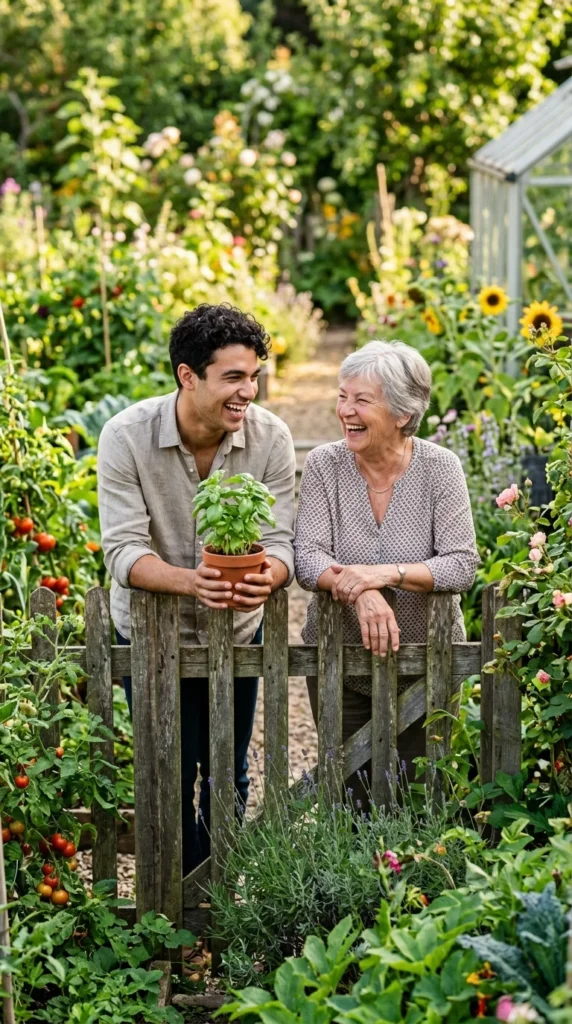
Gardening is often a communal activity. Community gardens, in particular, provide a space for people to connect, share knowledge, and build relationships. Science shows that strong social connections are a key predictor of longevity and happiness. Gardening breaks down social barriers, allowing people from diverse backgrounds to bond over a shared love of the earth. Even in private gardens, the act of sharing surplus harvests with neighbors fosters a sense of community and belonging.
11. Sleep Quality

If you struggle with insomnia, the garden might be your best medicine. The combination of physical exertion, exposure to natural light (which regulates the circadian rhythm), and reduced stress levels all lead to better sleep quality. A study of older adults found that those who engaged in gardening reported fewer sleep disturbances and longer durations of deep sleep. By tiring the body and calming the mind, gardening prepares you for a truly restful night.