Bringing nature indoors is one of the most effective ways to transform a living space. Beyond their aesthetic appeal, indoor plants are silent powerhouses that purify the air, reduce stress levels, and boost productivity. Whether you are a seasoned “plant parent” or a beginner looking to add your first touch of green, selecting the right variety can turn a dull room into a vibrant sanctuary.
From the architectural elegance of the Snake Plant to the dramatic, sprawling leaves of the Monstera Deliciosa, indoor plants offer a texture and color palette that synthetic decor simply cannot match. In this guide, we explore fifteen stunning indoor plants that will instantly breathe life into your home.
1. Monstera Deliciosa
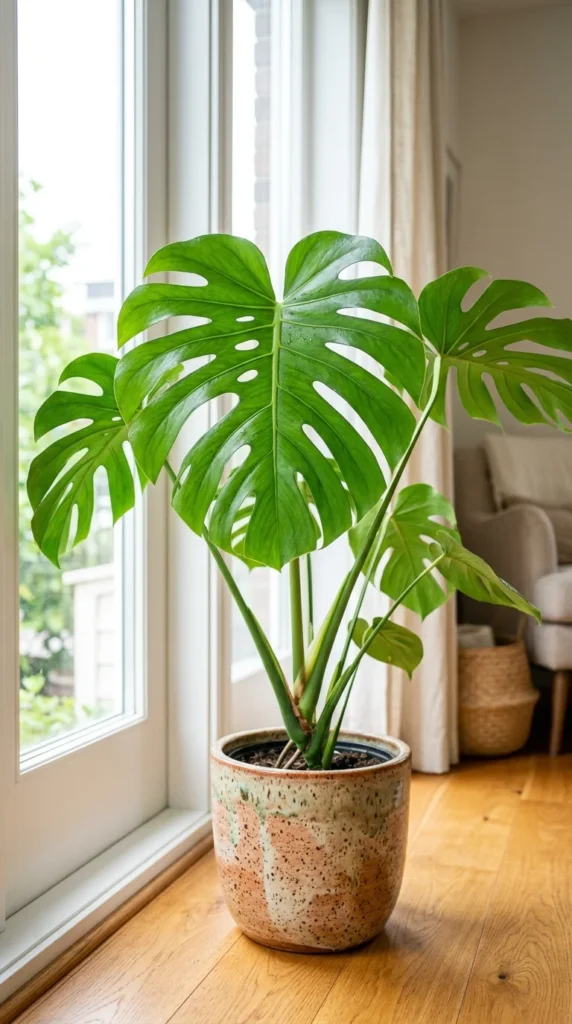
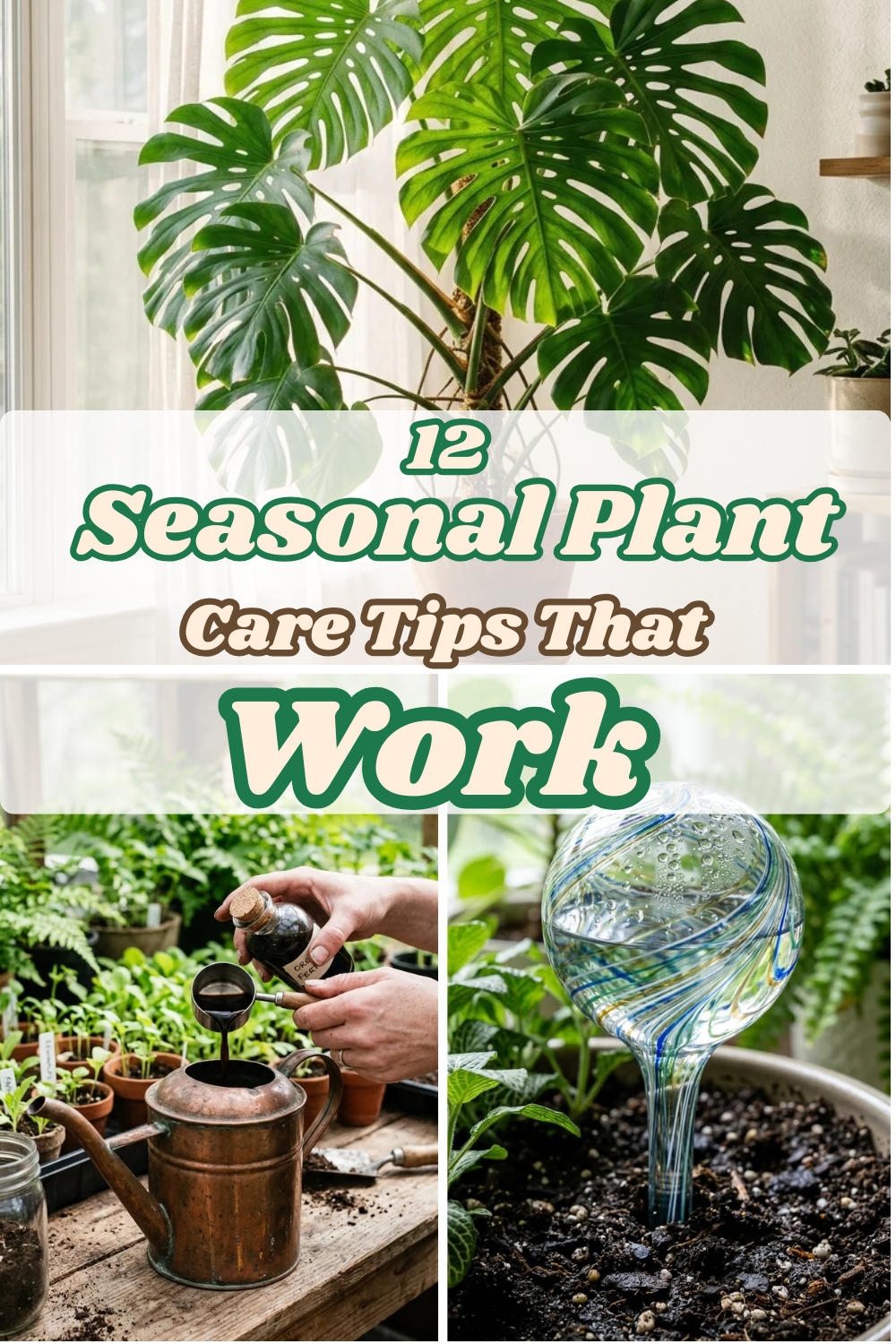
Often called the “Swiss Cheese Plant,” the Monstera Deliciosa is the undisputed king of interior design. Its large, glossy green leaves develop unique natural holes and splits—known as fenestrations—as the plant matures. This plant is a statement piece, capable of filling an empty corner with tropical drama. It thrives in bright, indirect light and prefers its soil to dry out slightly between waterings. Because it is a climbing plant, providing a moss pole will encourage it to grow taller and produce even larger foliage.
2. Fiddle Leaf Fig
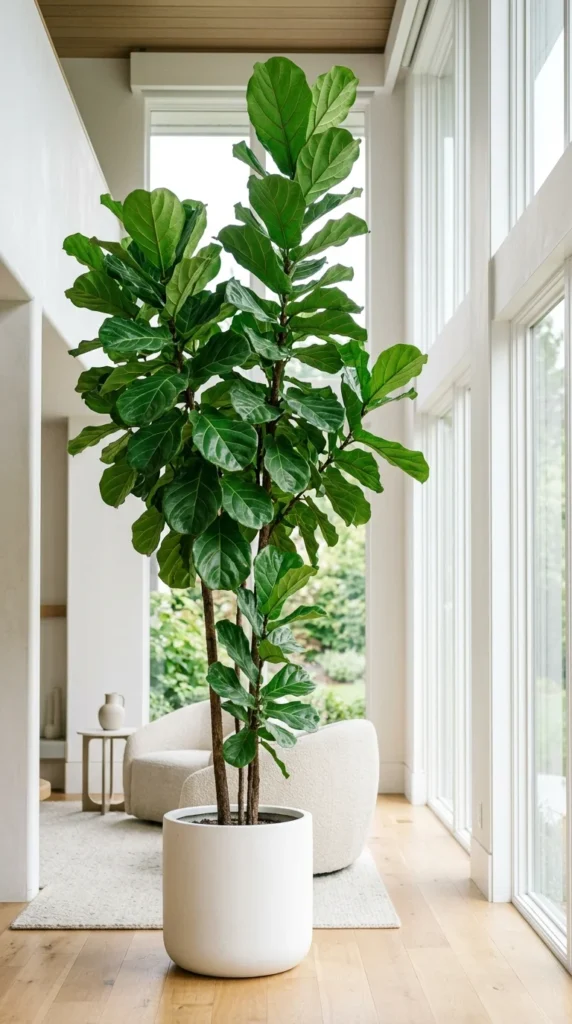
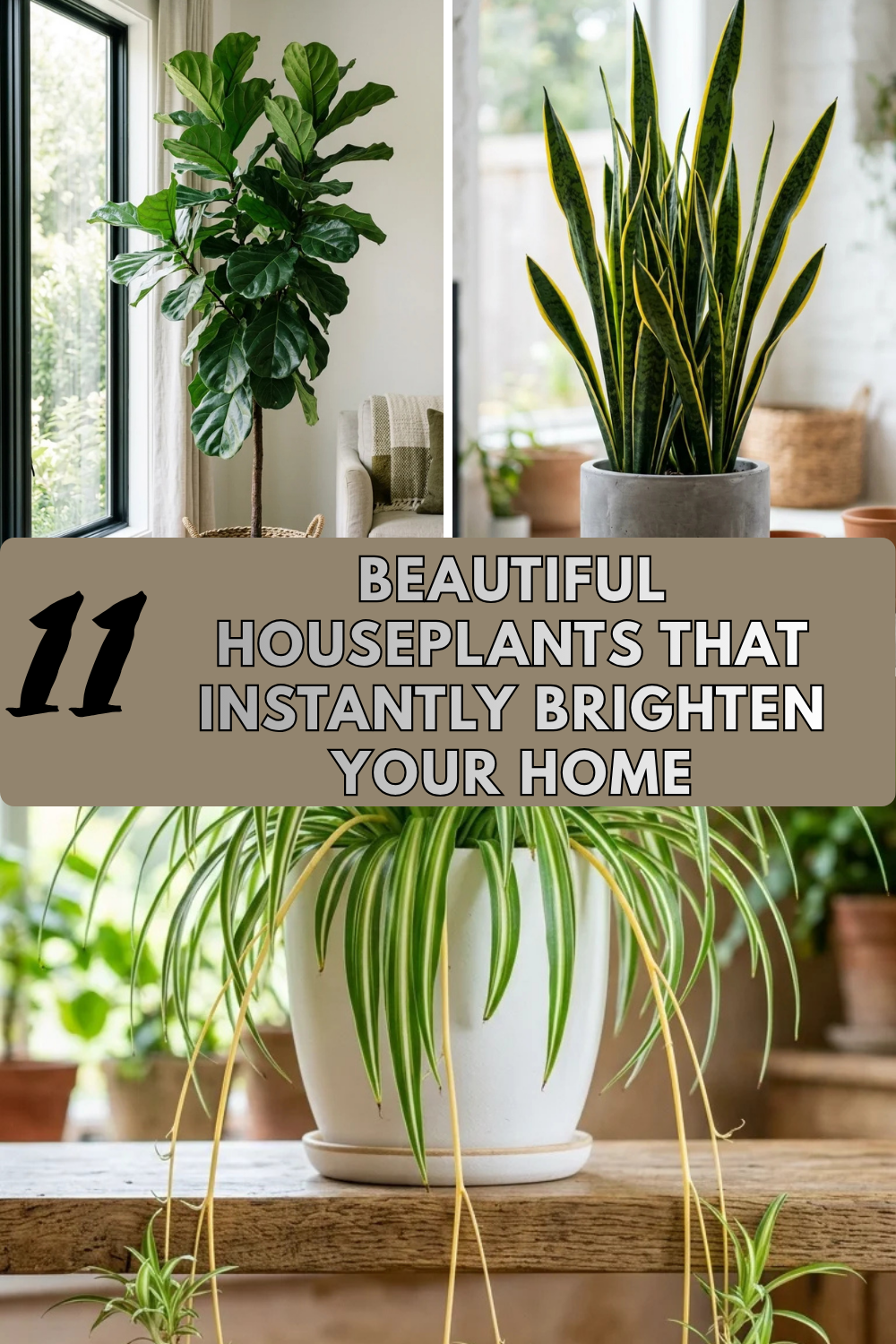
The Fiddle Leaf Fig (Ficus lyrata) is the darling of the interior design world. Known for its broad, violin-shaped leaves and impressive height, it adds a touch of high-end sophistication to any room. While it has a reputation for being a bit finicky, its beauty is well worth the effort. It craves consistency, so find a spot with plenty of bright, filtered light and avoid moving it frequently. Regular dusting of its large leaves ensures the plant can photosynthesize efficiently, keeping that deep emerald glow vibrant.
3. Snake Plant
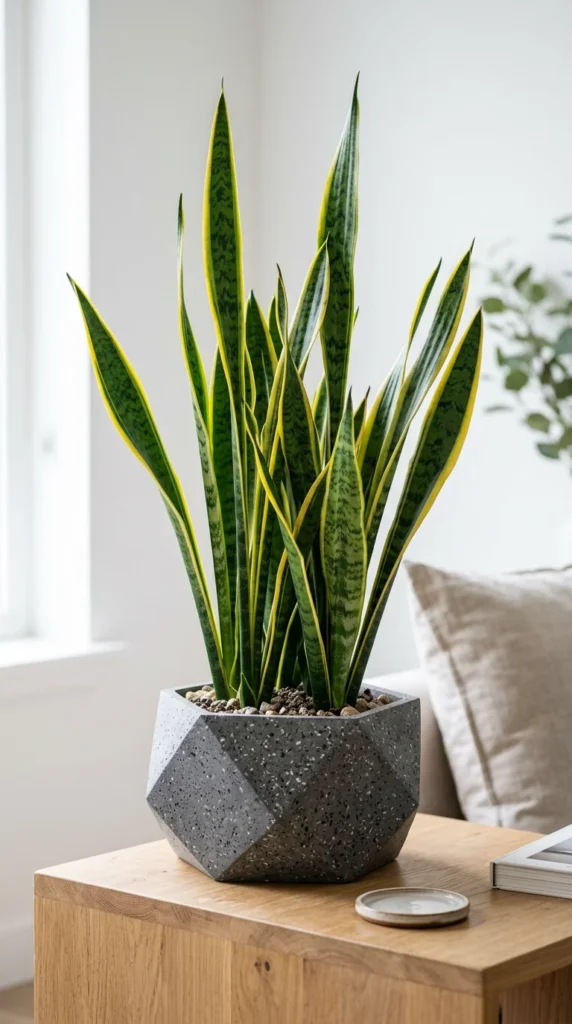
For those who want beauty without the high maintenance, the Snake Plant (Sansevieria) is the perfect choice. Characterized by its stiff, sword-like leaves that grow vertically, it offers a sleek, architectural look. It is incredibly resilient, thriving in low-light conditions and requiring very little water. Interestingly, it is one of the few plants that continues to produce oxygen at night, making it an ideal companion for the bedroom to help improve sleep quality.
4. Peace Lily
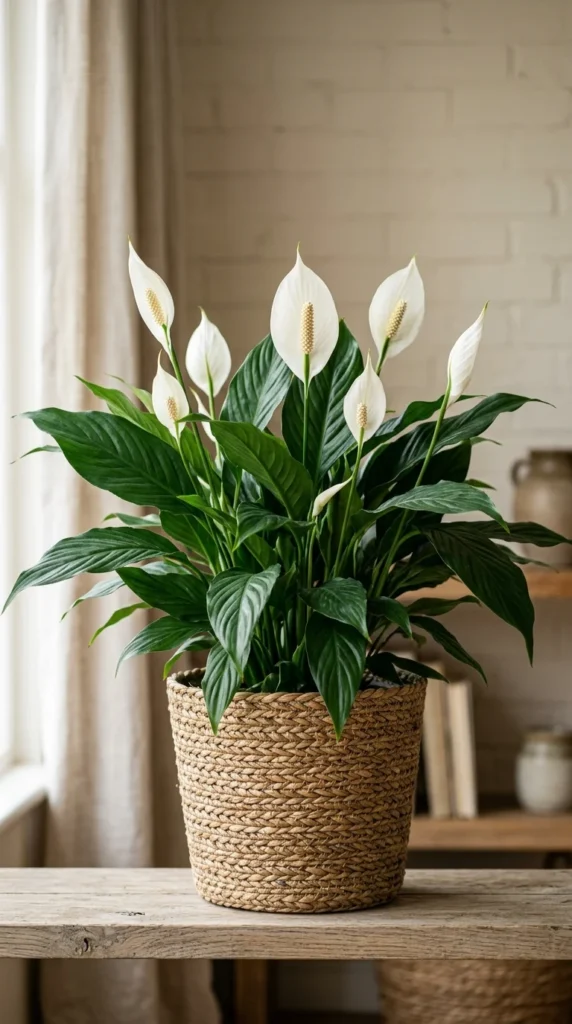
The Peace Lily is synonymous with elegance and tranquility. Its deep green, glossy foliage is punctuated by striking white blooms that look like tiny sails. Aside from its visual appeal, the Peace Lily is a champion at filtering indoor toxins like benzene and formaldehyde. It is a communicative plant—it will visibly wilt or “faint” when it needs water, bouncing back within hours of a good soak. It performs best in medium to low light, making it perfect for office spaces or hallways.
5. Pothos
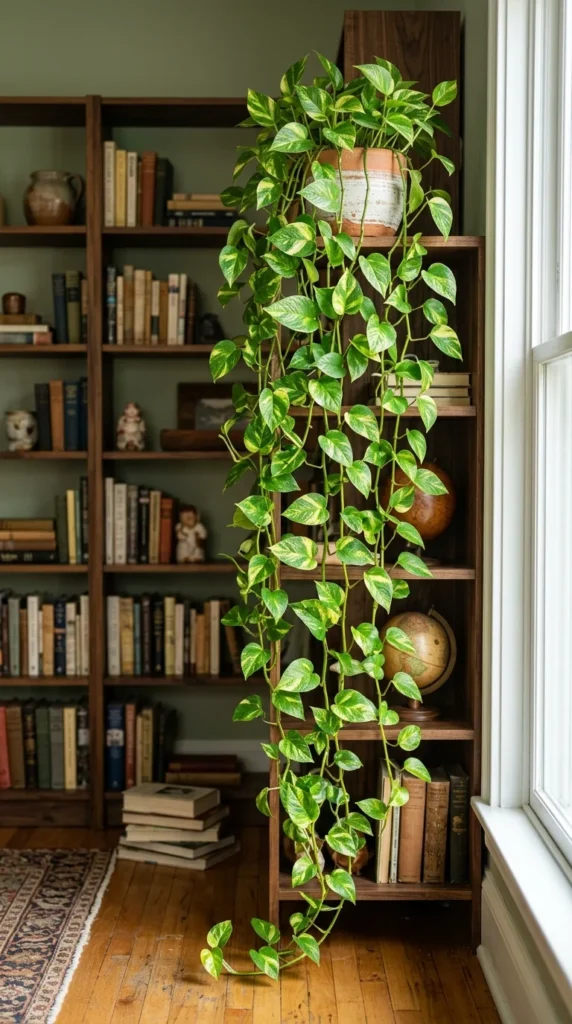
Commonly referred to as “Devil’s Ivy,” the Pothos is perhaps the easiest indoor plant to grow. Its heart-shaped leaves come in various shades, from solid neon green to variegated white and gold. Pothos is a trailing plant, making it a spectacular choice for hanging baskets or high shelves where its vines can drape gracefully. It is incredibly adaptable to different light levels and can even grow in just a jar of water, making it a versatile favorite for any home.
6. ZZ Plant
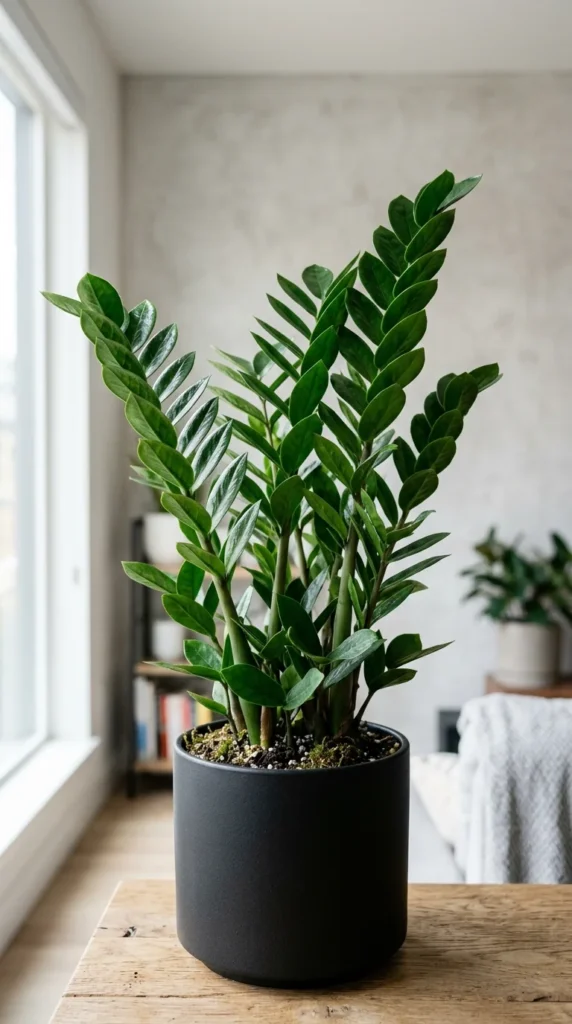
The ZZ Plant (Zamioculcas zamiifolia) is the ultimate “set it and forget it” plant. Its leaves are so glossy they almost look artificial. This plant is a survivor; it thrives in low light and can go weeks without water thanks to its potato-like rhizomes that store moisture. Its slow-growing nature and upright habit make it a great choice for tabletops or desks where space might be limited but style is a priority.
7. Spider Plant
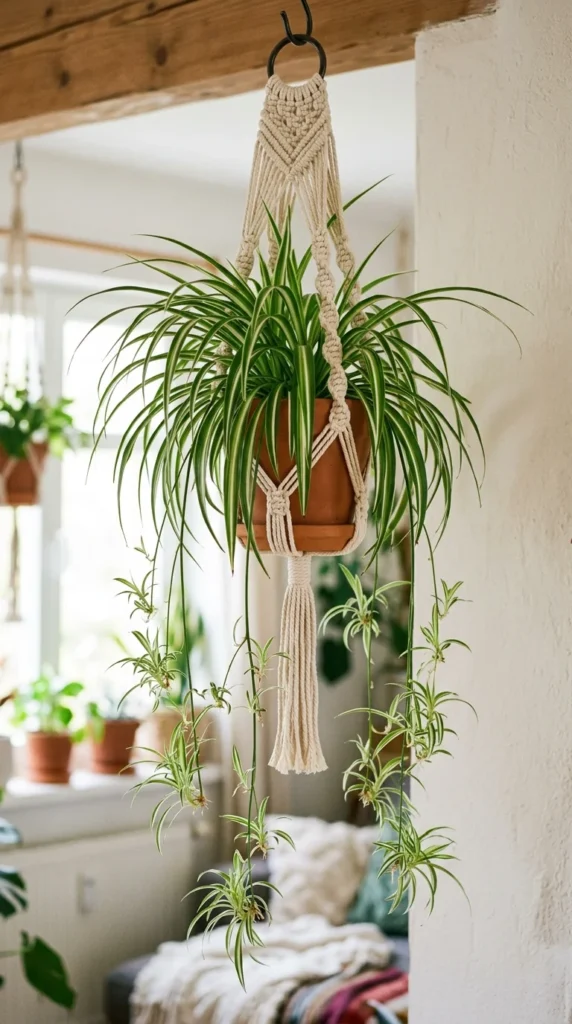
The Spider Plant is a classic for a reason. Its fountain-like foliage, featuring long, thin leaves with white stripes, adds a sense of movement to a room. One of its most charming features is the way it produces “spiderettes”—small baby plants that dangle from the mother plant like ornaments. These babies can be easily propagated to create new plants. It is non-toxic to pets, making it a safe and cheerful addition to a household with cats or dogs.
8. Calathea
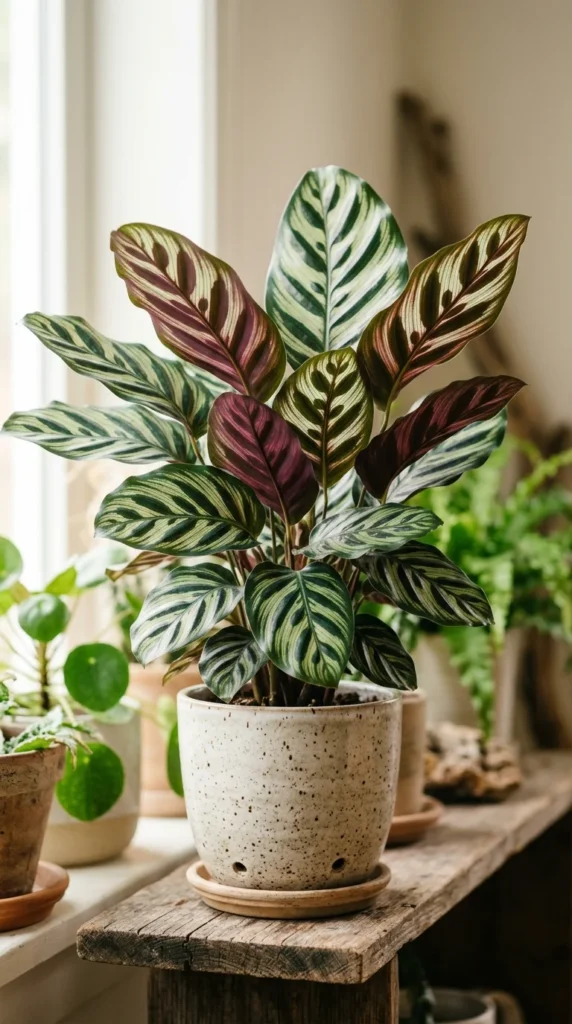
If you are looking for pattern and color, the Calathea is unmatched. Often called “Prayer Plants” because their leaves fold up at night, they feature stunning geometric patterns that look as though they were hand-painted. Because they are native to tropical forest floors, they prefer high humidity and indirect light. Placing them in a bathroom or using a pebble tray can help keep them happy and prevent the edges of their spectacular leaves from browning.
9. Rubber Tree
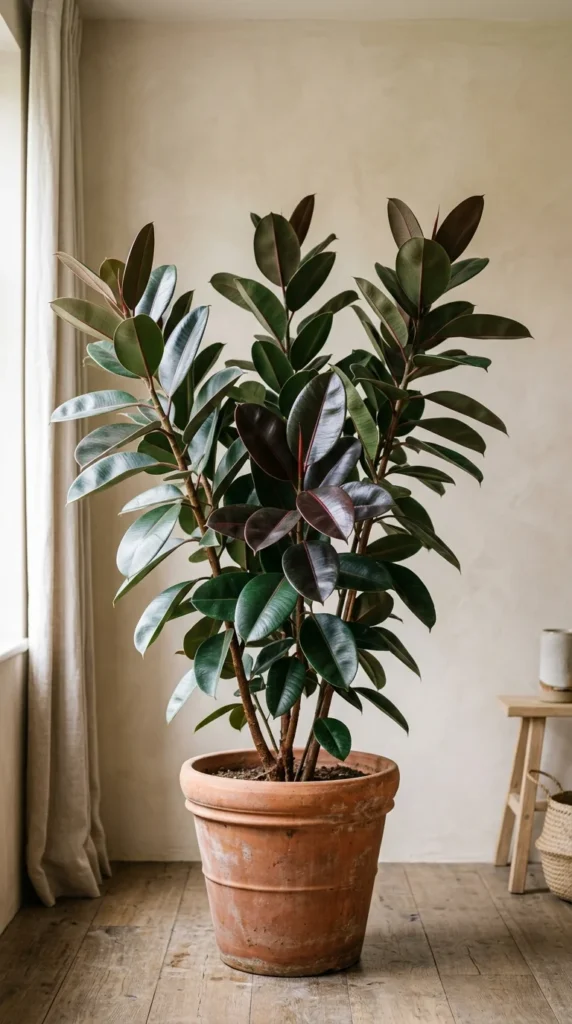
The Rubber Tree (Ficus elastica) is a bold, structural plant that can grow into a magnificent indoor tree. Its leaves are thick, rubbery, and come in various shades, including deep forest green, variegated pink, and nearly-black burgundy. It adds a moody, sophisticated vibe to a room. It enjoys bright, indirect light and a regular watering schedule, but be sure to let the top inch of soil dry out to prevent root rot.
10. Bird of Paradise
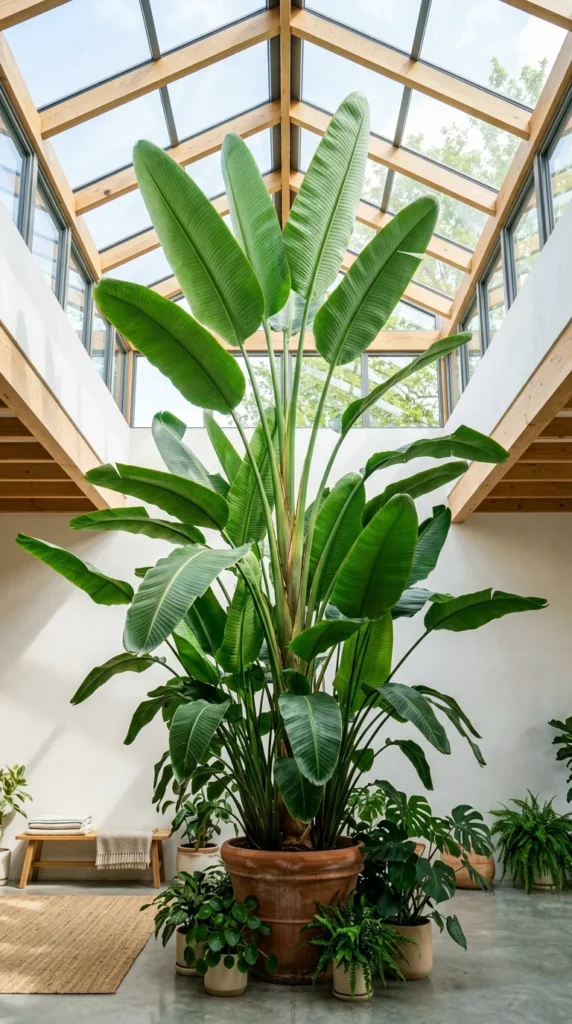
For a true tropical transformation, look no further than the Bird of Paradise. This plant is famous for its massive, banana-like leaves that fan out to create a dramatic silhouette. In the right conditions with plenty of direct sunlight, it can even produce stunning orange and blue flowers that resemble a bird’s head. Even without the blooms, its sheer size and vibrant green color make it a showstopper in any sunny living room.
11. Aloe Vera
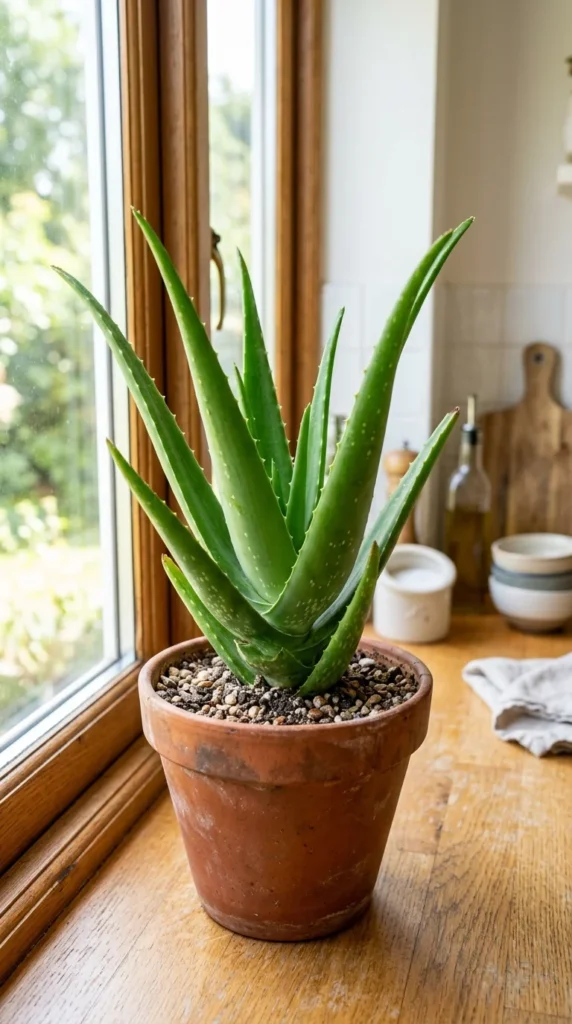
Aloe Vera is the perfect blend of beauty and utility. This succulent features thick, fleshy leaves filled with a soothing gel known for its medicinal properties on burns and skin irritations. Its spiky, sculptural form fits perfectly in modern or rustic kitchens. As a succulent, it loves bright light and very little water. It is a great choice for those who might occasionally forget their watering duties but want a plant that adds a fresh, clean look to their space.
12. String of Pearls
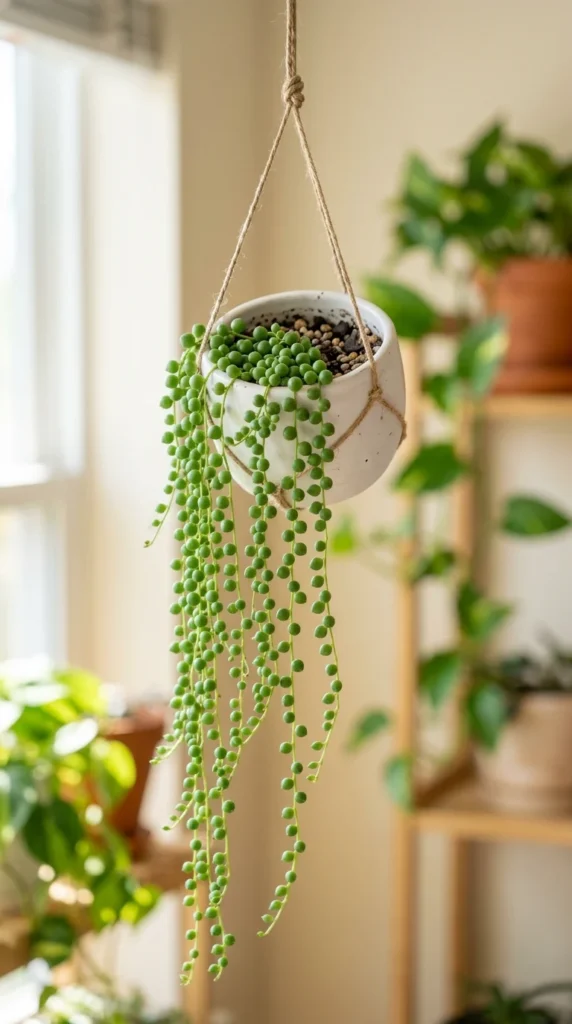
The String of Pearls is a whimsical succulent that looks like a strand of green beads. It is a fantastic choice for a hanging planter or a high shelf where its unique “pearls” can drape down. This plant is a conversation starter and adds a delicate, organic texture to your decor. Like most succulents, it prefers bright, indirect light and very infrequent watering—only when the “pearls” start to look slightly shriveled.
13. Prayer Plant
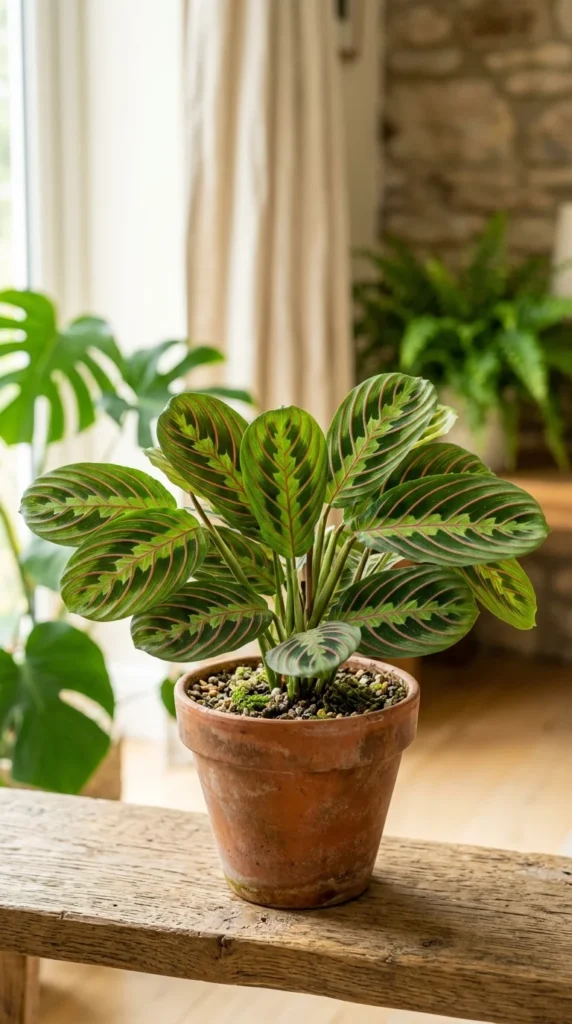
Closely related to the Calathea, the Prayer Plant (Maranta leuconeura) is famous for the daily movement of its leaves. During the day, the leaves lie flat to soak up light, and at night, they fold upward like hands in prayer. The striking red veins against the velvet-green leaves make it a visual masterpiece. It thrives in medium light and prefers consistent moisture, making it a rewarding plant for those who enjoy a bit of daily interaction with their greenery.
14. Boston Fern
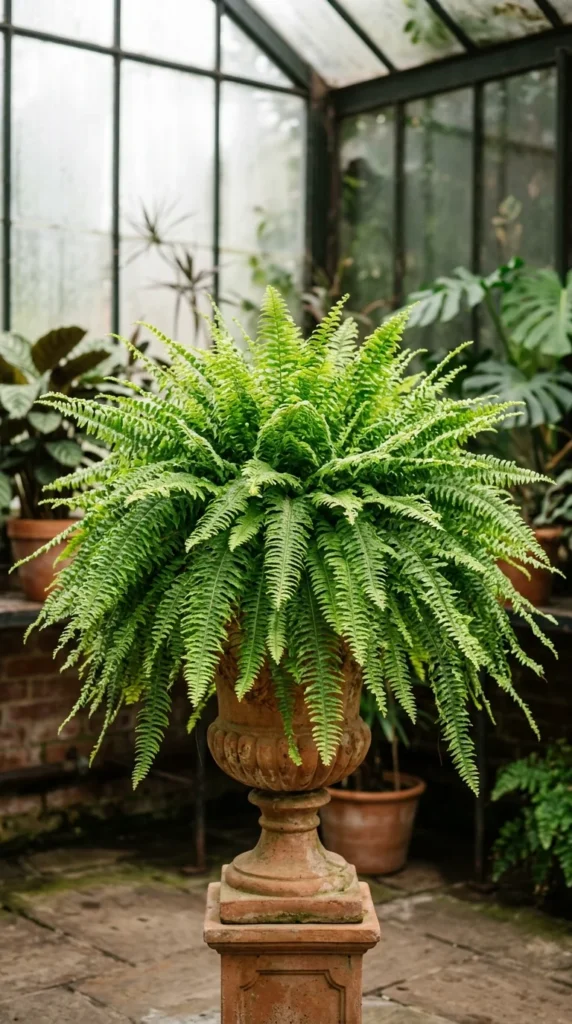
The Boston Fern is the epitome of lushness. Its feathery, sword-shaped fronds create a soft, voluminous look that instantly softens the hard lines of a room. Ferns are lovers of humidity, making them the ideal choice for a bright bathroom or a kitchen. They prefer to stay consistently moist and enjoy being misted. When happy, they grow into a dense, vibrant green cloud that brings a refreshing, forest-like feel indoors.
15. Anthurium
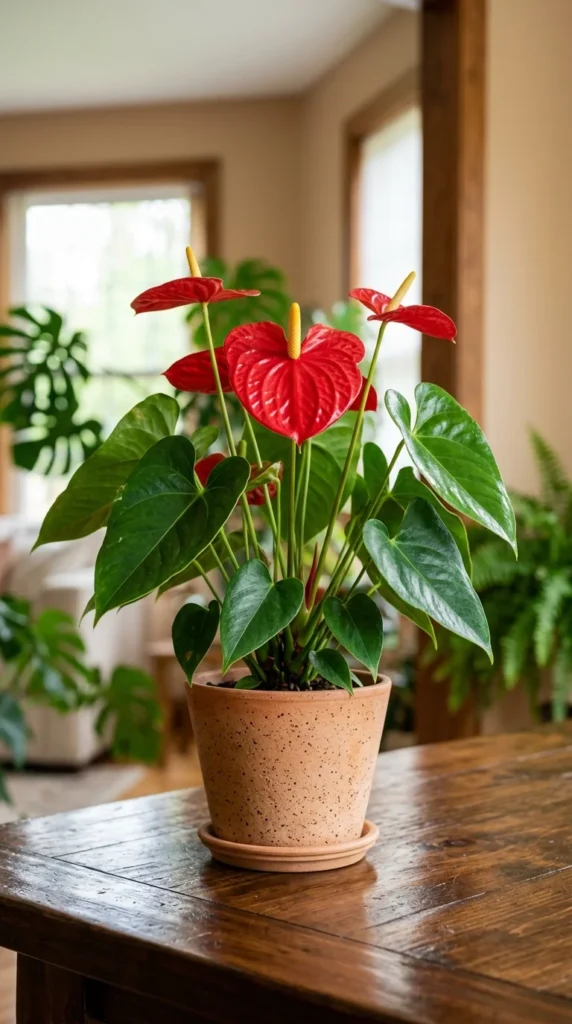
If you want a plant that provides long-lasting color, the Anthurium is your best bet. Known for its waxy, heart-shaped “flowers” (which are actually modified leaves called spathes), it adds a pop of brilliant red, pink, or white to your home. These blooms can last for weeks, providing a constant splash of color. It enjoys bright, indirect light and high humidity. Its exotic appearance makes it look like a piece of living art, perfect for brightening up a dining table or console.
Tips for Keeping Your Indoor Jungle Thriving
While each plant has its own personality, following a few general rules will help your indoor garden flourish:
- Light is Life: Always check the light requirements of your plant. Most indoor plants prefer “bright, indirect light,” which means a spot near a window where the sun doesn’t directly hit the leaves.
- Don’t Overwater: More indoor plants die from overwatering than underwatering. Always check the soil with your finger; if it’s still moist, wait a few days.
- Drainage is Key: Ensure your pots have drainage holes at the bottom to prevent water from sitting at the roots, which can cause rot.
- Clean the Leaves: Dust can block sunlight from reaching the plant’s surface. Wipe leaves with a damp cloth every few weeks to keep them healthy and shiny.
- Talk to Your Plants: While it might sound silly, spending time with your plants helps you notice early signs of pests or nutrient deficiencies, allowing you to act before the plant suffers.
By introducing even just one or two of these plants into your home, you can create a more inviting, peaceful, and beautiful environment. Happy planting!