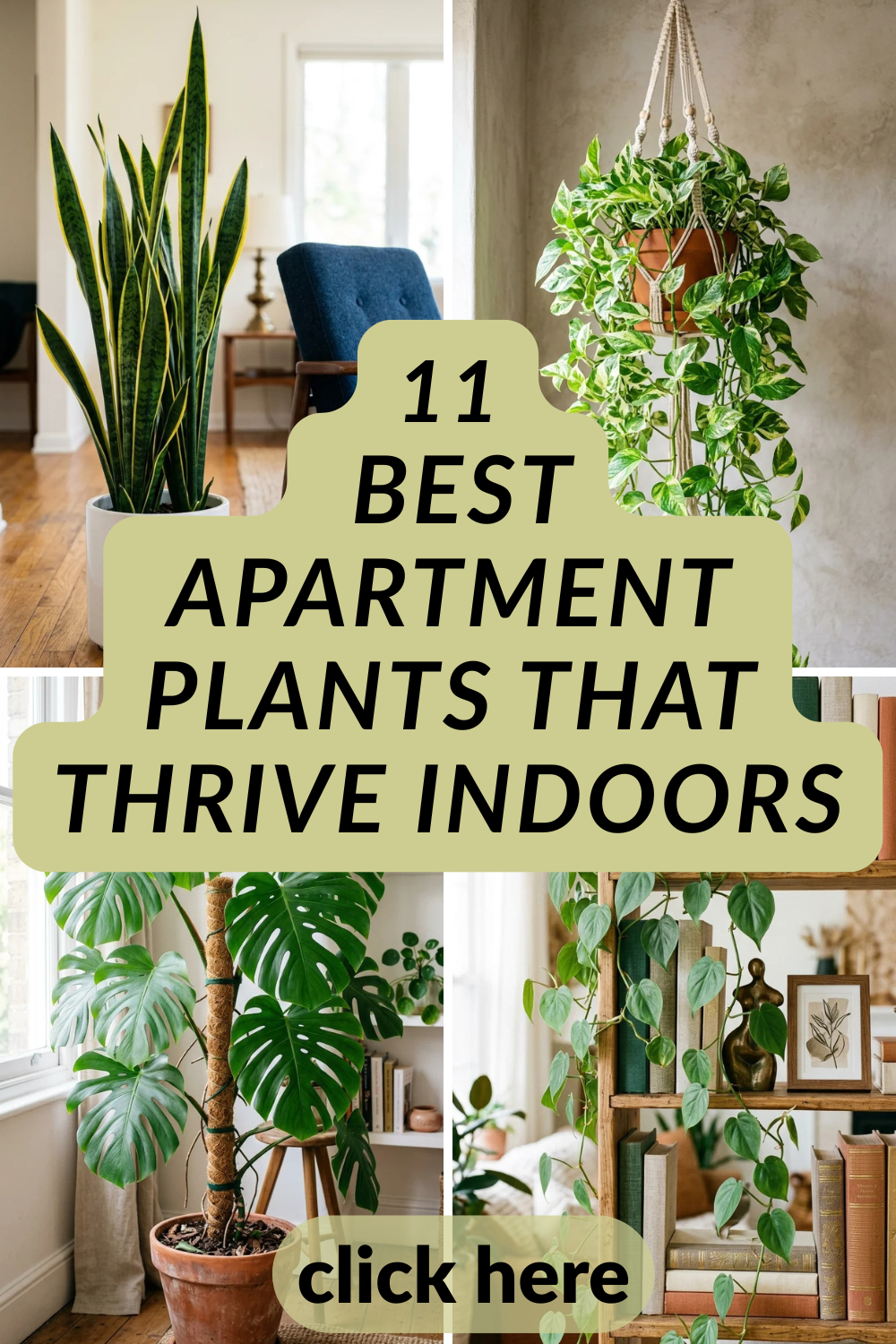
Living in an apartment often means navigating limited square footage, varying light levels, and perhaps a lack of outdoor garden space. However, your living room, bedroom, or even your bathroom can become a flourishing sanctuary with the right selection of greenery. Houseplants do more than just beautify a space; they purify the air, reduce stress, and bring a sense of tranquility to the urban hustle.
Finding the perfect plant for an apartment requires a balance between aesthetics and resilience. Whether you have a floor-to-ceiling window or a cozy corner that barely sees the sun, there is a species tailored to your environment. Here are the 11 best apartment plants that are proven to thrive indoors.
1. Snake Plant
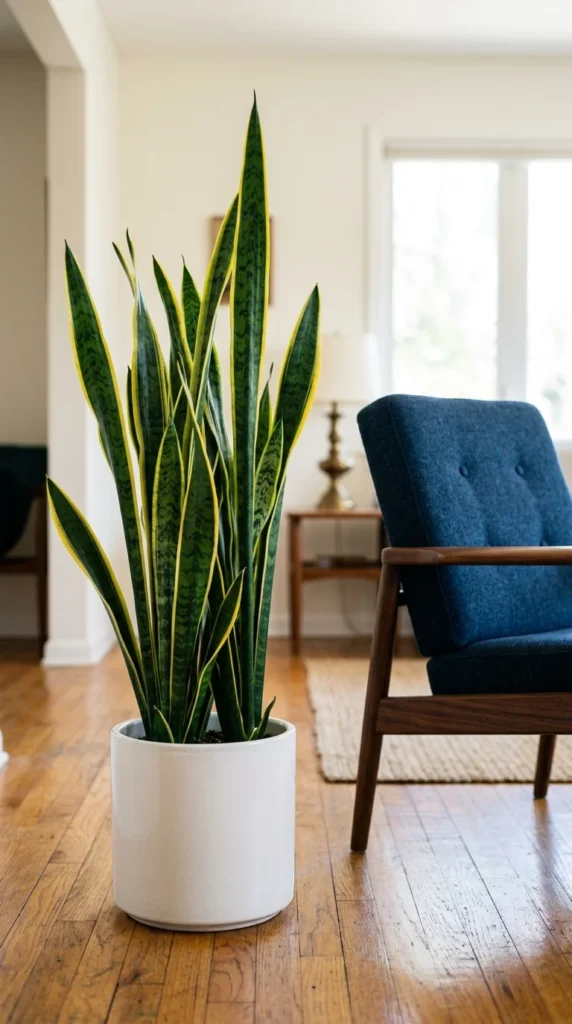
The Snake Plant, also known as Sansevieria or “Mother-in-Law’s Tongue,” is the ultimate apartment plant for beginners and busy professionals alike. Its vertical growth habit makes it perfect for tight corners where floor space is at a premium.
- Light: It is incredibly adaptable, thriving in everything from low light to bright, indirect sunlight.
- Water: This plant is a succulent, meaning it stores water in its leaves. Only water when the soil is completely dry—usually every 2 to 4 weeks.
- Benefits: It is one of the best plants for air purification, known for converting CO2 into oxygen specifically at night, making it an ideal bedroom companion.
2. Pothos
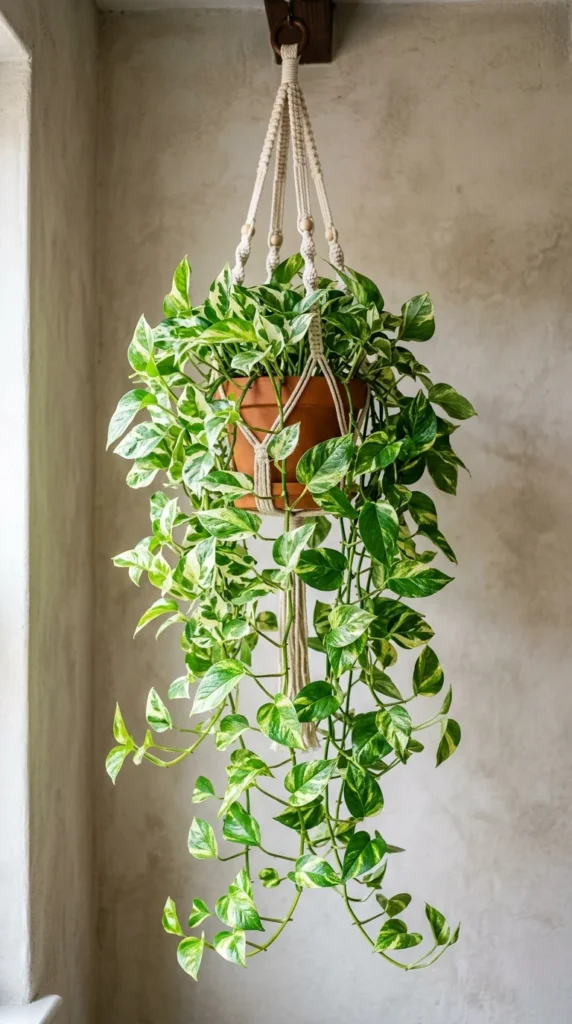
Often called “Devil’s Ivy” because it is nearly impossible to kill, the Pothos is a fast-growing vine that adds a sense of movement to your decor. Its trailing stems look stunning on high bookshelves or hanging from the ceiling.
- Light: Prefers bright, indirect light but can tolerate low-light conditions (though variegation may fade in the dark).
- Water: Water when the top inch of soil feels dry. If the leaves start to wilt, it’s a sign the plant is thirsty, but it will bounce back quickly after a drink.
- Benefits: Pothos is excellent at filtering indoor pollutants like formaldehyde and benzene.
3. ZZ Plant
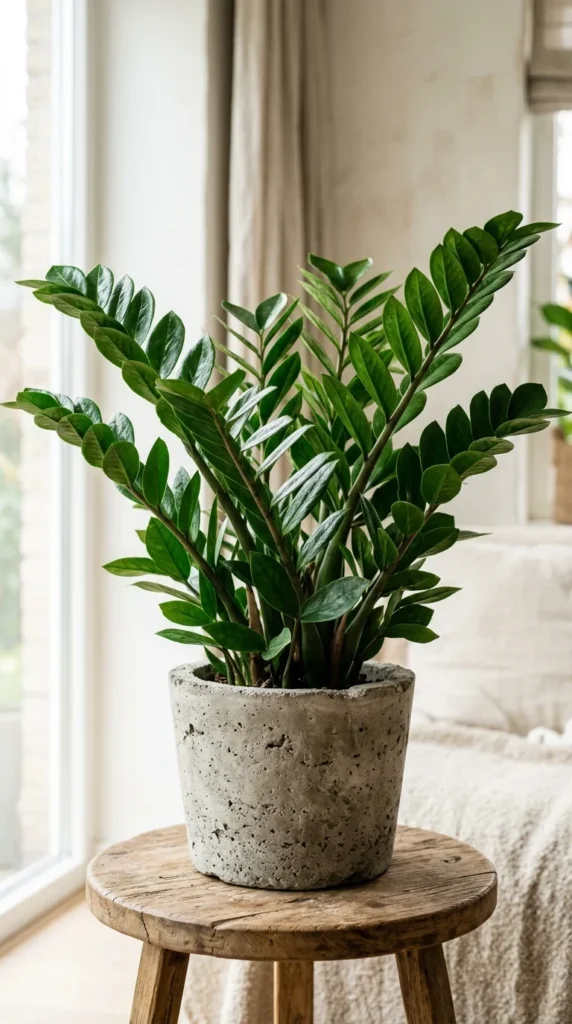
If your apartment lacks natural light, the ZZ Plant (Zamioculcas zamiifolia) is your best friend. With its glossy, plastic-looking leaves, it adds a high-end, polished look to any room while requiring minimal intervention.
- Light: Thrives in low-light environments and even survives in windowless offices with fluorescent lighting.
- Water: It grows from thick rhizomes that store water underground. Overwatering is its only enemy; water it only once a month or when the soil is bone dry.
- Benefits: It is highly resistant to pests and can withstand long periods of neglect.
4. Spider Plant
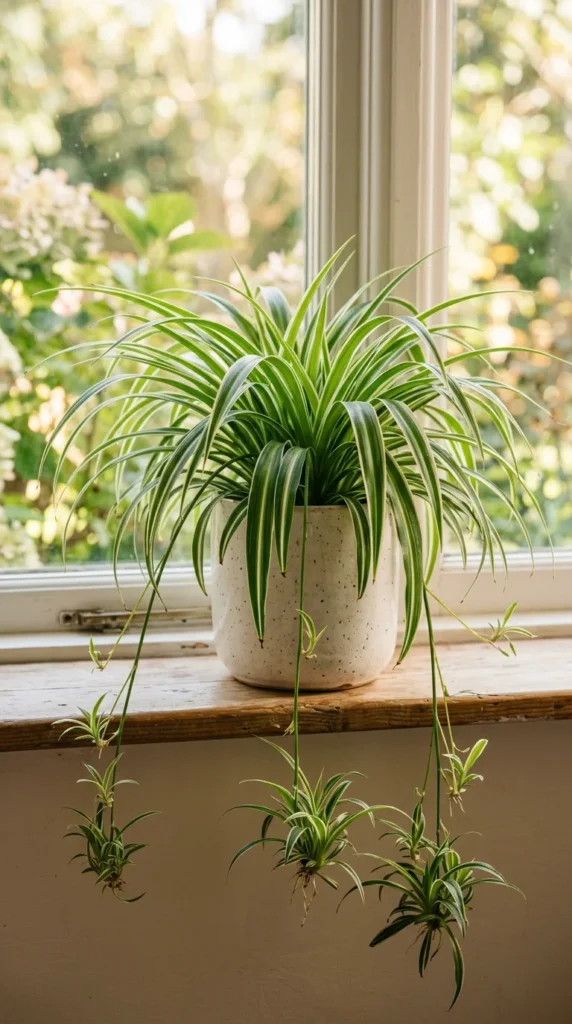
The Spider Plant is a classic for a reason. It is incredibly hardy and produces “pups”—miniature versions of itself—that dangle from the mother plant like ornaments. These pups can be easily propagated to create even more plants for your home.
- Light: Prefers bright, indirect light but is quite forgiving of lower light levels.
- Water: Keep the soil slightly moist but not soggy. They appreciate a misting every now and then if your apartment air is dry.
- Benefits: Renowned for its ability to remove carbon monoxide and xylene from the air.
5. Monstera Deliciosa
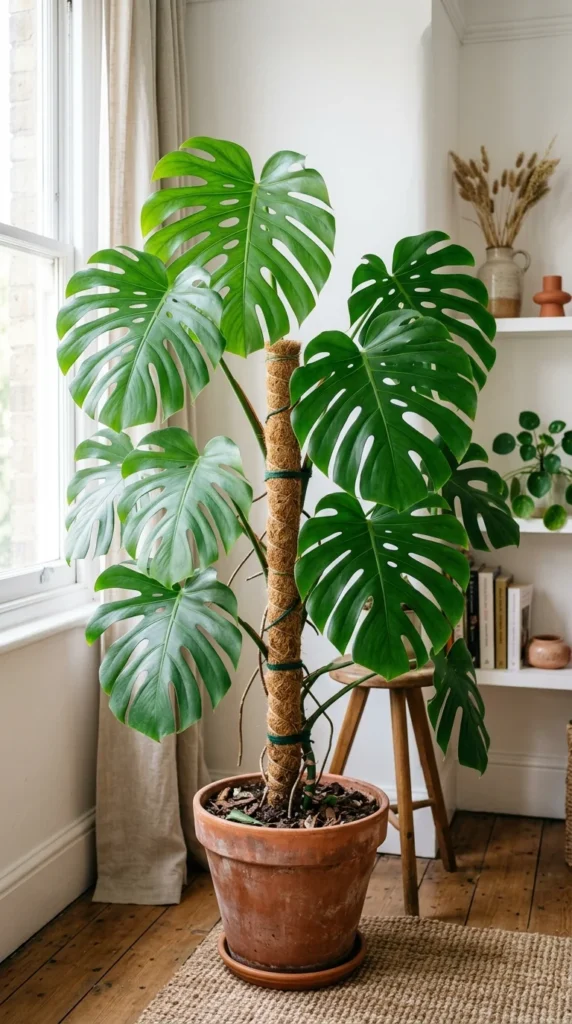
The “Swiss Cheese Plant” is the “it” plant of the interior design world. Its large, dramatic leaves with natural holes (fenestrations) create an instant tropical vibe. While it can grow quite large, it can be pruned and trained to fit your apartment’s dimensions.
- Light: It loves bright, indirect light. Direct sun can scorch the leaves, while too little light will stop the leaves from developing those iconic splits.
- Water: Water every 1–2 weeks, allowing the soil to dry out halfway between waterings.
- Benefits: Its massive leaves are excellent at increasing humidity and creating a lush, jungle-like atmosphere.
6. Peace Lily
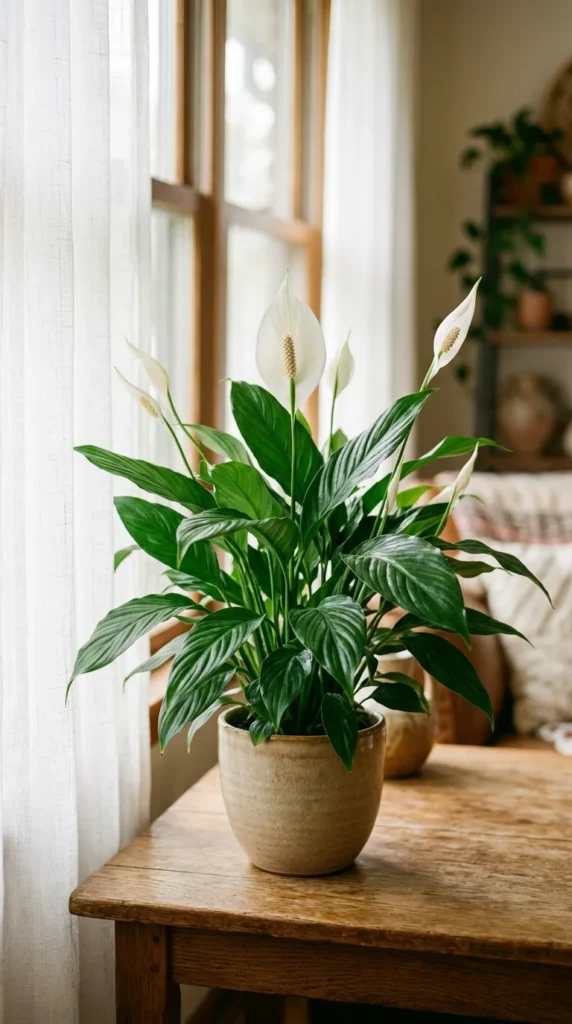
If you want a plant that flowers indoors, the Peace Lily is a top contender. It features deep green foliage and striking white spathes that resemble flowers. It’s also a “dramatic” plant that will clearly let you know when it needs water.
- Light: Thrives in medium to low light. If the leaves start to turn yellow, it might be getting too much direct sun.
- Water: They like consistent moisture. When the plant wilts or “faints,” it’s a clear signal it needs a deep soak.
- Benefits: It is a powerhouse for air filtration, removing mold spores and common household toxins.
7. Rubber Tree
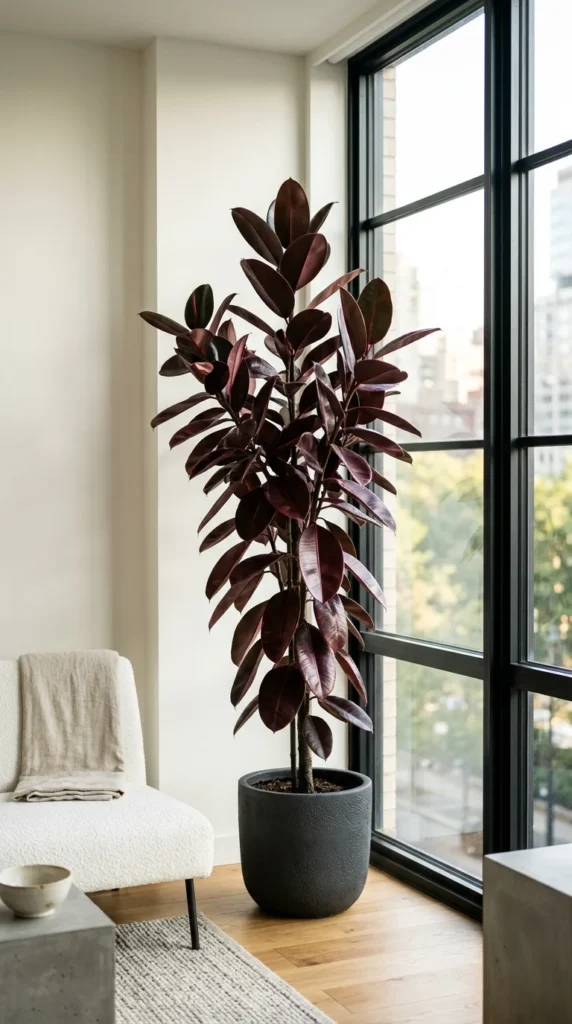
The Rubber Tree (Ficus elastica) is a sophisticated choice for someone who wants a tree-like plant without the finicky nature of other Ficus varieties. Its leaves have a natural sheen that looks almost polished.
- Light: It prefers bright, indirect light to maintain its deep colors (especially the burgundy and variegated varieties).
- Water: Water when the top of the soil is dry. During the growing season, keep the leaves clean by wiping them with a damp cloth to help the plant photosynthesize.
- Benefits: Its large surface area makes it very efficient at cleaning the air in larger living spaces.
8. Aloe Vera
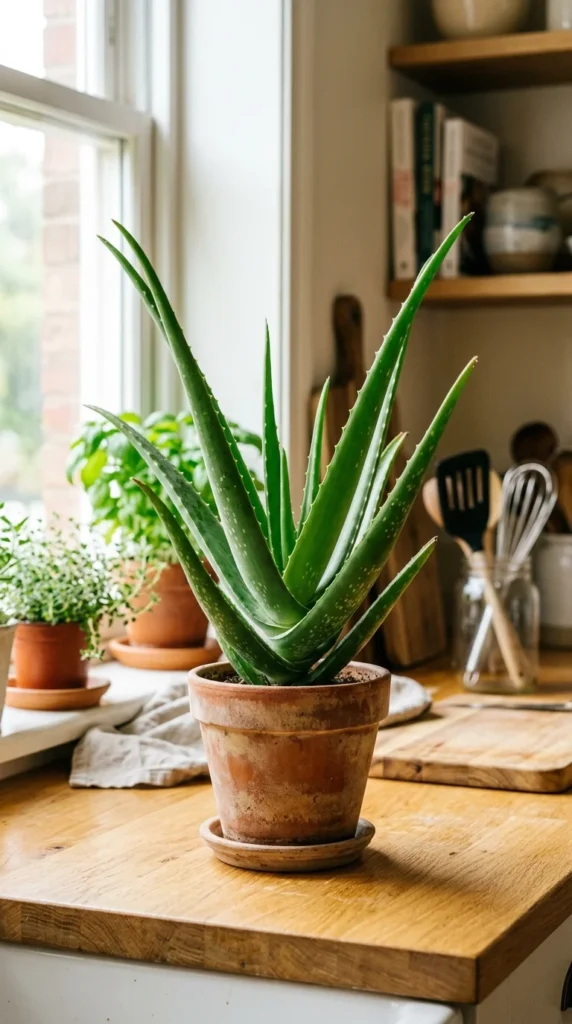
Aloe Vera is a dual-purpose plant: it’s beautiful to look at and incredibly useful to have on hand. Known for its medicinal properties, the gel inside the leaves can be used to treat minor burns and skin irritations.
- Light: This is a sun-lover. Place it on your brightest windowsill where it can get plenty of direct light.
- Water: As a succulent, it prefers infrequent watering. Let the soil dry out completely before giving it a thorough drenching.
- Benefits: It is a great indicator of air quality; if the air is heavily polluted, the leaves may develop brown spots.
9. Fiddle Leaf Fig
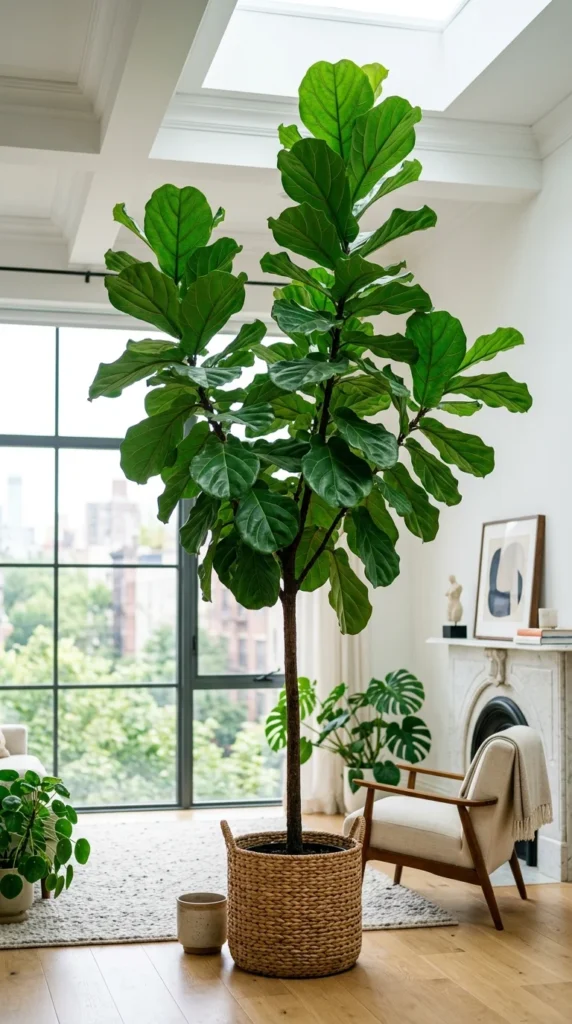
The Fiddle Leaf Fig is the ultimate statement piece. While it has a reputation for being a bit temperamental, it can thrive in an apartment if its basic needs are met. It rewards the patient gardener with stunning, sculptural foliage.
- Light: It requires very bright, filtered light. A spot near an east-facing window is usually ideal.
- Water: Water only when the top inch of soil is dry. It hates “wet feet,” so ensure the pot has excellent drainage.
- Benefits: It acts as a focal point in interior design, instantly elevating the aesthetic of any room.
10. Philodendron Heartleaf
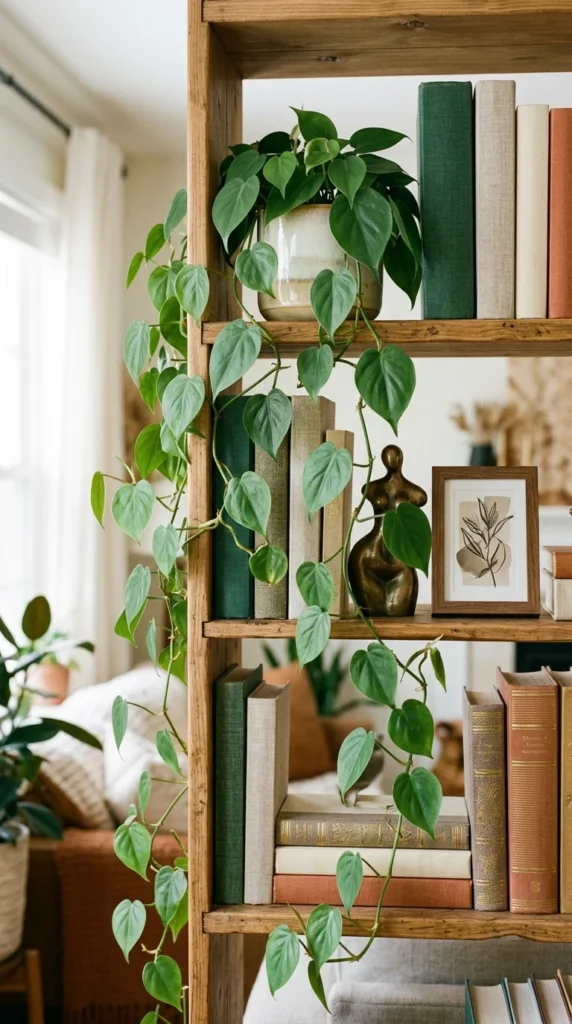
Very similar to the Pothos but with thinner, more distinctly heart-shaped leaves, the Philodendron is a classic indoor plant. It is incredibly versatile and can be grown as a trailer or trained to climb a small trellis or moss pole.
- Light: Prefers low to medium light but grows faster in brighter conditions.
- Water: Allow the top half of the soil to dry out before watering. It is very forgiving of occasional missed waterings.
- Benefits: It is one of the most reliable and easiest plants to maintain for those living in apartments with varying micro-climates.
11. Cast Iron Plant
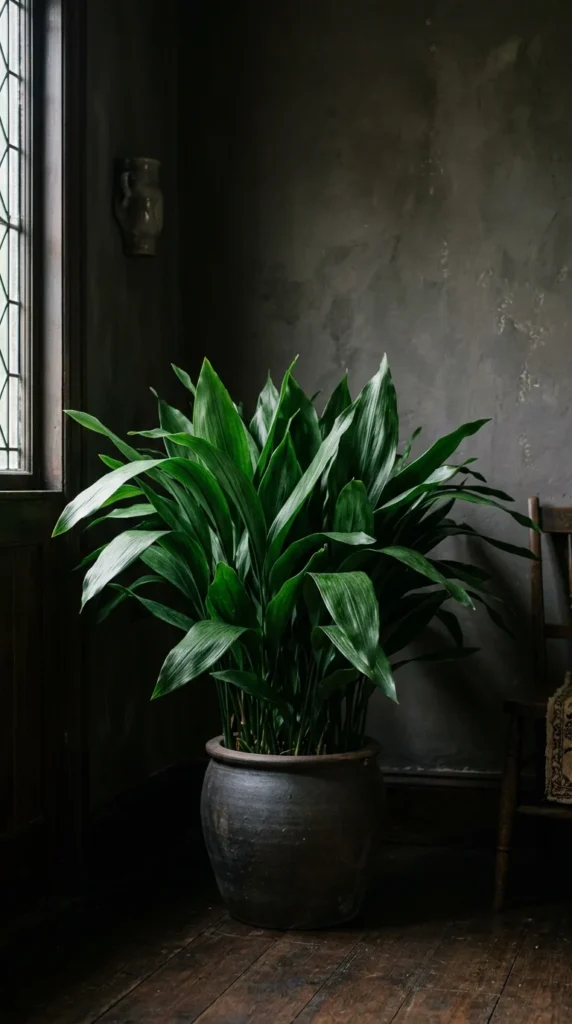
The name says it all. The Cast Iron Plant (Aspidistra elatior) is famous for its ability to survive near-total neglect, low light, and poor air quality. It is the perfect choice for the “brown thumb” gardener or for those awkward, dark hallways.
- Light: Thrives in low light and can even handle deep shade where most other plants would perish. Keep it away from direct sunlight, which can bleach the leaves.
- Water: Water it occasionally, but it is quite drought-tolerant. It prefers to stay on the drier side.
- Benefits: It is non-toxic to pets, making it a safe and hardy addition to a household with cats or dogs.