A garden is more than just a collection of plants; it is a sanctuary, a living gallery, and an extension of the home’s soul. While vibrant blooms and towering trees provide the scenery, the garden path provides the narrative. It dictates how one experiences the outdoor space, guiding the eye and the feet through a curated journey of texture, color, and fragrance.
To achieve a look of timeless elegance, a garden path must balance functionality with aesthetic grace. Whether you are aiming for the structured formality of an English manor or the serene minimalism of a Japanese Zen retreat, the materials and layout you choose will define the atmosphere. From the rugged charm of weathered flagstone to the sharp precision of modern geometric pavers, here are 17 luxurious garden path ideas to transform your landscape into a masterpiece.
1. Flagstone
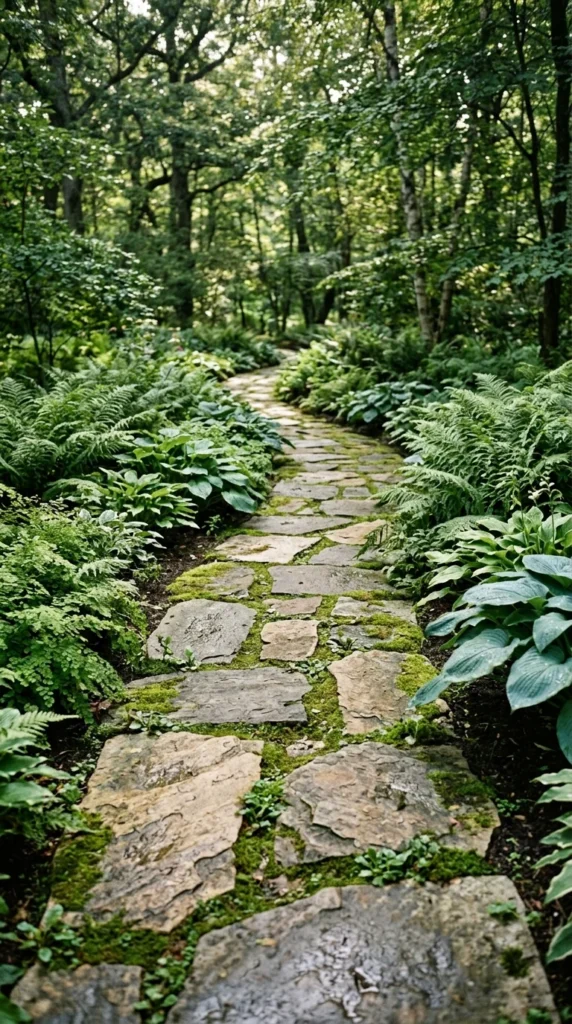
Flagstone is the quintessential choice for those seeking a natural, organic look. Because the stones are quarried in irregular shapes and sizes, no two paths are ever the same. The heavy, flat slabs provide a sense of permanence and grounded luxury. For a truly elegant finish, allow creeping thyme or soft moss to grow in the joints, softening the hard edges and making the path appear as though it has been part of the landscape for centuries.
2. Brick
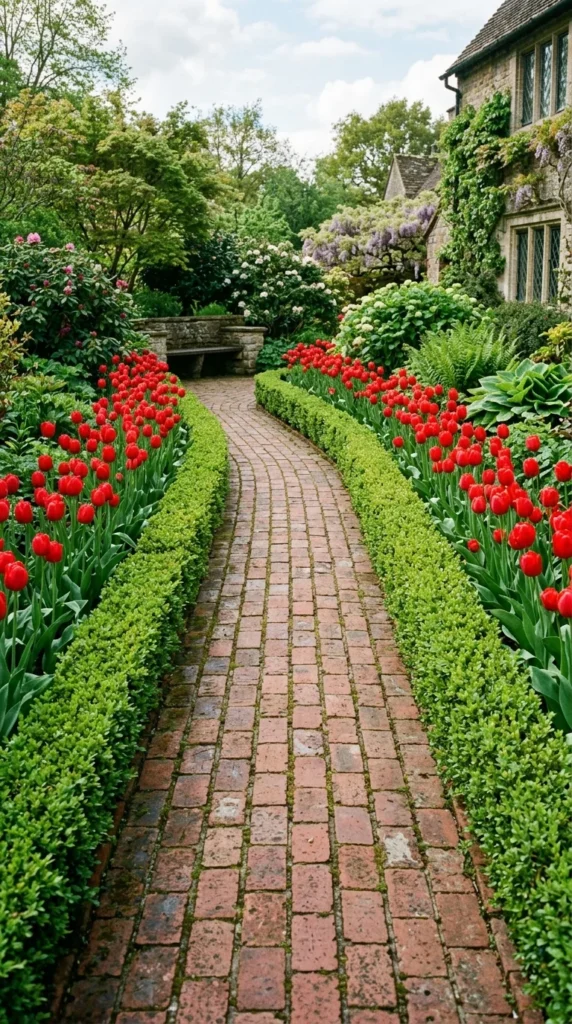
Few materials evoke a sense of tradition like classic clay brick. Its warm, earthy tones provide a stunning contrast to the vibrant greens of a garden. To elevate the luxury, consider using reclaimed “antique” bricks that carry a historical patina. Brick is incredibly versatile, allowing for intricate layouts that add architectural interest to the ground plane.
3. Gravel
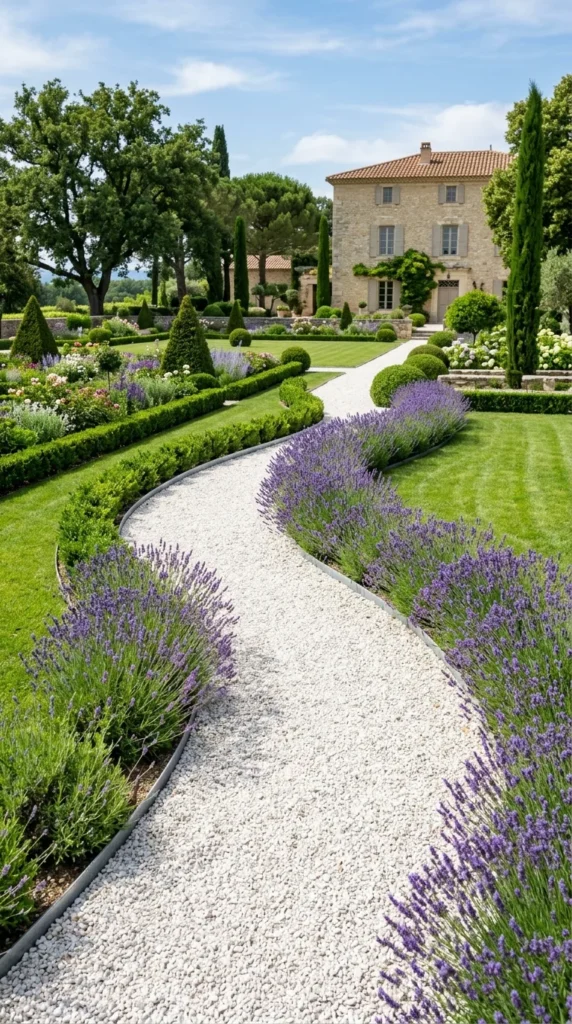
Often associated with the grand estates of the French and English countryside, gravel paths offer a sensory experience unlike any other. The gentle crunch underfoot creates an immediate connection between the walker and the environment. To keep gravel looking luxurious, use a fine grade like pea gravel or crushed limestone and ensure it is contained by high-quality edging to maintain a clean, sharp silhouette.
4. Stepping Stones
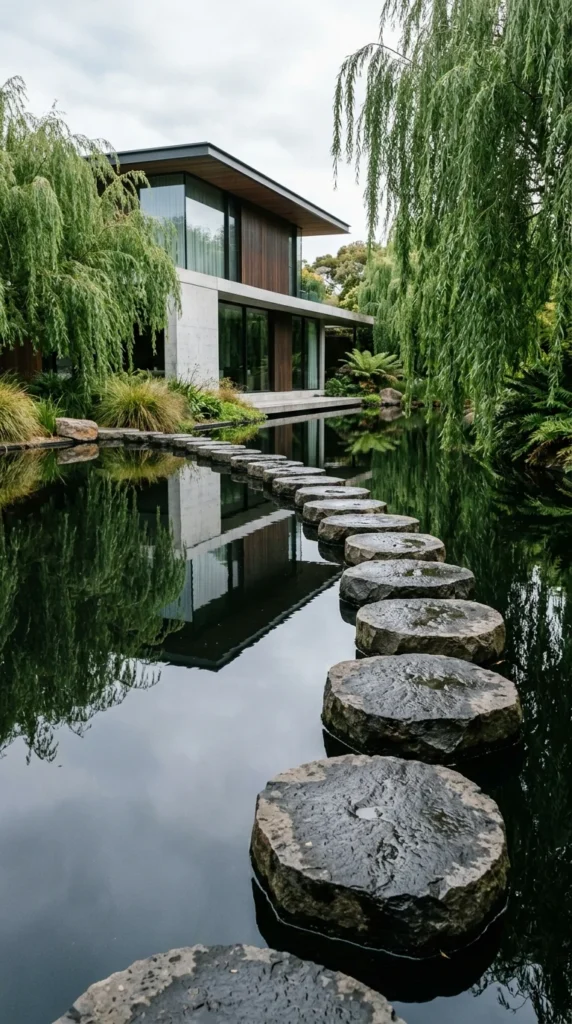
Stepping stones offer a minimalist and poetic approach to garden navigation. By leaving space between each stone, you create a slower, more intentional pace. For a high-end look, choose oversized, thick-cut stones in premium materials like granite or bluestone. Placing them across a water feature or through a lush groundcover like “Baby’s Tears” creates a floating, ethereal effect.
5. Cobblestone
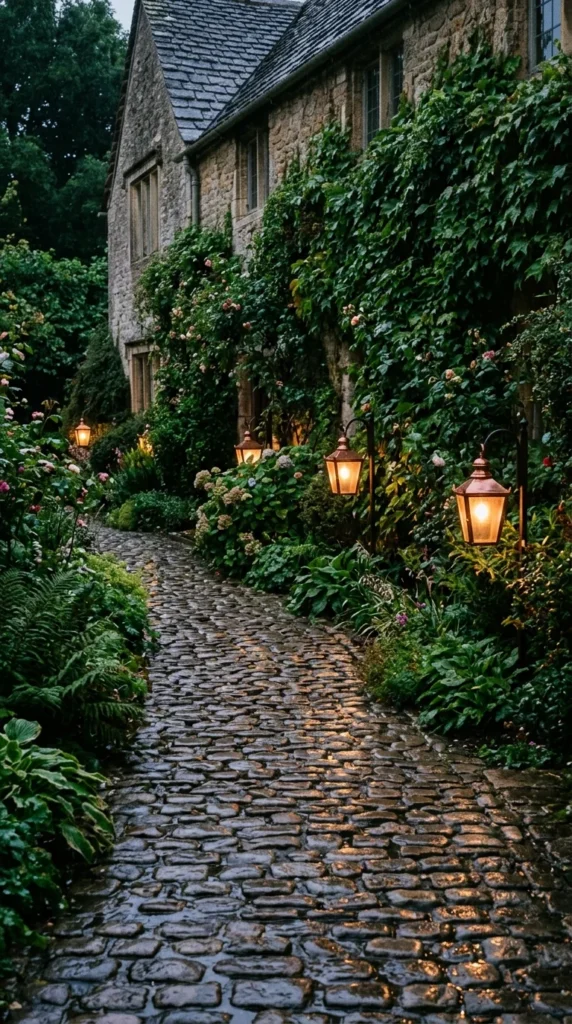
If you want your garden to feel like a hidden corner of an ancient European village, cobblestone is the answer. These rounded, tumbled stones offer a rugged texture that feels incredibly substantial. Cobblestone paths are exceptionally durable and age beautifully, developing a mossy character that only improves with time.
6. Wood Planks
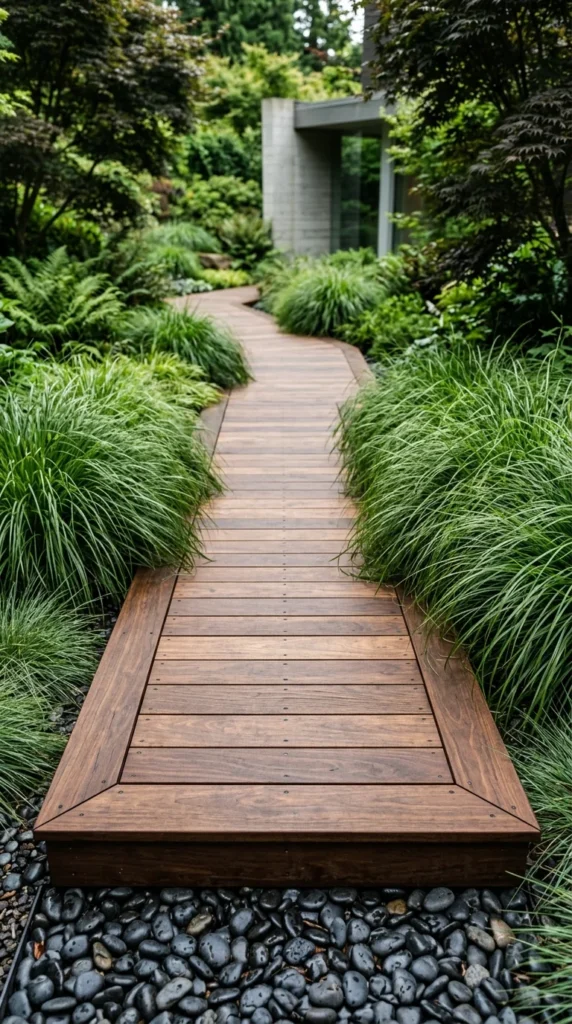
For a modern or coastal aesthetic, wood planks offer a warm, linear elegance. Using exotic hardwoods like Ipe or Teak ensures the path can withstand the elements while maintaining a rich, furniture-like finish. A wooden “boardwalk” style path works beautifully in gardens with varying elevations or as a bridge over delicate groundcover.
7. Mosaic
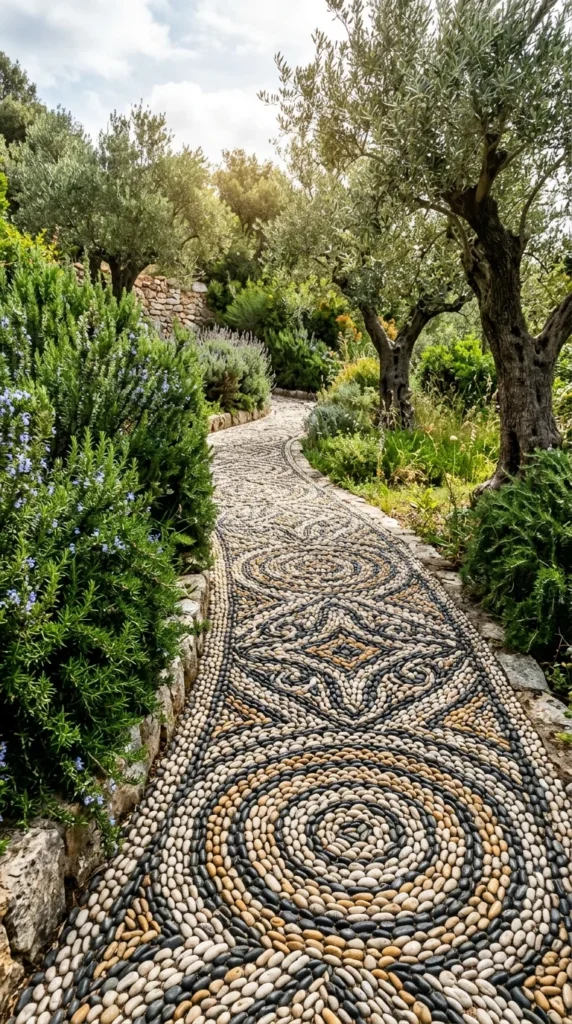
Mosaic paths are true works of art. By hand-setting small pebbles, tiles, or glass into mortar, you can create intricate patterns, mandalas, or flowing shapes. This style is particularly effective in small courtyard gardens where the path itself serves as the primary focal point. It speaks to a high level of craftsmanship and personalized luxury.
8. Concrete
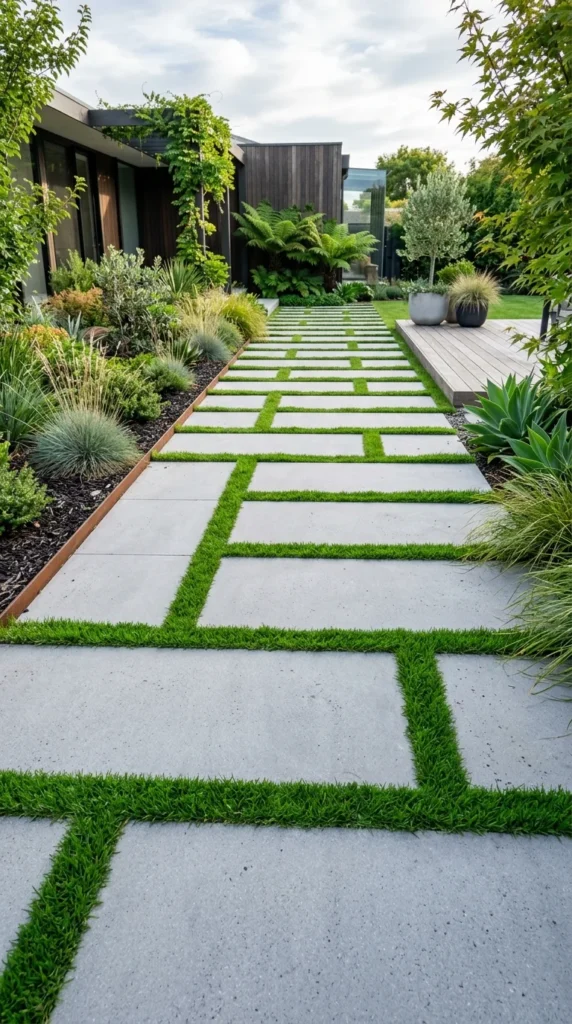
Modern luxury often finds beauty in simplicity. Large-format concrete pavers provide a clean, geometric look that complements contemporary architecture. By playing with the “negative space” between the slabs—filling it with grass, black polished stones, or contrasting gravel—you can create a high-contrast, sophisticated rhythm throughout the garden.
9. Mulch
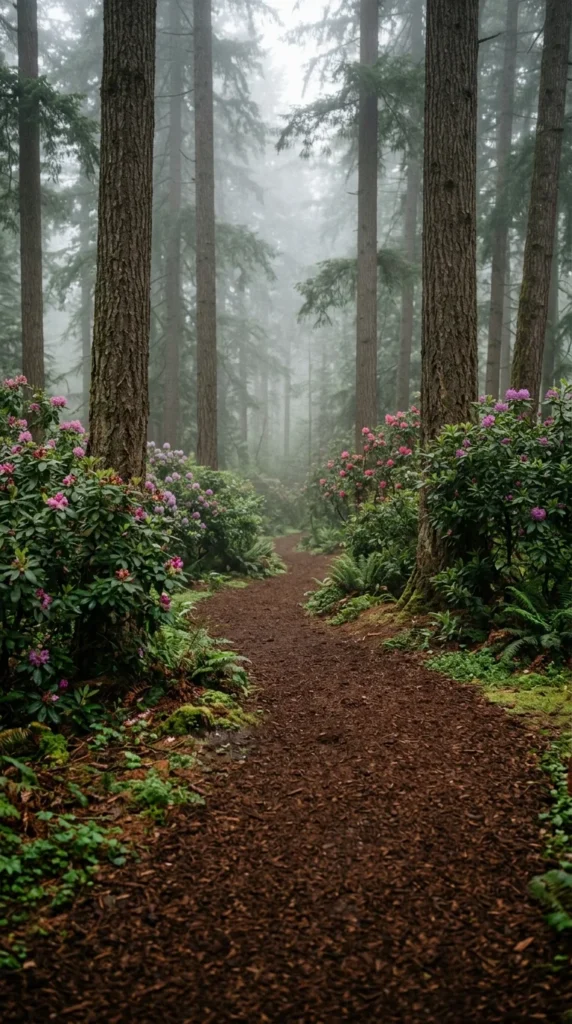
While often considered a basic material, high-quality bark or cedar mulch can create an incredibly inviting, rustic path in woodland gardens. The key to making mulch look luxurious is the depth and the color. Dark, finely shredded mulches provide a clean, uniform backdrop that makes the colors of the surrounding plants “pop.” It is the perfect choice for a soft, quiet stroll through a naturalistic landscape.
10. Grass Paths
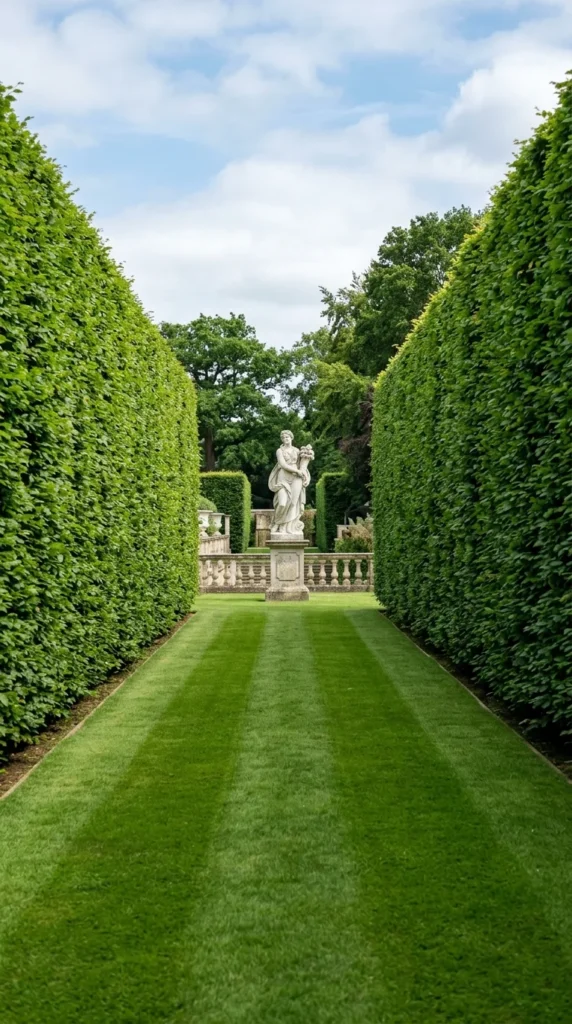
In formal estate gardening, nothing says luxury quite like a grass path. This involves maintaining a strip of turf to the same standards as a putting green, flanked by dense borders or hedges. It creates a “green hallway” effect that feels regal and expansive. The softness of the grass underfoot provides a seamless transition between different “rooms” of the garden.
11. Limestone
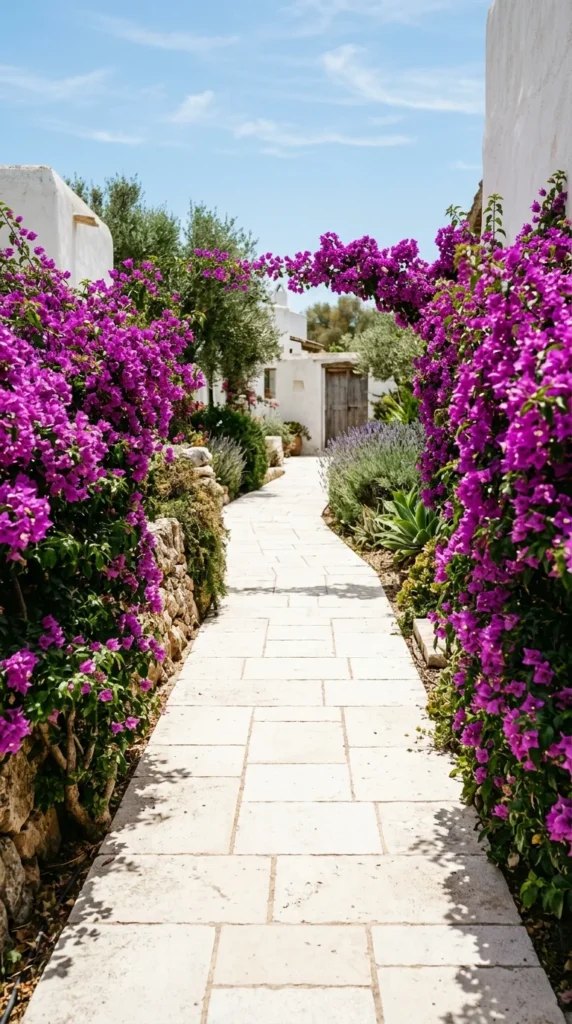
Limestone is the gold standard for Mediterranean and tropical luxury. Its light-reflective properties brighten up shaded areas and stay relatively cool under the summer sun. Whether you choose a honed finish for a sleek look or a tumbled finish for a more relaxed, villa-style vibe, limestone always radiates an air of upscale sophistication.
12. Slate
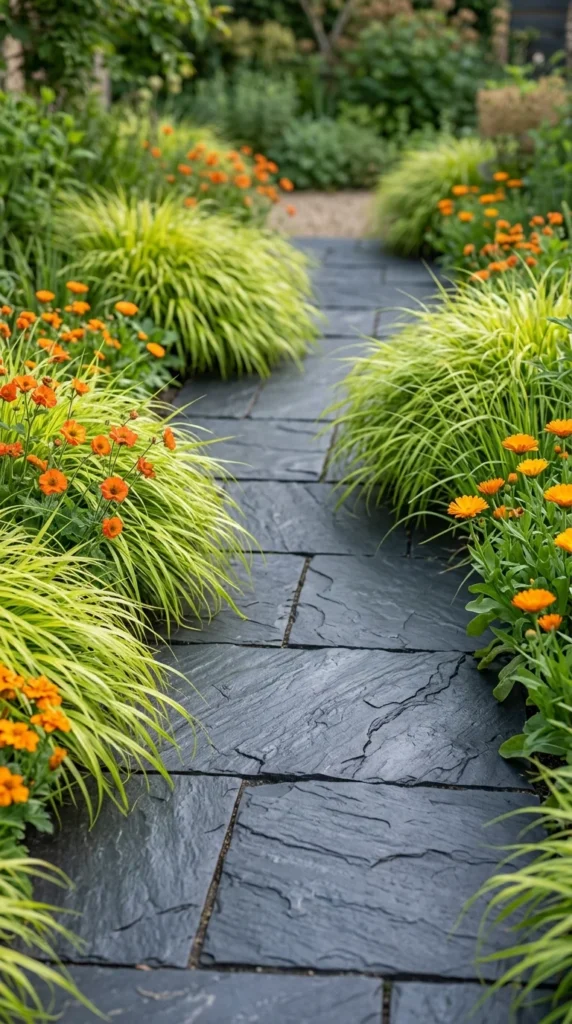
For a garden with a moody, sophisticated edge, slate is an excellent choice. Its natural layers provide a unique texture, and its dark color palette—ranging from deep greys to purples and greens—creates a dramatic foundation for the landscape. Slate looks particularly stunning when wet, making it an ideal choice for climates with frequent rain.
13. Travertine
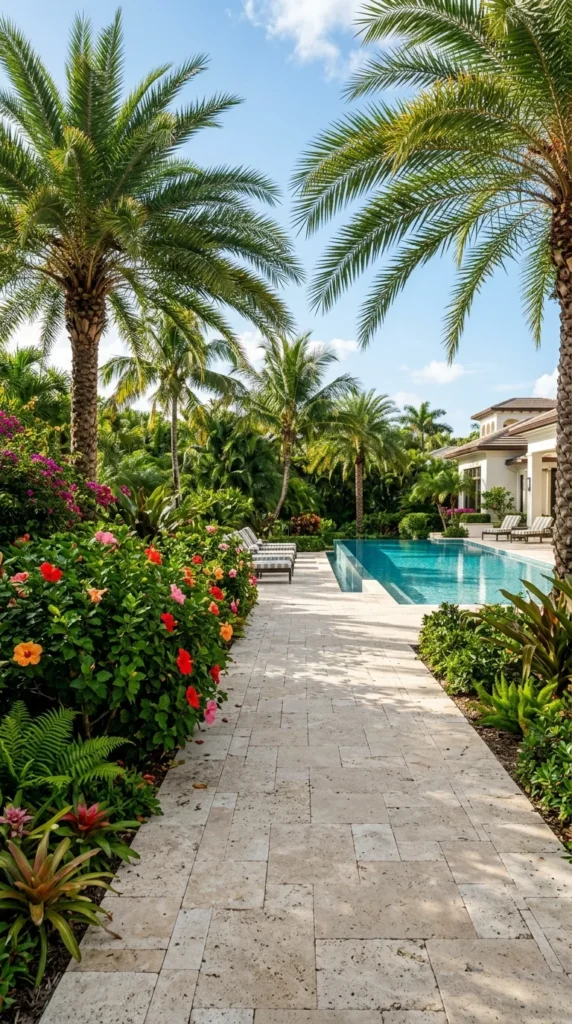
Travertine brings the feeling of a high-end resort to your backyard. Known for its distinct pitted surface and warm, sandy hues, it offers a timeless elegance that feels both ancient and modern. It is a porous stone, which makes it slip-resistant and perfect for paths that lead to swimming pools or water features.
14. Herringbone Brick
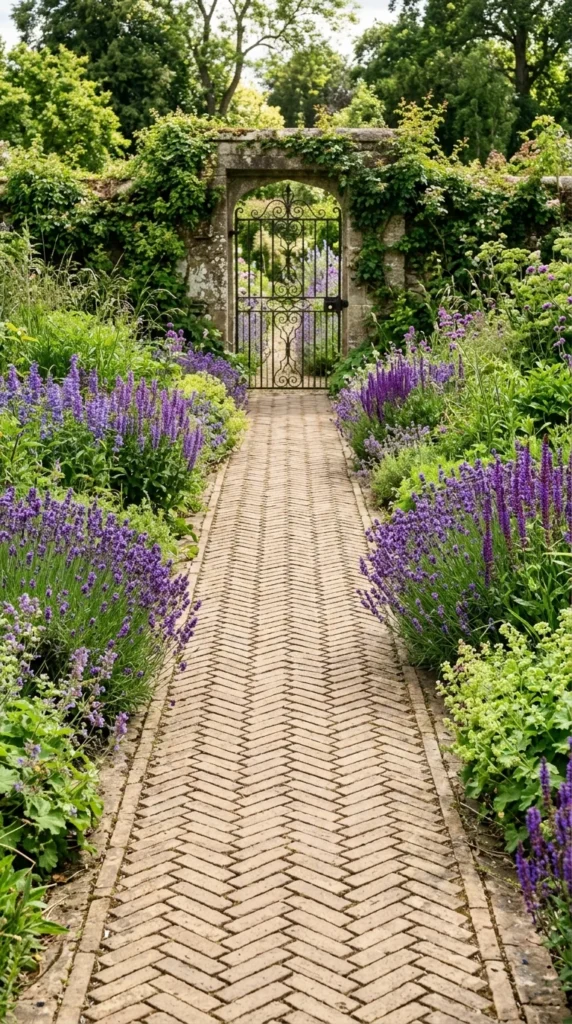
The pattern in which you lay your materials can be just as important as the material itself. A herringbone pattern adds a sense of movement and architectural complexity to a brick path. It is a classic design technique that signals attention to detail and a commitment to traditional craftsmanship.
15. Decomposed Granite
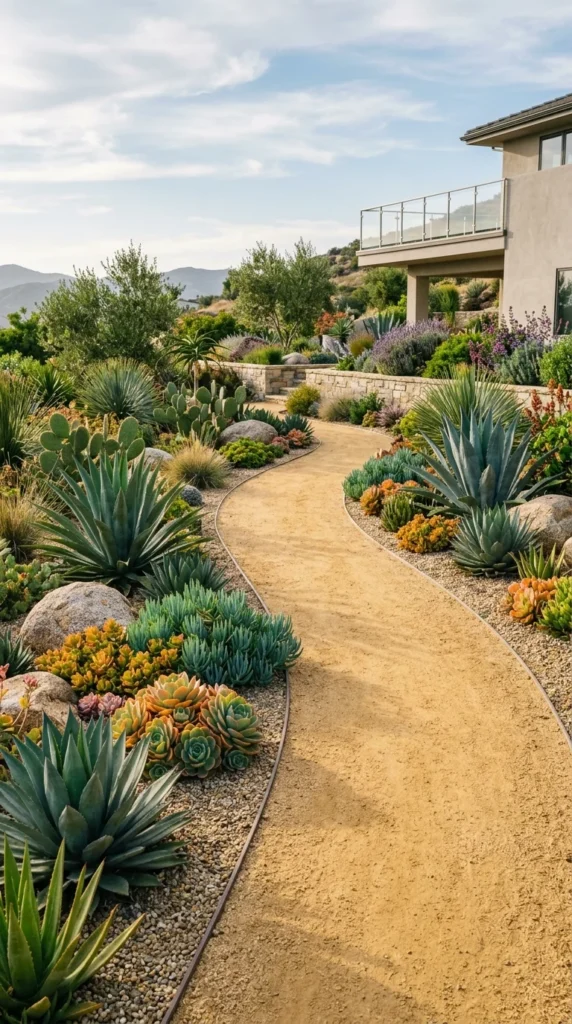
Decomposed granite (DG) is a favorite among landscape architects for its versatility and earthy aesthetic. When compacted, it creates a surface that is firmer than gravel but softer than stone. Its fine texture and muted color palette allow it to blend seamlessly into desert, Mediterranean, or modern landscapes, providing a low-maintenance yet high-end finish.
16. Shells
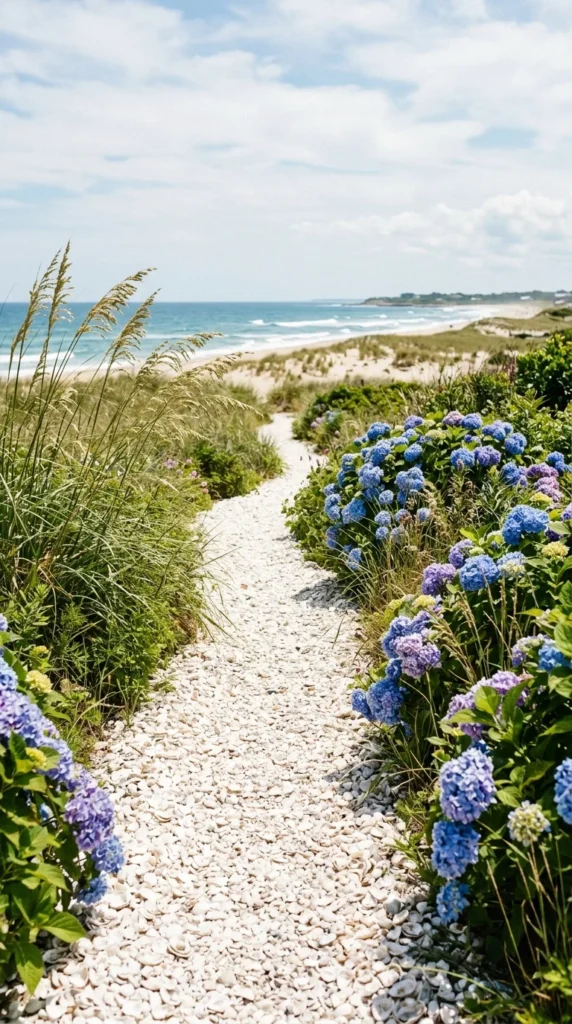
In coastal environments, crushed shells—such as oyster or clam shells—offer a unique and sustainable luxury. They provide a bright, reflective surface that crunches satisfyingly underfoot. Over time, the shells bleach in the sun and break down into a fine, shimmering grit, giving the garden an authentic, seaside elegance that feels perfectly in tune with its surroundings.
17. Illuminated Paths
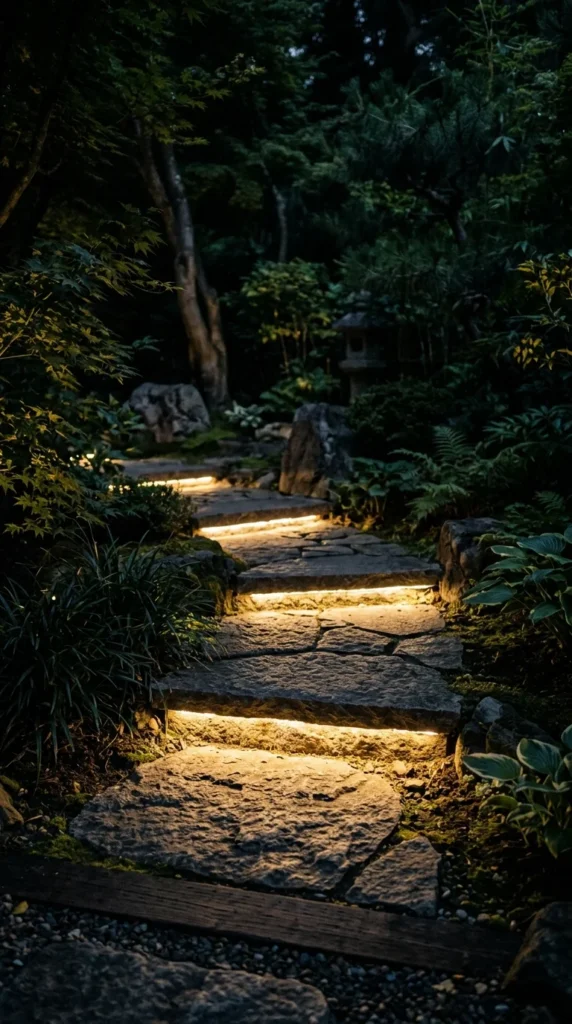
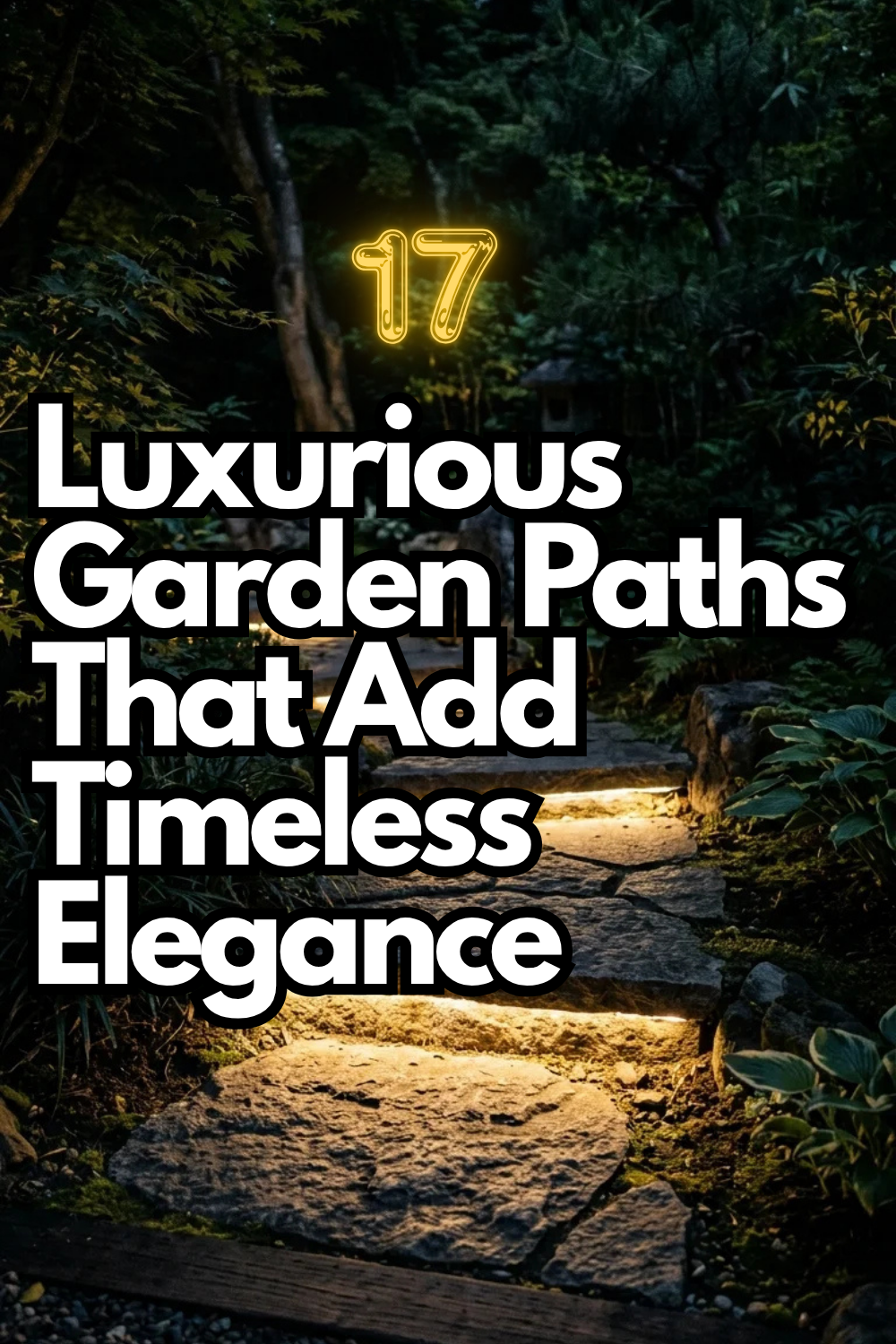
The ultimate luxury is the ability to enjoy your garden long after the sun has set. Integrating lighting directly into the path—whether through recessed “puck” lights, under-lip LED strips, or elegant copper bollards—transforms the walkway into a glowing ribbon of light. It adds a layer of safety, but more importantly, it creates a magical, theatrical atmosphere that highlights the textures of your chosen materials.
Designing for Longevity and Style
Creating a luxurious garden path is about more than just picking a beautiful material; it is about the execution. To ensure your path remains a timeless feature of your home, consider these expert tips:
- Scale and Proportion: A path that is too narrow can feel cramped and utilitarian. For a sense of luxury, aim for a width of at least 36 to 48 inches, allowing two people to walk side-by-side comfortably.
- Edging is Everything: The difference between a DIY project and a professional landscape is often found in the edging. Use high-quality steel, brick, or stone edging to keep your path materials in place and create a crisp line between the path and the garden beds.
- Drainage and Foundation: Luxury is built on a solid foundation. Ensure your path has proper slope and a well-draining base of crushed stone or sand to prevent pooling water and shifting materials over time.
- Planting the Perimeter: A path is defined by what grows next to it. Choose plants that offer sensory rewards—fragrant herbs like rosemary, soft-to-the-touch grasses, or flowers that spill over the edges to soften the hardscape.
By carefully selecting your materials and paying attention to the finer details of installation and surrounding flora, your garden path will become much more than a way to get from point A to point B. It will become a cherished architectural feature that adds value, beauty, and a sense of timeless elegance to your outdoor sanctuary.