Watching a new leaf unfurl or a stem stretch toward the light is one of the most rewarding aspects of being a plant parent. However, sometimes our green friends hit a plateau, growing slowly or looking a bit lackluster. While commercial fertilizers and expensive grow lights have their place, some of the most effective ways to supercharge plant growth are sitting right in your kitchen or utility closet. By understanding the biological needs of your plants—nutrients, light, and root health—you can implement simple hacks that yield professional results.
1. Banana Water
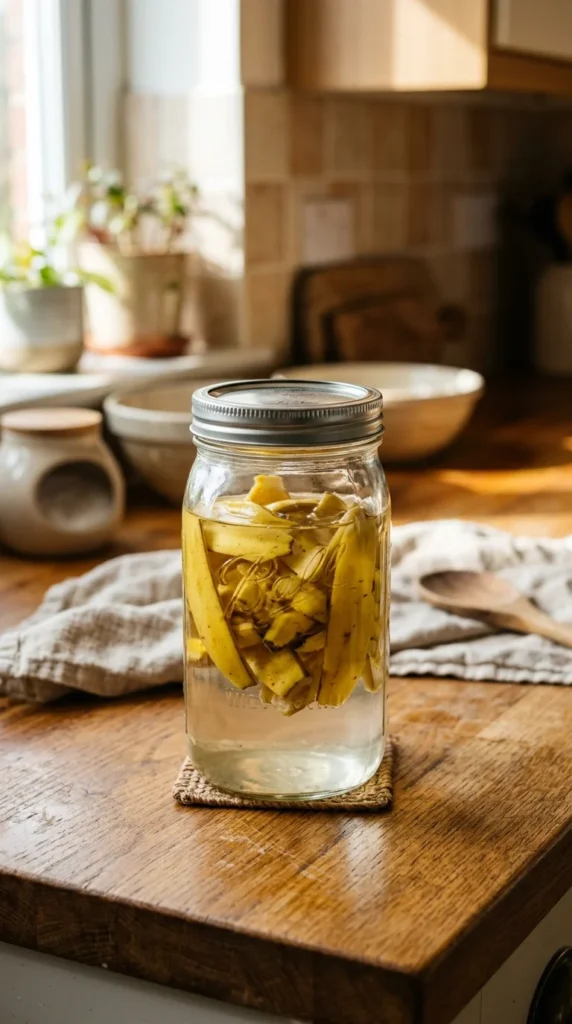
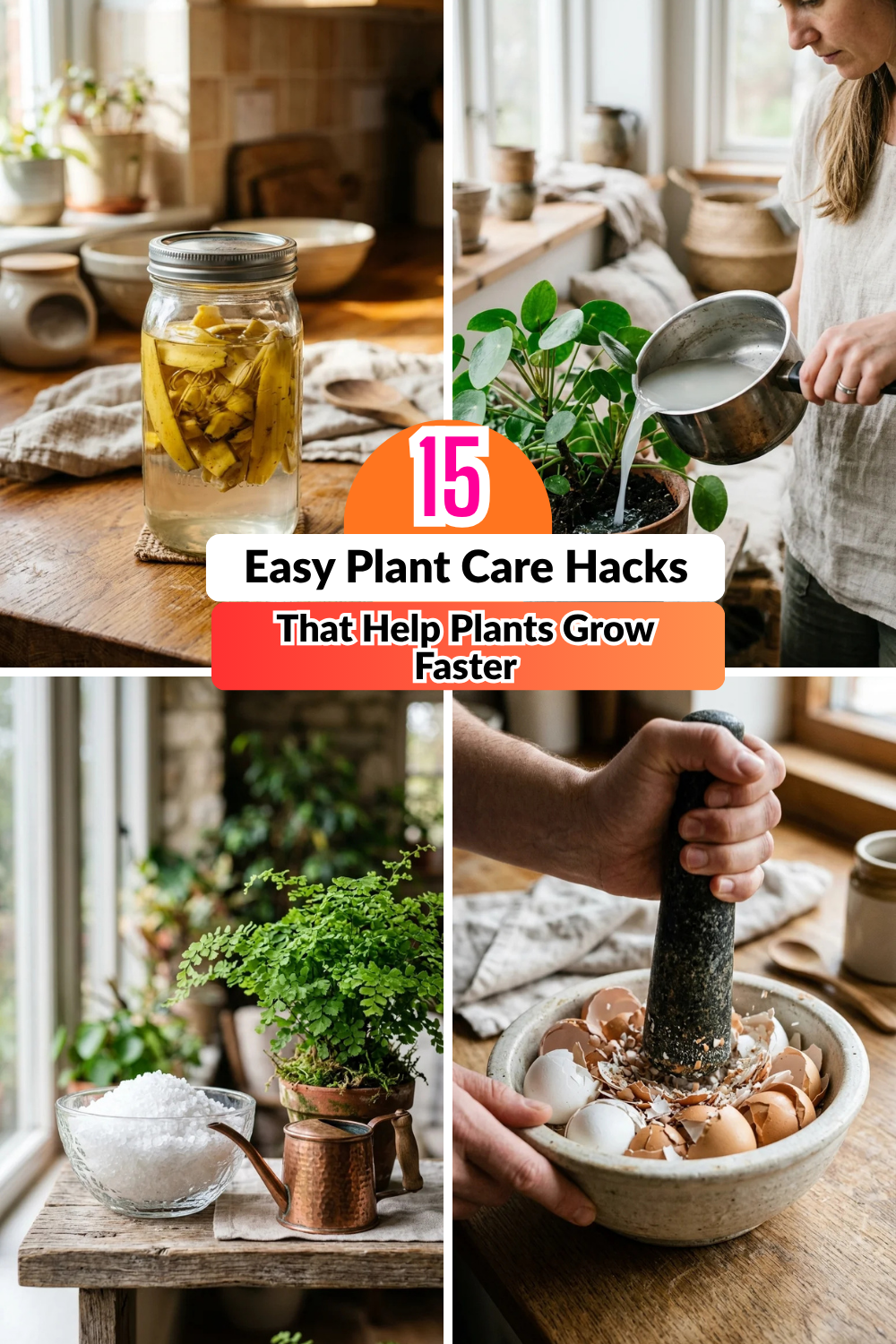
Bananas are famous for their potassium content, and plants love it just as much as humans do. Potassium is a vital macronutrient that aids in protein synthesis and helps plants regulate water pressure within their cells. To create a “banana tea,” simply soak old banana peels in a jar of water for 24 to 48 hours. Remove the peels and use the nutrient-rich liquid to water your plants. This organic boost encourages stronger stems and more vibrant blooms without the risk of chemical burn that often comes with synthetic fertilizers.
2. Pasta Water
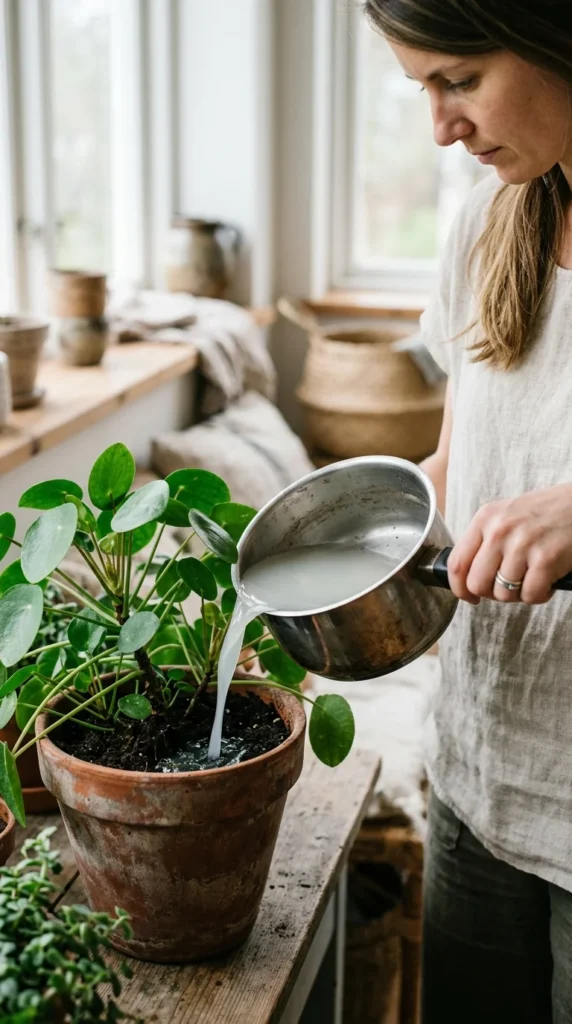
The next time you boil pasta or potatoes, don’t pour that water down the drain. Once it has cooled to room temperature, use it to hydrate your houseplants. As pasta cooks, it releases starches into the water. When you add this starchy liquid to your soil, you aren’t just watering the plant; you are feeding the beneficial microbes living in the soil. These microbes break down organic matter, making nutrients more accessible to the plant’s roots, which results in faster, more robust growth. Just ensure the water is completely salt-free, as salt can dehydrate and damage delicate root systems.
3. Soil Aeration
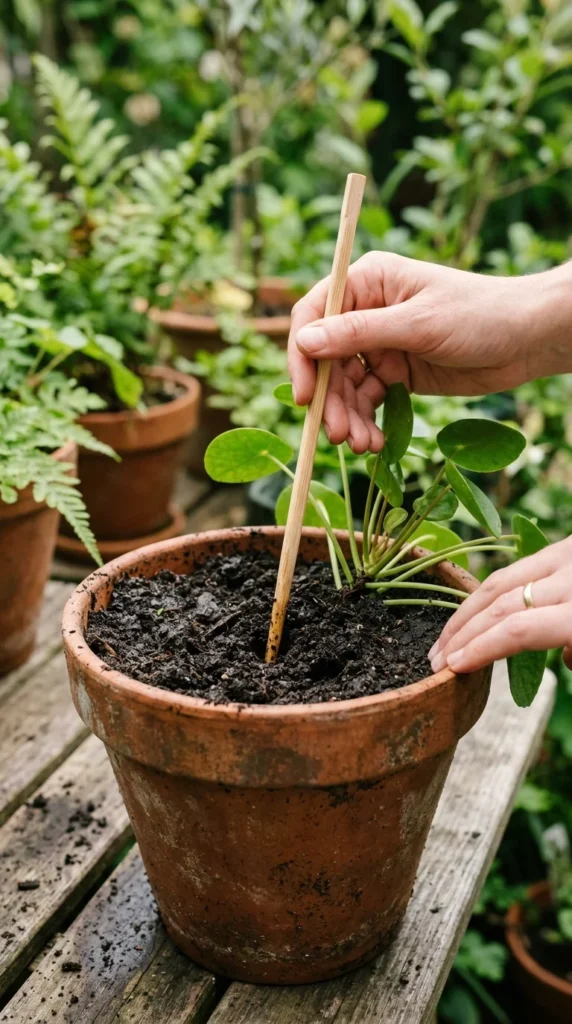
Over time, the soil in your pots becomes compacted due to repeated watering. This compression squeezes out oxygen, making it difficult for roots to “breathe” and grow. A simple hack to fix this is using a chopstick or a thin pencil to gently poke holes into the soil every few months. This process, known as aeration, allows oxygen to reach the root zone and helps water penetrate more deeply rather than just running down the sides of the pot. Better oxygen flow leads to a more expansive root system, which is the foundation for fast-growing foliage.
4. Leaf Cleaning
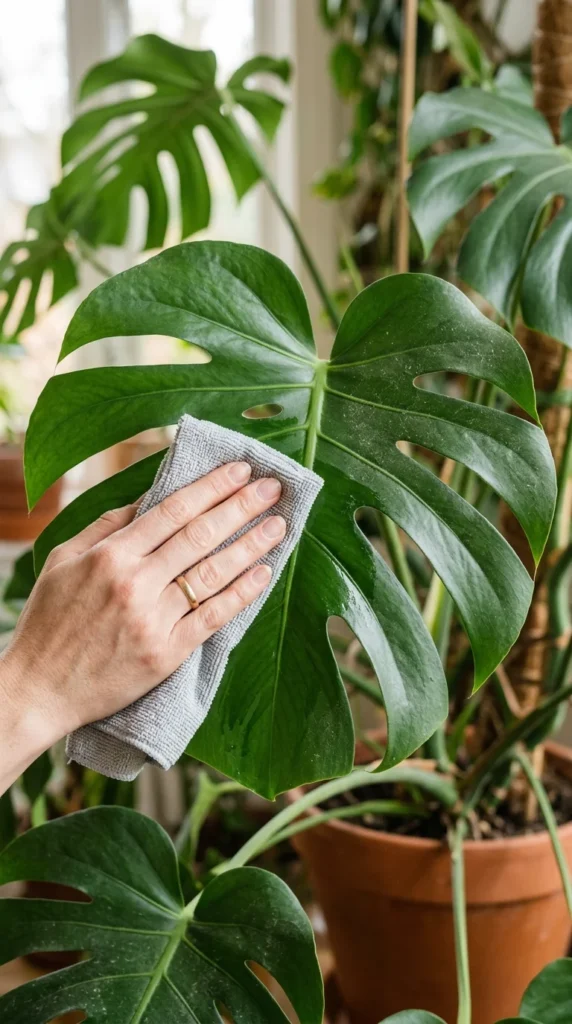
Dust is the enemy of photosynthesis. When a thick layer of household dust settles on your plant’s leaves, it acts as a barrier, preventing the plant from absorbing the sunlight it needs to create energy. A plant that can’t photosynthesize efficiently will naturally grow slower. Once every two weeks, take a damp cloth and gently wipe down the leaves of your large-foliage plants like Monsteras, Fiddle Leaf Figs, and Rubber Trees. Not only does this make the plants look instantly better, but it also opens up their “pores” (stomata), allowing them to breathe and grow at their maximum potential.
5. Epsom Salts
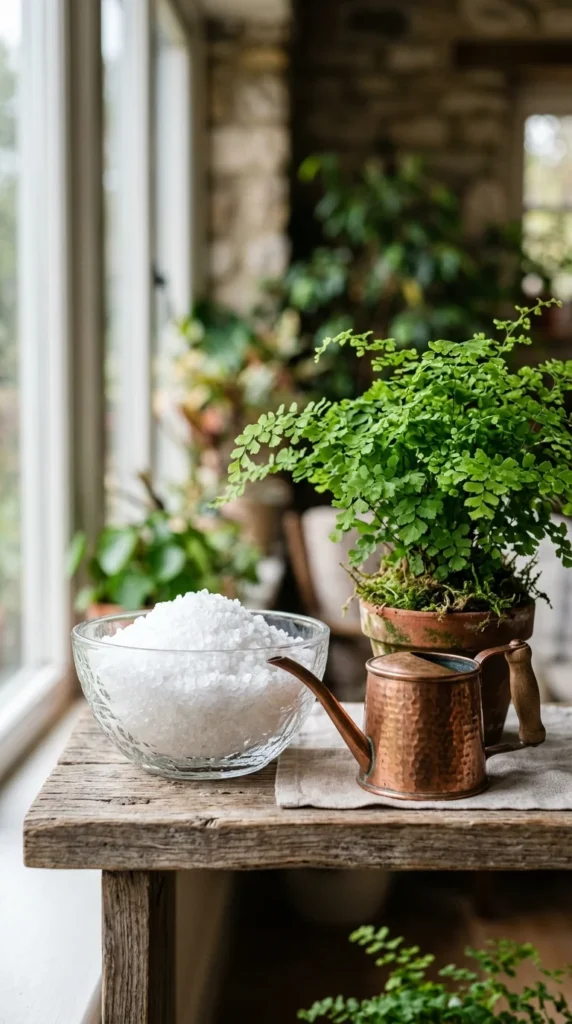
Epsom salt is not actually salt, but a naturally occurring mineral compound of magnesium and sulfate. Magnesium is the central atom of the chlorophyll molecule, which is what makes plants green and allows them to capture sunlight. If your plant looks a bit yellow or stunted, it might have a magnesium deficiency. Dissolve one tablespoon of Epsom salt in a gallon of water and use it once a month. This hack is particularly effective for heavy feeders like roses, peppers, and tomatoes, but it can give almost any indoor plant a deeper green hue and a growth spurt.
6. Bottom Watering
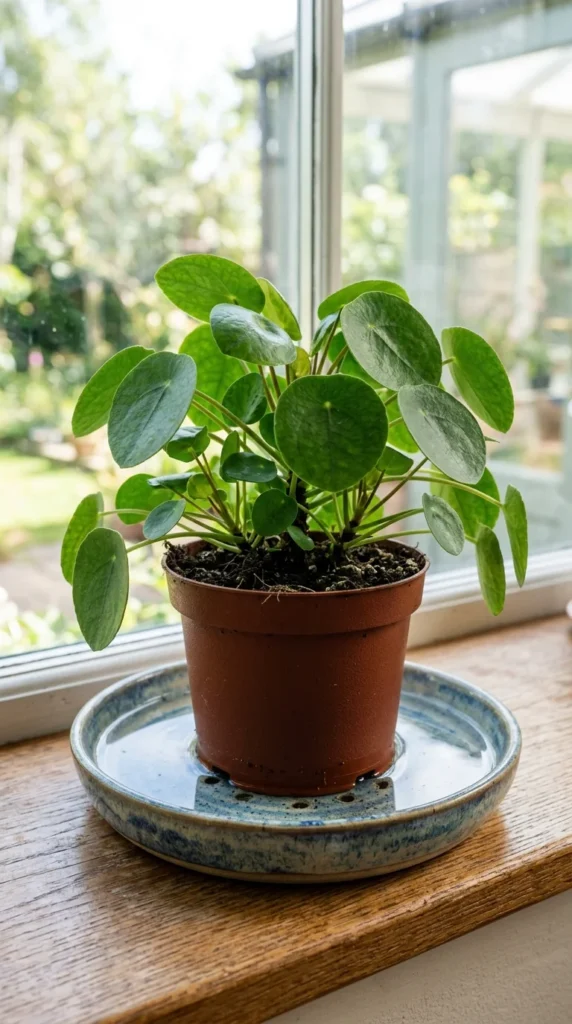
Most people water their plants from the top, but “bottom watering” can be a game-changer for growth. By placing your plant pot in a tray of water and letting it soak up moisture through the drainage holes, you encourage the roots to grow downward toward the water source. This results in a much stronger, deeper root system compared to top-watering, which often only moistens the upper layer of soil. Stronger roots equal a faster-growing plant. Simply let the plant sit in the water for about 20-30 minutes until the top of the soil feels slightly damp, then discard any excess water.
7. Rice Water
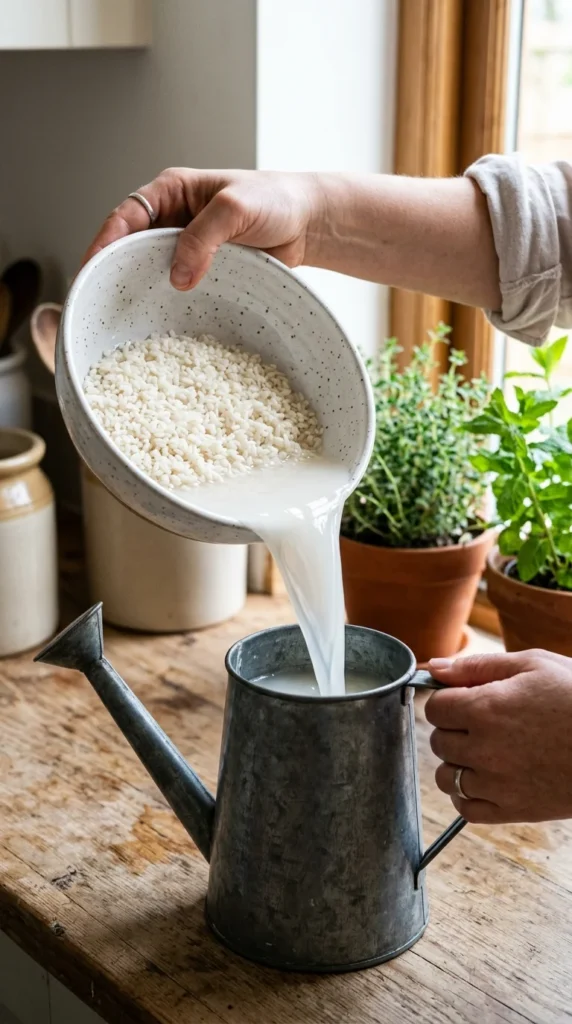
When you rinse rice before cooking, the water turns cloudy and white. This “rice water” is packed with traces of nitrogen, phosphorus, and potassium, along with various vitamins. It acts as a mild, natural liquid fertilizer. Because it is so gentle, you can use it almost every time you water. The vitamins and minerals provide a steady stream of nutrients that sustain consistent growth cycles, preventing the “stalling” that often happens when plants run out of fuel in their potting mix.
8. Plant Grouping
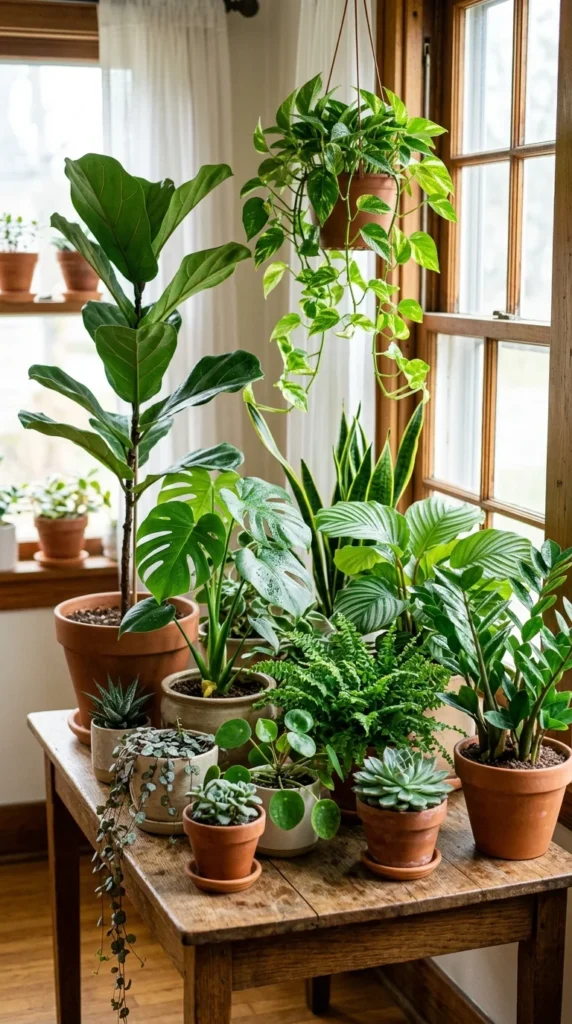
Many of our favorite houseplants are tropical species that thrive in high humidity. Modern homes, especially during winter when heaters are running, have very dry air. Instead of buying an expensive humidifier, try grouping your plants together. Plants release moisture through their leaves via a process called transpiration. By huddling them close, they create a localized “microclimate” of higher humidity around one another. This prevents leaf tips from browning and keeps the plant in a state of active growth rather than survival mode.
9. Strategic Pruning
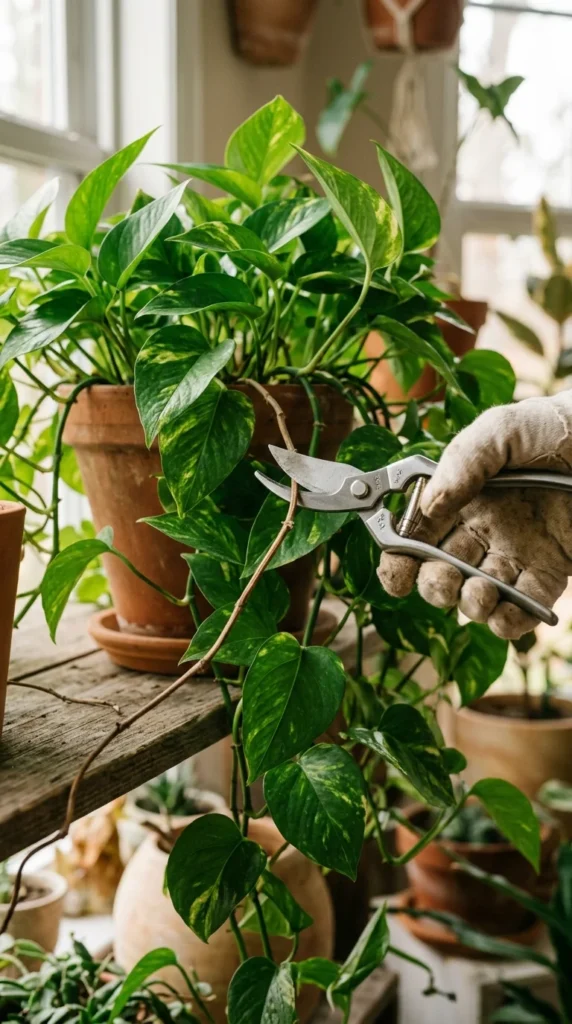
It might seem counterintuitive to cut a plant to make it grow faster, but strategic pruning is essential. When a plant has dead or dying leaves, it continues to send energy to those areas in an attempt to repair them. By snipping off yellowing leaves or “leggy” stems (stems that are long with few leaves), you force the plant to redirect its energy into new, healthy growth. For many vining plants like Pothos or Philodendrons, pruning the ends also stimulates “axillary buds” further up the stem to grow, resulting in a bushier, fuller plant.
10. Aquarium Water
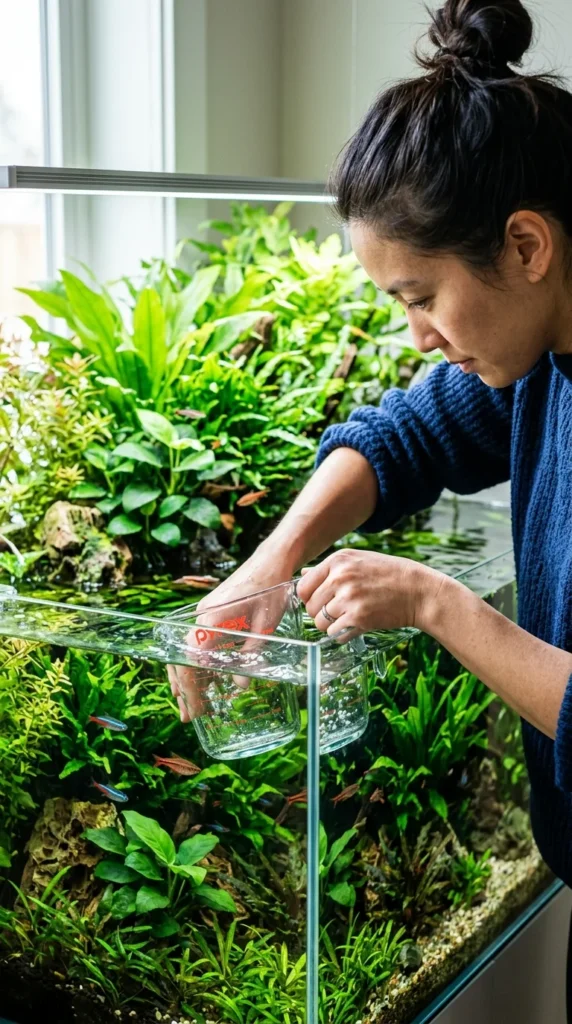
If you have a freshwater fish tank, you have a goldmine of plant food. When you perform your regular water changes, save the old “dirty” water. This water is rich in nitrogen—a byproduct of fish waste—and beneficial bacteria. Nitrogen is the primary nutrient responsible for leaf and stem growth. Using aquarium water is like giving your plants a shot of organic liquid gold. Just be sure the water is from a freshwater tank and not a saltwater one, as salt will kill most houseplants.
11. Mirror Magic
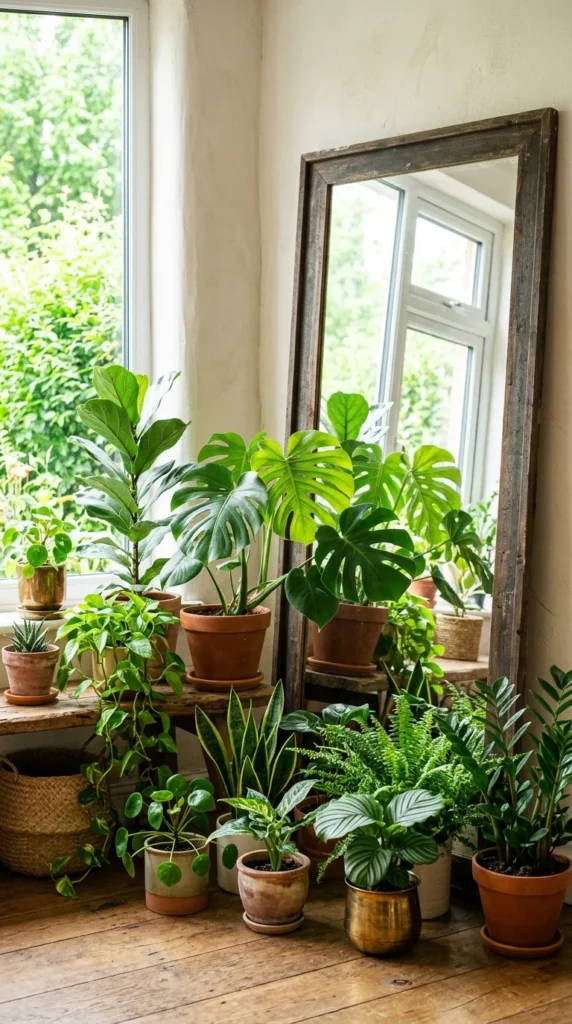
Light is the primary fuel for plant growth. If you have a room that is a bit dim, you can “double” the amount of light your plants receive by using mirrors. Placing a mirror opposite a window or behind a plant shelf reflects the light back onto the undersides and backs of the plants. This ensures that the entire plant is receiving energy, not just the side facing the window. This extra boost of reflected light can be the difference between a plant that merely survives and one that grows aggressively.
12. Coffee Grounds
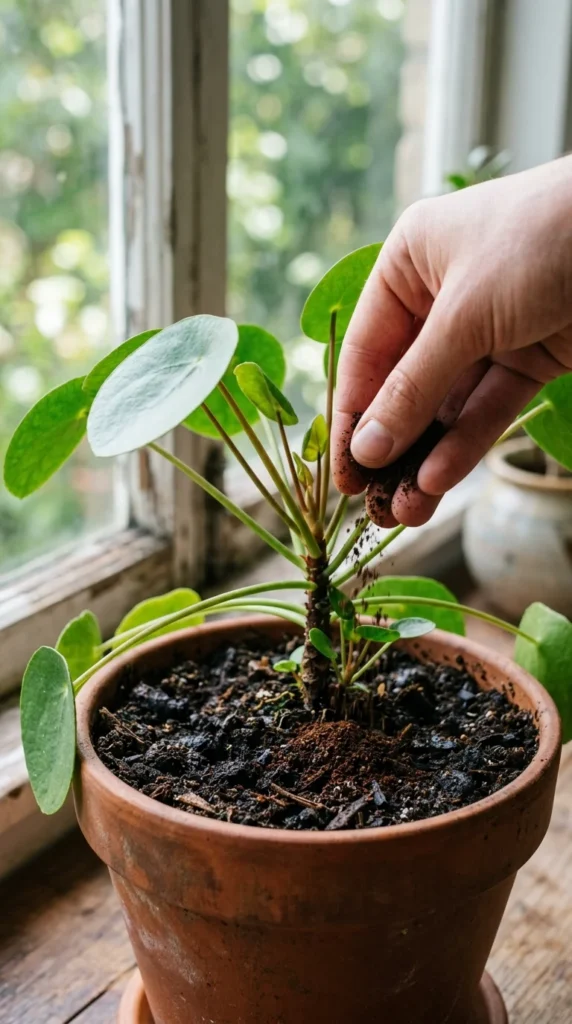
Used coffee grounds are a fantastic source of nitrogen, but they must be used carefully. Because they are slightly acidic, they are best suited for acid-loving plants like African Violets, ferns, and citrus trees. Don’t dump a thick layer on top, as this can create a moldy crust. Instead, mix a tablespoon or two into the top inch of soil. As the grounds decompose, they slowly release nitrogen into the soil, providing a long-term nutrient source that keeps the plant’s foliage lush and green.
13. Cinnamon Dusting
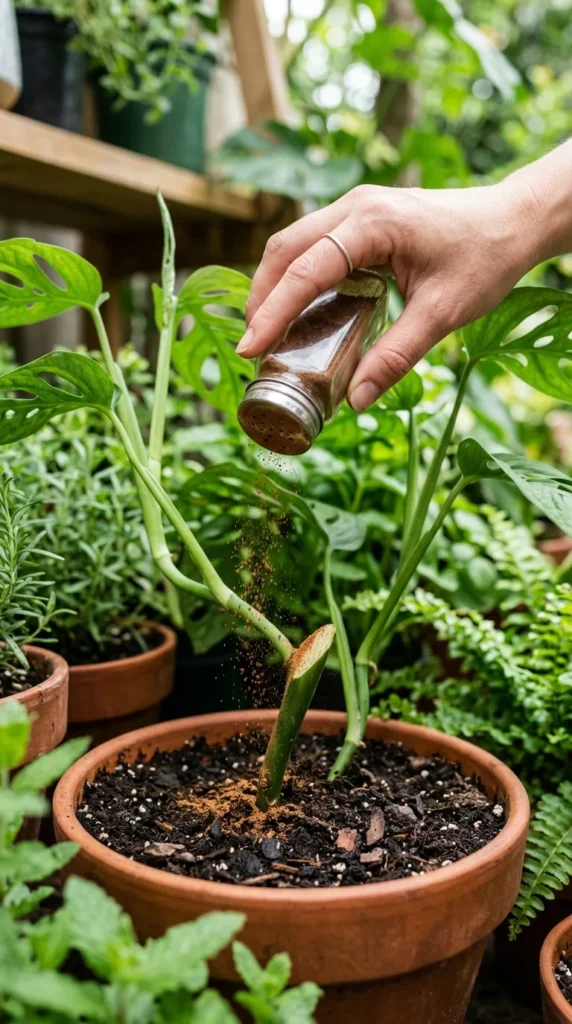
Cinnamon is a natural fungicide and antibacterial agent. If you’ve just pruned your plant or noticed a bit of mold on the soil surface, a light dusting of cinnamon can work wonders. By preventing fungal infections and “damping off,” cinnamon ensures that the plant doesn’t have to waste energy fighting off pathogens. It is also an excellent tool for propagating; dipping a fresh cutting into cinnamon before planting it in soil can protect the raw “wound” from rot, allowing it to root faster and more successfully.
14. Pot Rotation
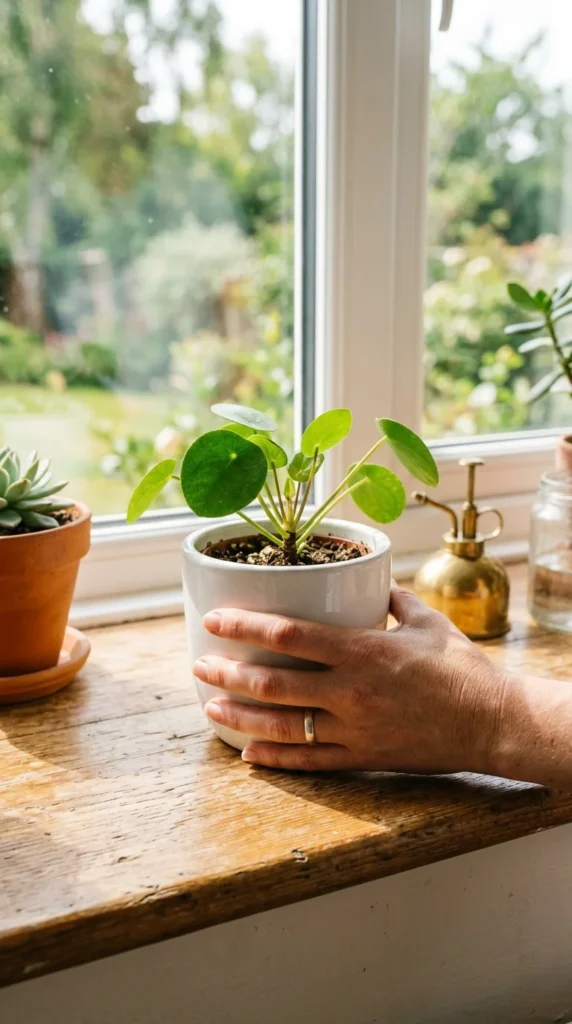
Plants are phototropic, meaning they naturally grow toward their light source. If you never move your pots, your plants will eventually become “lopsided,” with all the growth leaning toward the window and the back side becoming bare and weak. To ensure even, fast growth on all sides, give your pots a quarter-turn every time you water. This ensures that every leaf gets its fair share of sunshine, leading to a more balanced and structurally sound plant that can support more weight as it grows taller.
15. Crushed Eggshells
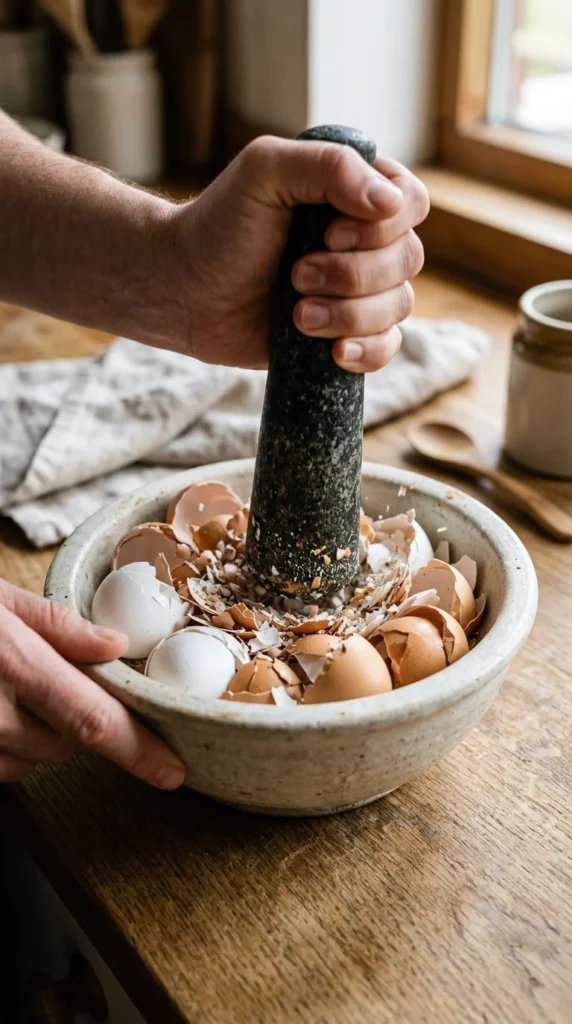
Eggshells are primarily composed of calcium carbonate, which is essential for building strong cell walls in plants. A plant with strong cell walls can grow taller and support larger leaves without drooping. To use this hack, rinse your eggshells and let them dry completely. Grind them into a fine powder or very small pieces and mix them into your potting soil. While eggshells take a while to break down, they provide a slow-release source of calcium that prevents “blossom end rot” in fruiting plants and strengthens the overall “skeleton” of your indoor greenery.