Bringing a piece of nature into your home is one of life’s greatest joys, but it often comes with a steep learning curve. We’ve all been there: you buy a beautiful, vibrant plant, only to watch it slowly decline despite your best intentions. Becoming a “green thumb” isn’t about luck; it’s about understanding the subtle signals your plants are sending. To help you transform your home into a thriving sanctuary, we’ve compiled the 15 most common plant care mistakes and how you can fix them.
1. Overwatering
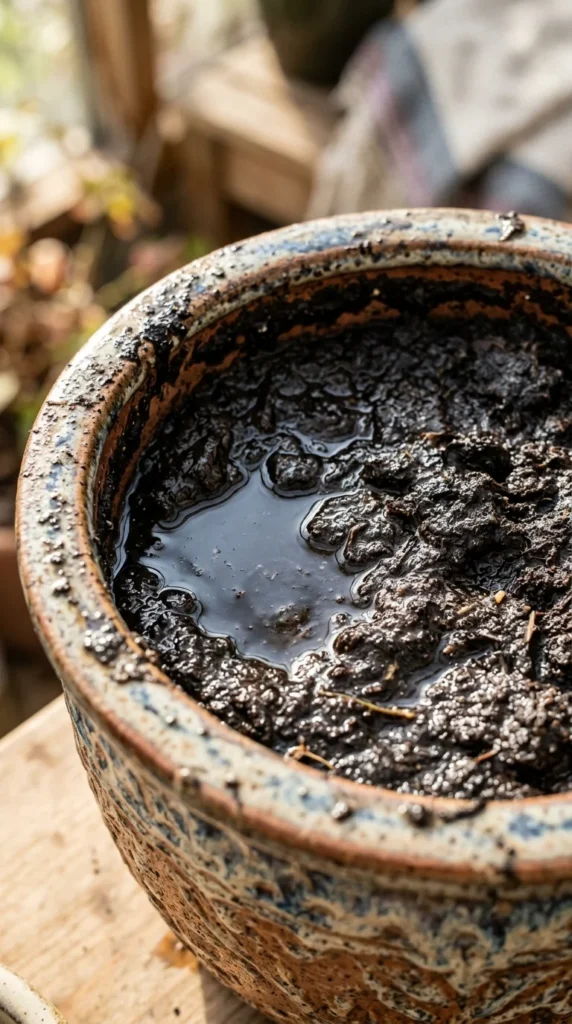
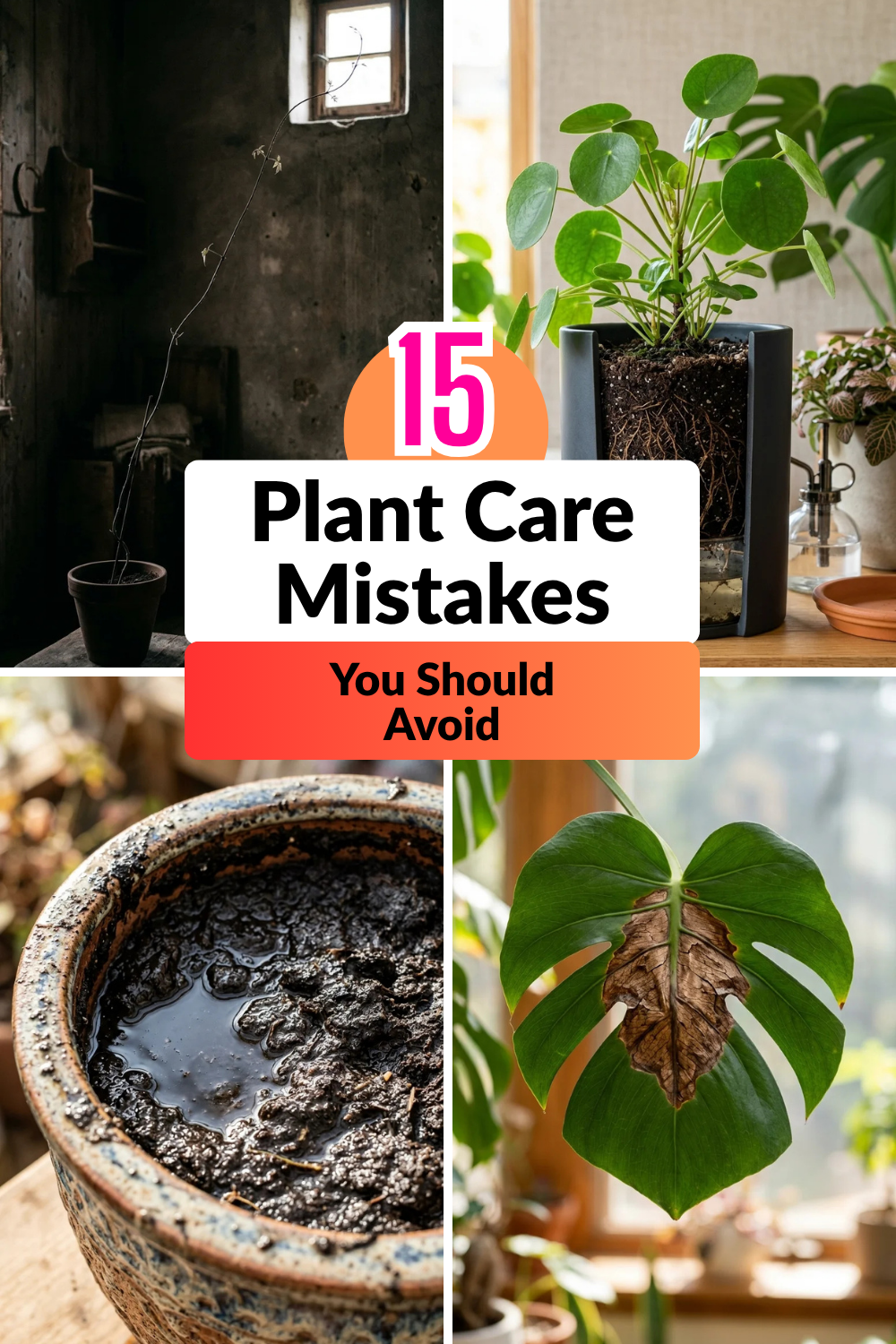
Overwatering is the number one plant killer. Most beginners believe that more water equals more love, but for most species, this leads to root rot. When soil is constantly wet, oxygen cannot reach the roots, causing them to suffocate and decay.
- The Fix: Always check the soil moisture before reaching for the watering can. Stick your finger two inches deep into the soil; if it feels damp, wait a few more days. Invest in a moisture meter for more precision.
2. Poor Drainage
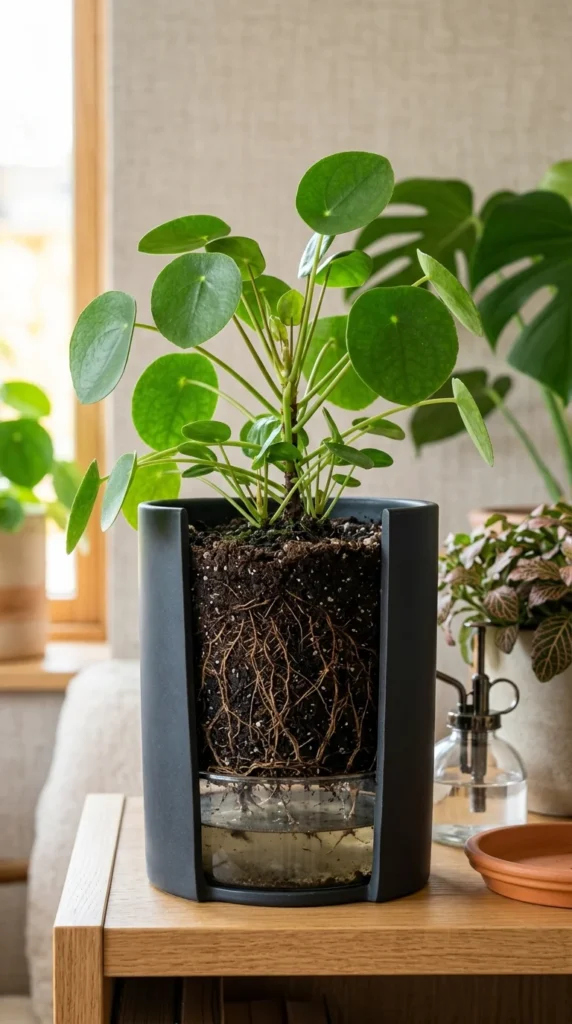
Even if you water correctly, a pot without drainage holes is a death trap. Without a way for excess water to escape, it pools at the bottom of the pot, creating a stagnant environment that breeds bacteria and fungus.
- The Fix: Ensure every pot has at least one drainage hole. If you love a decorative pot that doesn’t have one, keep the plant in its plastic nursery pot and use the decorative one as a “cachepot.”
3. Insufficient Light
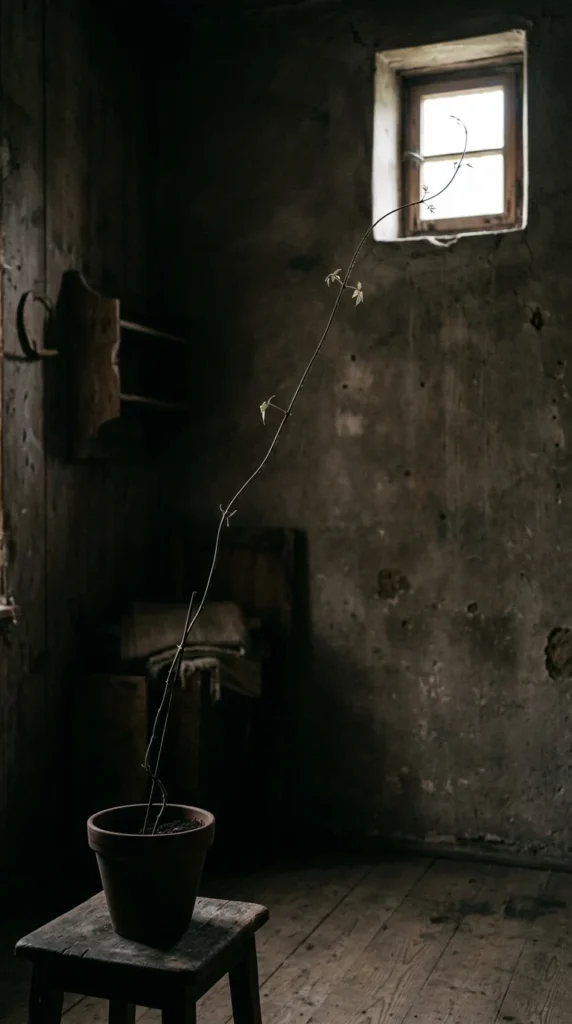
Plants “eat” light through photosynthesis. Placing a sun-loving succulent in a dark corner is like putting a human on a starvation diet. When plants don’t get enough light, they become “leggy,” stretching out their stems to find a light source, which weakens the overall structure.
- The Fix: Research the specific light requirements for each plant. Use a light meter app on your phone to find the brightest spots in your home. Remember, “bright indirect light” usually means right next to a window, but out of the sun’s direct path.
4. Scorching Sun
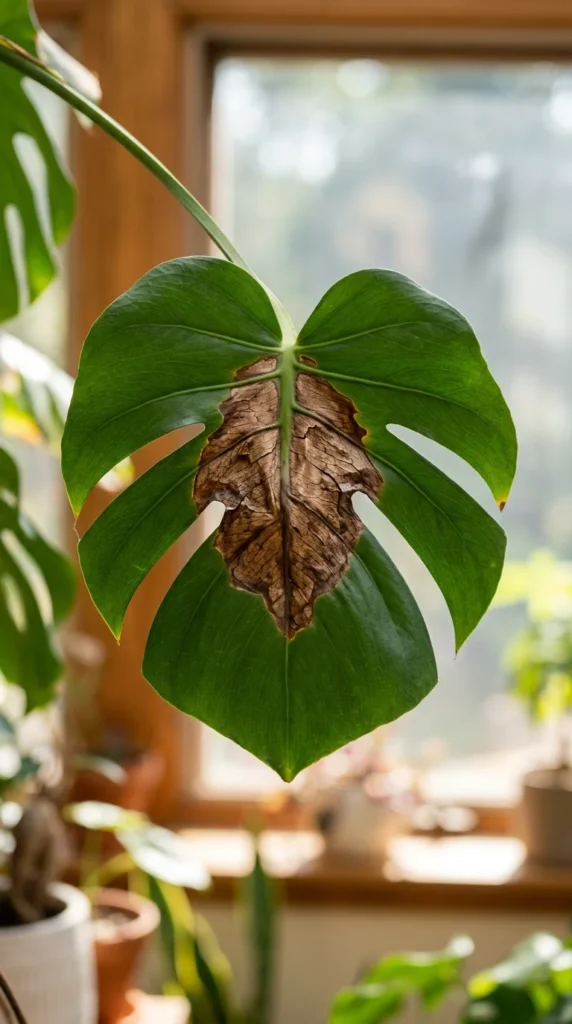
On the flip side, some plants are highly sensitive to direct UV rays. Tropical forest floor plants, like Calatheas or Ferns, are used to dappled sunlight. Placing them in a south-facing window can lead to leaf burn, characterized by crispy brown patches.
- The Fix: Use sheer curtains to filter harsh light. If you notice your leaves getting bleached or scorched, move the plant a few feet away from the window.
5. Wrong Soil
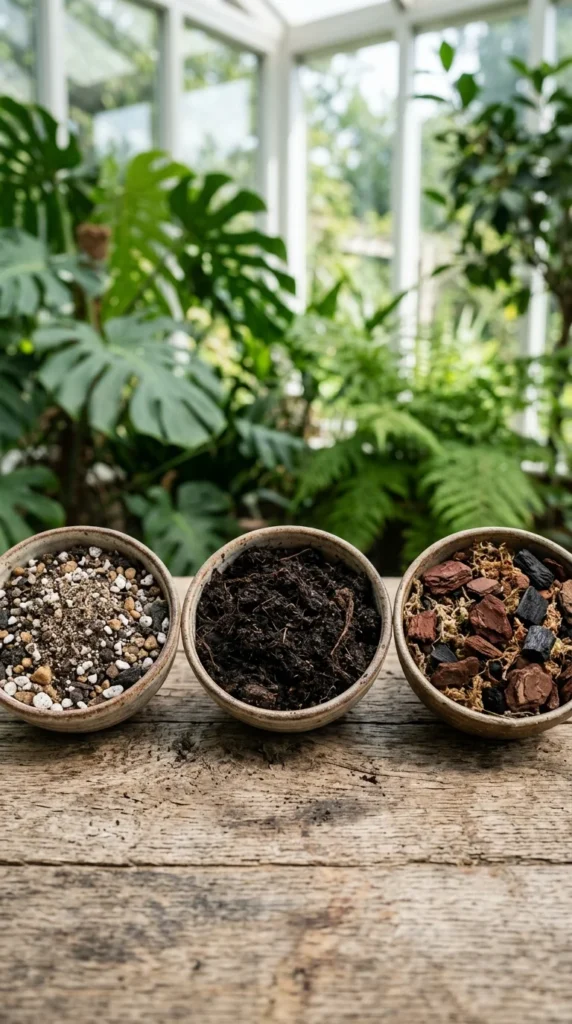
Using the same “all-purpose” potting soil for every plant is a recipe for disaster. A cactus needs gritty, fast-draining soil, while a Peace Lily prefers a mix that retains some moisture. Using heavy garden soil for indoor plants is also a mistake, as it compacts too easily and prevents airflow.
- The Fix: Customize your soil. Add perlite or pumice for drainage, orchid bark for aeration, and peat moss or coco coir for moisture retention based on the plant’s natural habitat.
6. Over-Fertilizing
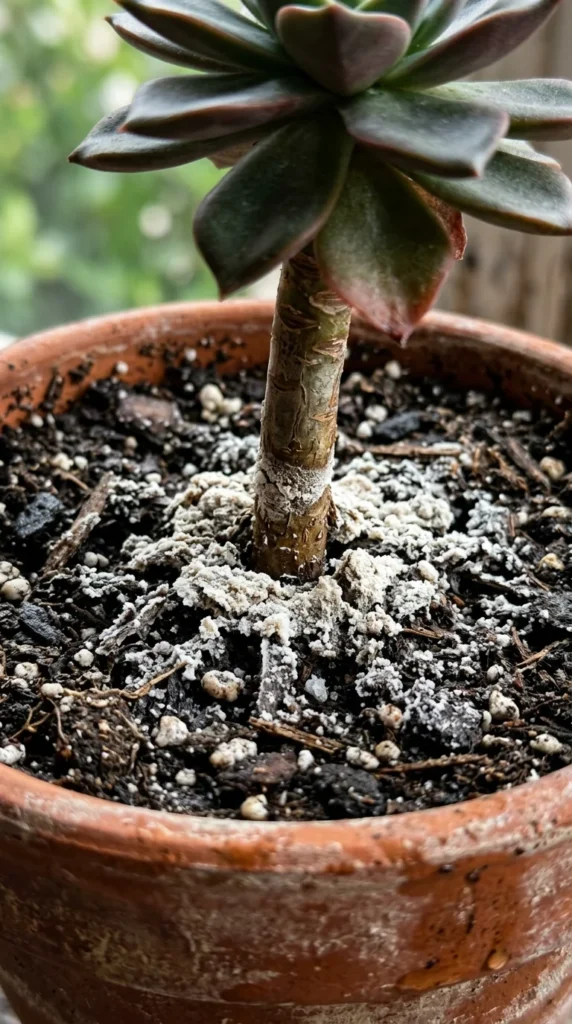
It’s tempting to pump your plants with nutrients to make them grow faster, but too much fertilizer can “burn” the roots and leaves. This often manifests as yellowing leaves or a white, salty crust on the soil surface.
- The Fix: Less is more. Only fertilize during the growing season (spring and summer) and always dilute the fertilizer to half the recommended strength on the package.
7. Ignoring Pests
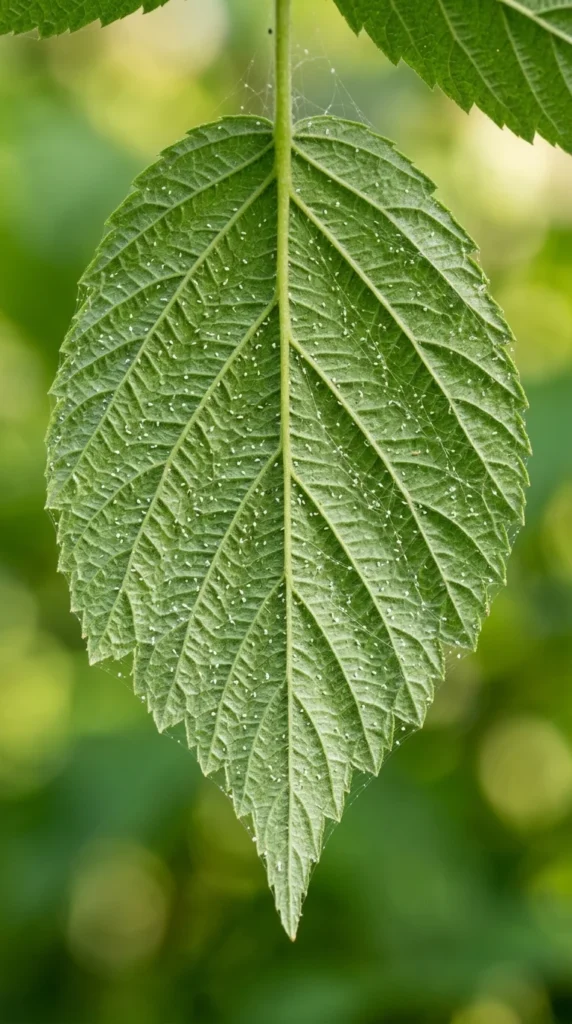
Pests like spider mites, mealybugs, and fungus gnats can appear out of nowhere. If you don’t catch them early, they can quickly colonize your entire collection. Many people mistake pest damage for a watering or light issue.
- The Fix: Inspect your plants weekly, especially the undersides of leaves and the junctions where stems meet. Keep a bottle of Neem oil or insecticidal soap on hand for immediate treatment.
8. Dusty Leaves
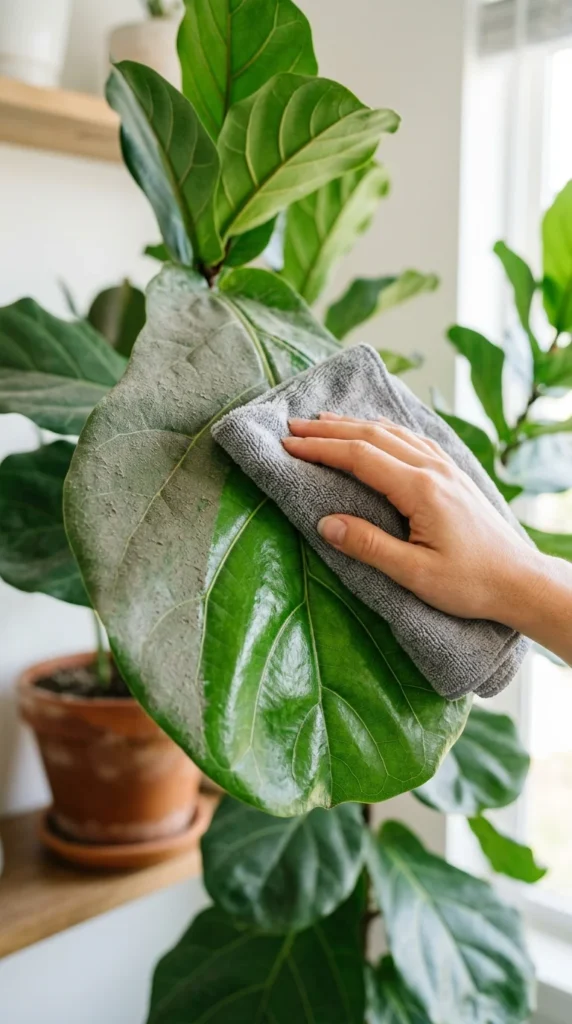
Dust isn’t just an aesthetic issue; it’s a health hazard for plants. A thick layer of dust blocks sunlight and clogs the “pores” (stomata) of the leaves, making it harder for the plant to breathe and photosynthesize.
- The Fix: Wipe down large leaves with a damp cloth every few weeks. For plants with smaller leaves, give them a gentle “shower” in the sink or bathtub to rinse away the debris.
9. Wrong Pot Size
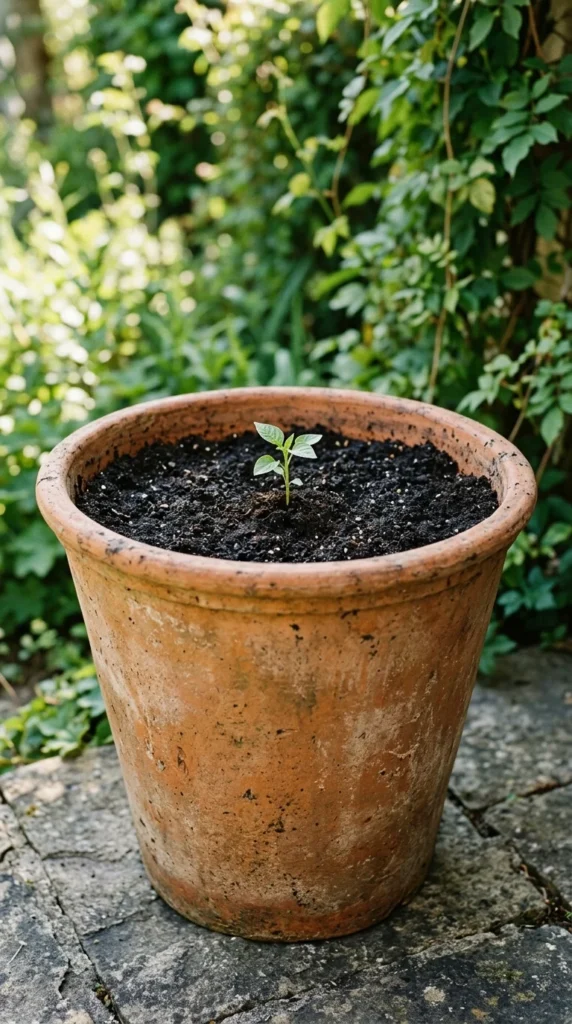
Putting a small plant in a massive pot seems like a good way to give it room to grow, but it actually holds too much moisture for the small root system to handle. This often leads to the soil staying wet for weeks, resulting in rot.
- The Fix: Only upgrade your pot size by 1–2 inches in diameter at a time. The pot should be proportional to the size of the root ball, not the foliage.
10. Temperature Fluctuations
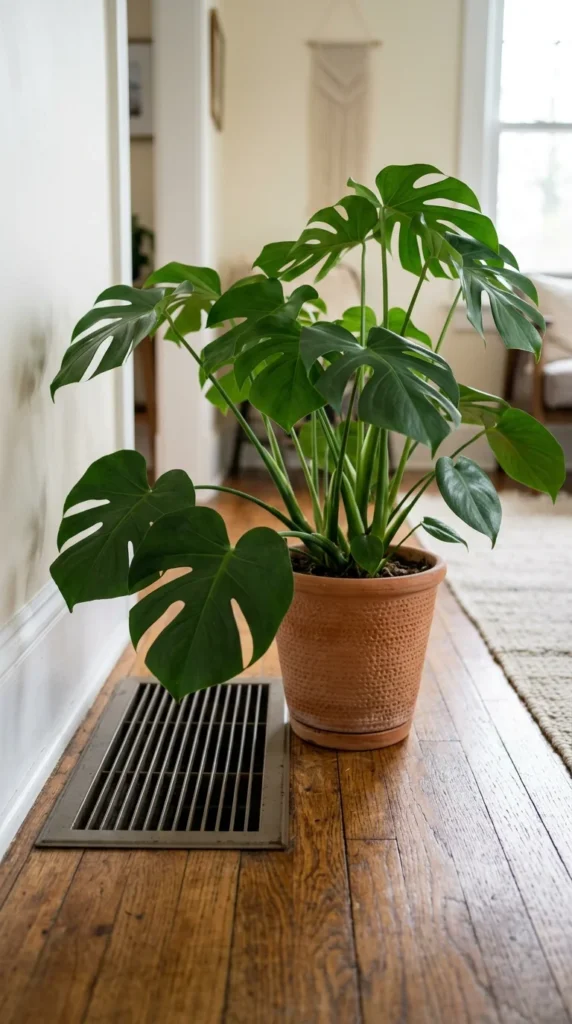
Most houseplants are tropical and prefer stable temperatures. Placing them next to a drafty winter window, an air conditioning vent, or a radiator can cause them to drop leaves in stress.
- The Fix: Keep your plants away from direct airflow sources. Maintain a consistent temperature between 65°F and 75°F (18°C–24°C) for the best results.
11. Repotting Stress
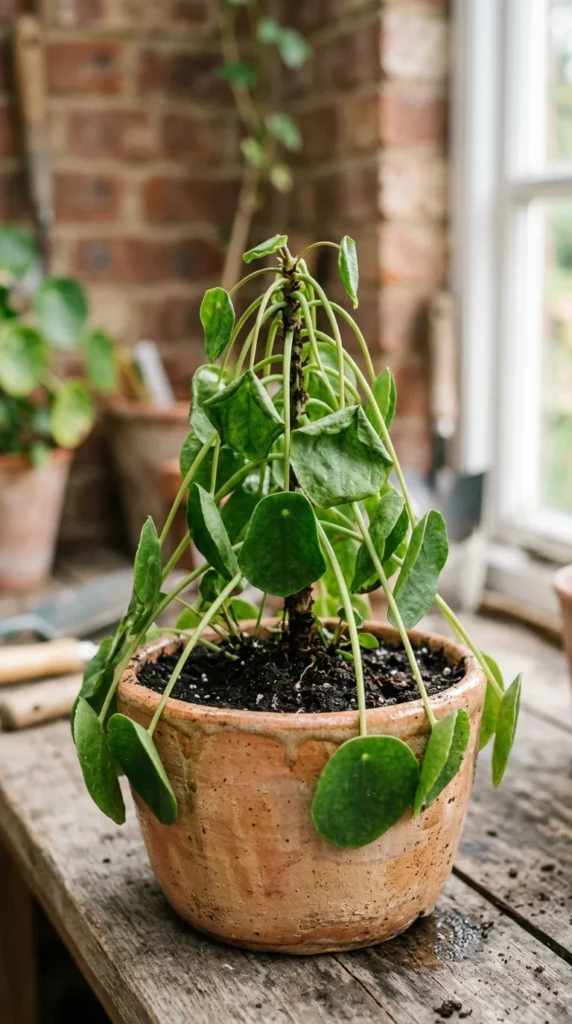
Repotting is a traumatic event for a plant. Doing it at the wrong time (like in the middle of winter) or being too aggressive with the roots can cause the plant to go into shock.
- The Fix: Only repot when the plant is actively growing in the spring. Try to keep the root ball intact as much as possible and avoid “cleaning” the roots unless they are diseased.
12. Tap Water Sensitivity
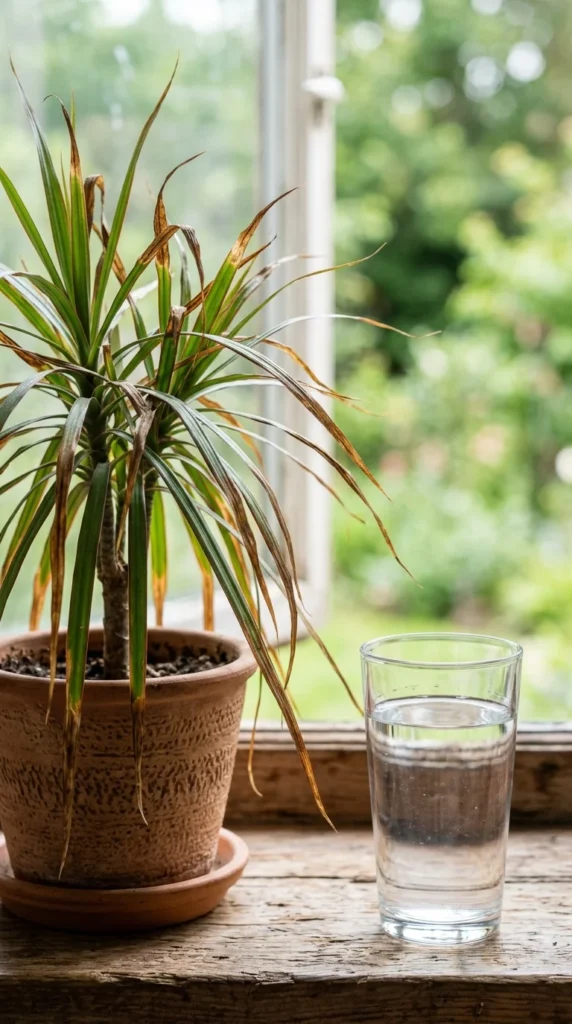
Many plants, particularly Spider Plants and Calatheas, are sensitive to the chlorine, fluoride, and minerals found in city tap water. These chemicals accumulate in the leaf tips, causing them to turn brown and crispy.
- The Fix: Use filtered water, rainwater, or distilled water. Alternatively, let tap water sit out for 24 hours to allow some of the chemicals to evaporate before watering.
13. Crowding Plants
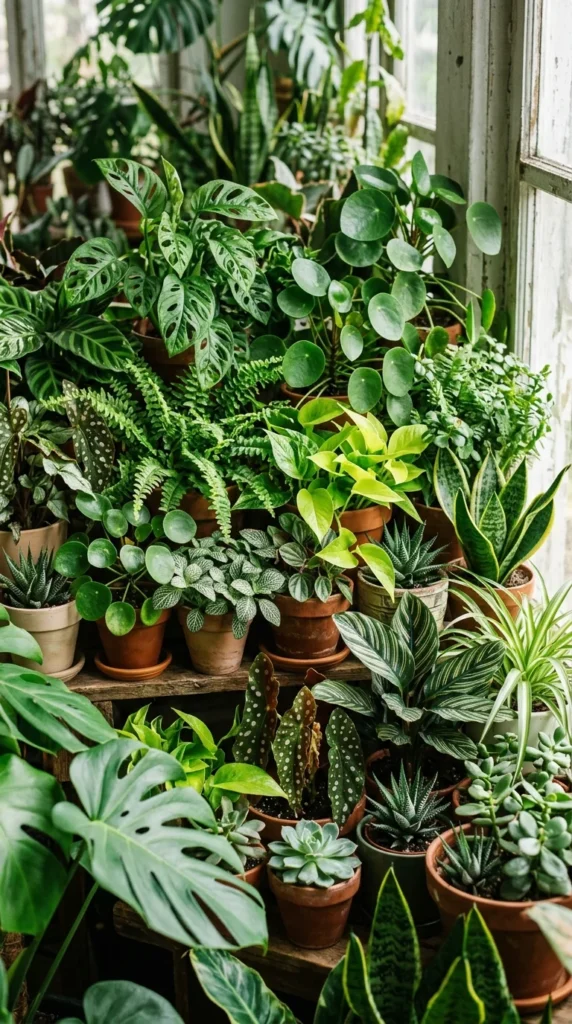
While grouping plants helps increase humidity, overcrowding them can be detrimental. Lack of airflow between plants creates a stagnant environment where mold and pests can easily jump from one plant to another.
- The Fix: Give your plants some “breathing room.” Ensure there is at least an inch or two of space between the leaves of neighboring plants to allow for proper air circulation.
14. Neglecting Roots
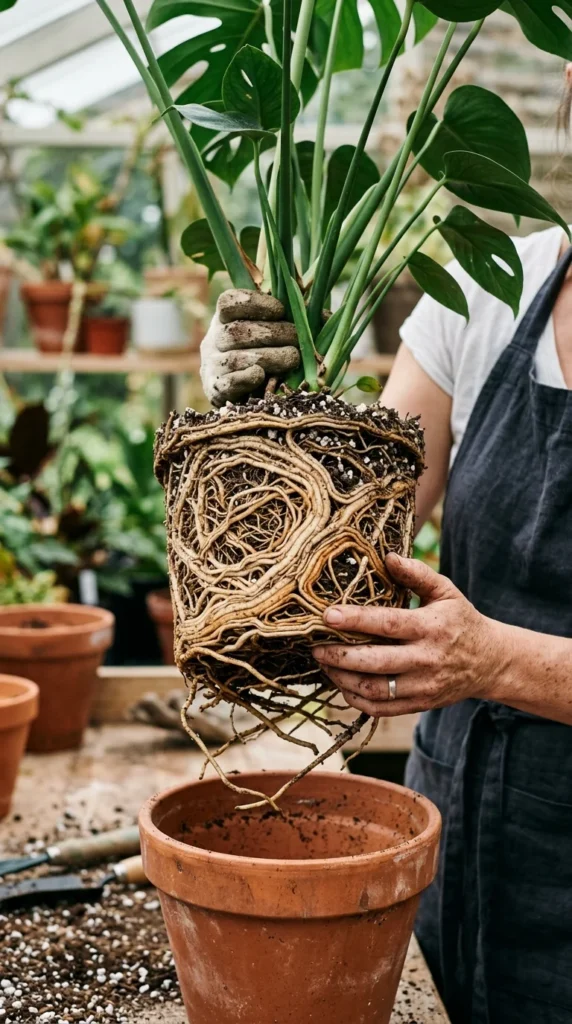
Just because the leaves look okay doesn’t mean the plant is happy. Plants can become “root-bound,” where the roots have no more room to grow and start circling the pot. This prevents the plant from absorbing nutrients and water effectively.
- The Fix: Once a year, gently lift your plant out of its pot to check the roots. If you see more roots than soil, or if they are circling the base, it’s time for a slightly larger home.
15. Moving Frequently
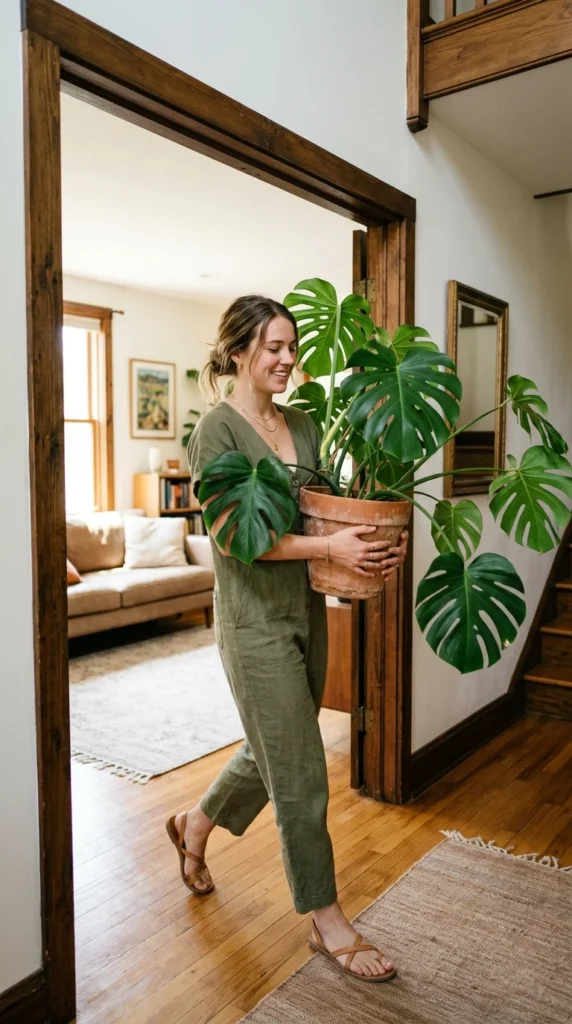
Plants are not mobile creatures. In nature, they stay in one spot for their entire lives. Moving a plant from room to room as you decorate forces it to constantly readapt its light and humidity levels, which wastes vital energy.
- The Fix: Find a “forever home” for your plant where the conditions are ideal and leave it there. Only move it if the plant is showing clear signs of distress related to its location.