The dream of harvesting fresh, sun-ripened vegetables isn’t reserved solely for those with sprawling backyards and acres of tilled land. Container gardening has revolutionized the way we think about food production, allowing anyone with a sliver of sunlight—be it on a balcony, a driveway, or a small patio—to become a successful grower. By utilizing containers, you gain ultimate control over soil quality, moisture levels, and sun exposure, while virtually eliminating the back-breaking labor of weeding traditional garden rows.
Whether you are a seasoned gardener looking to simplify your routine or a beginner taking your first steps into the world of edible plants, these container gardening ideas will maximize your harvest and make the process incredibly easy.
1. Fabric Pots
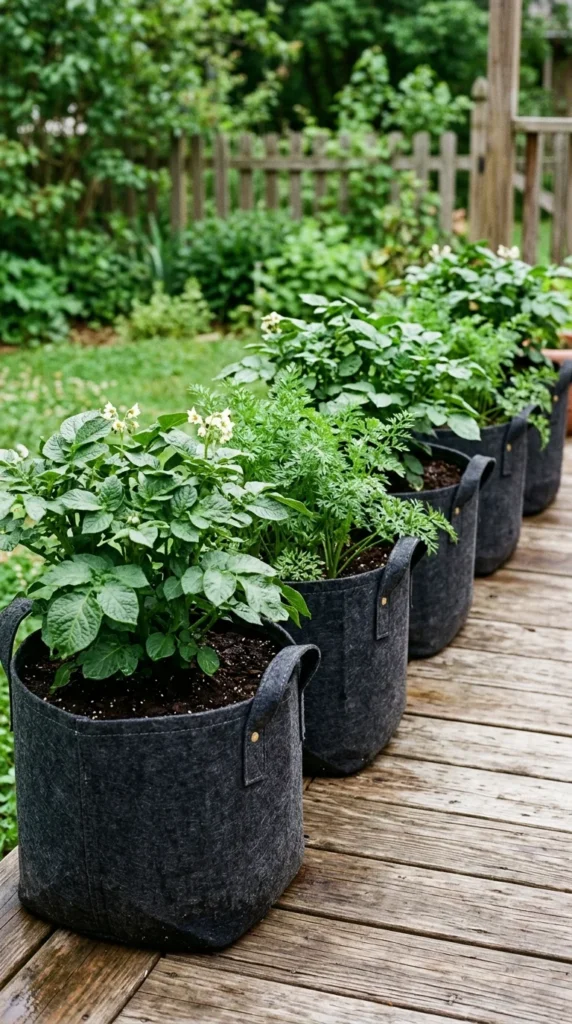
Fabric pots, often referred to as “grow bags,” are a game-changer for vegetable gardening. Unlike traditional plastic or ceramic pots, the breathable fabric allows for “air pruning” of the roots. When roots reach the edge of the bag, they stop growing in circles and instead develop a dense, fibrous root system that absorbs nutrients more efficiently. They are particularly excellent for root vegetables like potatoes, carrots, and radishes, as the soft sides allow for expansion without compression. Furthermore, they provide superior drainage and prevent the soil from overheating during peak summer months.
2. Self-Watering Planters
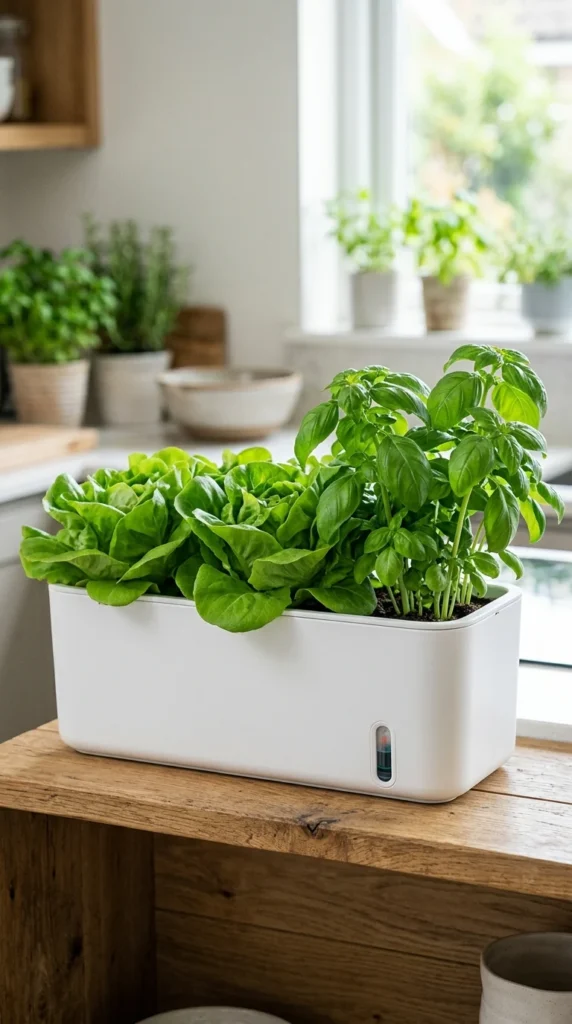
Consistency is the secret to a high-yielding vegetable garden, and self-watering planters provide exactly that. These containers feature a built-in reservoir at the bottom that holds a supply of water. Through capillary action, the soil wicks up moisture as the plants need it. This “bottom-up” watering method ensures that the roots stay hydrated without the foliage getting wet, which significantly reduces the risk of fungal diseases. They are the perfect solution for busy gardeners or those living in hot climates where pots can dry out in a single afternoon.
3. Vertical Towers
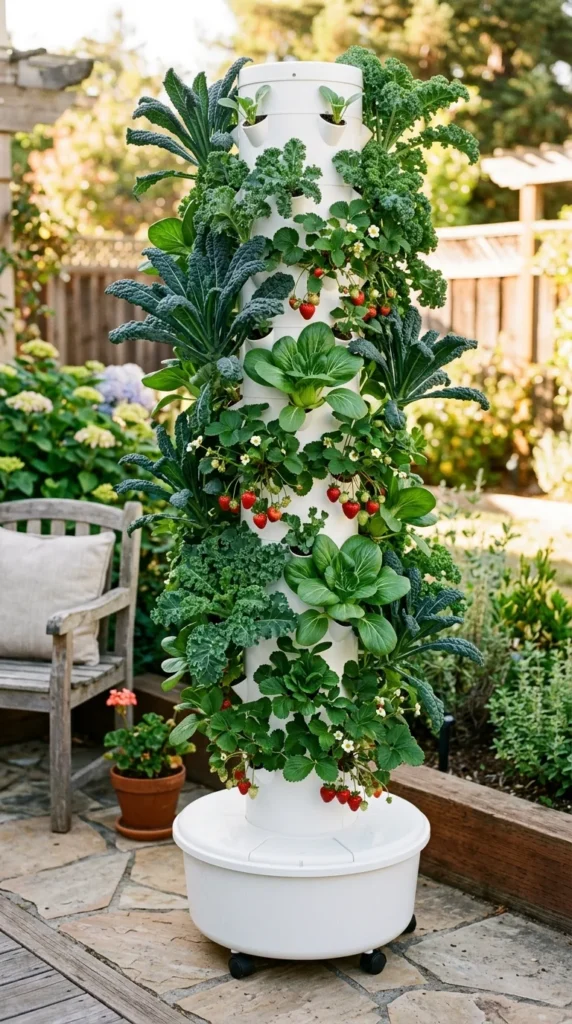
When floor space is limited, the only way to go is up. Vertical gardening towers allow you to grow dozens of plants in a footprint no larger than a standard door mat. These systems are ideal for leafy greens, herbs, and strawberries. Many commercial towers are designed for hydroponic or aeroponic growing, but soil-based stackable planters are also widely available. By stacking your garden, you not only save space but also move your harvest away from ground-dwelling pests like slugs and rabbits.
4. Window Boxes
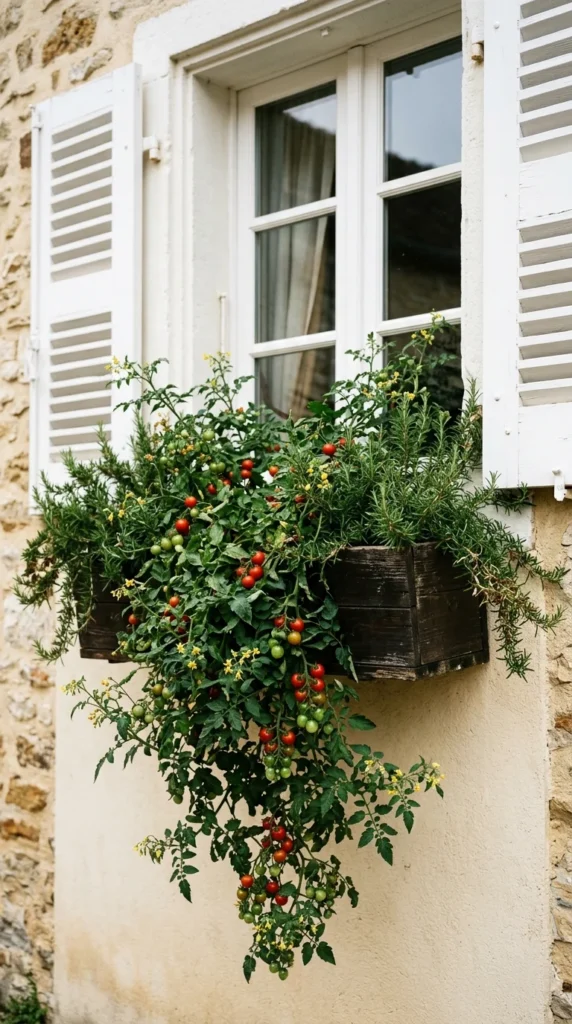
Window boxes aren’t just for petunias and geraniums. These narrow containers are perfect for “kitchen gardens” situated right outside your window. Imagine reaching out of your kitchen window to snip fresh chives, parsley, or spinach for your morning omelet. Because they are elevated, window boxes are easy to maintain without bending over. They work best for shallow-rooted vegetables and herbs, but modern deep-box designs can even accommodate “tumbling” varieties of cherry tomatoes that spill beautifully over the edges.
5. Five-Gallon Buckets
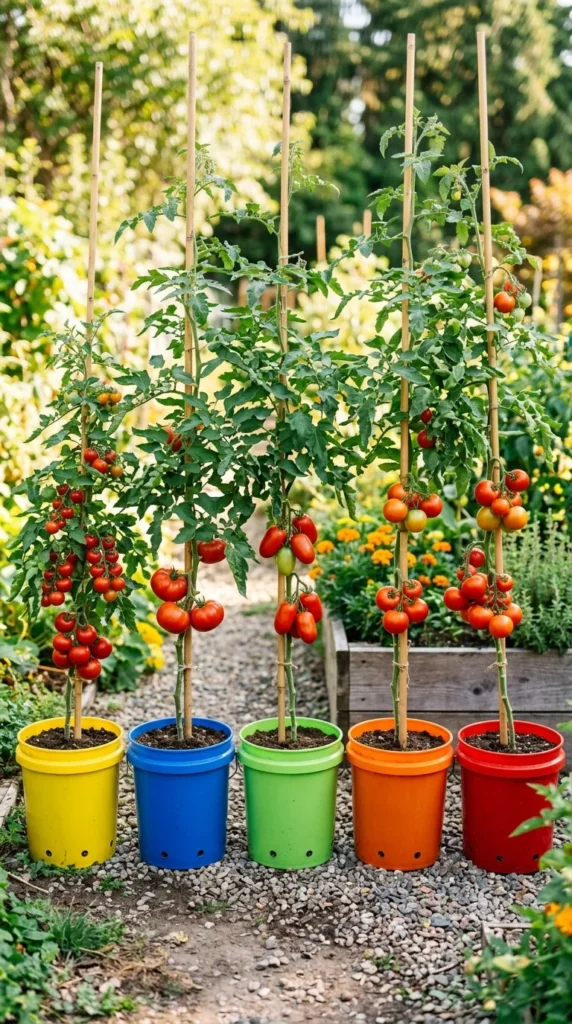
The humble five-gallon bucket is perhaps the most cost-effective way to start a vegetable garden. These containers are the perfect size for large, heavy-feeding plants like tomatoes, peppers, and eggplants. They are deep enough to support a substantial root system and are easily moved if you need to chase the sun throughout the season. By drilling a few drainage holes in the bottom and using a high-quality potting mix, you can transform a hardware store staple into a high-production vegetable vessel.
6. Tiered Stairs
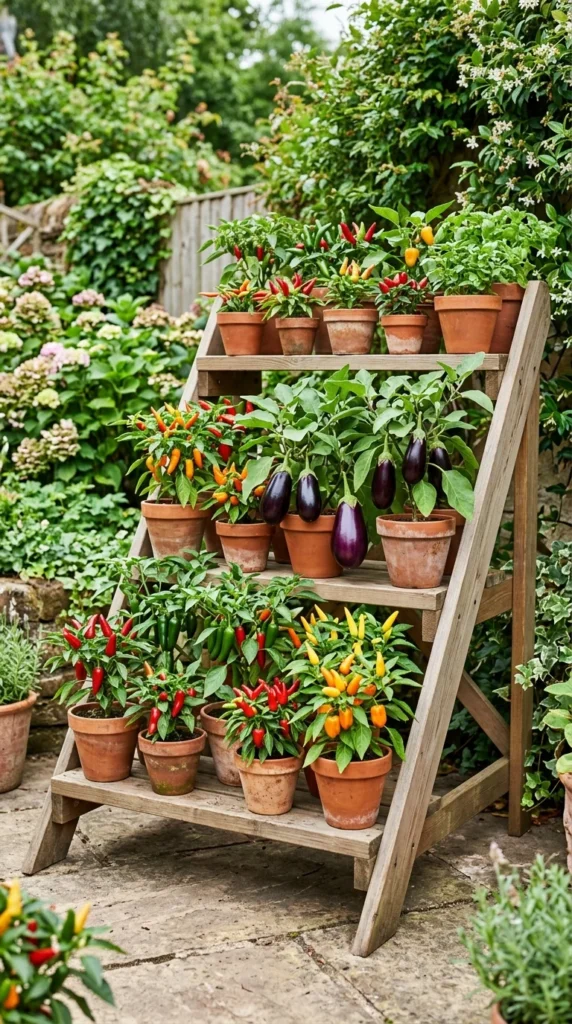
A tiered stair arrangement is as much a design choice as it is a functional gardening strategy. By placing pots on different levels, you ensure that every plant receives maximum sunlight without being shaded by its neighbor. This setup is particularly effective for heat-loving vegetables like peppers. It also makes harvesting much easier on your back, as the higher tiers bring the plants closer to waist height. You can repurpose an old wooden ladder or build a simple set of steps to create a stunning focal point on your patio.
7. Hanging Baskets
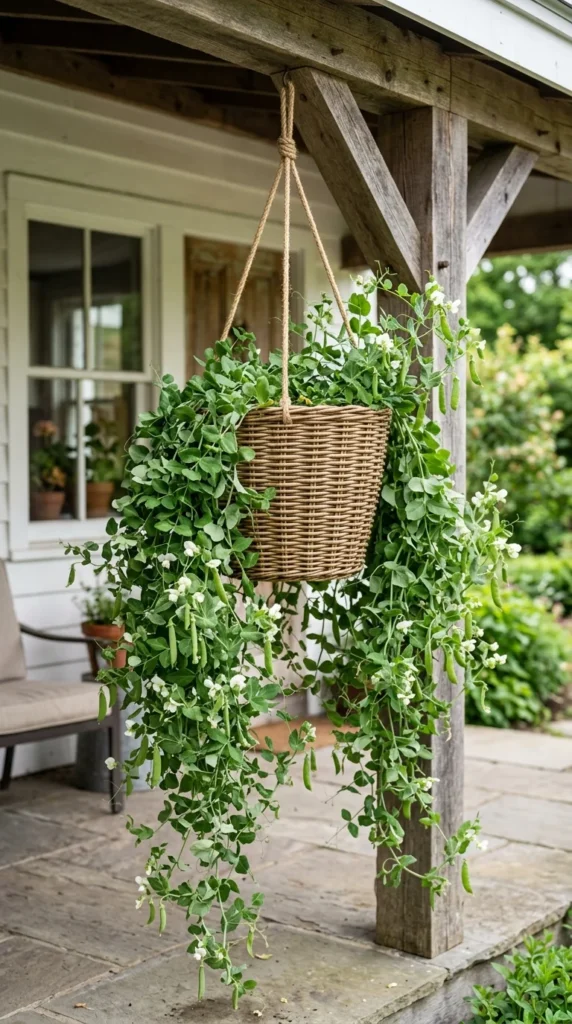
Don’t overlook the space above your head. Hanging baskets are excellent for “vining” vegetables that typically require trellises. Varieties like snap peas, cucumbers, and trailing strawberries thrive in hanging environments. This method keeps the fruit off the ground, ensuring they stay clean and are less susceptible to rot. Plus, hanging baskets take advantage of the airflow around your home, which helps prevent powdery mildew on susceptible plants like cucumbers.
8. Pallet Gardens
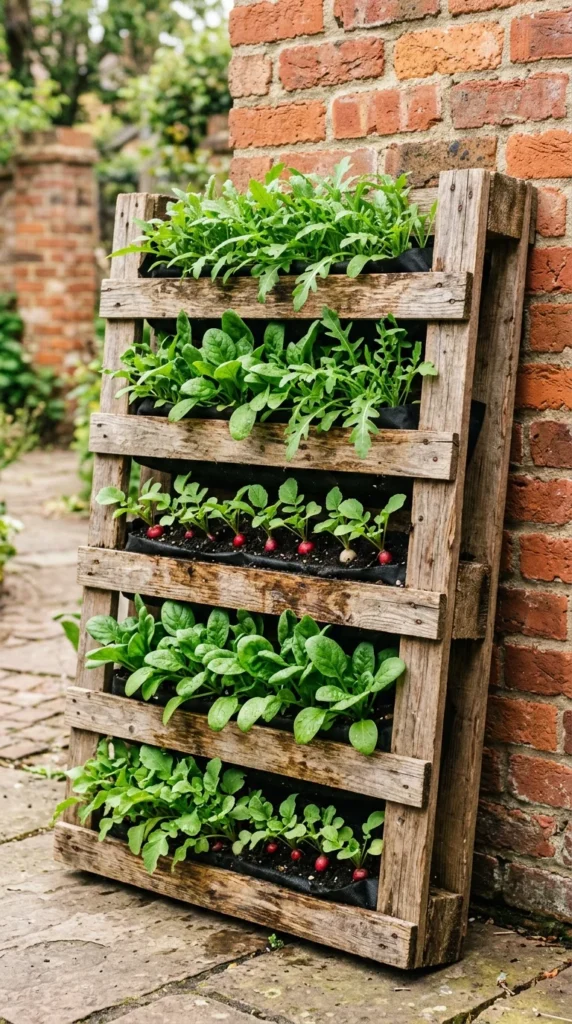
Upcycling a wooden pallet into a vertical garden is a fantastic way to grow a large volume of small greens in a very tight space. By sealing the back and bottom and filling the slats with soil, you create a series of “pockets” perfect for lettuce, herbs, and radishes. This “living wall” approach acts as a beautiful backdrop for a patio while providing a continuous supply of salad greens. It’s an easy, low-cost project that brings a rustic, industrial aesthetic to your gardening space.
9. Galvanized Troughs
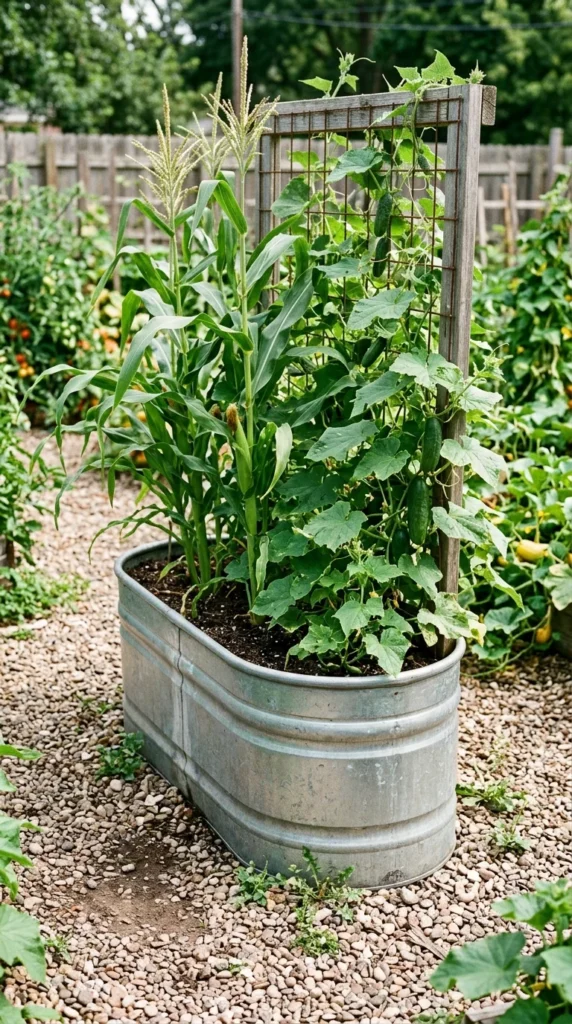
For those who want a “mini-garden” feel without the permanence of a dug-in bed, galvanized steel livestock troughs are the perfect solution. These large containers offer significant soil volume, allowing you to grow larger crops like corn, squash, or even dwarf fruit trees. They are incredibly durable, weather-resistant, and add a modern farmhouse vibe to any landscape. Because of their size, they retain moisture better than smaller pots, making them a lower-maintenance option for larger vegetable varieties.
10. Rolling Carts
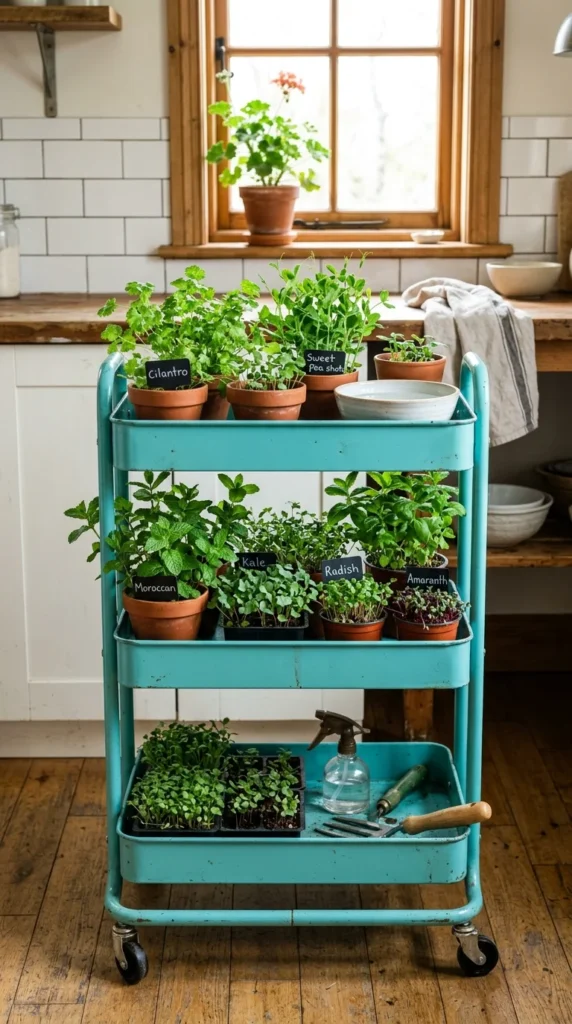
The rolling cart is the ultimate “mobile garden.” This is the perfect solution for urban dwellers whose sunlight shifts throughout the day or for those who want to bring their herbs indoors during cold nights. You can wheel your garden from the balcony into the kitchen for easy harvesting and then back out into the sun. The multi-tiered design allows you to organize your garden by light needs—sun-loving herbs on the top tray and shade-tolerant greens on the bottom.
11. Raised Beds on Legs
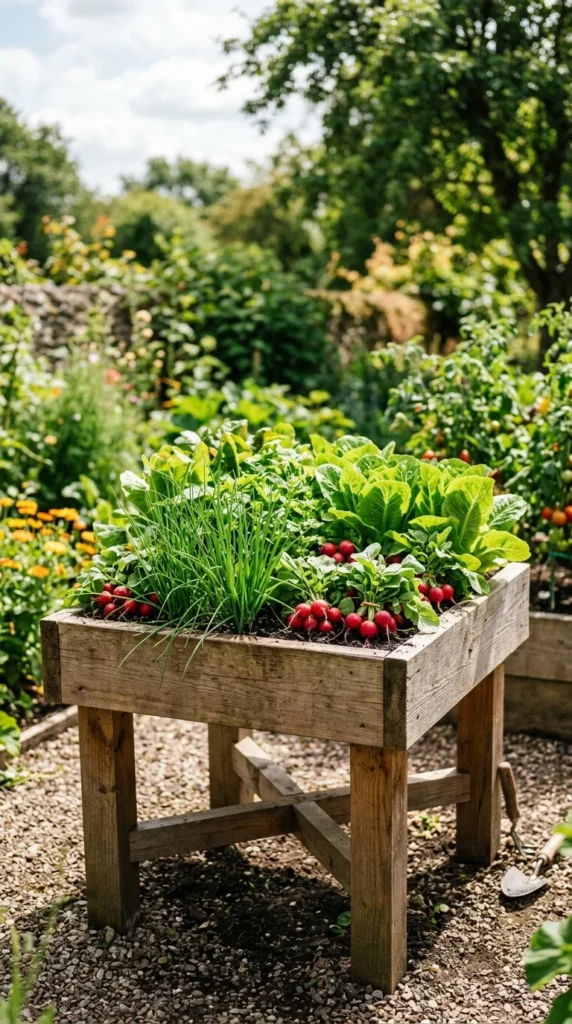
Elevated raised beds, also known as garden tables, are the gold standard for accessible container gardening. Because they stand on legs, they eliminate the need for kneeling or bending, making them perfect for gardeners with mobility issues or back pain. These beds are typically deep enough to grow almost any vegetable, from deep-rooted carrots to bushy kale. They also provide a physical barrier that keeps most garden pests at bay, ensuring that your hard-earned harvest stays on your plate and out of the bellies of local wildlife.