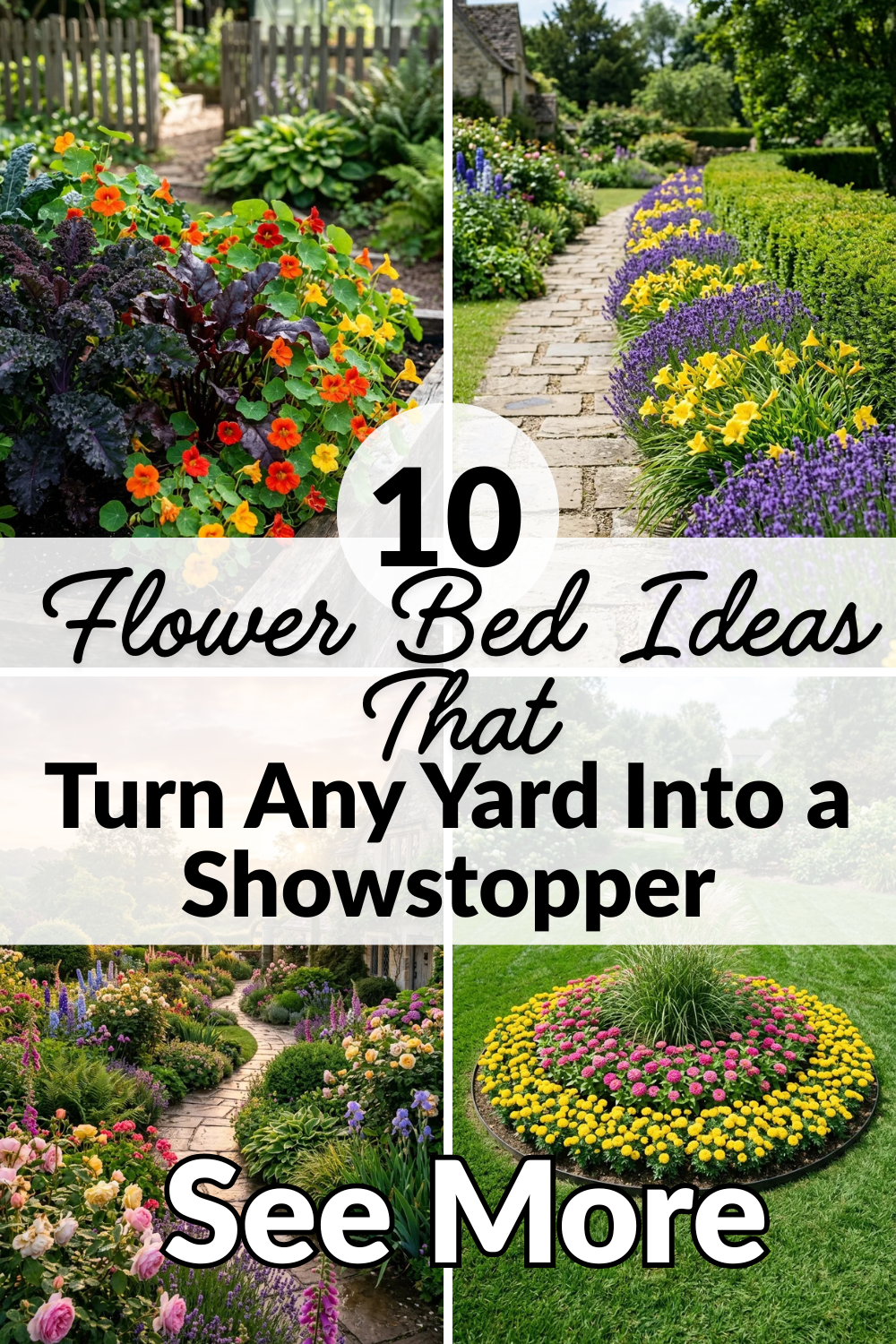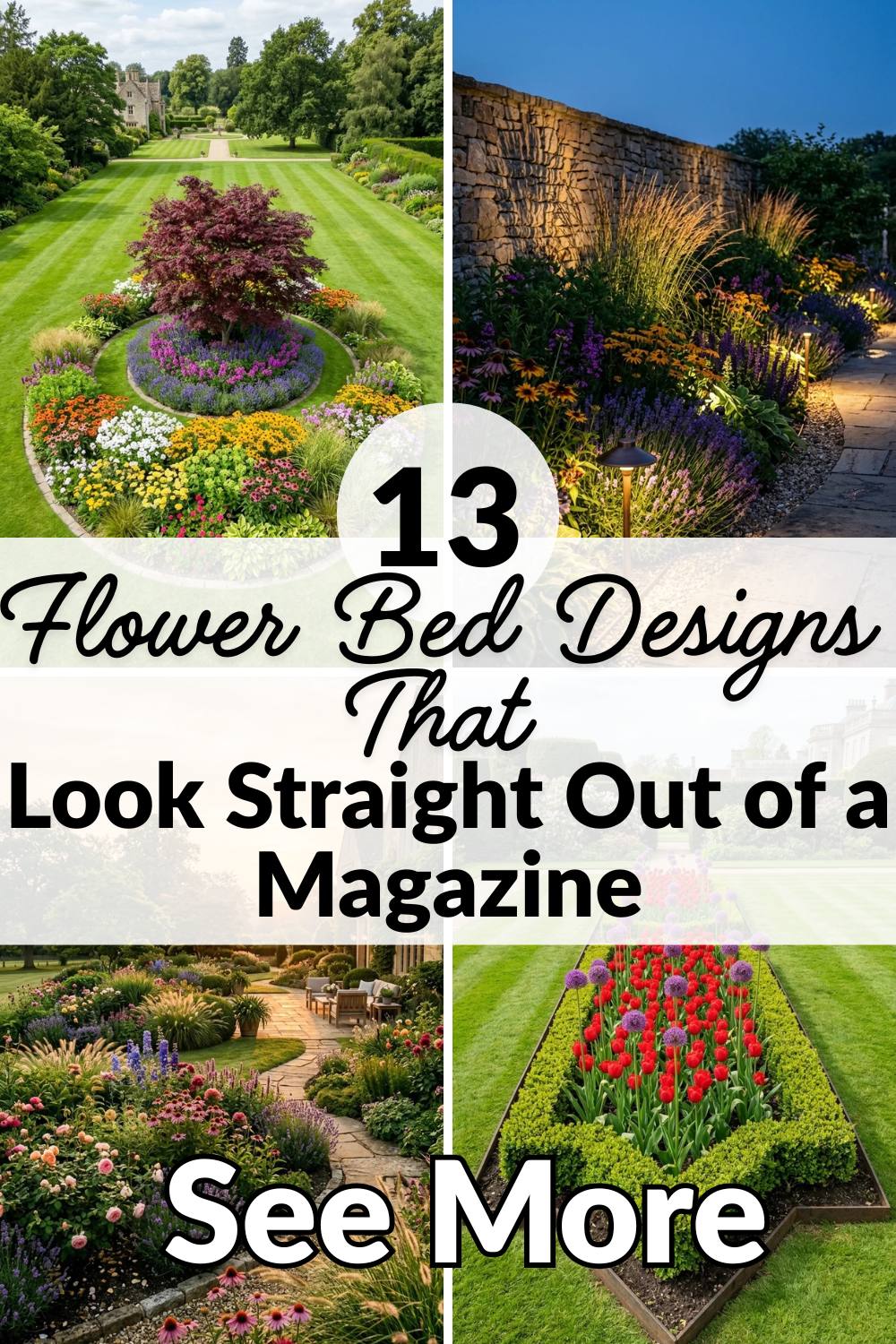
Transforming a standard backyard into a landscape worthy of a high-end glossy magazine isn’t just about planting a few seeds and hoping for the best. It requires a blend of architectural structure, color theory, and seasonal planning. Whether you have a sprawling estate or a compact urban patch, the right flower bed design can elevate your home’s aesthetic from ordinary to extraordinary.
From the structured elegance of formal English gardens to the wild, untamed beauty of a pollinator-friendly meadow, these thirteen designs offer inspiration for every type of gardener. Here is how you can achieve that professional, curated look in your own outdoor space.
1. Layered Heights
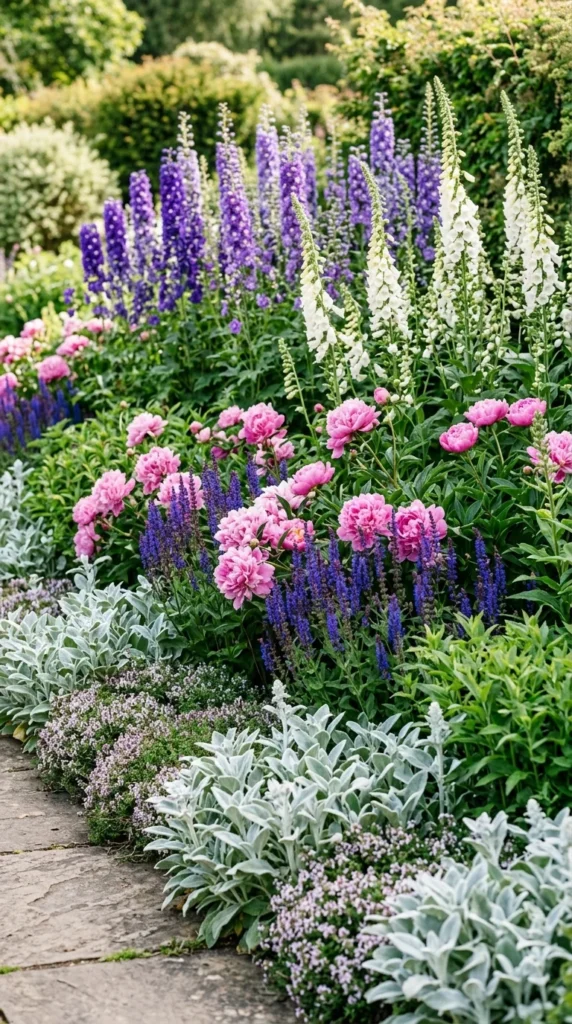
The secret to a “magazine-ready” flower bed often lies in the “staircase effect.” By arranging plants according to their mature height, you ensure that every specimen is visible and that the bed feels lush and full. Professional designers typically use a three-tier system: the “thriller” (tall, structural plants at the back), the “filler” (mid-sized mounding plants), and the “spiller” or edger (low plants that crawl toward the grass). This depth creates a sense of abundance and prevents the garden from looking flat or two-dimensional.
2. Monochromatic Elegance
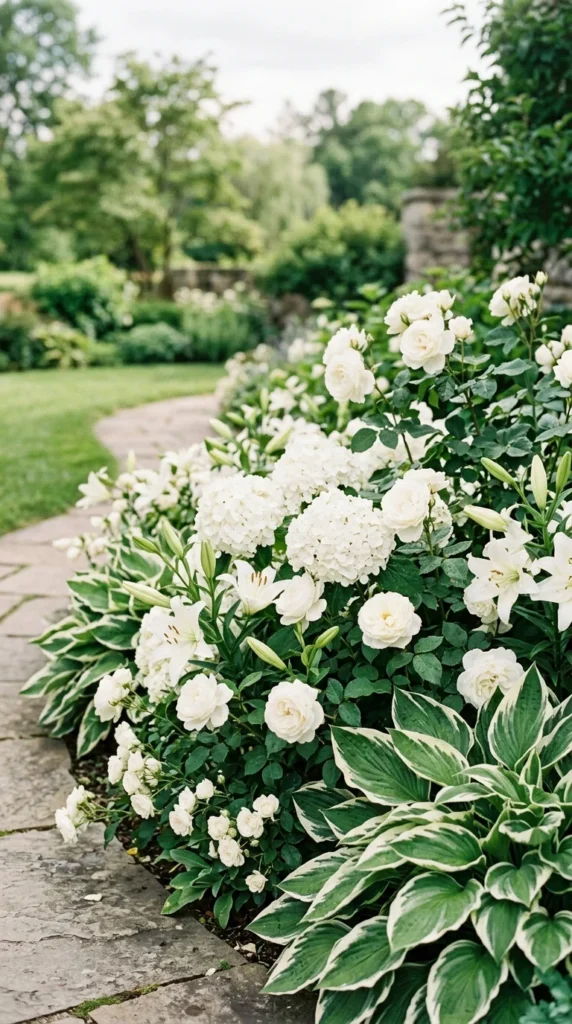
While a riot of color is cheerful, a monochromatic palette screams high-end design. Choosing a single color—such as all-white (often called a “Moon Garden”) or varying shades of purple—creates a sophisticated, cohesive look. Using different textures within that single color family adds visual interest without overwhelming the eye. White gardens are particularly popular because they “glow” during twilight, making your outdoor space look magical long after the sun has set.
3. Geometric Precision
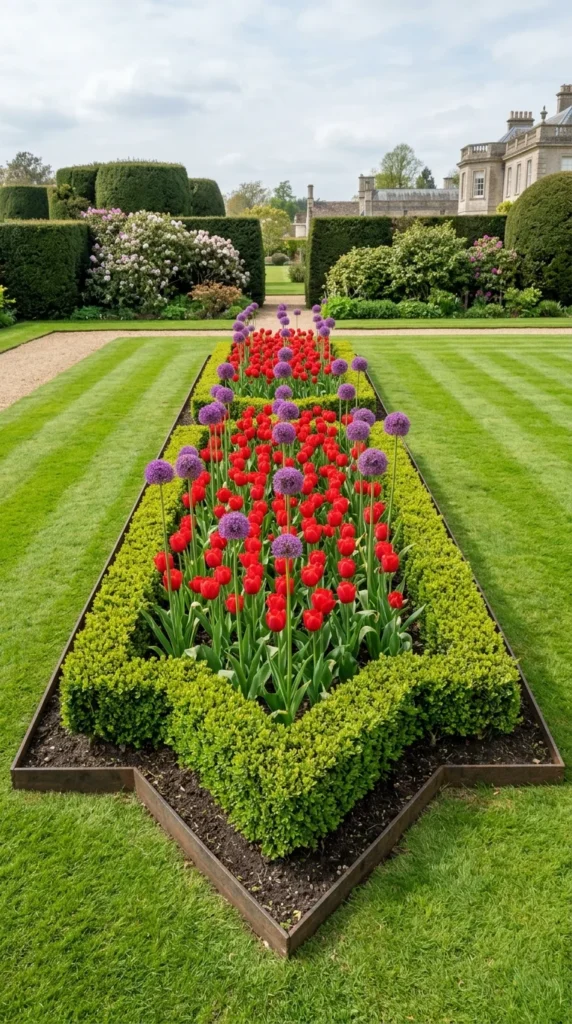
For modern or traditional homes, clean lines and sharp angles offer a sense of order and luxury. Geometric flower beds rely on heavy pruning and clear boundaries to define the space. Using materials like steel, brick, or stone to create crisp edges prevents the grass from encroaching on the soil. This style works best when you use symmetrical plantings, such as matching shrubs on either side of a focal point, creating a balanced and intentional aesthetic.
4. Cottage Core
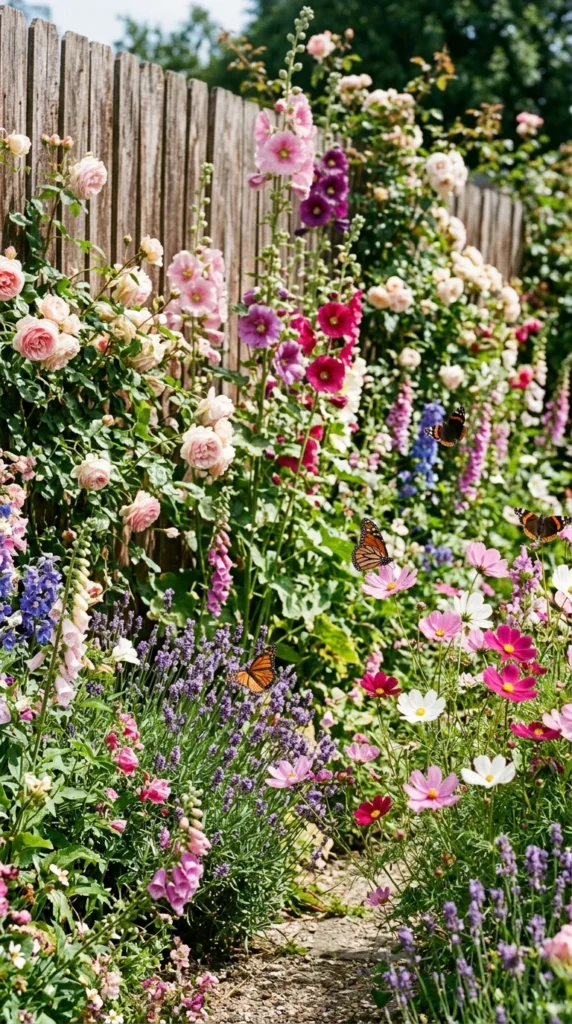
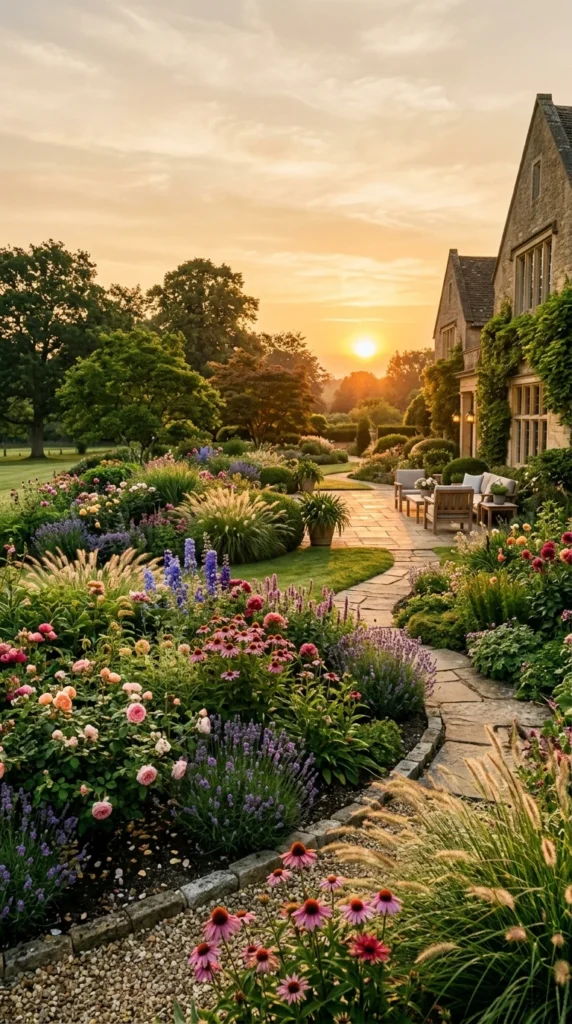
The “Cottage Core” aesthetic is all about romantic nostalgia. Unlike formal designs, this style embraces a bit of wildness. The key to making it look like a magazine spread rather than an overgrown mess is “intentional density.” You want plants to spill over paths and lean against one another, but you must curate the color palette to avoid visual clutter. Soft pastels—pinks, blues, and creams—are the hallmarks of this timeless, charming look.
5. Rock Accents
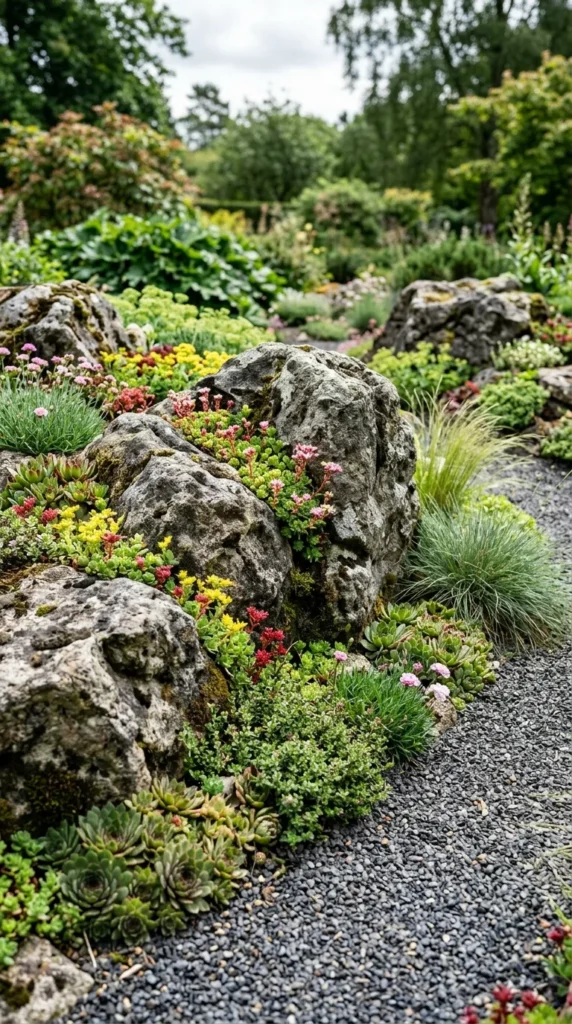
Incorporating hardscaping elements like large boulders or river rocks adds immediate maturity to a garden. Rocks provide a permanent structure that remains beautiful even in the winter months when flowers have died back. This design is particularly effective for sloped yards, where stones can be used to create mini-terraces. The contrast between the hard, cold surface of the stone and the soft, vibrant petals of the flowers creates a high-contrast look that is frequently featured in professional landscaping portfolios.
6. Tropical Oasis
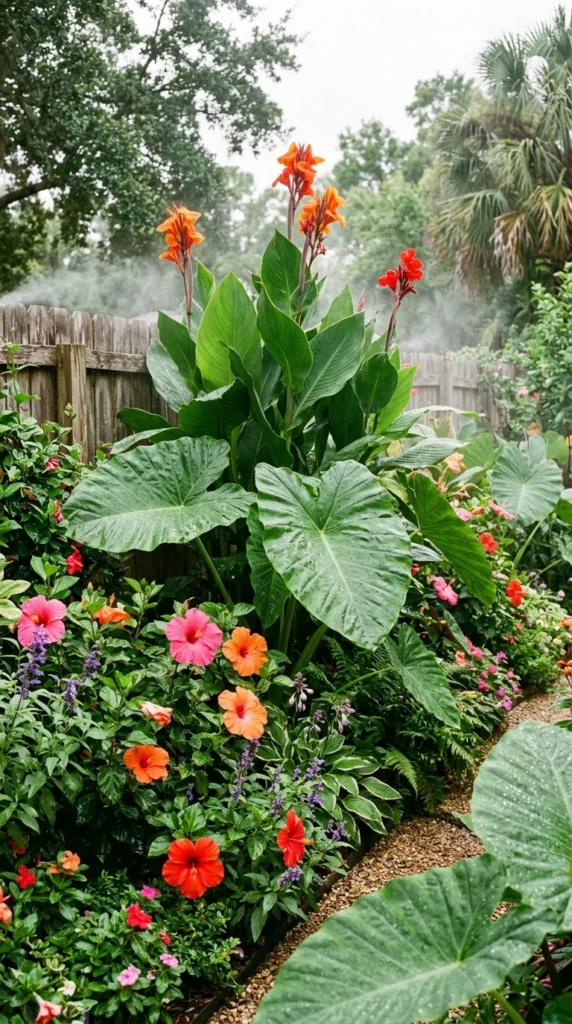
You don’t need to live in the Caribbean to achieve a tropical look. By focusing on “big leaf” energy, you can create a dramatic, exotic retreat. The magazine-secret here is the use of bold, saturated colors like hot pink, electric orange, and deep red, paired with various shades of green. Using mulch that mimics a forest floor, such as dark pine bark, helps retain the moisture these thirsty plants crave while making the colors of the foliage pop.
7. Xeriscape Sophistication
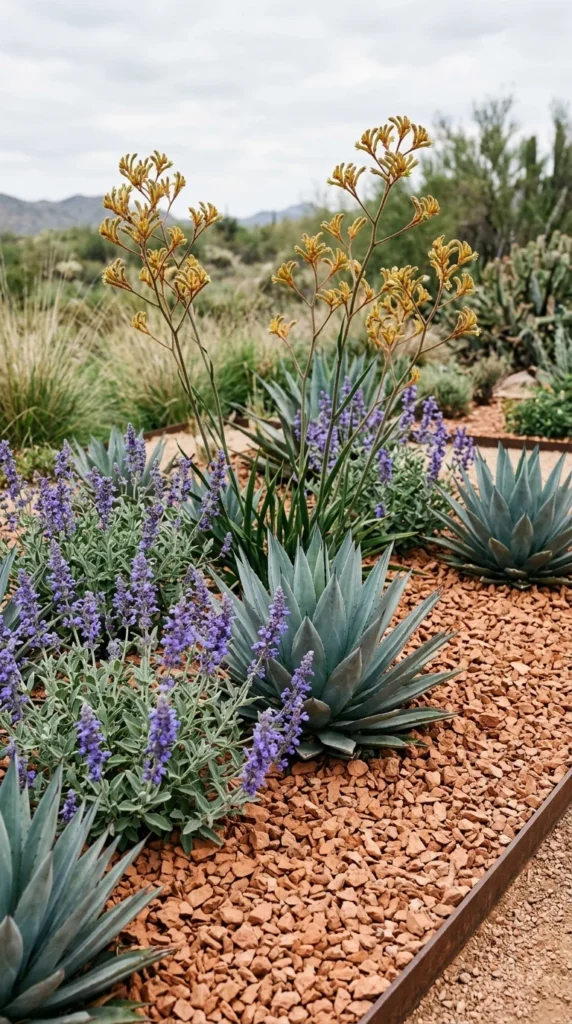
Water-wise gardening is no longer just a necessity; it’s a major design trend. A well-executed xeriscaped bed uses gravel or decorative stone instead of traditional wood mulch. The focus shifts from delicate petals to striking silhouettes and interesting textures. By grouping succulents, ornamental grasses, and hardy perennials, you create a low-maintenance masterpiece that looks architectural and expensive.
8. Woodland Retreat
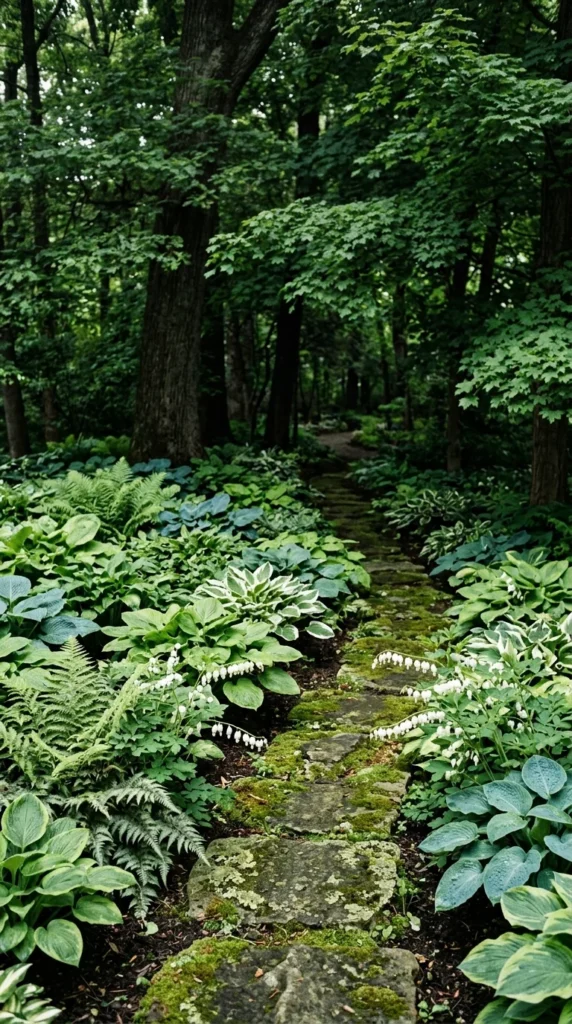
Shady spots are often neglected, but they offer the opportunity for some of the most serene designs. A magazine-style woodland bed focuses on “foliage first.” Since flowers are less abundant in the shade, designers play with leaf shape, size, and variegation. Mixing the feathery texture of ferns with the broad, waxy leaves of hostas creates a rich tapestry of greens that feels like a private forest sanctuary.
9. Raised Stone Tiers
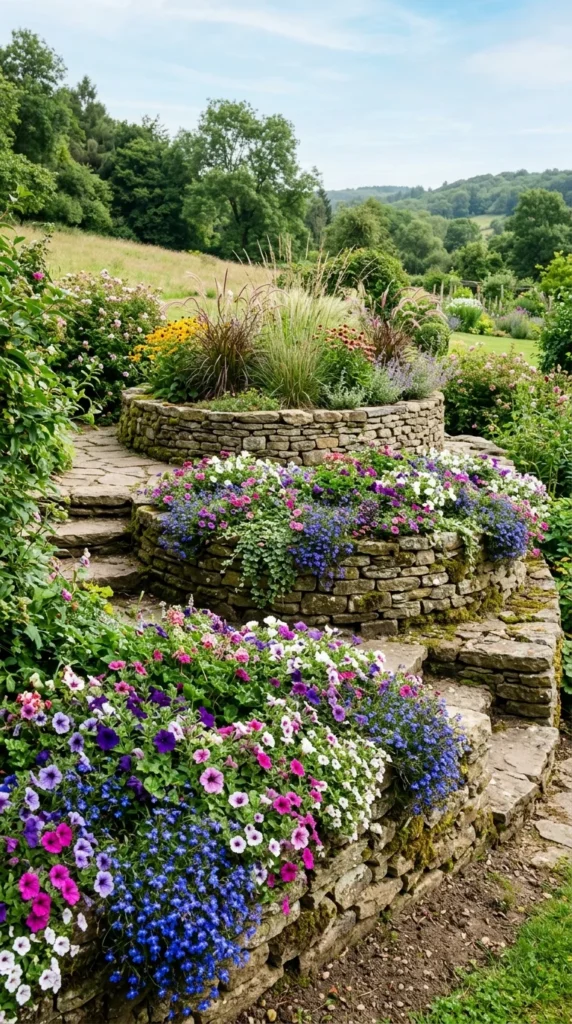
Elevation is a powerful tool in landscaping. Raised beds built from high-quality materials like natural stone or cedar add a permanent architectural element to the yard. Tiers allow you to grow a wider variety of plants in a small footprint and make maintenance easier on the back. For the most professional look, ensure the stone color complements your home’s exterior, creating a seamless transition between the building and the garden.
10. Pollinator Paradise
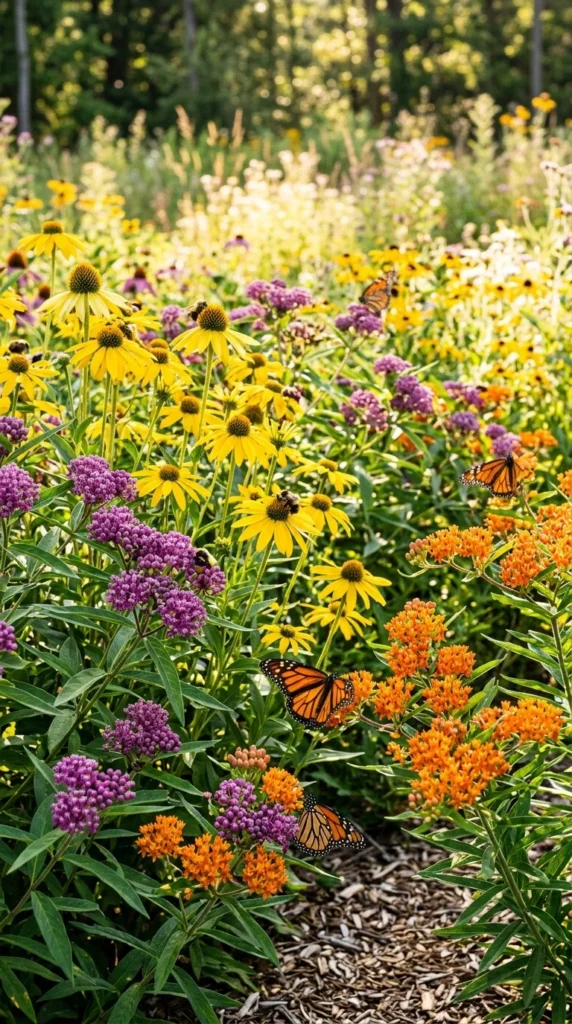
Eco-conscious gardening is a staple of modern landscape architecture. A pollinator garden isn’t just a collection of weeds; when designed correctly, it’s a vibrant explosion of life. To keep it looking “magazine-style,” plant in large “drifts” or groups of the same species. This creates bold blocks of color that are easier for pollinators to find and more pleasing to the human eye than a random scattering of different plants.
11. Edible Beauty
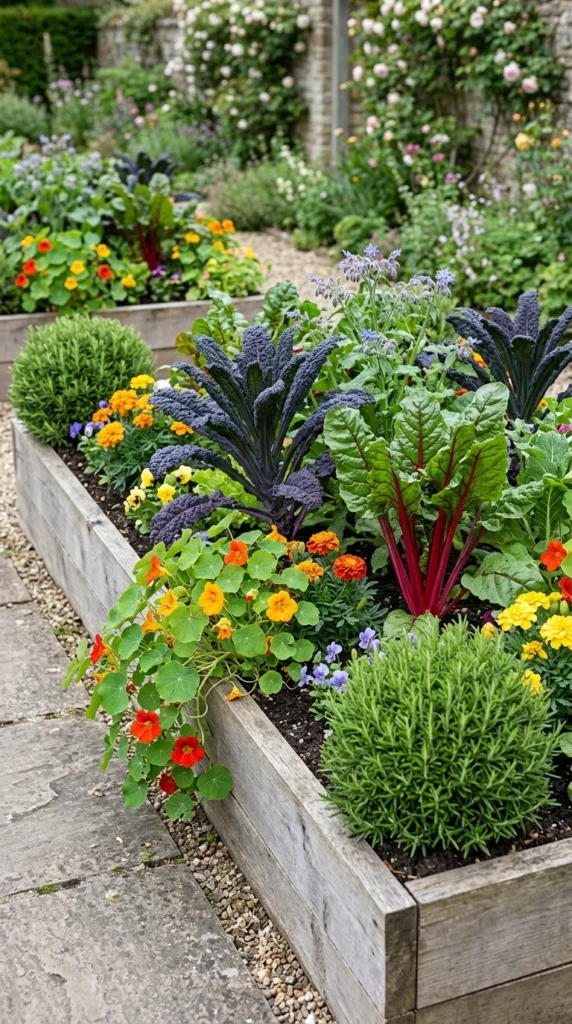
The “potager” or ornamental vegetable garden is a French tradition that has made a major comeback. By mixing vegetables and herbs with traditional flowers, you create a bed that is both functional and beautiful. The key is to treat your edibles as ornamental plants—look for purple varieties of cabbage, colorful stems of chard, and the delicate flowers of chives. This design turns a simple backyard patch into a sophisticated culinary landscape.
12. Island Beds
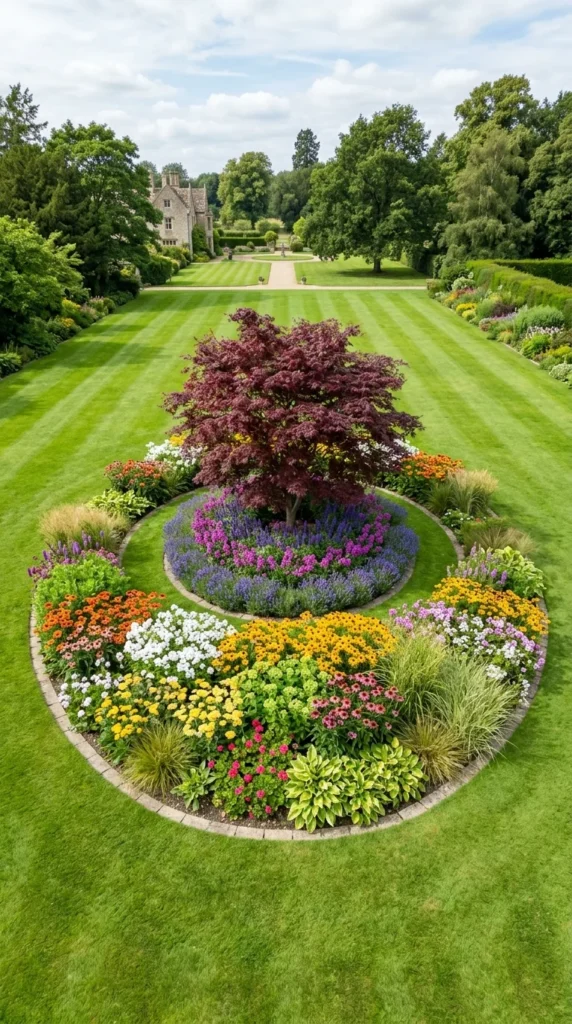
While most flower beds line a fence or a wall, an island bed sits independently in the middle of the lawn. This creates a focal point that can be viewed from 360 degrees. To achieve a professional look, the tallest plants (or a small ornamental tree) should be placed in the center, with the heights gradually decreasing toward the edges. This creates a mountain-like silhouette that adds significant visual weight and interest to a large, open yard.
13. Evening Accents
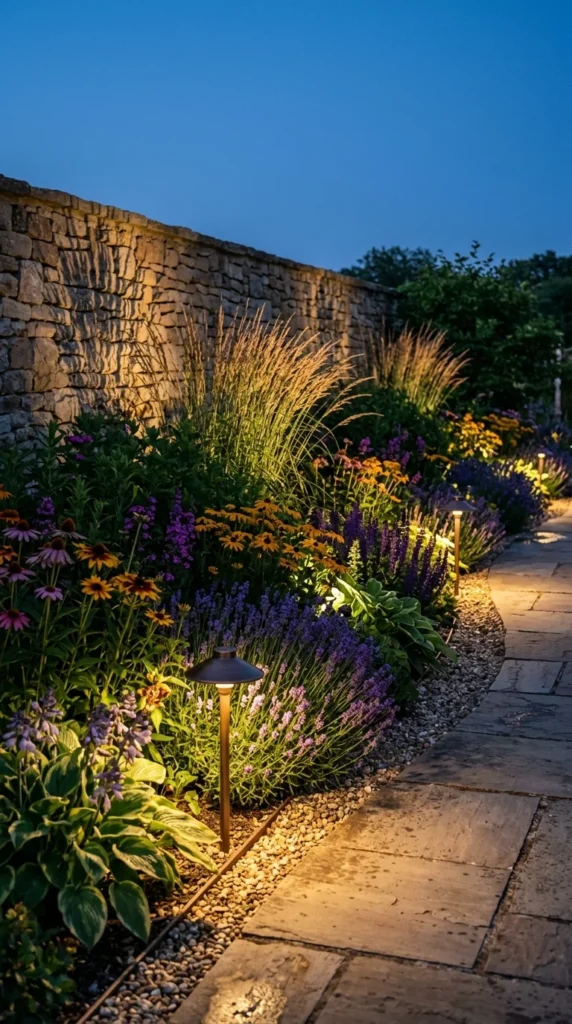
High-end garden designs don’t disappear when the sun goes down. Professional landscapers use low-voltage lighting to highlight the best features of a flower bed. Uplighting a structural tree, “grazing” a stone wall with light to show its texture, or using path lights to define the bed’s shape transforms the garden into a nighttime wonderland. The interplay of light and shadow adds a level of drama and luxury that simple daytime gardening cannot achieve.