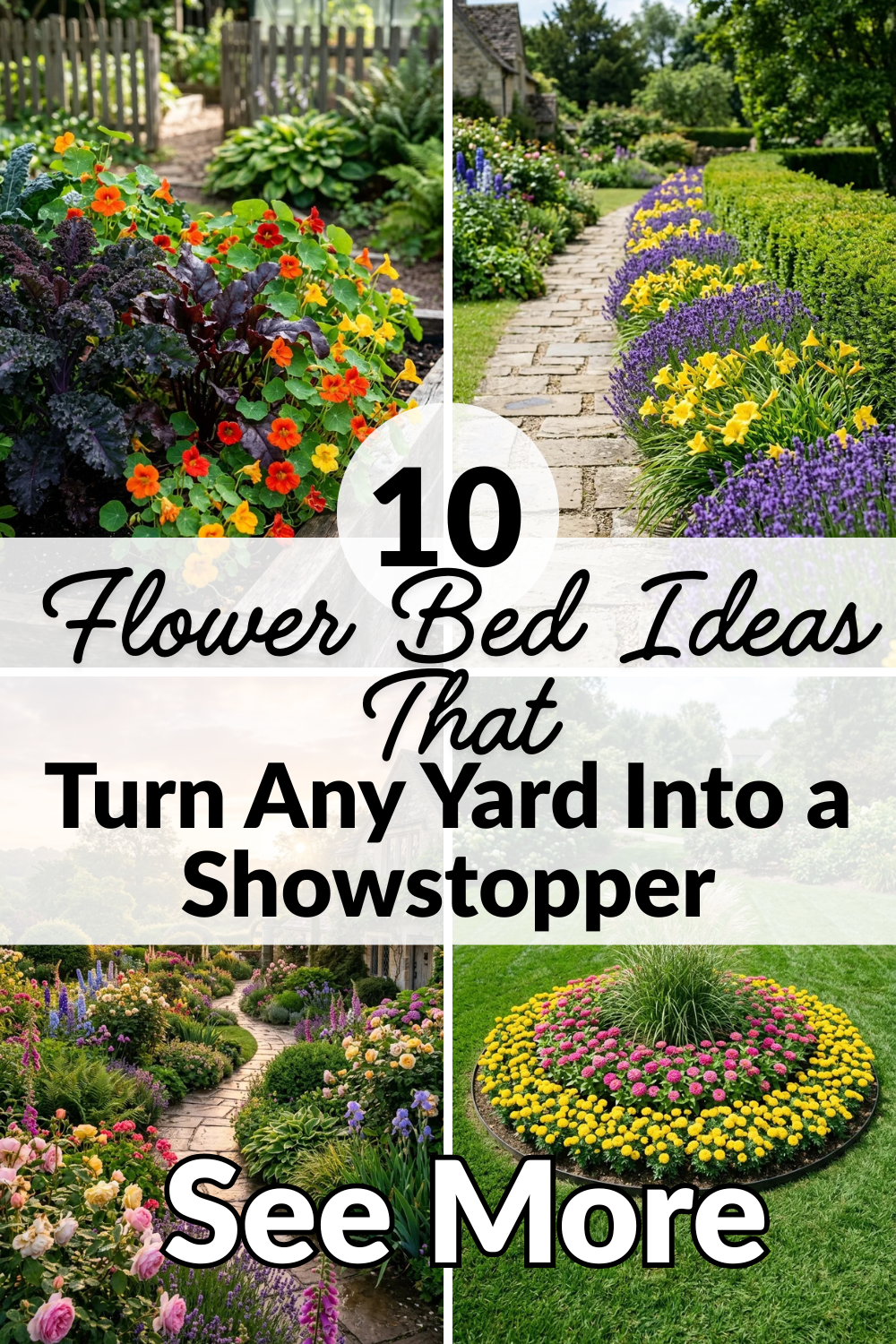
Transforming a plain backyard into a botanical masterpiece doesn’t require a degree in landscape architecture. It requires a vision, a bit of soil under your fingernails, and the right inspiration. Flower beds are the heart and soul of any landscape; they provide the color, texture, and fragrance that turn a house into a home. Whether you are working with a sprawling estate or a tiny urban patch, the right flower bed design can dramatically increase your curb appeal and create a personal sanctuary for relaxation.
In this guide, we explore ten showstopping flower bed ideas that cater to various styles, climates, and skill levels. From the structured elegance of modern minimalism to the wild, romantic charm of a cottage garden, these ideas will help you cultivate a yard that is the envy of the neighborhood.
1. Tiered Garden
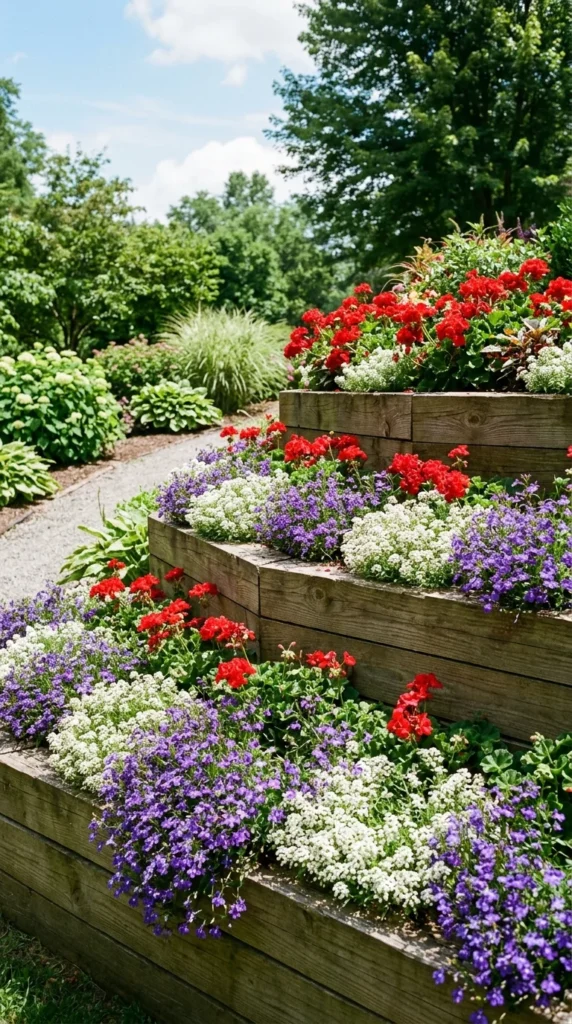
When you are dealing with a sloped yard, flat flower beds can look awkward and are often difficult to maintain due to erosion. A tiered garden, or “terraced” bed, solves this problem while adding incredible architectural depth to your space. By using stone, timber, or concrete blocks to create levels, you can showcase different plant varieties at eye level.
Tiered gardens allow for excellent drainage and give you the opportunity to play with “spillers”—plants that drape over the edges. Consider planting creeping phlox or trailing rosemary on the edges to soften the hard lines of the retaining walls. This verticality creates a 3-D effect that makes the garden feel much larger than it actually is.
Pro-Tip: Install a drip irrigation system during the construction of your tiers. It is much easier to hide the lines behind the walls, ensuring every level stays hydrated without manual effort.
2. Monochrome Magic
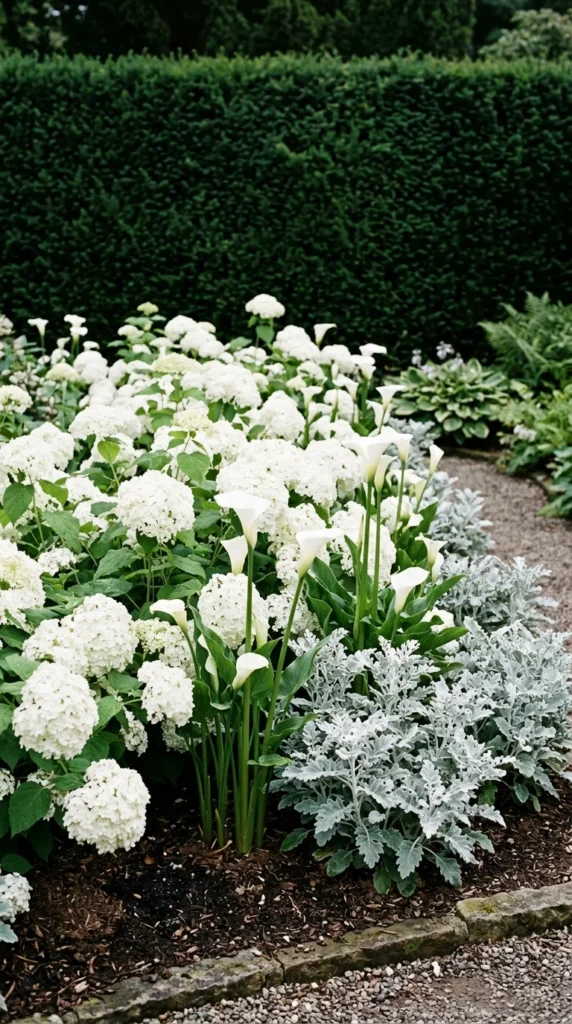
There is a sophisticated power in simplicity. A monochrome flower bed—often called a “Moon Garden” if you use white flowers—focuses on a single color palette. By limiting the color, you force the eye to notice the incredible variety of shapes and textures within the plants.
A white garden is particularly stunning because it glows during the twilight hours, reflecting the faint light of the moon. However, you can choose any color. A “Blue Mood” bed with salvia, lavender, and hydrangeas can create a calming atmosphere, while an “All-Red” bed with poppies, tulips, and celosia feels high-energy and bold.
Pro-Tip: When going monochrome, vary the heights and foliage types. Use plants with silvery or variegated leaves to add contrast without breaking the color theme.
3. Island Beds
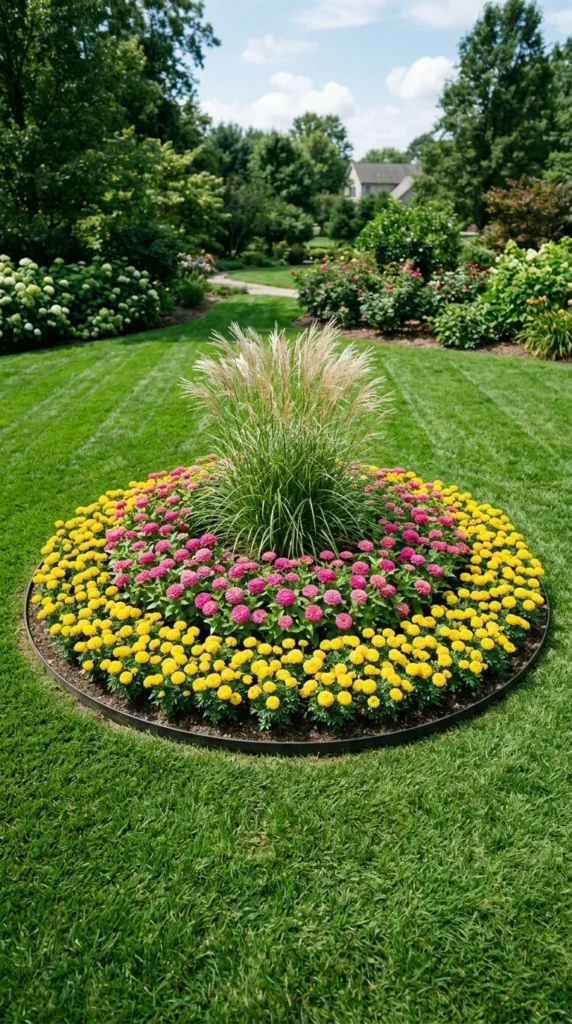
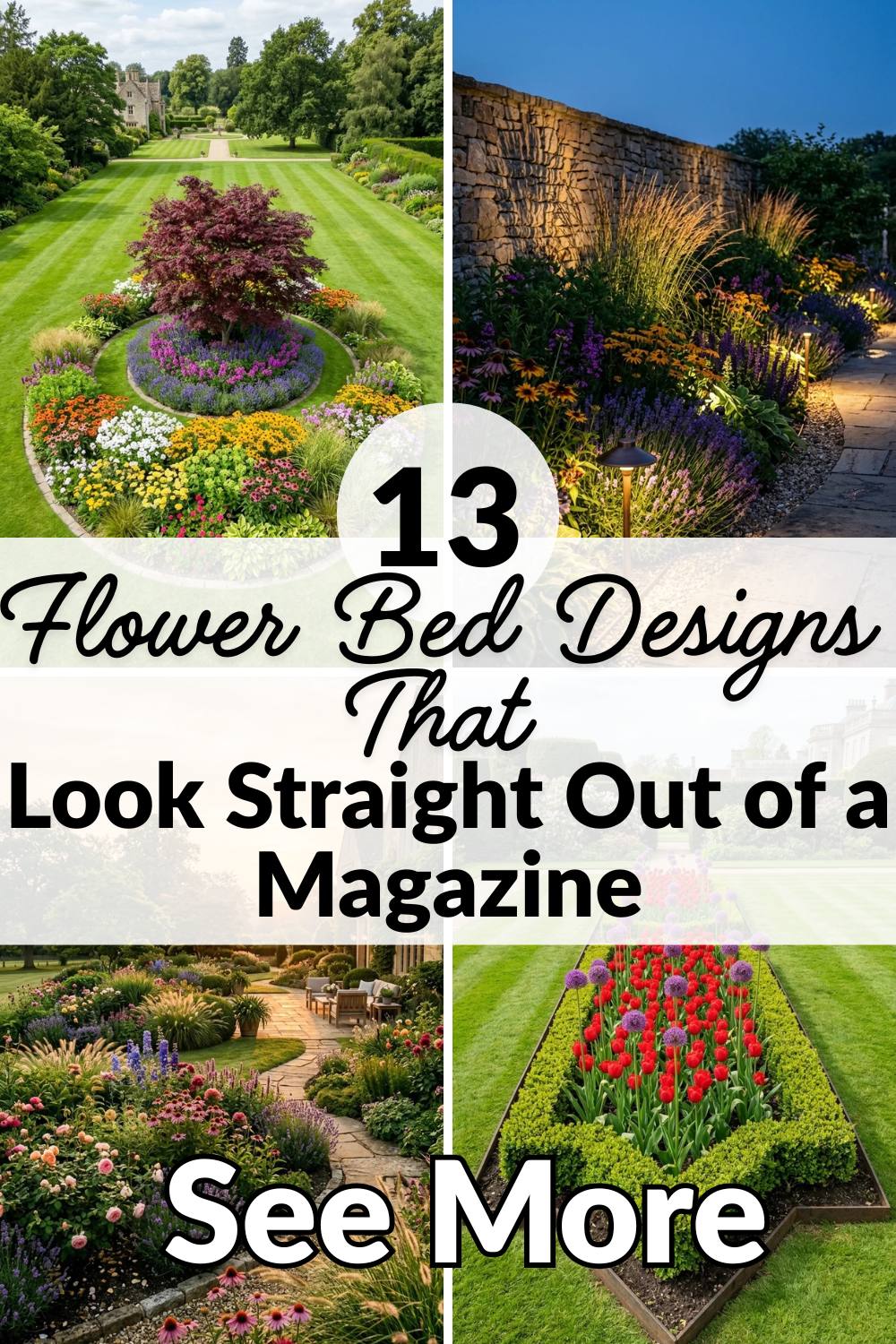
Most people default to placing flower beds against the house or the fence. Island beds break this tradition by floating in the middle of the lawn. These beds are visible from all sides, making them a true focal point of the yard.
Because island beds are 360-degree features, they require a “center-out” planting strategy. Place the tallest plants (like ornamental grasses, small trees, or tall perennials) in the center and gradually step down to the shortest plants at the border. This ensures that no matter where you are standing, the bed looks balanced and lush.
Pro-Tip: Use a garden hose to “draw” the shape of your island bed on the grass before you start digging. Curved, organic shapes usually look more natural and “showstopping” than harsh squares or rectangles.
4. Cottage Core
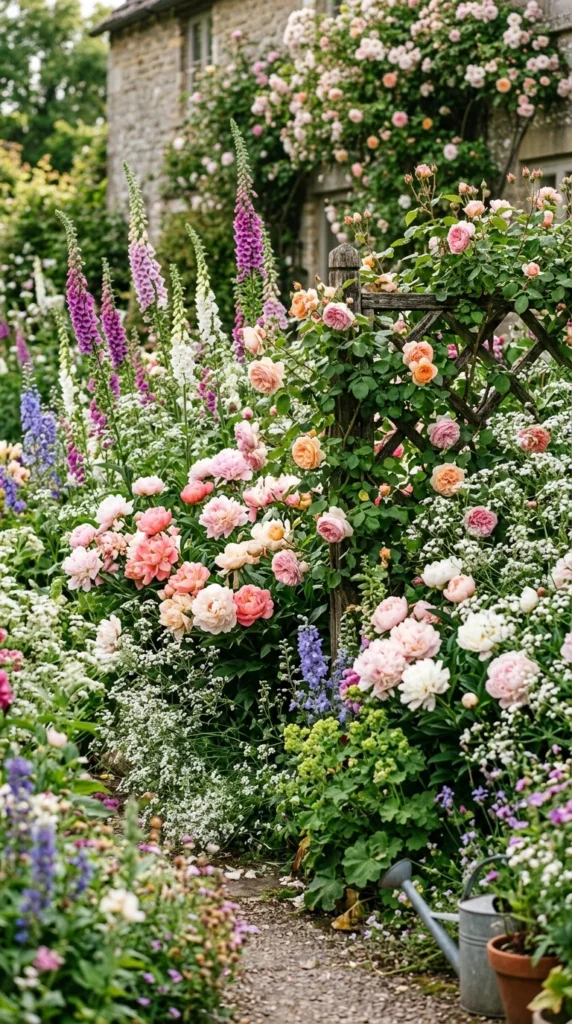
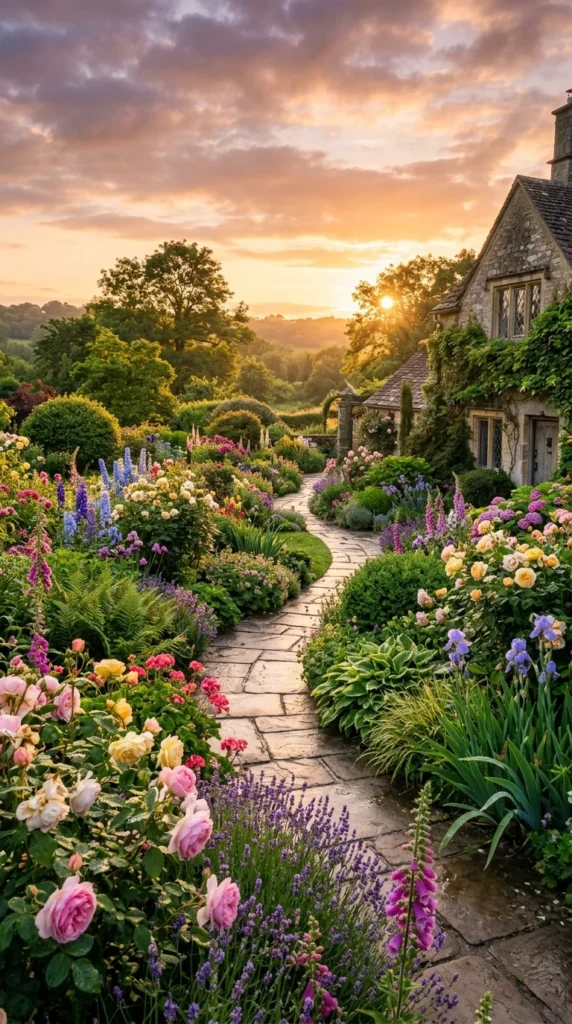
The cottage garden is the ultimate “organized chaos.” Inspired by the rural gardens of England, this style is characterized by dense planting, a mix of ornamental and edible plants, and a lack of rigid structure. It is the perfect choice for those who want a garden that feels romantic and lived-in.
The key to a showstopping cottage bed is variety. Mix perennials like delphiniums and lupines with annuals like cosmos and zinnias. Don’t be afraid to let plants self-seed and wander. Adding a rustic element, like a weathered wooden birdhouse or a small wrought-iron trellis for climbing roses, completes the look.
Pro-Tip: Since cottage gardens are packed tightly, mulch is your best friend. It helps retain moisture and prevents weeds from taking over the spaces between your many plants.
5. Modern Minimalist
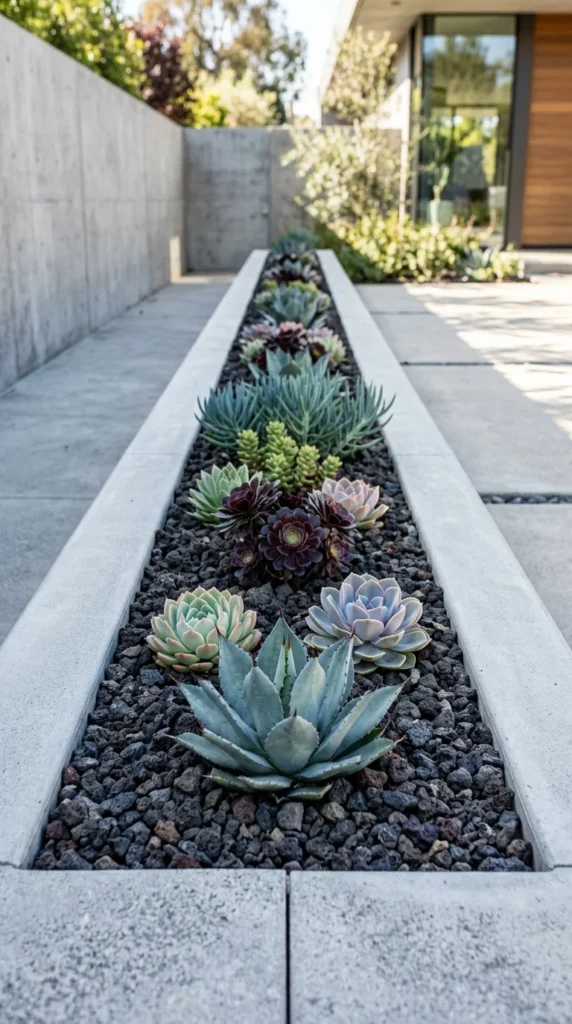
If your home has a contemporary aesthetic, a wild cottage garden might clash. Enter the modern minimalist bed. This style emphasizes “negative space” and structural plants. Instead of dozens of different species, you might choose just three or four and repeat them in a clean, rhythmic pattern.
Think about plants with strong silhouettes, such as agave, ornamental grasses, or boxwood spheres. Use high-contrast mulches like black wood chips or white river stones to emphasize the clean lines. The result is a high-impact, low-maintenance garden that looks like a living piece of art.
Pro-Tip: Symmetry is vital in minimalist design. Ensure your plants are spaced with mathematical precision to maintain that clean, architectural feel.
6. Pollinator Paradise
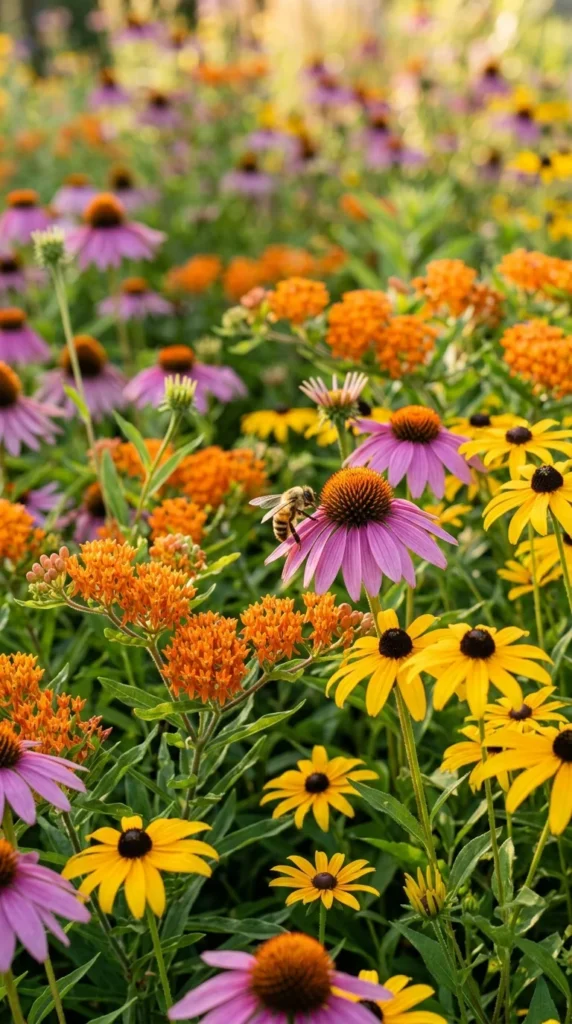
A showstopping garden can also be a functional ecosystem. A pollinator-focused bed is designed to attract bees, butterflies, and hummingbirds. This garden is constantly in motion, adding a layer of life and sound to your yard that static plants cannot provide.
To create this, focus on native plants. Native species have co-evolved with local wildlife and are generally hardier and easier to care for. Incorporate “host plants” (like milkweed for Monarch butterflies) and nectar-rich blooms that flower at different times throughout the year to keep the visitors coming from spring through fall.
Pro-Tip: Avoid using pesticides in this bed, as they can be fatal to the very pollinators you are trying to attract. Opt for natural pest control methods like ladybugs or neem oil.
7. Rock Garden
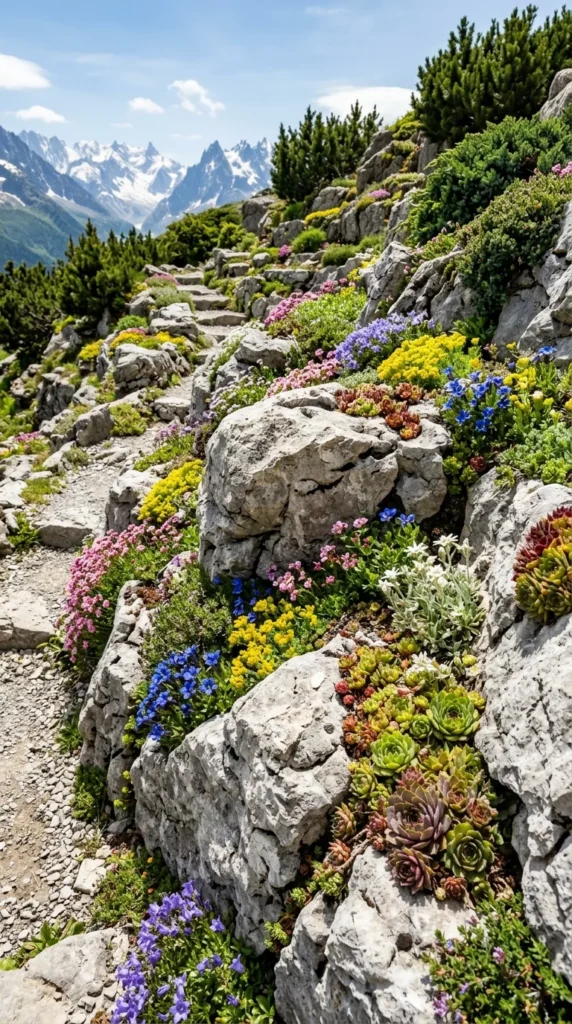
For yards with poor soil or a rugged aesthetic, a rock garden is a brilliant solution. This style mimics high-altitude or desert environments where plants grow in the cracks of stones. It’s an excellent way to add texture and a sense of permanence to your landscape.
Choose drought-tolerant plants like sedum, hens and chicks, or creeping thyme. These plants tuck themselves into the nooks and crannies of the rocks, creating a beautiful contrast between the hard, grey stone and the soft, colorful foliage. The rocks also act as heat sinks, keeping the soil warm for sun-loving species.
Pro-Tip: Use rocks of varying sizes but stick to one type of stone (e.g., all granite or all limestone). Mixing different types of rocks can make the garden look cluttered and unnatural.
8. Shade Sanctuary
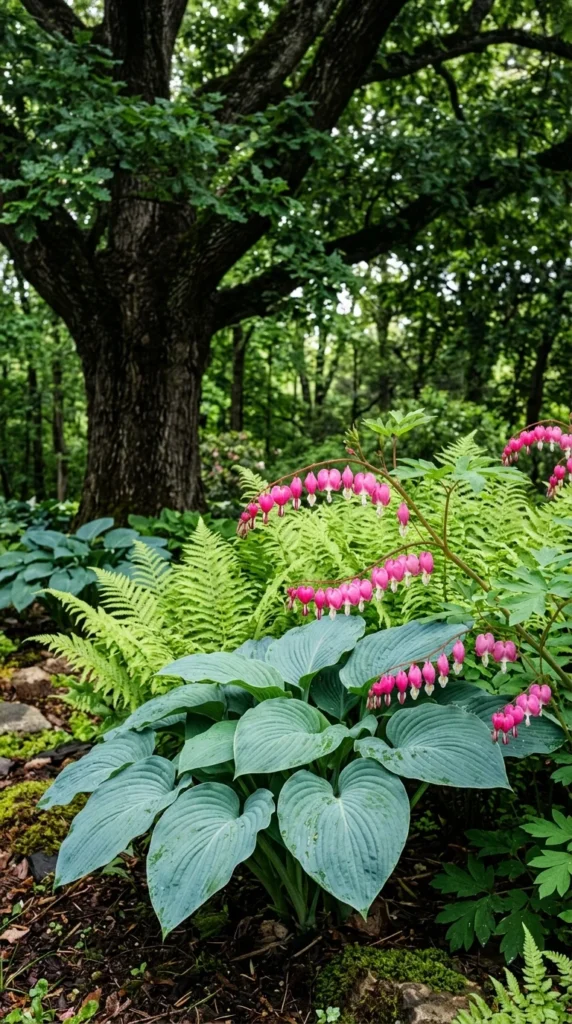
Many homeowners struggle with the shady areas under trees or along the north side of their homes. Instead of fighting the darkness, embrace it with a shade sanctuary. Shade-loving plants often focus more on foliage texture and variegation than flashy blooms, leading to a very serene and “cool” atmosphere.
Hostas are the kings of the shade garden, coming in thousands of varieties from tiny miniatures to giant blue-leafed specimens. Pair them with the airy texture of ferns and the heart-shaped leaves of brunnera. For a pop of color, add impatiens or fuchsias.
Pro-Tip: Shade gardens under trees have to compete with the tree’s roots for water. Be sure to water these beds more frequently than you might expect, as the tree canopy can also act as an umbrella, preventing rain from reaching the soil.
9. Border Brilliance
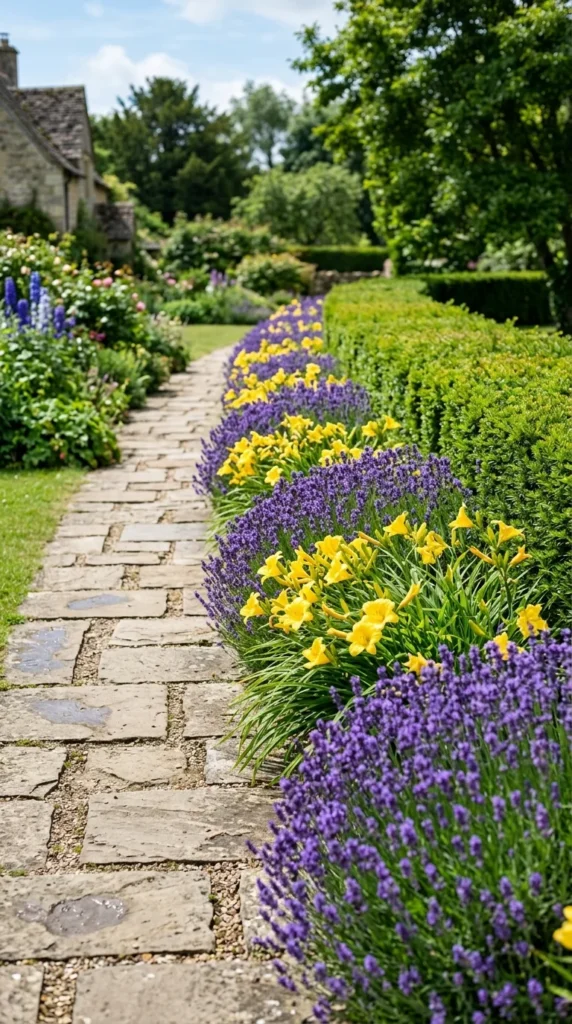
Borders are the “frames” of your yard. A well-designed border follows the lines of a walkway, a driveway, or a fence, guiding the eye through the property. To make a border truly showstopping, use the power of repetition.
By repeating a certain sequence of plants—for example, a tuft of ornamental grass followed by three red tulips—you create a sense of rhythm and harmony. Borders are also the perfect place for “sensory” plants. Planting lavender or rosemary along a walkway ensures that as guests pass by, they catch a pleasant scent.
Pro-Tip: Keep the height of your border plants in proportion to the width of the path. A narrow path should have lower-growing plants so the space doesn’t feel claustrophobic.
10. Edible Ornamental
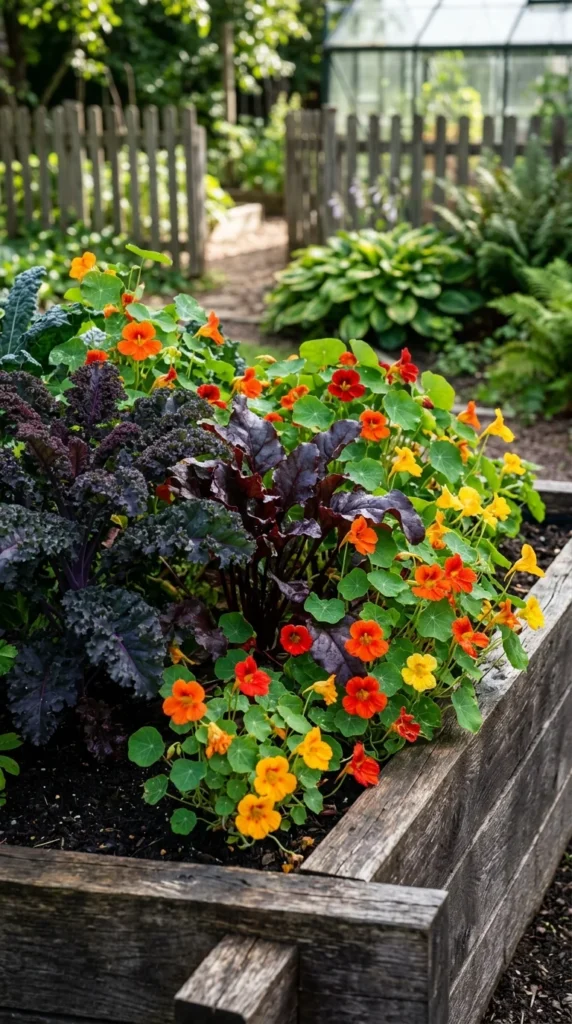
Who says you have to choose between a vegetable patch and a flower bed? The “edimental” (edible + ornamental) trend is taking over modern landscaping. By mixing vegetables, herbs, and flowers, you create a bed that is as productive as it is beautiful.
Many vegetables have stunning aesthetic qualities. Swiss chard has neon-colored stems, purple kale has incredible texture, and artichokes have architectural silver leaves. Interspersed with marigolds (which help deter pests) and nasturtiums, your edible bed becomes a colorful tapestry that provides fresh ingredients for your kitchen.
Pro-Tip: Group your edible plants by their water and sun needs. Tomatoes and peppers need full sun, while leafy greens like spinach can handle a bit of afternoon shade. Mixing in marigolds and calendula not only adds color but helps with natural pest management.