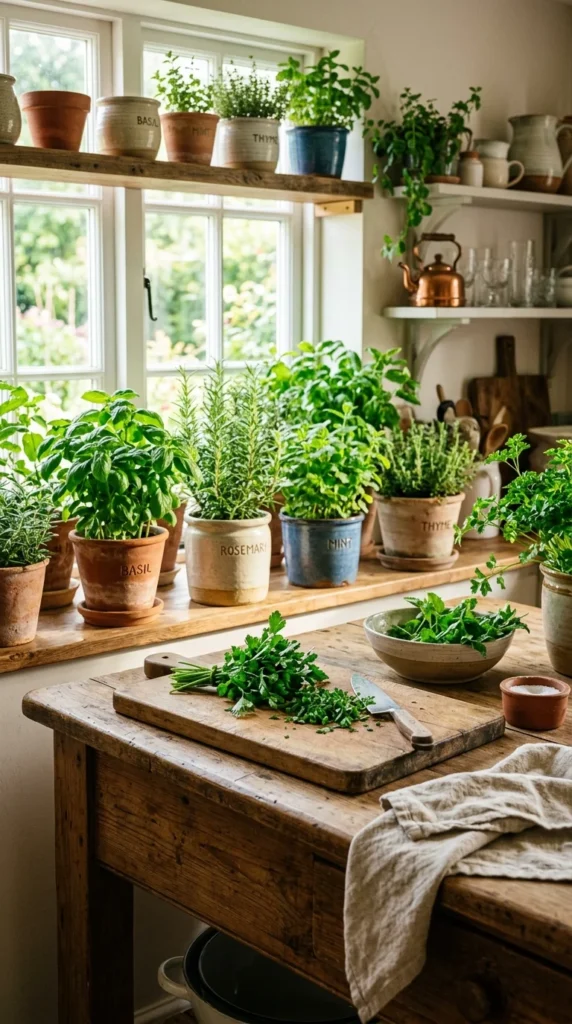
There is nothing quite like the sensory delight of snipping fresh basil for a homemade margherita pizza or grabbing a handful of cilantro to brighten up a spicy salsa. Having a kitchen garden isn’t just about the convenience of “farm-to-table” cooking; it’s about the fragrance, the aesthetic beauty of living greenery, and the undeniable superior flavor of herbs that haven’t spent three days in a plastic grocery store container.
Whether you live in a sprawling farmhouse or a compact city apartment, you can cultivate a thriving herb sanctuary. Here are ten ingenious kitchen garden ideas to ensure your favorite seasonings are always just an arm’s length away.
1. Window Boxes
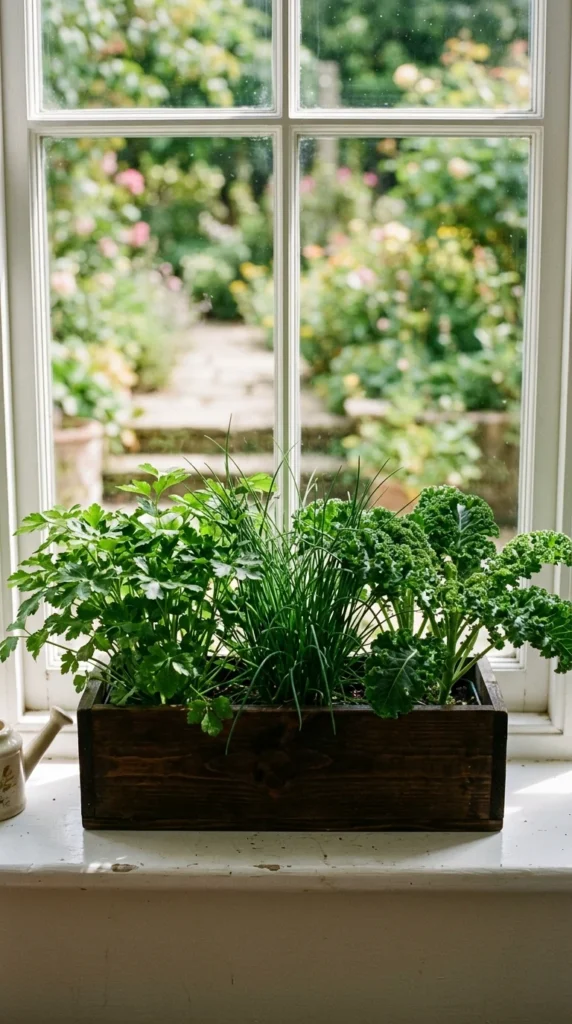
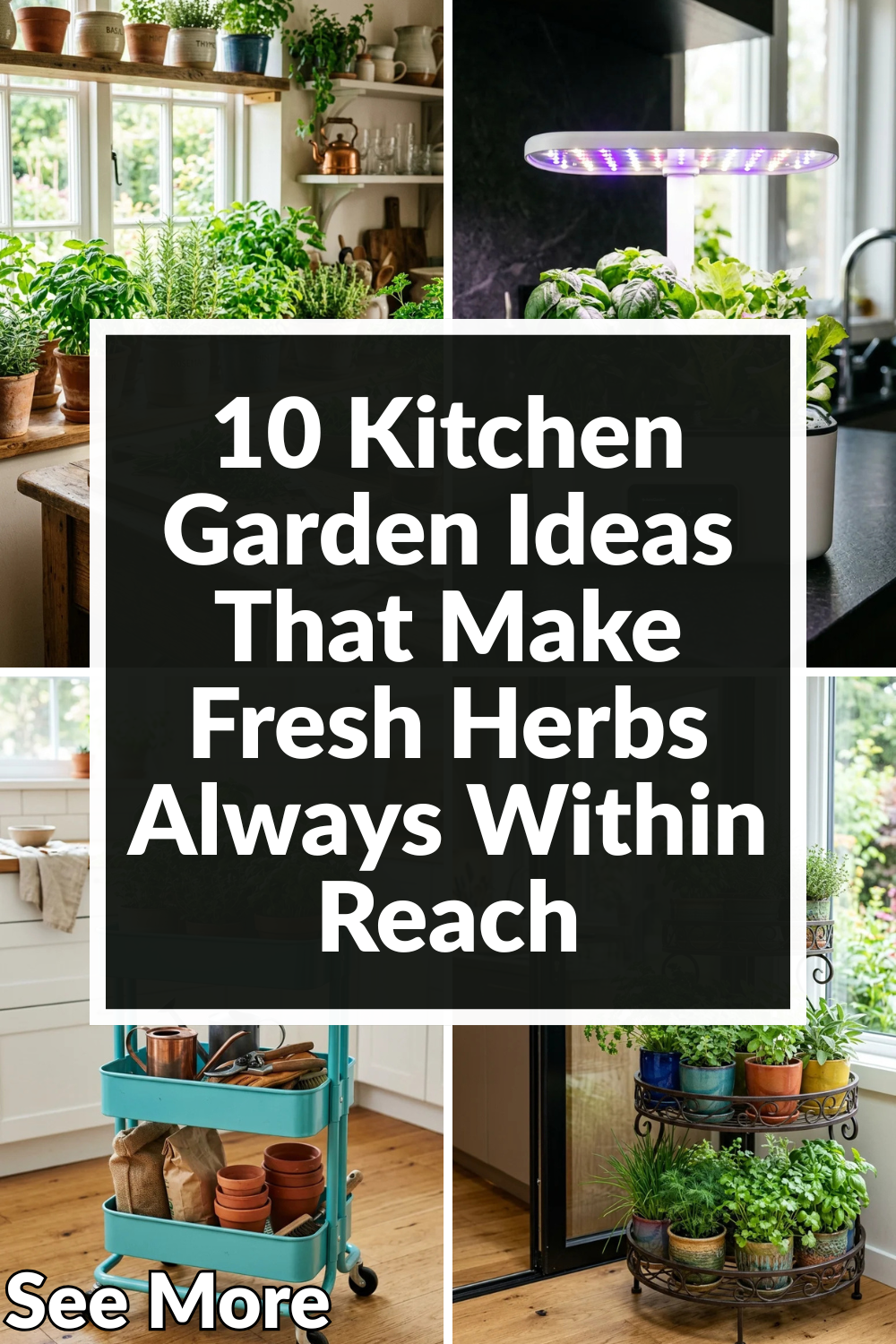
The classic windowsill garden remains the gold standard for a reason. It utilizes natural light—the most critical ingredient for herb growth—and keeps the plants at eye level. Most culinary herbs, such as oregano, thyme, and sage, require at least six hours of sunlight. A south-facing window is the prime real estate for these sun-worshippers.
To make the most of a window box, ensure it has proper drainage. Herbs hate “wet feet,” so a layer of gravel at the bottom or drainage holes with a matching tray is essential. You can mix and match herbs with similar water needs in one long container to create a beautiful, textured mini-landscape that frames your view while you do the dishes.
2. Vertical Trellises
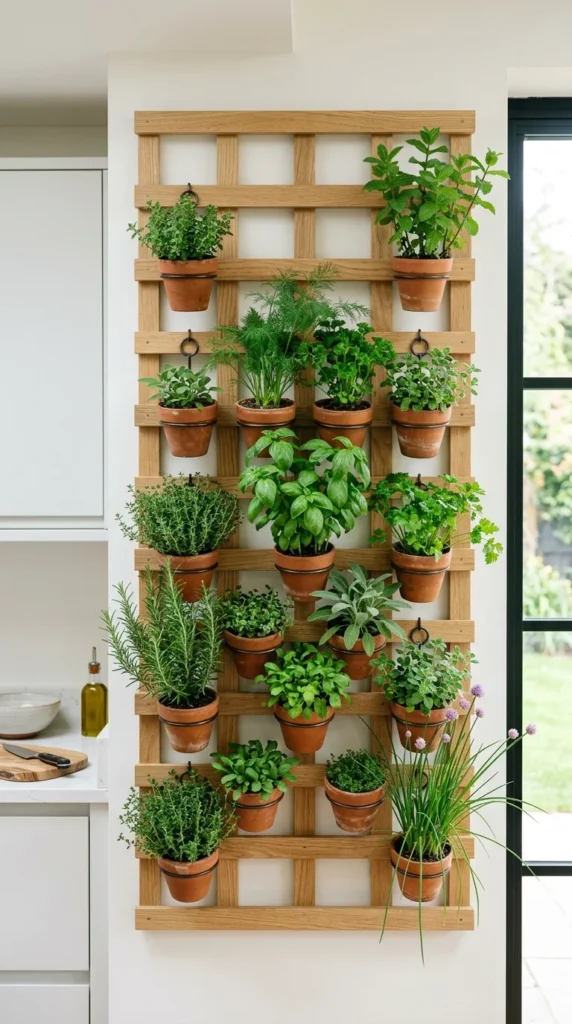
When counter space is at a premium, look upward. A vertical trellis or a wall-mounted grid allows you to grow an entire spice rack’s worth of herbs on a single patch of empty wall. This approach turns your garden into a piece of living art.
Using a trellis system makes it easy to organize your herbs by height. Put the taller, woodier herbs like rosemary at the top and the trailing plants like thyme or oregano at the bottom where they can drape elegantly. This setup also improves air circulation around the plants, which helps prevent common indoor garden issues like powdery mildew.
3. Hanging Baskets
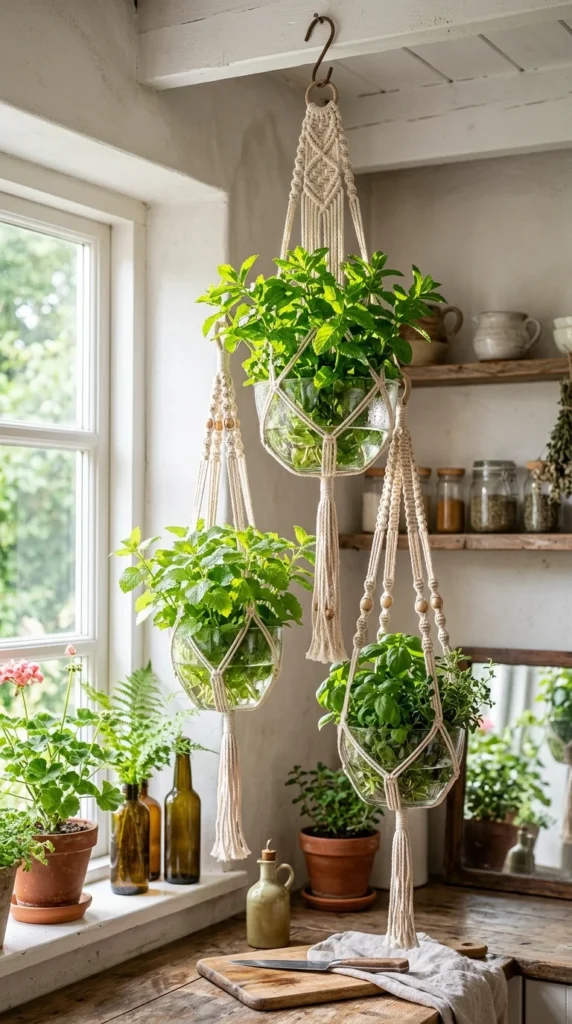
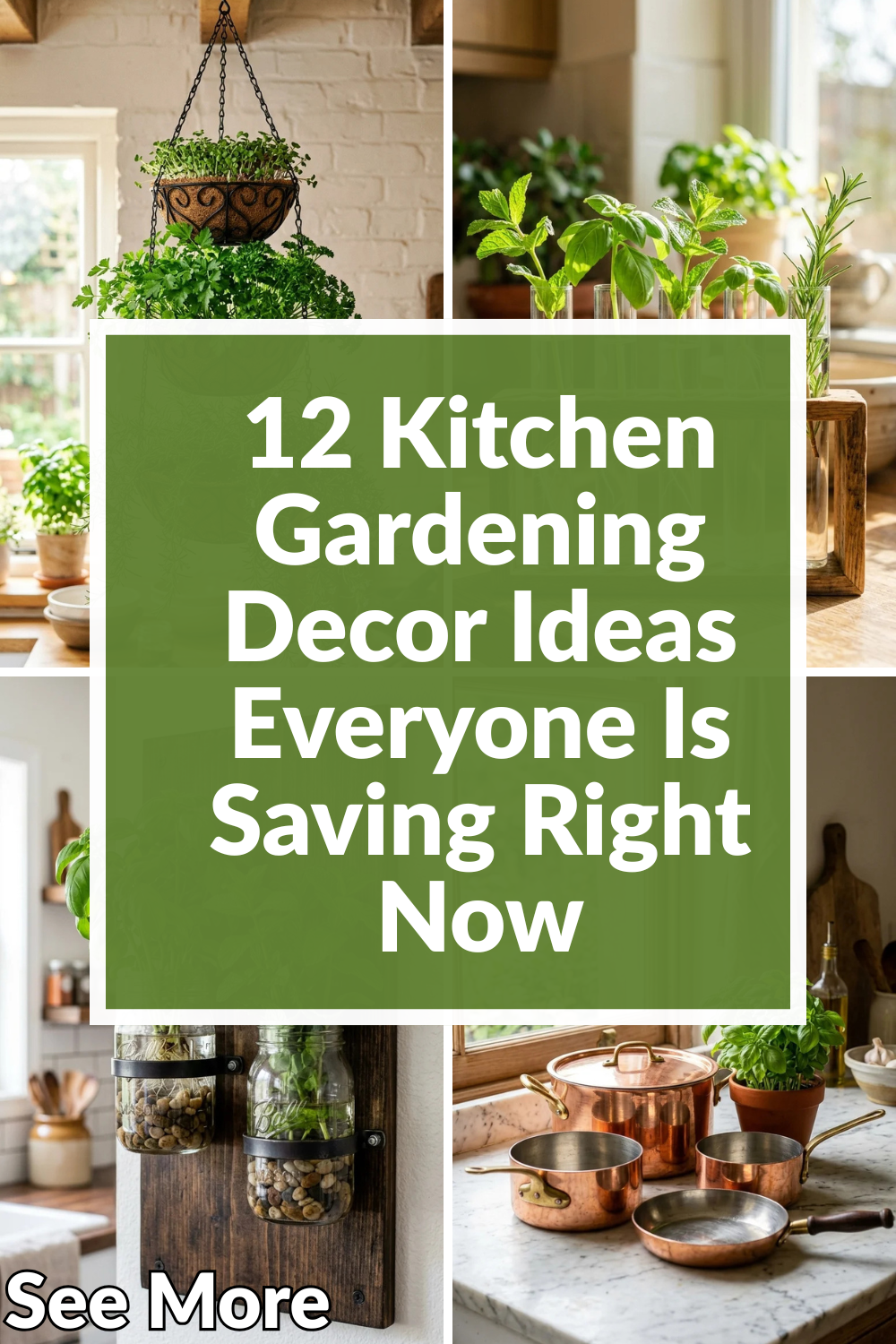
Hanging baskets are the perfect solution for high-ceilinged kitchens or for those who want to keep their surfaces completely clear. Placing herbs in hanging containers near a window allows them to soak up light without taking up a single square inch of floor or counter space.
Mint is an excellent candidate for hanging baskets. Because mint is an invasive grower that tends to take over any pot it shares, giving it its own hanging home keeps it contained. Plus, the way mint branches out and hangs over the edges of the basket creates a lush, cascading effect that looks stunning near a sunny breakfast nook.
4. Countertop Pots
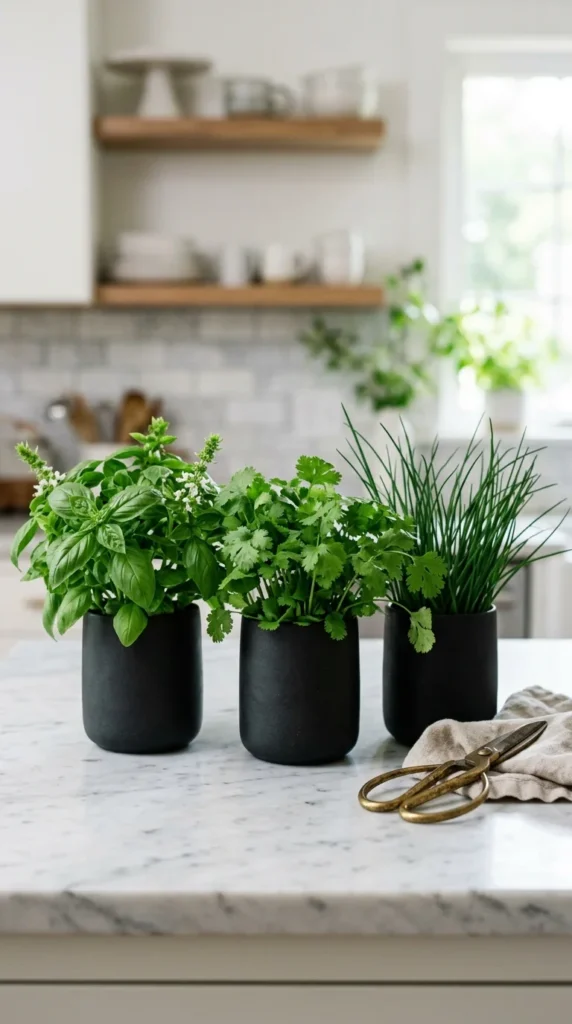
If you have a wide island or an unused corner of your workspace, individual countertop pots offer the most flexibility. You can move them around to follow the sun or bring a specific herb closer to the stove while you’re seasoning a simmering pot of stew.
The key to an attractive countertop garden is cohesion. Choose pots that match your kitchen’s decor—whether that’s sleek mid-century modern ceramics, rustic galvanized steel buckets, or classic terracotta. Not only does this keep your herbs handy, but it also adds a layer of organic texture to your interior design.
5. Tiered Stands
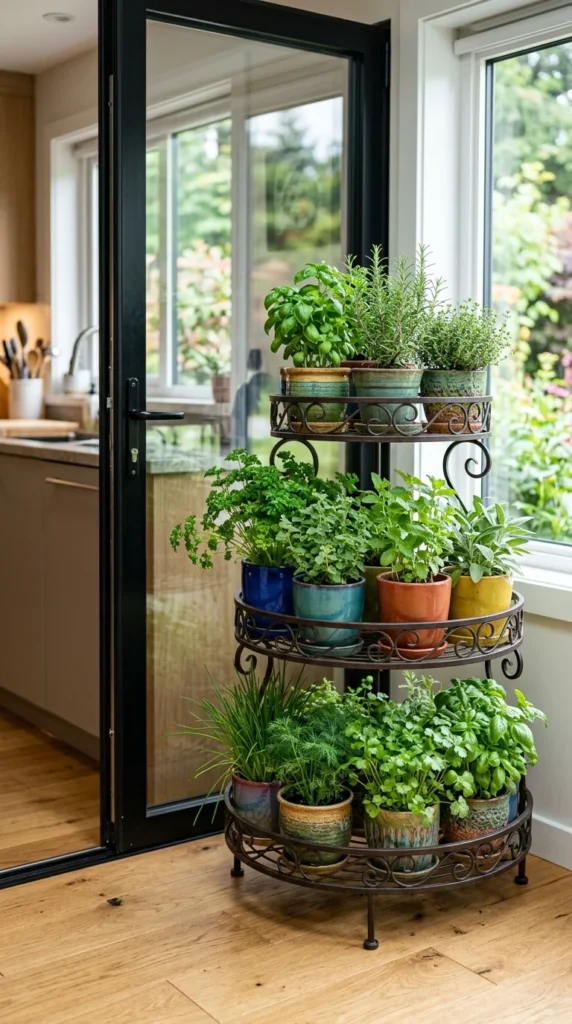
Tiered stands are the “high-density housing” of the herb world. By stacking your plants vertically on a freestanding rack, you can grow a dozen different varieties in the footprint of a single large pot. This is particularly useful for “heavy users” who want large quantities of several different herbs.
Place your tiered stand near a glass patio door or a large window to ensure every level gets enough light. These stands are also great for separating herbs with different needs; you can put the drought-tolerant herbs like lavender and rosemary on the top tier and the thirstier plants like basil and parsley on the bottom where moisture stays longer.
6. Mason Jars
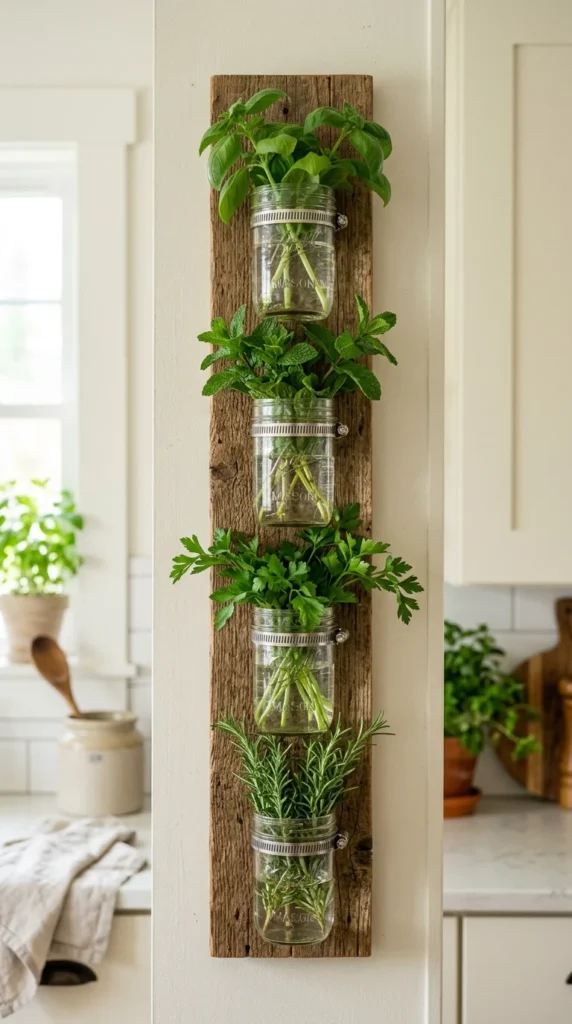
For a farmhouse-chic look, nothing beats the mason jar garden. These can be used for soil-based growing or for “hydroponic” rooting of cuttings. Many people choose to mount these jars onto a piece of reclaimed wood, creating a beautiful wall feature that feels both organized and rustic.
If you grow in mason jars with soil, remember that they do not have drainage holes. To prevent root rot, add a significant layer of pebbles or charcoal at the bottom of the jar before adding your potting mix. This creates a “reservoir” for excess water to sit away from the roots.
7. Magnetic Tins
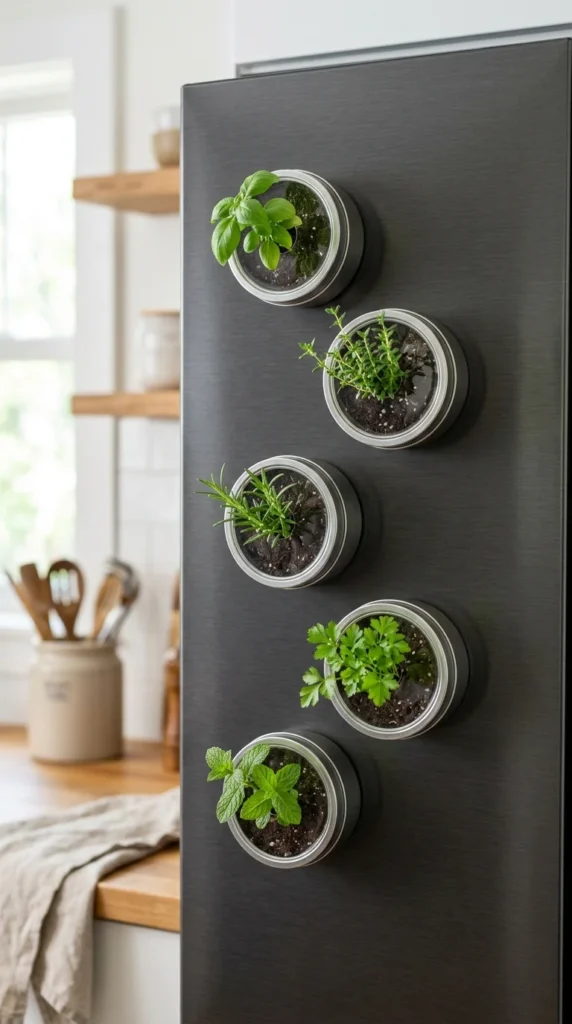
If you have a magnetic refrigerator or a metal backsplash, magnetic tins are a futuristic and space-saving way to garden. These small containers are perfect for “micro-herbs” or smaller varieties that don’t need deep root systems.
This method keeps your herbs literally at your fingertips while you’re at the fridge or the stove. It’s a great conversation starter and works exceptionally well for herbs that you only use a pinch of at a time, like chives or small-leaf thyme. Just ensure the magnets are strong enough to hold the weight of the soil and water!
8. Mobile Carts
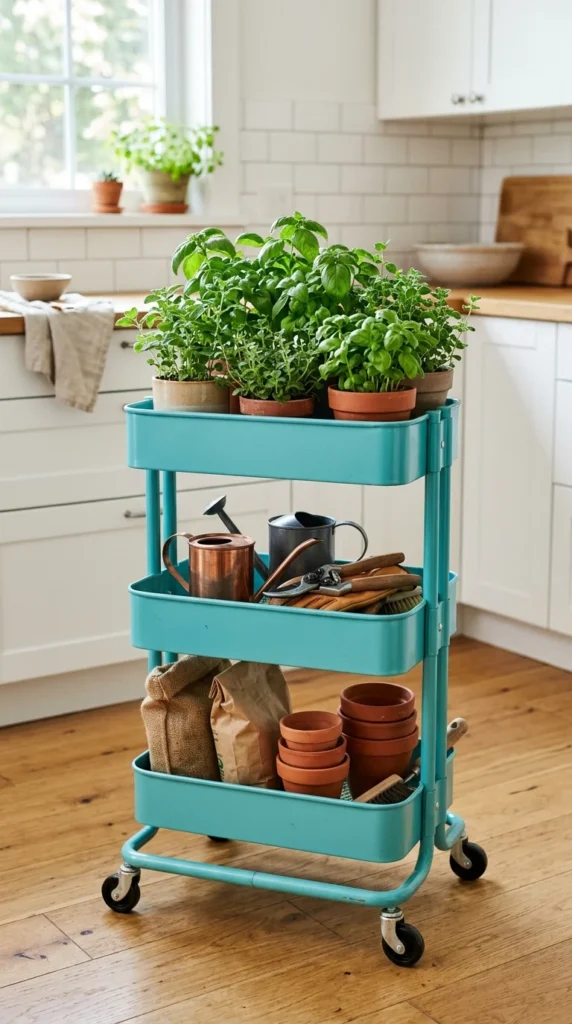
A rolling garden cart is the ultimate solution for the “nomadic” gardener. If your kitchen doesn’t get consistent light throughout the day, a mobile cart allows you to wheel your herbs to the sunniest spot in the morning and move them back to a convenient prep area in the evening.
Carts also provide extra storage for your gardening tools. You can keep your watering can, organic fertilizer, and pruning shears on the lower shelves, keeping all your “farming” supplies in one tidy, portable location. When you’re hosting a party, you can even wheel the whole garden out of the way to make room for guests.
9. Smart Planters
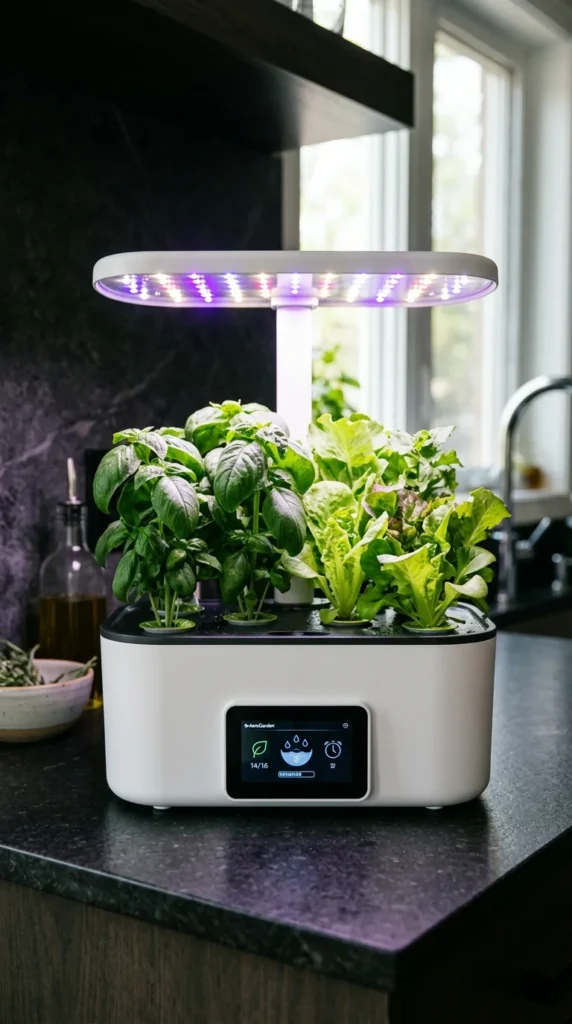
For those who lack a green thumb or live in a kitchen with zero natural light, smart planters are a game-changer. These hydroponic systems use LED grow lights and automated water cycles to do the hard work for you. Many even come with sensors that tell you exactly when to add more nutrients.
These systems are incredibly efficient, often growing herbs 20-30% faster than soil-based methods. They look like high-end kitchen appliances and fit perfectly alongside your espresso machine or toaster. It’s the “set it and forget it” version of gardening that guarantees a harvest even in the dead of winter.
10. Railing Planters
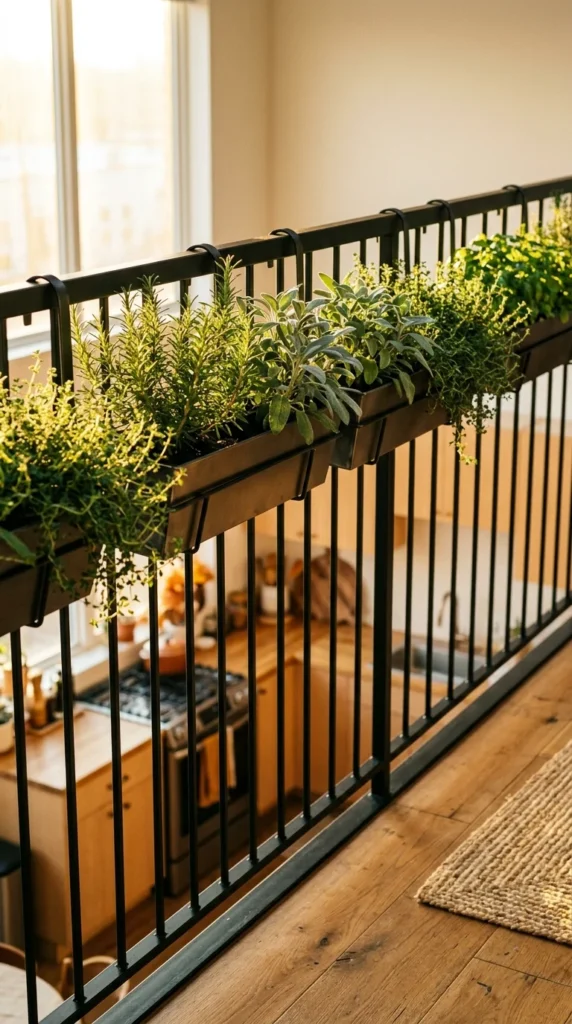
If your kitchen opens up into a loft or has a small balcony railing, utilize that architectural feature. Railing planters are designed to sit securely on top of or hang from a rail, turning a safety feature into a productive garden.
This is an excellent way to get herbs out of the “work zone” of the kitchen while keeping them within easy walking distance. Because these planters are often exposed to more air movement, they are perfect for hardier herbs that enjoy a breeze and lots of sun, like rosemary and lavender. It creates a lush, green boundary that defines the kitchen space with natural beauty.