Transforming a compact apartment into a lush, high-end sanctuary doesn’t require a backyard or a million-dollar budget. It requires a curated eye for design, texture, and placement. Many people view indoor plants as mere accessories, but when treated as living architectural elements, they can elevate a space from “standard rental” to “editorial masterpiece.”
The secret to an expensive-looking indoor garden lies in the details: the silhouette of the leaves, the quality of the vessels, and the intentionality of the layout. Whether you are working with a studio in the city or a sprawling loft, these twelve ideas will help you cultivate an indoor oasis that radiates luxury and sophistication.
1. Statement Trees
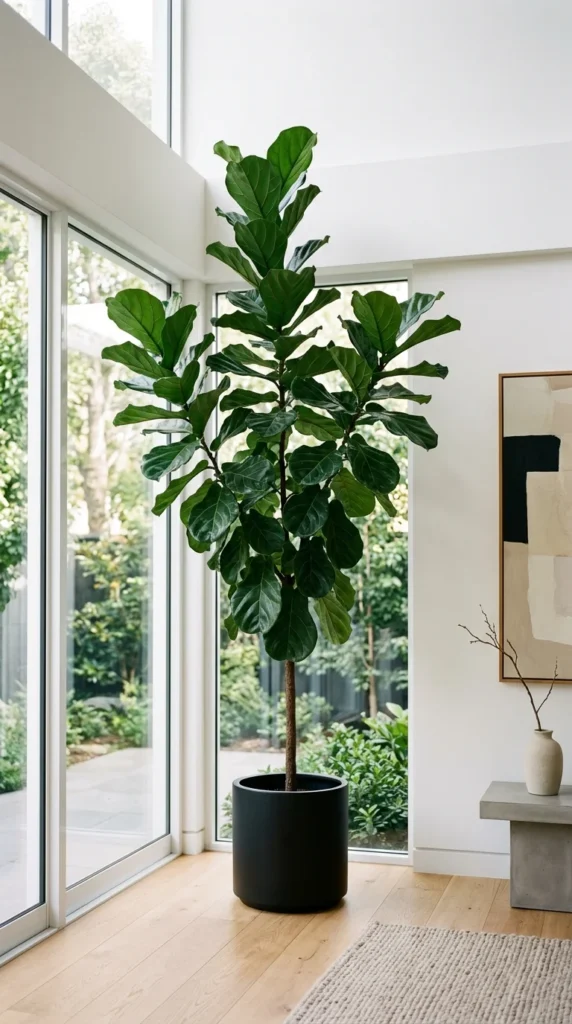
Nothing says “luxury” quite like height. In an apartment, vertical space is often underutilized. Introducing a large-scale statement tree, such as a Fiddle Leaf Fig, an Olive Tree, or a Birds of Paradise, creates an immediate focal point that draws the eye upward, making the ceilings feel higher.
The key to keeping this look expensive is the planter. Avoid cheap plastic pots from the hardware store. Instead, opt for heavy ceramics, polished concrete, or artisanal terracotta. A single, well-placed tree in a high-quality vessel acts as a piece of living sculpture, requiring very little else around it to make a massive visual impact.
2. Living Walls
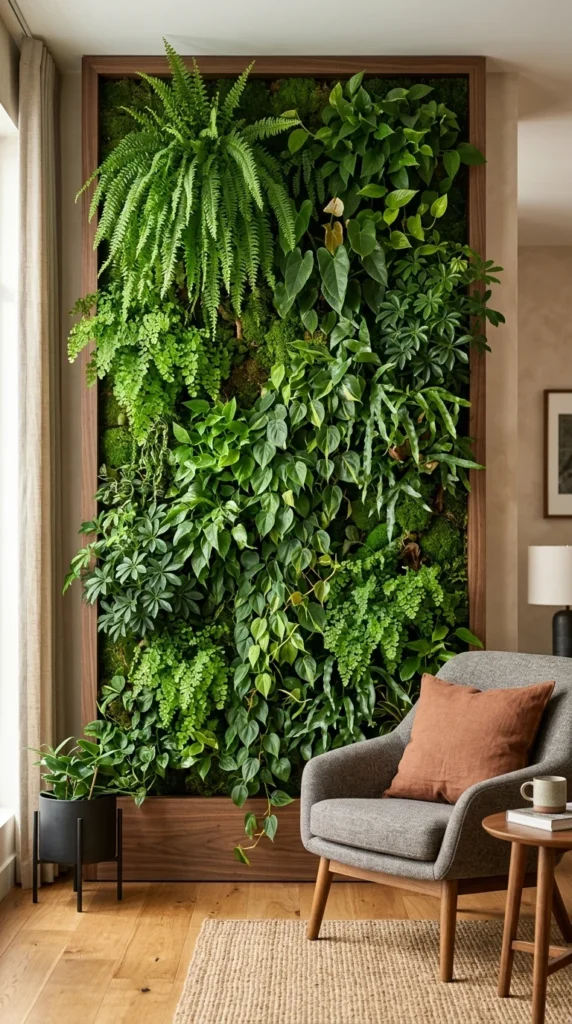
A living wall, or vertical garden, is the ultimate “wow” factor for apartment dwellers. It transforms a boring white wall into a vibrant, breathing tapestry. While DIY kits exist, the high-end version involves integrated irrigation systems and a dense variety of textures—mixing the feathery fronds of ferns with the broad, waxy leaves of pothos.
To ensure it looks expensive, frame the living wall with dark wood or recessed LED lighting. This gives the installation a “gallery” feel. It’s a space-saving solution that provides the psychological benefits of a forest within the confines of a city flat.
3. Geometric Terrariums
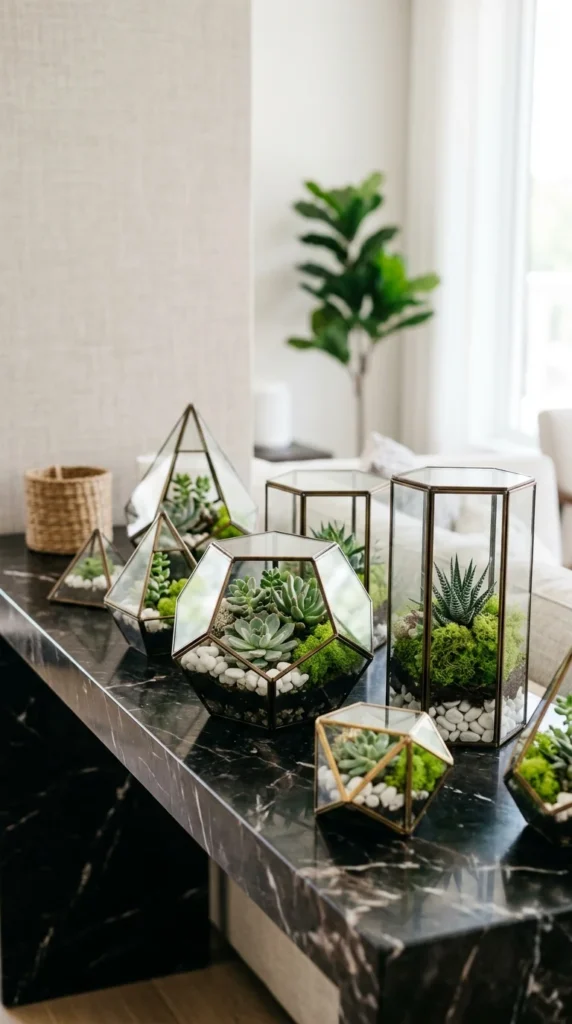
Small-scale gardening can still feel incredibly opulent if the presentation is right. Geometric terrariums made of glass and brass or copper frames offer a sophisticated, jewelry-like quality to your plant collection. These are perfect for coffee tables, bookshelves, or bedside stands.
To achieve the expensive look, don’t just throw a plant in a bowl. Create a miniature landscape. Use layers of charcoal, decorative stones, and specific moss types to create a curated ecosystem. Grouping three terrariums of varying heights creates a rhythmic, professional design aesthetic.
4. Cascading Shelves
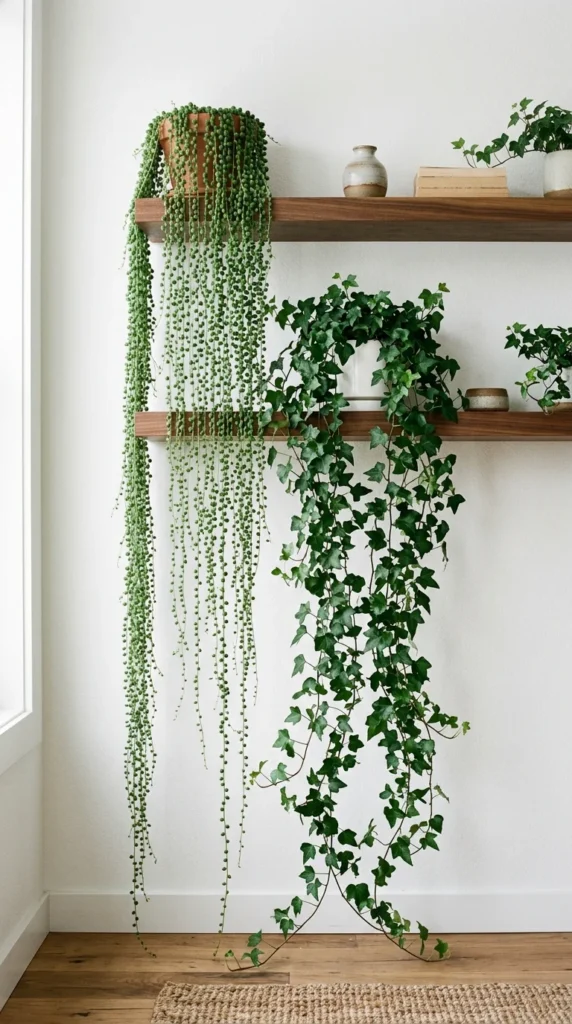
Built-in or floating shelves filled with “spilling” plants create a sense of abundance and “jungle chic” that is highly sought after in modern interior design. Plants like the String of Hearts, String of Pearls, or silver-hued Scindapsus are perfect for this.
The trick to making this look expensive is uniformity and cable management. Ensure your pots match the color of the shelves or the wall to create a “floating leaf” effect. If you have grow lights, hide the wires behind the shelf brackets or within the wall itself to maintain a clean, high-end look.
5. Stone Vessels
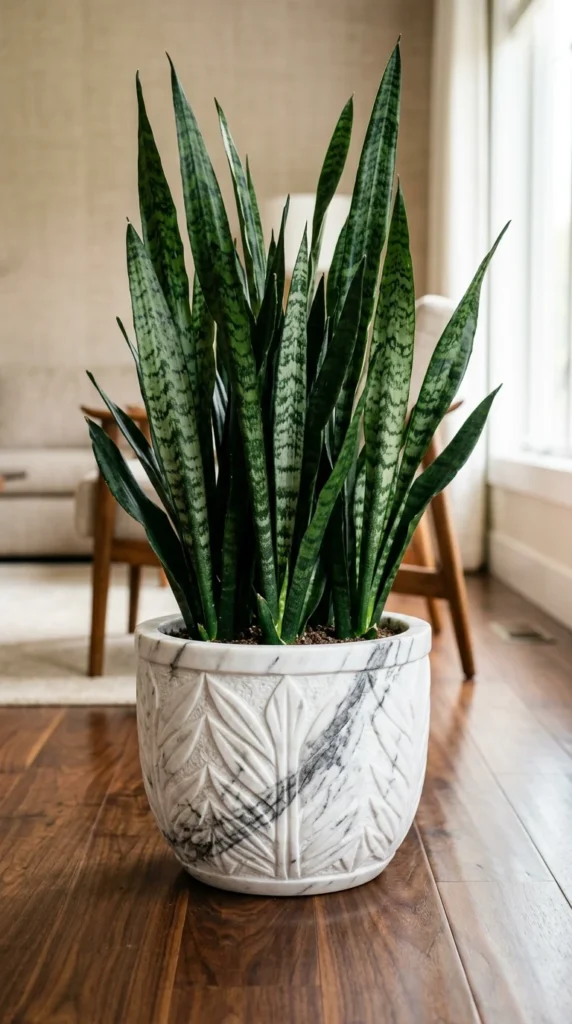
The material of your planters is perhaps the most important factor in how “expensive” your garden looks. Plastic and thin metal can look flimsy. Natural stone, such as marble, granite, or heavy limestone, conveys permanence and wealth.
Heavy stone vessels provide a grounding element to the lightness of the plants. Even a common Snake Plant or ZZ Plant looks like a piece of high-end art when placed in a hand-carved marble pot. These materials also age beautifully, developing a patina that cheaper materials simply cannot replicate.
6. Culinary Galleys
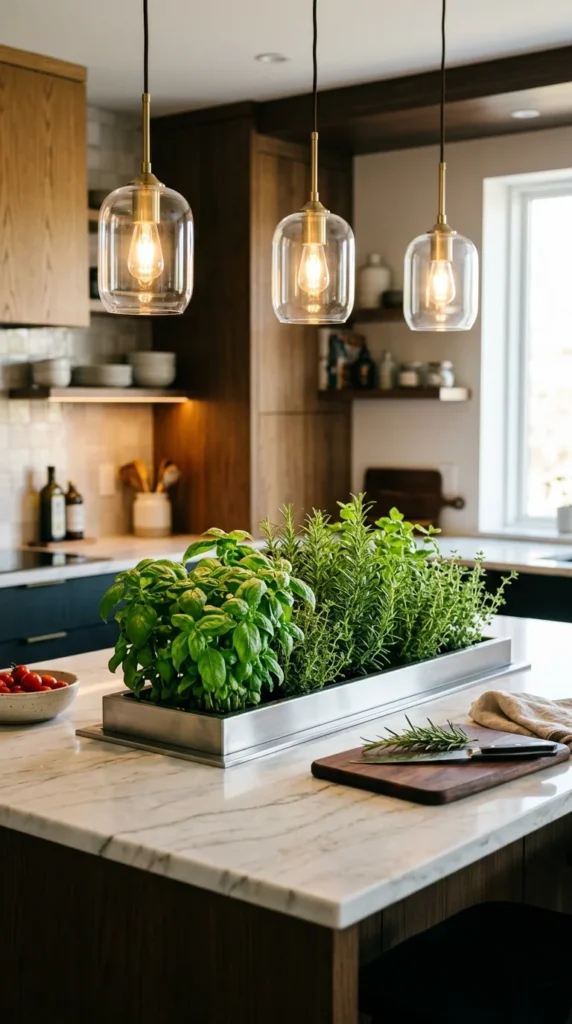
Edible gardens often look messy, but a high-end culinary galley turns herbs into a design feature. Instead of mismatched plastic pots on a windowsill, use an integrated system. Long, linear planters made of brushed steel or matte ceramic that run the length of a kitchen island or a dedicated “herb wall” look incredibly intentional and professional.
To elevate this, use uniform labeling—perhaps embossed metal or minimalist etched glass—to identify each herb. Not only is it functional for cooking, but the fragrance of fresh mint and basil adds a sensory layer of luxury to the home.
7. Zen Bonsai
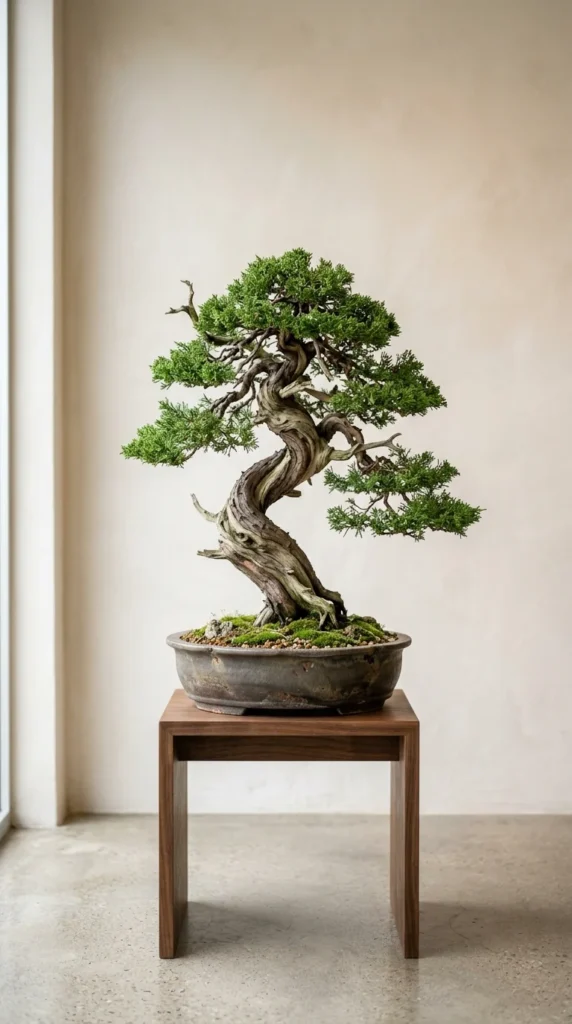
Bonsai is the pinnacle of horticultural art. A single, well-maintained bonsai tree communicates patience, history, and a refined taste. Because these trees can live for decades and require meticulous care, they are seen as status symbols in the world of indoor gardening.
To make a bonsai look expensive in an apartment, give it space to breathe. Don’t clutter it with other plants. Place it on a dedicated pedestal or a low “altar” style table. The minimalist “Zen” aesthetic relies on the negative space around the tree to emphasize its unique, tortured silhouette.
8. Metallic Accents
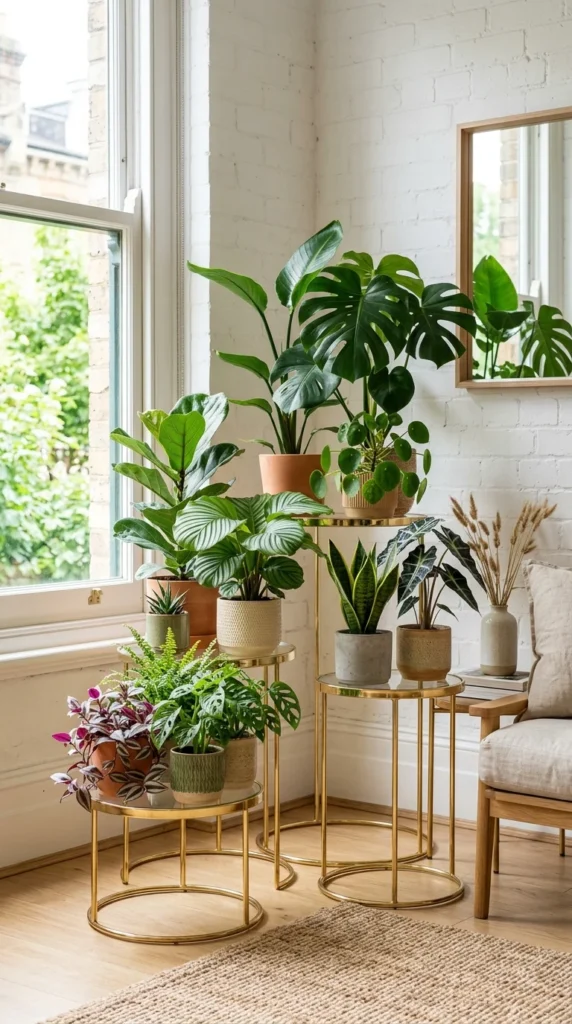
Gold, brass, and silver accents have long been associated with luxury. Incorporating these metals through plant stands or “jewelry for plants” (like decorative stakes or chains) can brighten a dark corner and add a touch of glamour.
Opt for brushed or satin finishes rather than high-shine “fake” golds to keep the look sophisticated. A tiered brass plant stand allows you to display multiple plants at different levels, creating a lush “tower” of greenery that feels like a boutique hotel lobby.
9. Statement Palms
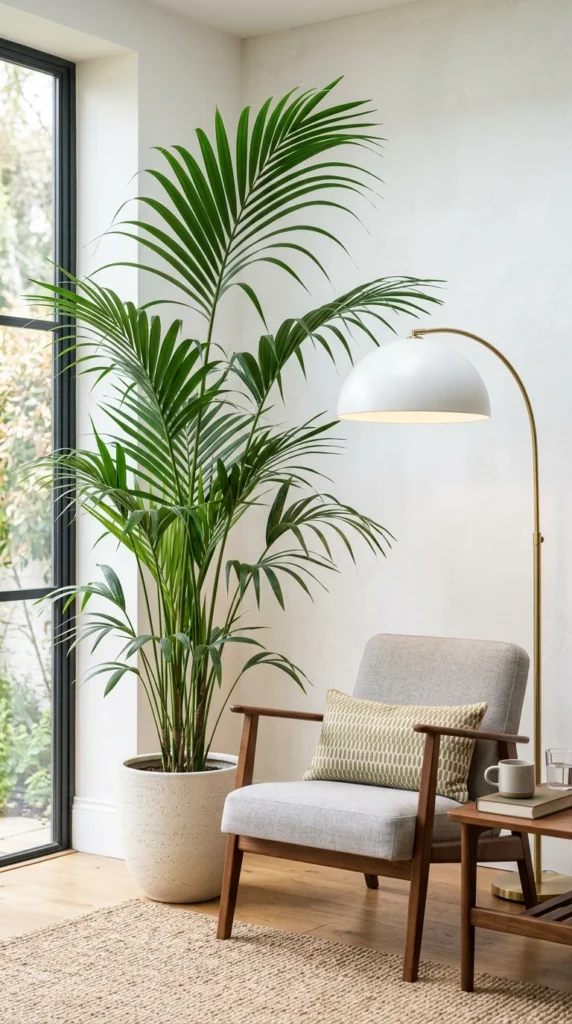
Palms have been the hallmark of luxury interiors since the Victorian era. The Kentia Palm and the Parlor Palm are particularly well-suited for apartments because they tolerate lower light and grow slowly, maintaining their elegant shape for years.
The “expensive” way to style a palm is to ensure it has enough room for its fronds to arch naturally. Pushing a palm into a tight corner crushes the leaves and makes the space look cramped. Allow the palm to “breathe,” and pair it with a classic, high-quality ceramic pot in a neutral tone like cream or charcoal.
10. Monochromatic Collections
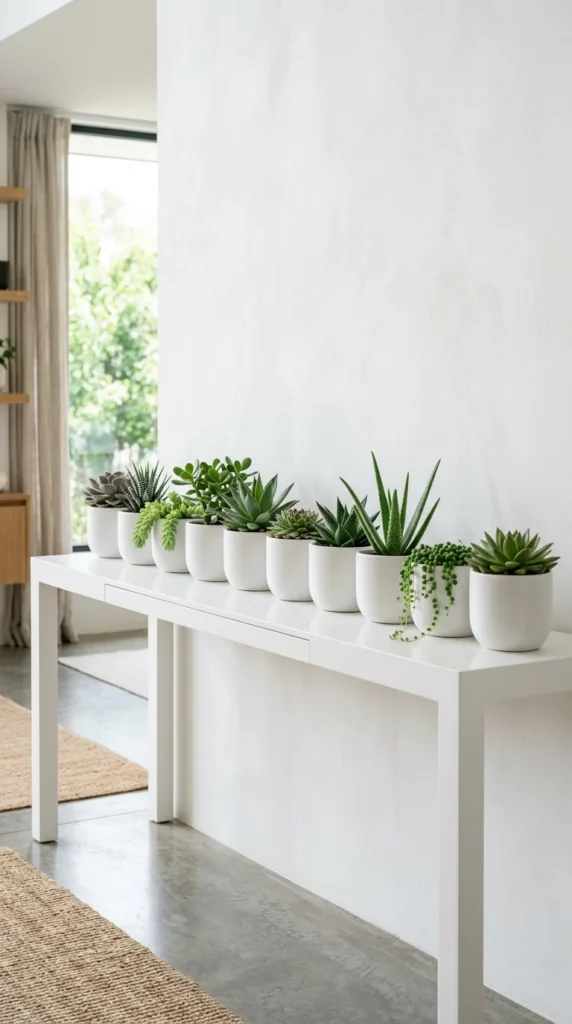
Visual clutter is the enemy of a high-end aesthetic. One of the easiest ways to make an indoor garden look expensive is to stick to a strict monochromatic color palette for your containers.
Whether you choose all-white, all-black, or all-terracotta, the uniformity of the pots creates a “collection” rather than a “clutter.” This allows the focus to remain entirely on the different textures and shades of green of the plants themselves. It looks organized, intentional, and professionally designed.
11. Water Gardens
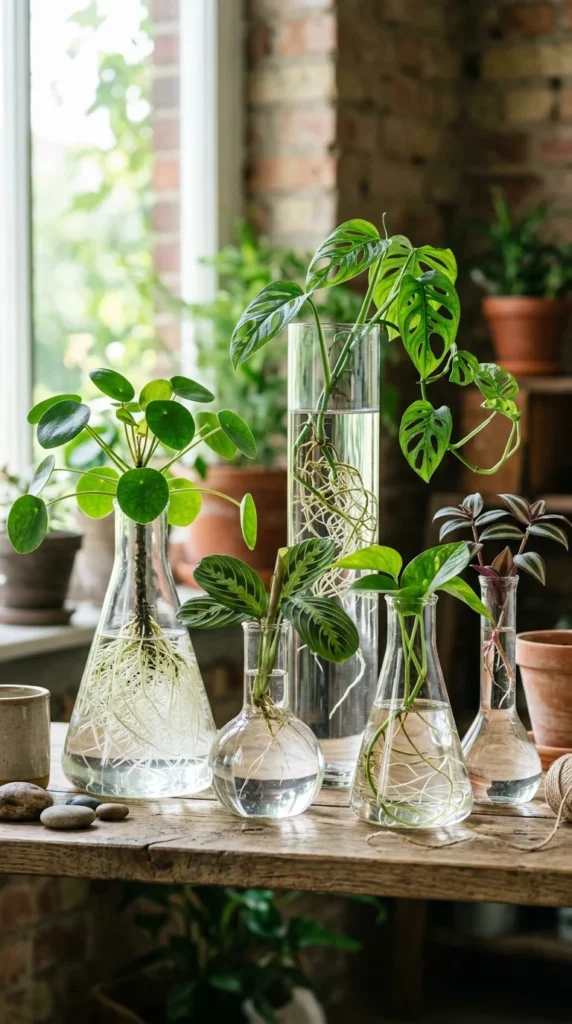
Hydroponics or water gardening is a clean, modern way to bring greenery indoors without the mess of soil. Growing plants like Monstera cuttings, Lucky Bamboo, or even certain Philodendrons in clear glass vessels looks incredibly high-end and “scientific.”
To keep this looking expensive, the water must be kept crystal clear, and the glass must be spotless. Using architectural glassware—such as chemistry beakers, heavy crystal vases, or minimalist glass cylinders—turns the root systems themselves into a fascinating visual element. It’s a sleek, modern approach to gardening that fits perfectly in a high-rise apartment.