Living in an apartment shouldn’t mean you have to sacrifice the joy of gardening. While a sprawling backyard might be out of reach, the world of indoor herb gardening offers a fragrant, flavorful, and aesthetically pleasing alternative. Herbs are remarkably resilient and can thrive in small spaces, provided they have the right light and care. Beyond the culinary benefits of having fresh basil or cilantro at your fingertips, indoor plants improve air quality and add a vibrant touch of nature to your home decor.
Whether you have a tiny studio or a spacious loft, these twelve creative indoor herb garden ideas are designed to maximize your space and elevate your apartment living experience.
1. Tiered Stand
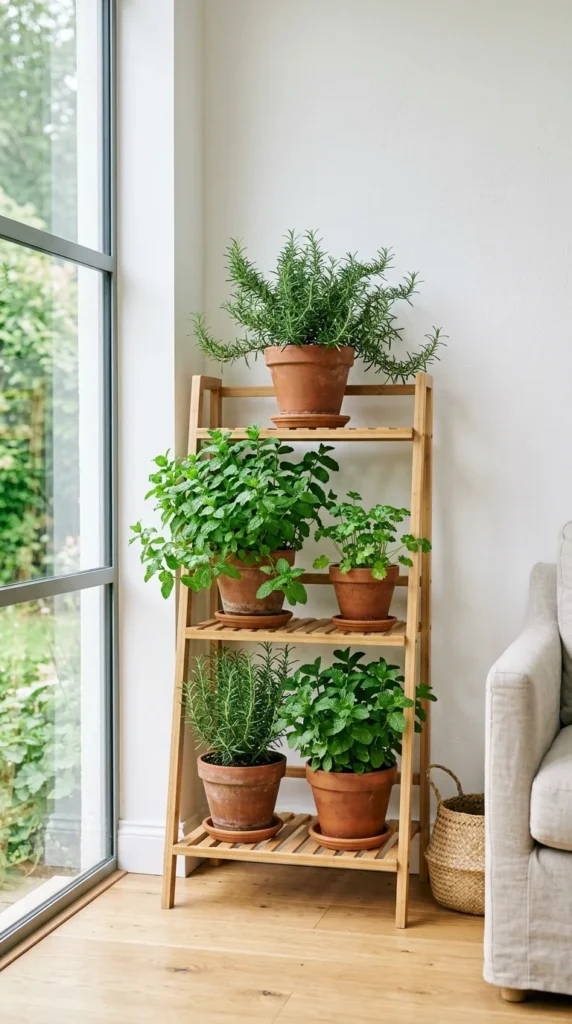
When horizontal space is at a premium, the only way to go is up. A tiered plant stand is one of the most efficient ways to house multiple herbs without taking up significant floor or counter space. These stands come in various materials, from rustic wood and bamboo to sleek industrial metal, allowing you to match your existing interior design.
By stacking your plants, you create a concentrated “green zone” that makes watering and maintenance easier. It also allows you to place sun-loving herbs like rosemary on the top tier where they get the most light, while shade-tolerant herbs can sit comfortably on the lower levels.
2. Hanging Planters
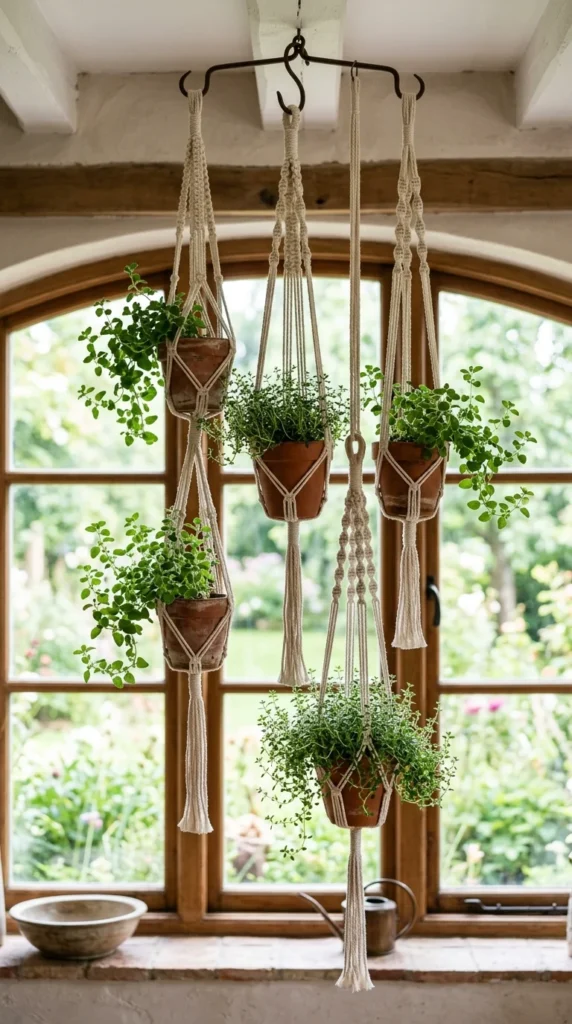
Hanging planters are a lifesaver for apartment dwellers with zero counter space. By utilizing your ceiling or curtain rods, you can turn your windows into a vertical forest. Macrame hangers offer a bohemian vibe, while geometric ceramic or glass globes provide a more contemporary look.
Herbs with a trailing habit, such as creeping thyme or certain varieties of oregano, look particularly stunning when allowed to spill over the edges of a hanging pot. This method also keeps your plants out of reach of curious pets who might be tempted to nibble on your greens.
3. Window Sills
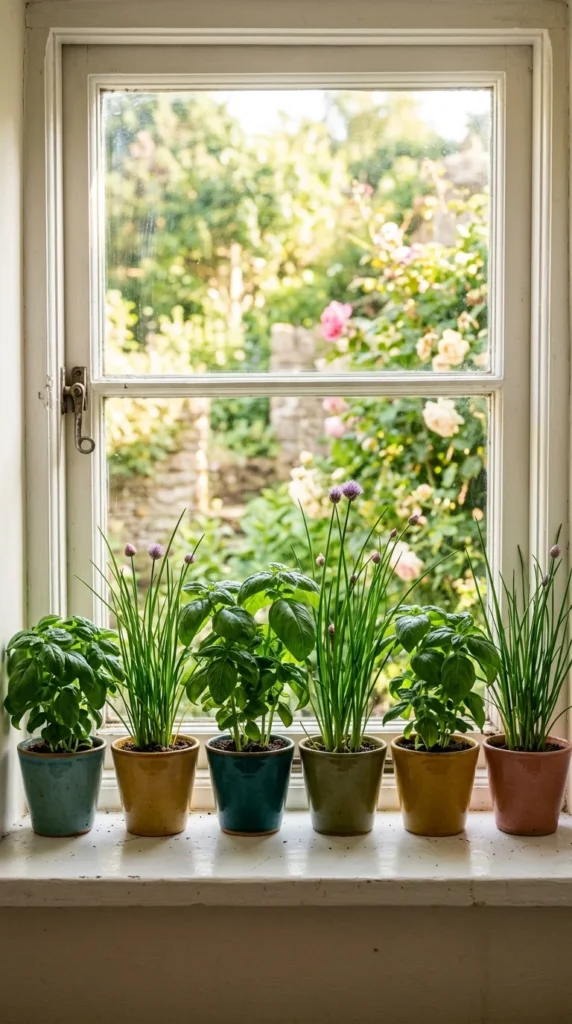
The classic window sill garden is a staple for a reason: it’s simple, effective, and utilizes the most natural light available in your home. Most herbs require at least six hours of sunlight a day, making a south-facing window the prime real estate for your indoor garden.
To keep this look organized and chic, use a matching set of pots or a long, narrow planter box that fits the dimensions of your sill perfectly. This setup is ideal for “kitchen staples” like basil, parsley, and chives, ensuring they are always within arm’s reach while you’re cooking.
4. Magnetic Tins
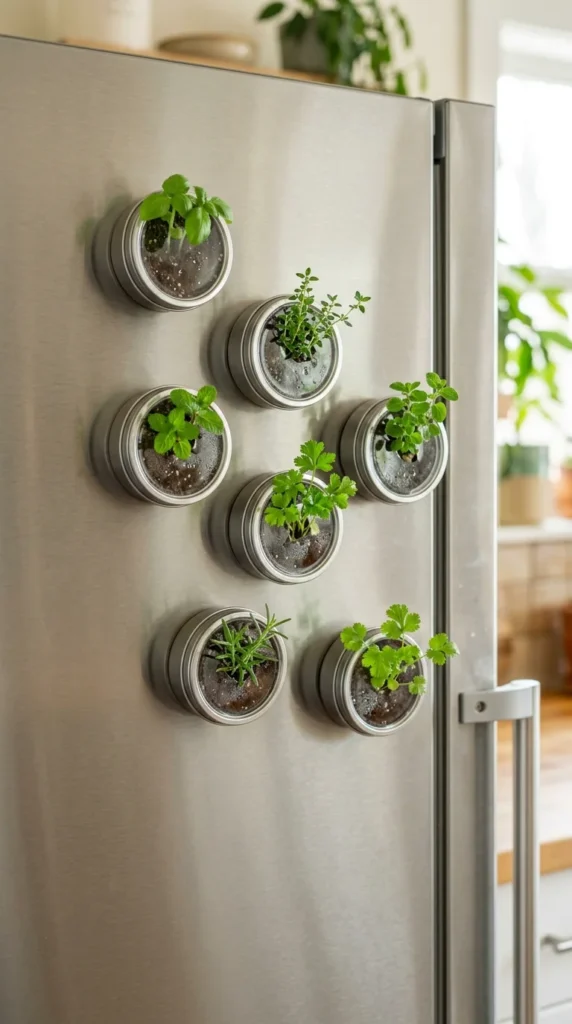
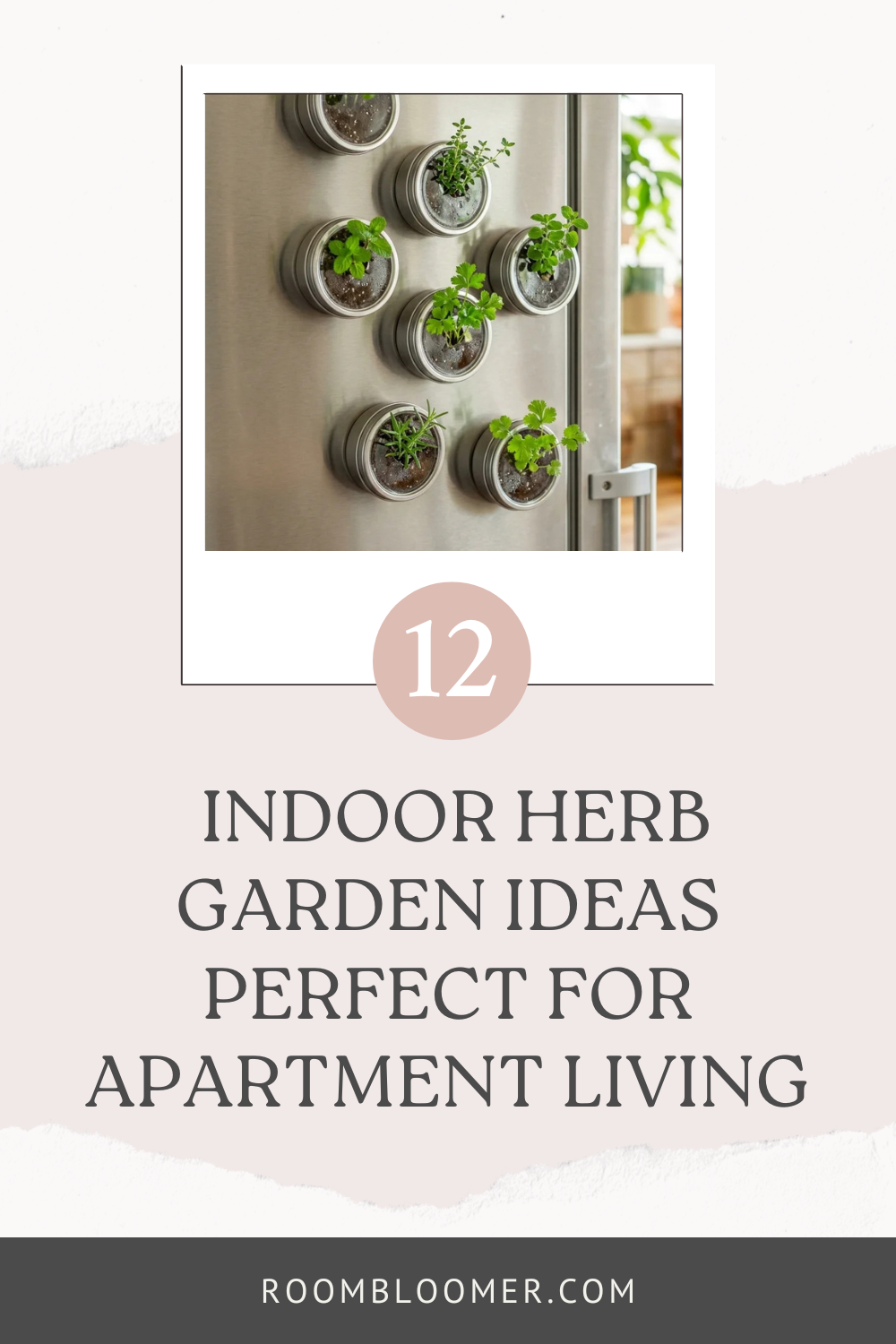
If your kitchen is so small that even the window sill is occupied, look to your refrigerator. Magnetic herb tins are a clever DIY solution that turns your fridge into a living spice rack. You can use specialized magnetic planters or repurpose small metal tins by attaching strong magnets to the back.
This method works best for smaller herbs or those that don’t develop deep root systems quickly. It’s a fantastic way to utilize “dead space” and adds a unique, functional design element to your kitchen. Just ensure the fridge isn’t in a completely dark corner; if it is, you might need to supplement with a nearby grow light.
5. Wall Grid
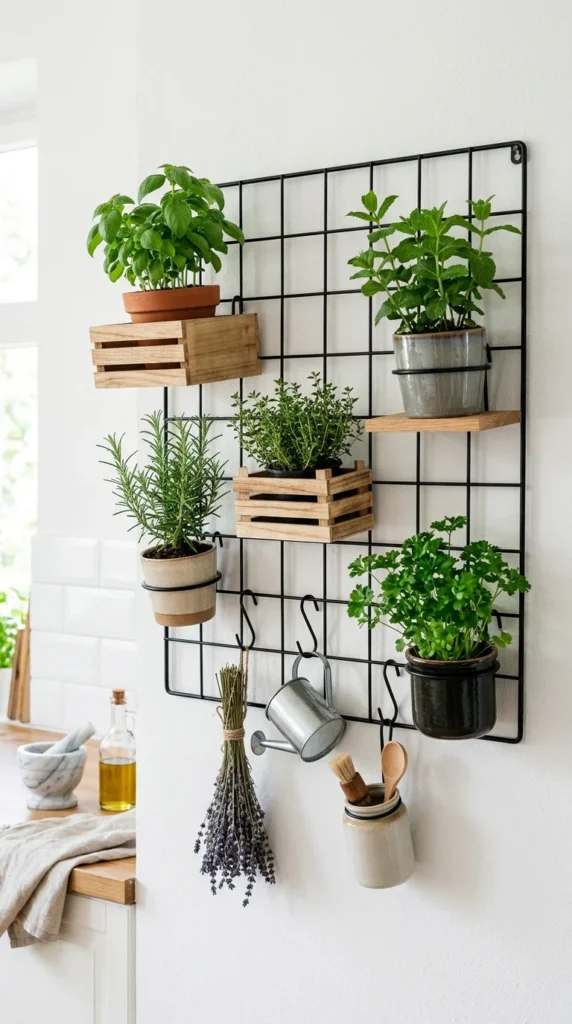
A wall-mounted wire grid is a versatile and trendy way to display your herbs. Originally popular for office organization, these grids can easily be adapted for gardening by using S-hooks to hang small pots or attaching lightweight wooden crates.
The beauty of the wall grid is its modularity. As your herb collection grows or changes, you can easily rearrange the pots. This setup works beautifully as a focal point in a dining area or kitchen, combining functionality with a modern, industrial aesthetic.
6. Hydroponic Kit
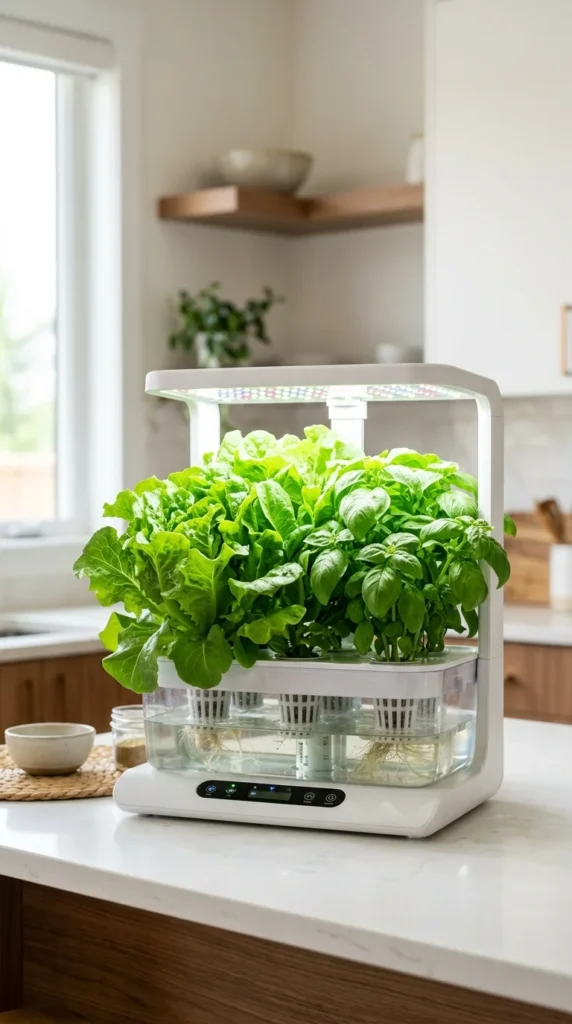
For the tech-savvy gardener or those living in apartments with very little natural light, a smart hydroponic kit is the ultimate solution. These systems use water and nutrient solutions instead of soil, often coming with built-in LED grow lights that provide the exact spectrum of light your herbs need to thrive.
Hydroponic systems are incredibly low-maintenance, often featuring automated timers for lights and water reminders. They allow you to grow herbs year-round, regardless of the weather outside, and typically result in faster growth and larger yields compared to traditional soil-based methods.
7. Ladder Shelf
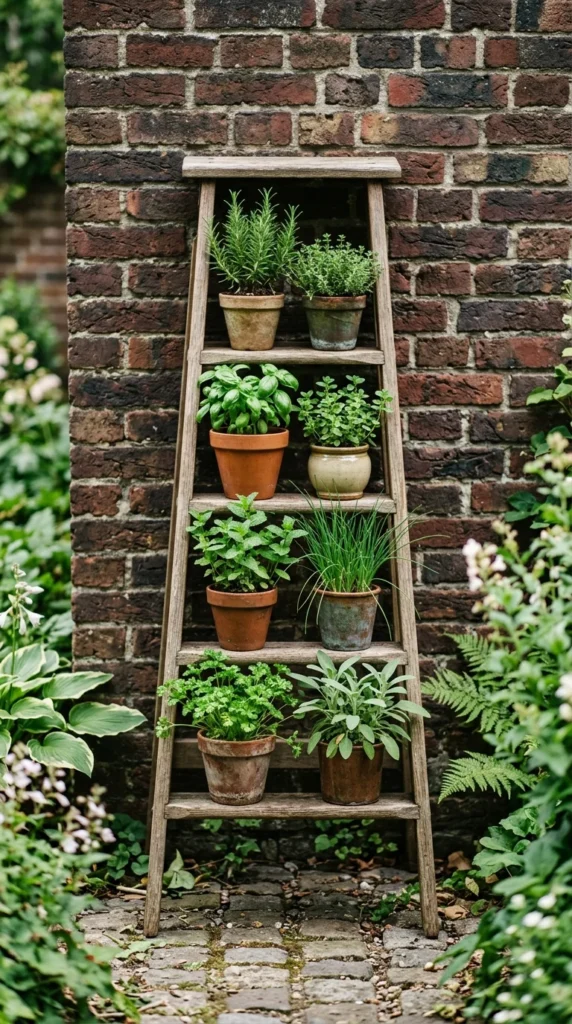
A ladder shelf offers a charming, rustic way to display an extensive herb collection. Because the shelves get narrower toward the top, it creates a visual hierarchy that adds depth to your room. You can use an old wooden ladder for a vintage feel or purchase a modern “leaning” shelf for a cleaner look.
Ladder shelves are particularly great for creating a “herb station” where you can also store your watering can, pruning shears, and extra bags of organic fertilizer. It turns a functional garden into a curated piece of furniture.
8. Mason Jars
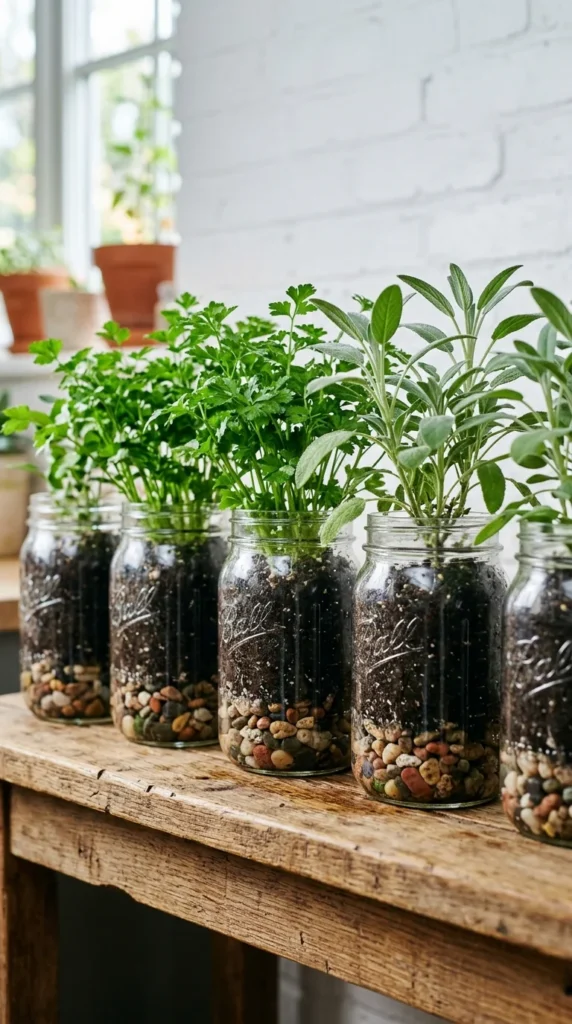
Mason jars are a budget-friendly and aesthetically pleasing way to start an indoor garden. Their clear glass allows you to see the soil levels and root growth, which can be both educational and visually interesting.
The key to a successful mason jar garden is drainage. Since these jars don’t have holes at the bottom, you must place a layer of pebbles or activated charcoal at the base before adding soil. This creates a reservoir for excess water, preventing root rot. Mason jar herbs look wonderful lined up on a shelf or grouped together on a tray.
9. Floating Shelves
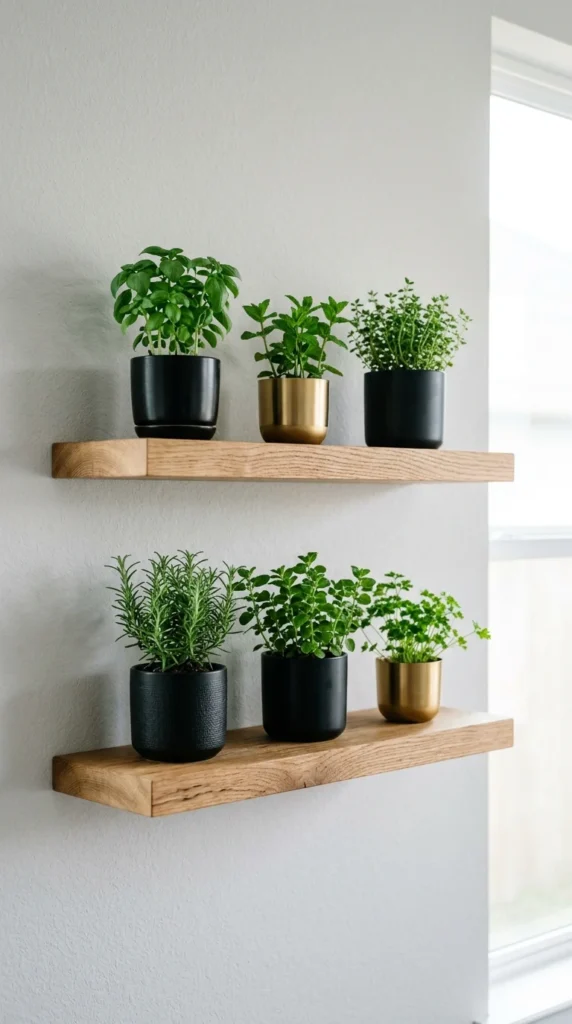
Floating shelves are the epitome of modern apartment design. By installing a few staggered shelves near a light source, you can create a “living wall” that doesn’t feel bulky or intrusive. This is a perfect solution for hallways or small kitchen nooks.
To make this look cohesive, choose pots that complement your wall color or opt for a “mix and match” style with different textures like terracotta, ceramic, and concrete. Floating shelves keep your herbs elevated and away from high-traffic surfaces, keeping your counters clear for meal prep.
10. Vertical Pocket
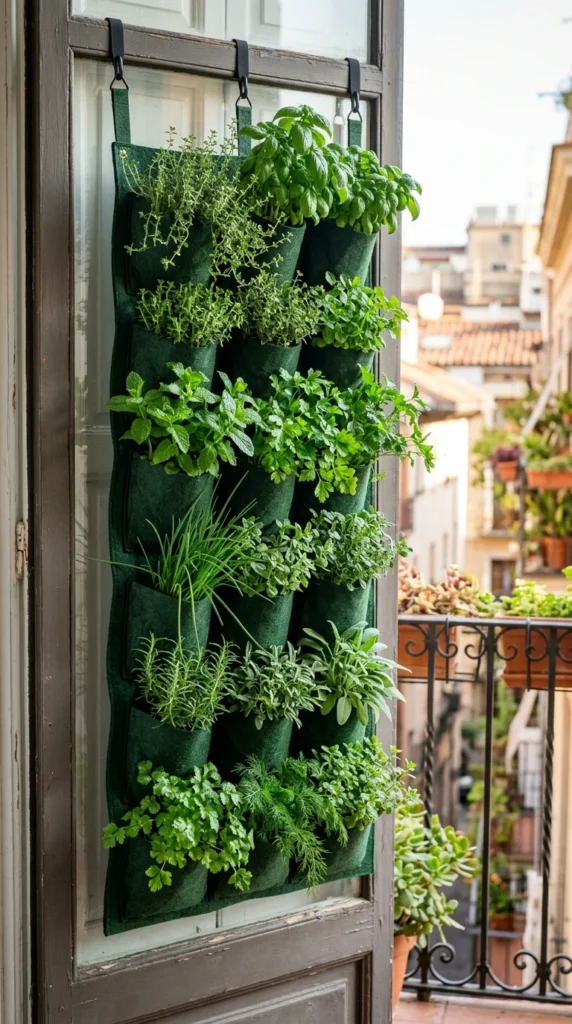
Vertical pocket planters, often made of felt or heavy-duty canvas, are designed specifically for urban gardening. These can be hung on the back of a door, a wall, or even a balcony railing. The fabric is breathable, which helps with aeration and prevents the soil from becoming waterlogged.
This is perhaps the best way to grow a lot of herbs in a very small footprint. You can dedicate an entire pocket to mint (which is invasive and likes its own space) while using others for basil, thyme, and oregano. It’s a literal wall of flavor that’s as practical as it is impressive.
11. Cart Garden
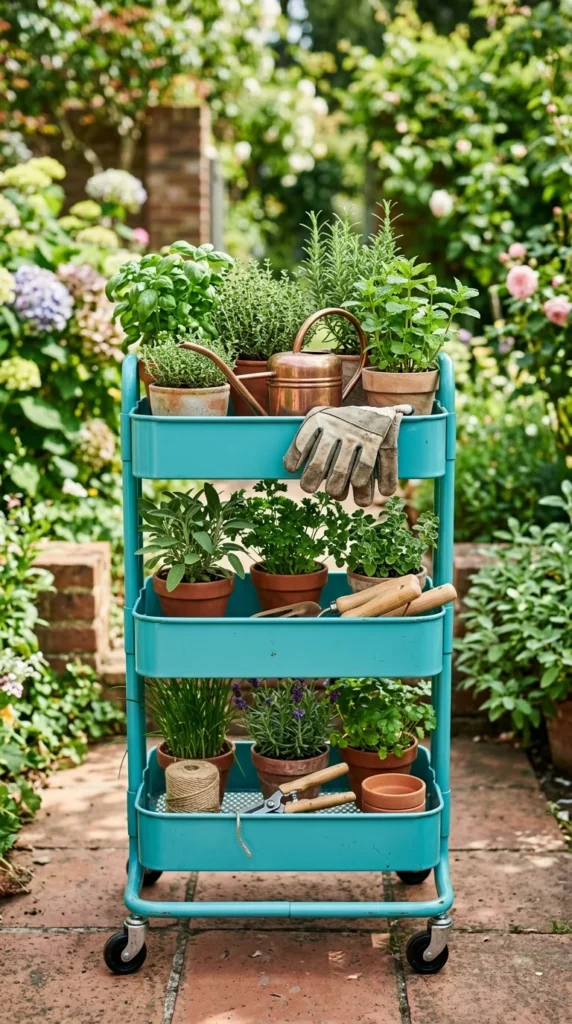
The rolling utility cart has become a favorite among apartment dwellers for its versatility. Using one as a mobile herb garden allows you to chase the sun. If your kitchen gets morning light but your living room gets the afternoon rays, you can simply wheel your garden to the best spot.
The multiple tiers provide ample space for herbs, potting supplies, and even a few decorative elements. This is an excellent choice for those who like to rearrange their space frequently or for those whose “best light” changes significantly with the seasons.
12. Upcycled Cans
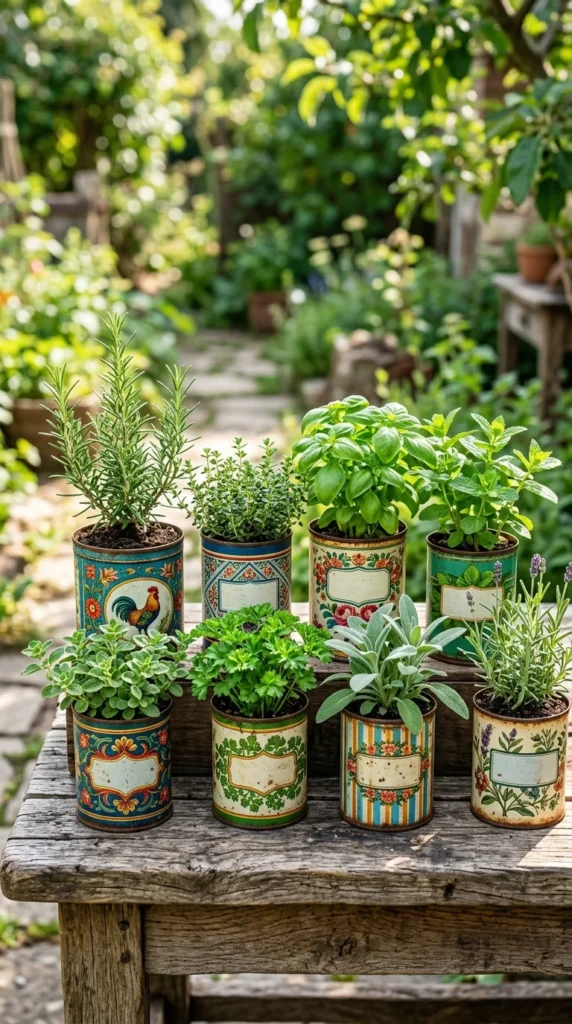
For a sustainable and quirky approach, look no further than your recycling bin. Large tea tins, vintage coffee cans, or even cleaned-out tomato sauce cans can be transformed into unique herb planters. This upcycling project adds a pop of color and personality to your home.
When using cans, be sure to drill a few drainage holes in the bottom and use a tray underneath to catch excess water. The metallic finish of the cans can provide a beautiful contrast to the soft green leaves of the herbs, creating a look that is both eco-friendly and stylish.
Tips for Apartment Herb Garden Success
Maintaining a thriving indoor garden in an apartment requires a bit of strategy. Keep these essential tips in mind:
- Light is Everything: Most herbs need 6-8 hours of sunlight. If your apartment is dark, invest in a full-spectrum LED grow light.
- Don’t Overwater: The most common cause of indoor plant death is overwatering. Always check the soil; if the top inch is dry, it’s time to water.
- Provide Drainage: Ensure every pot has a drainage hole or a thick layer of pebbles at the bottom to prevent water from sitting around the roots.
- Air Circulation: Apartments can sometimes have stagnant air. Occasionally opening a window or using a small fan can help prevent mold and pests.
- Harvest Often: Regularly trimming your herbs actually encourages them to grow fuller and bushier. Don’t be afraid to snip off what you need for dinner!