Stepping into the world of flower gardening is like opening a door to a living art gallery where you are the curator. For a beginner, the sheer variety of colors, scents, and species can be overwhelming, but the reward of seeing your first bud unfurl is incomparable. Gardening is not just about the end result; it is a therapeutic journey that connects you with the rhythm of nature. To help you transition from a novice with a trowel to a confident gardener with a green thumb, we have compiled the ultimate guide to starting your floral sanctuary.
1. Sunlight
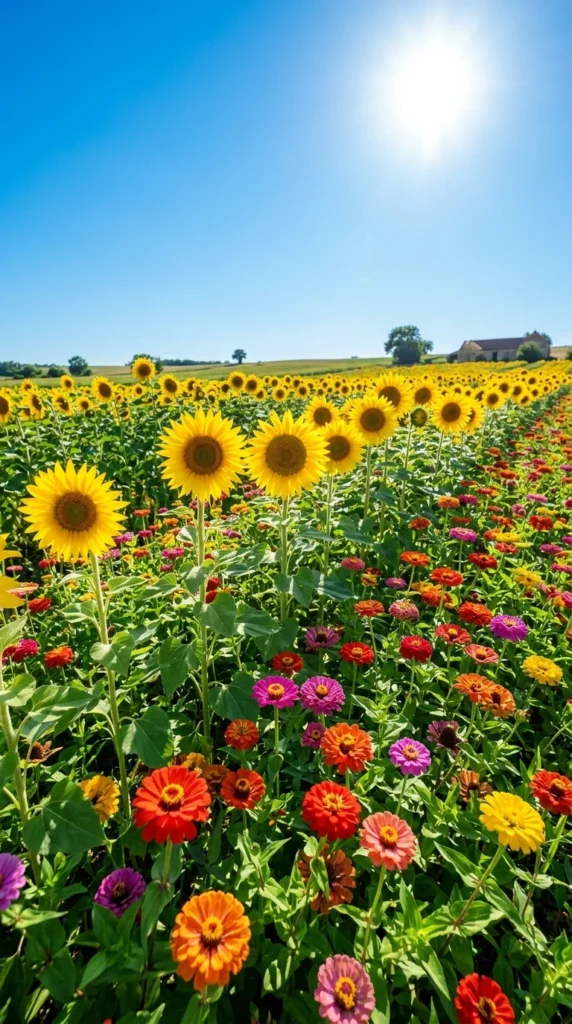
Before you even buy a single seed, you must observe how the sun moves across your yard. Sunlight is the primary fuel for flowers, but not all plants want the same amount. Most flowering plants are categorized into three groups: “Full Sun” (at least 6 hours of direct sunlight), “Partial Shade” (3 to 6 hours), and “Shade” (less than 3 hours). Spend a weekend tracking the shadows cast by your house, trees, and fences. Placing a sun-loving peony in a dark corner will result in leggy stems and zero blooms, while a shade-loving hosta will scorch under the midday sun.
2. Soil Quality
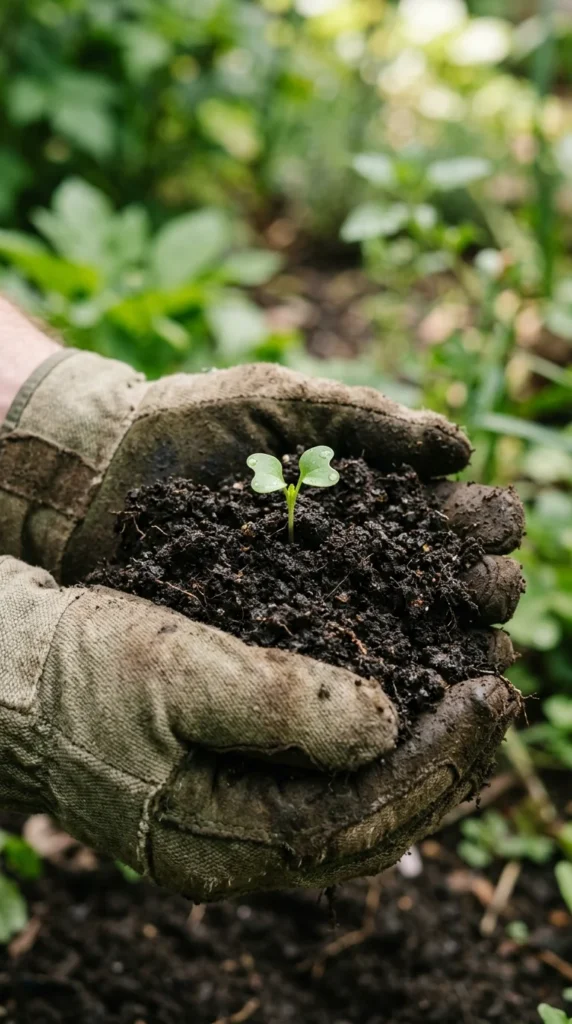
The secret to a spectacular garden isn’t in the plants themselves, but in the ground they inhabit. Healthy soil provides the foundation for strong roots. Beginners should aim for “loamy” soil—a balanced mix of sand, silt, and clay that drains well but retains enough moisture. You can improve almost any soil by adding organic matter like compost or aged manure. This adds essential nutrients and improves the soil structure, allowing roots to breathe and expand easily.
3. Hardiness Zones
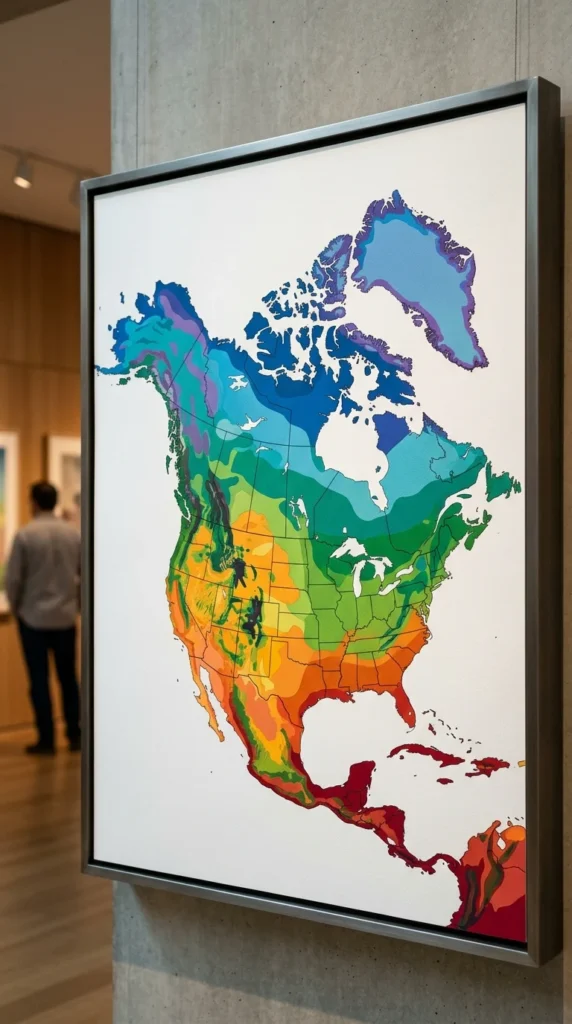
Not every flower can grow everywhere. Understanding your geographical “Hardiness Zone” is crucial for success. These zones are based on the average annual minimum winter temperature. If you live in a cold northern climate, trying to grow tropical hibiscus in the ground will lead to heartbreak when the first frost hits. Always check the plant tag or seed packet to ensure the variety is rated for your specific zone. This ensures that your perennials—plants that come back year after year—can actually survive the winter in your backyard.
4. Native Species
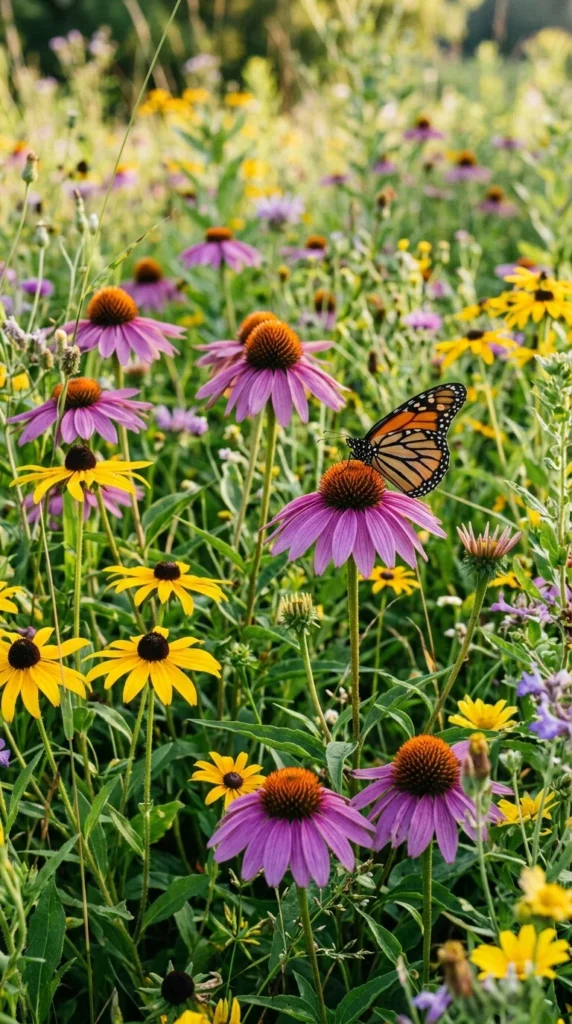
One of the easiest ways to ensure a successful garden is to plant what naturally grows in your region. Native plants have evolved over thousands of years to thrive in your specific soil and climate conditions. They are generally more resistant to local pests and diseases and require less water than exotic imports. Furthermore, native flowers provide the best food sources for local pollinators like bees, butterflies, and hummingbirds, turning your garden into a vital ecological stepping stone.
5. Watering Habits
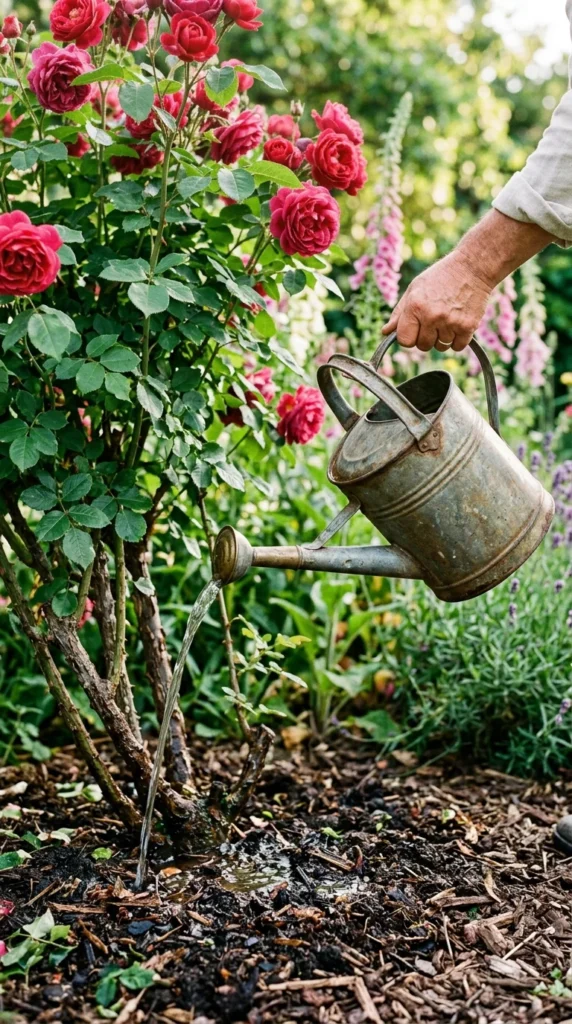
Watering seems simple, but it is where many beginners fail. The golden rule is to water deeply and less frequently, rather than giving the plants a shallow sprinkle every day. Deep watering encourages roots to grow further down into the soil, making the plant more drought-resistant. Always try to water at the base of the plant rather than over the foliage. Wet leaves can invite fungal diseases and mildew, especially if watered in the evening when the moisture doesn’t have time to evaporate.
6. Mulch Application
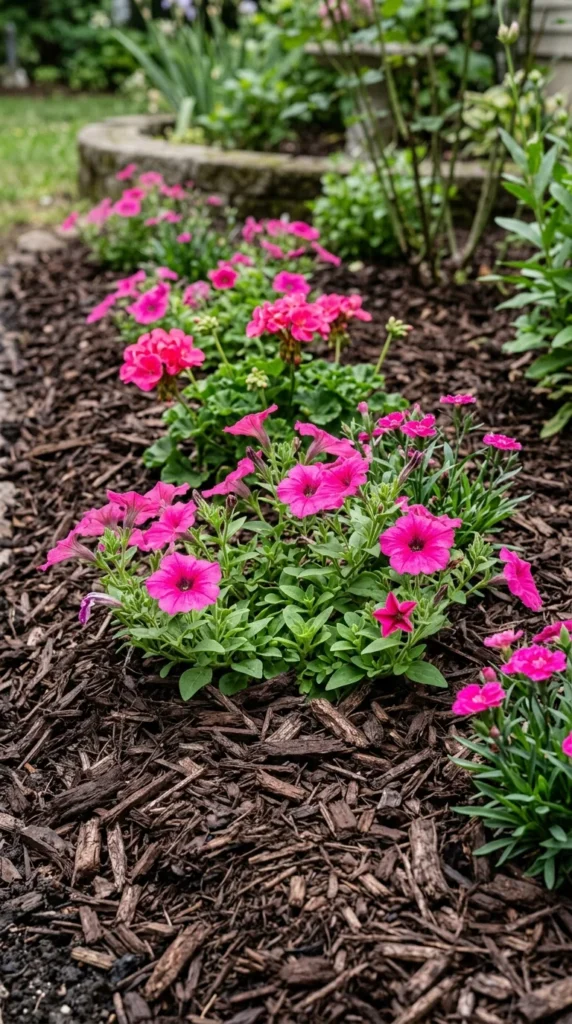
Mulch is a gardener’s best friend. By applying a 2-to-3-inch layer of organic mulch—such as shredded bark, straw, or pine needles—around your flowers, you create a protective barrier. Mulch helps the soil retain moisture, suppresses weed growth by blocking sunlight from weed seeds, and regulates soil temperature. As organic mulch breaks down over time, it also contributes valuable nutrients back into the earth, slowly fertilizing your plants from the top down.
7. Plant Spacing
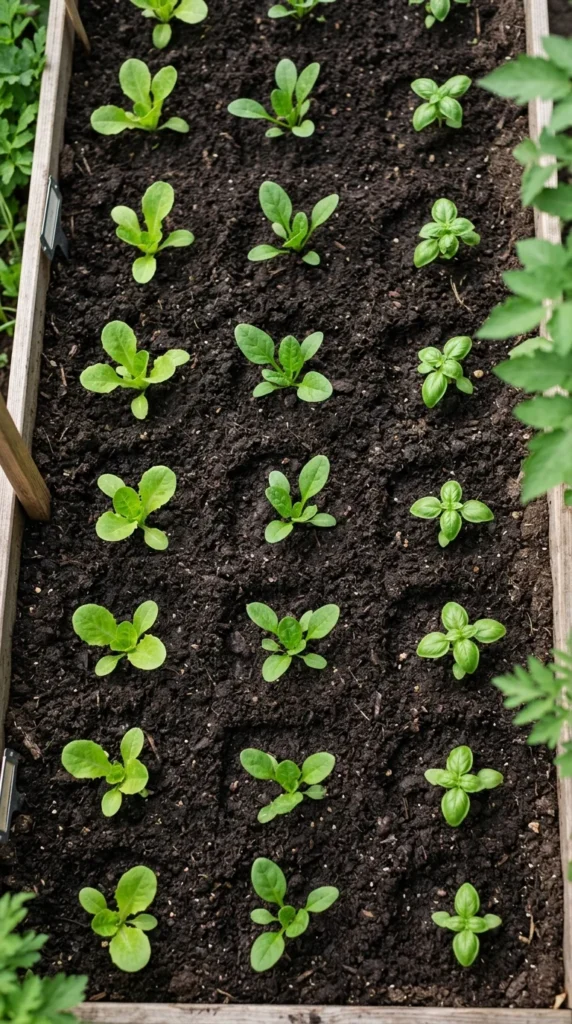
It is tempting to pack your new plants close together to get an instantly “full” look, but this is a mistake. Each plant needs its own “personal space” to ensure adequate air circulation and access to nutrients. Crowded plants compete for water and light, and the lack of airflow creates a humid environment where pests and diseases thrive. Always read the maturity height and width on the plant tag and space your seedlings according to how large they will be in three months, not how they look today.
8. Annuals vs. Perennials
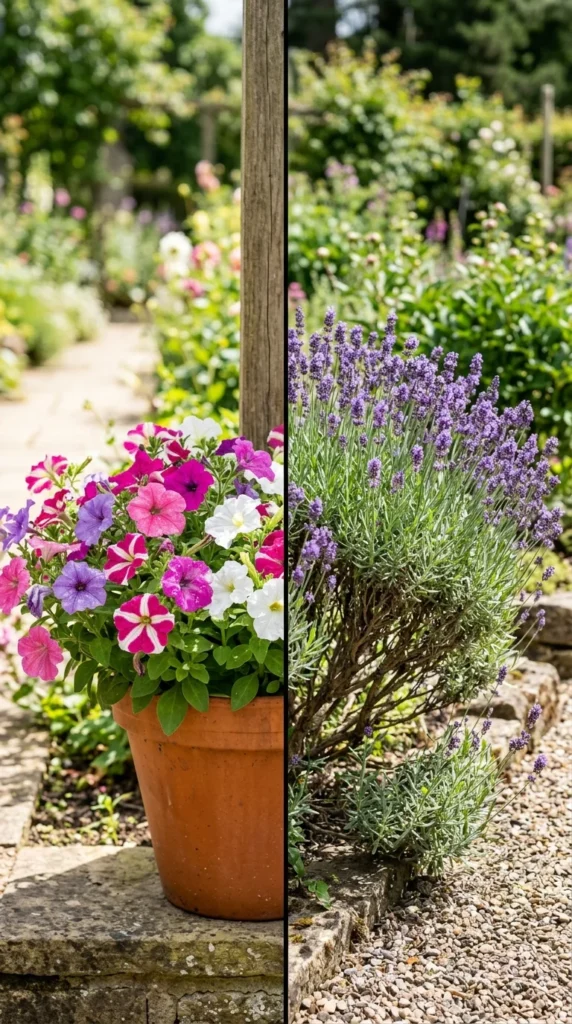
Understanding the lifecycle of your flowers is key to garden planning. Annuals are plants that bloom vigorously for one season and then die off (think Marigolds or Zinnias). They provide instant, long-lasting color but need to be replanted every year. Perennials (like Daylilies or Peonies) live for many years. While they usually have a shorter blooming window than annuals, they are a great long-term investment. A balanced garden usually features a mix: perennials for the structural backbone and annuals for continuous pops of color throughout the summer.
9. Deadheading Technique
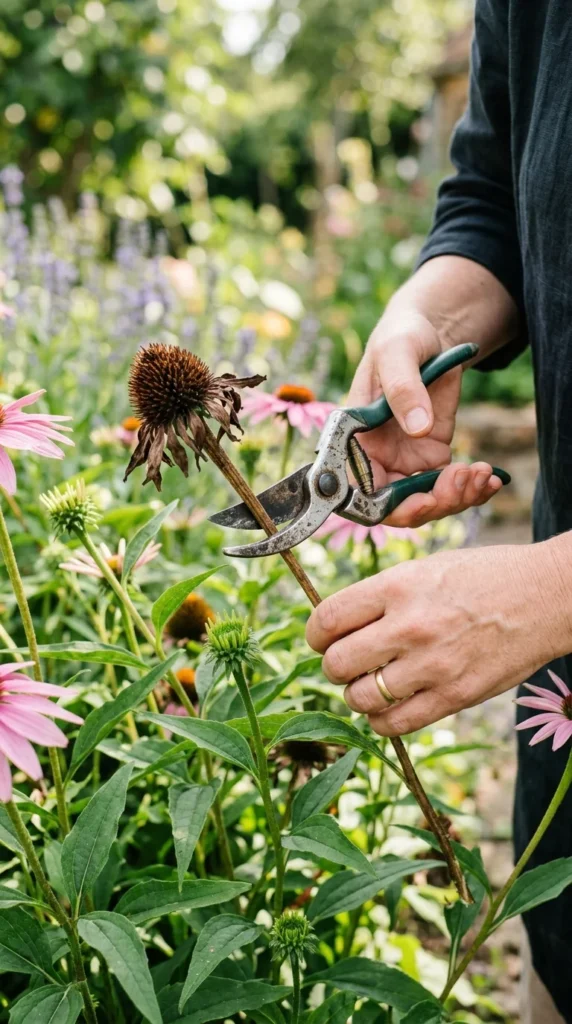
“Deadheading” is the process of removing faded or spent blooms from a plant. When a flower dies, the plant begins to put its energy into producing seeds. By cutting off the old flowers, you “trick” the plant into thinking it hasn’t finished its job yet, prompting it to produce more blooms. For many flowers, regular deadheading can extend the blooming season by weeks or even months. It also keeps the garden looking neat and prevents the plants from becoming “leggy” or unkempt.
10. Nutrient Feeding
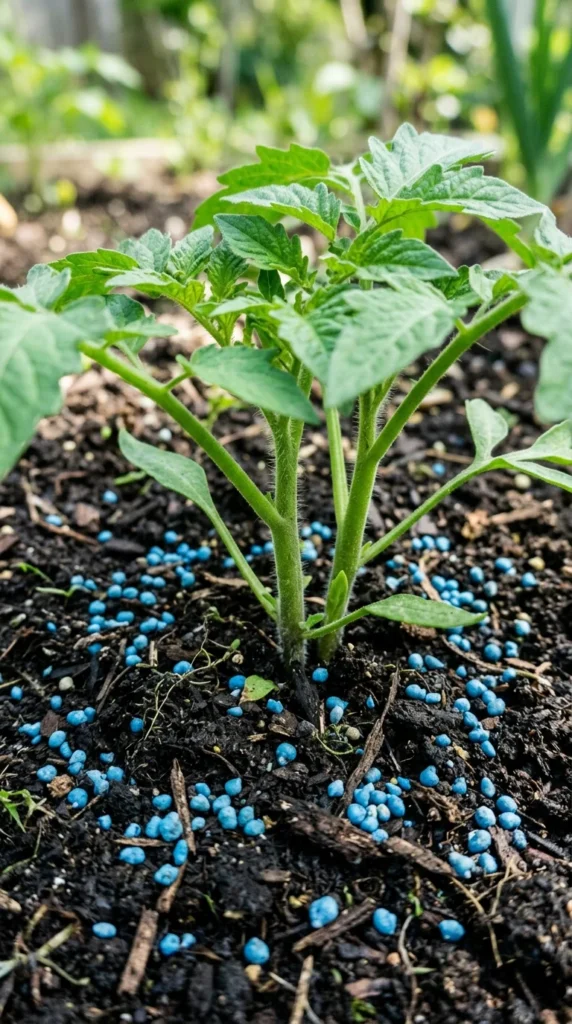
While good soil is the base, flowers are heavy feeders and often need an extra boost. Most fertilizers contain three main nutrients: Nitrogen (for foliage), Phosphorus (for blooms and roots), and Potassium (for overall plant health). For beginners, a slow-release granular fertilizer is often the easiest choice, as it provides a steady stream of nutrients over several months. Be careful not to over-fertilize, as too much nitrogen can lead to lush green leaves but absolutely no flowers.
11. Proper Tools
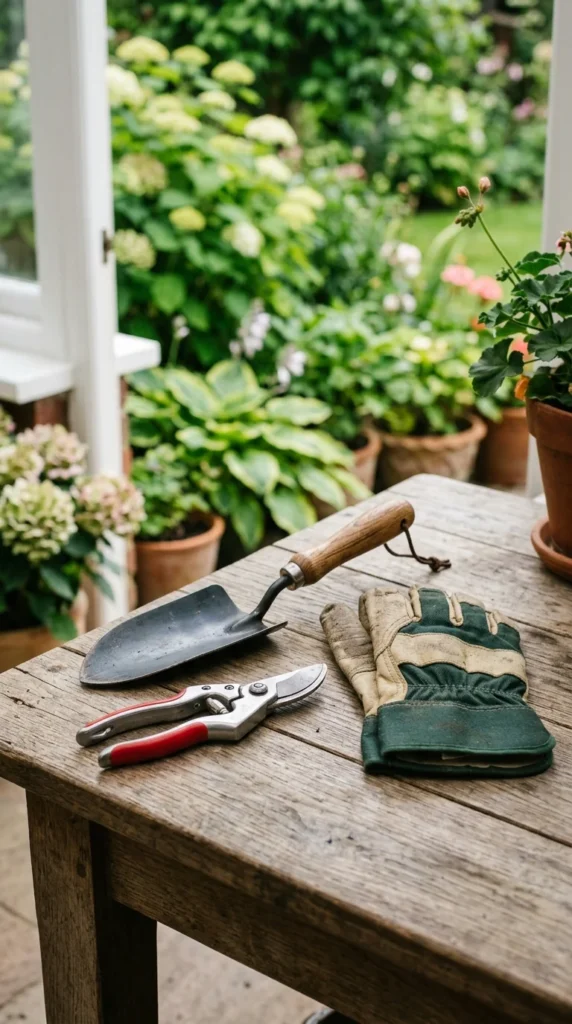
You don’t need a shed full of expensive machinery to start a flower garden. A few high-quality hand tools will suffice. Invest in a sturdy hand trowel for digging holes, a pair of sharp bypass pruners for deadheading and trimming, and a comfortable pair of gardening gloves to protect your hands from thorns and blisters. Keeping your tools clean and sharp will make gardening tasks easier and prevent the spread of diseases between plants.
12. Pest Management
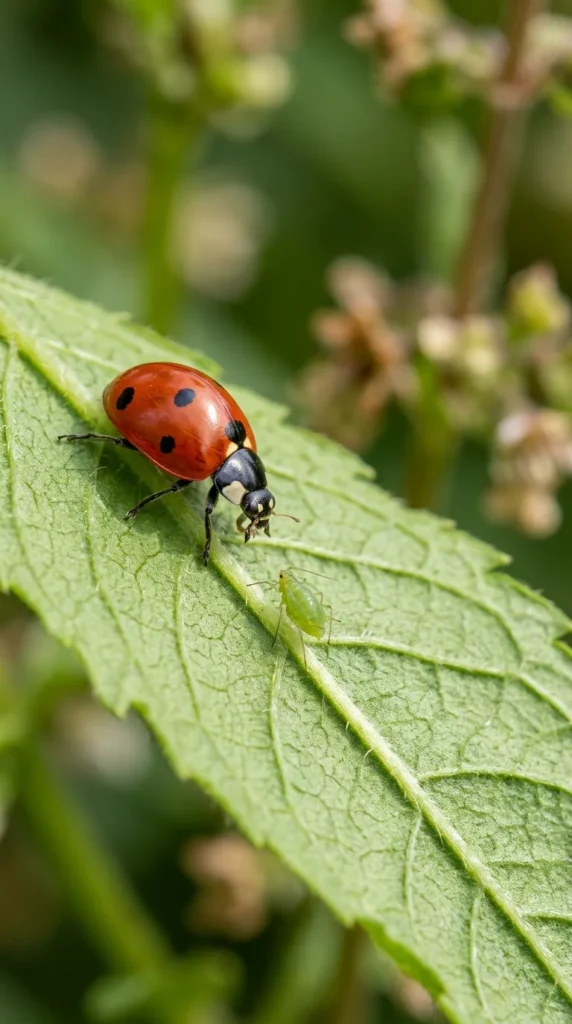
Pests are an inevitable part of gardening, but they don’t have to be a disaster. The first step is regular inspection; look under leaves and at the tips of new growth for signs of trouble. Many minor infestations can be handled by a sharp blast of water from a hose or by applying organic neem oil. Encouraging beneficial insects, like ladybugs and lacewings, can provide a natural defense system. Avoid using broad-spectrum chemical pesticides, as these often kill the “good bugs” along with the “bad bugs.”
13. Potting Mix
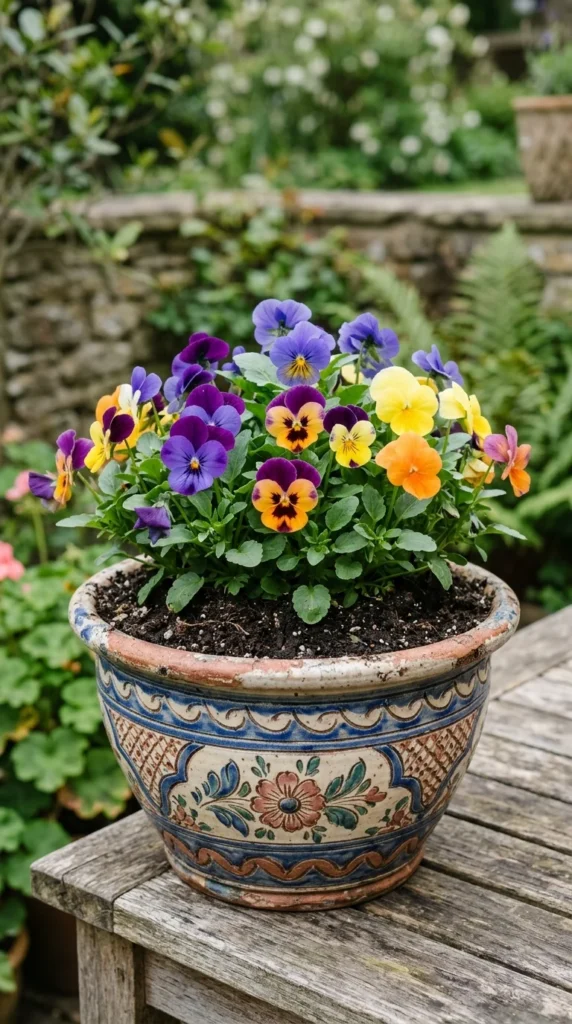
If you are starting your flower garden in containers or pots, never use “garden soil” from the ground. Ground soil is too heavy for pots and can become compacted, suffocating the roots. Instead, use a high-quality “potting mix.” Potting mixes are actually soil-less blends of peat moss, perlite, and vermiculite designed to provide perfect drainage and aeration for container-grown plants. Additionally, ensure your pots have drainage holes at the bottom to prevent “wet feet,” which leads to root rot.
14. Support Stakes
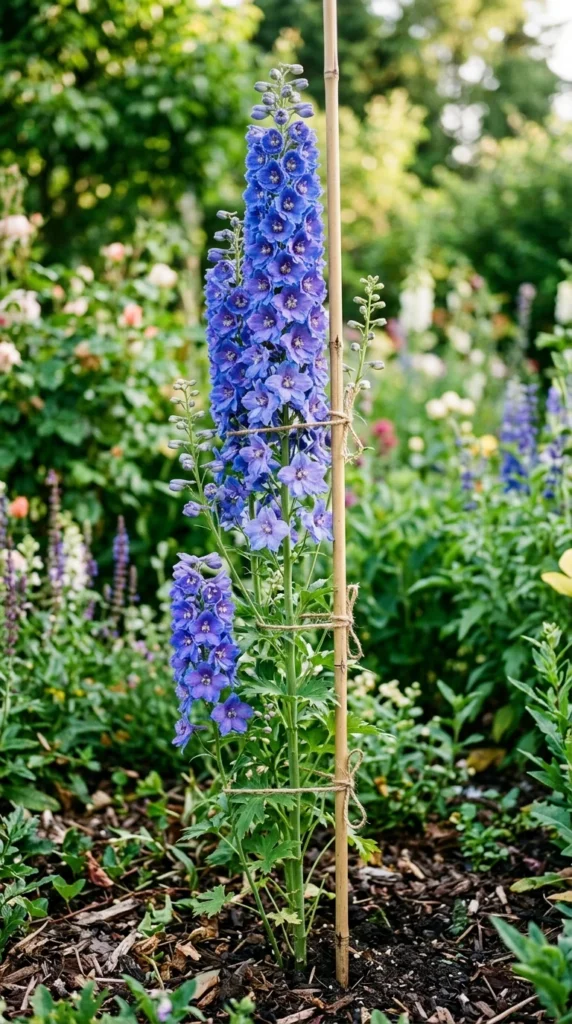
Some flowers grow tall and heavy-headed, making them prone to flopping over during a heavy rain or a gust of wind. Varieties like dahlias, hollyhocks, and tall lilies often require external support. It is best to place your stakes or cages into the ground when the plants are still small. This allows the plant to grow into the support naturally and prevents you from damaging the root system by driving a stake into a fully grown plant later in the season.
15. Garden Journal
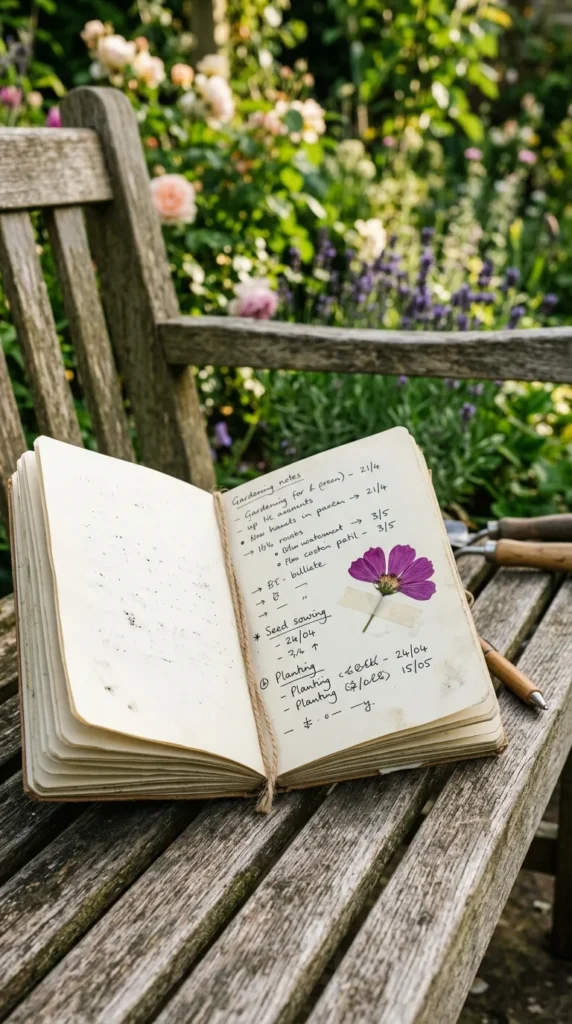
Perhaps the most underrated tool for a beginner is a garden journal. Gardening is a series of experiments. Document what you planted, where you planted it, and when it bloomed. Take note of which plants thrived and which ones struggled. Over time, this personal record becomes an invaluable resource tailored specifically to your yard’s unique microclimate. It helps you remember which colors looked best together and prevents you from repeating the same mistakes next spring, ensuring your garden only gets better with each passing year.