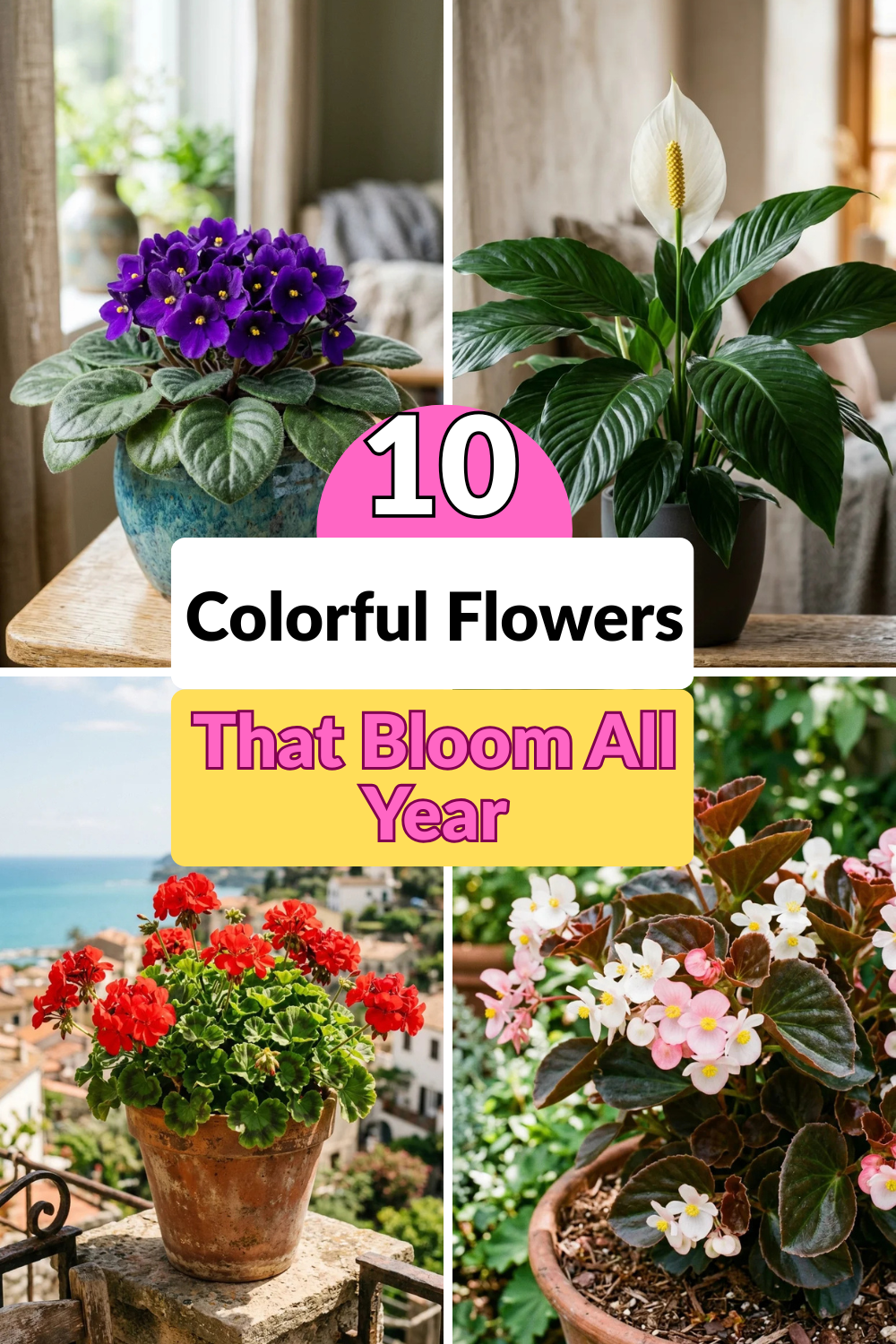
For many gardeners, the arrival of winter signifies a somber transition where the vibrant colors of the landscape fade into muted grays and browns. However, the dream of a garden that never stops blooming is not only possible—it is entirely achievable with the right selection of flora. Whether you live in a tropical paradise or are looking for resilient indoor companions, certain plants possess the unique biological stamina to produce blossoms throughout the four seasons.
In this guide, we explore ten extraordinary flowers that defy the traditional blooming seasons, providing your home or garden with an endless parade of color, fragrance, and life.
1. Geraniums
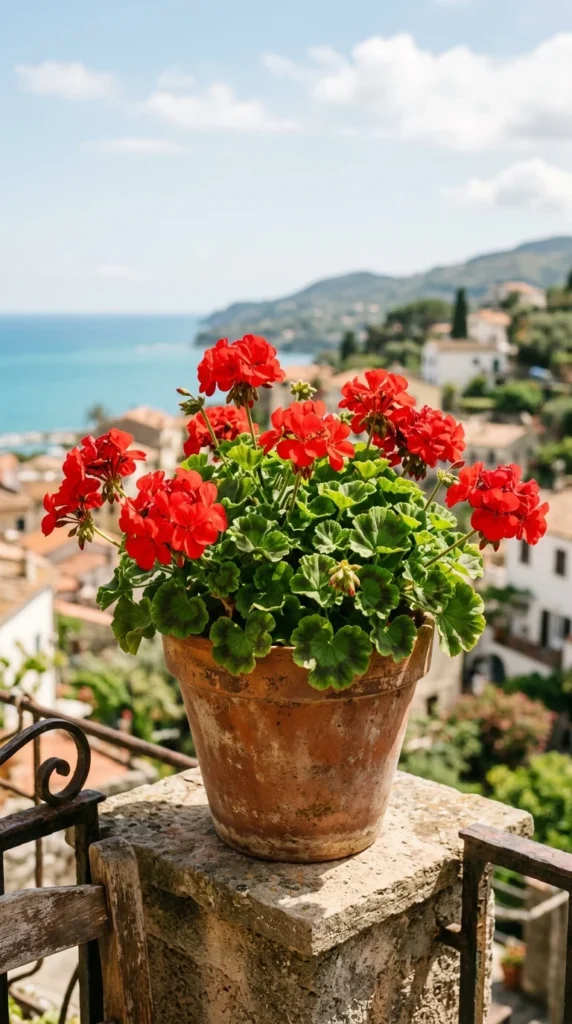
Geraniums are the workhorses of the floral world. Known for their sturdy stems and clusters of bright, cheery blossoms, these plants are favorites for window boxes and garden borders alike. While they are often treated as annuals in colder climates, in temperate zones or when kept indoors near a sunny window, they can bloom continuously.
- Color Palette: Shades of scarlet, salmon, rose, white, and deep violet.
- Care Tip: To keep them blooming, “deadhead” the spent flowers by snapping off the stem at the base. This encourages the plant to divert its energy into new buds rather than seed production.
- Light Needs: They thrive in full sun but appreciate some afternoon shade in extremely hot climates.
2. Begonias
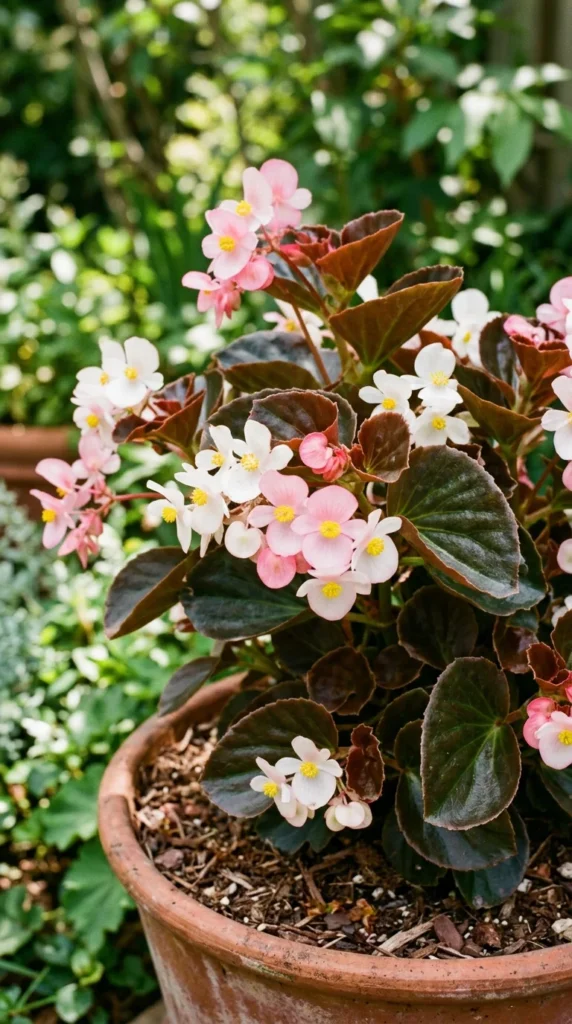
Begonias are prized for their versatility and their ability to produce an abundance of small, waxy flowers regardless of the month. The Wax Begonia variety, in particular, is a champion of year-round color. Because they are highly adaptable to both sun and shade, they are the perfect “fill-in” plant for gaps in your landscape.
- Foliage Appeal: Beyond the flowers, many begonias have stunning variegated or bronze-tinted leaves that add texture to the garden.
- Watering: They prefer moist but well-drained soil. Overwatering can lead to root rot, so let the top inch of soil dry out between drinks.
- Indoor Transition: If a freeze is coming, these plants transition beautifully to indoor pots, where they will continue to brighten your living space.
3. Pentas
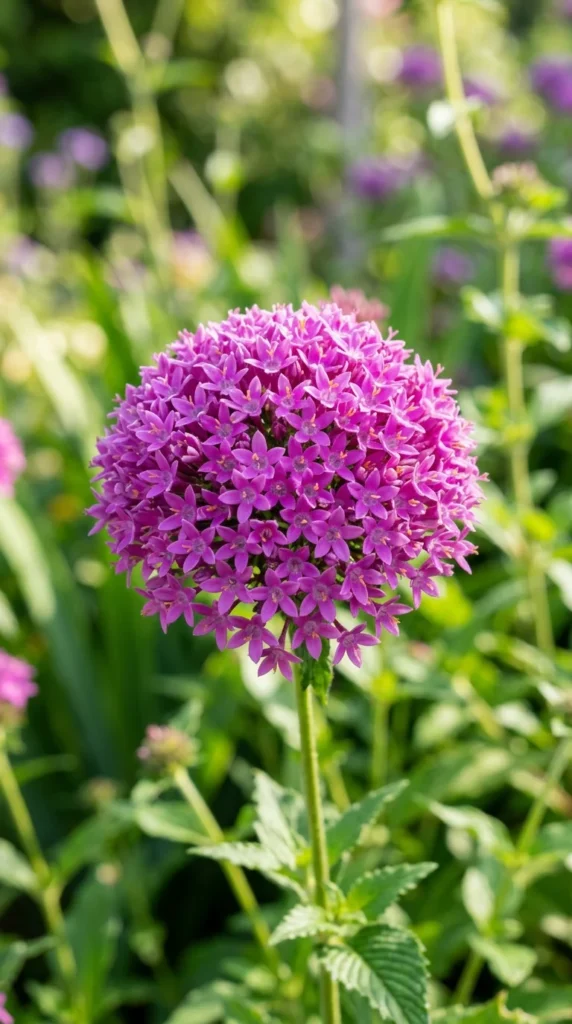
Also known as the “Egyptian Starcluster,” Pentas are a magnet for butterflies and hummingbirds. These plants produce five-petaled, star-shaped flowers in tight, rounded clusters. They are remarkably resilient and can withstand the heat of midsummer while maintaining their bloom cycle through the milder winter months.
- Growth Habit: They can grow into medium-sized shrubs in frost-free zones, providing a permanent structure to your garden beds.
- Growth Requirements: Pentas need plenty of light and regular feeding with a phosphorus-rich fertilizer to keep the flower production high.
- Wildlife Benefit: If you want a “living garden,” Pentas are essential for supporting local pollinators year-round.
4. Bougainvillea
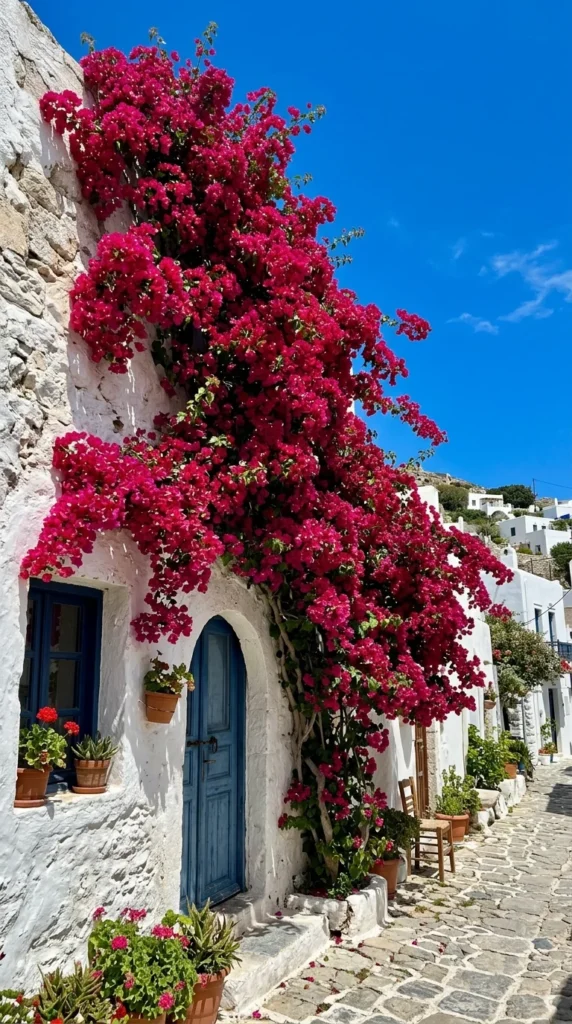
Nothing says tropical elegance quite like the Bougainvillea. While the actual flowers are tiny white tubes, they are surrounded by magnificent, papery “bracts” that provide an explosion of color. In warm climates (Zones 9-11), these woody vines can bloom almost non-stop, creating blankets of color that can cover fences, walls, and trellises.
- Drought Tolerance: Interestingly, Bougainvillea often blooms better when it is slightly stressed for water. Over-watering leads to lots of green leaves but fewer colorful bracts.
- Sun Seekers: These plants require at least 6 hours of direct sunlight per day to maintain their vivid hues.
- Pruning: Regular pruning helps maintain their shape and stimulates new growth, which is where the flowers appear.
5. Lantana
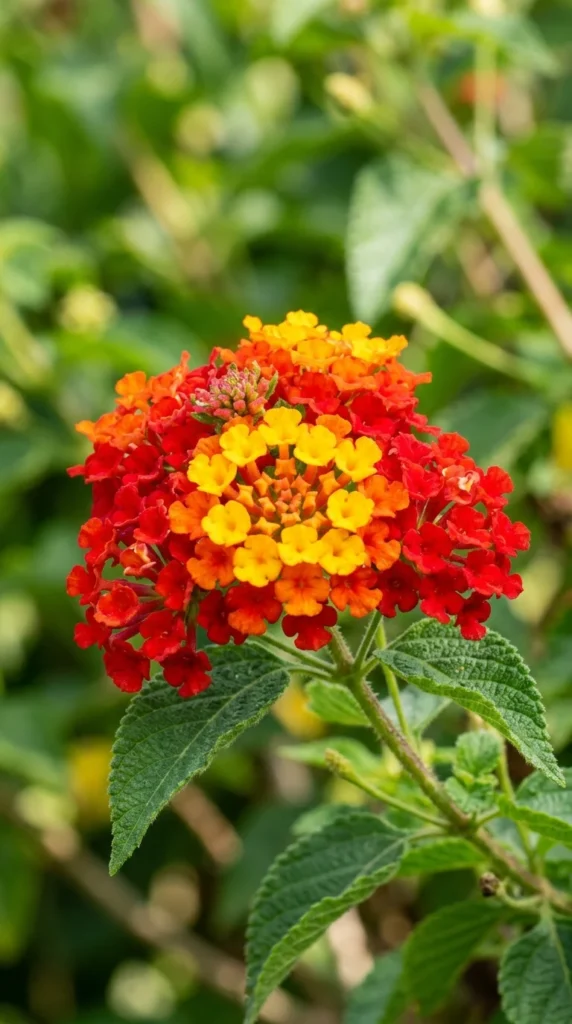
Lantana is often described as “nature’s confetti” because a single flower head often contains multiple colors. These hardy plants are incredibly salt-tolerant and drought-resistant, making them ideal for coastal gardens. In frost-free areas, Lantana acts as an evergreen shrub that puts out blossoms every single month.
- Aromatic Foliage: The leaves have a distinct, citrusy-spiced scent when crushed.
- Low Maintenance: Once established, Lantana requires very little intervention. It thrives in poor soil where other flowers might struggle.
- Versatility: You can find upright varieties for hedges or trailing varieties that look spectacular spilling over the edges of hanging baskets.
6. Hibiscus
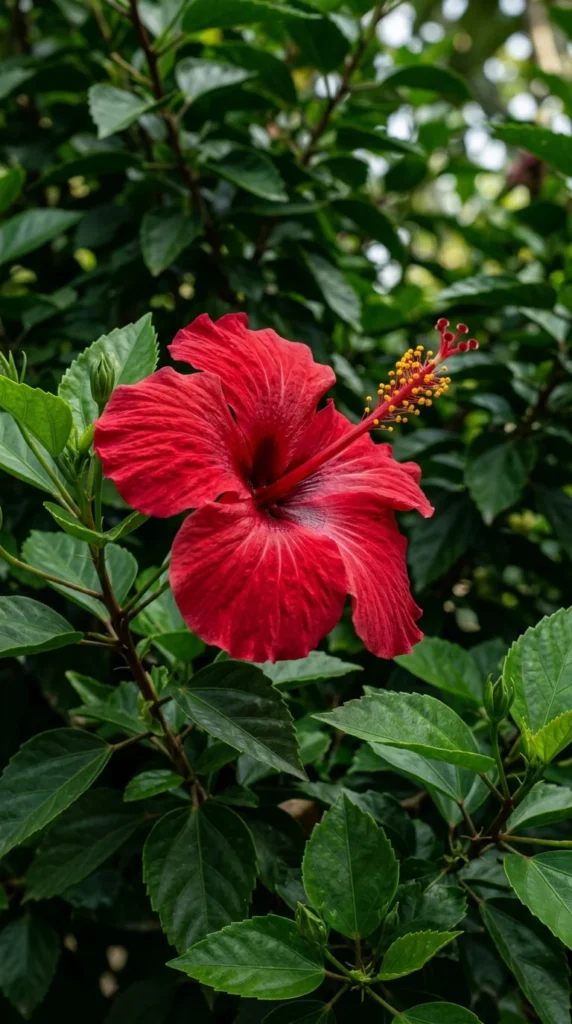
The Tropical Hibiscus is the ultimate symbol of the exotic. With their massive, trumpet-shaped blooms, they command attention in any setting. While individual flowers typically only last for a day or two, a healthy plant produces buds so rapidly that there is rarely a day without a fresh bloom.
- Feeding: Hibiscus are “heavy feeders.” Use a fertilizer high in potassium to ensure the blooms remain large and frequent.
- Pot Culture: In cooler climates, Hibiscus are the perfect patio plant; simply move the pot indoors when the temperature drops, and the plant will continue to bloom in the warmth of your home.
- Humidity: They love humidity, so if growing them indoors, a light misting or a gravel tray with water can keep them happy.
7. African Violets
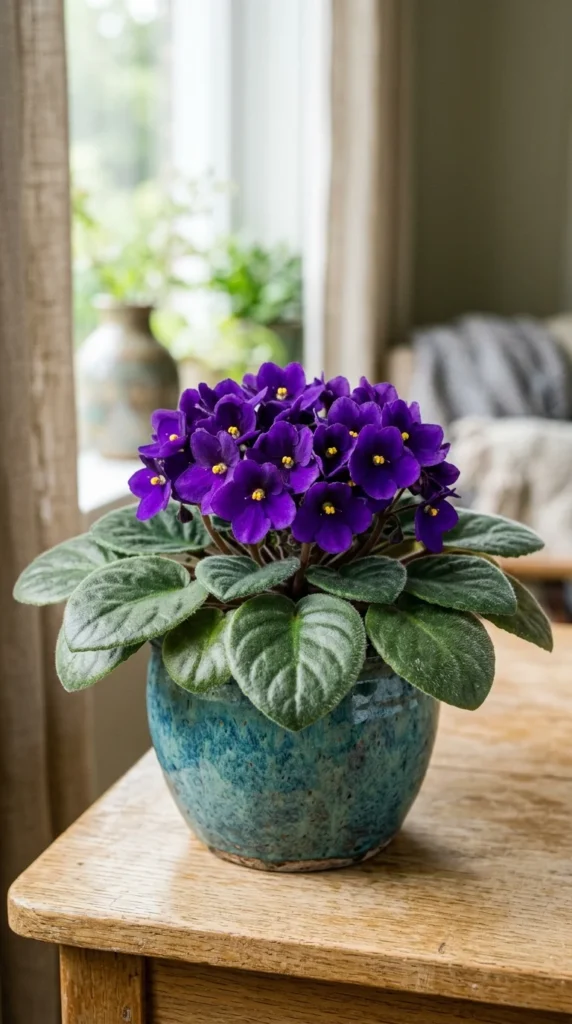
If you are looking for a flower that blooms year-round inside your home, look no further than the African Violet. These compact plants are famous for their ability to produce flowers almost 365 days a year if kept in the right conditions. They are perfect for small apartments or office desks.
- Lighting: They prefer bright, indirect light. An east-facing window is usually the “sweet spot.”
- Watering Technique: Always water African Violets from the bottom or avoid getting water on the leaves, as cold water can cause unsightly spots on their fuzzy foliage.
- Temperature: They enjoy the same temperatures humans do—generally between 65°F and 75°F.
8. Ixora
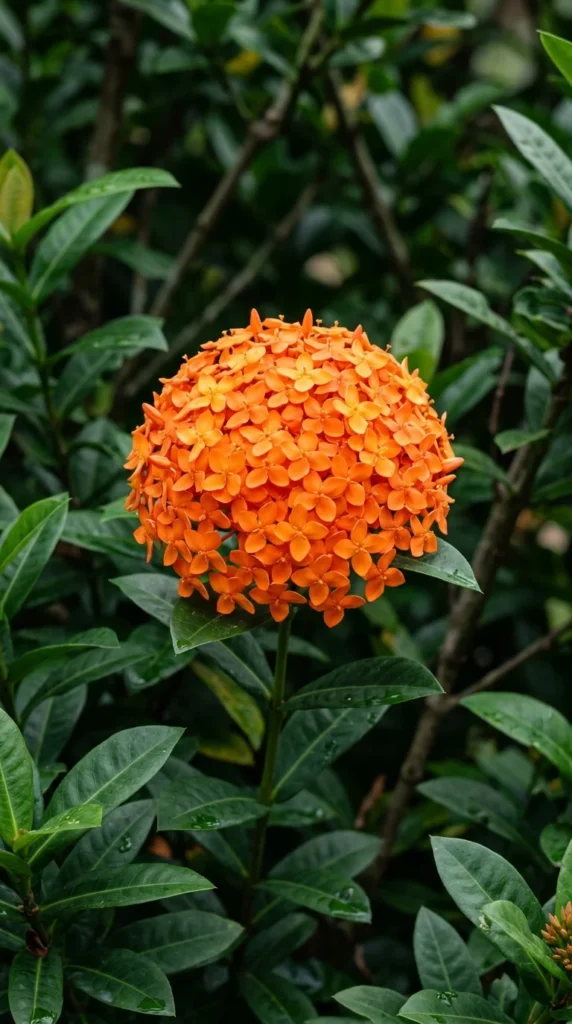
Frequently used as a flowering hedge in tropical landscapes, Ixora is often called the “Flame of the Woods.” This evergreen shrub produces large, pom-pom-like clusters of flowers. It is a favorite in Florida and other warm regions because it maintains its lush appearance and floral display throughout the winter months.
- Acidic Soil: Ixora thrives in acidic soil. If the leaves start to turn yellow, it is often a sign that the soil pH is too high.
- Compact Growth: They respond well to shearing, allowing you to keep them as a tidy, colorful box hedge or a rounded specimen plant.
- Sun and Shade: While they bloom best in full sun, they are one of the few tropical shrubs that will still produce a decent amount of flowers in partial shade.
9. Peace Lily
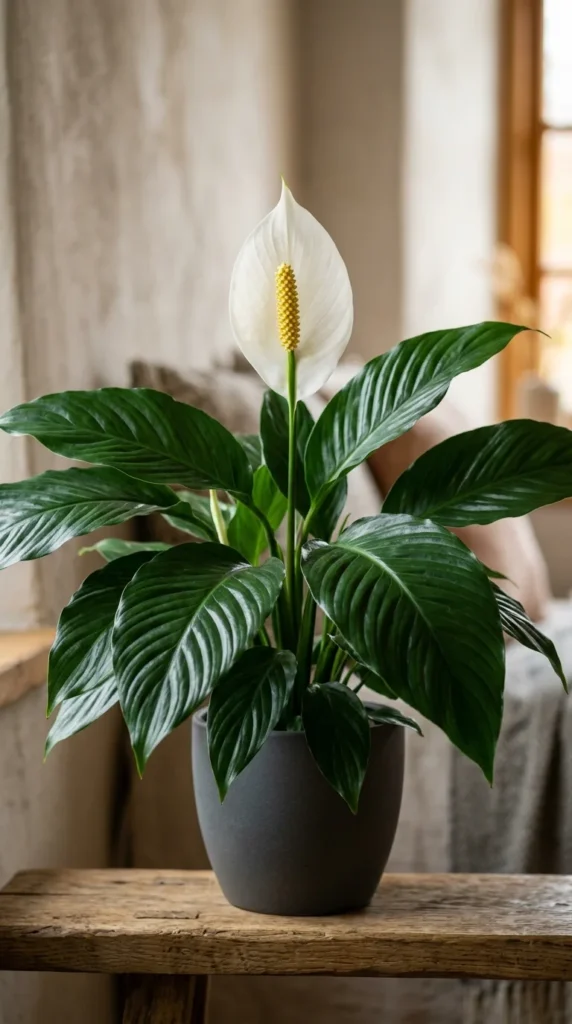
The Peace Lily is a master of understated beauty and air purification. While many people think of it as a foliage plant, a well-cared-out Peace Lily will produce its signature white hooded flowers (spathes) throughout the year. It is one of the most resilient indoor plants, making it perfect for those who may not have a “green thumb.”
- Light Resilience: It can bloom even in low-light conditions, though more frequent light will encourage more frequent flowers.
- The “Wilting” Signal: The Peace Lily is famous for “fainting” or wilting dramatically when it needs water, then bouncing back perfectly within hours of being hydrated.
- Air Quality: Studies have shown that Peace Lilies can help filter indoor toxins, making them as functional as they are beautiful.
10. Petunias
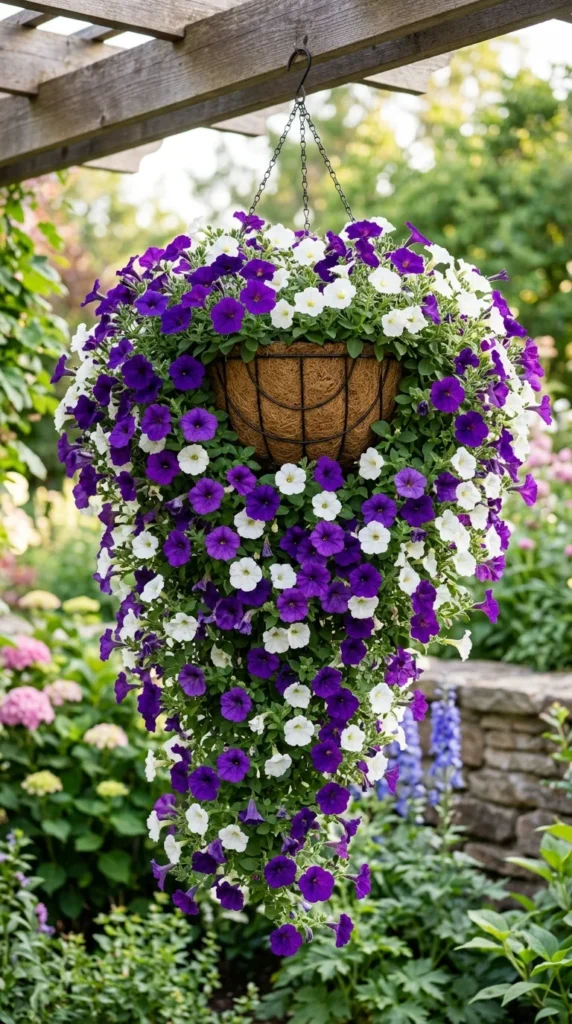
While traditionally thought of as summer annuals, newer hybrid varieties like “Wave” petunias have been bred for extreme vigor and long-lasting color. In mild climates (like the Southern United States or Mediterranean regions), petunias can survive and bloom through the winter. Even in colder areas, when kept in a sunny sunroom, they can persist far longer than other garden favorites.
- Heat and Cold: Modern hybrids are much more tolerant of temperature fluctuations than older varieties.
- Fragrance: Many petunia varieties emit a sweet, spicy fragrance that becomes more intense in the evening.
- Constant Refresh: To keep petunias blooming year-round, give them a “haircut” (trimming back the long stems) every few months. This prevents the plant from becoming “leggy” and forces a fresh flush of flowers.
Tips for Year-Round Floral Success
Achieving a 365-day bloom cycle requires more than just picking the right plants; it requires consistent care. Here are the golden rules for a garden that never quits:
- Consistent Fertilization: Flowering takes a massive amount of energy. Use a balanced, water-soluble fertilizer every two to four weeks to ensure the plants have the nutrients required to build new buds.
- Strategic Lighting: During the shorter days of winter, plants may struggle to get enough light. If growing indoors, consider a full-spectrum LED grow light to supplement the natural sun.
- Temperature Management: Most “year-round” bloomers are tropical or sub-tropical. Protect them from drafts and sudden temperature drops, which can cause them to drop their buds in a stress response.
- Deadheading: This is the most important task for any flower lover. By removing dead flowers, you prevent the plant from “thinking” its job is done. It will continue to produce flowers in an effort to finally produce seeds.
With these ten varieties and a little bit of attentive care, you can transform your environment into a permanent sanctuary of color, ensuring that no matter what the calendar says, it’s always spring in your garden.