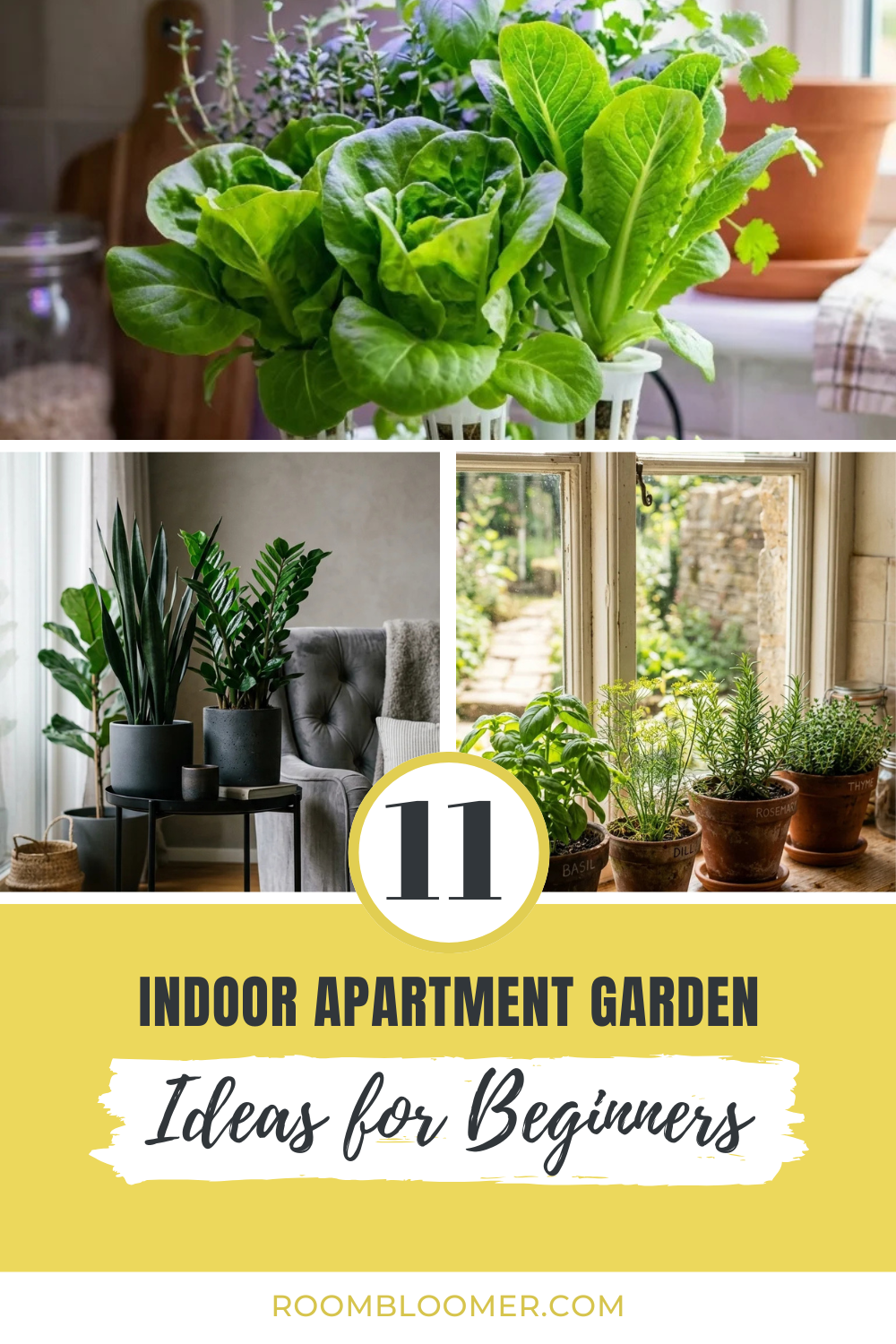
Living in an urban environment often means sacrificing a backyard, but it doesn’t have to mean sacrificing your green thumb. Apartment gardening has evolved from a niche hobby into a lifestyle movement, allowing city dwellers to cultivate everything from fresh garnishes to exotic tropical foliage within a few hundred square feet. The beauty of indoor gardening lies in its accessibility; you don’t need a massive plot of land or professional equipment to get started. All you need is a little light, some water, and the right approach for your specific space.
For beginners, the key is starting small and choosing projects that align with your lifestyle. Whether you have a balcony that catches the afternoon sun or a studio apartment with only north-facing windows, there is a botanical solution for you. Here are 11 creative and manageable indoor apartment garden ideas to transform your home into a thriving sanctuary.
1. Windowsill Herbs
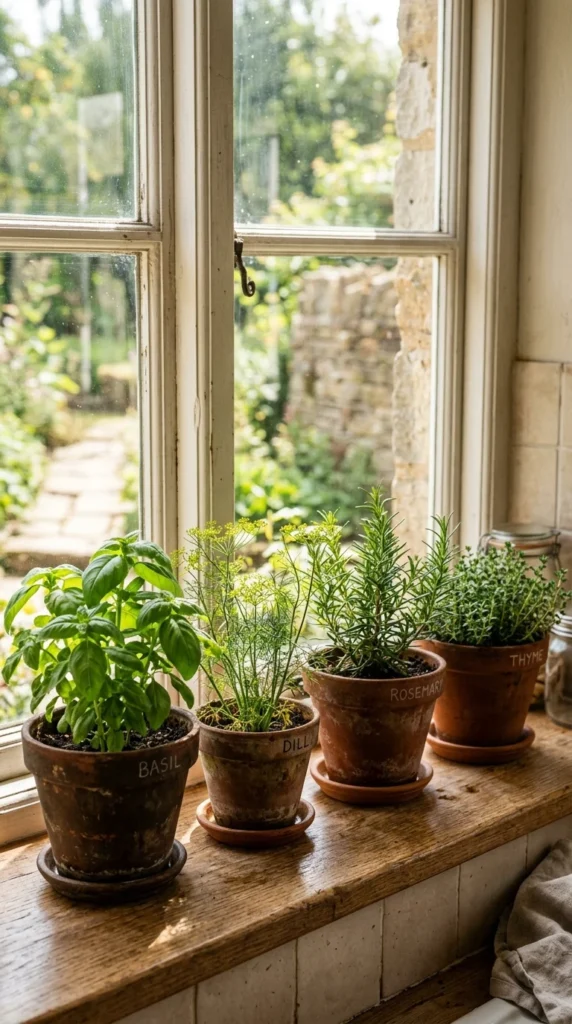
The kitchen windowsill is the most iconic location for an apartment garden, and for good reason. Herbs like basil, mint, cilantro, and chives are incredibly rewarding because they are both beautiful and functional. Growing your own herbs ensures a constant supply of fresh flavor for your cooking while filling your kitchen with a delightful natural aroma.
To succeed with a windowsill herb garden, prioritize light. Most culinary herbs require at least six hours of direct sunlight. If your kitchen is dim, consider adding a small, clip-on LED grow light to supplement. Use pots with drainage holes to prevent root rot, and harvest frequently—pinching off the top leaves encourages the plant to grow bushier rather than tall and spindly.
2. Vertical Gardens
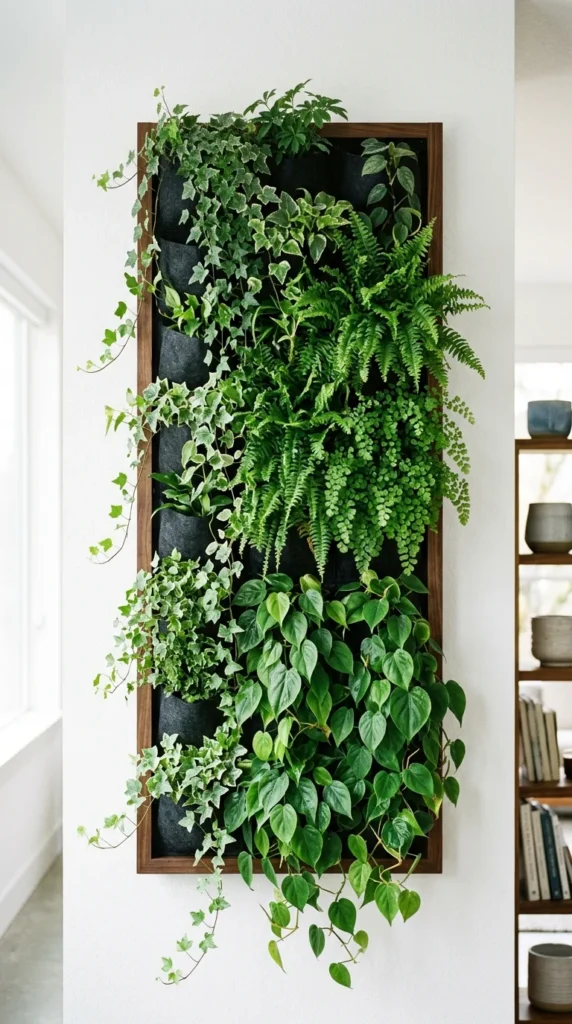
When floor space is at a premium, look up. Vertical gardening is the ultimate space-saving hack for apartment dwellers. By utilizing wall space, you can create a “living wall” that acts as both a garden and a piece of organic art. You can use modular pocket systems, wooden pallets leaned against a wall, or even a simple trellis system with climbing plants.
For beginners, a pocket-based felt system is often the easiest to manage. These pockets allow for individual plant care while creating a lush, seamless look. Choose trailing plants like Pothos or Creeping Fig to create a waterfall effect that hides the structure of the planter.
3. Low-Light Plants
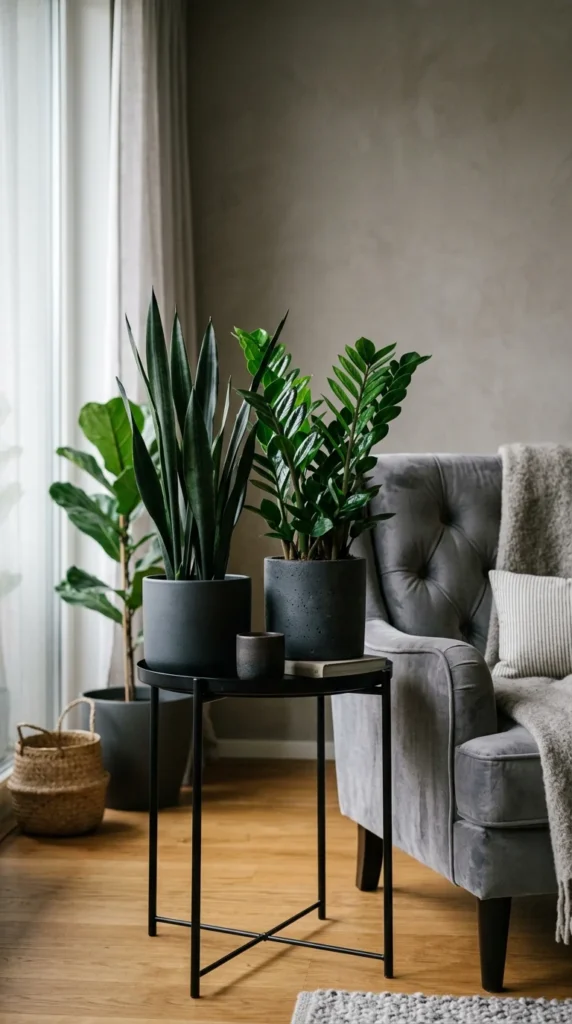
Not every apartment is blessed with floor-to-ceiling windows. If your home feels more like a cozy cave than a greenhouse, low-light plants are your best friends. These “indestructible” plants have adapted to thrive on the forest floor, meaning they can survive—and even flourish—in the darker corners of your home.
The Snake Plant (Sansevieria) and the ZZ Plant (Zamioculcas zamiifolia) are the gold standards for low-light gardening. They require very little water and are remarkably tolerant of neglect. Other great options include the Cast Iron Plant and various types of Dracaena. These plants aren’t just decorative; they are also known for their air-purifying qualities, making your apartment air fresher.
4. Succulent Corner
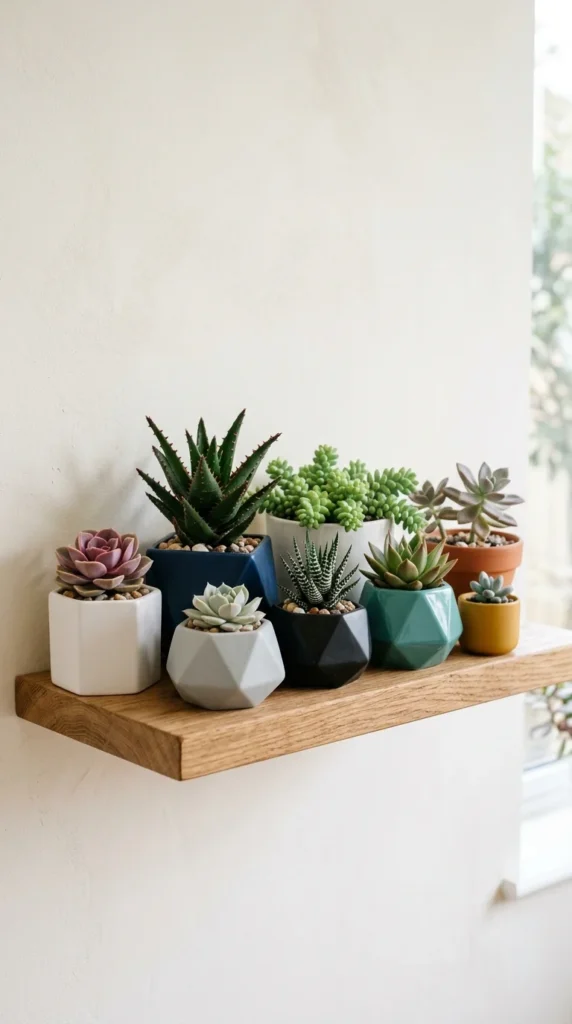
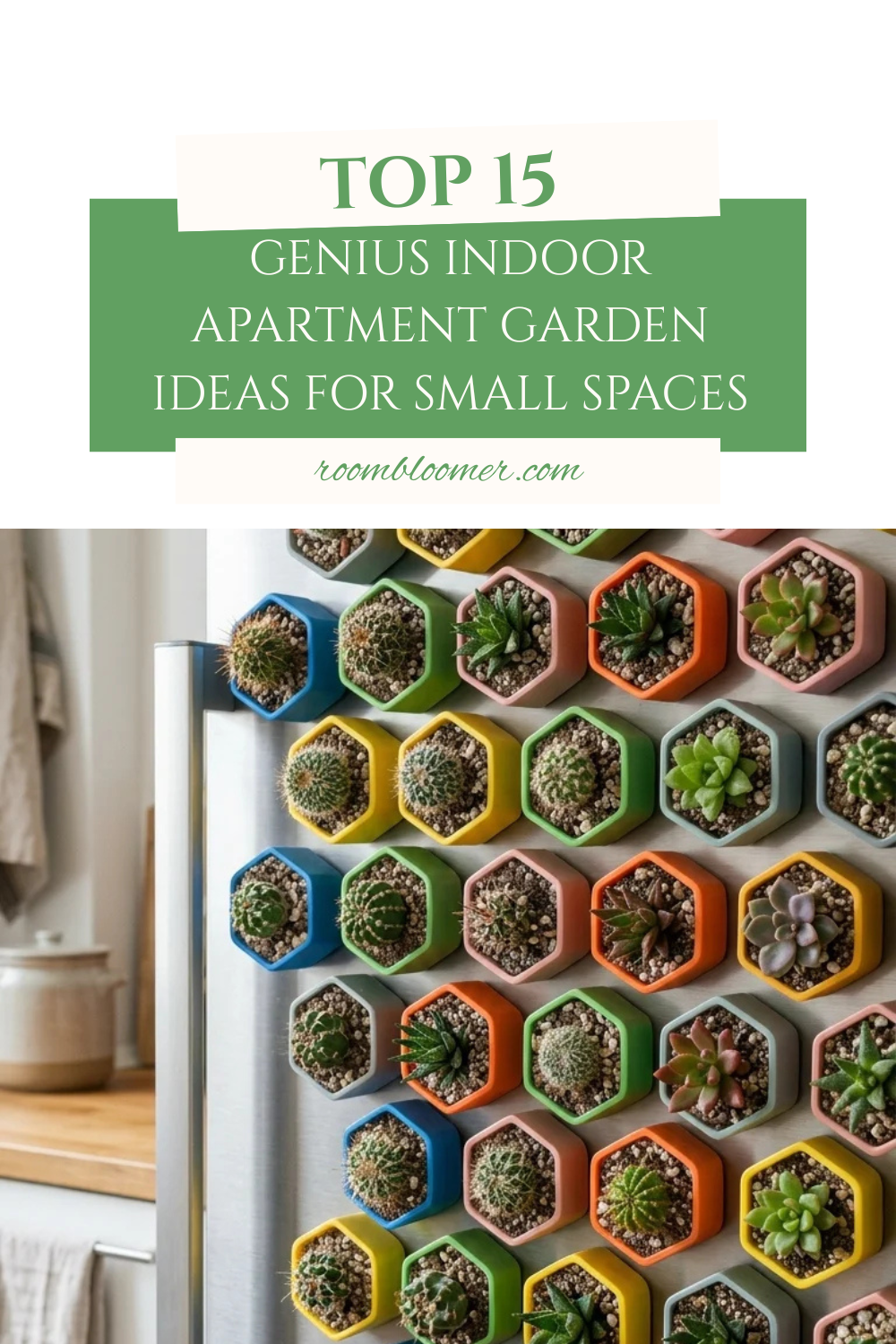
Succulents are the perfect entry point for those who worry they might forget to water their plants. These desert natives store water in their fleshy leaves, allowing them to go weeks without a drink. A succulent corner can be a stunning focal point, especially when you play with different colors, textures, and heights.
To keep succulents happy in an apartment, you need two things: grit and light. Use a specialized cactus or succulent soil mix that drains quickly, and place them in your brightest window. If they start to “stretch” (a process called etiolation), it’s a sign they aren’t getting enough light. Arrange them in a cluster on a side table or a dedicated plant stand to create a miniature desert landscape.
5. Hydroponic Kits
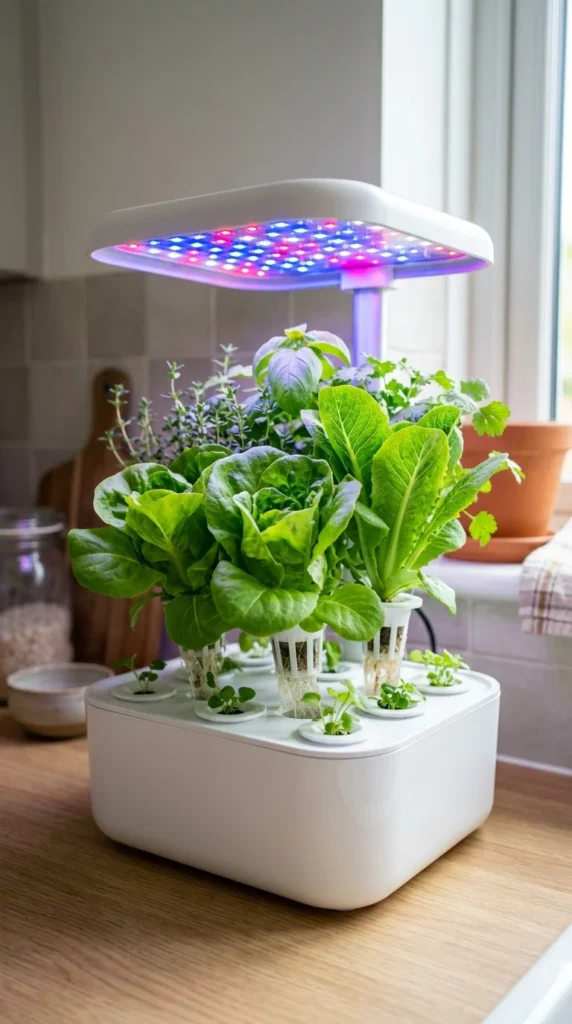
If the idea of messy soil in a small apartment turns you off, hydroponics is the answer. Modern smart gardens have made hydroponic technology incredibly user-friendly. These kits use water enriched with nutrients to grow plants faster than traditional soil methods, and they often come with built-in LED grow lights and automatic timers.
These systems are perfect for growing gourmet greens like arugula, bok choy, and kale. Because the light and water are controlled by the device, it takes the guesswork out of gardening. It’s an ideal “set it and forget it” solution for busy professionals who still want to enjoy homegrown produce.
6. Hanging Planters
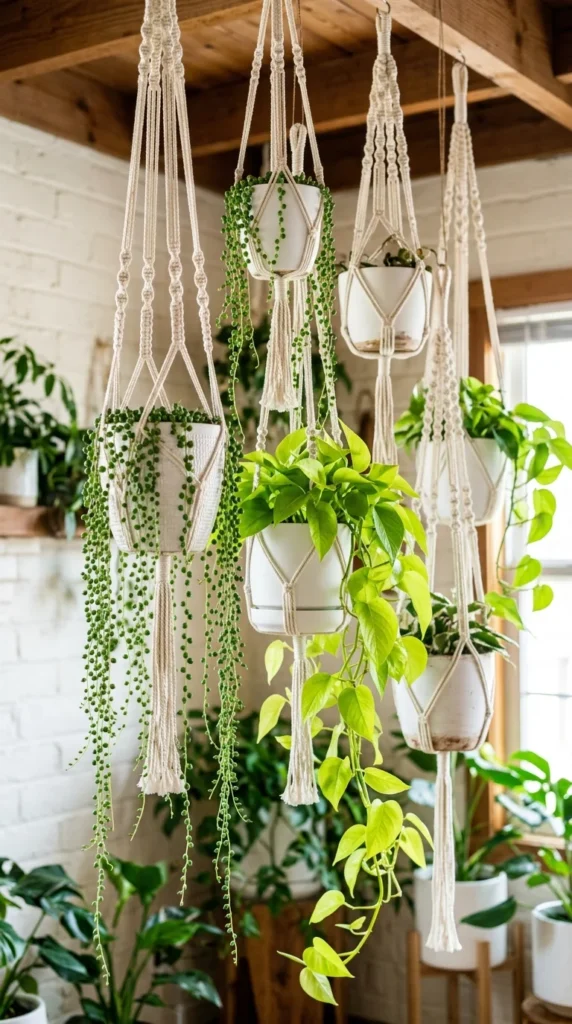
Hanging planters are a fantastic way to utilize the “dead space” in your apartment, such as corners or the area in front of windows. They draw the eye upward, making your ceilings feel higher and your space feel more integrated with nature.
Vining plants are the stars of hanging gardens. The Heartleaf Philodendron and the Spider Plant are classic choices that produce beautiful “babies” or long trails of foliage. When installing hanging pots, ensure you use sturdy ceiling hooks and consider the weight of the pot after it has been watered. For a bohemian look, use macramé hangers; for a modern look, opt for minimalist metal or ceramic slings.
7. Terrariums
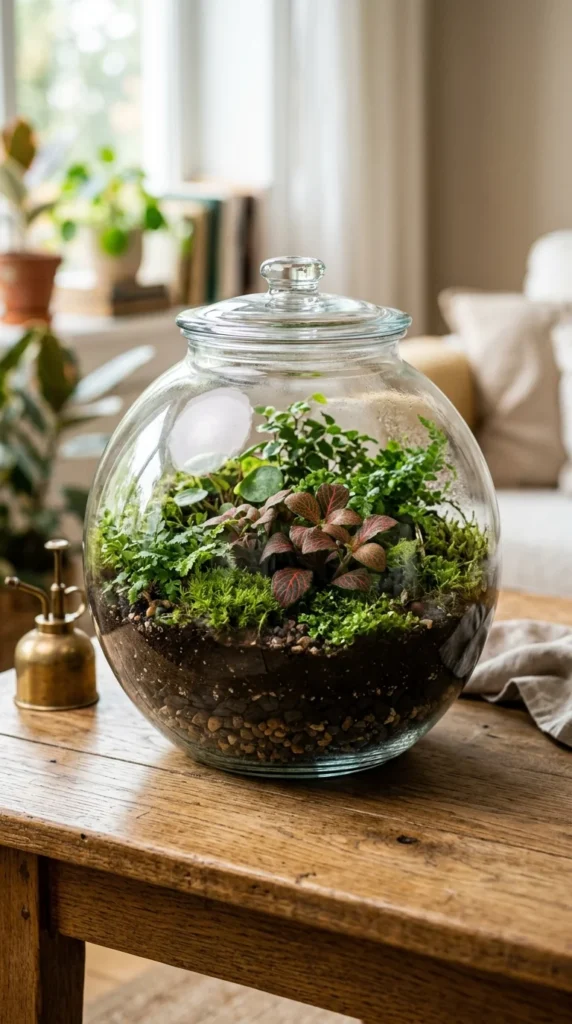
A terrarium is essentially a tiny, self-sustaining greenhouse in a jar. These are perfect for apartment dwellers who love the look of moss and ferns but struggle with the dry air common in many buildings. Because the glass enclosure traps moisture, it creates a humid microclimate that tropical plants love.
You can choose between an open terrarium (for succulents and cacti) or a closed terrarium (for ferns, mosses, and ivy). Creating a terrarium is a fun DIY project that involves layering drainage stones, activated charcoal (to keep the water fresh), and potting soil. Once established, a closed terrarium requires almost zero maintenance, as the water cycles through evaporation and condensation within the glass.
8. Microgreens
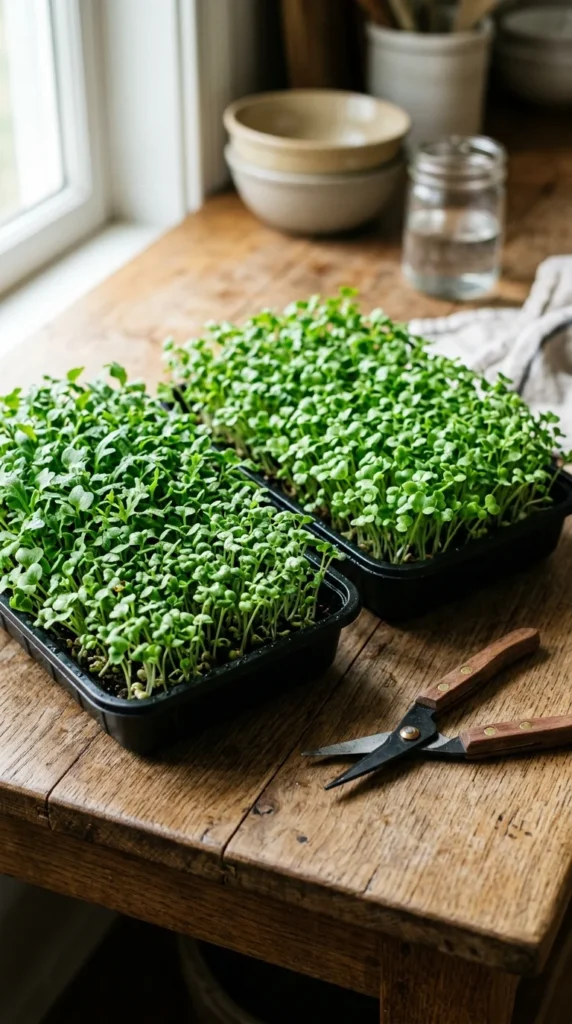
If you are impatient and want to see results fast, microgreens are the way to go. These are simply young vegetable greens that are harvested just after the first leaves have developed. They are packed with up to 40 times more nutrients than their mature counterparts and can be grown from seed to harvest in as little as 7 to 14 days.
You don’t need deep pots for microgreens; shallow trays or even recycled plastic food containers work perfectly. Spread seeds thickly over a thin layer of soil, keep them moist with a spray bottle, and place them in a sunny spot. Once they are about two inches tall, snip them with scissors and toss them into salads, sandwiches, or smoothies.
9. Indoor Fruit Trees
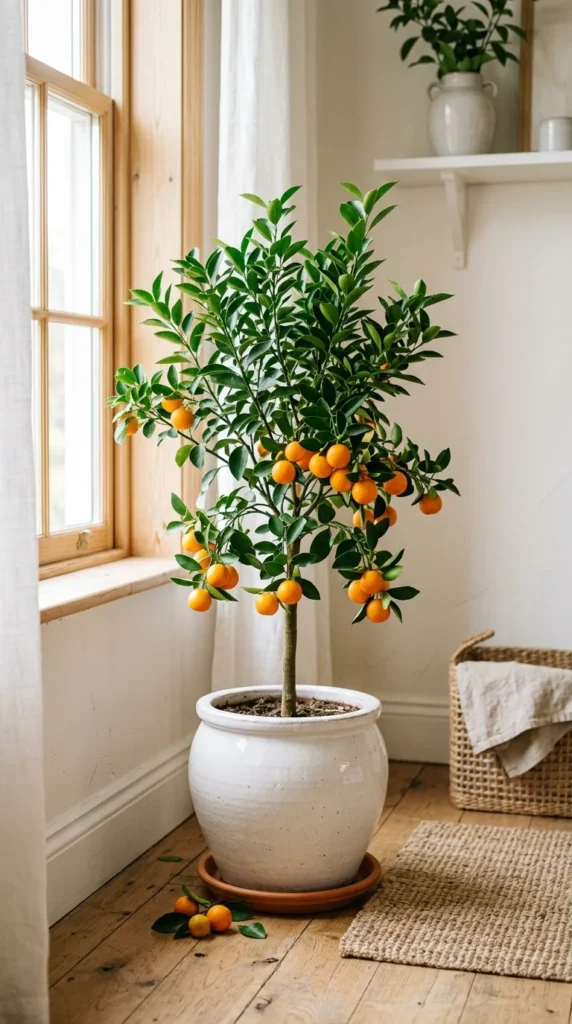
It might sound ambitious, but you can actually grow fruit trees inside an apartment. The secret lies in “dwarf” varieties. Many citrus trees, such as Meyer Lemons or Calamondin Oranges, have been bred to stay small and thrive in containers. Not only do they provide fruit, but their blossoms also fill the room with an incredible citrus fragrance.
Indoor fruit trees require a bit more dedication. They need the brightest spot in your apartment (usually a south-facing window) and may require a “wintering” period where they are kept slightly cooler. You will also need to act as the pollinator by gently shaking the branches or using a small paintbrush to move pollen between flowers, since there are no bees in your living room!
10. Propagation Station
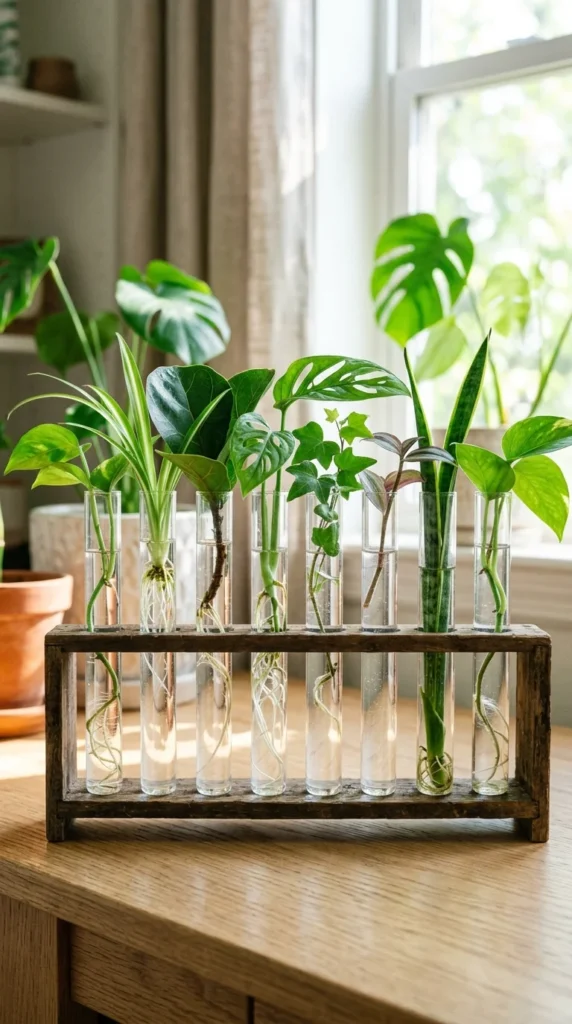
Gardening doesn’t always have to involve buying new plants. A propagation station allows you to grow new plants for free from the ones you already have. It’s also a fascinating way to see the “hidden” life of plants as they develop roots in water.
To start, take a cutting from a healthy plant (like a Pothos or Monstera) just below a node (the bump where a leaf meets the stem). Place the cutting in a glass of water, and within a few weeks, you’ll see roots begin to form. Once the roots are a few inches long, you can pot the new plant in soil or keep it in water indefinitely. This is a great way to “gift” plants to friends or expand your own collection on a budget.
11. Air Plants
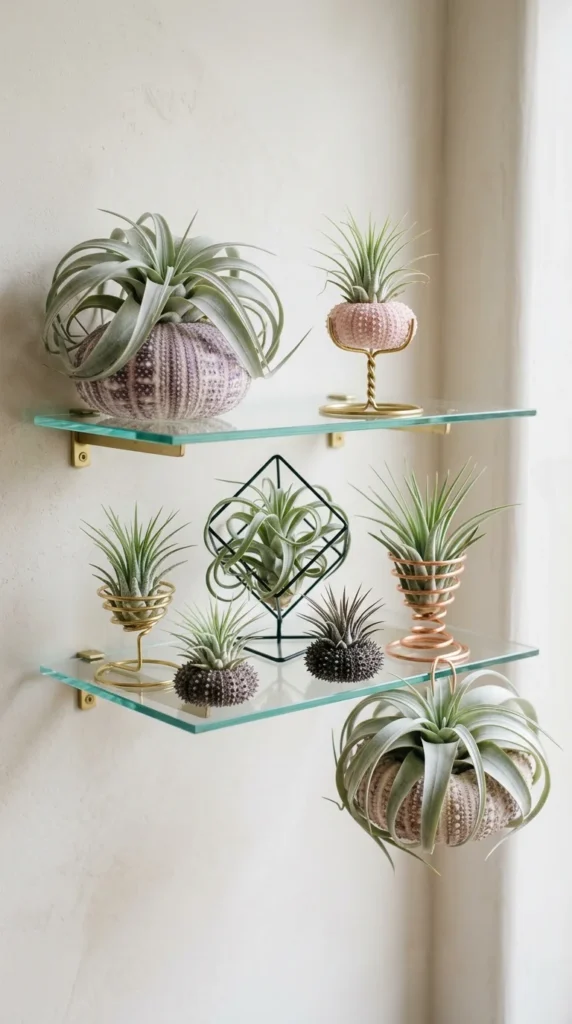
Air plants (Tillandsia) are the ultimate apartment plants because they don’t require any soil at all. In nature, they grow on trees or rocks, pulling moisture and nutrients from the air through their leaves. This makes them incredibly versatile for decor; you can mount them on pieces of driftwood, place them in decorative bowls, or even hang them from the ceiling with fishing line.
Maintenance for air plants is unique. Instead of watering a pot, you simply mist them a few times a week or give them a “bath” by soaking them in a bowl of water for 20-30 minutes once a week. Make sure they dry out completely after their bath to prevent rot. Their alien-like shapes and ease of care make them a favorite for modern, minimalist apartment aesthetics.
Essential Tips for Success
Regardless of which idea you choose, a few universal rules will help your apartment garden thrive:
- Understand Your Light: Spend a day observing how the sun moves through your apartment. A “sunny” spot means direct light for most of the day, while “indirect” light means a bright room where the sun doesn’t hit the leaves directly.
- Don’t Overwater: The number one killer of indoor plants is kindness. Most plants prefer to dry out slightly between waterings. Use the “finger test”—stick your finger an inch into the soil; if it feels dry, it’s time to water.
- Drainage is Key: Always ensure your pots have holes at the bottom. If you find a decorative pot without holes, keep the plant in its plastic nursery pot and nestle it inside the decorative one.
- Rotate Your Plants: Plants grow toward the light. Every time you water, give your pots a quarter-turn to ensure they grow evenly and don’t become lopsided.
By starting with these beginner-friendly ideas, you can turn any apartment—no matter how small—into a lush, green retreat that provides fresh air, fresh food, and a sense of calm.