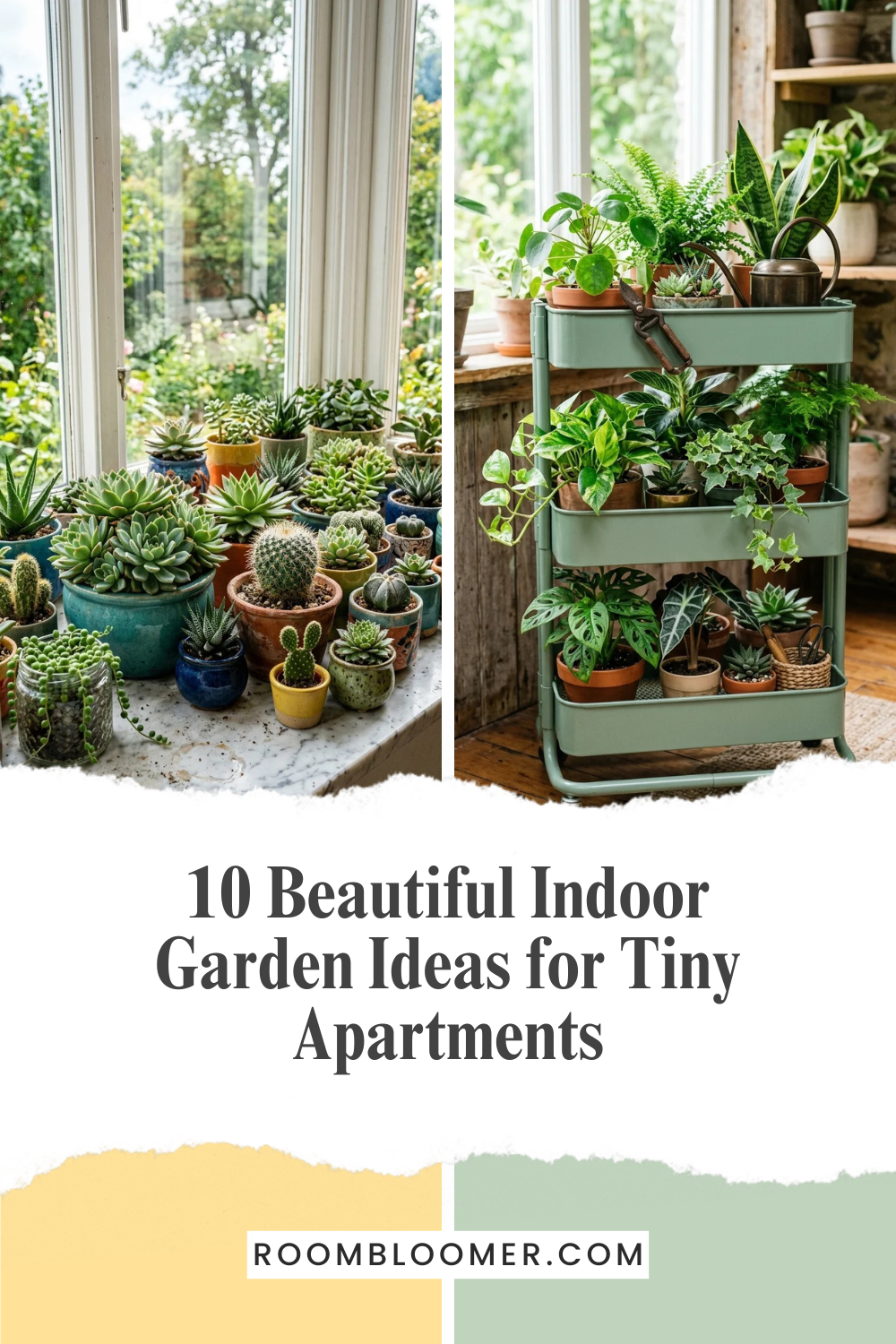
Living in a tiny apartment often feels like a trade-off between urban convenience and a connection with nature. When floor space is at a premium, the dream of a sprawling garden can feel out of reach. However, a lack of square footage doesn’t mean you have to live in a concrete box. With a bit of creativity and some strategic planning, even the smallest studio can be transformed into a thriving green sanctuary.
Indoor gardening in small spaces is about thinking vertically, utilizing overlooked “dead” spaces, and choosing the right plant varieties that thrive in contained environments. Beyond the aesthetic appeal, bringing plants into your home improves air quality, reduces stress, and provides a sense of accomplishment as you watch your miniature ecosystem grow. Here are ten beautiful and practical indoor garden ideas designed specifically for tiny apartments.
1. Vertical Trellises
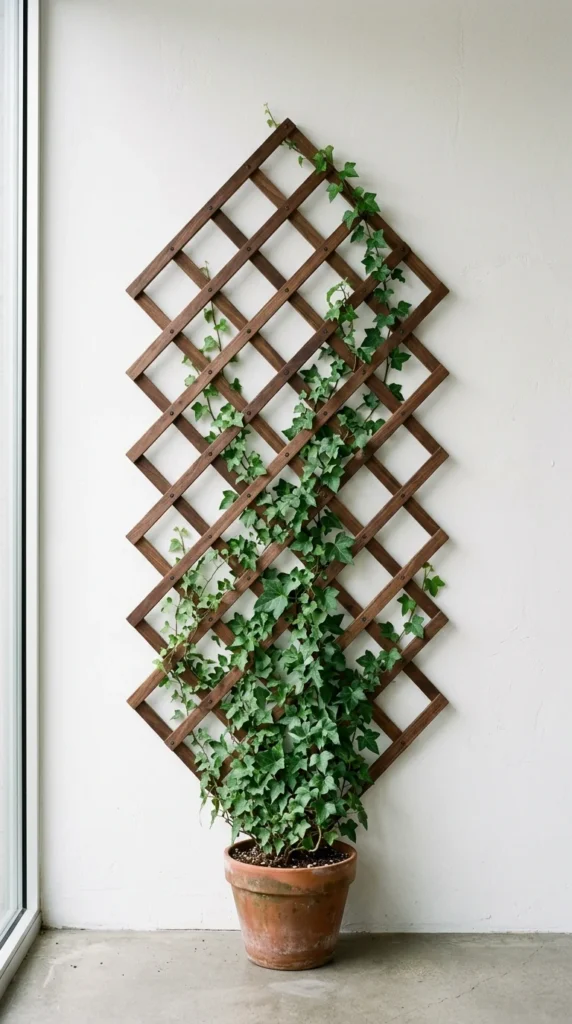
When you can’t garden out, garden up. A vertical trellis is one of the most efficient ways to add significant greenery without sacrificing a single inch of floor space. By mounting a trellis directly onto a wall, you provide a framework for climbing plants like English Ivy, Pothos, or Heartleaf Philodendron to scale.
These “living walls” create a stunning focal point and can even act as natural wallpaper. For a modern look, choose a sleek metal grid; for something more organic, opt for a rustic wooden lattice. The key is to secure the trellis firmly to the wall and use soft ties to guide the young vines as they begin their ascent.
2. Hanging Planters
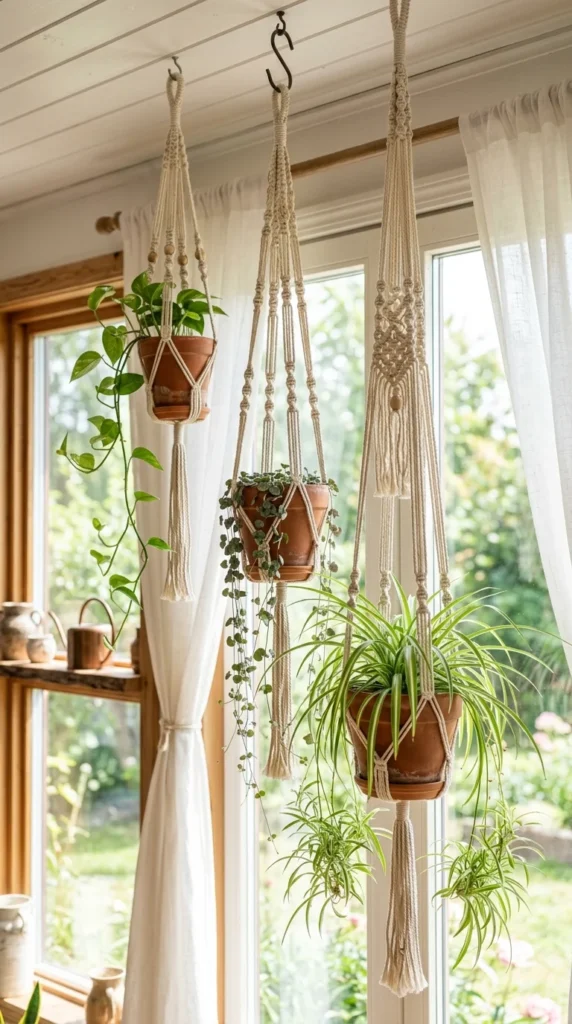
Ceilings are the most underutilized real estate in any apartment. Hanging planters allow you to create a “floating forest” that keeps your surfaces clear for daily activities. Macramé hangers offer a bohemian, 70s-inspired vibe, while sleek ceramic or glass globes provide a more contemporary aesthetic.
To make the most of this setup, group your hanging plants at different heights to create visual depth. Choose “trailers”—plants that spill over the edges of their pots—such as String of Pearls, Spider Plants, or Tradescantia. These varieties create a cascading effect that draws the eye upward, making the room feel taller and airier.
3. Window Sills
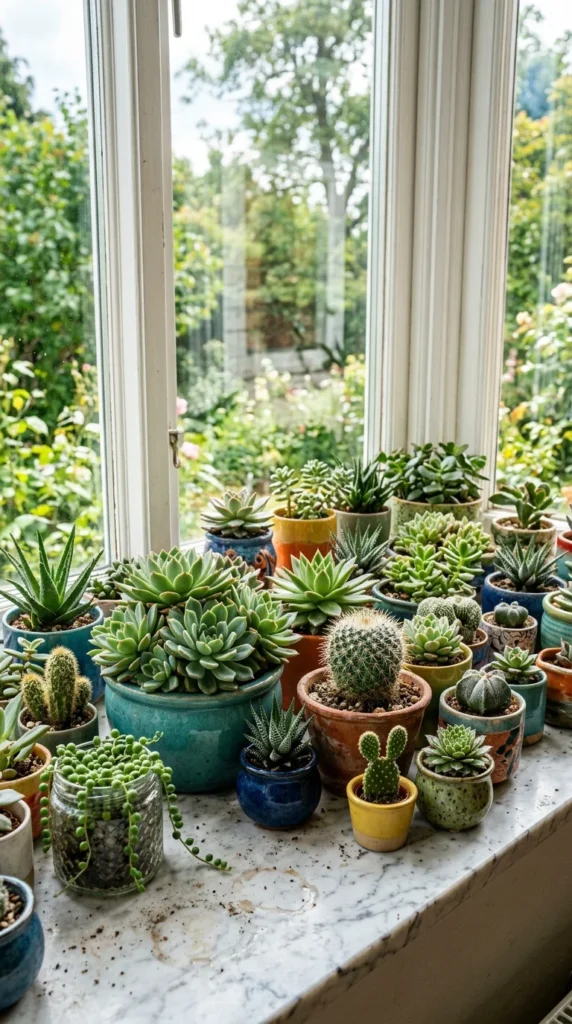
The windowsill is the traditional heart of the indoor garden, and for good reason. It provides the most consistent light source in the apartment. Even a narrow sill can be maximized by using long, rectangular planter boxes or a series of small, uniform pots.
If your sills are particularly thin, consider adding a windowsill extender—a simple shelf that clamps onto the existing ledge to provide a wider platform. This is the perfect spot for sun-loving plants like succulents, echeveria, and miniature cacti, which thrive in the direct light and don’t require much horizontal space to grow.
4. Tiered Carts
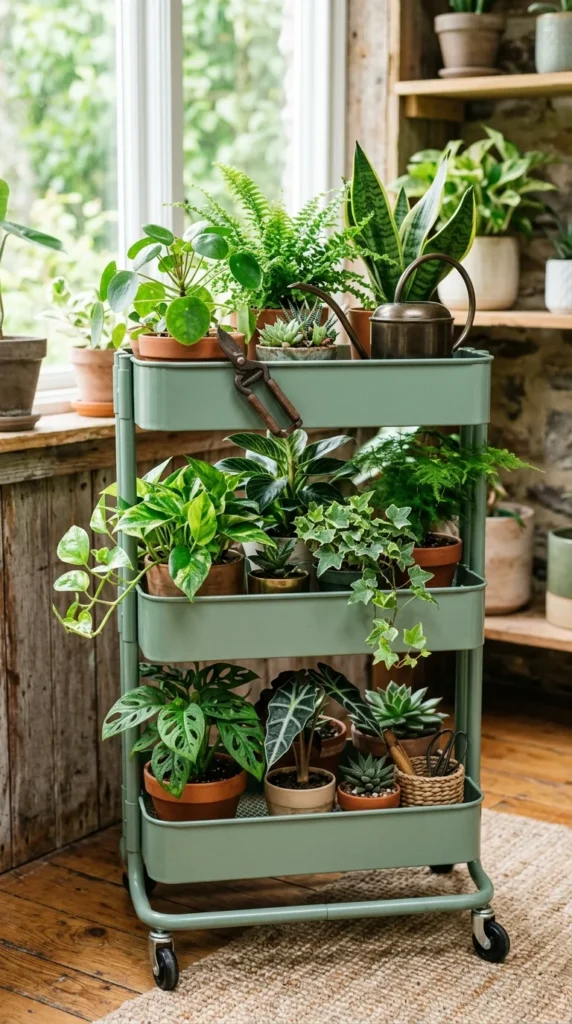
A tiered utility cart is a secret weapon for the small-space gardener. These mobile units allow you to condense a large number of plants into a very small footprint. The beauty of a cart is its portability; if the sun moves throughout the day, or if you need to clear space for guests, you can simply wheel your garden to a new location.
Dedicate the top shelf to plants that need the most light, and use the lower shelves for species that prefer indirect light or shade, like Snake Plants or ZZ Plants. You can also use the bottom tier to store your gardening essentials—misters, fertilizer, and extra soil—keeping your apartment clutter-free.
5. Floating Shelves
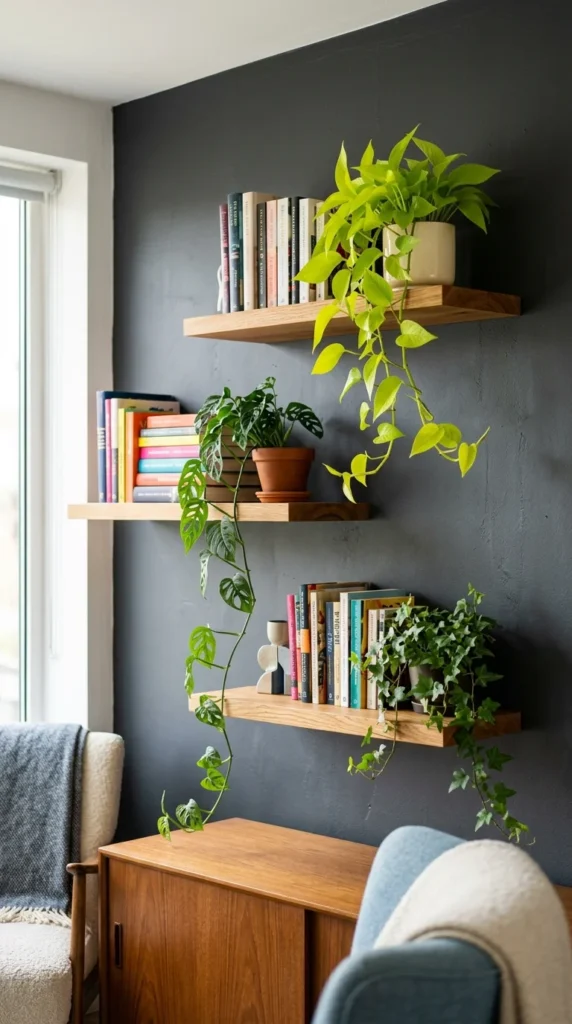
Floating shelves are a brilliant way to turn a blank wall into a vertical gallery of greenery. Unlike heavy bookcases, floating shelves have a light, airy feel that doesn’t overwhelm a small room. By staggering the shelves at different heights, you create a dynamic display that mimics the layered growth of a natural forest.
Mix and match your plants with other decorative items like books, candles, or small sculptures to integrate the garden into your home decor. Trailing plants placed on the highest shelves will eventually grow down toward the lower ones, weaving the entire display together into a single, cohesive green installation.
6. Terrariums
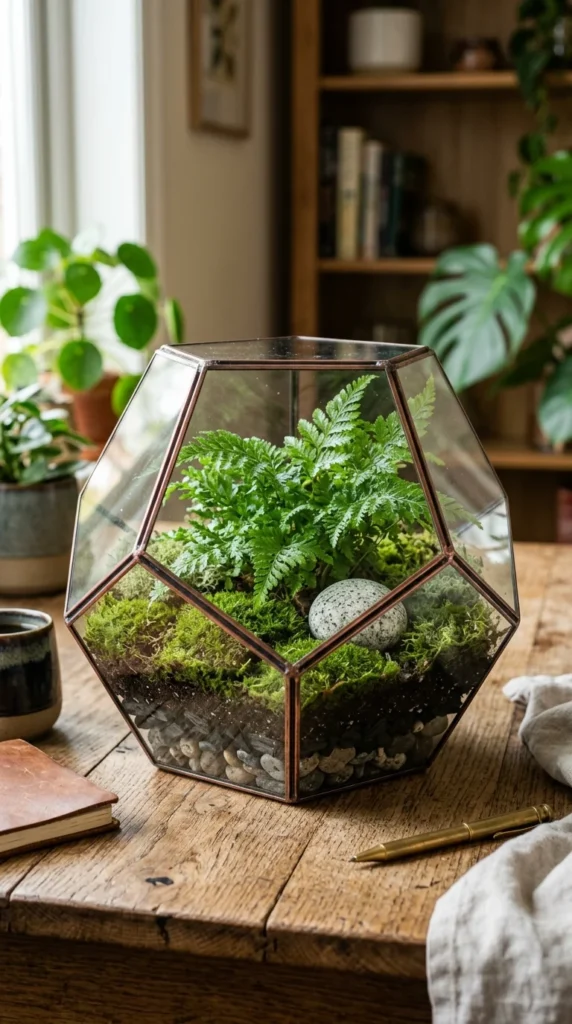
If you want the beauty of a garden without the maintenance or the space requirements, terrariums are the answer. These self-contained ecosystems act like miniature greenhouses, trapping moisture and recycling it. They are perfect for humid-loving plants like ferns, mosses, and fittonias.
Terrariums come in all shapes and sizes, from large glass apothecary jars to tiny hanging baubles. Because they are enclosed, they require very little watering and can sit comfortably on a bedside table, a desk, or even a bathroom counter. They are essentially living pieces of art that bring a touch of the prehistoric forest indoors.
7. Ladder Displays
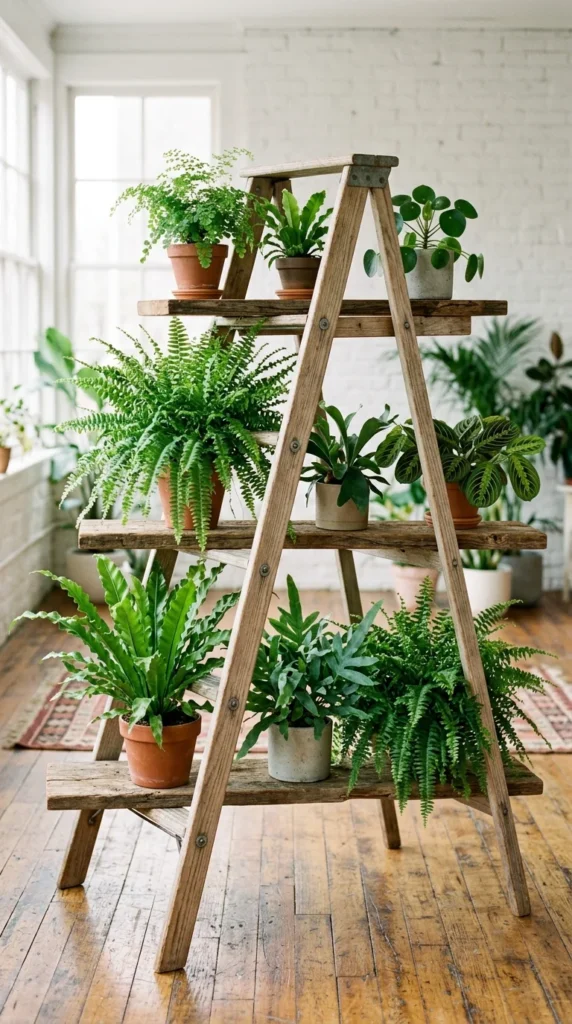
Repurposing a vintage ladder or buying a specialized ladder shelf is a stylish way to create a multi-level garden. The tapered design of a ladder is particularly effective in small spaces because it provides a wide base for larger pots while narrowing at the top, preventing the piece from feeling too bulky.
Leaning ladders are great for tight corners or hallways where a traditional shelf might be too deep. You can drape vines over the rungs or place a variety of pots on each step. The vertical orientation allows you to display a dozen plants in the space it would normally take to display two or three.
8. Wall Pockets
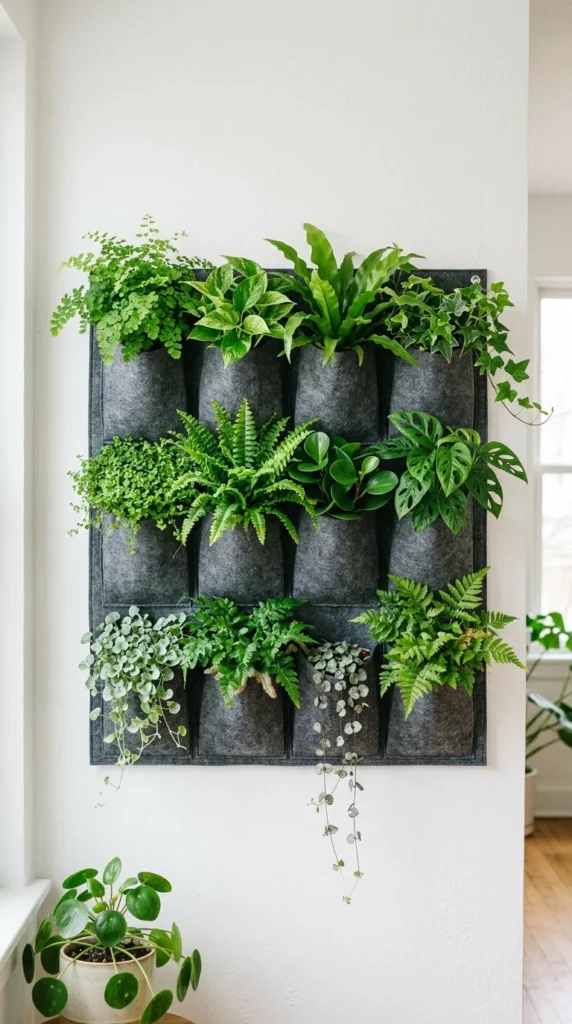
Wall pockets are the ultimate solution for a “living wall” on a budget. Made from breathable felt or sturdy plastic, these modular systems allow you to plant directly into pockets that hang on the wall like a shoe organizer. This setup is particularly popular for creating indoor herb gardens or “green tapestries.”
The felt material helps with aeration and prevents root rot, making it easier to keep plants healthy. Because the weight is distributed across the wall, you can cover a large area with dozens of small plants, creating an immersive green experience that feels like you’ve stepped into a botanical garden.
9. Herb Ledges
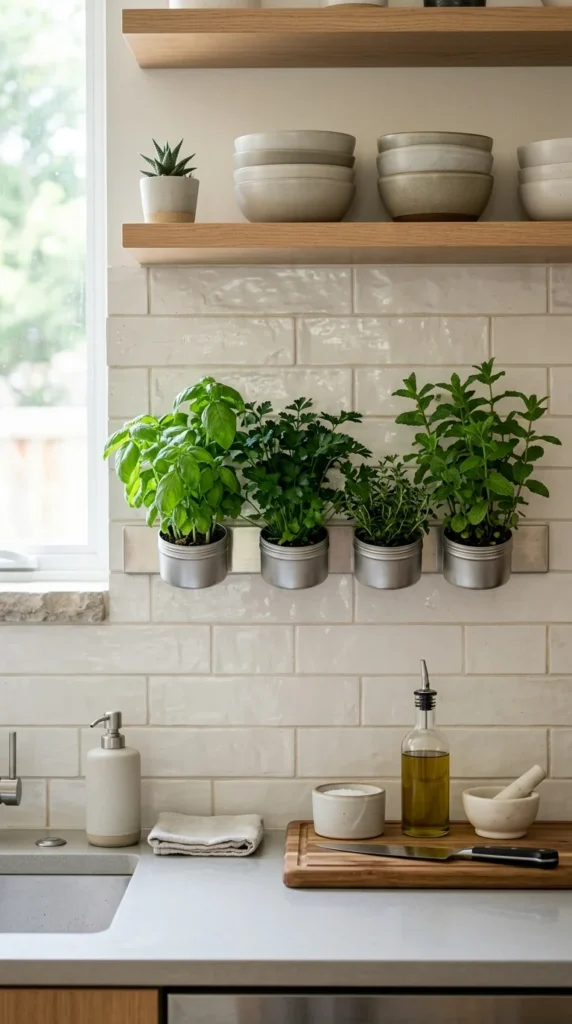
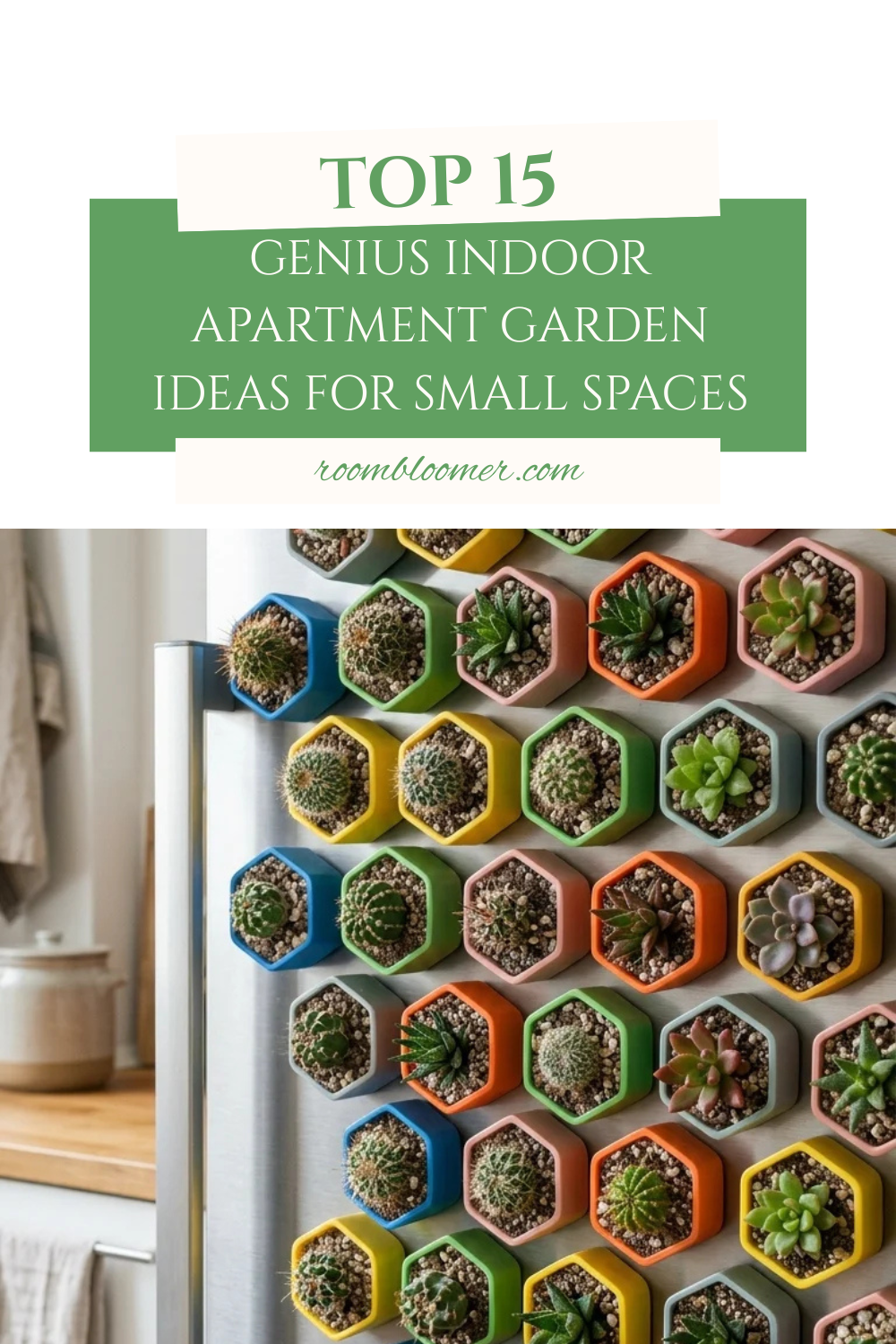
For those who love to cook, a dedicated herb ledge in the kitchen is both beautiful and functional. Space in a tiny kitchen is precious, so look for magnetic pots that can stick to the side of the fridge or suction-cup ledges that attach directly to the window glass above the sink.
Growing herbs like basil, mint, cilantro, and rosemary provides a constant supply of fresh ingredients and fills the kitchen with a wonderful aroma. These plants generally need lots of light and regular watering, so keeping them at eye level in the kitchen ensures you won’t forget to care for them while you’re prepping your meals.
10. Corner Nooks
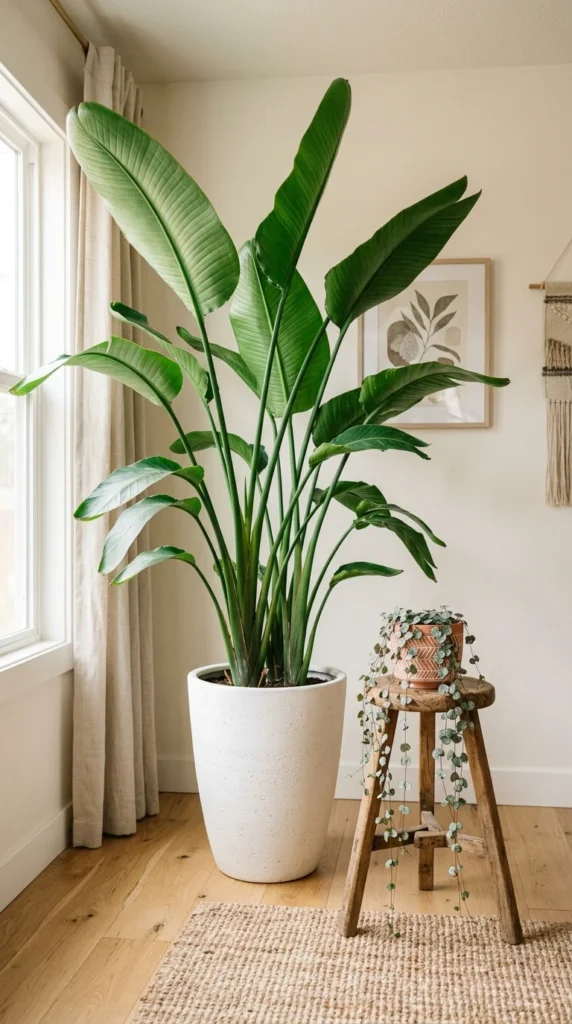
Every apartment has that one awkward corner that seems too small for furniture but too large to leave empty. These “dead zones” are the perfect candidates for a dedicated plant nook. By placing a tall, statement plant like a Monstera Deliciosa or a Bird of Paradise in the corner, you instantly add life and color to the room.
To maximize the corner, use a plant stand to elevate a secondary plant, creating levels. This draws the eye into the corner and makes the room feel wider. Even the smallest corner can be transformed into a lush retreat with just two or three carefully chosen plants and a bit of intentional styling.