As the frost retreats and the days stretch longer, the garden calls out for a transformation. Spring is the ultimate season of rebirth, offering a blank canvas to every gardener, whether you have a sprawling backyard or a modest balcony. Refreshing your garden isn’t just about planting a few new flowers; it’s about reimagining your outdoor living space to reflect the energy and vibrance of the new season.
In this guide, we explore eleven transformative ideas to breathe new life into your landscape. From structural changes to ecological enhancements, these tips will help you create a sanctuary that thrives through the warmer months.
1. Raised Beds
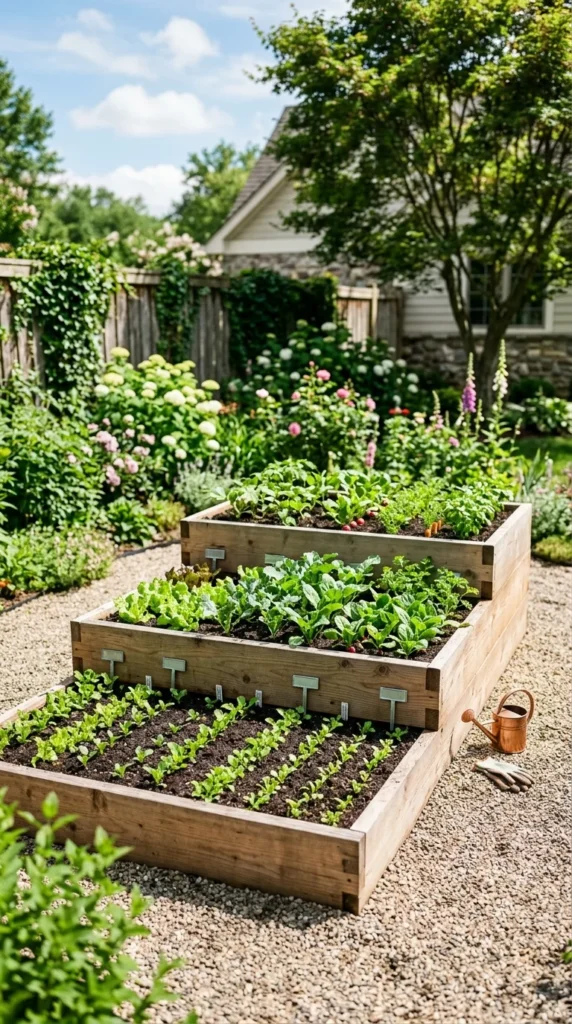
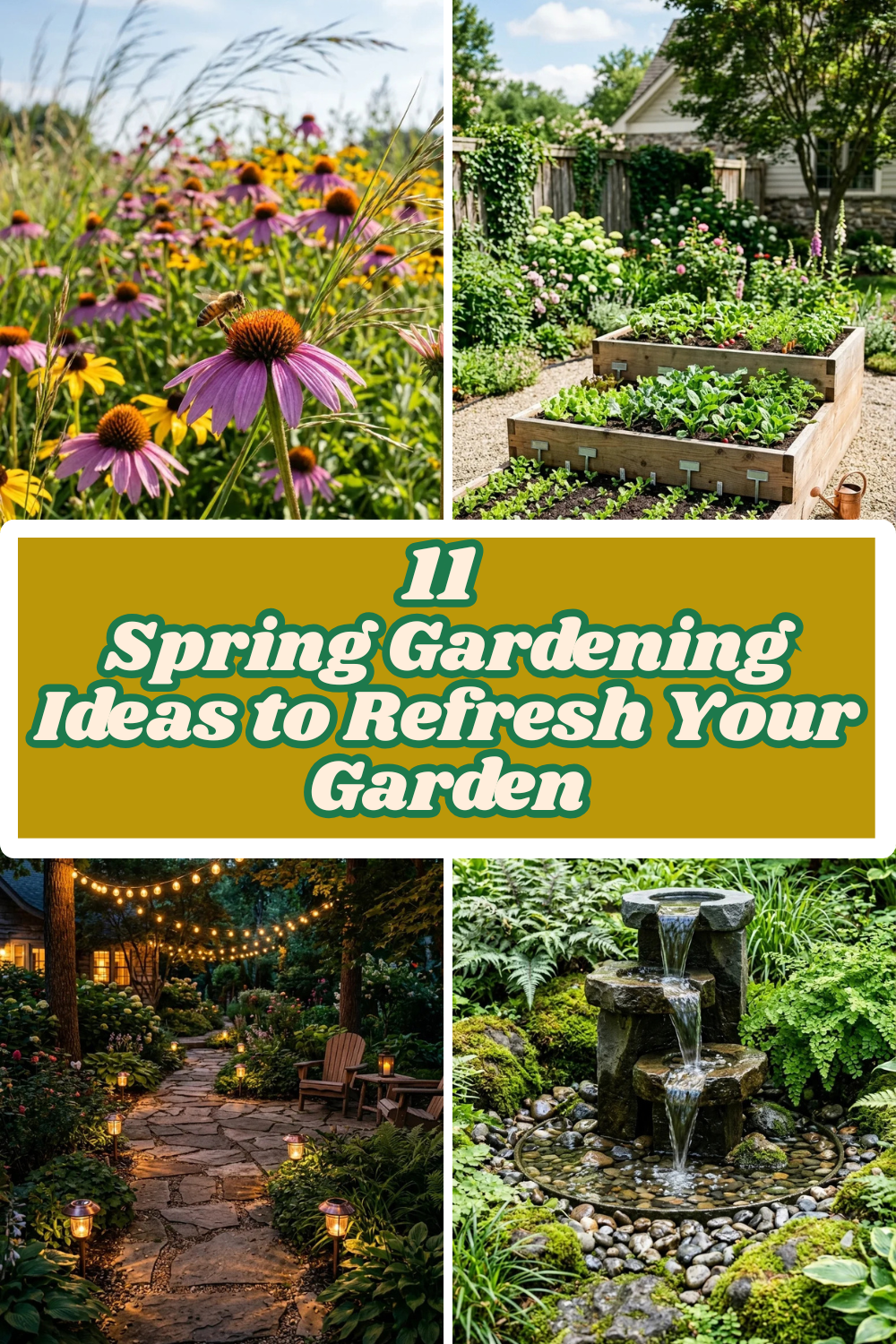
aised beds are a game-changer for both aesthetics and functionality. They provide a structured look to your garden while solving common issues like poor soil quality or inadequate drainage.
- Soil Control: You can customize the soil mix specifically for what you’re growing, ensuring your plants get the exact nutrients they need.
- Ergonomics: Higher beds mean less bending and kneeling, making gardening a much more comfortable hobby.
- Pest Protection: The elevated sides can help deter some ground-crawling pests and make it easier to install netting or covers.
2. Native Plants

The trend toward “rewilding” is more popular than ever, and for good reason. Incorporating plants that are indigenous to your specific region ensures a garden that is hardy and self-sustaining.
- Low Maintenance: Native species have evolved to thrive in your local climate and soil without the need for excessive fertilizers or watering.
- Ecosystem Support: These plants provide the necessary food and habitat for local birds, insects, and microorganisms.
- Resilience: They are far more likely to survive unexpected local weather swings, such as late spring frosts or early summer droughts.
3. Vertical Gardens
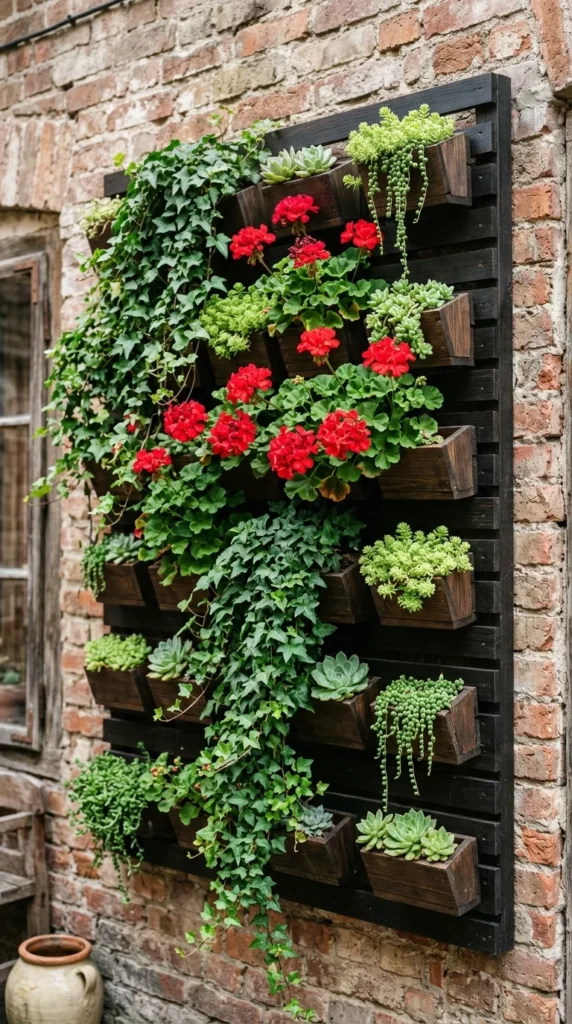
When you run out of horizontal space, look up. Vertical gardening is the perfect solution for urban dwellers or anyone looking to add a lush, green backdrop to their patio.
- Maximize Space: Use trellises, wall-mounted planters, or “living walls” to grow climbing roses, jasmine, or even vertical vegetables like cucumbers and beans.
- Visual Interest: It breaks up the monotony of flat fences or walls, adding texture and depth to your garden design.
- Air Circulation: Elevating plants can improve airflow, reducing the risk of fungal diseases that often plague ground-level foliage.
4. Pollinator Path
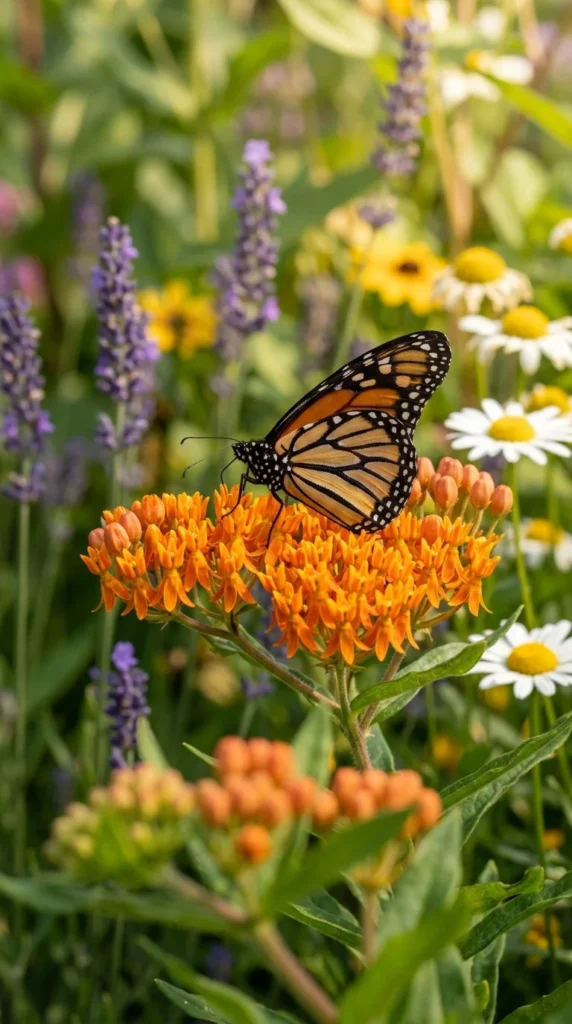
A garden that hums with life is a healthy garden. Dedicating a portion of your space to a “pollinator path” helps support the declining populations of bees, butterflies, and hummingbirds.
- Staggered Blooms: Choose a variety of plants that bloom at different times throughout the spring and summer to provide a constant food source.
- Color Cues: Bees are particularly attracted to blue, purple, and yellow flowers, while butterflies love bright reds and oranges.
- Water Sources: Include a small, shallow birdbath or a “bee bar” (a dish with pebbles and a little water) so your visitors can hydrate safely.
5. Mulching Layers
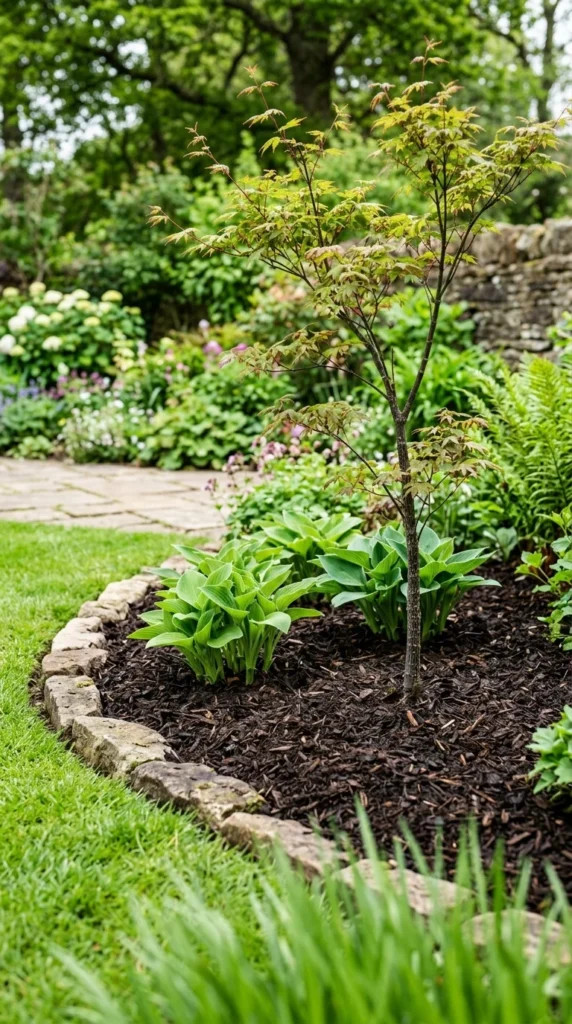
Never underestimate the power of a fresh layer of mulch. It is the finishing touch that instantly makes a garden look professional and well-cared-for.
- Moisture Retention: Mulch acts as a blanket, keeping the soil cool and preventing water from evaporating during the heat of the day.
- Weed Suppression: A thick layer of mulch blocks sunlight from reaching weed seeds, significantly reducing your weekend weeding chores.
- Soil Health: As organic mulch breaks down, it contributes valuable organic matter back into the earth, improving the soil structure over time.
6. Edible Borders
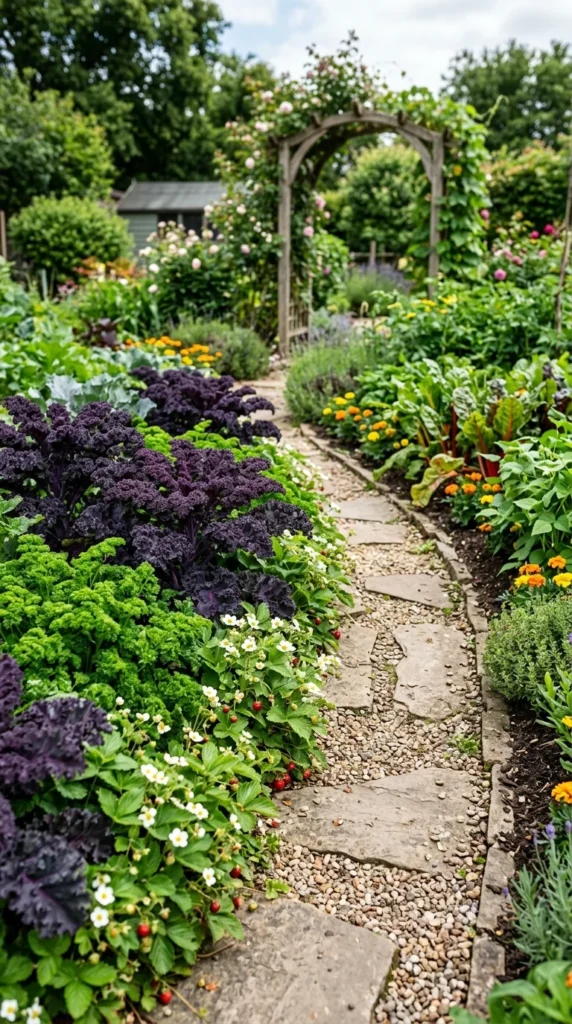
Who says vegetables belong in the backyard? “Edimental” gardening—the practice of using edible plants for ornamental purposes—is a fantastic way to refresh your borders.
- Textural Variety: The ruffled leaves of kale or the feathery fronds of bronze fennel add unique textures that traditional flowers often lack.
- Color Play: Many varieties of lettuce and Swiss chard come in vibrant reds, purples, and neon yellows that rival any bedding plant.
- Harvest at Your Doorstep: It makes grabbing a handful of herbs or a fresh salad leaf convenient while you’re enjoying your outdoor space.
7. Garden Lighting
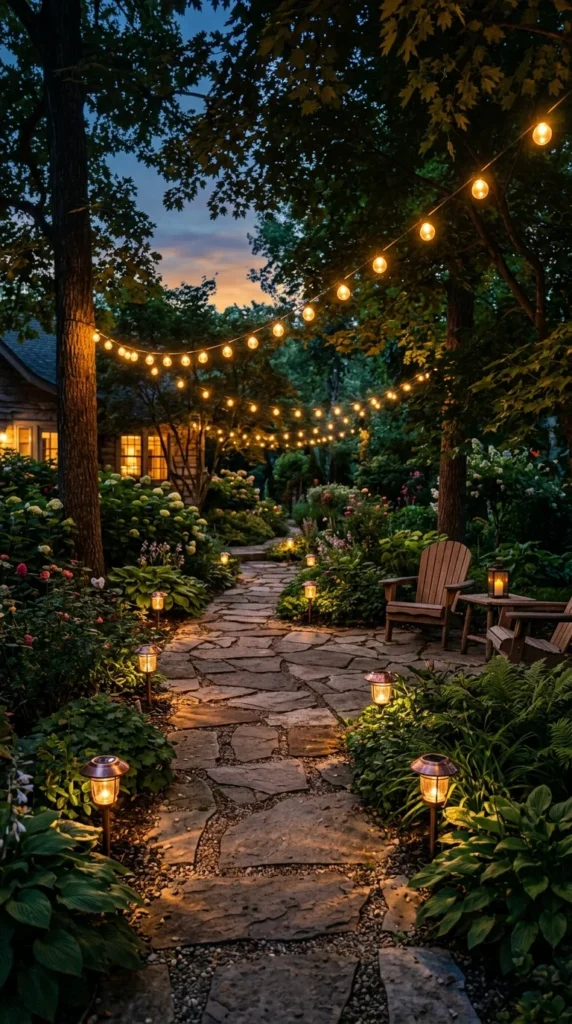
A garden refresh isn’t just for the daylight hours. Adding strategic lighting allows you to enjoy your hard work long after the sun goes down.
- Ambiance: Soft, warm lights create an inviting atmosphere for evening relaxation or outdoor dinner parties.
- Safety: Path lights ensure that you and your guests can navigate the garden safely in the dark.
- Highlighting Features: Use uplighting to showcase a beautiful tree or a focal point like a statue or a fountain, adding a dramatic flair to the landscape.
8. Composting Station
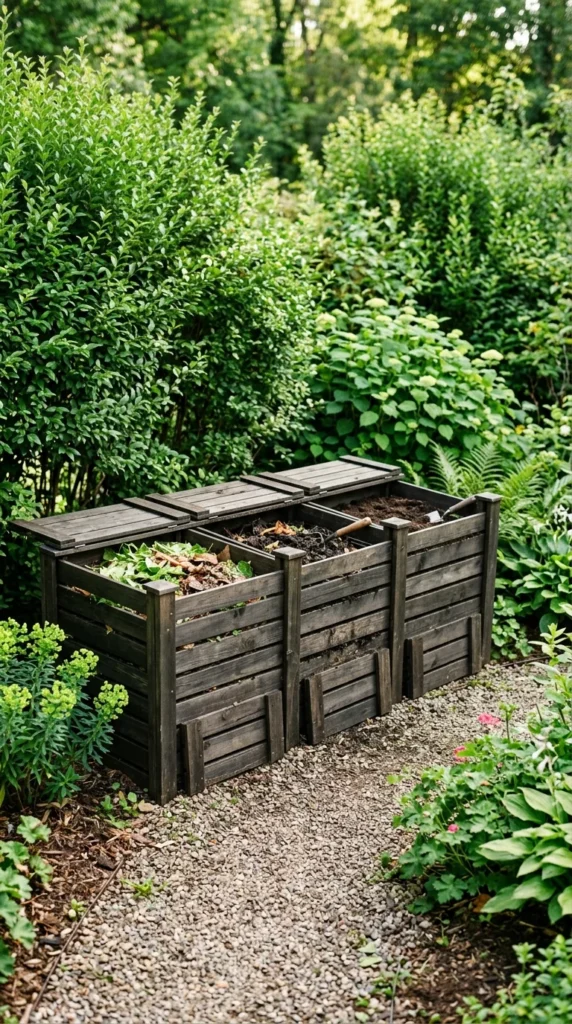
Spring is the perfect time to start a “closed-loop” system in your garden by setting up a composting station. It’s the ultimate way to recycle kitchen scraps and garden waste.
- Black Gold: Composting produces nutrient-dense fertilizer for free, which you can use to top-dress your beds every spring.
- Waste Reduction: It significantly reduces the amount of organic waste sent to landfills.
- Customization: Whether you choose a simple pile, a tumbling bin, or a multi-bay system, you can find a composting solution that fits the scale of your garden.
9. Colorful Containers
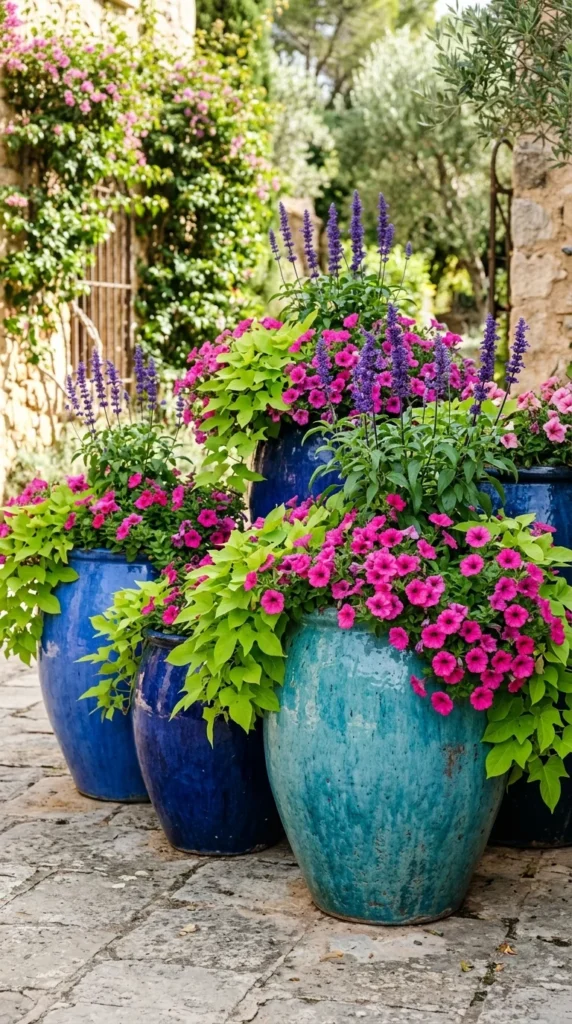
If you aren’t ready for a full landscape overhaul, containers offer an instant refresh. They are the “accessories” of the garden world.
- Versatility: You can move containers around to catch the sun or to hide empty spots in your garden beds.
- Instant Impact: Buying pre-planted “drop-in” containers or styling your own with a “thriller, filler, and spiller” can change the look of a porch or patio in minutes.
- Seasonal Rotation: Containers allow you to easily swap out spring bulbs for summer annuals as the temperatures rise.
10. Water Features
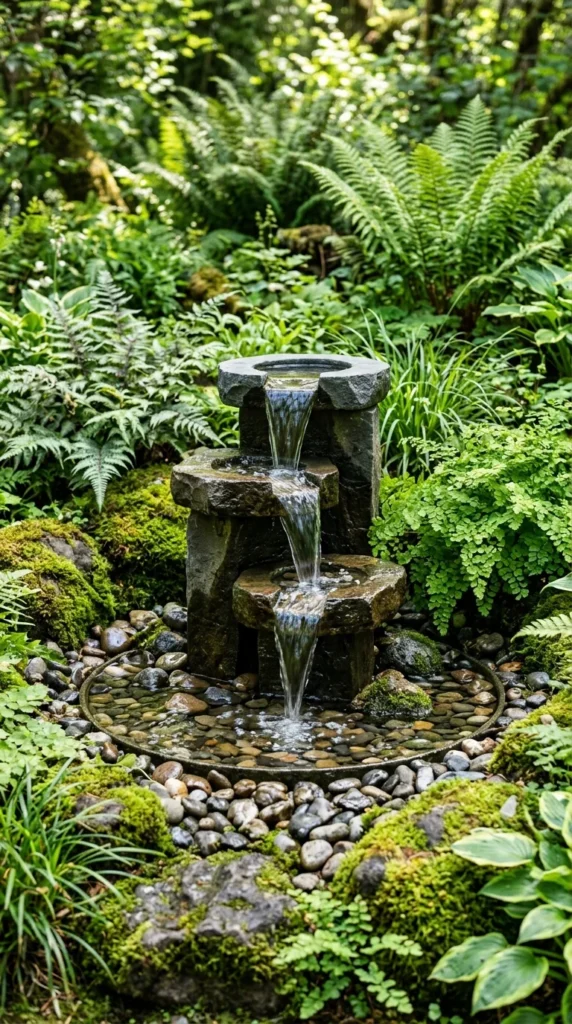
The sound of trickling water can transform a garden from a mere collection of plants into a serene sanctuary.
- Sensory Experience: A water feature adds a layer of sound that masks neighborhood noise and creates a peaceful environment.
- Wildlife Attraction: Birds and dragonflies are drawn to moving water, adding more life and movement to your garden.
- Focal Point: Even a small solar-powered fountain or a simple stone birdbath can serve as a stunning visual centerpiece for a garden bed.
11. Seating Nooks
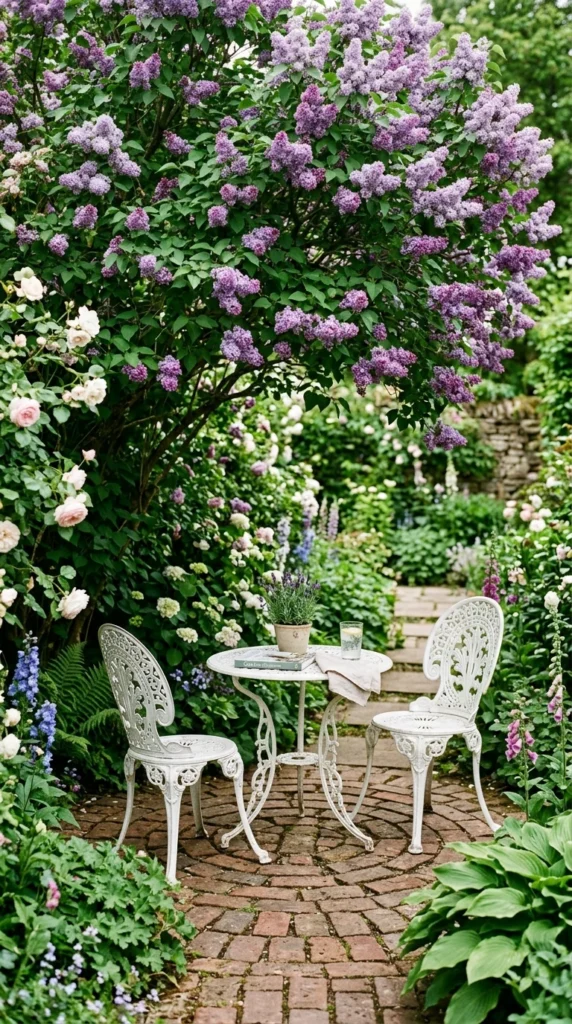
The most important part of a garden refresh is ensuring you have a place to sit and enjoy it. Creating “rooms” or “nooks” within your garden makes the space feel larger and more purposeful.
- Destination Spots: Place a bench or a small bistro set at the end of a path to create a sense of discovery.
- Comfort: Use weather-resistant cushions and outdoor rugs to make the space feel as cozy as your living room.
- Perspective: Having different seating areas allows you to view your garden from multiple angles, appreciating the different plants and designs you’ve implemented.
Conclusion
Refreshing your garden for spring is a rewarding endeavor that pays dividends all through the year. By mixing structural improvements like raised beds and lighting with ecological choices like native plants and pollinator paths, you create a space that is beautiful, sustainable, and deeply personal. Whether you tackle one project or all eleven, your garden will thank you with a season of spectacular growth and beauty.