Hydrangeas are the undisputed royalty of the summer garden. With their voluminous mopheads, delicate lacecaps, and stunning color palettes ranging from snowy white to deep violet, they command attention wherever they are planted. However, even royalty needs a supporting cast. Selecting the right companion plants for your hydrangeas isn’t just about aesthetics; it’s about creating a miniature ecosystem where plants with similar light, water, and soil requirements can flourish together.
The best companions for hydrangeas are those that tolerate partial shade, appreciate consistent moisture, and can handle the slightly acidic soil that many hydrangeas prefer. Whether you are looking to hide the “leggy” stems of older bushes, provide groundcover to keep roots cool, or add vertical interest that blooms when the hydrangeas are resting, these 16 companions are the perfect partners for a breathtaking landscape.
1. Hostas
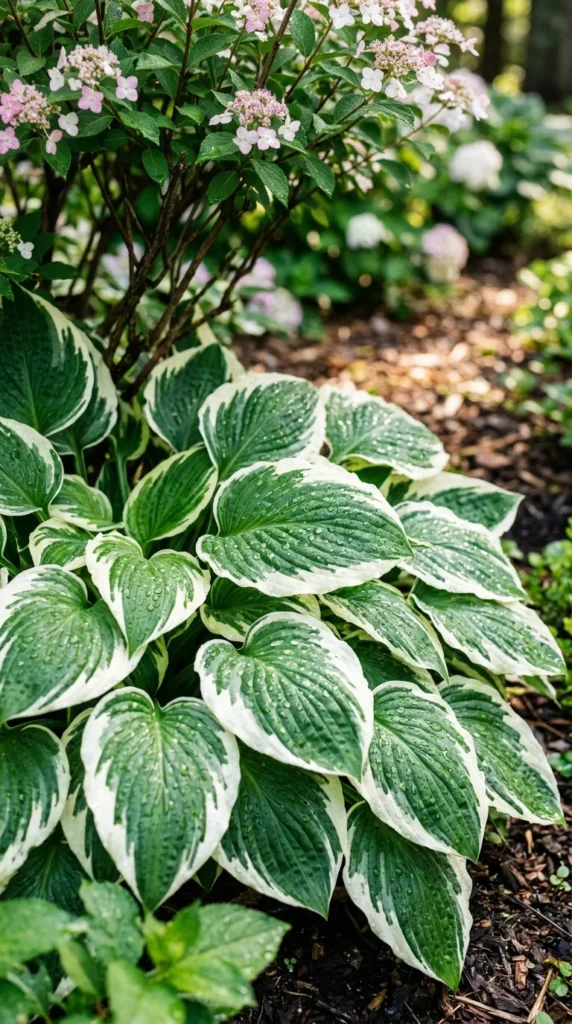
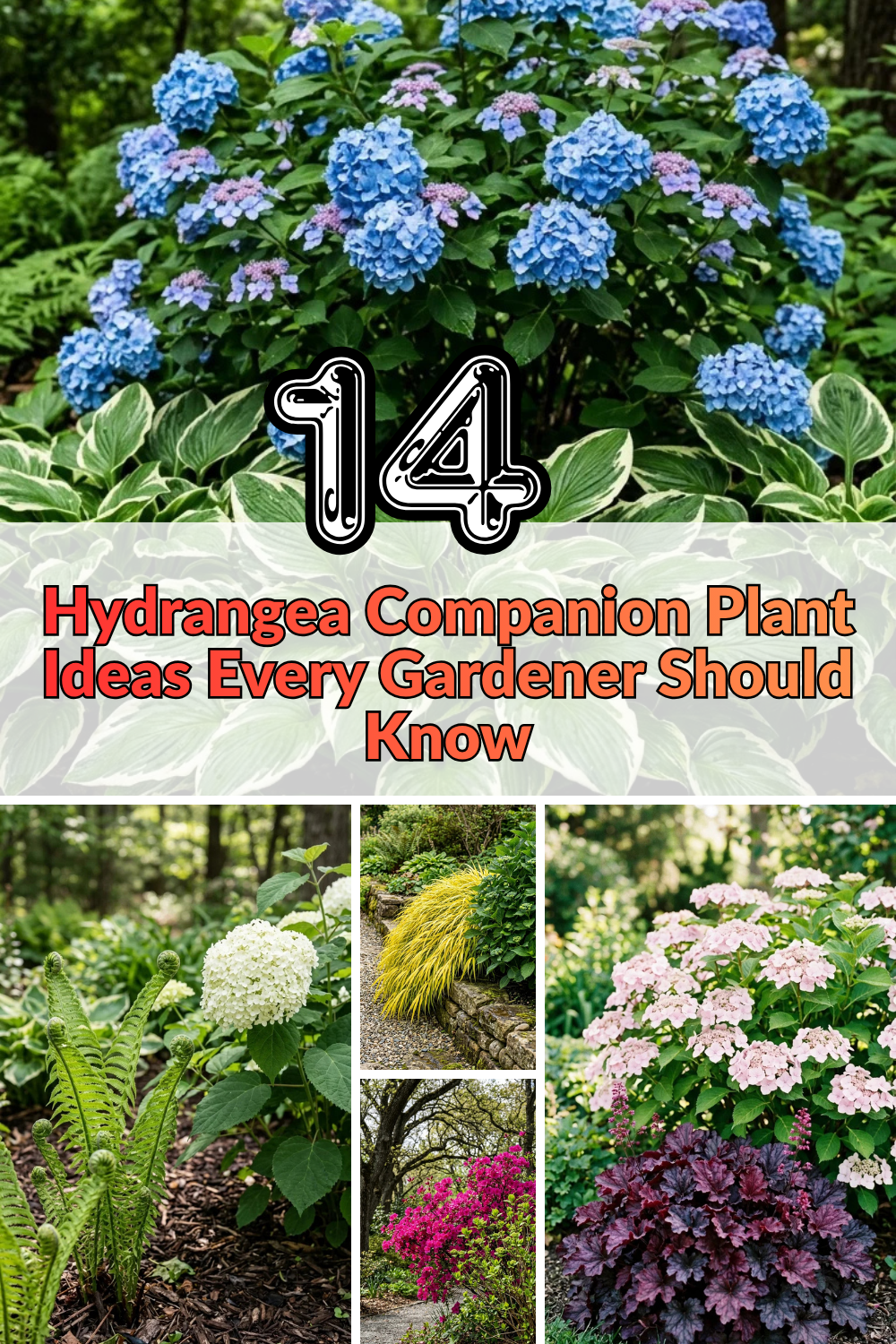
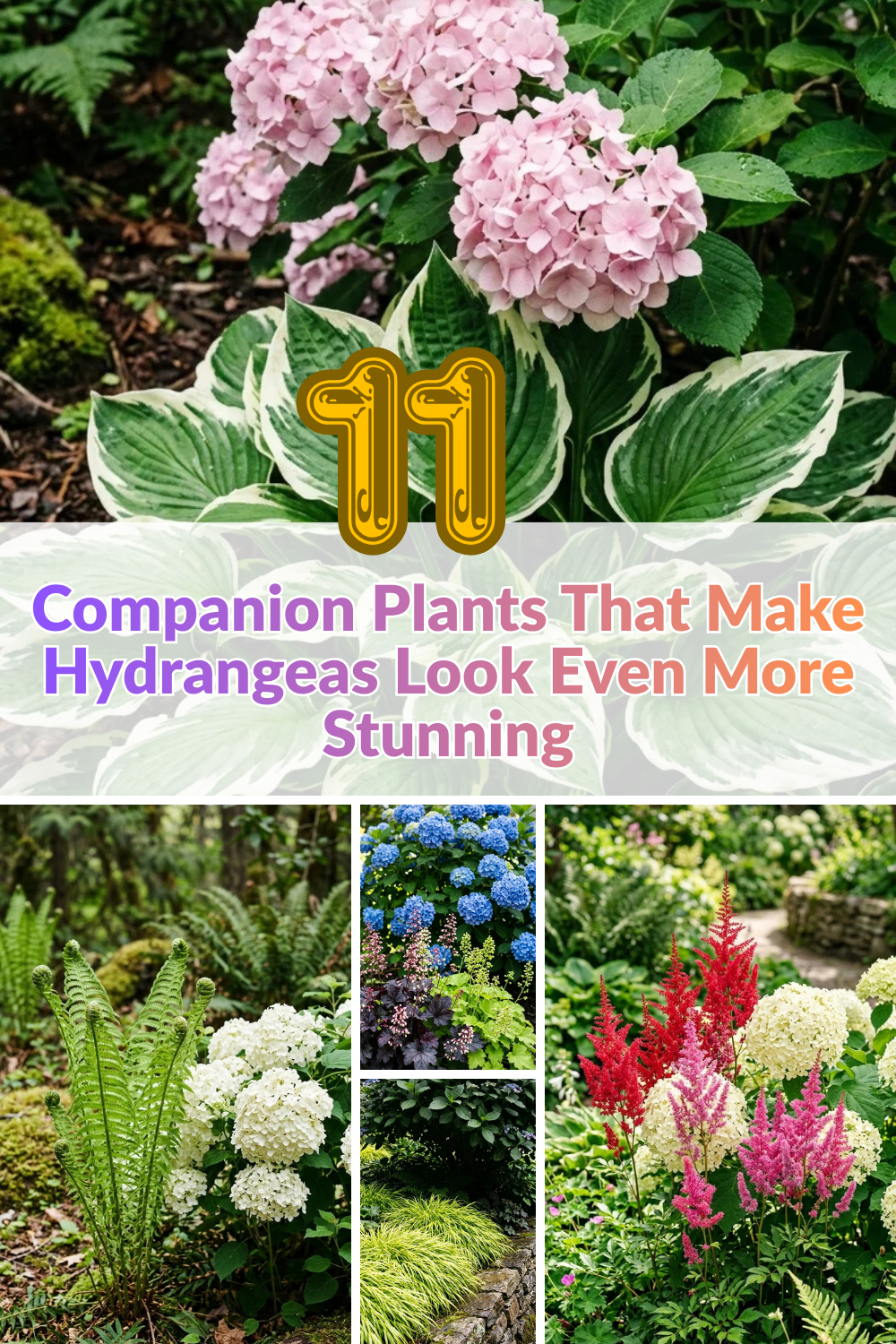
Hostas and hydrangeas are a match made in gardening heaven. Since both thrive in filtered light and appreciate moisture, they share the same biological “love language.” Hostas offer a massive variety of foliage textures—from waxy blue-grey leaves to bright chartreuse ruffles—which provides a grounding contrast to the airy, delicate blooms of the hydrangea. They are particularly effective at masking the woody, bare stems that often develop at the base of larger hydrangea varieties like Hydrangea macrophylla.
2. Ferns
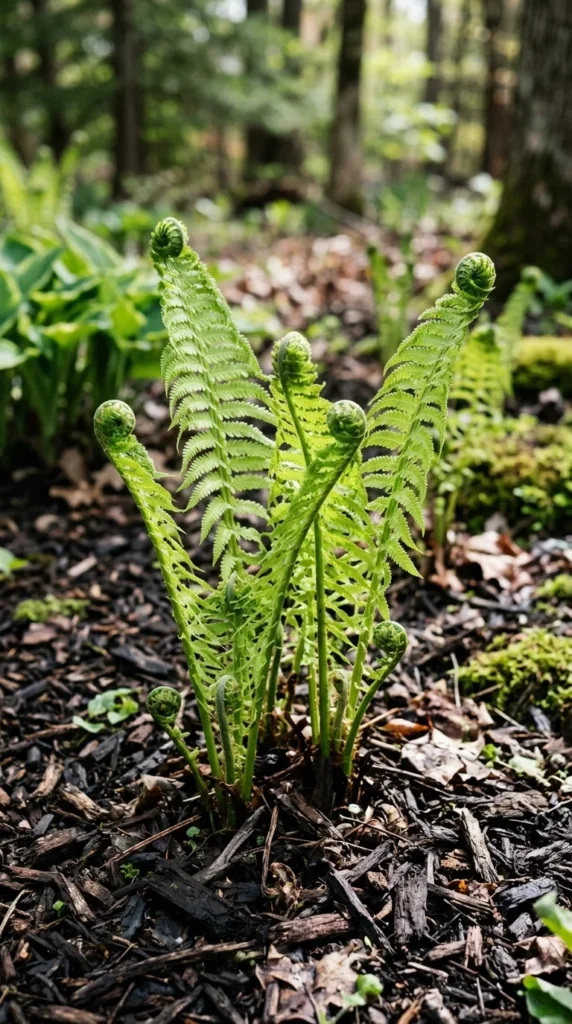
If you want to create a woodland retreat feel, ferns are your best bet. Varieties like the Ostrich Fern, Japanese Painted Fern, or Autumn Fern bring an ethereal, ancient texture to the garden. The fine-textured fronds of ferns act as a visual “breather” between the heavy, bold clusters of hydrangea flowers. Ferns are also excellent indicators of soil moisture; if they start to wilt, you know it’s time to give your hydrangeas a deep soak.
3. Heuchera
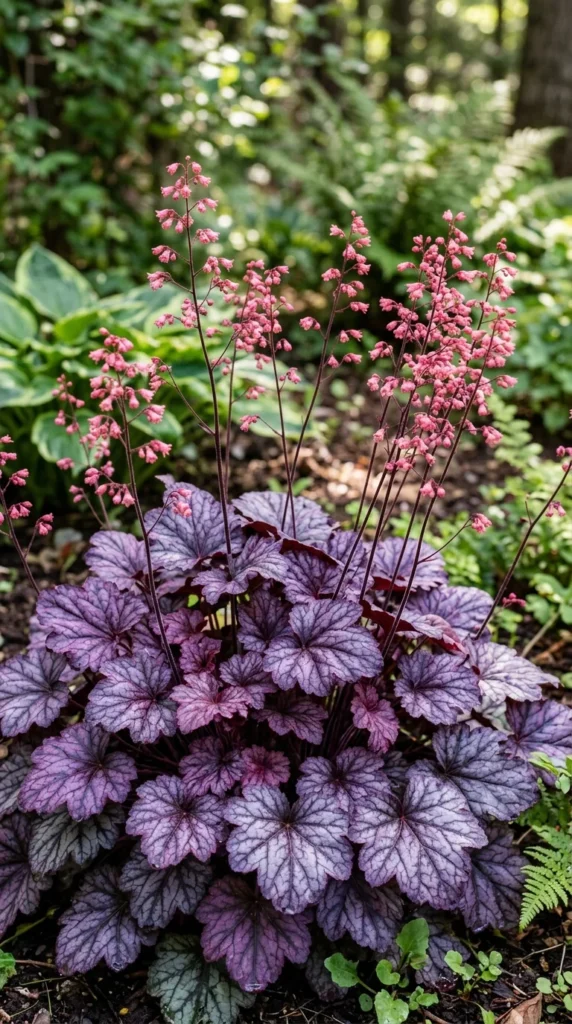
Commonly known as Coral Bells, Heuchera is prized for its incredible foliage color. While hydrangeas provide the height and the floral show, Heuchera blankets the ground in shades of deep plum, burnt orange, neon lime, or silver. This “living mulch” helps keep the soil cool and moist—exactly how hydrangeas like it. Because they stay low to the ground, they don’t compete with the hydrangea for sunlight, making them a perfect front-of-border choice.
4. Astilbe
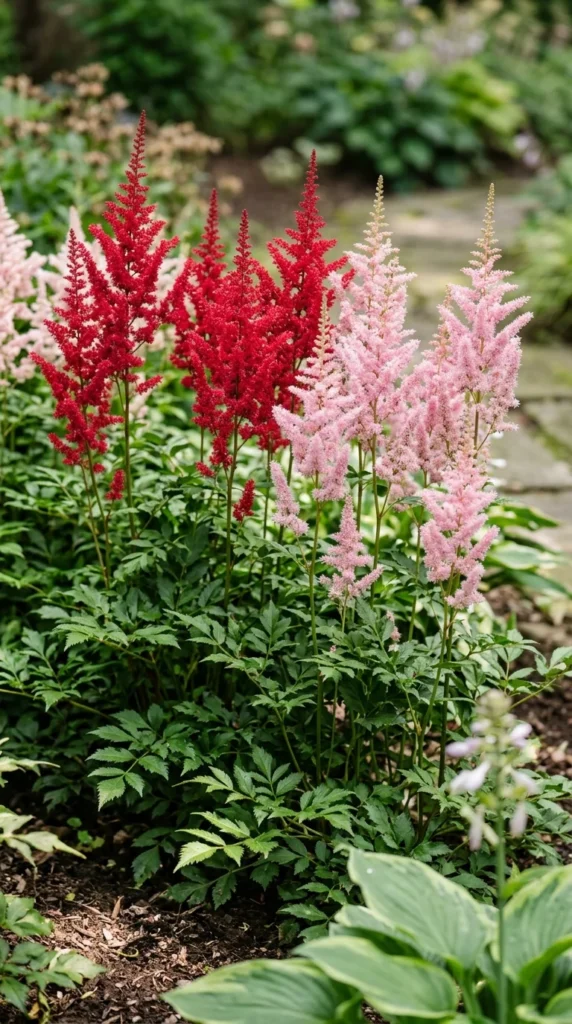
Astilbes are the perfect vertical companions. While hydrangea blooms are often round and heavy, Astilbe flowers are light, airy spikes that point toward the sky. They bloom in mid-summer, synchronizing perfectly with most hydrangea varieties. They thrive in the same damp, rich soil and shaded conditions. Planting a drift of white Astilbe alongside blue hydrangeas creates a cool, refreshing color palette that looks spectacular in the heat of July.
5. Bleeding Hearts
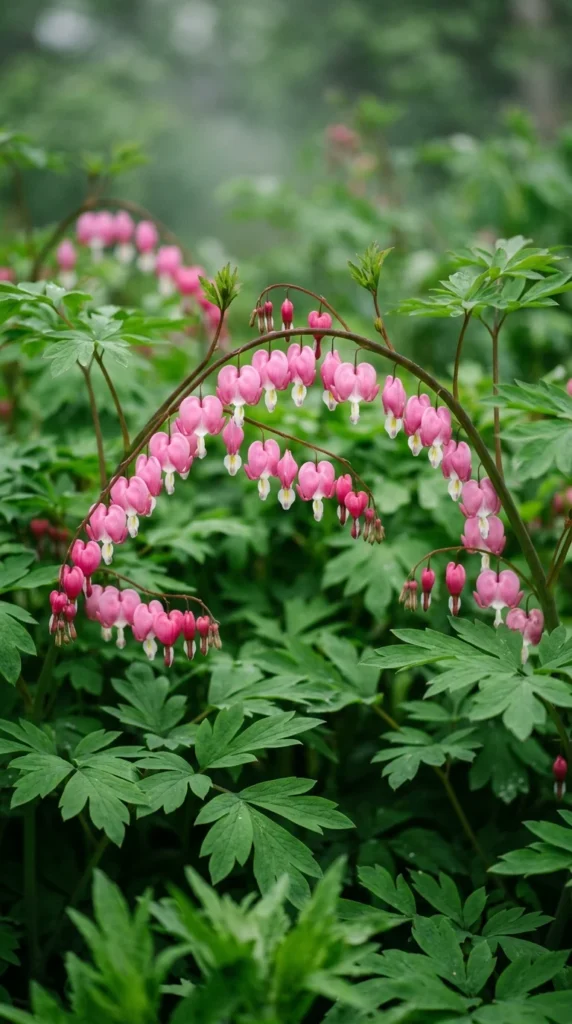
For early spring interest before your hydrangeas have even begun to leaf out, Bleeding Hearts (Lamprocapnos spectabilis) are essential. They offer a romantic, old-fashioned charm with their iconic heart-shaped pendants. By the time the hydrangeas are reaching their peak size in mid-summer, the Bleeding Hearts will often go dormant and disappear, gracefully handing over the spotlight and leaving plenty of room for the hydrangea’s massive summer growth.
6. Japanese Forest Grass
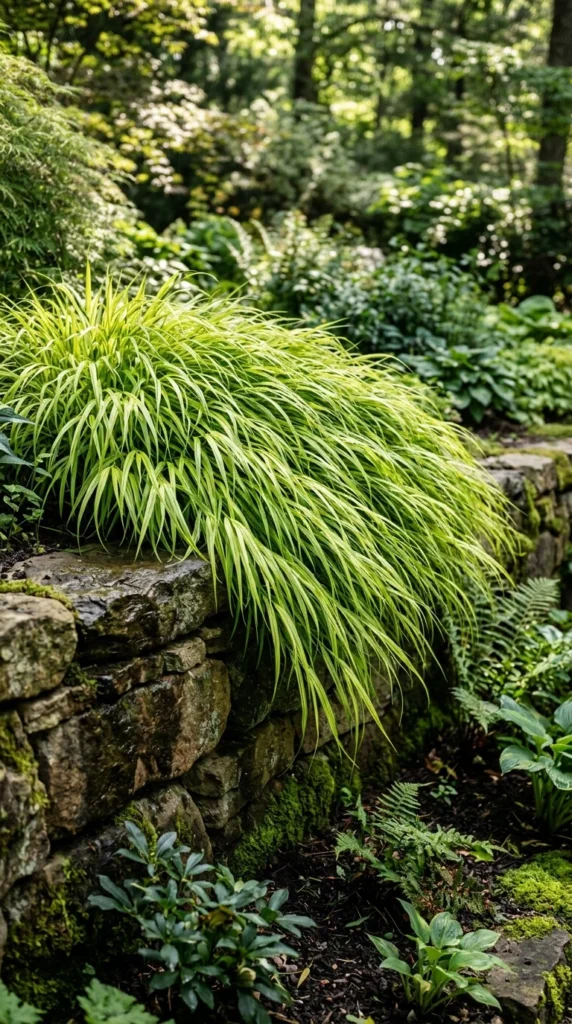
Texture is the key to a professional-looking garden, and Japanese Forest Grass (Hakonechloa) provides it in spades. This slow-growing ornamental grass looks like a golden waterfall. Planting it at the base of a blue or purple hydrangea creates a stunning color contrast. It loves the shade and helps suppress weeds while providing a soft, flowing movement that balances the sturdy, upright nature of hydrangea shrubs.
7. Boxwoods
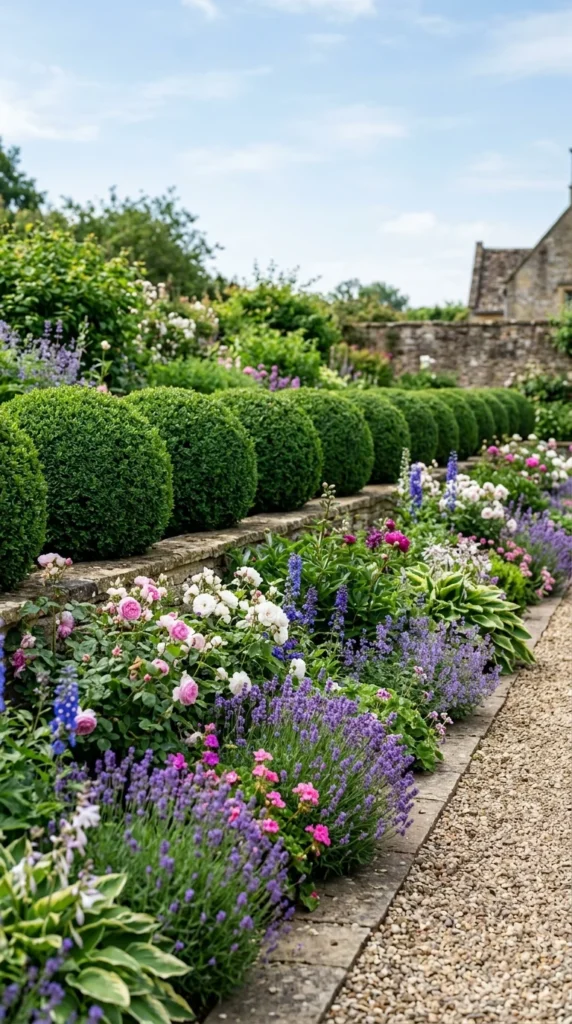
If you find your hydrangea garden looks a bit “messy” or bare during the winter months, Boxwoods are the solution. These evergreen shrubs provide the structural “bones” of the garden. By planting hydrangeas behind or amongst clipped boxwoods, you create a formal look that anchors the landscape. In the summer, the deep green, small leaves of the boxwood make the colorful hydrangea petals pop with even more intensity.
8. Azaleas
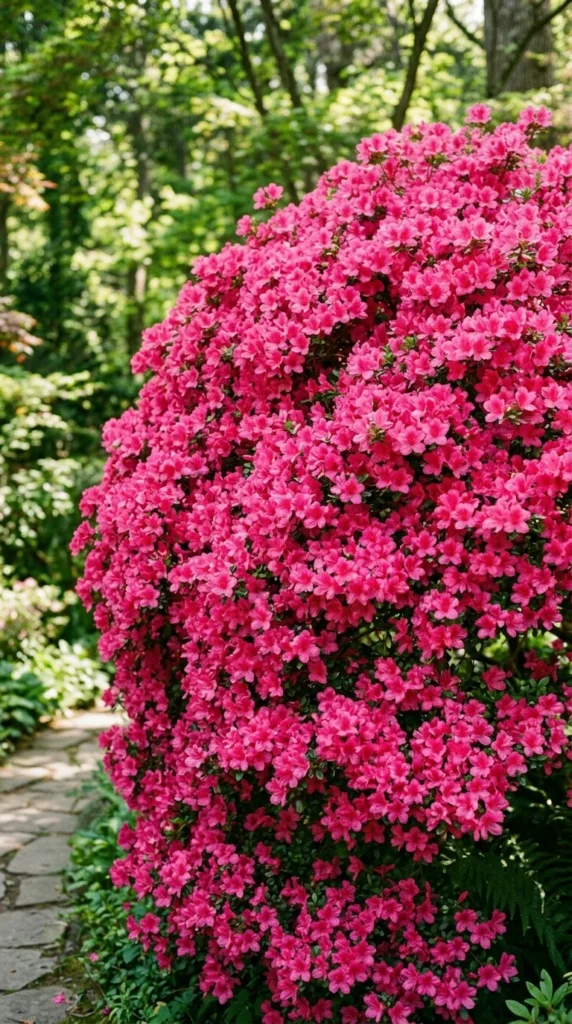
Azaleas and hydrangeas are natural companions because they both thrive in acidic soil. Azaleas take the stage in early spring, providing a riot of color when the rest of the garden is still waking up. As the azalea blooms fade, the hydrangea takes over, ensuring your garden has a continuous “relay race” of color from April through August. Their similar leaf shapes also create a cohesive, lush green wall when neither is in bloom.
9. Foxgloves
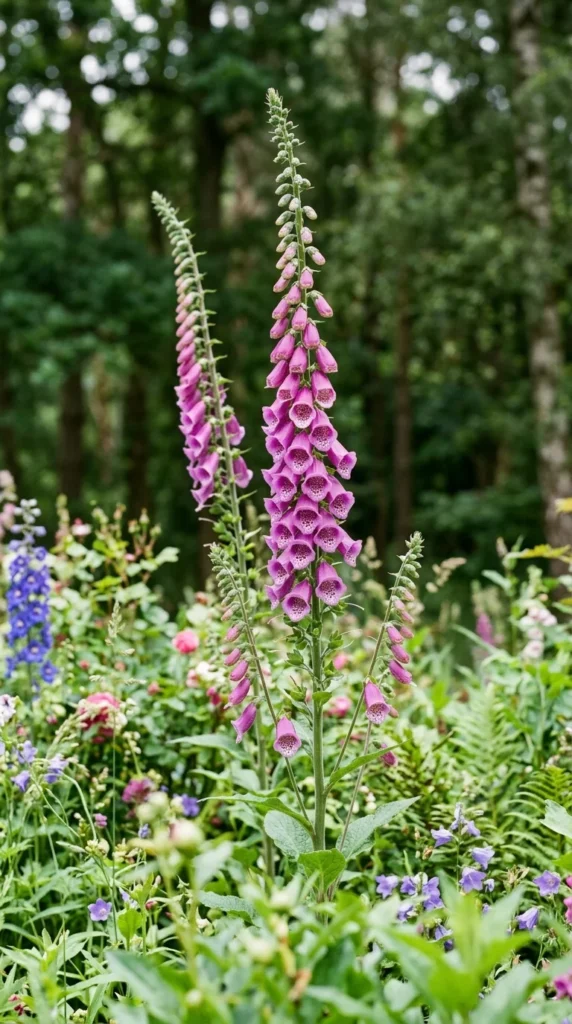
To add height and a sense of “cottage garden” whimsy, plant Foxgloves (Digitalis) behind your hydrangeas. Their tall, dramatic spires can reach up to five feet, peering over the top of the hydrangea bushes. Because Foxgloves are biennials or short-lived perennials that prefer partial shade, they fit perfectly into the hydrangea’s preferred environment. The verticality of the Foxglove breaks up the horizontal mounds of the hydrangea, creating a more dynamic visual landscape.
10. Clematis
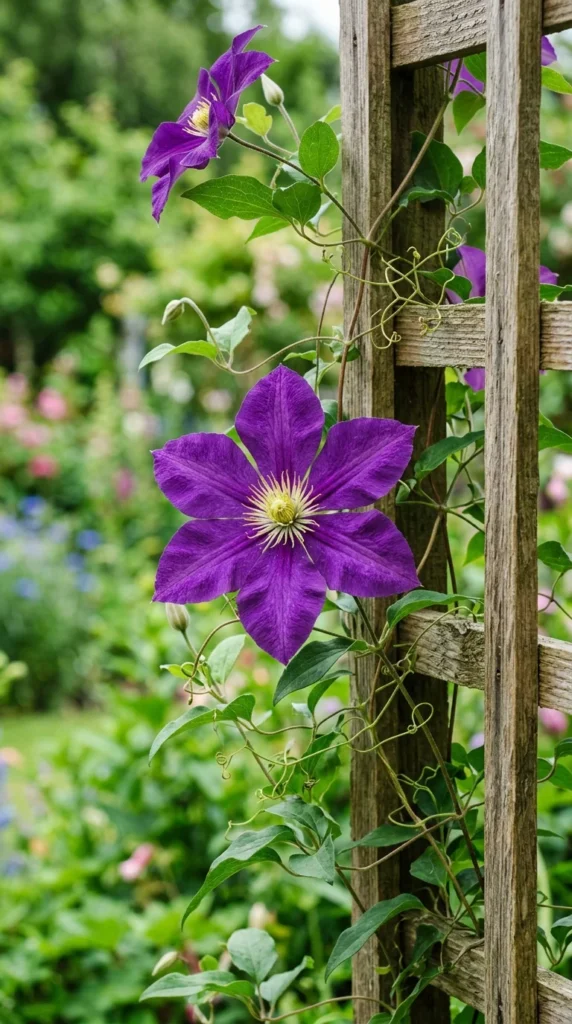
Why limit your garden to the ground? Hydrangeas provide an excellent structural support for certain climbing vines. Clematis, often called the “Queen of Climbers,” can be trained to grow up through the branches of a sturdy Panicle Hydrangea (Hydrangea paniculata). This allows you to have two different types of flowers blooming in the same vertical space. Look for Clematis varieties that bloom at the same time as your hydrangeas for a breathtaking floral explosion.
11. Hellebores
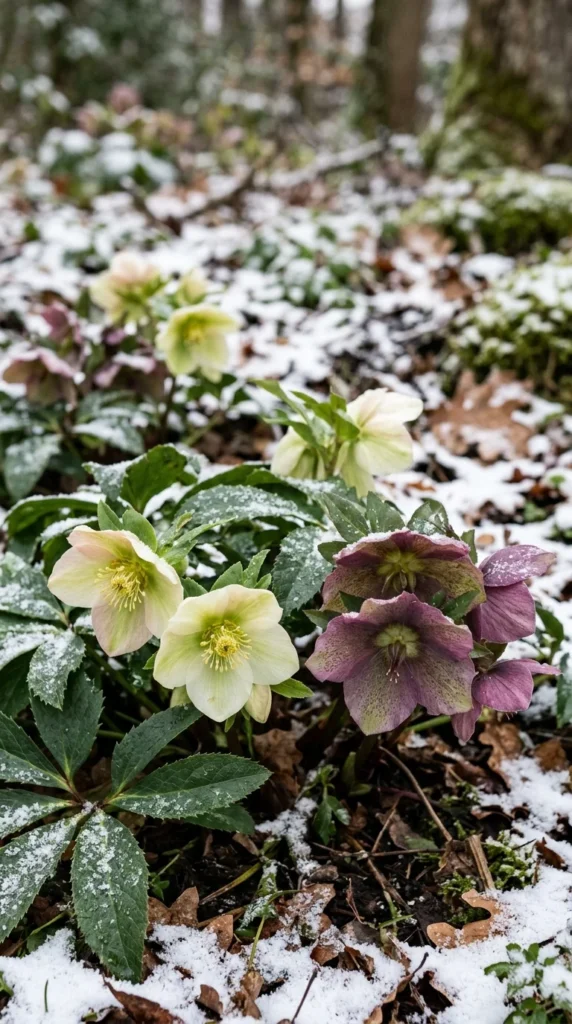
Hellebores, or Lenten Roses, are the heroes of the late winter garden. They bloom when almost nothing else is alive, often pushing through the snow. By the time the hydrangeas are in full leaf, the Hellebores provide a low-growing, leathery green groundcover. Their ability to thrive in deep shade makes them the perfect choice for planting directly under the heavy canopy of a large Oakleaf Hydrangea.
12. Alliums
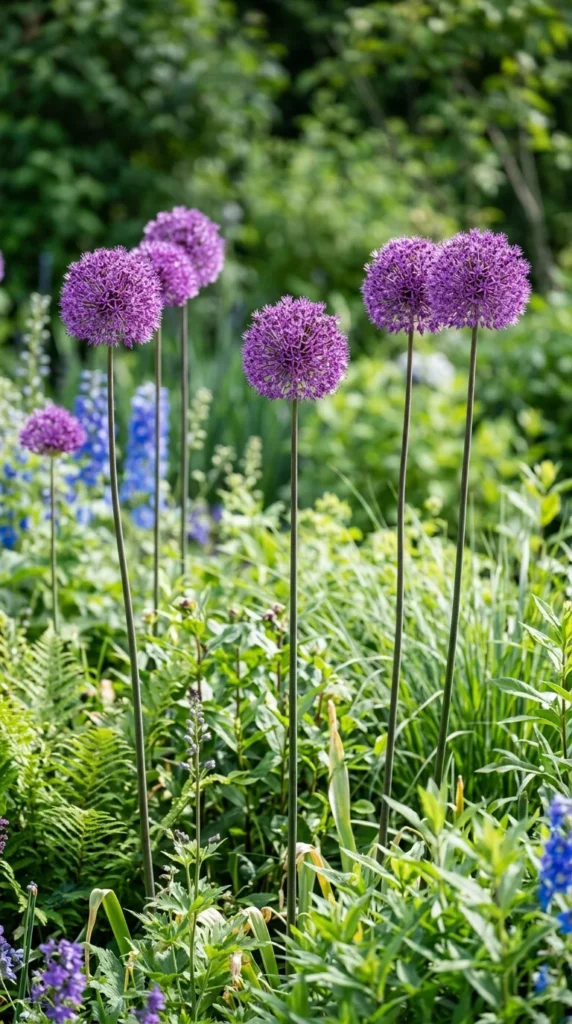
For a touch of modern architectural flair, tuck Allium bulbs around your hydrangeas in the fall. In late spring and early summer, the giant purple globes of the Allium will float above the emerging hydrangea leaves like botanical lollipops. Alliums are part of the onion family, and their scent (which is unnoticeable to humans unless crushed) actually helps deter deer and rabbits that might otherwise want to snack on your hydrangea buds.
13. Creeping Jenny
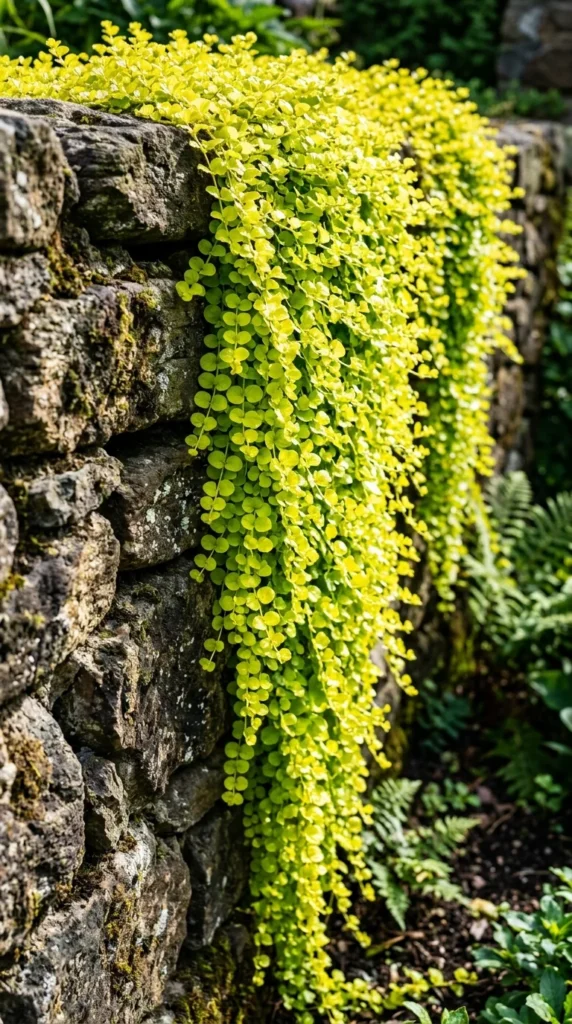
Creeping Jenny (Lysimachia nummularia) is an aggressive but beautiful groundcover that loves wet feet. If you have a spot where your hydrangeas are thriving because of high moisture, Creeping Jenny will thrive there too. Its brilliant gold-yellow foliage acts as a high-contrast carpet beneath the deep greens and blues of the hydrangea. It’s also fantastic for “spilling” over the edges of containers if you are growing dwarf hydrangea varieties in pots.
14. Dogwood
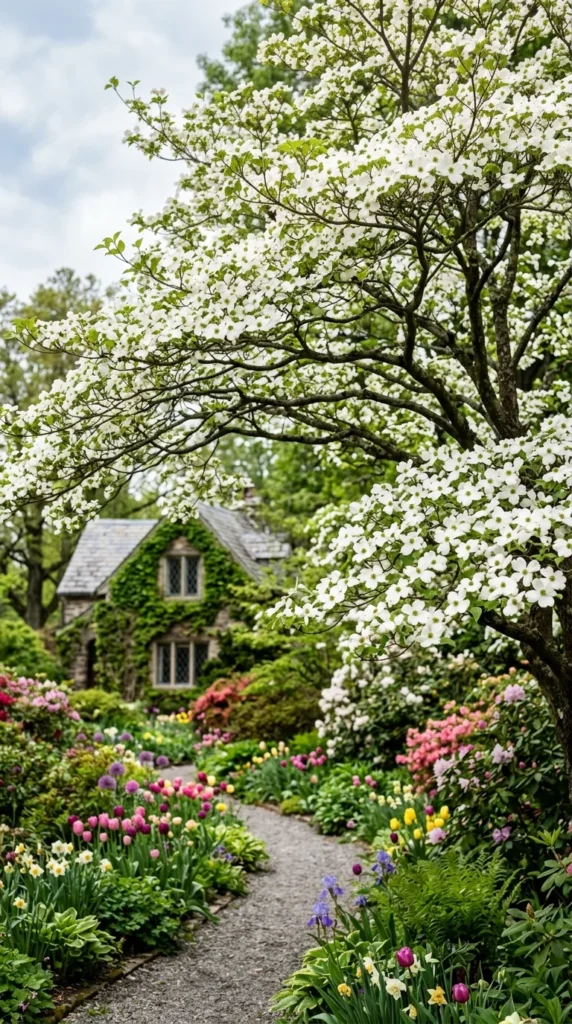
If you are looking for a “high-low” combination, the Flowering Dogwood is the perfect overstory tree for hydrangeas. Dogwoods provide the dappled shade that prevents hydrangea leaves from scorching in the afternoon sun. Both plants share a love for rich, organic soil and consistent water. The horizontal branching of the Dogwood mimics the mounding shape of the hydrangea, creating a sense of harmony and tiers in your landscape design.
15. Gardenias
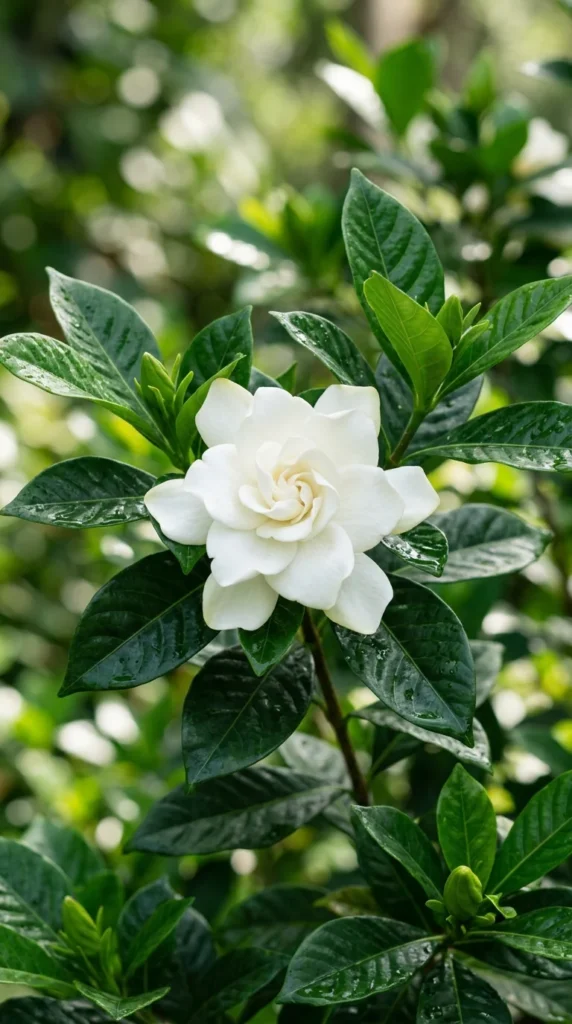
For those in warmer climates (USDA zones 7-9), Gardenias and hydrangeas make a sensory powerhouse duo. Gardenias bring a heady, intoxicating fragrance that most hydrangeas lack. They both enjoy acidic soil and part-sun. Pairing the crisp white of a Gardenia with the deep blue of a Bigleaf Hydrangea creates a classic, sophisticated “Southern garden” aesthetic that feels timeless and cool.
16. Pieris Japonica
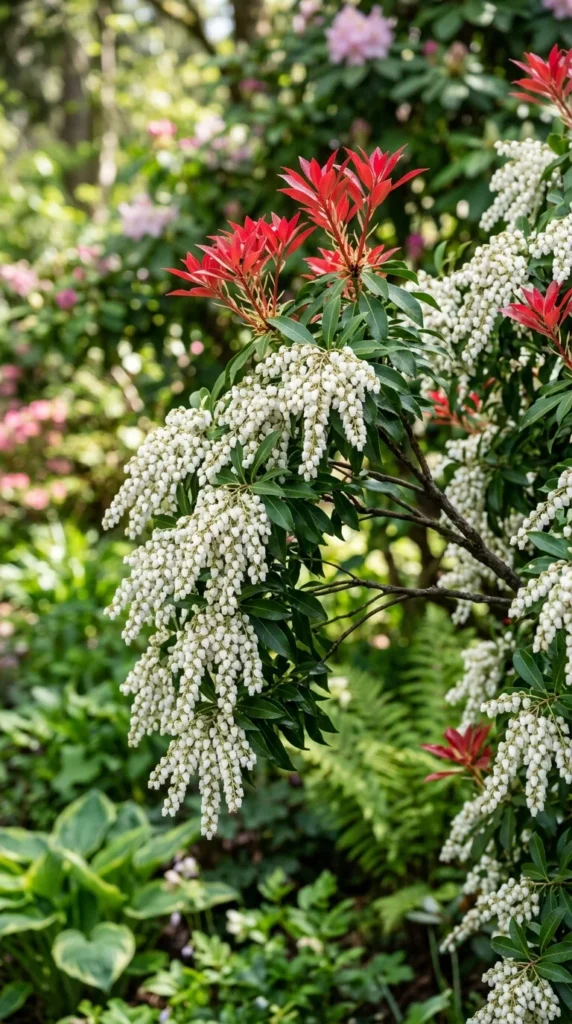
Also known as “Lily of the Valley Shrub,” Pieris Japonica is an evergreen that offers multiple seasons of interest. In late winter, it produces drooping clusters of bell-shaped flowers. In spring, its new foliage emerges in a brilliant, fiery red before turning a deep, glossy green. It requires the same acidic soil as hydrangeas and serves as a wonderful middle-ground plant to bridge the gap between low groundcovers and tall hydrangea bushes.