Transforming a compact apartment into a thriving urban jungle is more than just a home decor trend; it is a lifestyle shift that brings the calming, restorative power of nature indoors. When floor space is at a premium, creating a “jungle feel” requires a strategic approach to layering, height, and variety. By mimicking the structure of a rainforest—from the shaded floor to the soaring canopy—you can turn even the smallest studio into a lush botanical retreat. Here are 13 innovative ideas to help you cultivate your own indoor wilderness.
1. Vertical Gardens
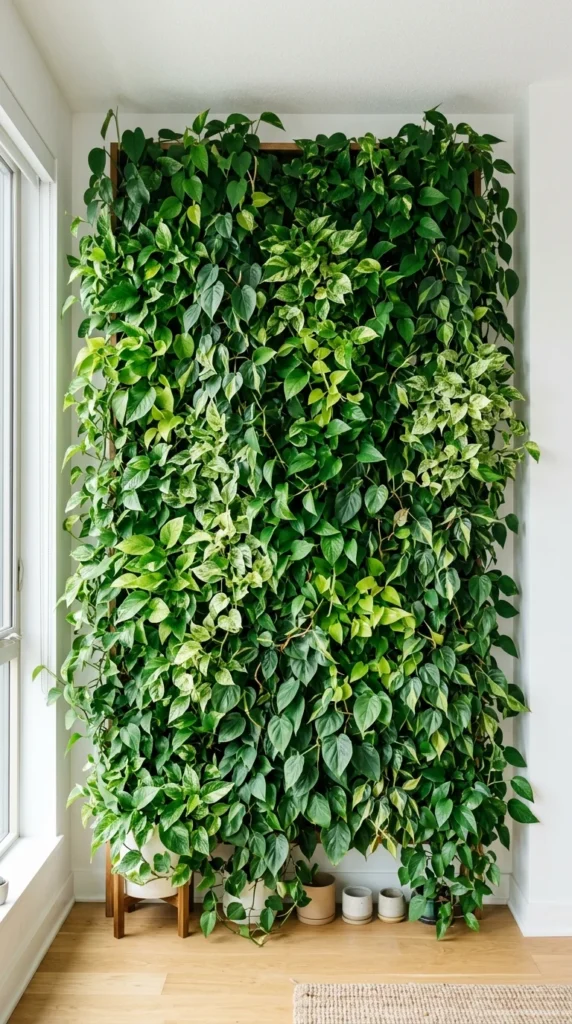
When you run out of floor space, the only way to go is up. Vertical gardens, or “living walls,” are the ultimate solution for apartment dwellers looking to maximize their green footprint. You can install modular felt pockets, wooden trellises, or even a grid of wall-mounted pots. To achieve that thick, jungle-like density, choose fast-growing climbers like Philodendron scandens or Epipremnum aureum (Pothos). These plants will quickly weave together, obscuring the wall and creating a seamless tapestry of foliage that mimics a forest cliffside.
2. Hanging Canopies
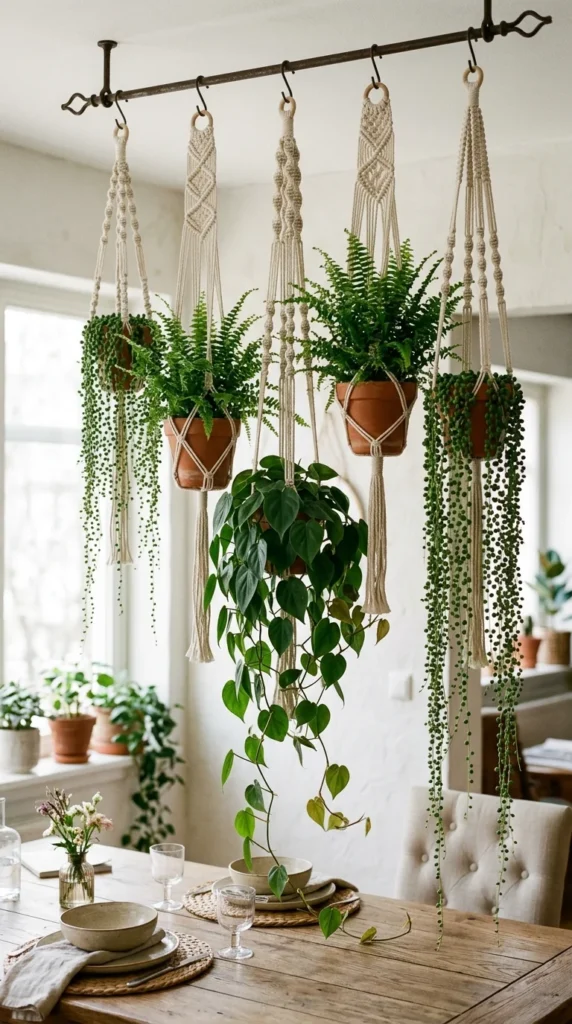
In a true jungle, the sky is never empty. You can recreate this overhead density by suspending plants from your ceiling at varying heights. Use a mix of macramé hangers, minimalist ceramic slings, and sleek metal hoops. The key to the “jungle look” is overlapping the trails; let the vines of a Spider Plant mingle with the delicate beads of a String of Pearls. This creates a multi-dimensional ceiling that draws the eye upward and makes the room feel completely enveloped in nature.
3. Floor Clusters
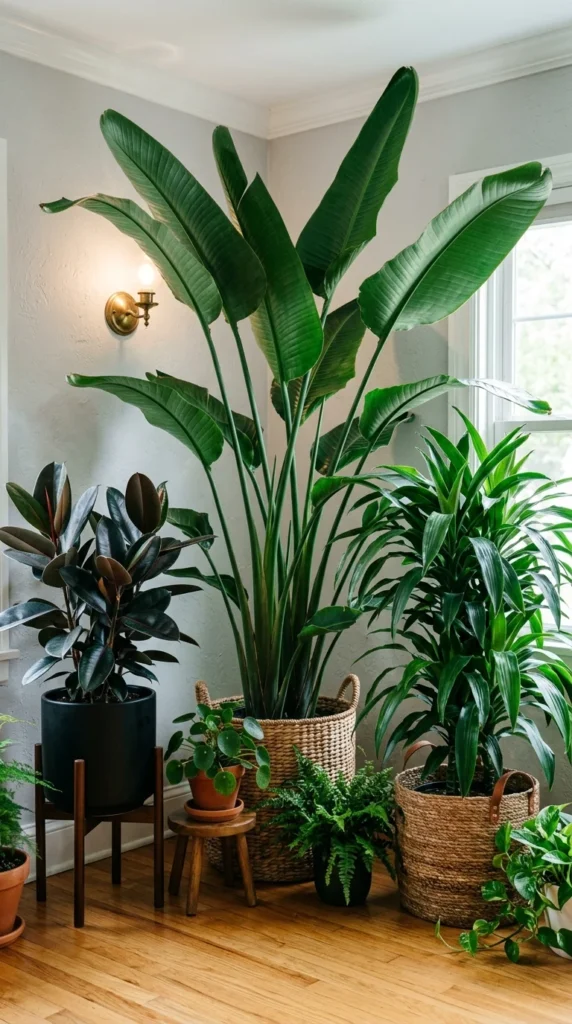
To create a sense of depth and mystery, avoid placing single plants in isolation. Instead, group your larger specimens in “plant clusters.” Place your tallest plants—like a Bird of Paradise or a Kentia Palm—in the back, and layer medium-sized plants like Snake Plants or ZZ Plants in front of them. Finish the look with small, bushy calatheas at the base. This “staircase” effect hides the pots and creates a thicket of leaves that looks like a natural outgrowth rather than a curated collection.
4. Window Shelving
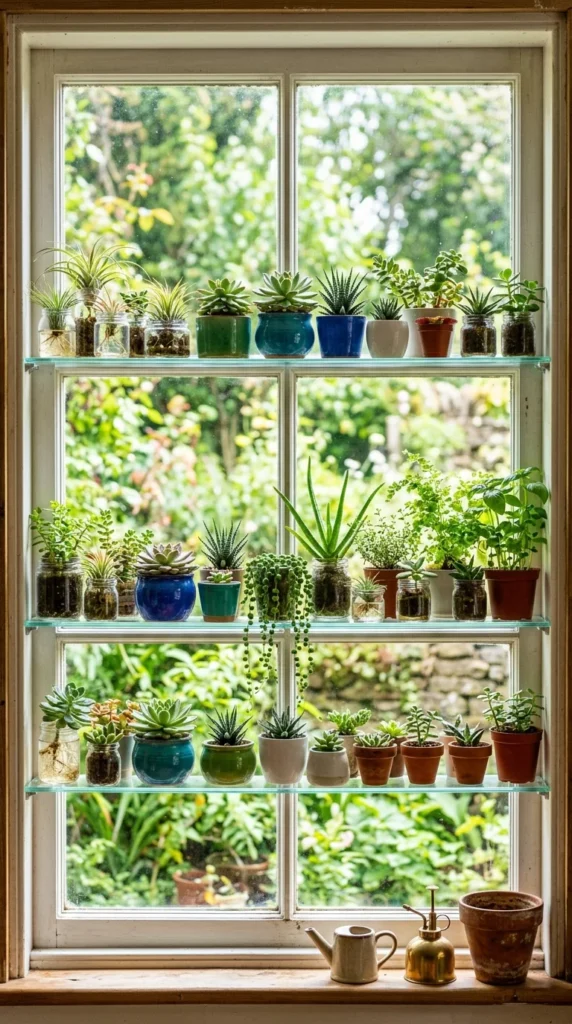
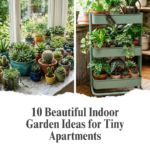
Maximize your most valuable resource—natural light—by installing transparent shelving directly across your window frames. Glass or acrylic shelves allow light to pass through to the rest of the room while providing a home for dozens of smaller plants. This creates a “greenhouse” effect, where the window itself becomes a living piece of art. It’s the perfect spot for sun-loving varieties like Echeveria, Cacti, or even a mini herb garden of basil and mint.
5. Bathroom Oasis
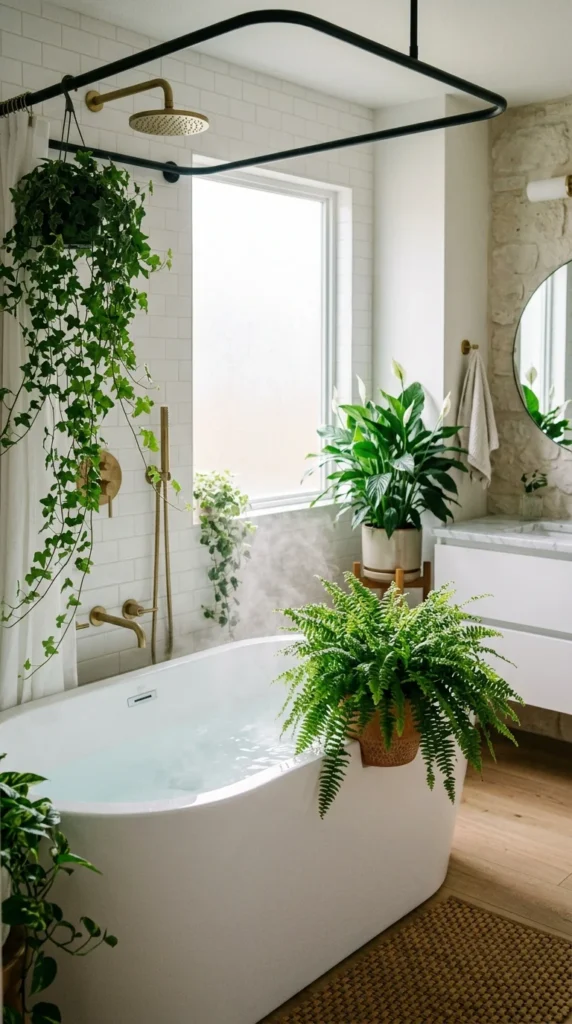
The bathroom is often the most overlooked space for indoor gardening, yet its high humidity makes it the perfect environment for tropical species. Turn your shower into a sanctuary by placing humidity-loving plants like Boston Ferns, Calatheas, and Peace Lilies around the tub. You can even hang bundles of dried eucalyptus from the showerhead for a spa-like aroma. The moisture from your daily routine will keep these plants vibrant and lush without the need for constant misting.
6. Tiered Stands
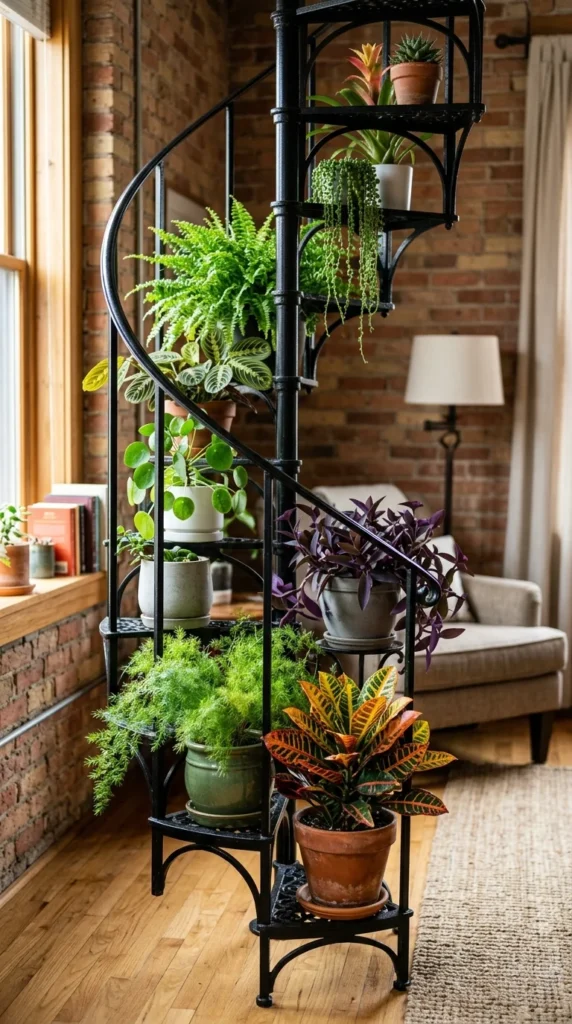
If you cannot drill into your walls or ceiling, tiered plant stands are your best friend. These structures allow you to stack several plants in the footprint of a single pot. Look for stands with varying heights and shelf sizes to create visual interest. A spiral or ladder-style stand allows you to showcase a variety of textures—from the waxy leaves of a Rubber Tree to the feathery fronds of a Maidenhair Fern—giving you a concentrated burst of jungle energy in a small corner.
7. Floating Shelves
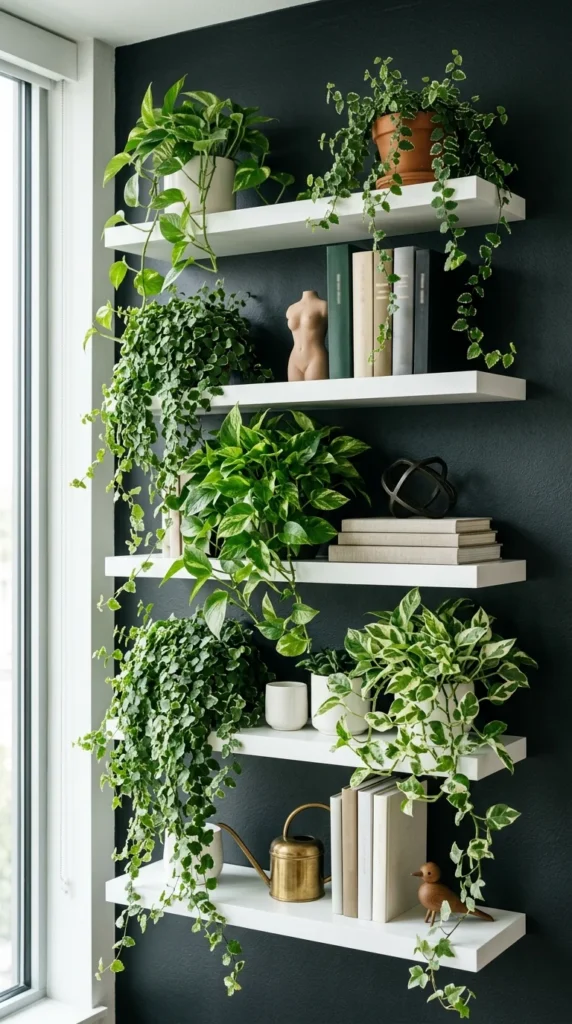
Floating shelves offer a way to integrate plants into your existing decor. By staggering shelves at different levels, you can create a “waterfall” effect of greenery. Choose trailing plants that will grow downward, eventually covering the shelves themselves. This blurs the lines between your furniture and your garden, making the plants feel like an organic part of the architecture. It’s an excellent way to use “dead space” above a sofa or a television.
8. Indoor Trees
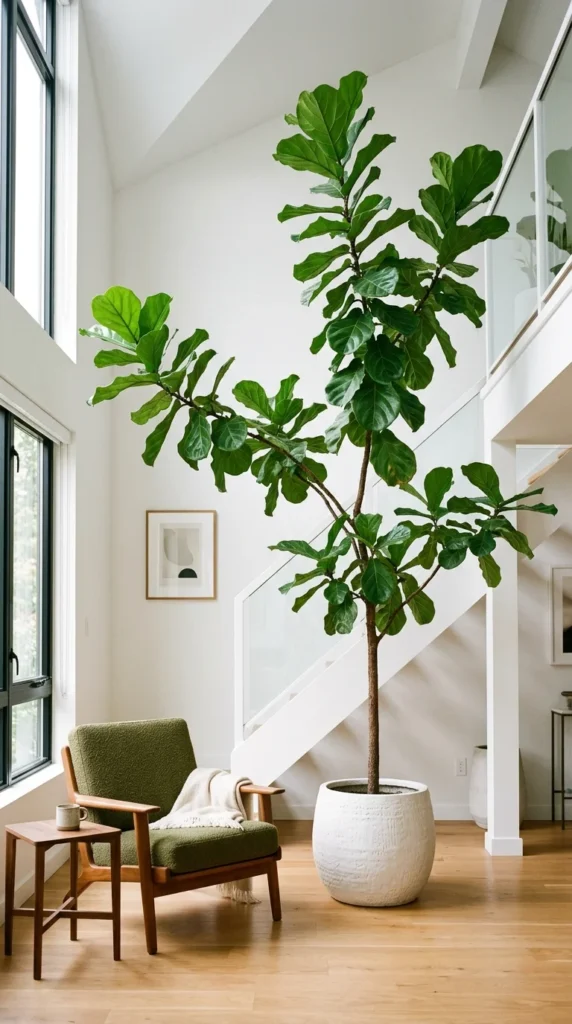
Nothing says “jungle” like a towering canopy. Even in an apartment, a single large-scale tree can anchor the room and provide a sense of scale. The Fiddle Leaf Fig is a classic choice for its broad, dramatic leaves, but you could also opt for a Money Tree with its braided trunk or a tall, elegant Dracaena. Placing a tree in a corner not only softens the sharp lines of the room but also provides a “ceiling” of leaves that makes the space feel cozy and enclosed.
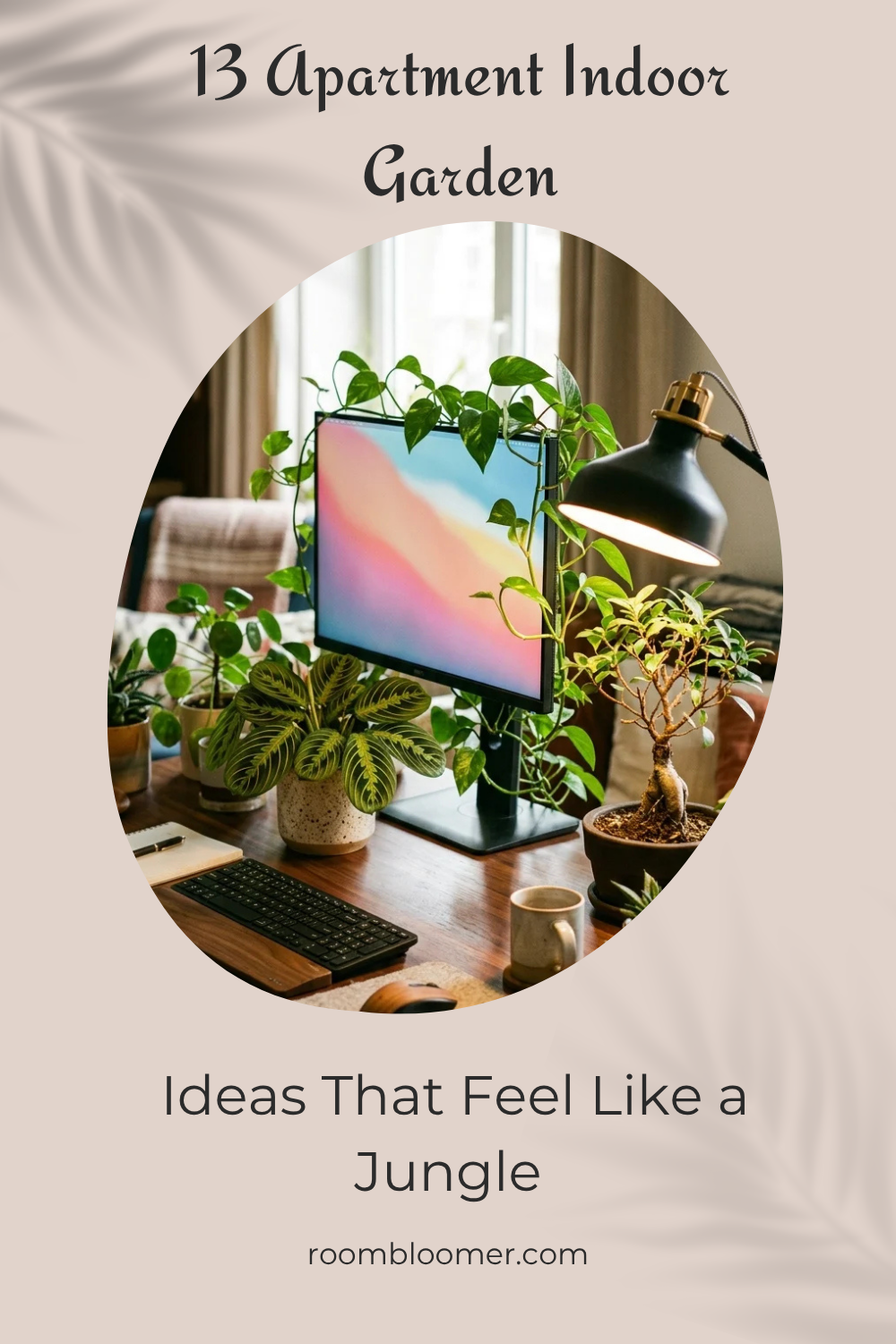
9. Desk Jungles
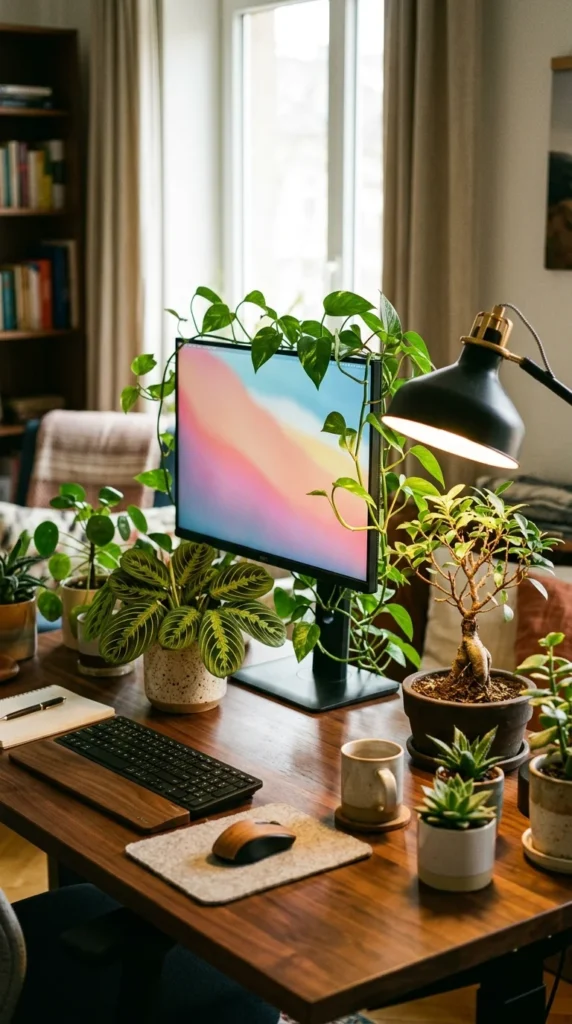
Bring the benefits of nature to your workspace by creating a mini-jungle on your desk. Studies show that being near plants can reduce stress and increase productivity. Use small, low-maintenance varieties like Sansevieria (Snake Plant) or Haworthia that won’t mind the occasional forgotten watering. Incorporating a “living desk” helps break up the monotony of digital screens and provides a refreshing, oxygen-rich environment for deep focus.
10. Glass Terrariums
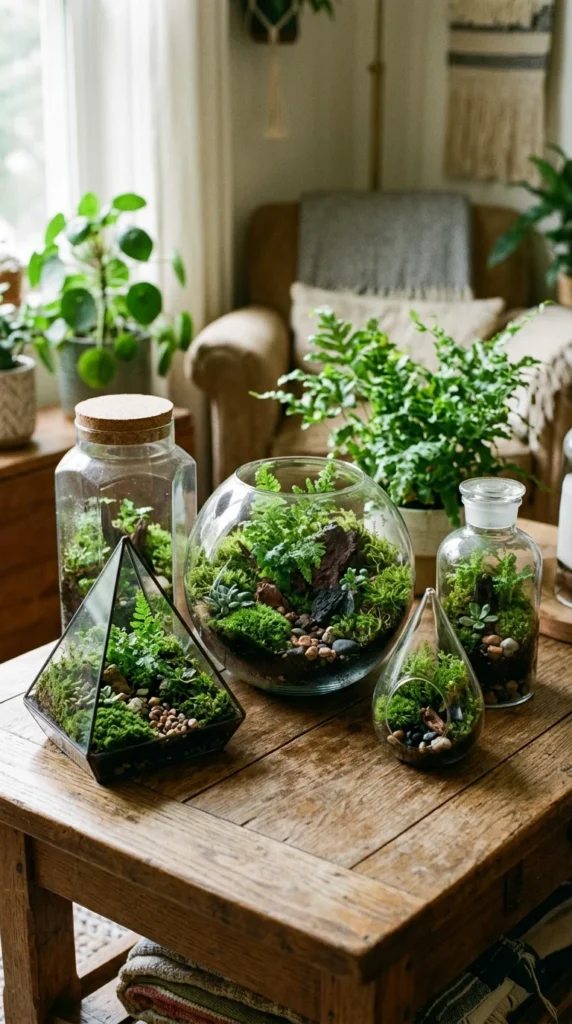
For a more controlled and whimsical jungle feel, glass terrariums offer a peek into a miniature ecosystem. These enclosed environments trap moisture, making them ideal for delicate mosses and ferns that might struggle in the dry air of an apartment. You can create different “climates” in each jar—a desert scene with cacti and sand in one, and a lush rainforest floor in another. Arranging a group of these on a coffee table or sideboard creates a fascinating focal point.
11. Bench Planters
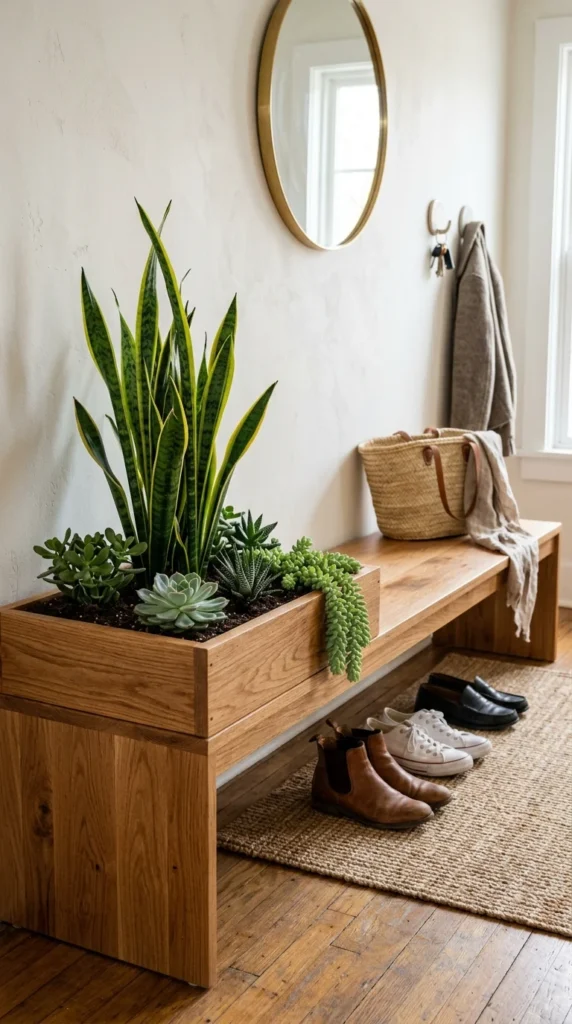
Multi-functional furniture is a hallmark of smart apartment living. A bench with an integrated planter allows you to combine seating with greenery seamlessly. This is particularly effective in entryways or hallways, where space is narrow. By planting upright, architectural plants like Mother-in-Law’s Tongue, you add height and life to a functional piece of furniture, ensuring that the first thing you see when you walk through the door is a burst of life.
12. Climbing Trellises
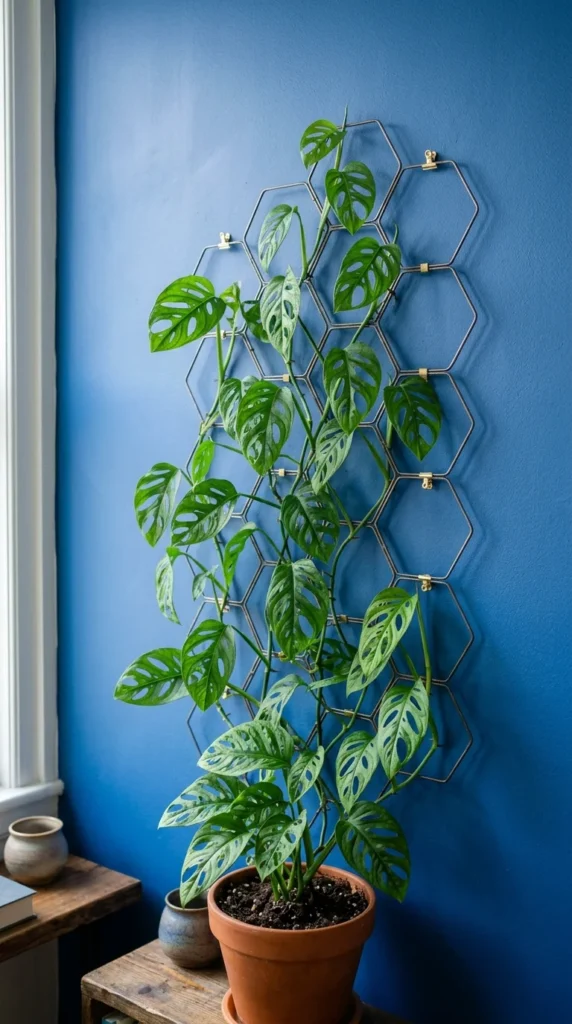
Many jungle plants are naturally “epiphytes” or climbers that seek out structure to grow tall. By providing a moss pole or a decorative wire trellis, you can encourage plants like Monstera Adansonii or various Philodendrons to climb. This not only saves floor space but also results in larger, healthier leaves as the plant matures and feels supported. A climbing plant serves as a living sculpture, changing shape and density as it grows over the months.
13. Propagation Stations
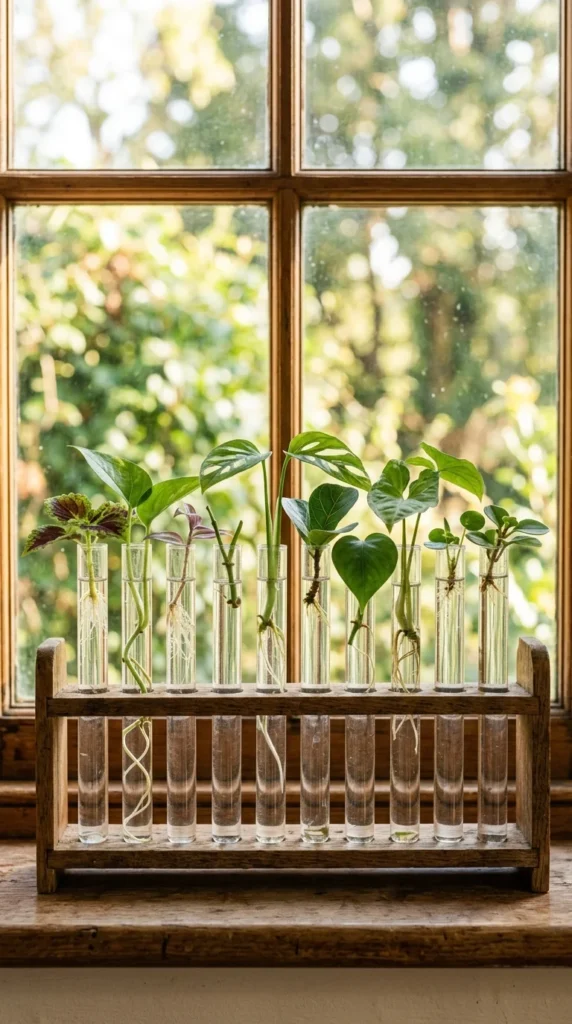
A jungle is a place of constant growth and renewal. A dedicated propagation station allows you to turn the process of growing new plants into a visual feature. Using glass vials, test tubes, or recycled jars, you can display cuttings from your existing plants as they develop roots. Watching the roots grow in water is both educational and aesthetically pleasing. Once they are ready, you can pot them up to expand your jungle or give them away as gifts to fellow plant lovers.