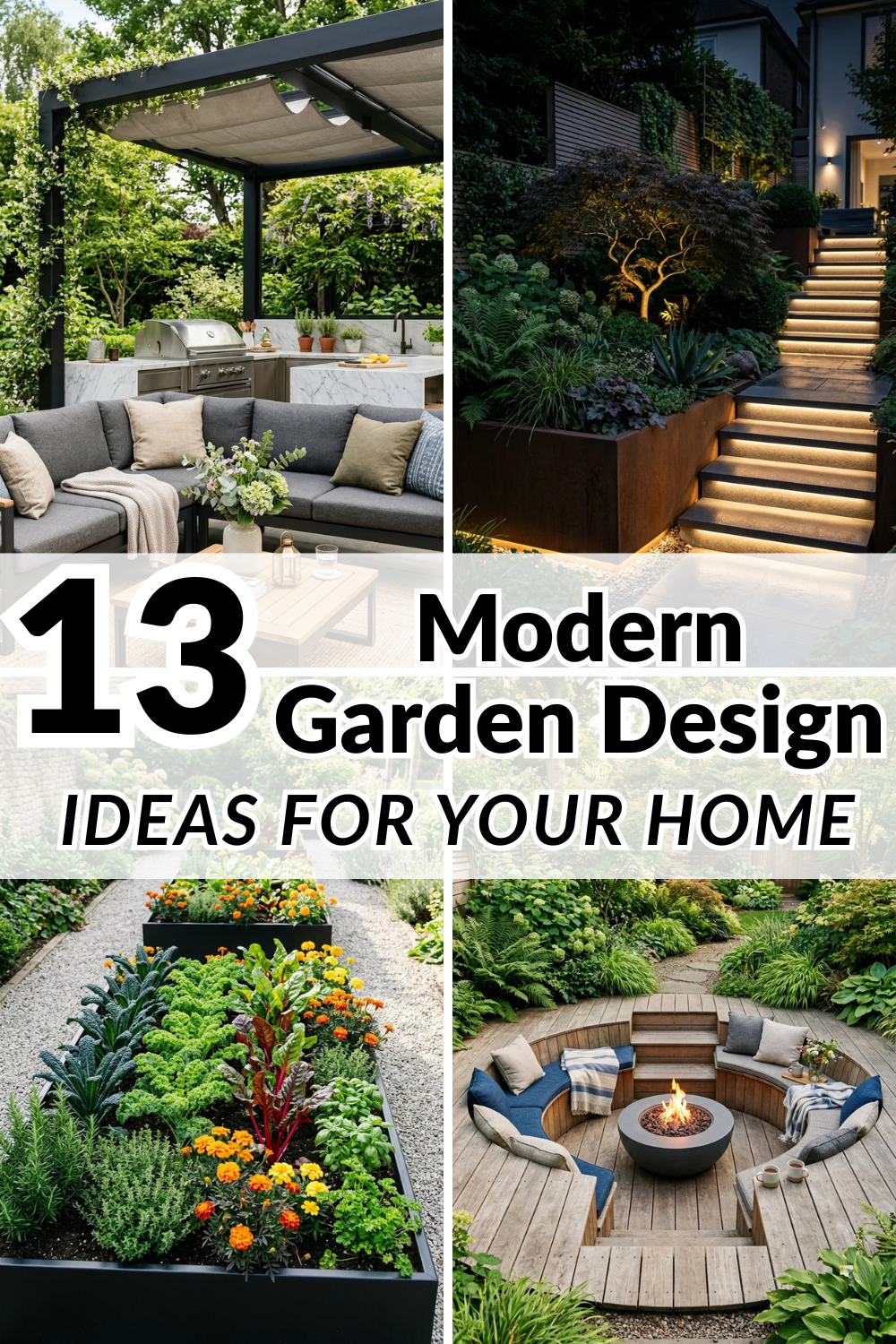
The concept of a garden has evolved far beyond a simple patch of grass and a few flower beds. In the modern era, the garden is an extension of the home—a seamless transition from interior luxury to outdoor tranquility. Modern garden design is characterized by clean lines, a neutral color palette, and a focus on structural form over chaotic growth. Whether you have a sprawling estate or a compact urban balcony, these thirteen ideas will help you transform your outdoor space into a contemporary sanctuary.
1. Minimalist Geometry
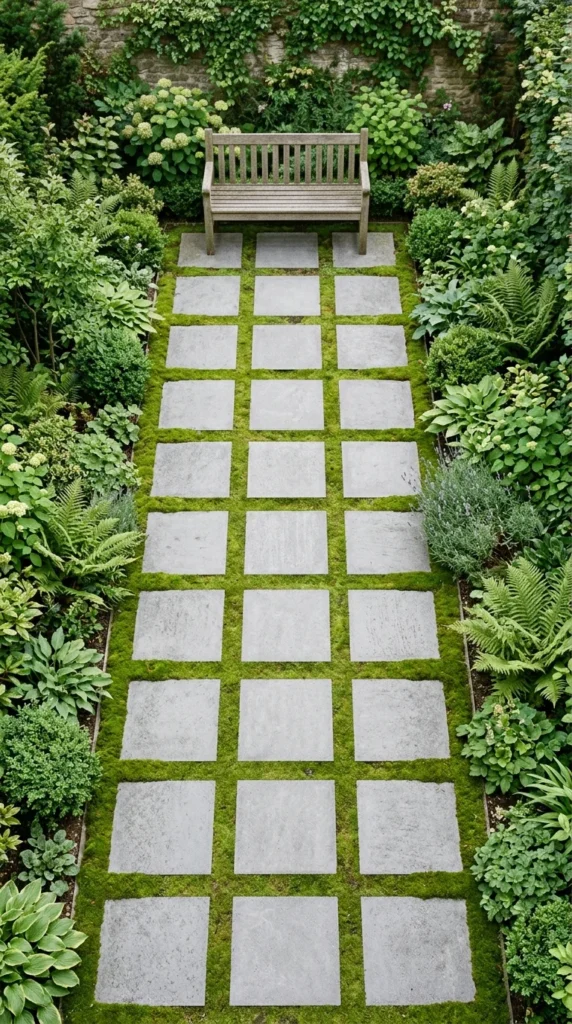
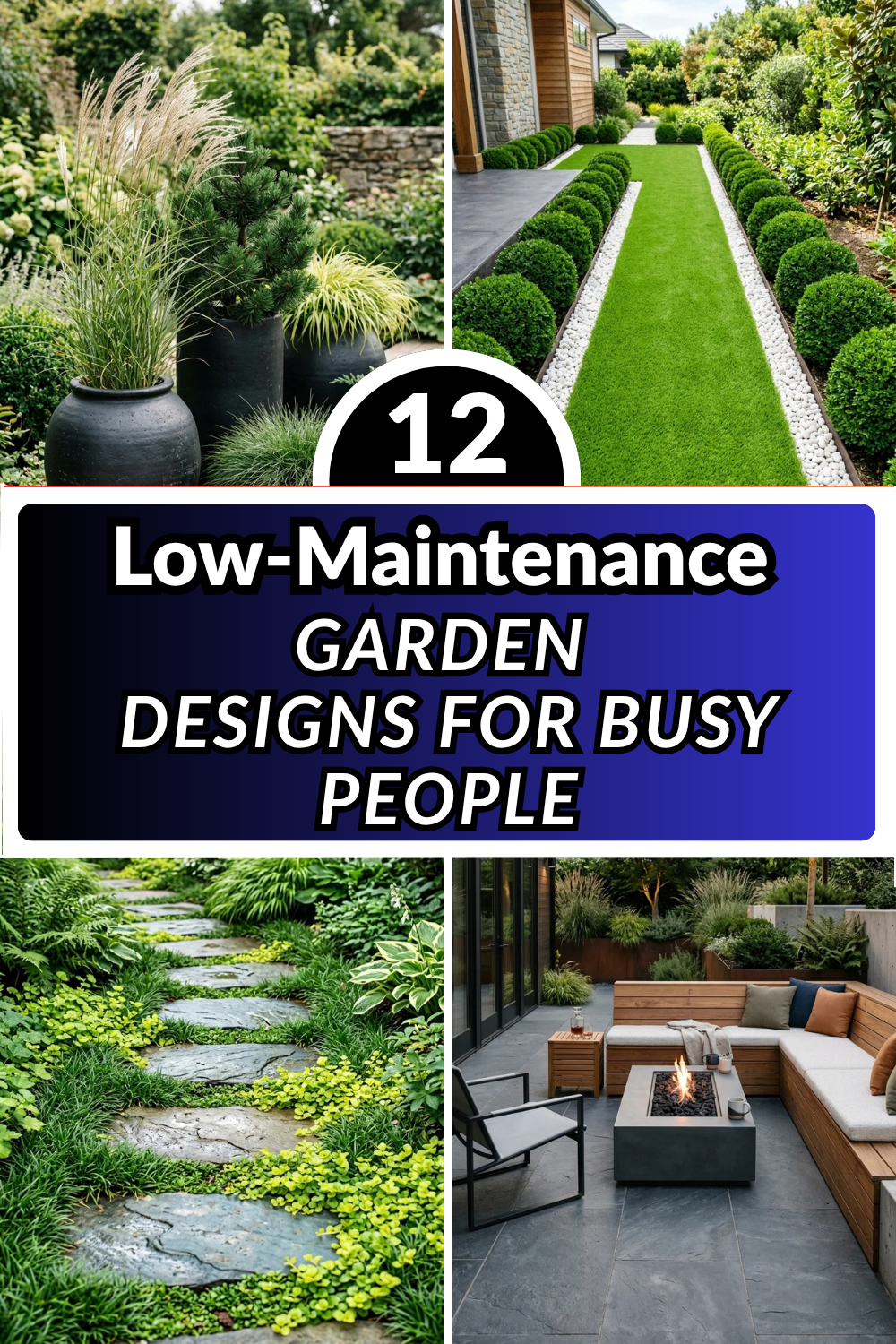
Minimalism is the cornerstone of modern design. To achieve this look, focus on geometric shapes and repetition. Instead of winding, organic paths, opt for straight lines and sharp angles. Using oversized pavers—whether concrete, slate, or porcelain—separated by narrow strips of grass or decorative gravel creates a striking visual rhythm. This approach reduces visual clutter and makes even small gardens feel more spacious and organized.
2. Vertical Gardens
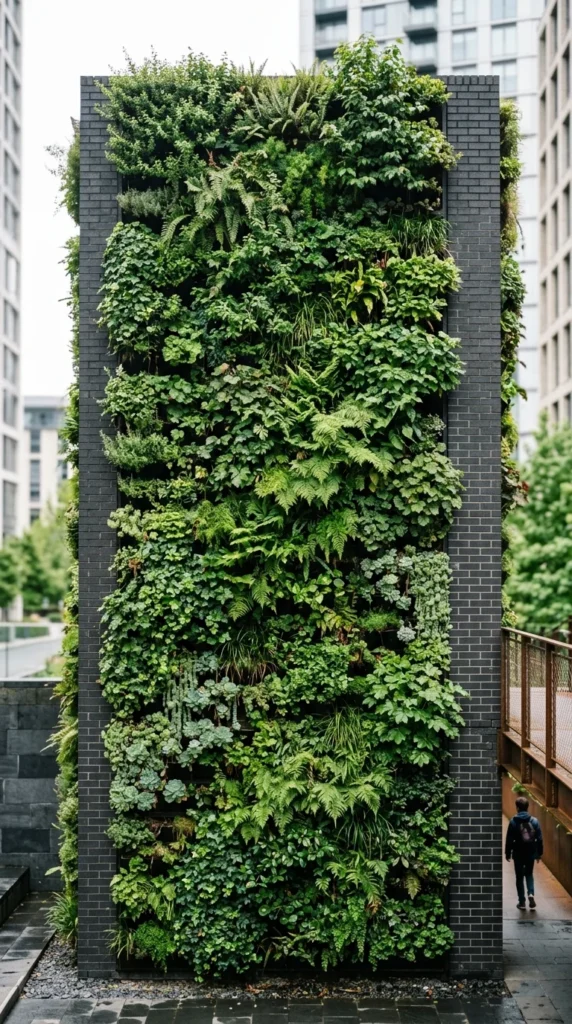
As urban living spaces become more compact, the only way to go is up. Vertical gardens, or living walls, are a staple of modern landscaping. They allow you to introduce a massive amount of greenery without sacrificing precious floor space. You can use modular planting systems to create a lush, leafy tapestry on a boundary wall or a freestanding trellis. Not only do they look breathtaking, but they also provide excellent insulation and soundproofing for city dwellings.
3. Smart Lighting
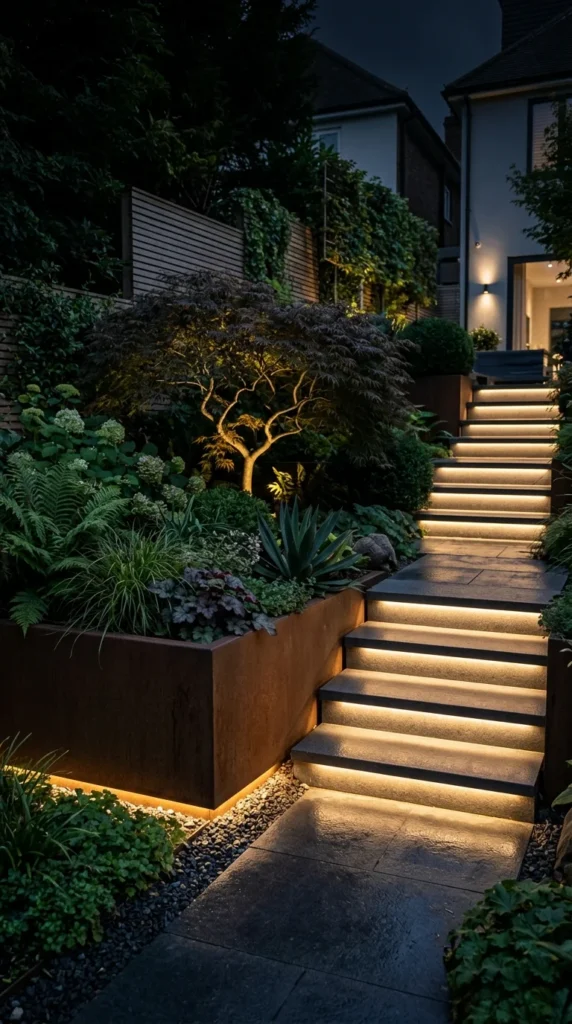
Modern gardens are designed to be enjoyed 24/7. Integrating “smart” lighting is essential for ambiance and safety. Move away from traditional lanterns and toward recessed LED strips that highlight the architectural features of your garden. Under-lighting benches, stairs, and planters creates a “floating” effect that is quintessentially modern. With smart controllers, you can change the color temperature or dim the lights directly from your smartphone, setting the perfect mood for a late-night cocktail.
4. Sustainable Xeriscaping
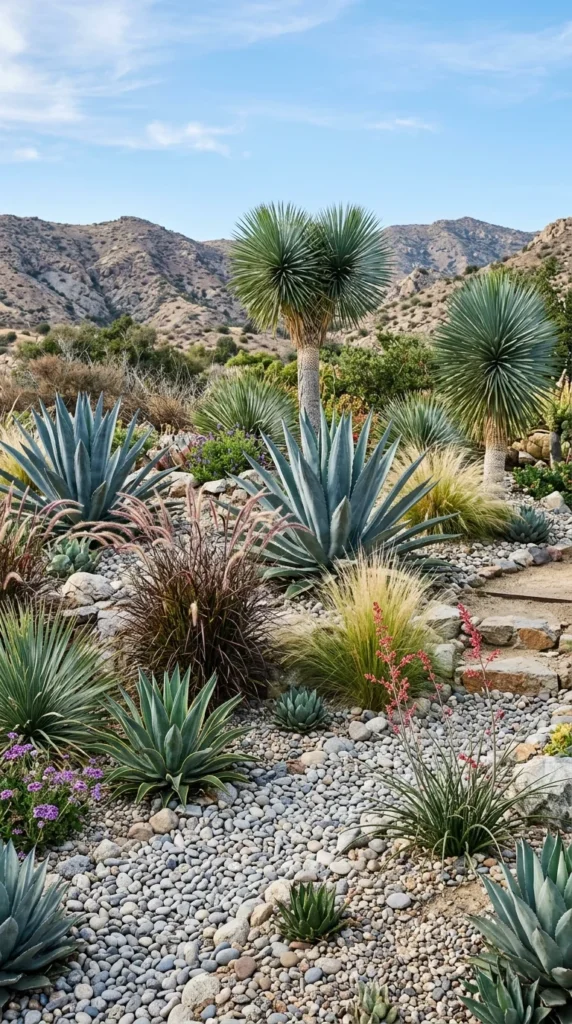
Sustainability is at the heart of modern outdoor living. Xeriscaping—a landscaping method that reduces or eliminates the need for irrigation—is both eco-friendly and stylish. By replacing thirsty lawns with drought-tolerant plants like agave, succulents, and ornamental grasses, you create a garden that thrives in dry conditions. Use different textures of gravel, crushed stone, and boulders to add visual interest without the need for constant watering or mowing.
5. Outdoor Rooms
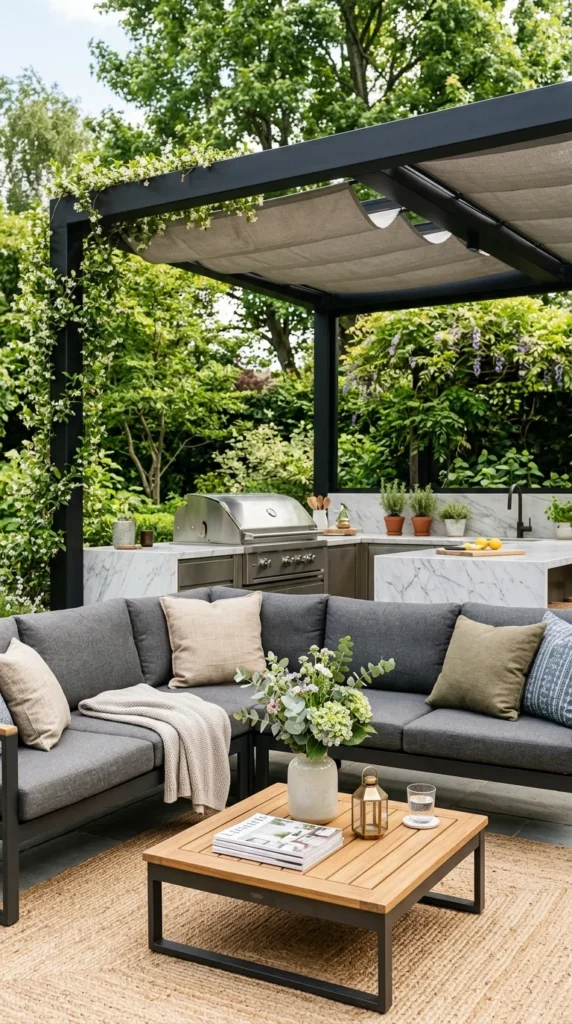
The “outdoor room” concept treats the garden as a functional living space. To achieve this, define specific zones for different activities, such as lounging, dining, or cooking. Use structures like pergolas or shade sails to provide a sense of enclosure. Incorporating high-quality outdoor furniture that mimics interior styles—like plush sofas and minimalist dining sets—blurs the line between inside and out, encouraging you to spend more time in nature.
6. Sunken Seating
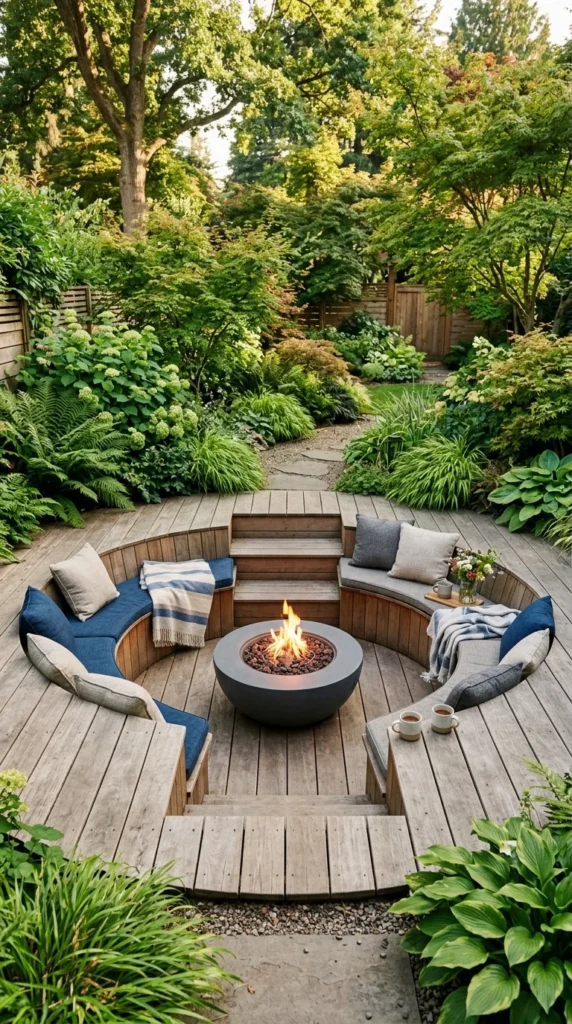
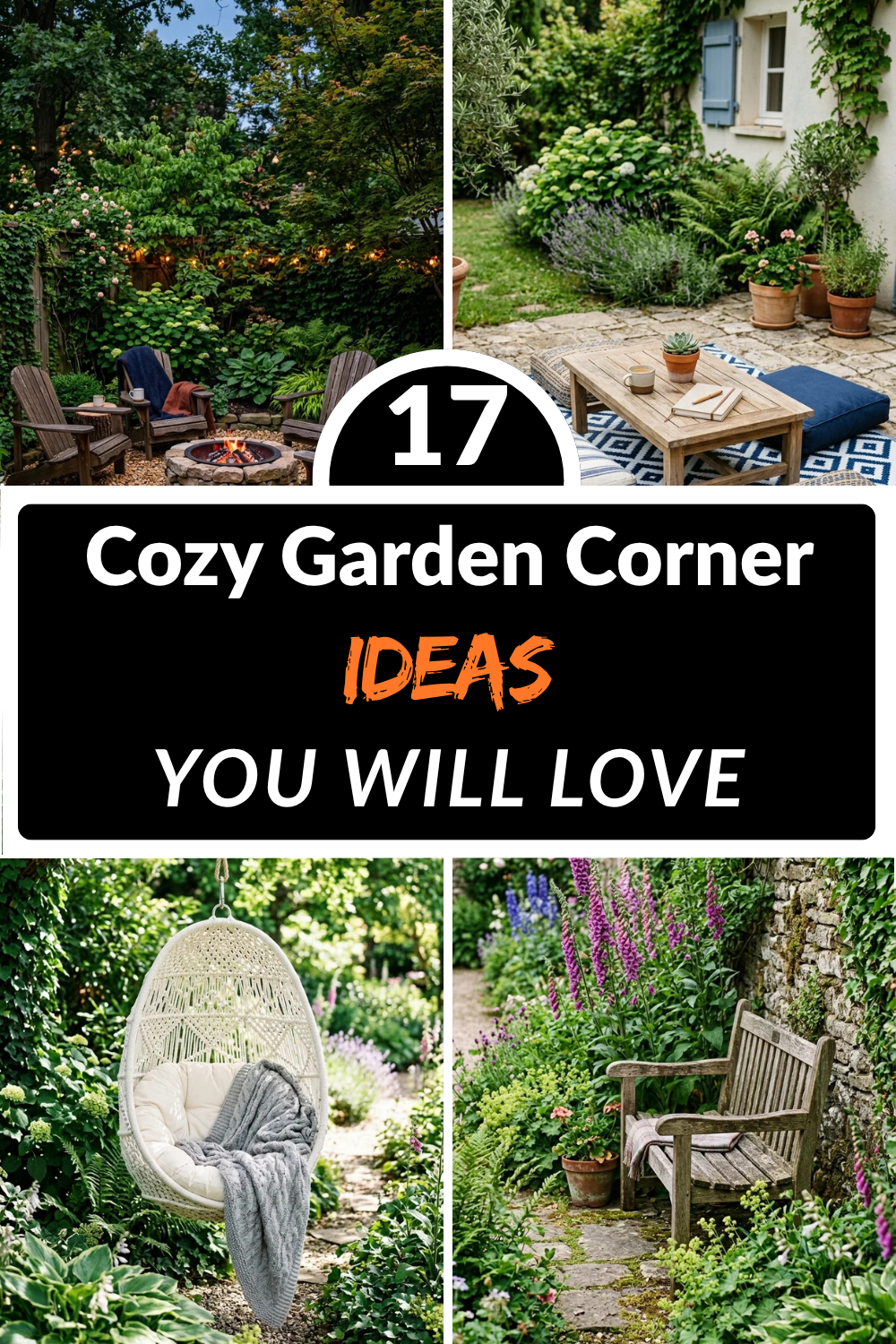
Creating depth in a flat landscape adds a layer of sophistication. Sunken seating areas, often referred to as “conversation pits,” offer a sense of intimacy and seclusion. By lowering the seating area below the main grade of the garden, you create a cozy hub that is protected from the wind and feels separate from the rest of the world. This is the perfect spot for a central fire feature, making it a year-round destination for gatherings.
7. Floating Decks
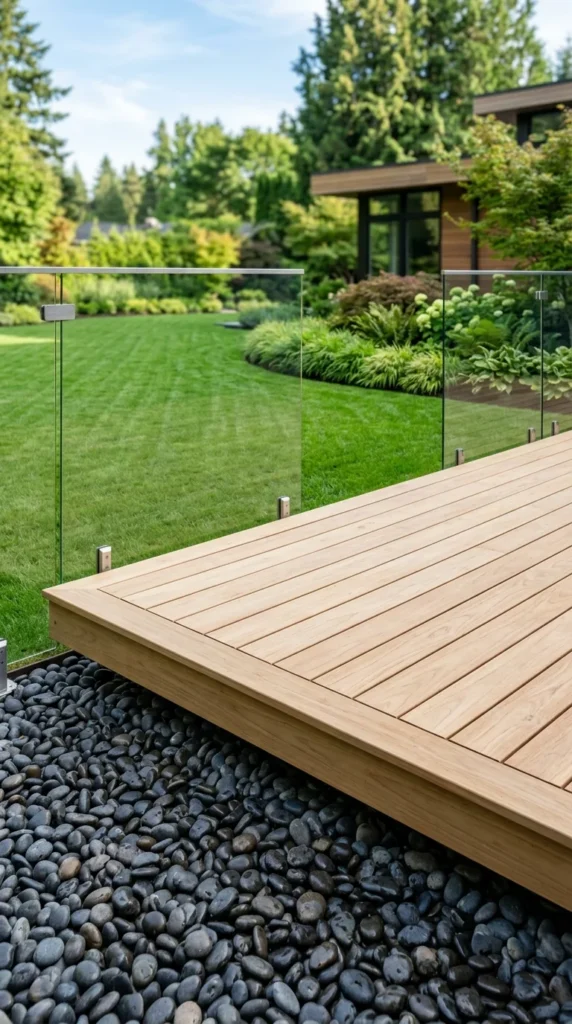
A floating deck is a hallmark of contemporary garden architecture. By building a deck slightly off the ground without visible supports, you create an illusion of weightlessness. This design works particularly well over “void” spaces like pebble beds or even shallow ponds. The clean, horizontal lines of the wood or composite decking provide a sharp contrast to the soft textures of the surrounding plants, emphasizing the garden’s structural integrity.
8. Reflective Ponds
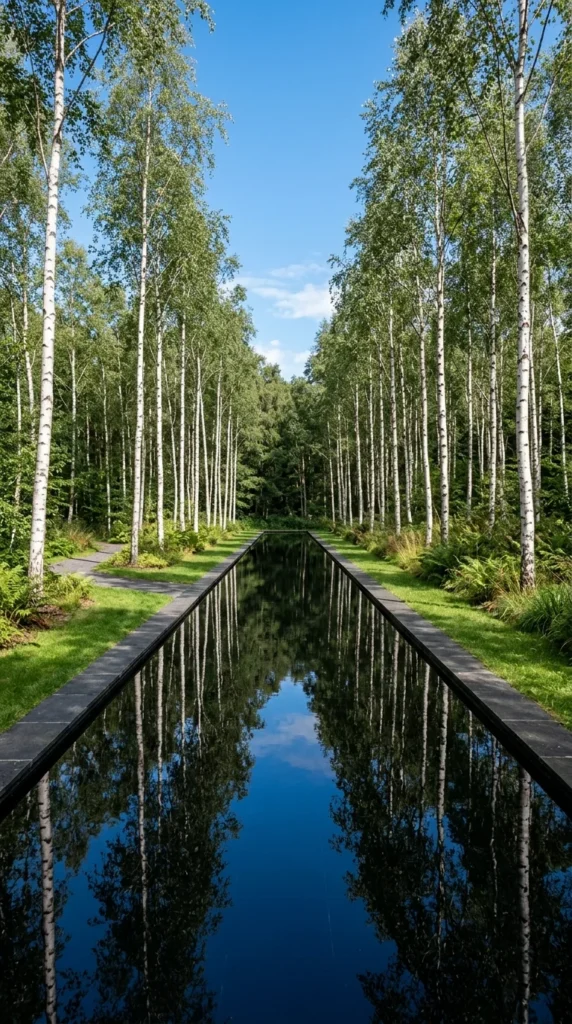
Water features in modern gardens are rarely about splashing fountains or rocky waterfalls. Instead, think of “still water.” A rectangular reflecting pond with a dark lining acts as a mirror, pulling the sky and surrounding greenery down into the ground. These features bring a sense of profound peace and tranquility to a space. Keep the edges sharp—using materials like steel or smooth concrete—to maintain the minimalist aesthetic.
9. Monochromatic Plants
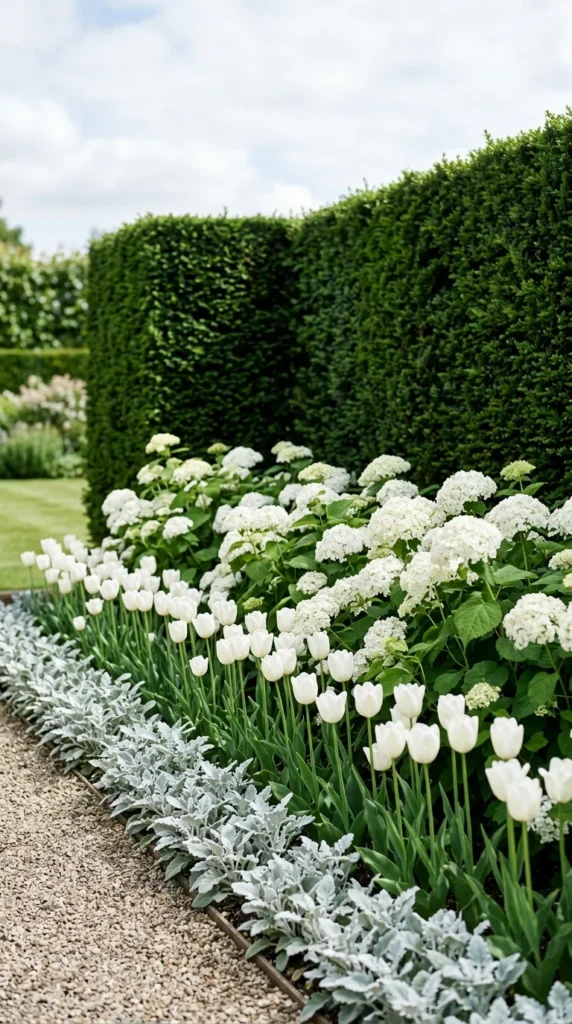
Modern design often favors a restricted color palette. In the garden, this translates to a monochromatic planting scheme. Focusing on different shades of green, or pairing greens with exclusively white or purple flowers, creates a sophisticated and calming atmosphere. This approach highlights the varying textures and shapes of the leaves rather than overwhelming the senses with a riot of competing colors.
10. Mixed Textures
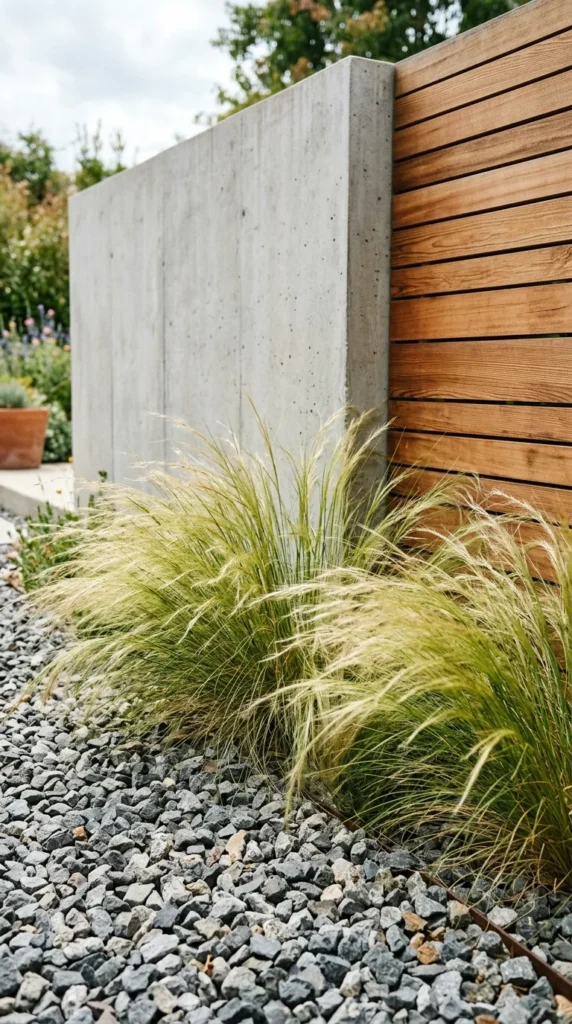
Texture is the “secret sauce” of a successful modern garden. Because the color palette is often neutral, the interplay between different materials provides the necessary visual stimulation. Combine hard and soft elements: pair the cold, smooth surface of poured concrete with the warmth of natural wood, or the ruggedness of raw stone with the delicacy of ornamental grasses. This contrast creates a tactile experience that feels rich and layered.
11. Statement Sculptures

A garden should have a focal point, and in a modern setting, nothing works better than a piece of contemporary art. Whether it’s an abstract metal sculpture, a large stone monolith, or a geometric installation, a statement piece provides a sense of purpose to the layout. Choose materials that weather beautifully, such as Corten steel or bronze, to add an element of evolving color to your landscape.
12. Edible Landscapes
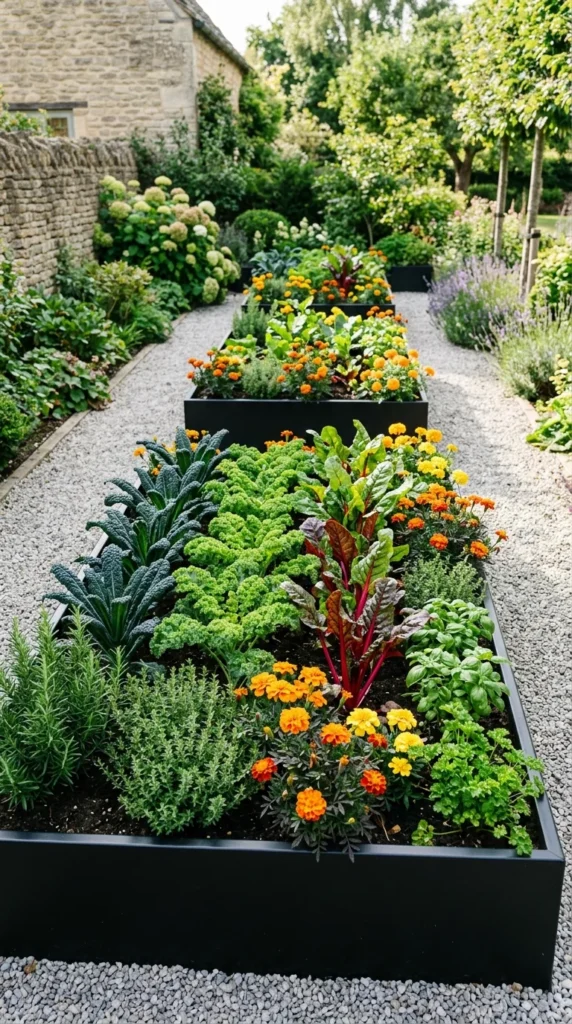
Modern gardening isn’t just about looks; it can be functional too. Edible landscapes integrate vegetables, herbs, and fruit-bearing plants into the overall aesthetic. Instead of a messy vegetable patch hidden in the back, use sleek raised beds made of metal or stained wood to grow your produce. Many edible plants, like kale, artichokes, and purple basil, have incredible architectural forms that fit perfectly within a contemporary design.
13. Privacy Screens
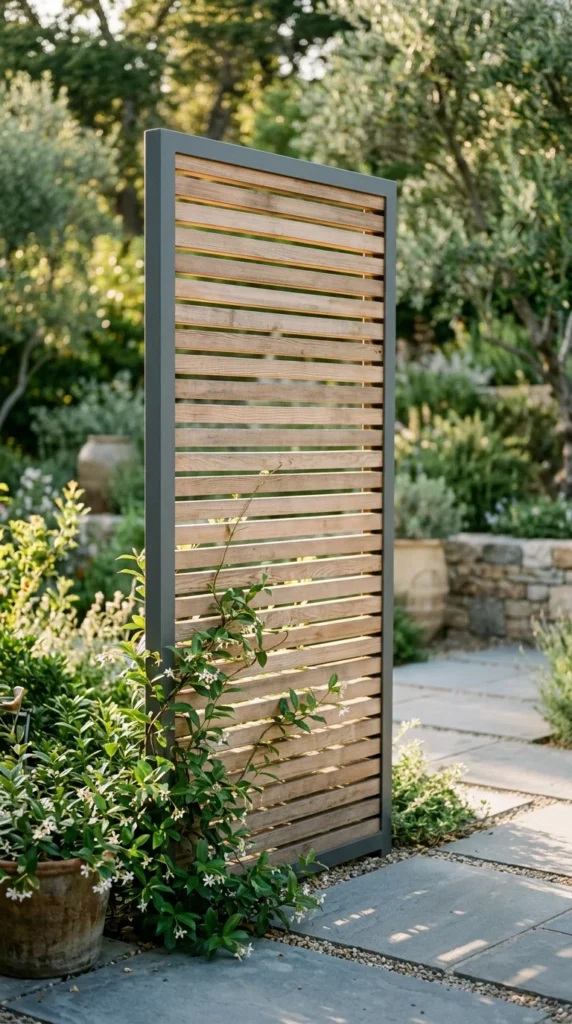
Privacy is a luxury in modern residential design. Rather than a standard fence, use architectural screens to create a sense of enclosure. Horizontal slat fences made of cedar or composite materials allow light and air to pass through while blocking the view from neighbors. Laser-cut metal panels with geometric patterns can also serve as both a privacy barrier and a piece of wall art, adding a decorative layer to the perimeter of your home.