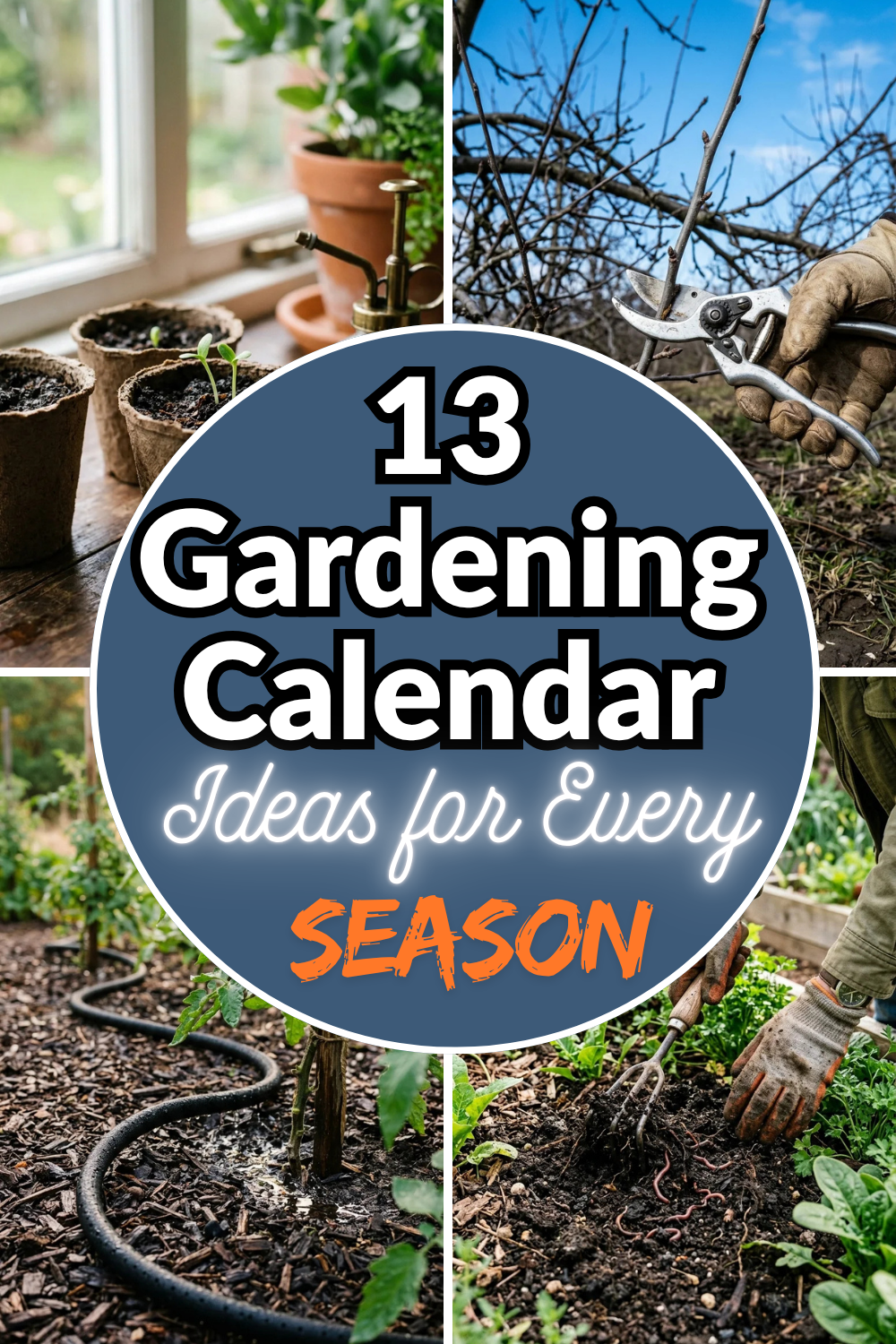
Gardening is a dance with the rhythms of nature. To maintain a thriving landscape, one must look beyond the immediate blooms and consider the long-term health of the ecosystem. A well-structured gardening calendar isn’t just a list of chores; it is a roadmap to a bountiful harvest and a breathtaking sanctuary. By breaking down the year into manageable, seasonal tasks, you ensure that every plant receives exactly what it needs at the right time. Here are 13 essential gardening calendar ideas to keep your green thumb busy throughout the year.
1. Seed Starting
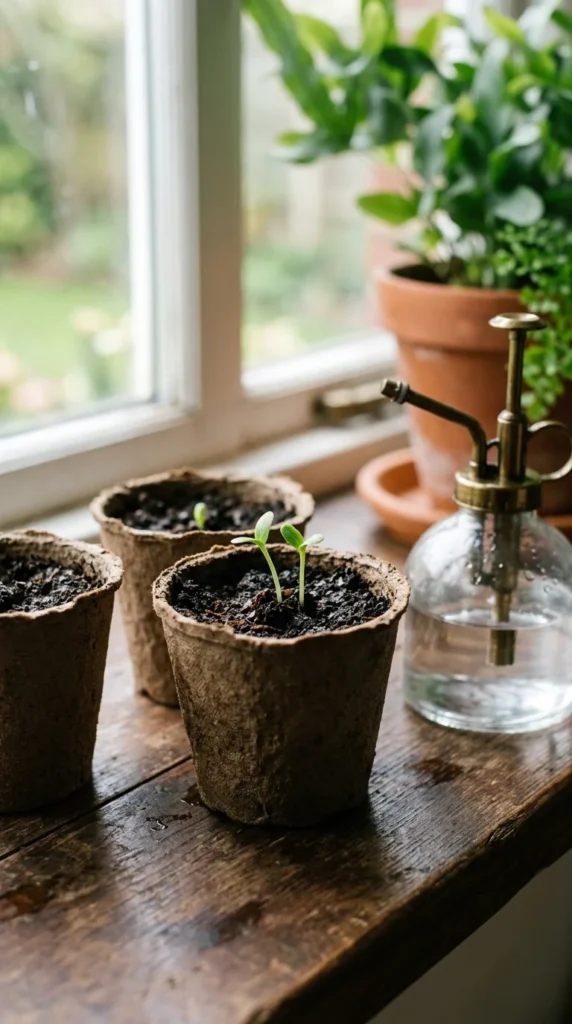
The bridge between winter and spring begins indoors. Starting seeds under grow lights or on a sunny windowsill allows you to get a head start on the growing season. This is the time to consult your local frost dates. Typically, about 6 to 8 weeks before the last expected frost, you should begin sowing tomatoes, peppers, and eggplants. Using a high-quality seed-starting mix ensures proper drainage and nutrient availability for tender young roots. Keeping a detailed log of which varieties you plant and their germination rates will help you refine your selection for the following year.
2. Fruit Pruning
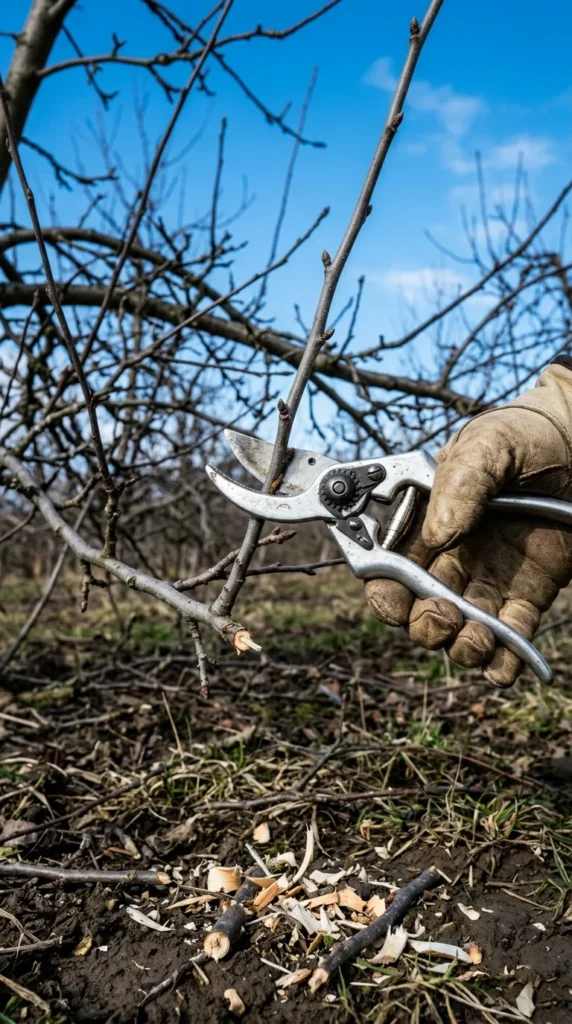
Late winter is the ideal time for structural pruning of fruit trees and deciduous shrubs. While the plants are still dormant, you can clearly see the framework of the branches without the distraction of foliage. The goal is to remove the “three Ds”: dead, damaged, or diseased wood. Additionally, thinning out crossing branches improves airflow and sunlight penetration into the center of the canopy, which is vital for preventing fungal diseases and encouraging larger, sweeter fruit. Remember to use sharp, sanitized tools to ensure clean cuts that heal quickly.
3. Soil Enrichment
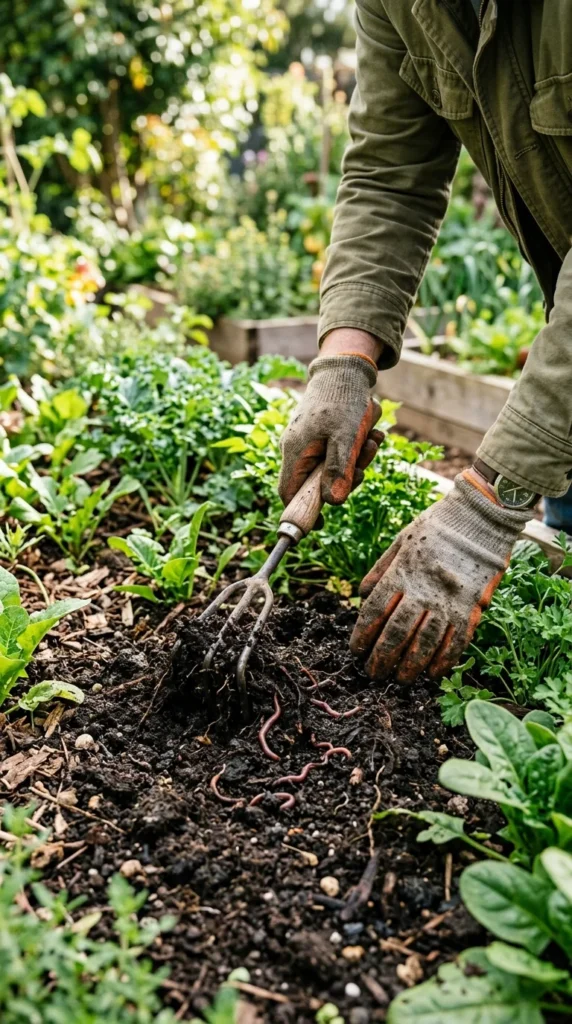
Spring is the season of preparation. Before the first transplant hits the ground, focus on the foundation of your garden: the soil. Top-dressing your beds with two to three inches of finished compost or well-rotted manure replenishes the nutrients depleted during the previous year’s growth. Instead of deep tilling—which can disrupt the soil’s delicate microbial life and bring weed seeds to the surface—opt for a “no-dig” approach. Gently scratch the amendments into the top layer or simply let the rain and earthworms do the work of carrying the nutrients down to the root zone.
4. Pollinator Patch
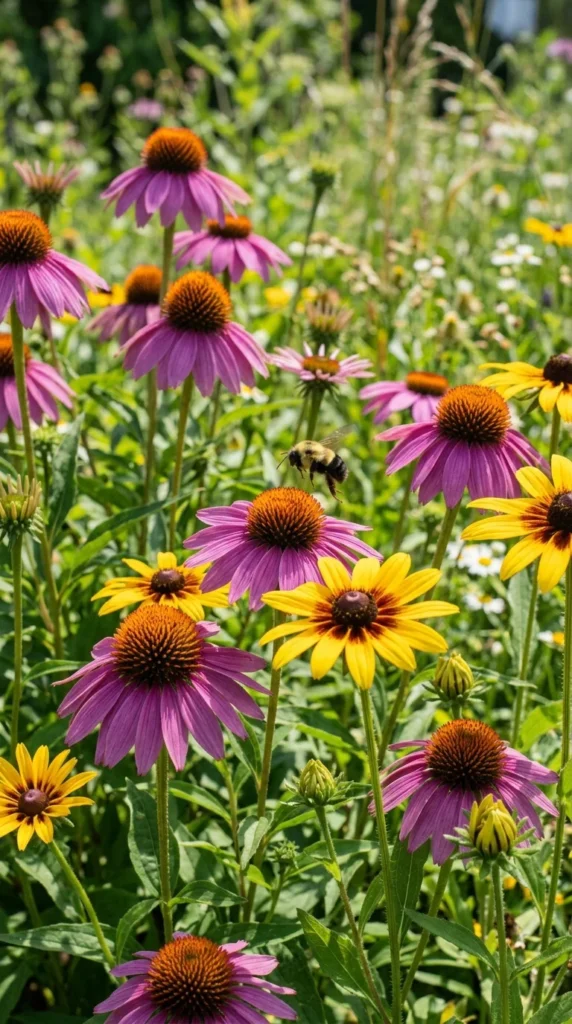
Mid-spring is the perfect time to dedicate a portion of your garden to the creatures that make it all possible. Planting a diverse range of native flowering plants ensures that bees, butterflies, and hummingbirds have a consistent food source from spring through autumn. Choose flowers with varying shapes and bloom times—such as lavender for early summer and asters for late fall. A pollinator-friendly garden not only boosts your vegetable yields but also creates a resilient mini-ecosystem that can better withstand pest pressures.
5. Edible Greens
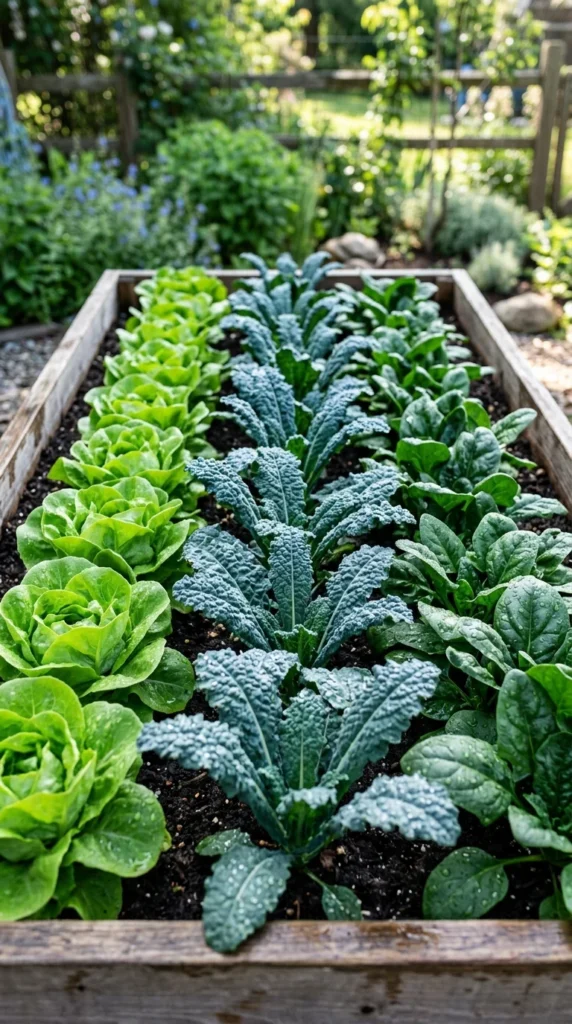
As soon as the soil can be worked in early spring, it’s time for cool-season crops. Lettuce, spinach, kale, and Swiss chard thrive in the mild temperatures of spring and autumn. To ensure a continuous supply of salads, practice succession planting. Instead of sowing all your seeds at once, plant a new row every two weeks. This prevents a “harvest glut” where you have more greens than you can eat, and extends the utility of your garden beds well into the warmer months before these plants eventually bolt.
6. Composting Cycle
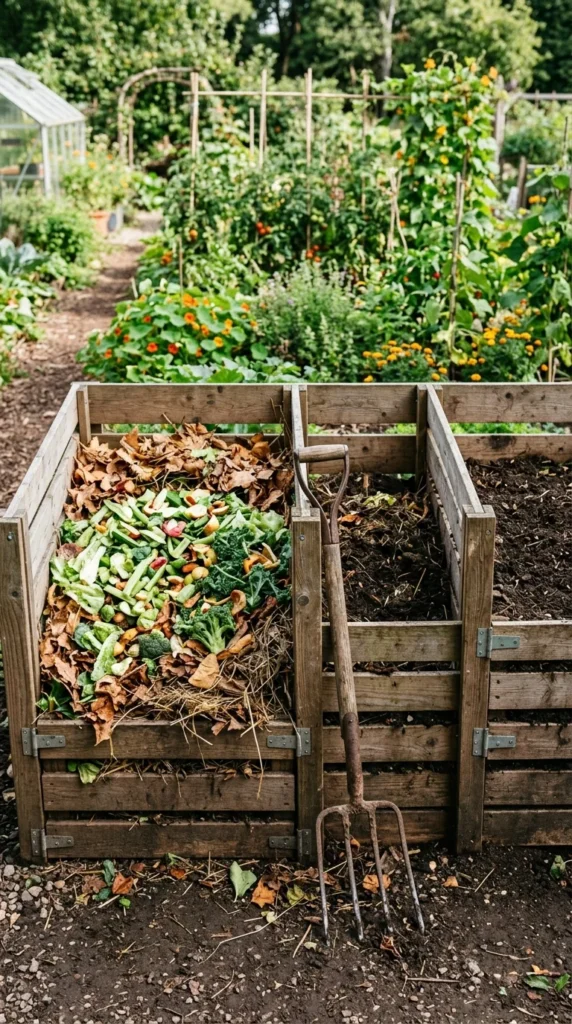
Composting is a year-round activity that peaks in the transition between seasons. In the spring, you clear away old debris; in the summer, you have grass clippings; and in the fall, you have an abundance of leaves. The key to a successful calendar idea here is “turning.” Every few weeks, use a pitchfork to aerate your compost pile. This introduces oxygen, which fuels the aerobic bacteria responsible for breaking down organic matter. By maintaining a balance of “greens” (nitrogen-rich materials) and “browns” (carbon-rich materials), you’ll produce “black gold” for your garden every single year.
7. Irrigation Routine
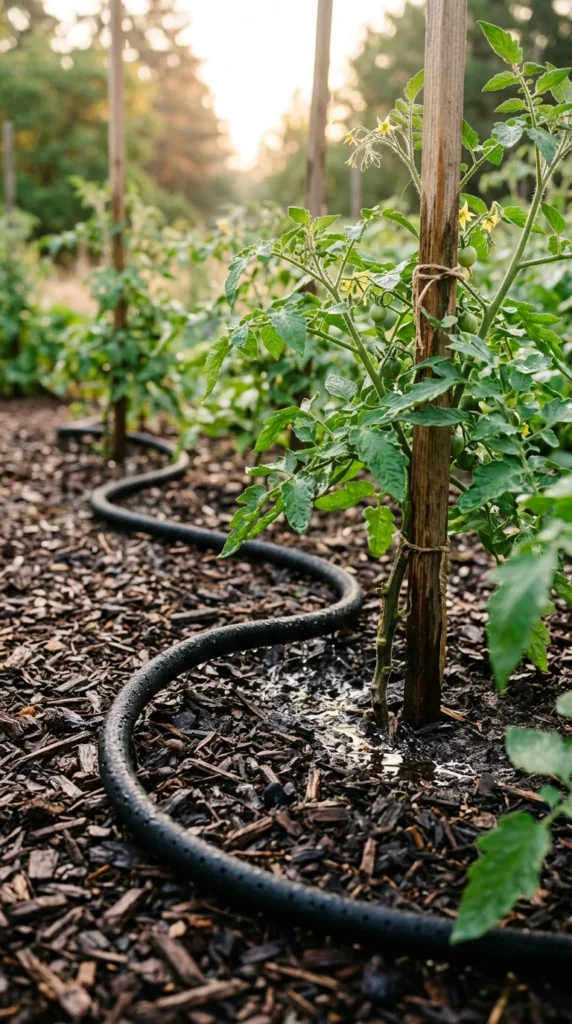
When the heat of summer arrives, water management becomes the top priority. A consistent watering schedule is better for plants than sporadic, heavy drenching. The best time to water is in the early morning, as this allows the foliage to dry before evening, reducing the risk of mold and mildew. Consider installing a drip irrigation system or using soaker hoses to deliver moisture directly to the roots. This minimizes evaporation and ensures that every drop is used efficiently by the plants rather than being lost to the air.
8. Organic Defense
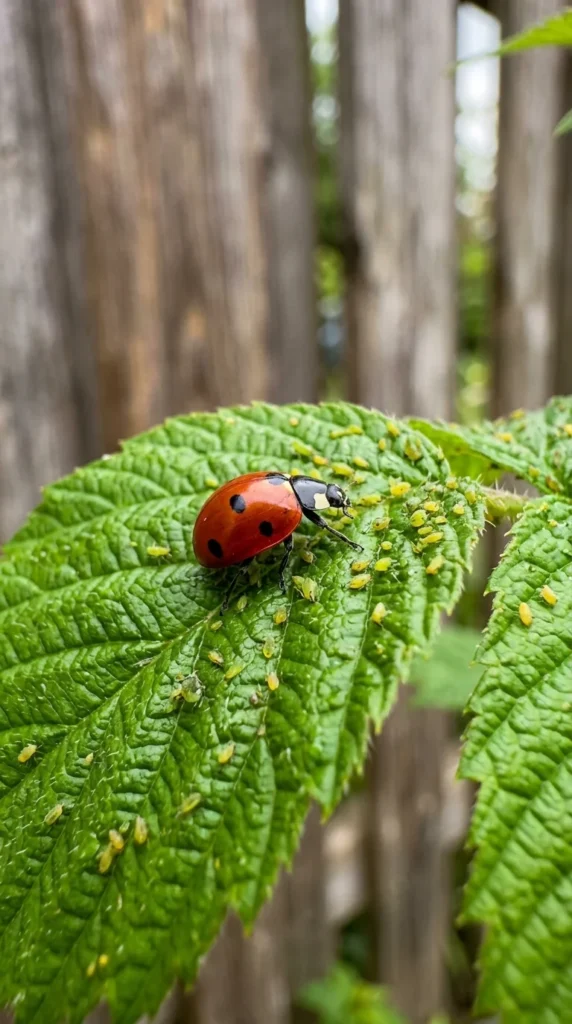
Integrated Pest Management (IPM) should be a monthly entry on your gardening calendar. Instead of reaching for harsh chemicals at the first sign of a bug, observe the balance of your garden. Early summer is when many pests emerge, but it is also when beneficial insects like ladybugs and lacewings are most active. Use physical barriers like row covers for young plants, and if intervention is necessary, opt for organic solutions like neem oil or insecticidal soap. Regular scouting allows you to catch problems before they become infestations.
9. Harvest Peak
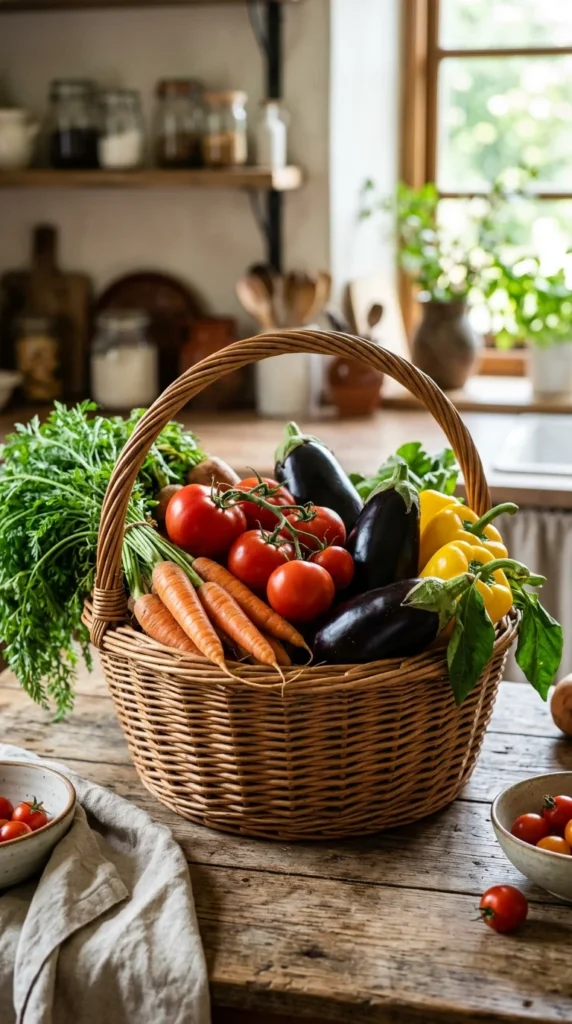
Late summer and early autumn represent the climax of the gardening year. The harvest calendar is fast-paced during this time. Checking your garden daily is essential; zucchini can grow from a manageable size to a giant overnight, and beans are best picked while they are still slender. Harvesting regularly actually encourages many plants to produce more. This is also the time to plan for preservation—drying herbs, canning tomatoes, or freezing berries—so that the flavors of summer can be enjoyed during the cold winter months.
10. Autumn Mulching
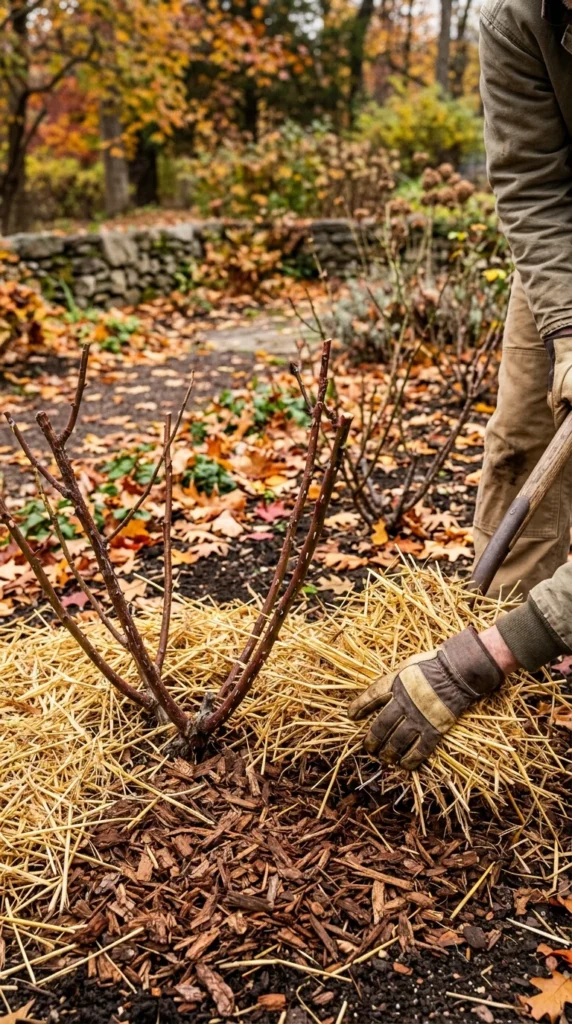
As the growing season winds down, your focus should shift to protection. Mulching in the fall serves multiple purposes: it suppresses winter weeds, regulates soil temperature during freeze-thaw cycles, and adds organic matter back into the earth as it decomposes. Use wood chips, straw, or even shredded autumn leaves to cover bare soil. This “blanket” protects the root systems of perennials and prevents the soil from eroding during heavy winter rains or snowmelt.
11. Bulb Planting
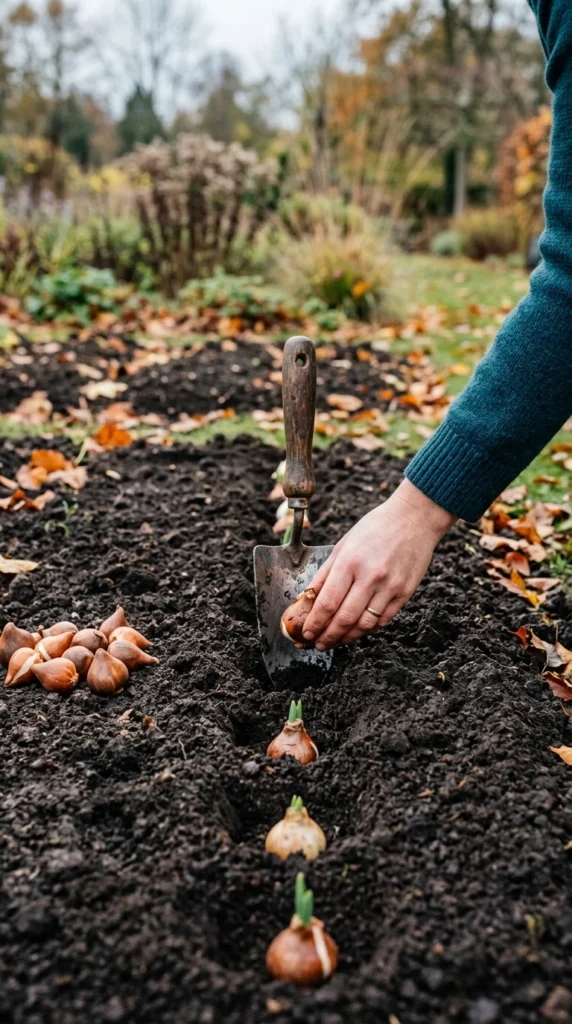
The glory of a spring garden is actually designed in the fall. October and November are the primary months for planting spring-blooming bulbs like tulips, daffodils, hyacinths, and crocuses. They require a period of cold dormancy to trigger their flowering mechanism. Plant them at a depth of about three times the height of the bulb, with the pointed end facing up. Grouping them in “drifts” or clusters rather than single lines creates a much more natural and impactful visual display when they emerge from the melting snow.
12. Tool Care
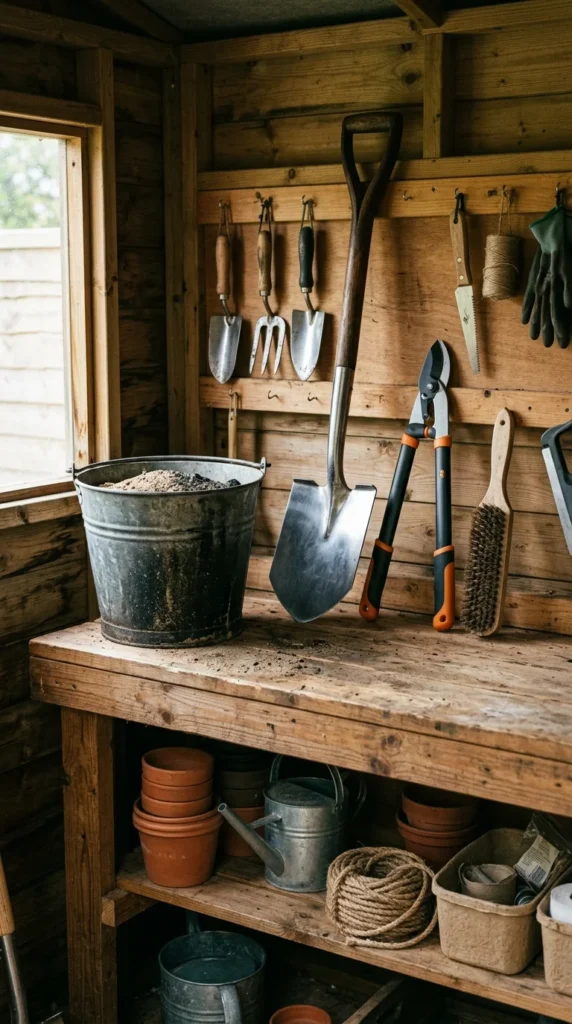
When the ground finally freezes, the work moves to the shed. Winter is the time for tool maintenance. A well-maintained tool is safer and easier to use. Scrub away dried dirt, use a file to sharpen the edges of hoes and shovels, and apply a light coat of oil to metal surfaces to prevent rust. Sand down wooden handles and rub them with linseed oil to prevent splintering. Taking care of your equipment in the off-season ensures that you are ready to hit the ground running the moment the first sign of spring appears.
13. Indoor Herbs
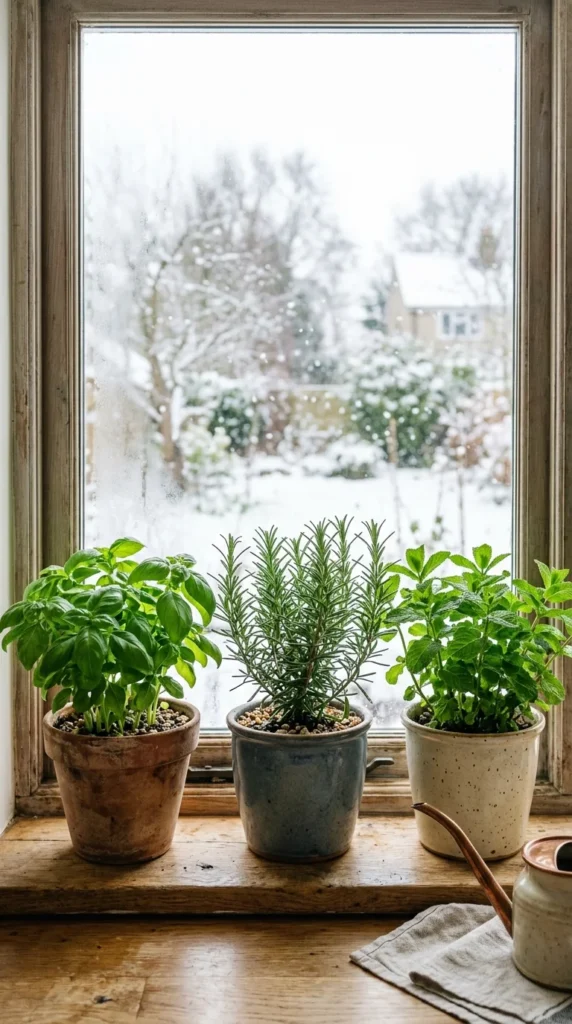
Just because it’s winter doesn’t mean the gardening has to stop. An indoor herb garden provides fresh flavors for winter stews and a much-needed splash of green during the grayest months. Herbs like rosemary, thyme, and mint can be brought indoors or started from cuttings. They require plenty of light, so a south-facing window or a small LED grow light is ideal. Not only do they provide culinary benefits, but tending to living plants indoors is a fantastic way to combat the “winter blues” while you wait for the next outdoor cycle to begin.