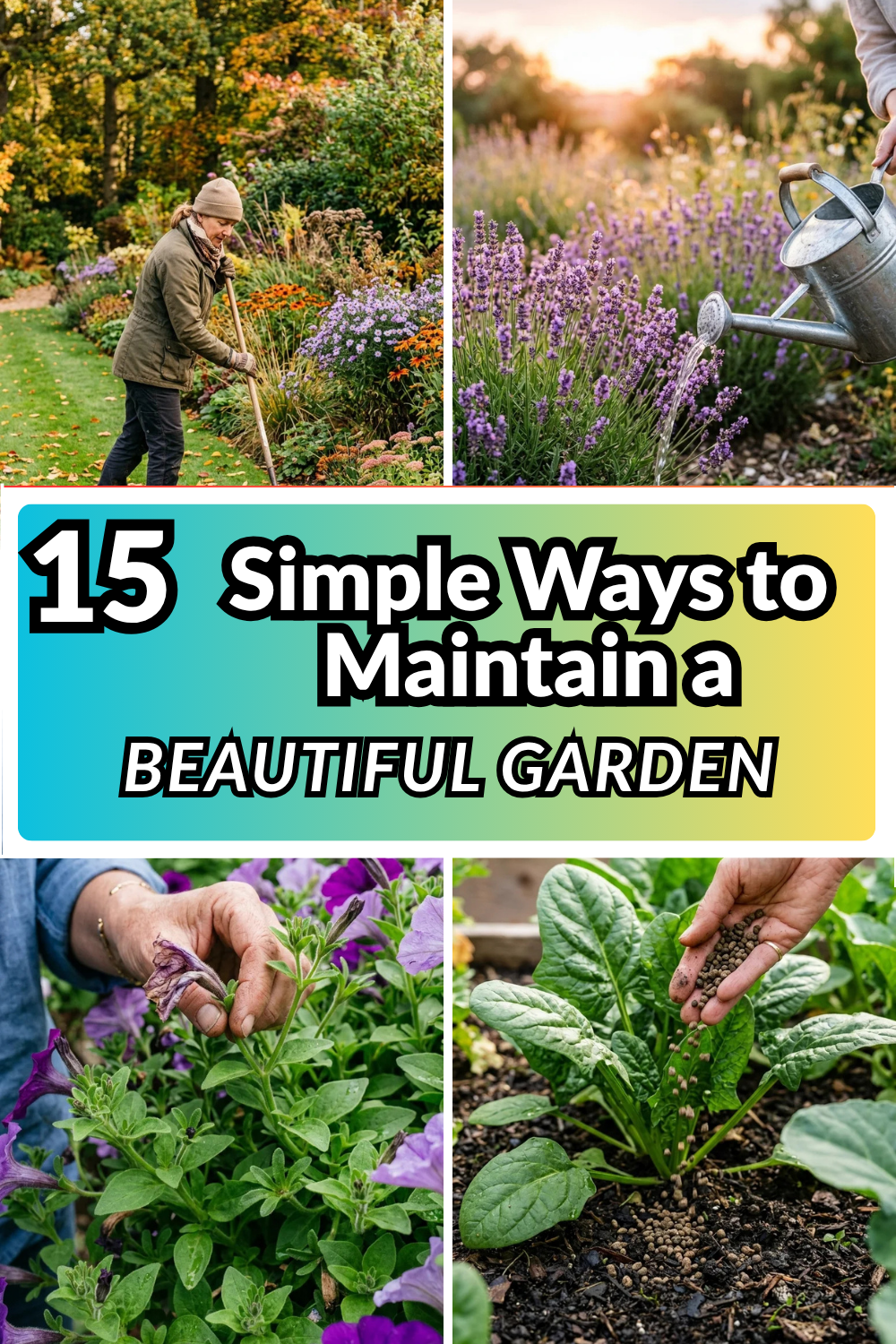
A garden is more than just a collection of plants; it is a living, breathing sanctuary that reflects the care and passion of its keeper. However, the secret to a breathtaking landscape isn’t necessarily back-breaking labor or a massive budget. Often, the most stunning gardens are those maintained through consistent, simple habits that prioritize the health of the ecosystem. Whether you are a seasoned horticulturalist or a beginner with a single trowel, these fifteen strategies will help you cultivate a thriving outdoor masterpiece.
1. Soil Health
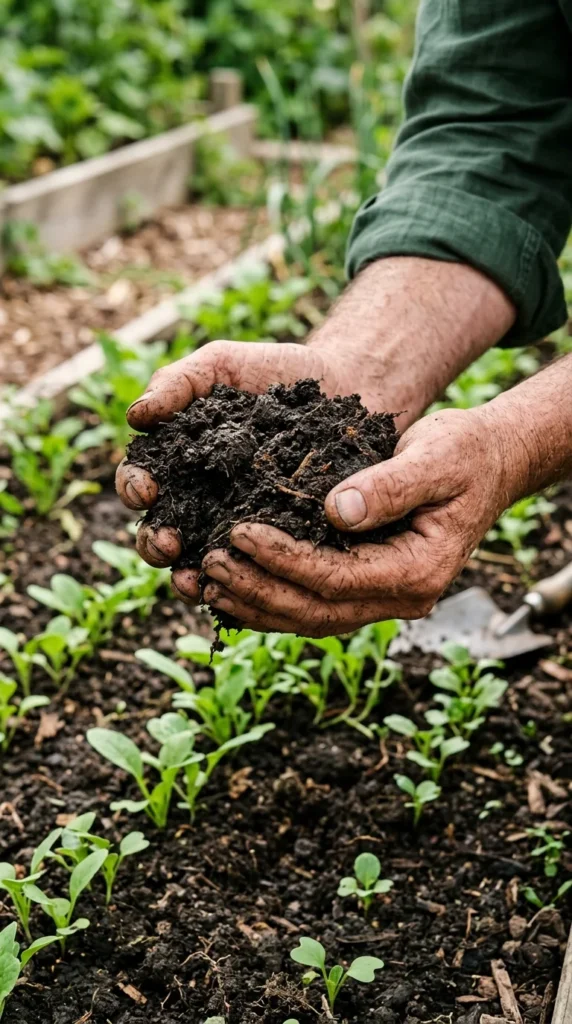
The foundation of every beautiful garden lies beneath the surface. Healthy soil is a complex ecosystem teeming with microorganisms, fungi, and nutrients that provide the fuel for your plants. Instead of relying solely on synthetic chemicals, focus on building organic matter. Regularly incorporating well-rotted manure, leaf mold, or aged compost improves soil structure, drainage, and aeration. When your soil is “alive,” your plants develop stronger root systems, making them more resilient to drought and disease.
2. Watering Schedule
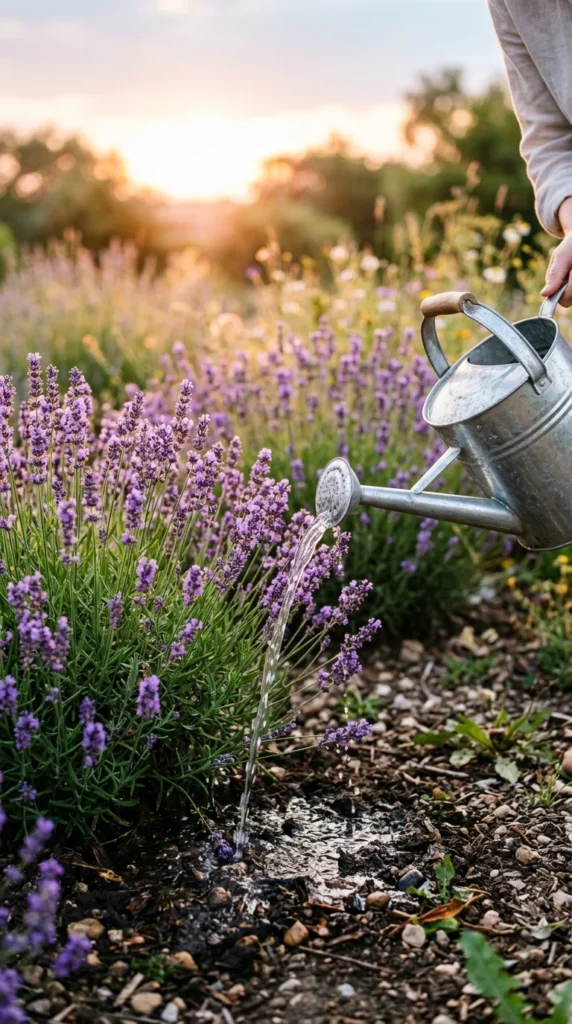
Consistency is the key to hydration. Most plants prefer a deep soaking less frequently rather than a shallow sprinkle every day. Deep watering encourages roots to grow further into the ground, where the soil stays moist longer. The best time to water is in the early morning; this allows the foliage to dry before evening, preventing fungal growth, and ensures the plant is hydrated before the heat of the day sets in. Avoid watering during the high sun to minimize evaporation loss.
3. Mulching
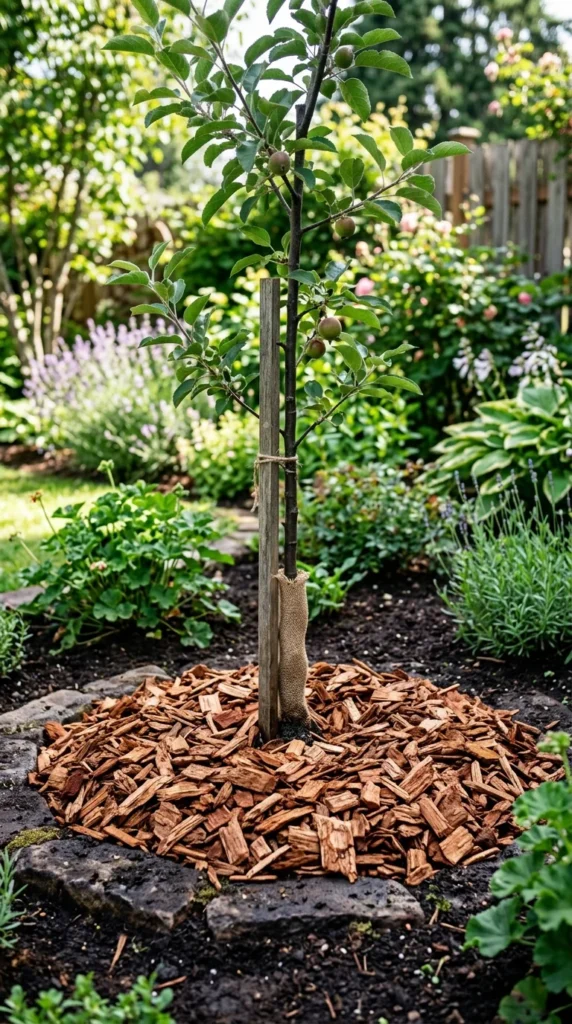
Mulch is the “secret weapon” of professional gardeners. By applying a 2-to-3-inch layer of organic material—such as bark, straw, or shredded leaves—around your plants, you achieve three things: moisture retention, weed suppression, and temperature regulation. Mulch acts as an insulating blanket, keeping the soil cool in the summer and warm in the winter. As it breaks down, it also contributes valuable organic matter back into the earth.
4. Pruning
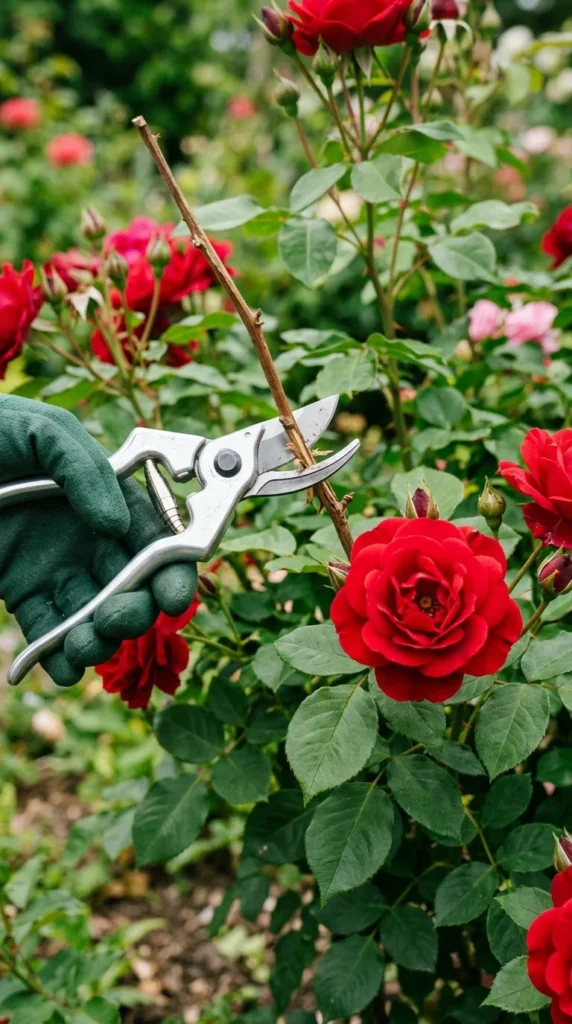
Pruning is not just about aesthetics; it’s about plant health. Removing dead, diseased, or damaged wood prevents the spread of decay and encourages new, vigorous growth. It also improves air circulation within the canopy of the plant, which is vital for preventing mildew and mold. For flowering shrubs, pruning at the right time of year (typically after they finish blooming) can result in a more prolific display of flowers the following season.
5. Weeding
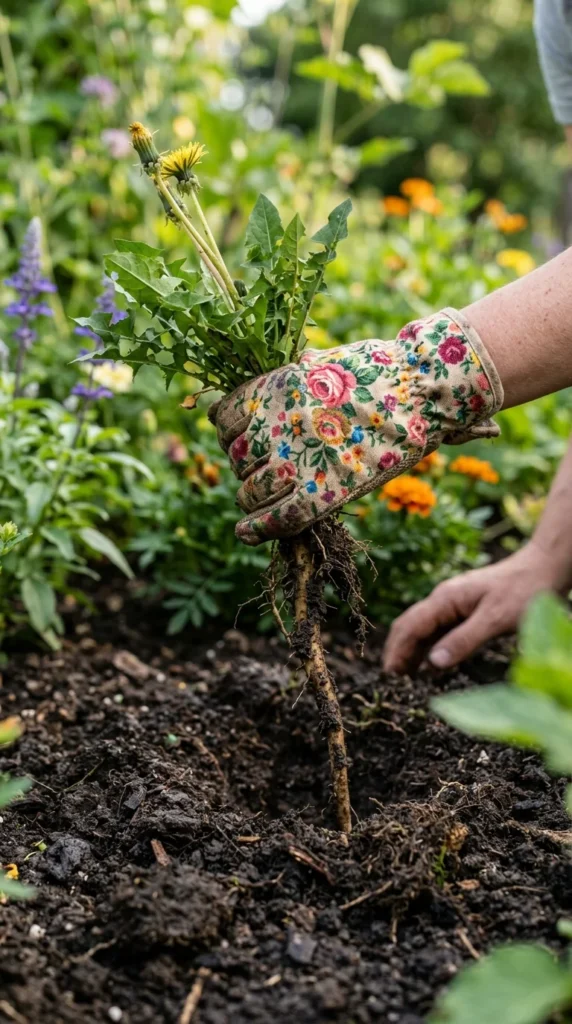
Weeds are the ultimate competitors. They steal water, sunlight, and nutrients away from your prized flowers and vegetables. The best way to manage them is to “weed small and weed often.” Spending ten minutes a week pulling young weeds is far easier than spending an entire weekend tackling a jungle. Try to pull weeds after a rainstorm when the soil is soft, ensuring you get the entire root system so they don’t grow back.
6. Natural Fertilizers
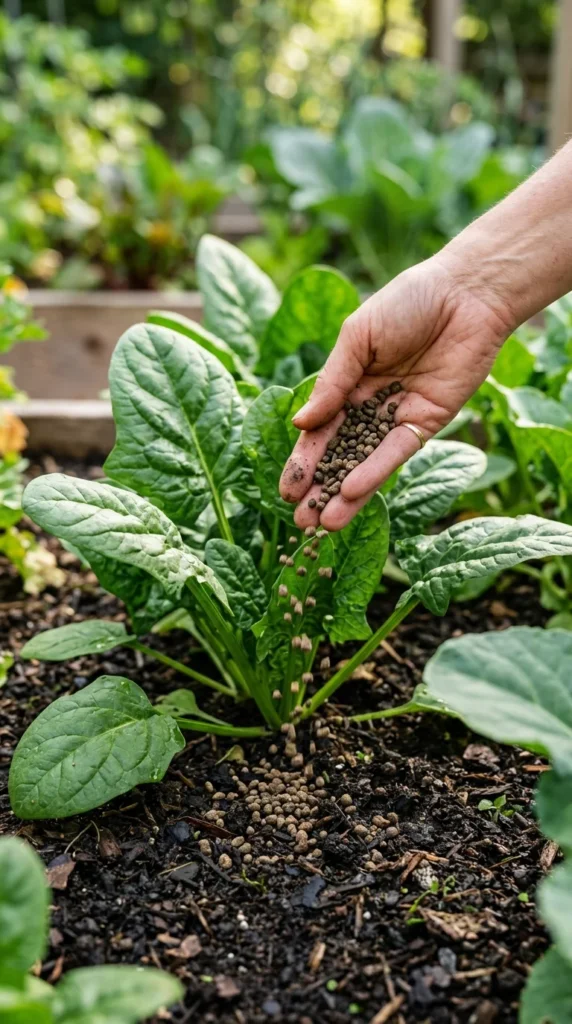
While chemical fertilizers provide a quick boost, they can eventually degrade soil quality. Natural fertilizers, such as seaweed extract, fish emulsion, or bone meal, release nutrients slowly over time. This provides a steady “diet” for your plants rather than a jarring growth spurt. Natural options also support the beneficial bacteria in the soil, creating a long-term sustainable environment for your garden to flourish.
7. Pest Control
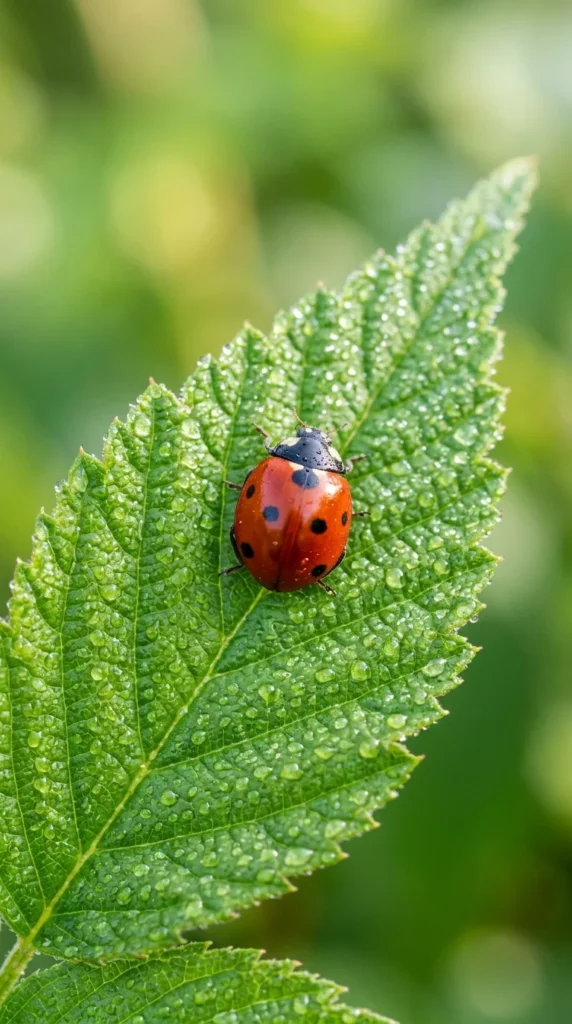
A beautiful garden doesn’t have to be sterile. In fact, a healthy garden is full of bugs. The trick is to encourage the “good” bugs to eat the “bad” ones. Instead of reaching for harsh pesticides that kill everything, try Integrated Pest Management (IPM). Plant flowers like marigolds, dill, and yarrow to attract ladybugs and lacewings, which are natural predators of aphids and mites. If you must intervene, start with mild options like neem oil or insecticidal soap.
8. Native Plants
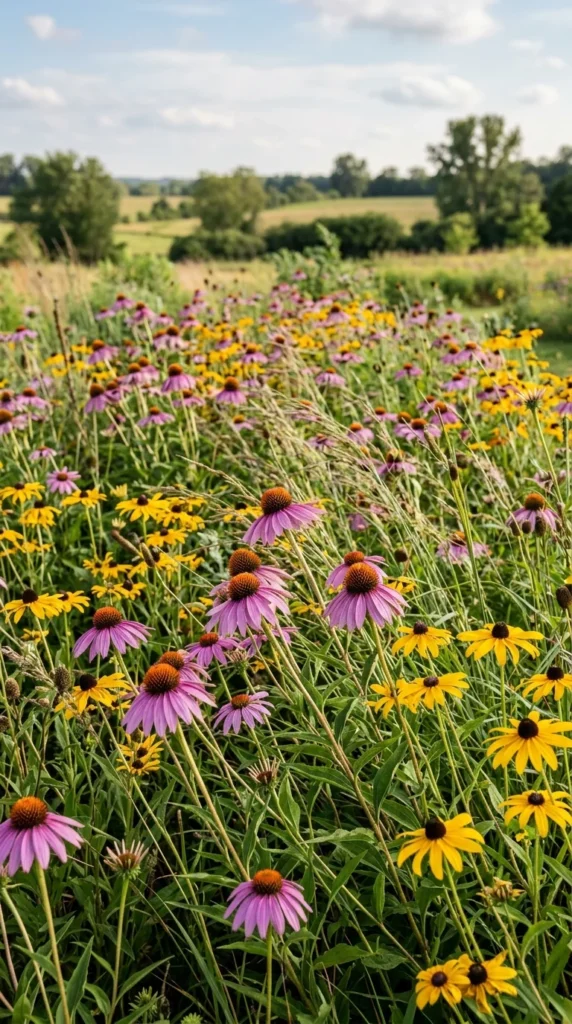
One of the easiest ways to maintain a garden is to work with nature, not against it. Native plants are those that occur naturally in your region. Because they have evolved to thrive in your specific climate and soil conditions, they generally require less water, less fertilizer, and are more resistant to local pests. Furthermore, native plants provide essential food and habitat for local pollinators like bees and butterflies.
9. Sunlight Management
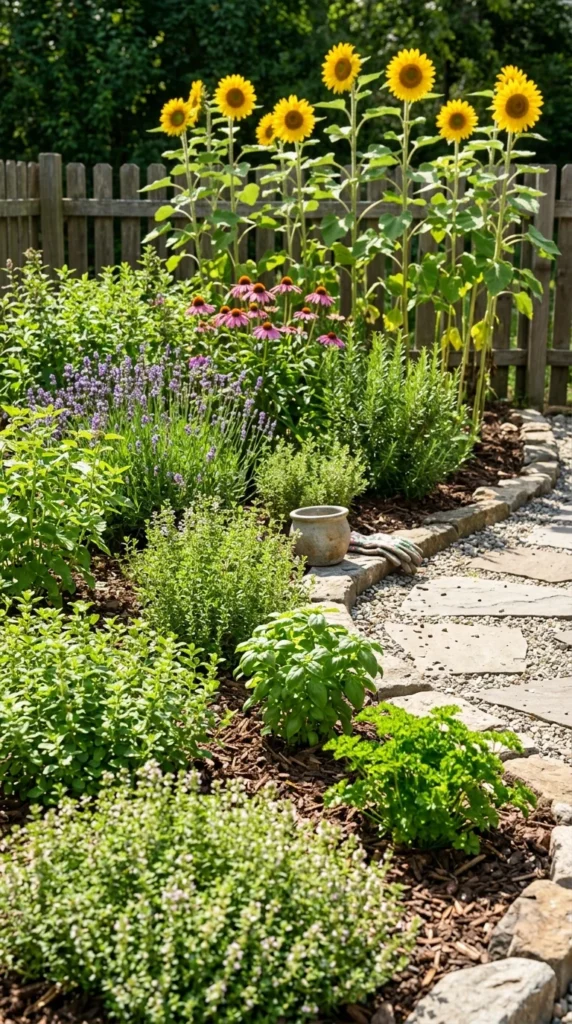
Understanding the path of the sun across your yard is vital. “Right plant, right place” is a golden rule. A hosta placed in the blistering afternoon sun will scorch, while a tomato plant kept in the shade will produce little fruit. Observe your garden at different times of the day to identify full-sun, partial-shade, and full-shade zones. Grouping plants with similar light requirements together makes maintenance much more efficient.
10. Companion Planting
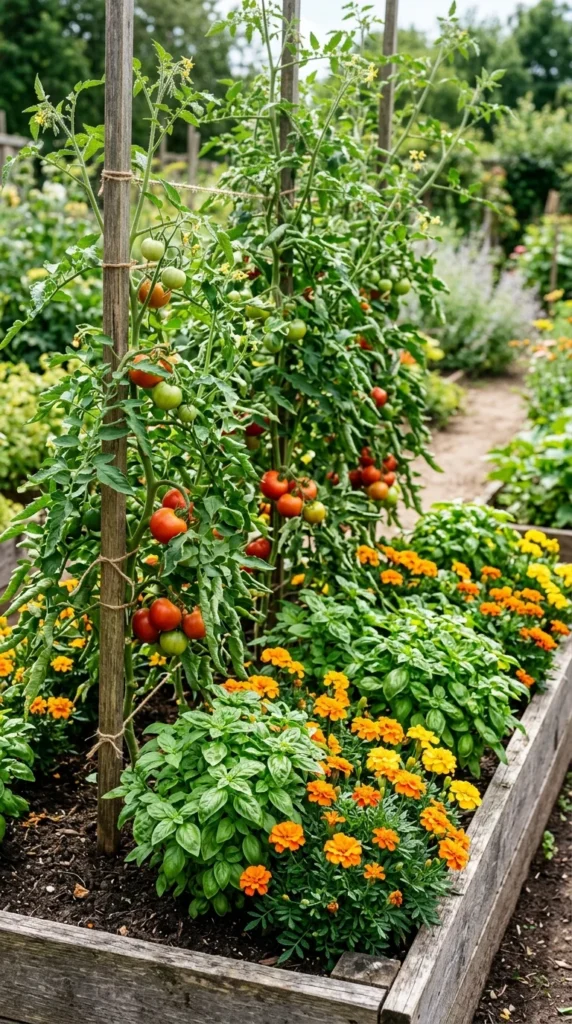
Companion planting is the art of placing plants together for mutual benefit. Some plants can improve the flavor of their neighbors, while others act as natural trellises or pest deterrents. For example, planting garlic near roses can help deter aphids, and planting tall corn can provide a natural climbing structure for beans. This biodiversity creates a more resilient garden that requires less human intervention to stay healthy.
11. Deadheading
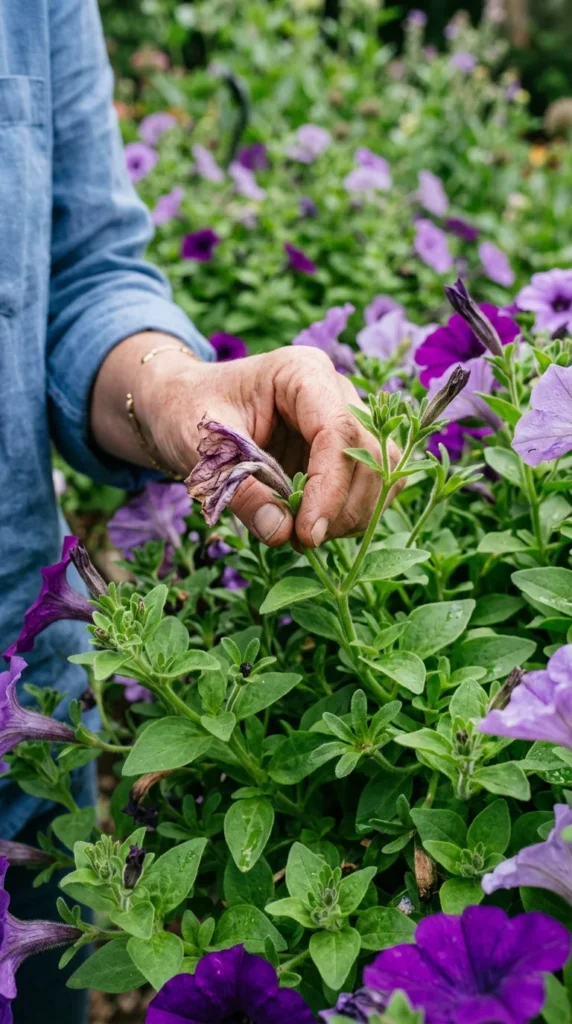
Deadheading is the process of removing spent flowers. When a plant’s flowers fade and begin to produce seeds, the plant shifts its energy from “looking pretty” to “reproduction.” By snipping off the dead blooms, you trick the plant into thinking its job isn’t done yet, prompting it to produce another flush of flowers. This simple task keeps your garden looking neat and extends the blooming season for many perennials and annuals.
12. Tool Maintenance
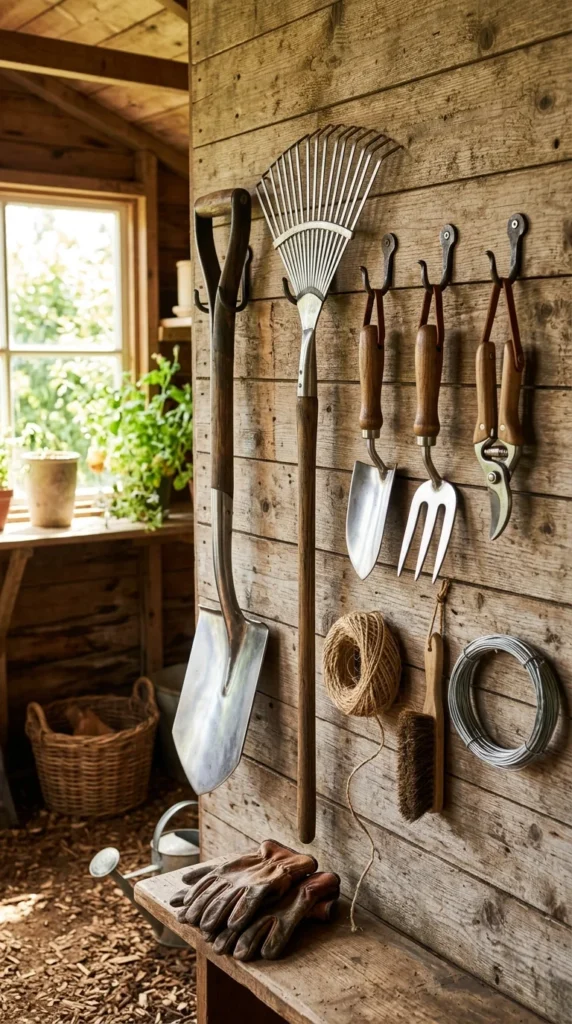
You wouldn’t expect a chef to cook with a dull, dirty knife, and you shouldn’t expect to garden with rusty, blunt tools. Sharp tools make cleaner cuts, which heal faster and reduce the risk of plant infection. After every use, wipe your tools clean of dirt. Periodically, sharpen the blades of your pruners and shovels, and rub wooden handles with linseed oil to prevent cracking. Well-maintained tools make every gardening task faster and more enjoyable.
13. Composting
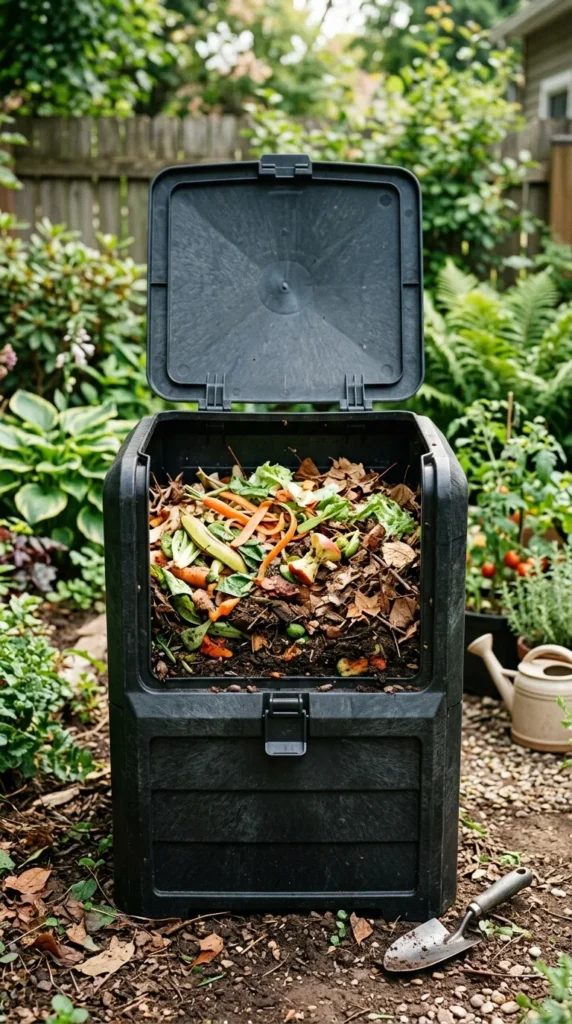
Composting is the ultimate form of recycling. Instead of throwing away kitchen scraps like banana peels, coffee grounds, and eggshells, turn them into “black gold.” A compost pile or bin transforms waste into the richest fertilizer on earth. By returning your organic waste to the garden, you close the nutrient loop. It’s an eco-friendly way to boost your soil’s fertility while reducing your household’s carbon footprint.
14. Seasonal Cleanup
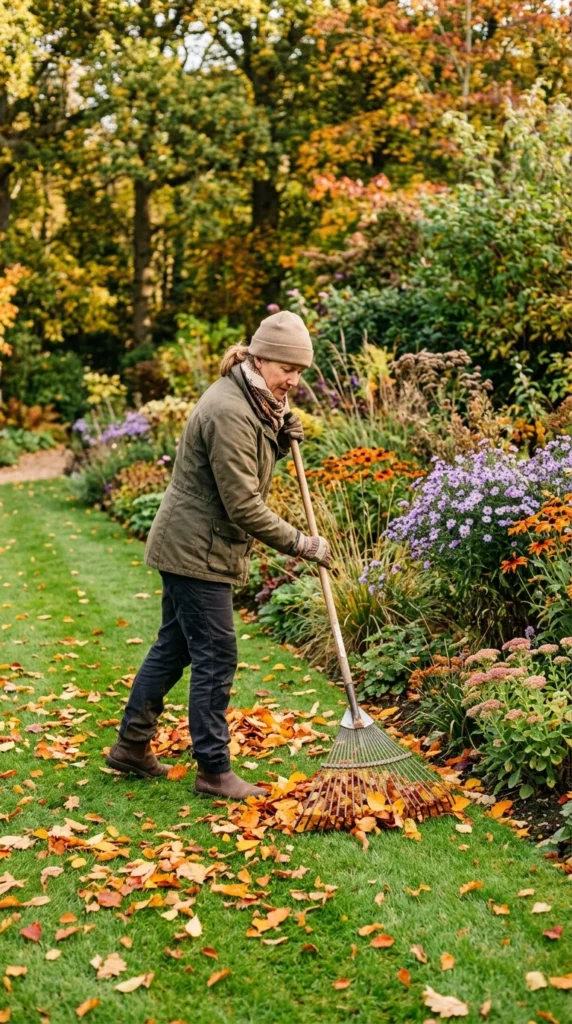
A garden’s needs change with the seasons. In the fall, it’s important to clear away diseased foliage so that pathogens don’t overwinter in the soil. In the spring, clearing away heavy debris allows the sun to warm the earth and wake up dormant plants. However, don’t be too tidy; leaving some hollow stems and leaf litter can provide essential winter shelter for beneficial insects and pollinators.
15. Record Keeping
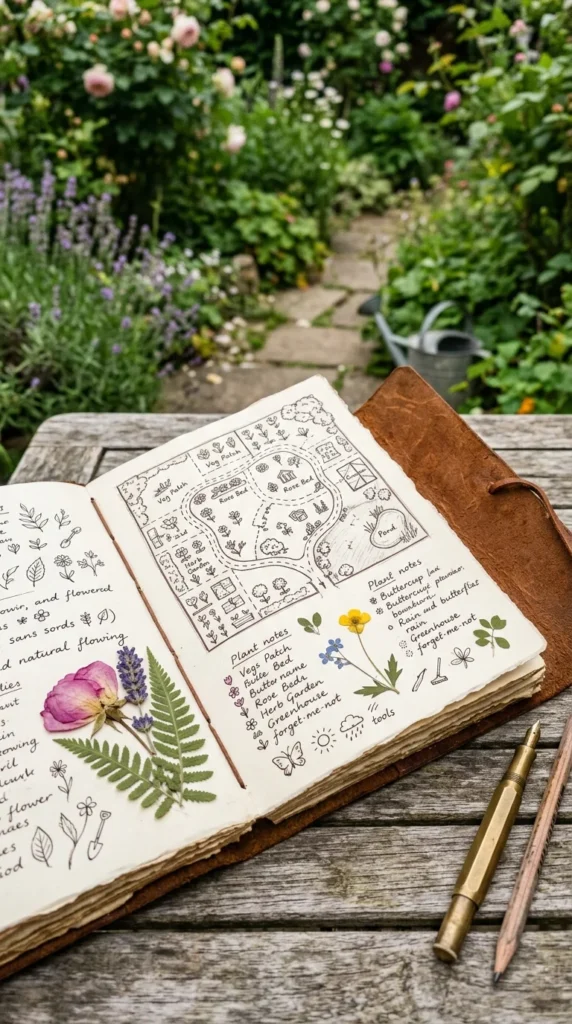
The best tool a gardener has is their own experience. Keeping a garden journal allows you to track what worked and what didn’t. Note down the dates of the first and last frosts, when specific plants bloomed, and which varieties of vegetables tasted the best. Over the years, these records become a personalized guidebook for your specific microclimate, helping you make smarter decisions and ensuring your garden becomes more beautiful with every passing year.