
In an age where we spend more than 90% of our lives indoors, the line between the natural world and our living spaces has become increasingly blurred. Indoor gardening is no longer just a hobby for those with a “green thumb”; it has evolved into a vital lifestyle choice for urban dwellers and homeowners alike. Transforming your home into a living sanctuary offers far more than just visual appeal. From the air you breathe to the way your brain processes stress, the presence of chlorophyll-rich companions can fundamentally alter your quality of life.
1. Air Quality
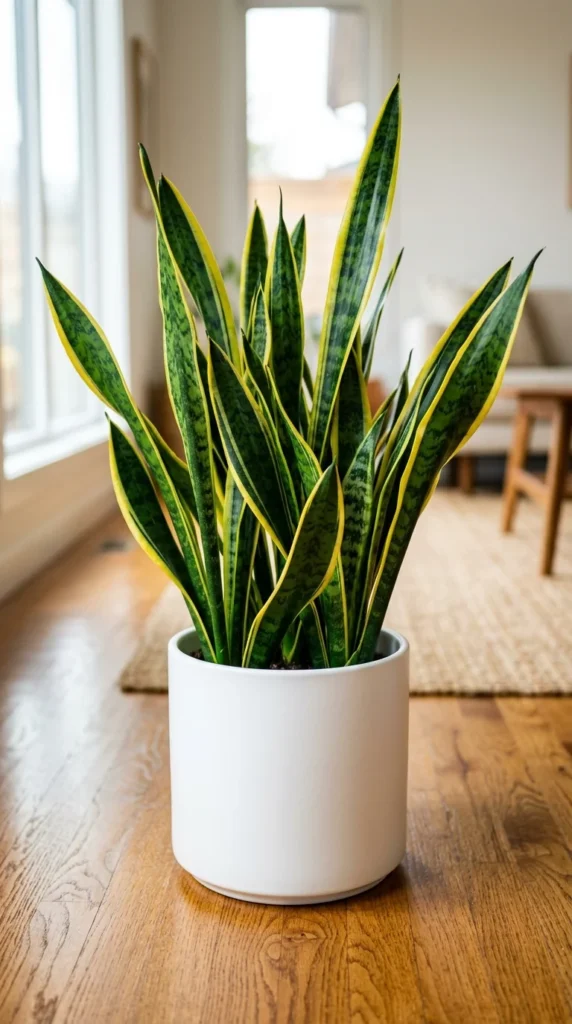
One of the most scientifically backed benefits of indoor gardening is the improvement of air quality. Plants are nature’s air purifiers. Through a process identified in the famous NASA Clean Air Study, certain houseplants can remove volatile organic compounds (VOCs) like formaldehyde, benzene, and trichloroethylene from the air. These toxins often off-gas from everyday household items like carpets, furniture glue, and cleaning supplies. By incorporating plants like Peace Lilies, Spider Plants, and English Ivy, you are essentially installing a biological filtration system that works 24/7 to ensure the air you breathe is crisp and clean.
2. Stress Relief
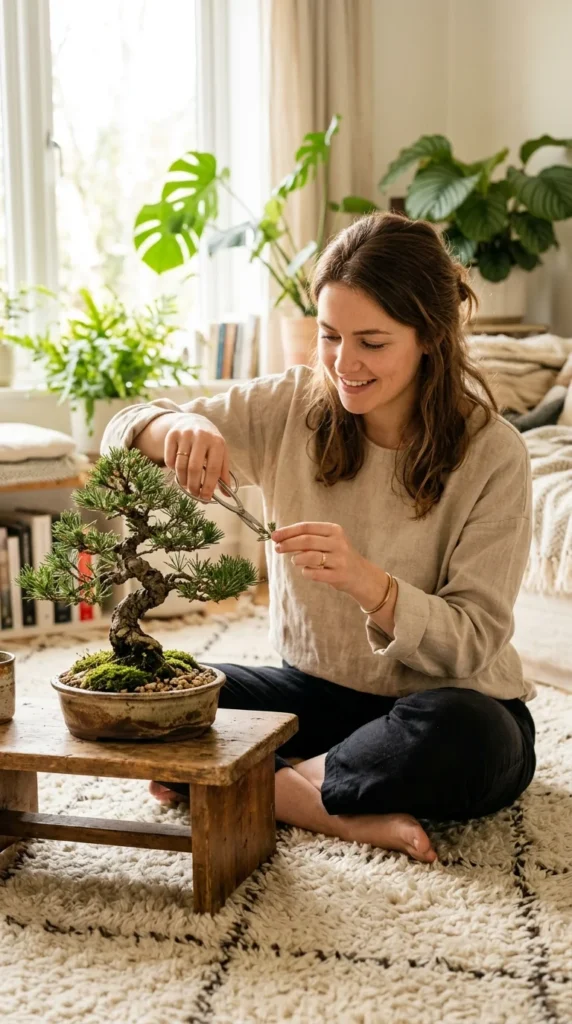
There is something inherently calming about the presence of greenery. The practice of “horticultural therapy” is a real phenomenon. Interacting with indoor plants—whether it’s watering them, wiping dust off their leaves, or repotting a growing seedling—lowers cortisol levels and reduces blood pressure. The rhythmic, slow-paced nature of gardening forces us to disconnect from the digital world and reconnect with the physical, biological world. This grounding effect helps to alleviate anxiety and provides a peaceful retreat from the chaotic pace of modern life.
3. Productivity Boost
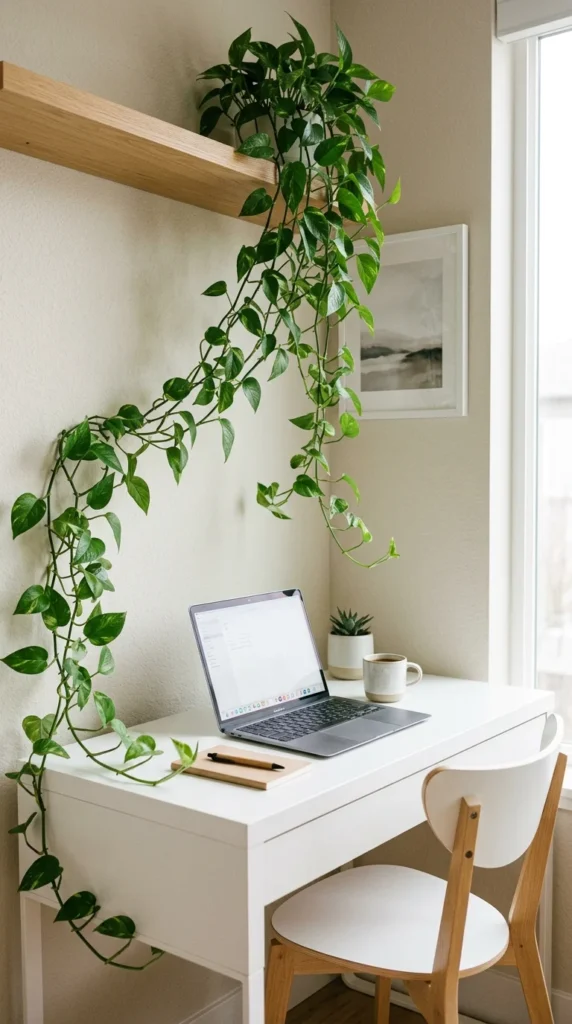
If you find your focus waning during the workday, a desk plant might be the solution. Research has shown that employees in “green” offices are more productive and have higher levels of concentration than those in “lean” environments. Having a plant within your line of sight helps to prevent mental fatigue. It provides a “micro-break” for the eyes and the mind, allowing you to return to your tasks with renewed energy. Whether you are a student or a remote professional, a small succulent or a ZZ plant on your desk can significantly sharpen your cognitive performance.
4. Humidity Control
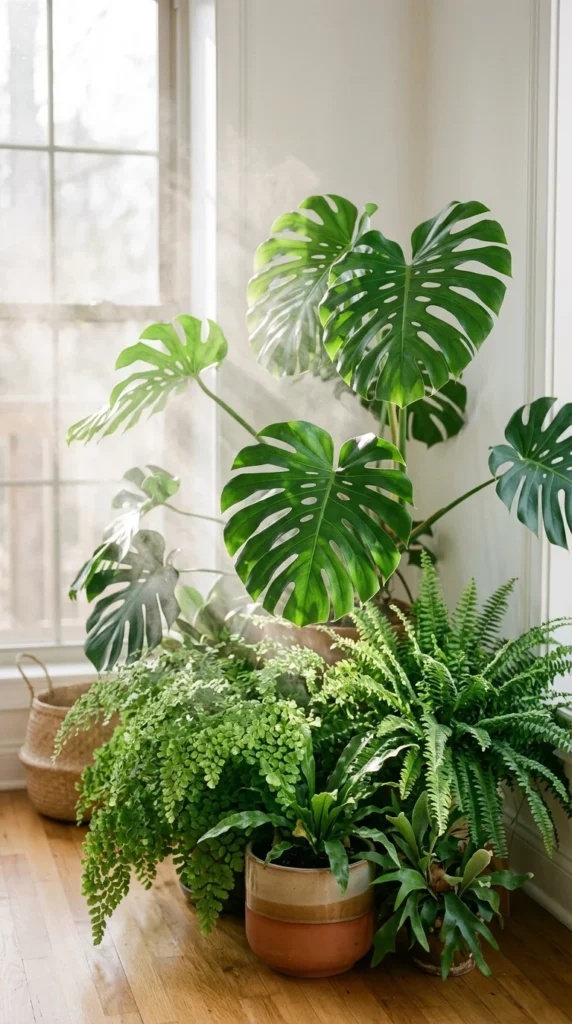
During winter months or in dry climates, indoor air can become incredibly parched, leading to dry skin, respiratory irritation, and static electricity. Plants release roughly 97% of the water they take in through a process called transpiration. By grouping plants together, you create a localized humidity chamber that naturally moistens the air. This is particularly beneficial for keeping your skin hydrated and your throat and nasal passages moist, which can even help in reducing the frequency of the common cold and dry coughs.
5. Better Sleep

While most plants release oxygen during the day and carbon dioxide at night, some specific species, like Succulents, Orchids, and Bromeliads, do the opposite. They take in CO2 and release oxygen at night, making them the perfect bedroom companions. Furthermore, plants like Lavender and Jasmine produce natural scents that have been proven to lower heart rates and induce a state of relaxation. Placing these plants in your sleeping quarters can lead to a deeper, more restorative sleep, allowing you to wake up feeling refreshed.
6. Aesthetic Appeal
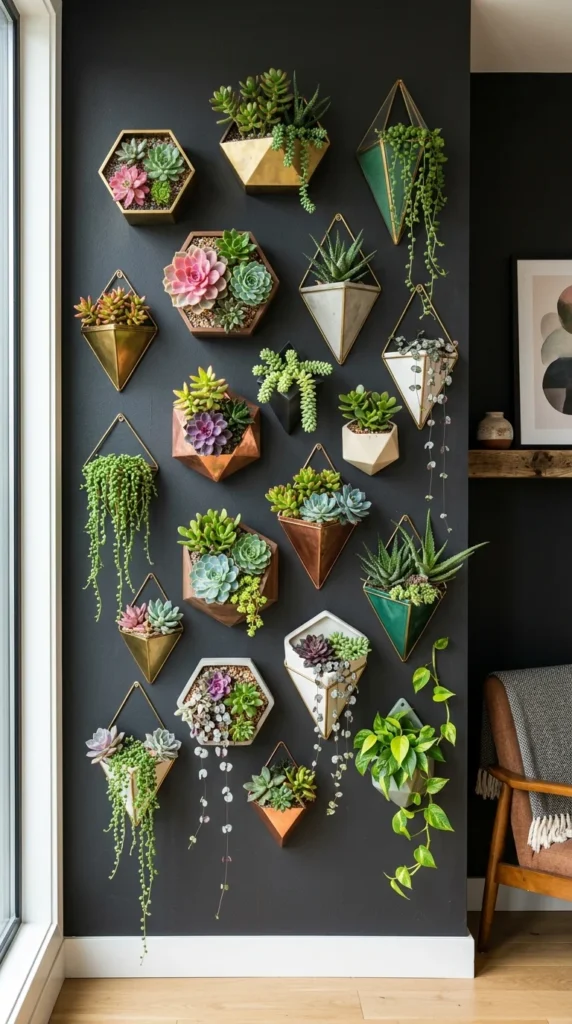
From a purely design-oriented perspective, indoor gardening is one of the most versatile ways to decorate a home. Plants add texture, color, and height to a room in a way that static furniture cannot. They are “living art” that changes and grows over time. Whether you prefer the dramatic architectural lines of a Sansevieria or the soft, romantic drapes of a String of Pearls, indoor gardening allows you to express your personal style while softening the hard edges of modern architecture.
7. Fresh Herbs
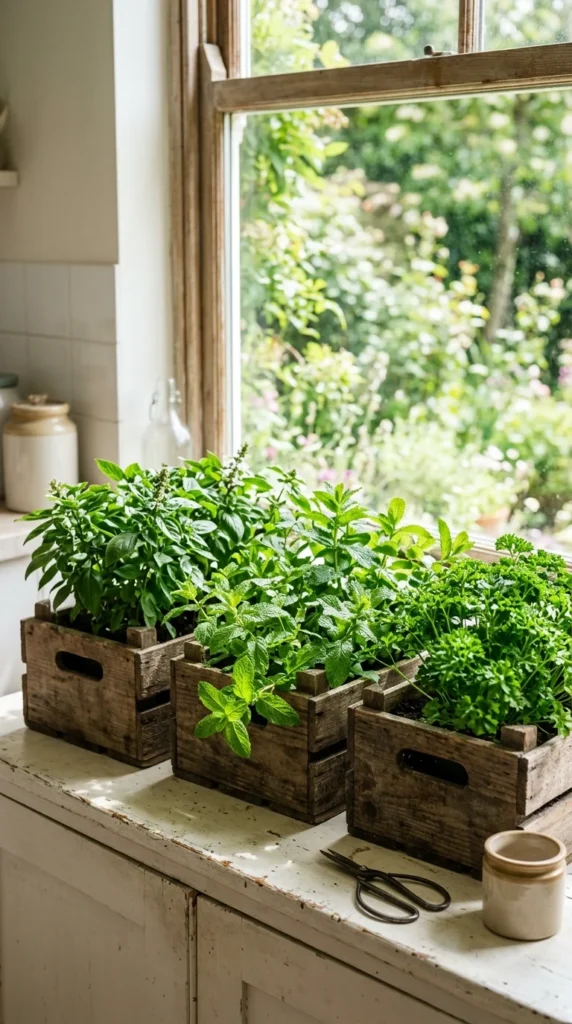
One of the most practical benefits of indoor gardening is the ability to grow your own food. A windowsill herb garden provides immediate access to fresh, organic ingredients that can elevate your cooking. Store-bought herbs often lose their potency quickly and come wrapped in unnecessary plastic. By growing your own Basil, Thyme, Rosemary, or Chives, you ensure that your meals are packed with flavor and nutrients, all while saving money at the grocery store and reducing your environmental footprint.
8. Nature Connection
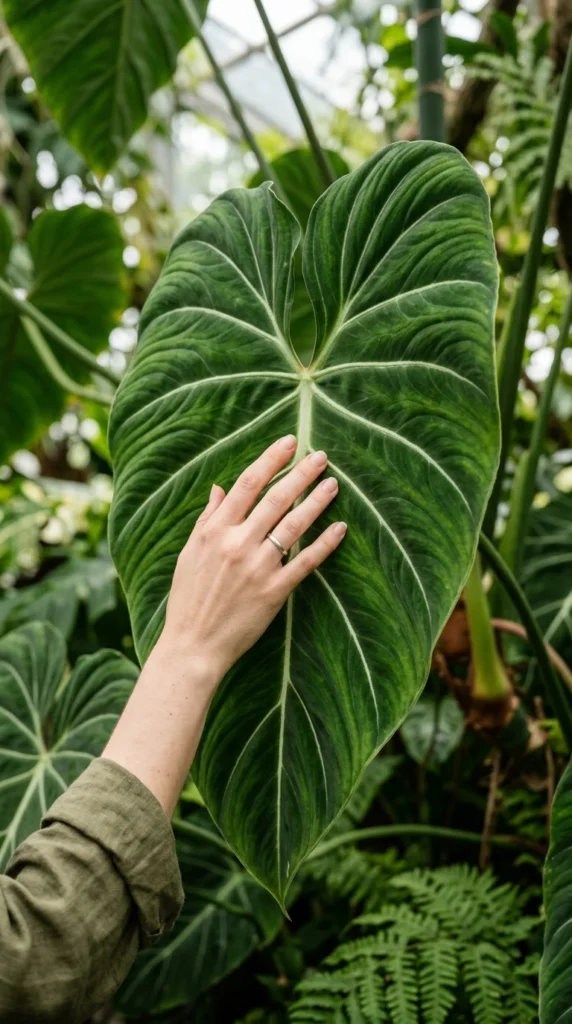
In our increasingly urbanized world, many people suffer from “nature deficit disorder.” Biophilia is the innate human instinct to connect with nature and other living beings. Indoor gardening fulfills this psychological need by bringing the outdoors in. Watching a new leaf unfurl or seeing a flower bloom provides a profound sense of connection to the cycles of the earth. This connection reminds us that we are part of a larger ecosystem, fostering a sense of belonging and environmental stewardship.
9. Mindfulness
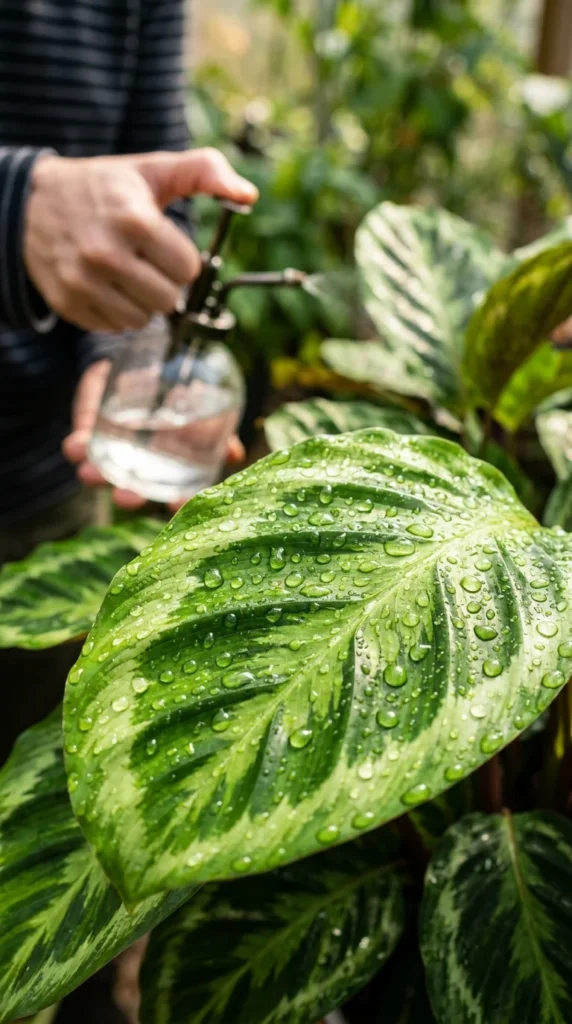
Gardening is an exercise in patience and observation. It encourages mindfulness because you must pay close attention to the subtle cues of your plants. Does the soil feel dry? Are the leaves drooping? Is there a new pest to manage? These observations require you to be present in the moment. This “active meditation” helps clear the mind of future worries or past regrets, focusing your energy on the nurturing of a living thing.
10. Educational Value

For families with children, indoor gardening is a fantastic educational tool. It provides a hands-on way to teach kids about biology, photosynthesis, and the responsibility of caring for another living thing. Children can witness the entire life cycle of a plant, from seed to maturity, fostering a sense of wonder and curiosity about the natural world. It’s a low-stakes way to learn about the consequences of neglect and the rewards of consistent care.
11. Allergy Relief
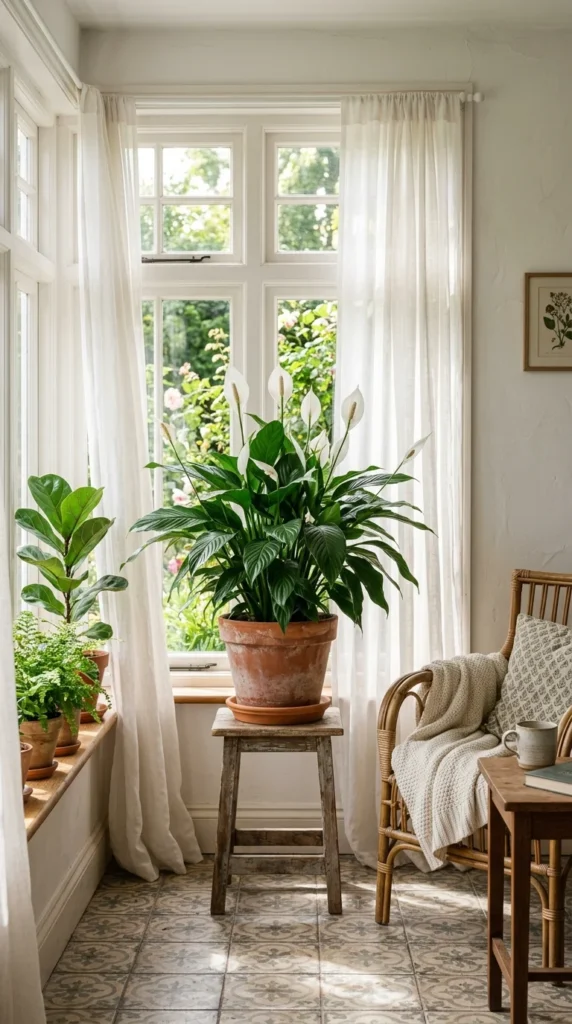
While it might seem counterintuitive since some plants produce pollen, many indoor plants actually help reduce allergy symptoms. By increasing humidity and capturing airborne dust and mold spores on their leaves, plants act as natural filters. The broad leaves of plants like the Rubber Tree or the Peace Lily are particularly effective at trapping particles that would otherwise circulate in the air and irritate your sinuses. Just be sure to wipe the leaves regularly to remove the accumulated dust!
12. Carbon Sequestration
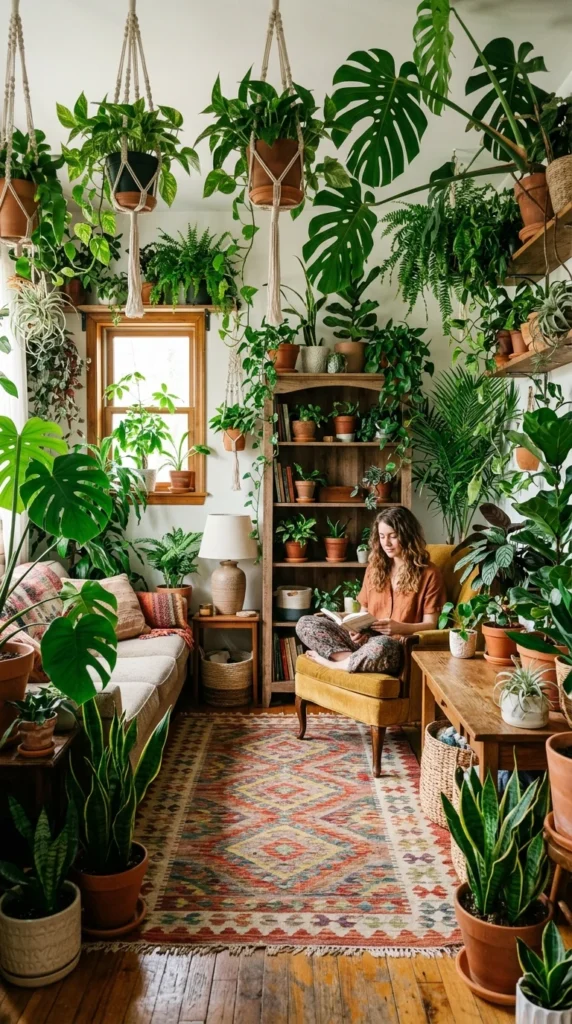
On a global scale, plants are the primary way our planet manages carbon dioxide levels. While a few indoor plants won’t solve the climate crisis, they do play a small role in carbon sequestration within your home. Plants absorb CO2 during photosynthesis and convert it into oxygen. In a tightly sealed, modern home, CO2 levels can actually rise high enough to cause headaches or drowsiness. A healthy indoor garden helps balance these levels, keeping your environment oxygen-rich.
13. Noise Reduction
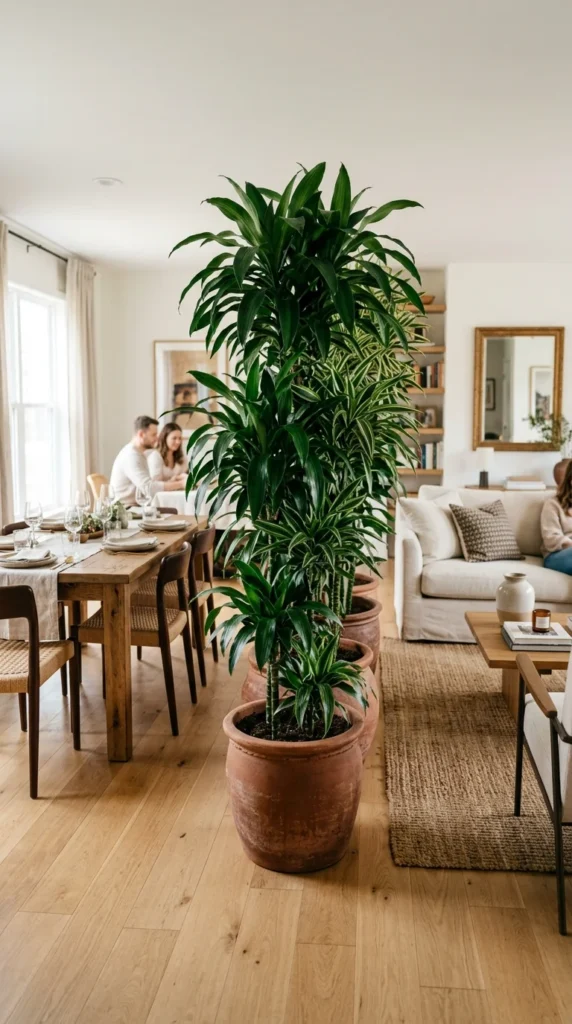
Plants have been used for centuries to reduce noise along busy highways and in urban centers. The same principle applies indoors. Leaves, branches, and even the soil in pots can absorb, diffract, or reflect background noise. This makes a room feel quieter and more private. If you live in a noisy apartment building or have a home with hardwood floors and high ceilings that create echoes, strategically placing large, leafy plants like the Ficus or the Weeping Fig can help dampen the sound and create a more tranquil acoustic environment.
14. Aromatherapy
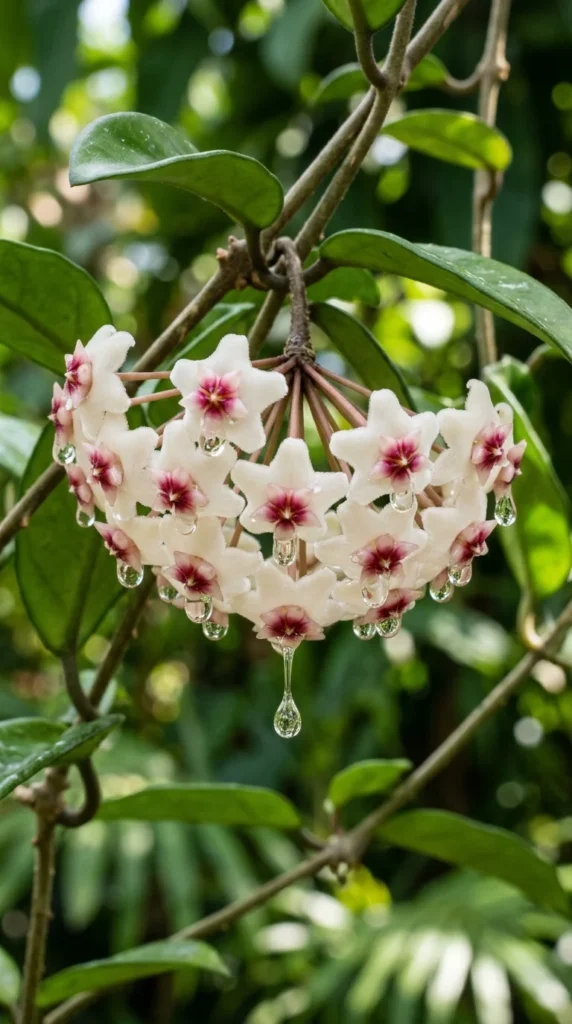
Forget synthetic air fresheners and scented candles that can release harmful chemicals. Indoor gardening allows you to enjoy natural, subtle fragrances. Plants like Eucalyptus, Gardenia, and various scented Geraniums can fill a room with refreshing, floral, or earthy scents. These natural aromas can influence your mood; for instance, the scent of citrus plants can be energizing, while the scent of mint can be refreshing and cooling.
15. Sense of Accomplishment
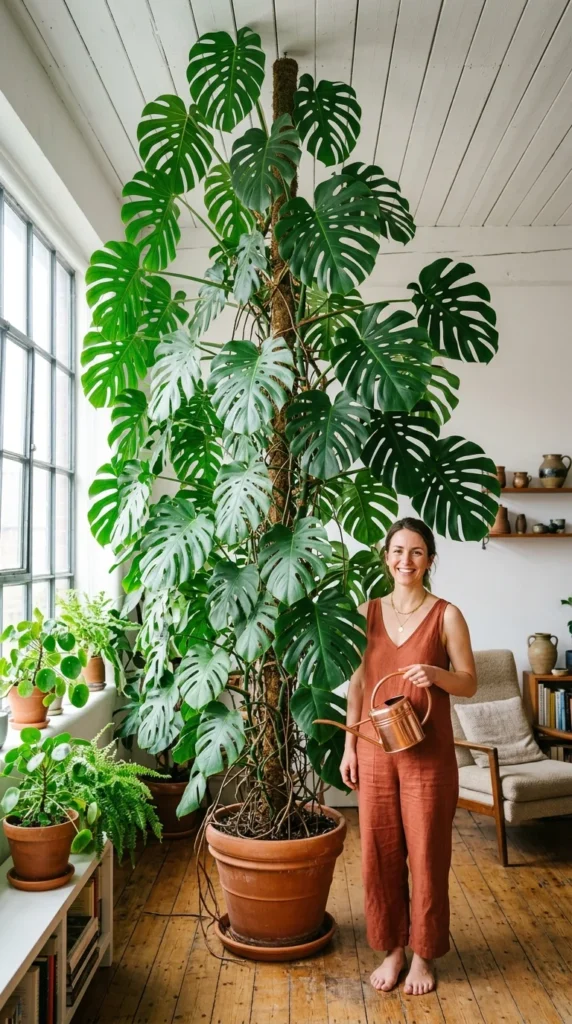
There is a unique sense of pride that comes with successfully growing a plant from a tiny cutting into a massive specimen. Gardening offers a tangible reward for your efforts. In a world where much of our work is digital and ephemeral, seeing a physical manifestation of your care and consistency is incredibly satisfying. This boost in self-esteem and the “nurturing instinct” can improve your overall outlook on life, giving you a sense of purpose and a beautiful, living legacy to show for your time.