The journey from a novice gardener to a “green thumb” expert is often paved with trial, error, and a few withered leaves. However, growing strong, beautiful plants isn’t just about luck or following the instructions on a plastic tag. It is an art form that combines science, patience, and a few “secret” techniques that seasoned horticulturists have used for decades. Whether you are tending to a sprawling backyard garden or a collection of succulents on a windowsill, these 14 secret tips will transform your greenery into a thriving, vibrant sanctuary.
1. Soil Quality
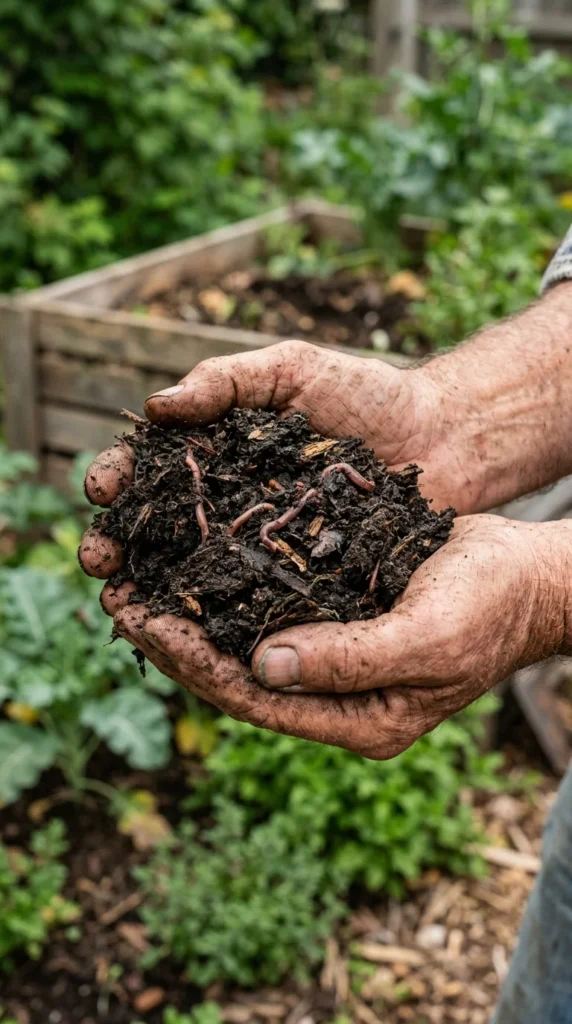
Everything starts beneath the surface. Many gardeners make the mistake of using the same dirt for every plant, but soil is the lifeblood of your garden. Strong plants require soil that is rich in organic matter and has the correct structure for root development.
- Aeration: Ensure your soil isn’t compacted. Roots need oxygen just as much as they need water.
- The Squeeze Test: If you squeeze a handful of soil and it stays in a hard ball, it has too much clay. If it falls apart instantly, it has too much sand. Aim for a “loamy” texture that holds its shape briefly before crumbling.
- Living Soil: Encourage beneficial microbes and fungi by adding compost. These organisms break down nutrients, making them easier for plants to absorb.
2. Banana Peels
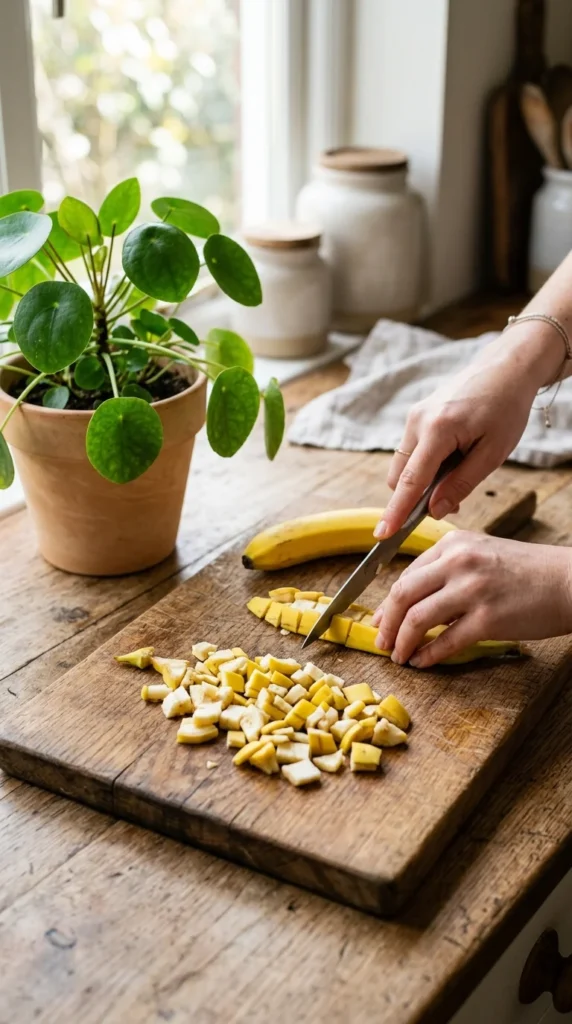
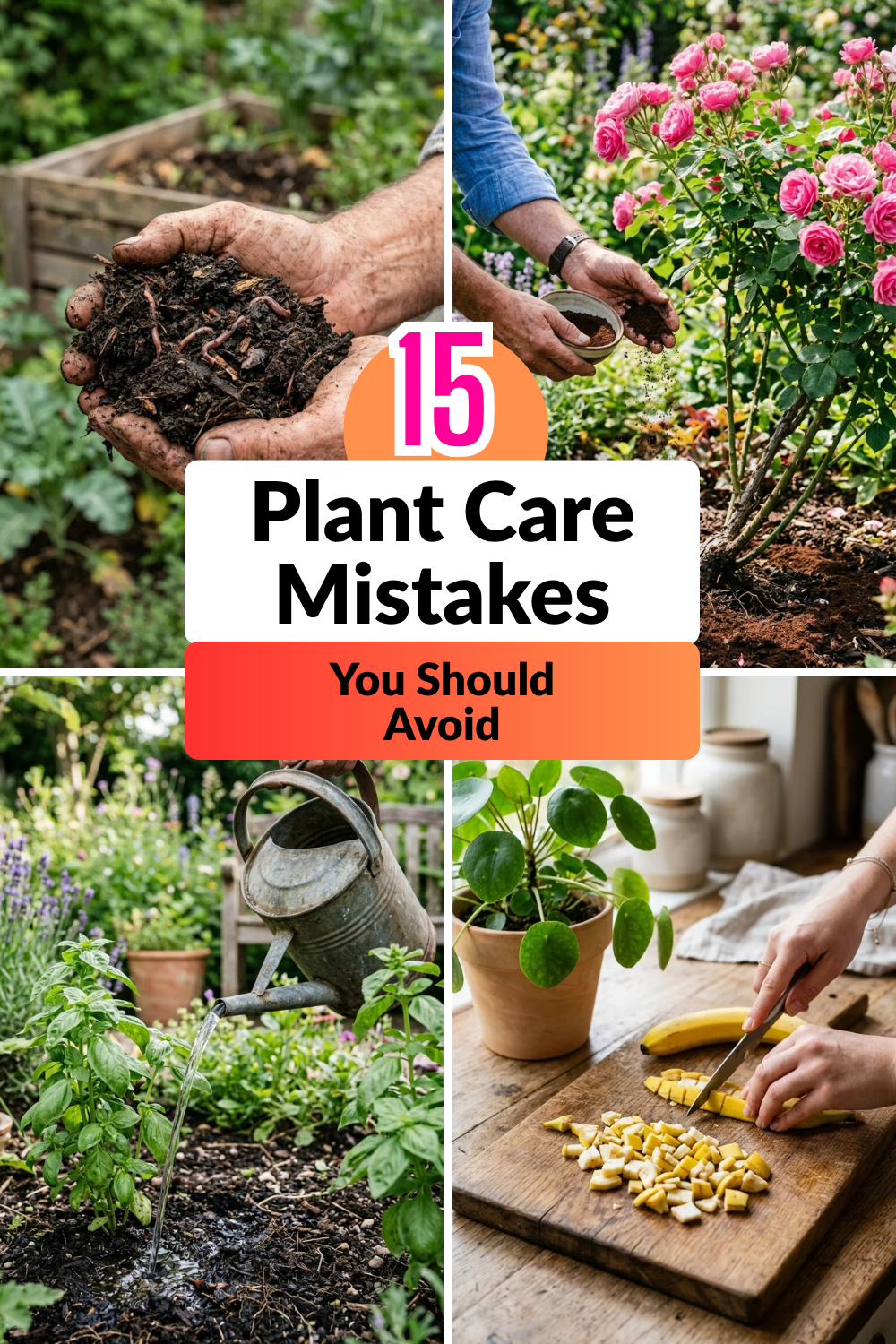
Don’t throw away those banana peels! They are a goldmine of potassium, which is essential for plant strength, disease resistance, and fruit development. Potassium helps regulate the plant’s metabolism and water pressure within the cells.
- The Burial Method: Chop peels into small pieces and bury them an inch deep near the base of your plants. As they decompose, they release a steady stream of nutrients.
- Banana Tea: Soak peels in a jar of water for 48 hours, then use that “tea” to water your plants for an instant potassium boost.
3. Coffee Grounds
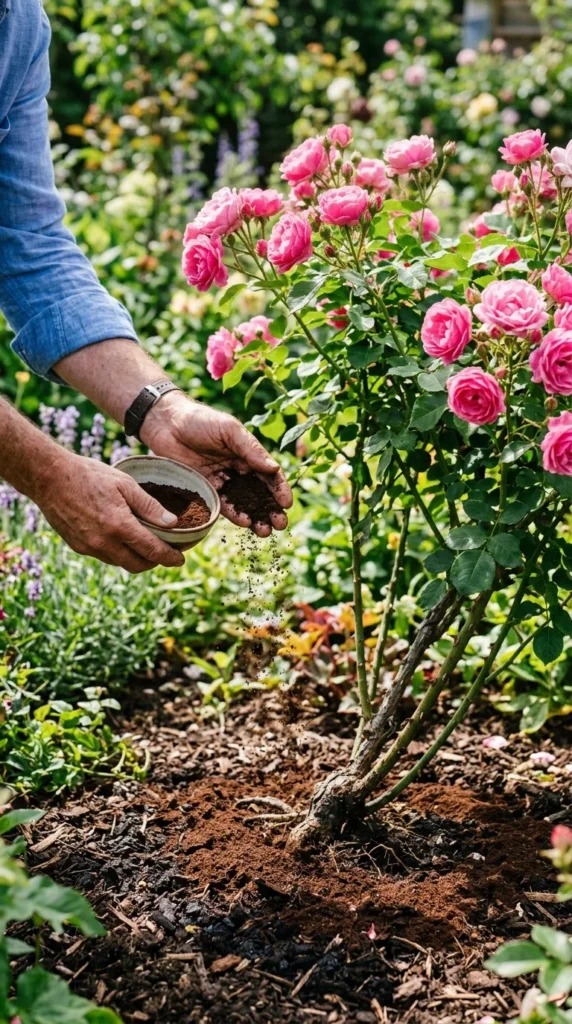
Coffee grounds are a secret weapon for plants that love a bit of acidity, such as azaleas, roses, and blueberries. Beyond acidity, they are rich in nitrogen, one of the three primary components of fertilizer.
- Nitrogen Boost: Nitrogen is responsible for lush, green leaf growth.
- Pest Deterrent: The gritty texture and scent of coffee grounds can deter soft-bodied pests like slugs and snails.
- Compost Catalyst: Adding grounds to your compost pile helps speed up the decomposition process by providing “green” material to fuel the bacteria.
4. Deep Watering
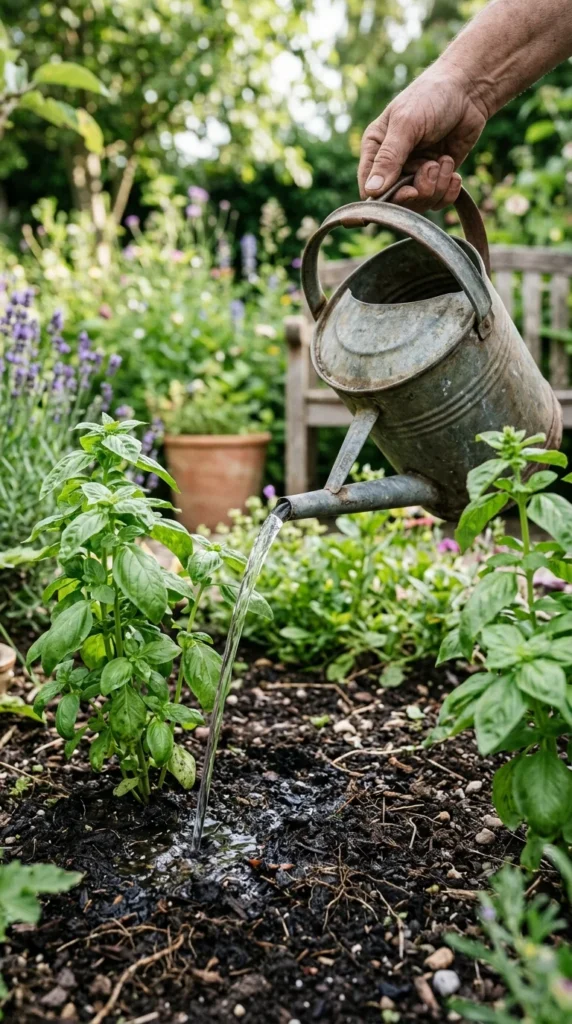
Most people water their plants frequently but shallowly. This is a mistake. Shallow watering encourages roots to stay near the surface, making them vulnerable to heat and drought.
- The Goal: You want to encourage the roots to grow deep into the earth.
- Frequency vs. Depth: Instead of a daily sprinkle, give your plants a heavy soak once or twice a week. Ensure the water reaches several inches down.
- Morning Routine: Always water in the early morning. This allows the plant to hydrate before the sun’s heat peaks and ensures any water on the leaves evaporates, preventing fungal diseases.
5. Crushed Eggshells
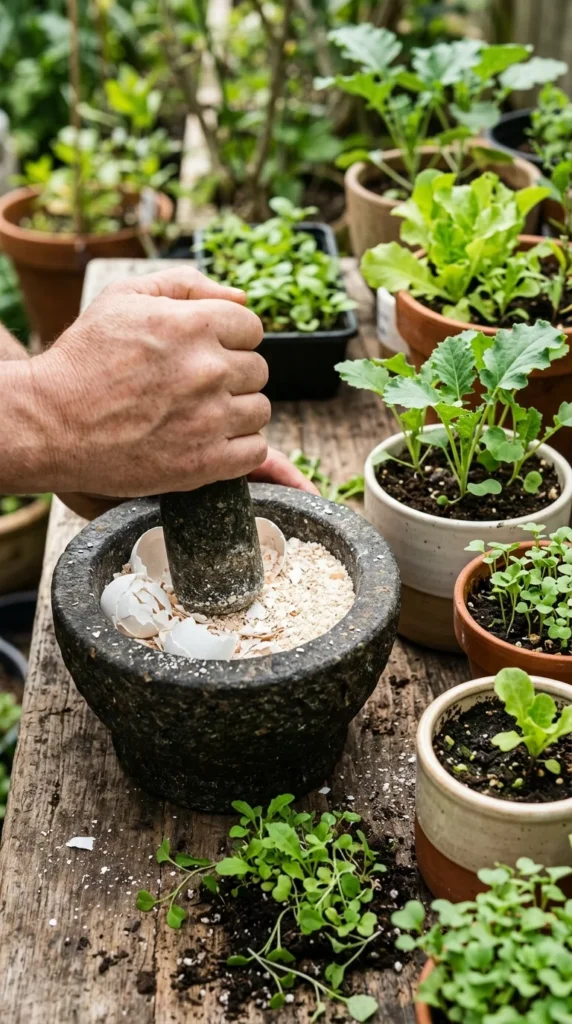
If your plants are looking stunted or your tomatoes are suffering from blossom end rot, they likely have a calcium deficiency. Eggshells are composed of over 90% calcium carbonate.
- Preparation: Wash the shells and let them dry completely. Grind them into a fine powder; the finer the powder, the faster the plant can absorb the calcium.
- Slow Release: Unlike chemical fertilizers, eggshells provide a slow, steady release of nutrients over several months.
- Drainage: In a pinch, coarsely cracked shells at the bottom of a pot can also assist with drainage.
6. Strategic Pruning
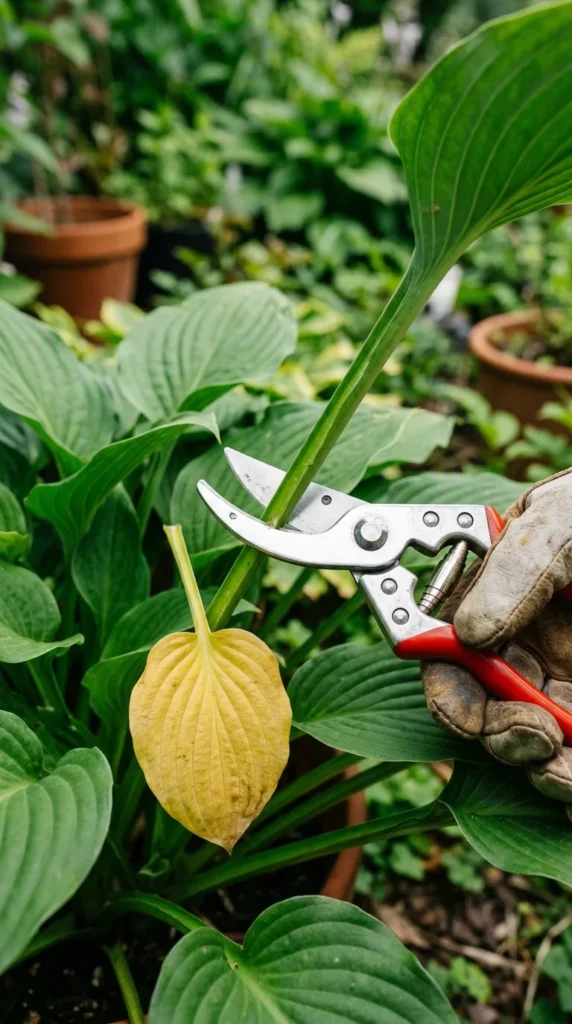
Pruning feels counterintuitive to many—why cut off parts of a plant you want to grow? However, strategic pruning is essential for directing energy to the right places.
- The Three D’s: Always remove parts that are Dead, Damaged, or Diseased immediately.
- Airflow: Thinning out the center of a bushy plant increases air circulation, which prevents mold and mildew.
- Encouraging Growth: For many flowering plants, “pinching off” the growing tip encourages the plant to branch out, resulting in a fuller, bushier appearance rather than a tall, leggy one.
7. Sunlight Exposure
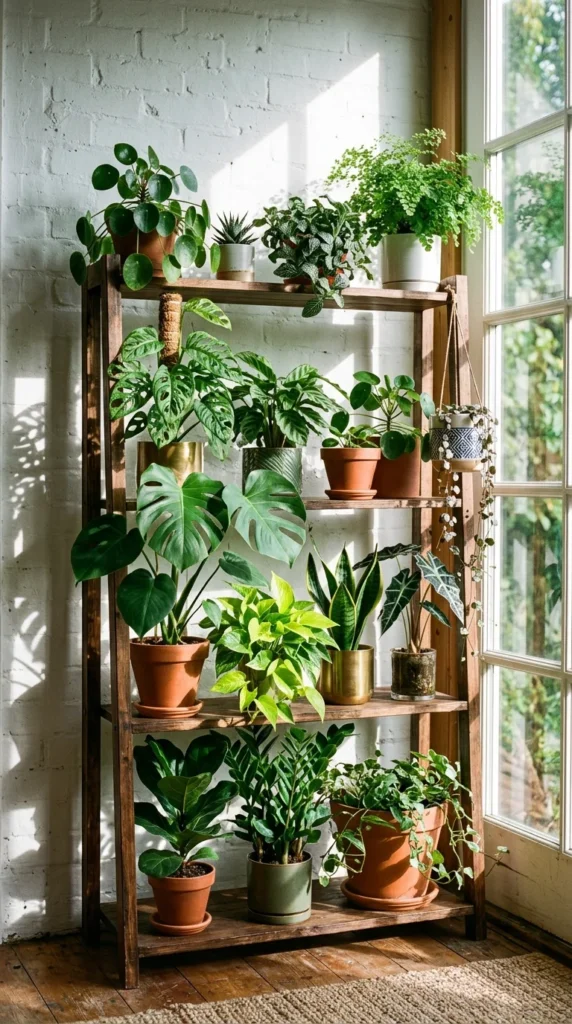
Sunlight is a plant’s primary food source through photosynthesis, but “full sun” doesn’t mean the same thing for every species. Understanding the nuances of light can save a struggling plant.
- Photoperiodism: Some plants need long days of light to bloom, while others (like Poinsettias) need long periods of darkness.
- The Hand Shadow Test: To determine light intensity, hold your hand 12 inches above the plant’s location. A sharp, defined shadow indicates bright, direct light. A soft, blurry shadow indicates medium/indirect light. No shadow means the area is too dim for most plants.
- Rotation: Plants naturally grow toward the light. Rotate your pots every week to ensure even growth and prevent them from leaning.
8. Epsom Salts
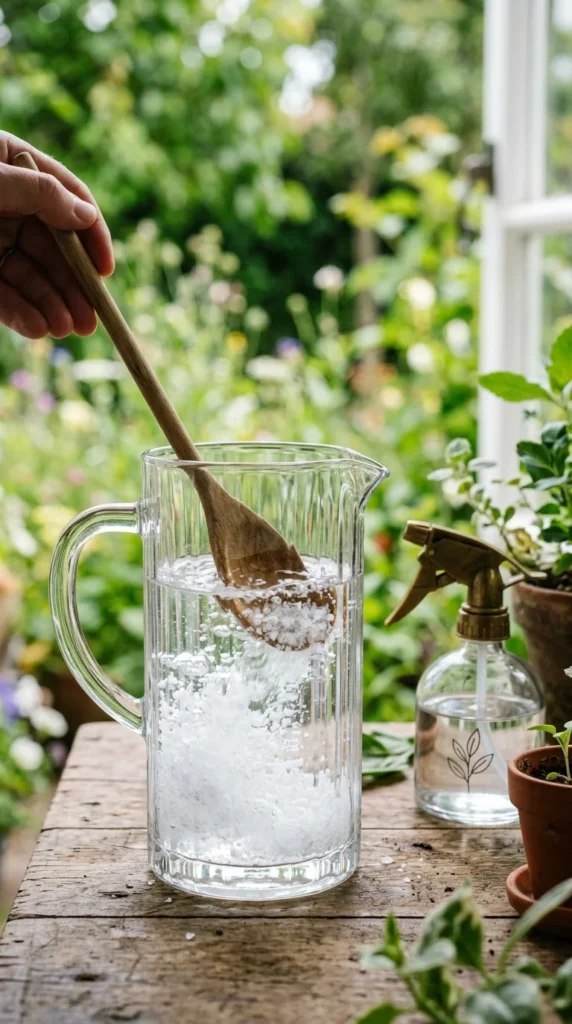
Epsom salt (magnesium sulfate) is a “secret” used by professional gardeners to produce greener leaves and more flowers. Magnesium is the central core of the chlorophyll molecule, which gives plants their green color.
- Chlorophyll Production: If leaves are turning yellow while the veins stay green, your plant might need magnesium.
- Folier Spray: Mix a tablespoon of Epsom salt with a gallon of water and spray it directly onto the leaves. The plant will absorb the nutrients much faster through the foliage than through the roots.
9. Organic Mulch
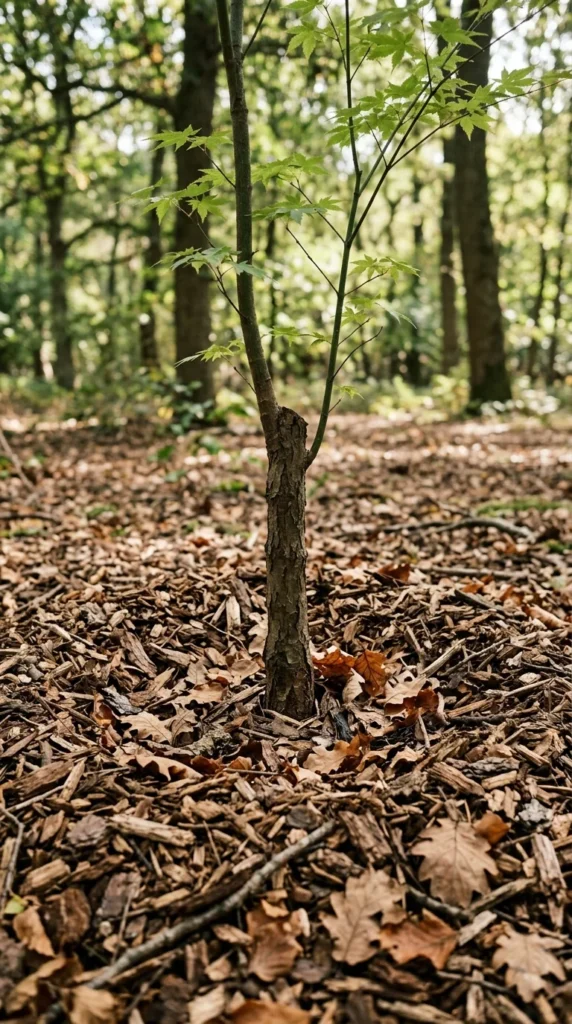
Mulching is the equivalent of a protective blanket for your garden. It is one of the most effective ways to maintain a stable environment for your plants’ root systems.
- Moisture Retention: Mulch prevents water from evaporating from the soil, meaning you have to water less frequently.
- Temperature Control: It keeps the soil cool in the summer and warm in the winter, protecting roots from extreme temperature swings.
- Weed Suppression: A 2-3 inch layer of mulch blocks sunlight from reaching weed seeds, preventing them from germinating.
10. Cinnamon Powder
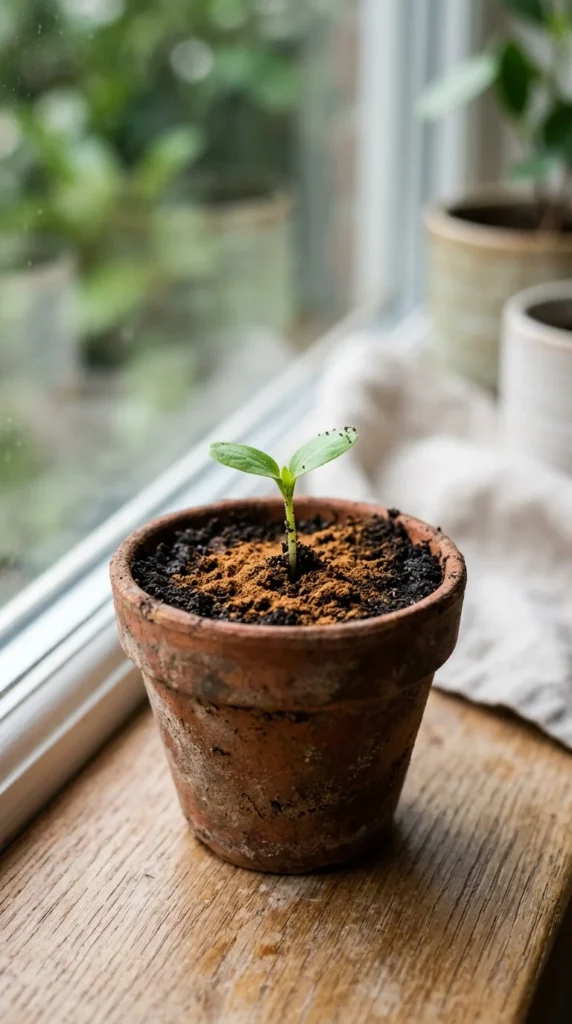
Cinnamon isn’t just for baking; it is a natural fungicide. It is incredibly effective at protecting young seedlings and preventing common gardening issues.
- Damping Off: This is a common fungal disease that kills new seedlings. Lightly dusting the soil with cinnamon can prevent the fungus from taking hold.
- Rooting Hormone: While not as strong as synthetic versions, dipping a fresh cutting in cinnamon before planting can help stimulate root growth and protect the wound from infection.
- Ant Repellent: Ants dislike the smell and texture of cinnamon. Use it to create a barrier around plants being bothered by aphids (which ants often “farm”).
11. Companion Planting
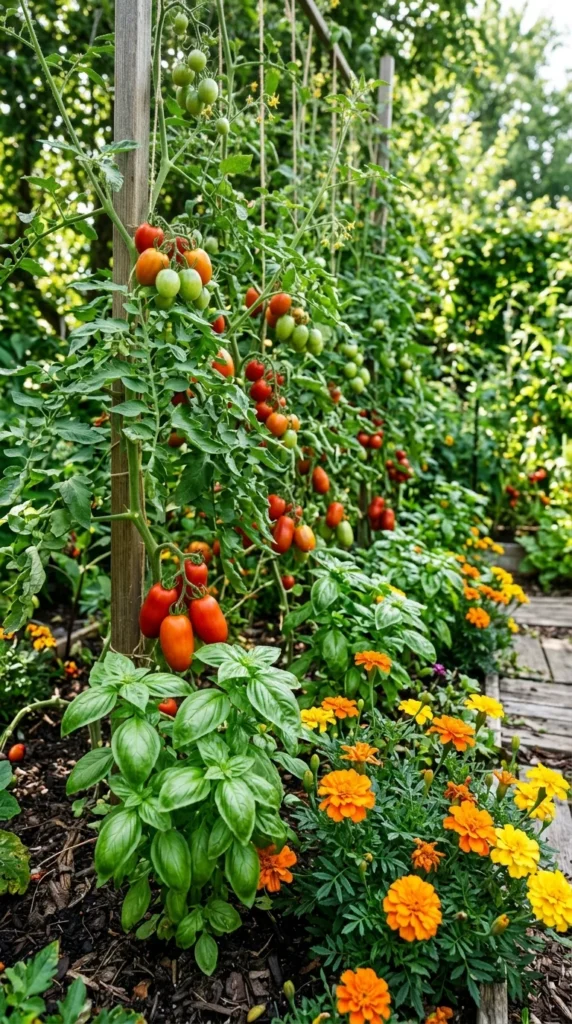
In nature, plants don’t grow in isolation. Certain plants have symbiotic relationships where they help each other grow, repel pests, or improve flavor.
- The Classic Duo: Tomatoes and Basil. Basil repels pests that target tomatoes, and many gardeners swear it improves the flavor of the fruit.
- Natural Pesticides: Marigolds produce a scent and root chemicals that deter nematodes and many flying insects.
- Nitrogen Fixers: Planting beans or peas next to “heavy feeders” like corn helps replenish nitrogen in the soil.
12. Air Circulation
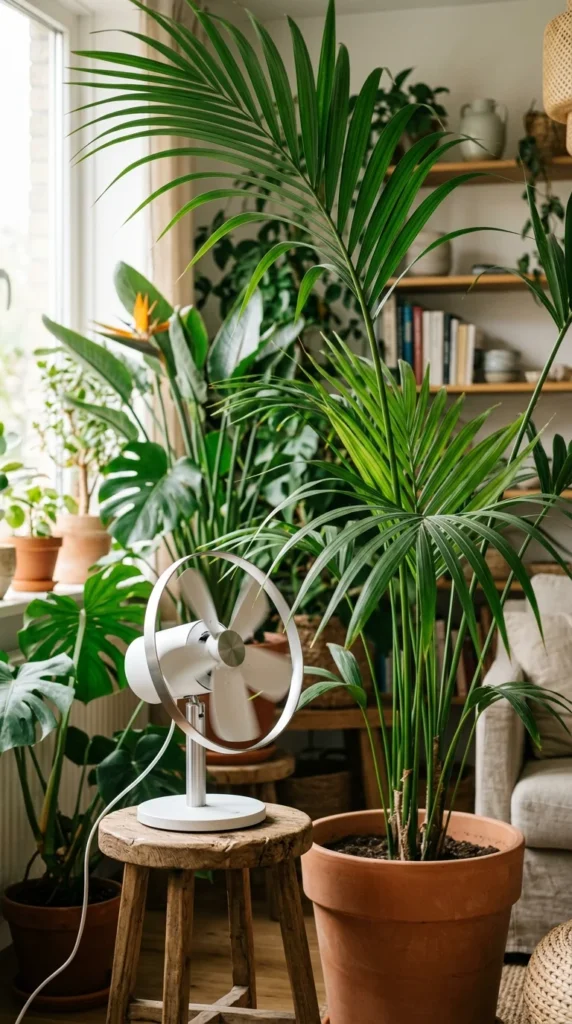
Indoor plants often suffer from “stagnant air.” In the wild, wind strengthens a plant’s stem and prevents moisture from sitting too long on the leaves.
- Stem Strength: Gentle movement from a fan or a breeze stimulates the plant to produce more lignin, making the stems thicker and stronger.
- Disease Prevention: High humidity without air movement is a breeding ground for fungus. A simple fan can reduce the risk of powdery mildew and leaf spot.
- Pollination: For indoor vegetable gardens (like indoor peppers or tomatoes), air movement helps move pollen between flowers.
13. Pot Size
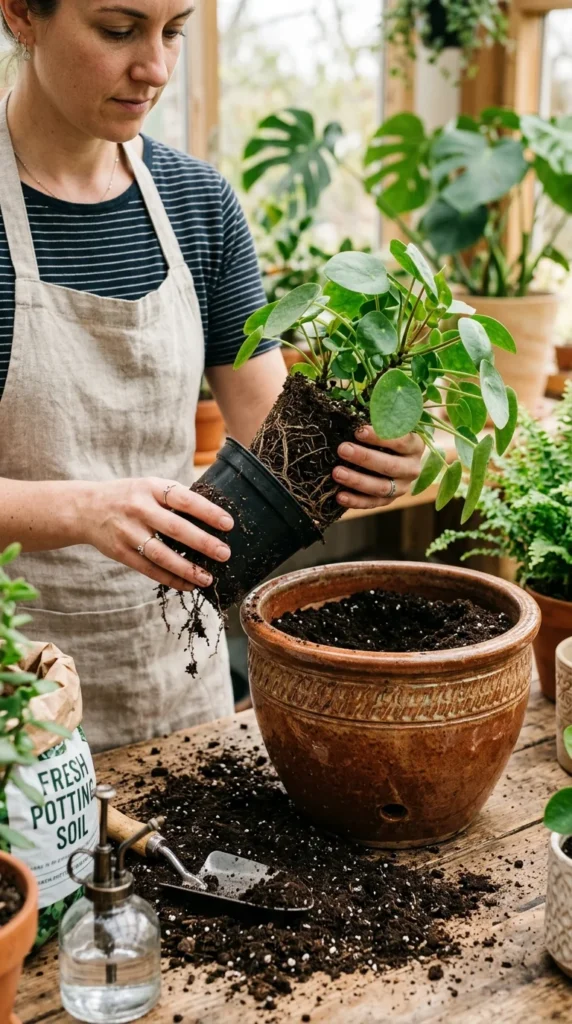
A plant is only as strong as its root system. If a plant becomes “root-bound,” it will stop growing, and its health will rapidly decline.
- Room to Breathe: Check your plants once a year. If you see roots growing out of the drainage holes or circling the inside of the pot, it’s time for an upgrade.
- The Two-Inch Rule: When repotting, only go up about two inches in diameter. A pot that is too large will hold too much water, which can lead to root rot.
- Drainage is Key: Never use a pot without a drainage hole. If you love a decorative pot that doesn’t have one, keep the plant in a plastic “nursery pot” inside the decorative one.
14. Sound Vibrations
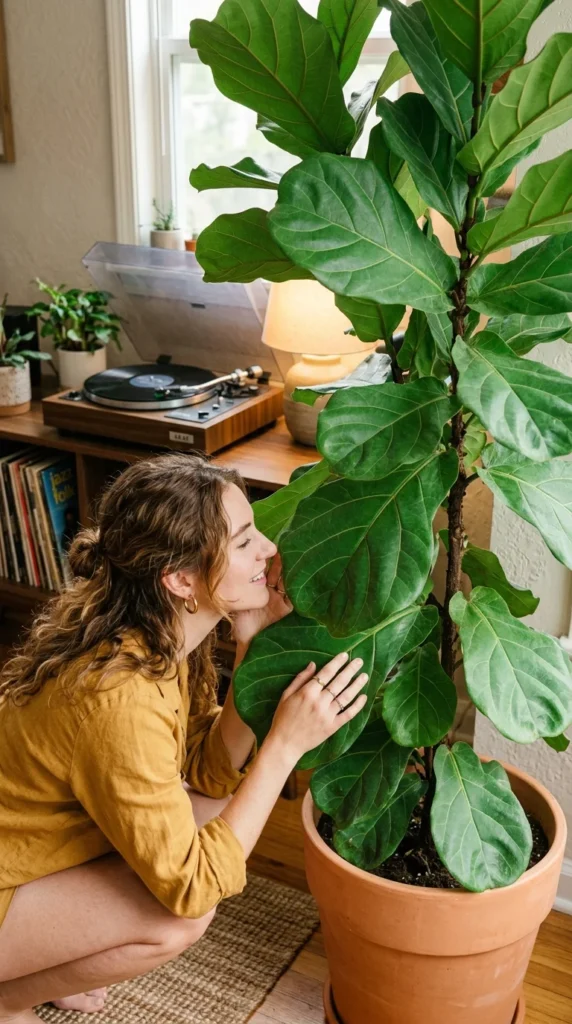
While it might sound like folklore, there is scientific evidence suggesting that plants respond to sound vibrations.
- CO2 Exchange: When you talk to your plants, you are breathing carbon dioxide directly onto them, which they use for photosynthesis.
- Vibration Sensitivity: Studies have shown that certain frequencies of music or sound vibrations can stimulate the stomata (the “pores” on leaves) to stay open longer, increasing the plant’s intake of nutrients and air.
- Attentiveness: Perhaps the biggest secret is that if you are close enough to talk to your plants, you are close enough to notice the small signs of stress—a drooping leaf, a tiny pest, or dry soil—before they become big problems.