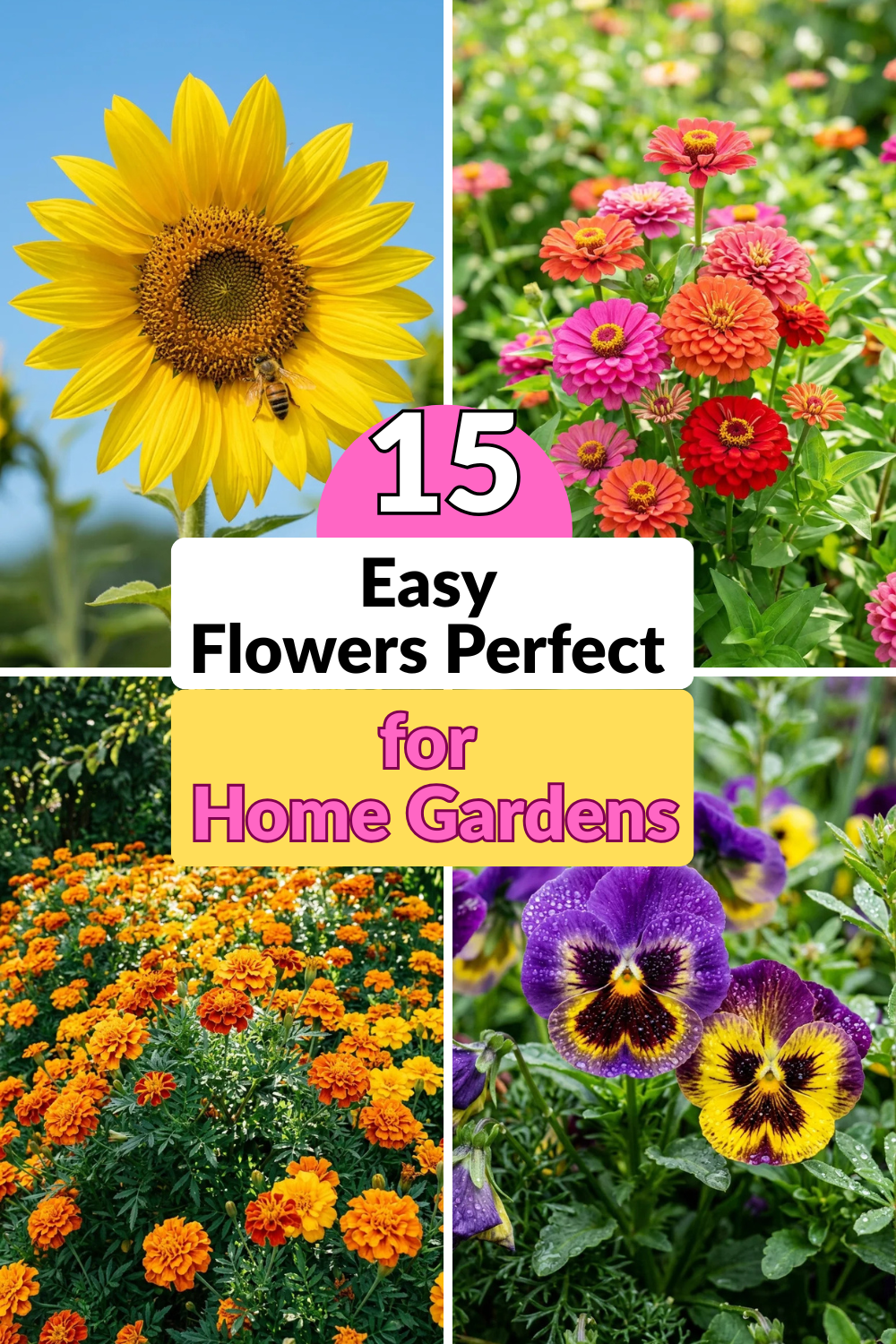
Gardening is often perceived as a daunting task reserved for those born with a “green thumb,” but the truth is far more encouraging. The secret to a flourishing garden doesn’t always lie in complex fertilizers or expensive equipment; it lies in choosing the right plants. For the home gardener, the goal is often to find blooms that offer maximum visual impact with minimum maintenance. Whether you are looking to brighten up a balcony, create a pollinator sanctuary, or simply add a splash of color to your front yard, selecting hardy, resilient species is the first step toward success.
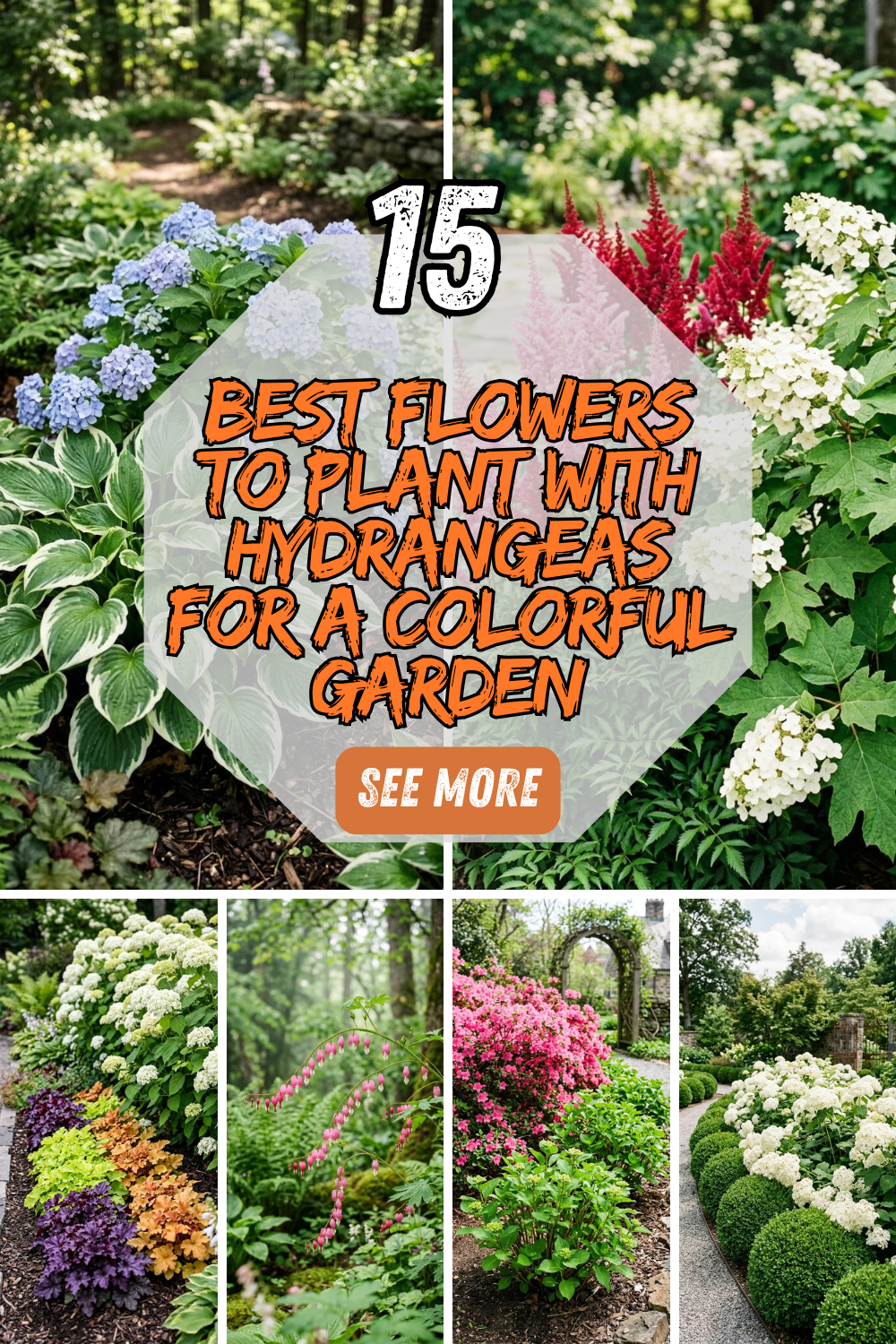
From sun-loving giants to shade-tolerant delicate petals, the world of horticulture offers a variety of “forgiving” flowers that can withstand a bit of neglect or a novice’s over-eagerness. These plants are chosen for their ability to thrive in various soil types, their resistance to common pests, and their prolific blooming cycles. Here are 15 easy-to-grow flowers that will transform your outdoor space into a vibrant sanctuary.
1. Sunflowers
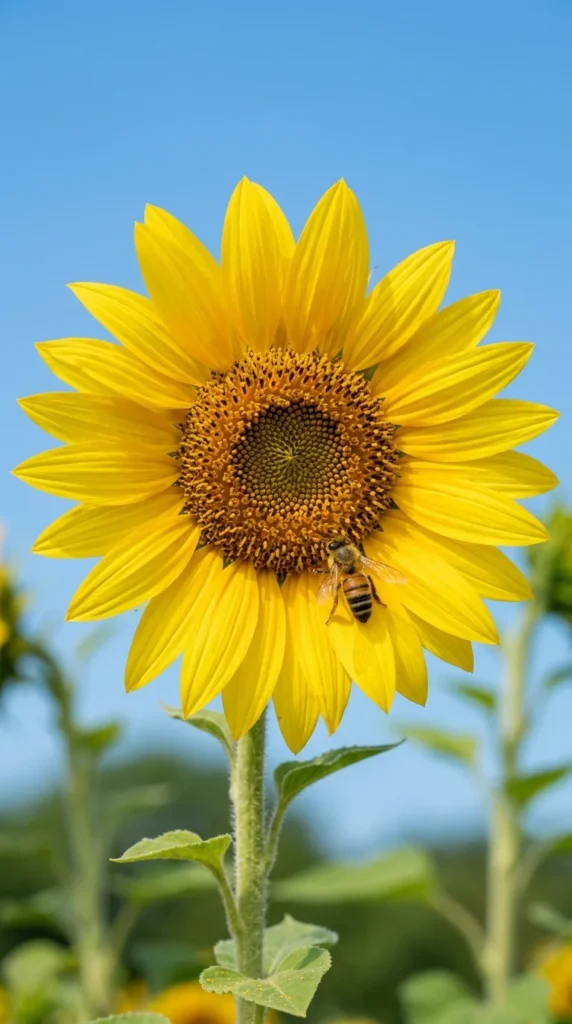
Sunflowers are perhaps the ultimate beginner’s flower. They are famous for their rapid growth and their ability to follow the sun across the sky. Because they have large seeds, they are incredibly easy to plant—just poke them into the soil about an inch deep and watch them take off.
While the classic giant varieties can reach heights of over ten feet, there are many “dwarf” varieties perfect for smaller gardens or pots. They are heat-tolerant and can handle dry spells once established. Plus, at the end of the season, you can harvest the seeds to feed local birds or roast them for a healthy snack.
2. Zinnias
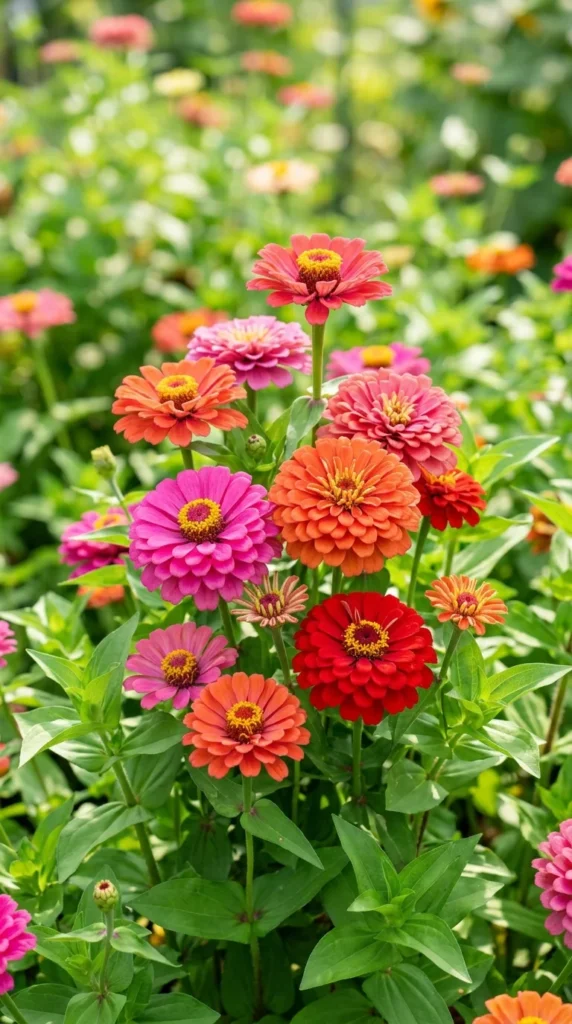
If you want a flower that provides a constant supply of bouquets for your indoor vases, Zinnias are the answer. These annuals are known for their “cut-and-come-again” nature—the more you harvest the blooms, the more the plant produces.
Zinnias come in almost every color imaginable (except blue) and vary in shape from single-petal daisies to fluffy, pom-pom-like globes. They grow quickly from seed and thrive in the heat of summer. They are also a magnet for butterflies, making your garden feel alive with movement.
3. Marigolds
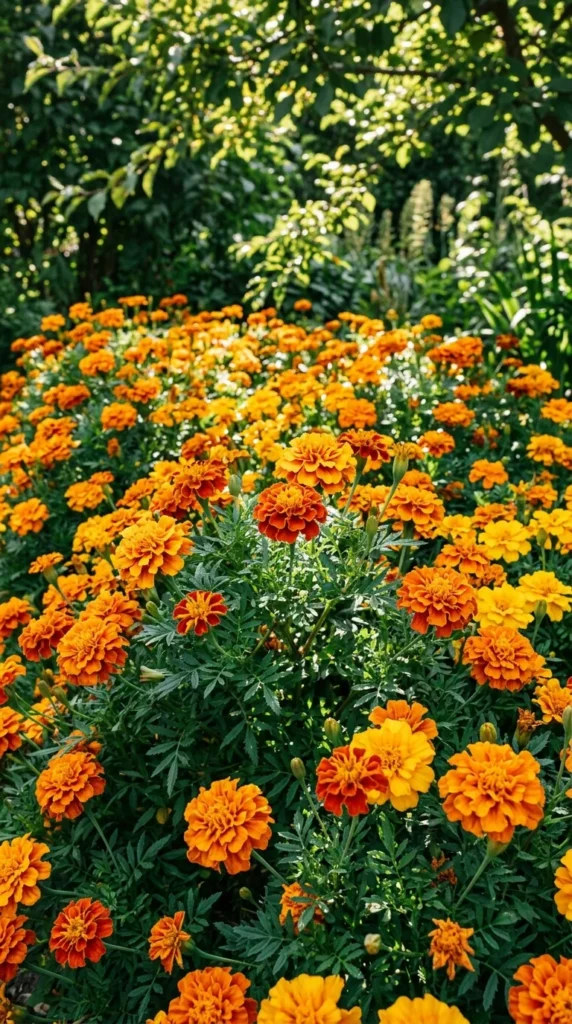
Marigolds are the workhorses of the home garden. Often used as companion plants in vegetable patches, their pungent scent helps deter pests like aphids and nematodes. They are incredibly hardy, tolerating poor soil and intense sun without skipping a beat.
There are two main types: African marigolds (which are taller with larger blooms) and French marigolds (which are smaller and more compact). They are easy to grow from seed or as nursery transplants, providing a reliable gold and copper glow from spring until the first frost.
4. Cosmos
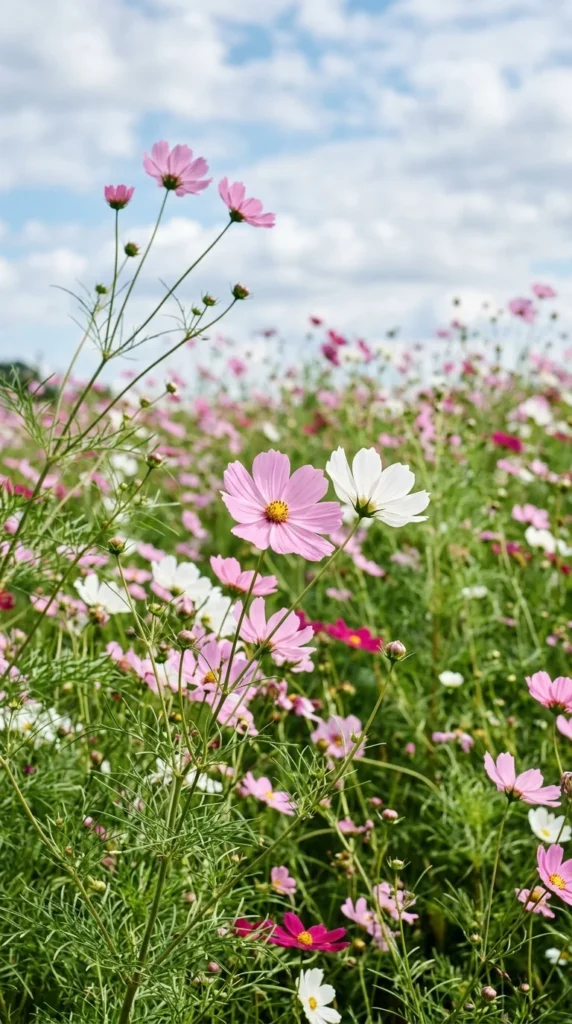
Cosmos are the epitome of “airy elegance.” With their fine, fern-like foliage and daisy-like blooms on tall, slender stems, they add a whimsical feel to any landscape. They are remarkably drought-tolerant and actually prefer soil that isn’t too rich; if the soil is over-fertilized, they may produce more leaves than flowers.
These flowers are perfect for filling in large gaps in a garden bed. They self-seed easily, meaning they often return year after year without any extra work from the gardener.
5. Pansies
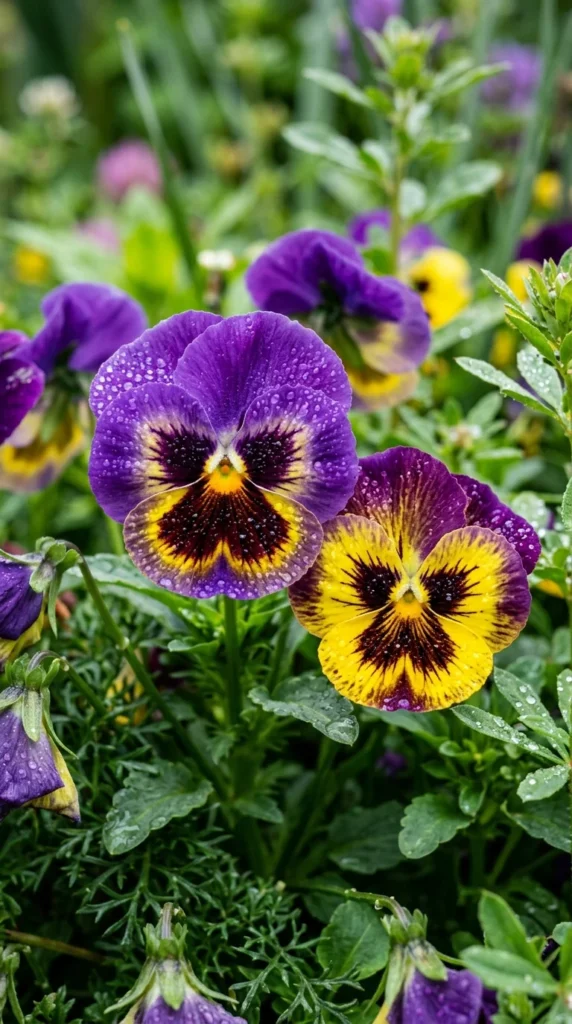
For gardeners who want color during the cooler months, Pansies are the perfect choice. These charming little flowers thrive in the crisp air of spring and autumn. They are famous for their “faces”—the dark blotches in the center of the petals that resemble little expressions.
Pansies are very easy to grow in containers or along the edges of garden beds. While they don’t love the scorching heat of mid-summer, they can often survive a light frost, making them one of the most resilient options for transitional seasons.
6. Nasturtiums
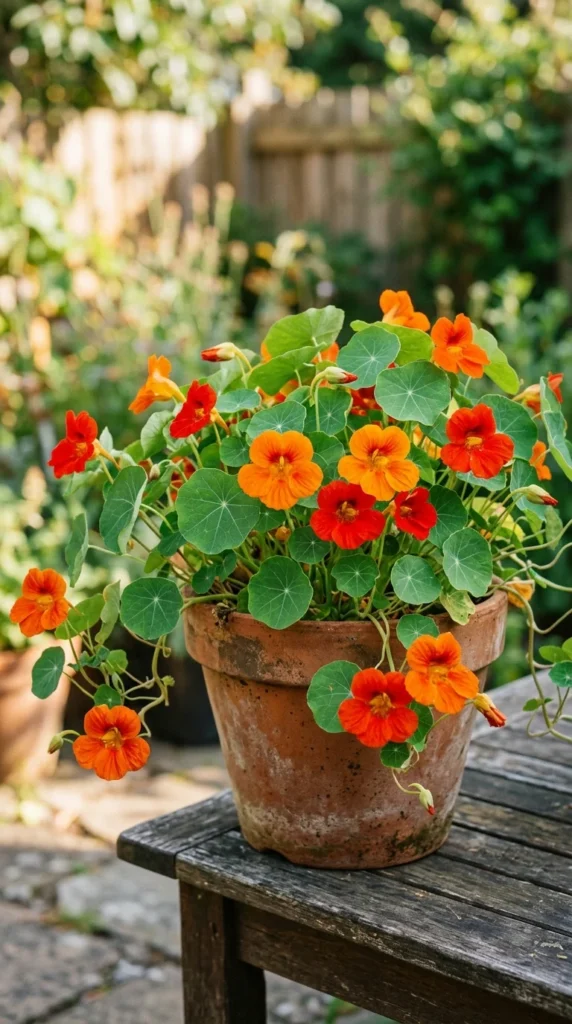
Nasturtiums are unique because every part of the plant is edible, from the peppery leaves to the bright, nectar-filled flowers. They are incredibly fast-growing and come in both “mounding” varieties for borders and “trailing” varieties that look stunning spilling over the edges of hanging baskets.
They actually bloom better in poor soil, so there is no need for fancy fertilizers. Their unique, circular leaves add a different texture to the garden, and they are excellent at attracting beneficial insects like ladybugs.
7. Petunias
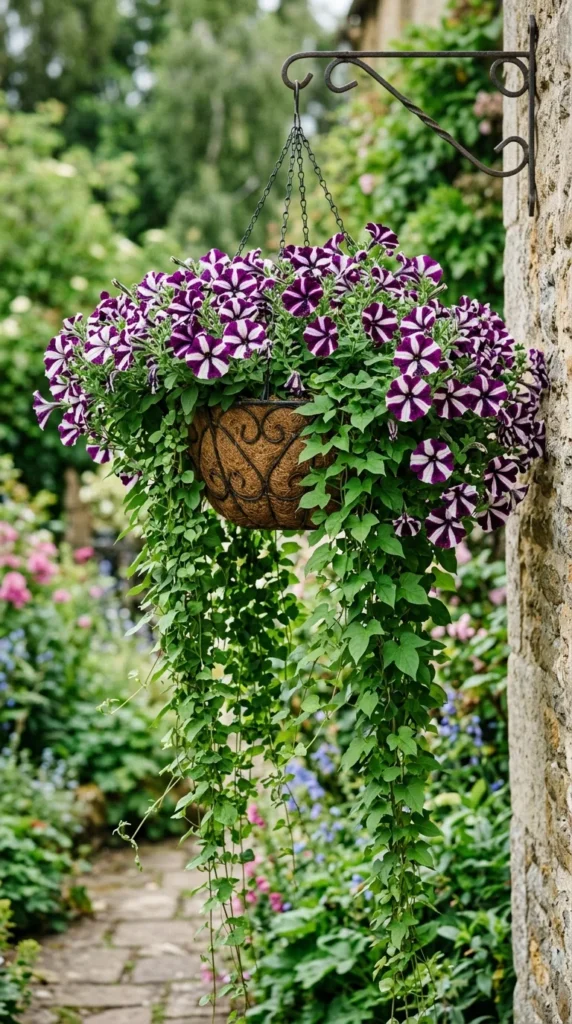
Petunias are a staple of the American garden for a reason. They offer a massive amount of color for months on end. While older varieties required “deadheading” (removing spent blooms), many modern hybrids are “self-cleaning,” meaning they drop their old flowers automatically.
They love full sun and regular watering. If they start to look a bit leggy or tired in the mid-summer heat, a quick trim with garden shears will encourage a fresh flush of growth and even more flowers.
8. Geraniums
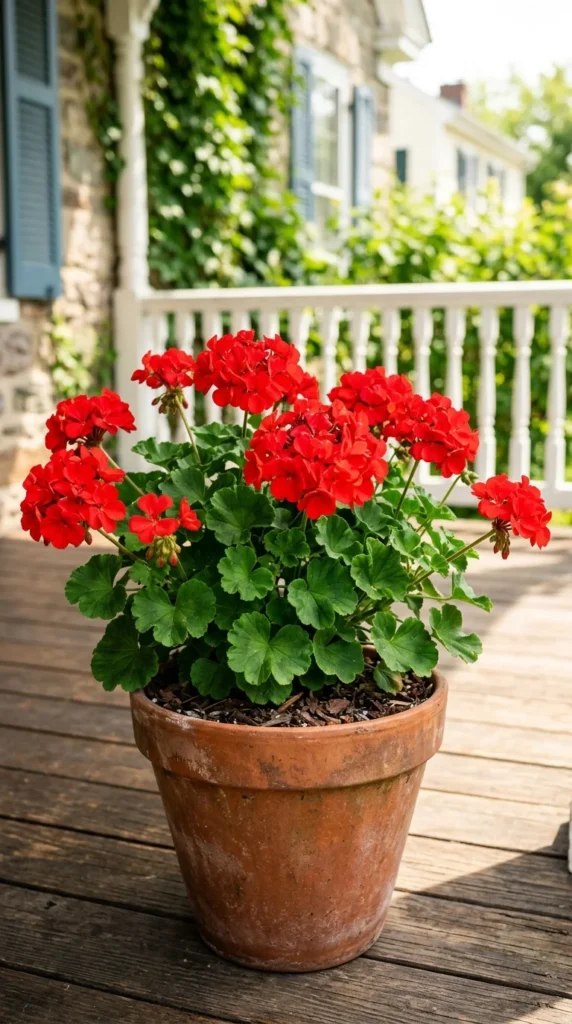
Geraniums (specifically the zonal variety) are the kings of the windowsill and the patio. They are extremely drought-tolerant because of their thick, succulent-like stems that store water. This makes them ideal for gardeners who might occasionally forget to water.
They offer clusters of blooms in shades of red, pink, salmon, and white. As long as they get plenty of sunlight, they will bloom continuously. In colder climates, they can even be brought indoors to overwinter as houseplants.
9. Begonias
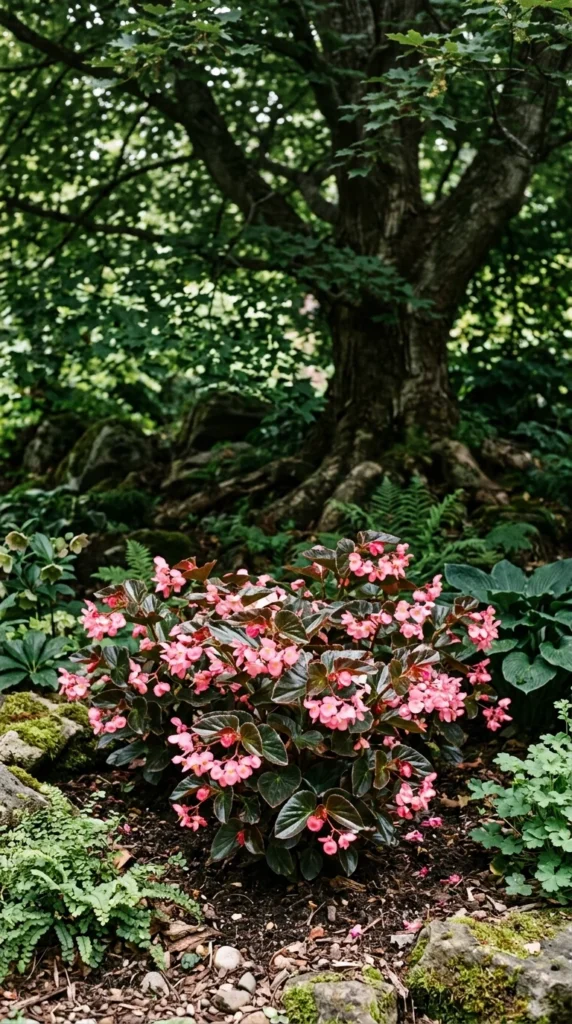
If your garden doesn’t get much direct sunlight, Begonias are your best friend. These shade-loving plants are known for their waxy foliage and delicate, rose-like flowers. They are particularly popular for shady porches and north-facing garden beds.
Begonias are very low-maintenance because they don’t require deadheading and are generally ignored by most pests. They come in varieties with green leaves or striking bronze leaves, providing visual interest even when the flowers aren’t in peak bloom.
10. Snapdragons
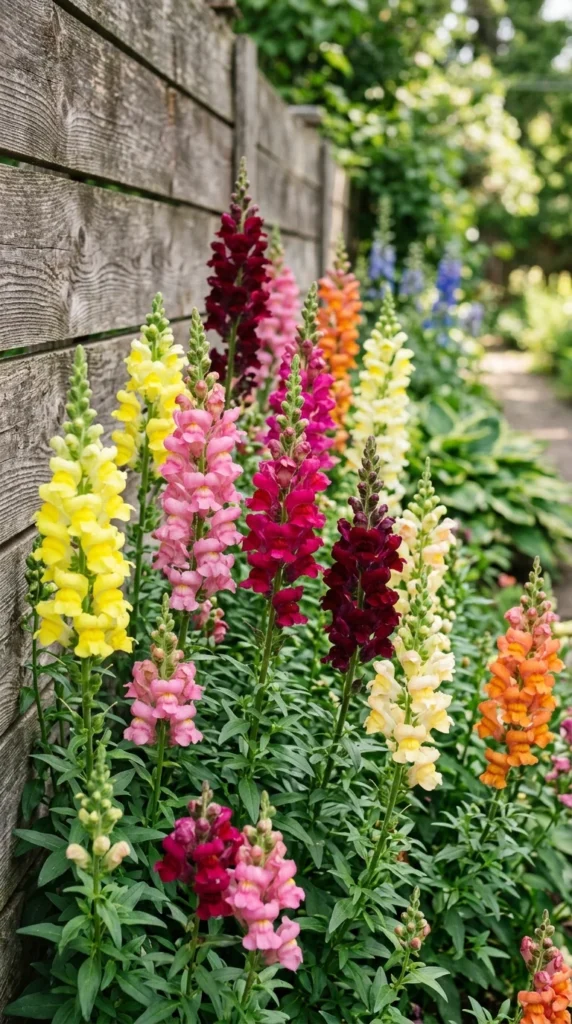
Snapdragons add much-needed vertical interest to a garden. Their unique flower shape—which looks like a dragon’s mouth that “snaps” open when squeezed—is a favorite for children and adults alike.
These are “cool-season” annuals, meaning they look their best in the spring and fall. They come in tall varieties that are great for the back of a flower bed and dwarf varieties that stay close to the ground. They are also excellent for attracting bumblebees, which are strong enough to push inside the “mouth” of the flower.
11. Sweet Peas
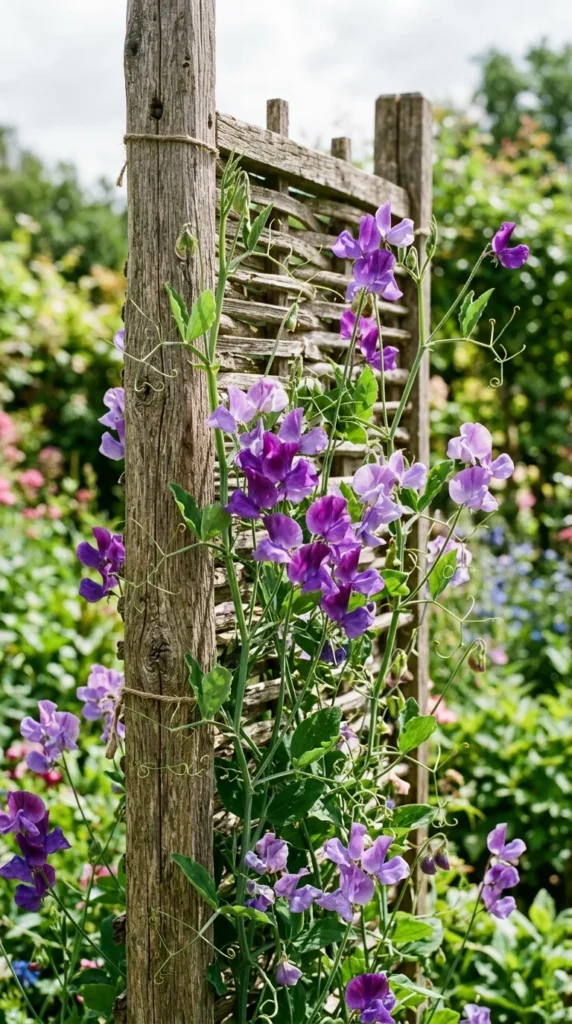
Sweet peas are prized for two things: their incredible fragrance and their romantic, ruffled appearance. They are climbing plants that require a trellis or a fence to grow up, making them perfect for adding height to a garden.
They should be planted early in the spring as they prefer cool weather. The more you pick the flowers, the more they will grow, filling your home with an aroma that is often described as a mix of honey and orange blossom.
12. Coneflowers (Echinacea)
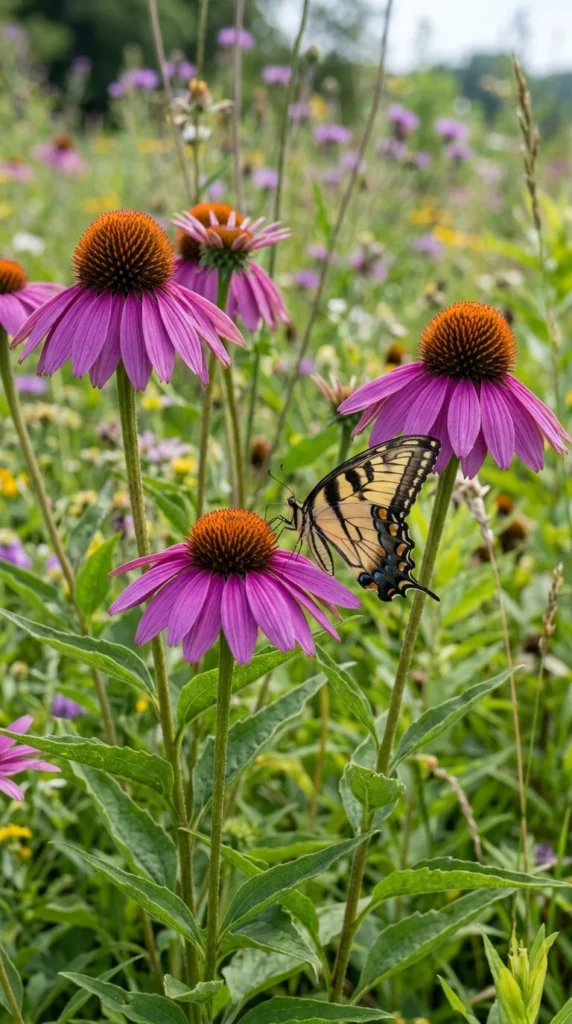
For a perennial that returns year after year with almost zero effort, look no further than the Coneflower. These native prairie plants are tough as nails, handling heat, drought, and poor soil with ease.
The classic variety is purple, but modern breeding has introduced shades of orange, yellow, and white. They have a distinct “cone” in the center that stays attractive even after the petals have fallen off, providing winter interest and seeds for birds.
13. Black-Eyed Susans
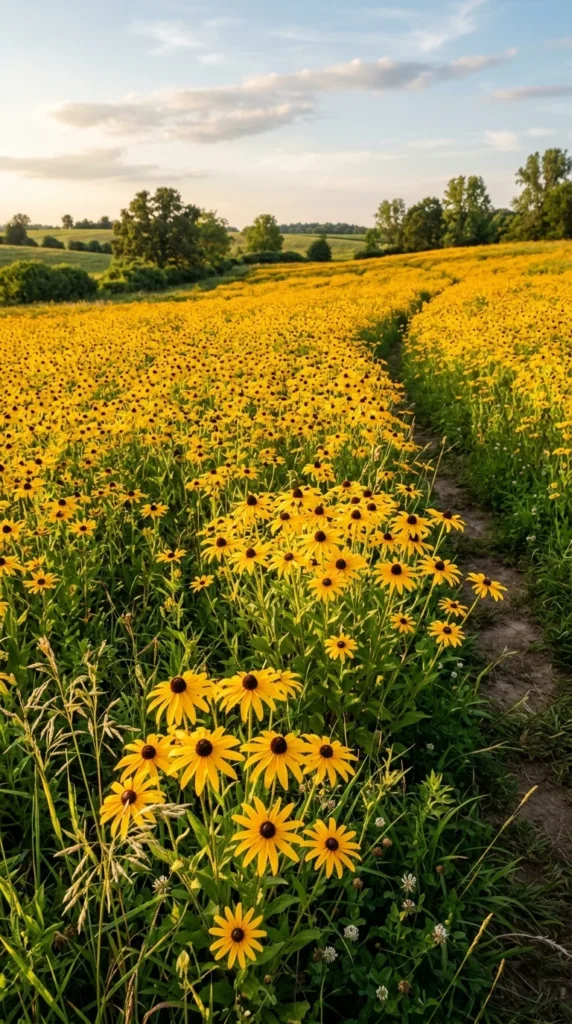
Black-Eyed Susans (Rudbeckia) are the quintessential summer wildflower. Their bright yellow petals and dark centers create a bold contrast that can be seen from a distance. They are remarkably resilient and can spread quickly, filling in bare spots in your garden.
They are rarely bothered by deer or rabbits and are incredibly drought-tolerant. Whether planted in a formal bed or a wild meadow style, they provide a reliable burst of sunshine from mid-summer through autumn.
14. Daylilies
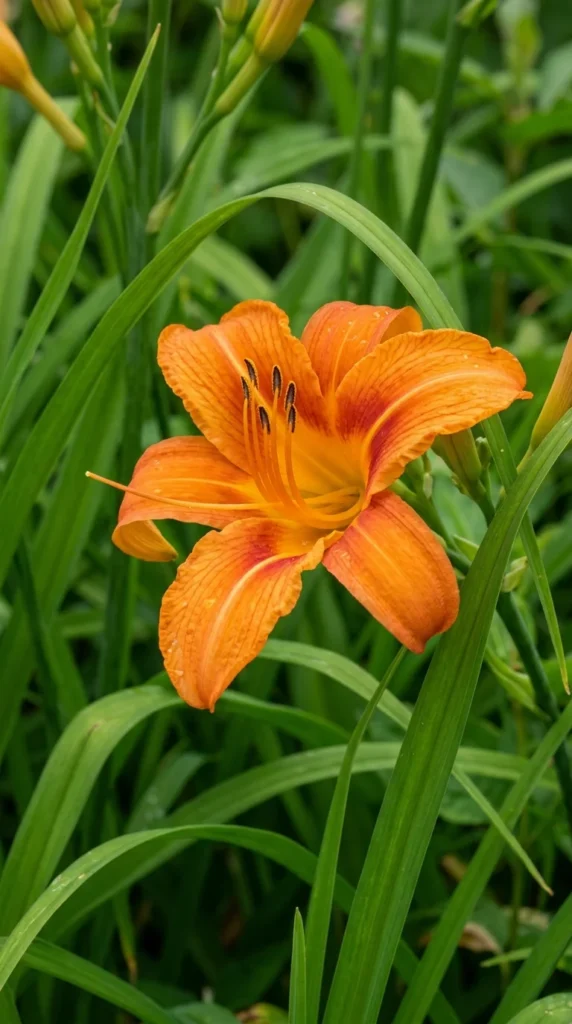
Daylilies are often called “the perfect perennial.” They are so hardy that they are frequently seen growing in ditches or abandoned lots. Each individual flower only lasts for a day (hence the name), but each plant produces so many buds that they stay in bloom for weeks.
They can grow in almost any soil type and are excellent for erosion control on slopes. With thousands of varieties available, you can find them in almost every color and size imaginable.
15. Lavender
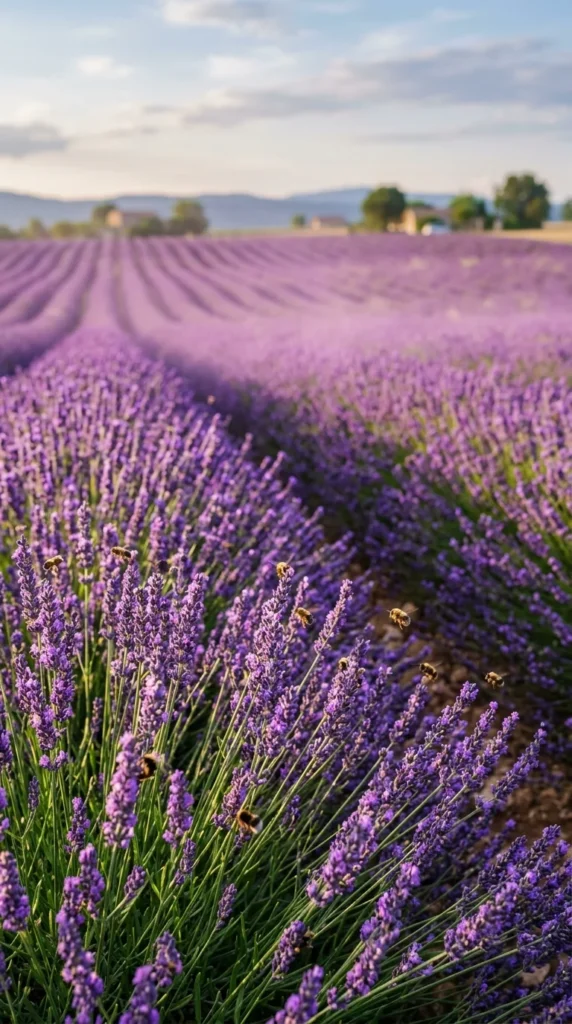
Lavender is a “must-have” for any garden focused on relaxation and fragrance. While it requires well-drained soil and plenty of sun, once established, it is one of the most drought-tolerant plants you can grow.
Its silvery-green foliage remains attractive all year, and its purple spikes are iconic. Beyond its beauty, lavender can be harvested and dried for use in sachets, teas, or even homemade soaps, bringing the essence of your garden into your home long after the growing season ends.
Tips for Garden Success
- Watch the Light: Before planting, observe your garden for a full day. Some plants need “Full Sun” (6+ hours), while others prefer “Part Shade.”
- Soil Matters: Even “easy” flowers benefit from a little compost mixed into the dirt before planting.
- Water Wisely: It’s better to water deeply and less often than to give plants a shallow sprinkle every day. This encourages deep root growth.
- Mulch: A layer of bark or straw around your plants helps keep moisture in the soil and prevents weeds from taking over.
- Enjoy the Process: Gardening is a journey. Not every plant will thrive every year, and that’s okay. Every “failure” is just a lesson for next season!