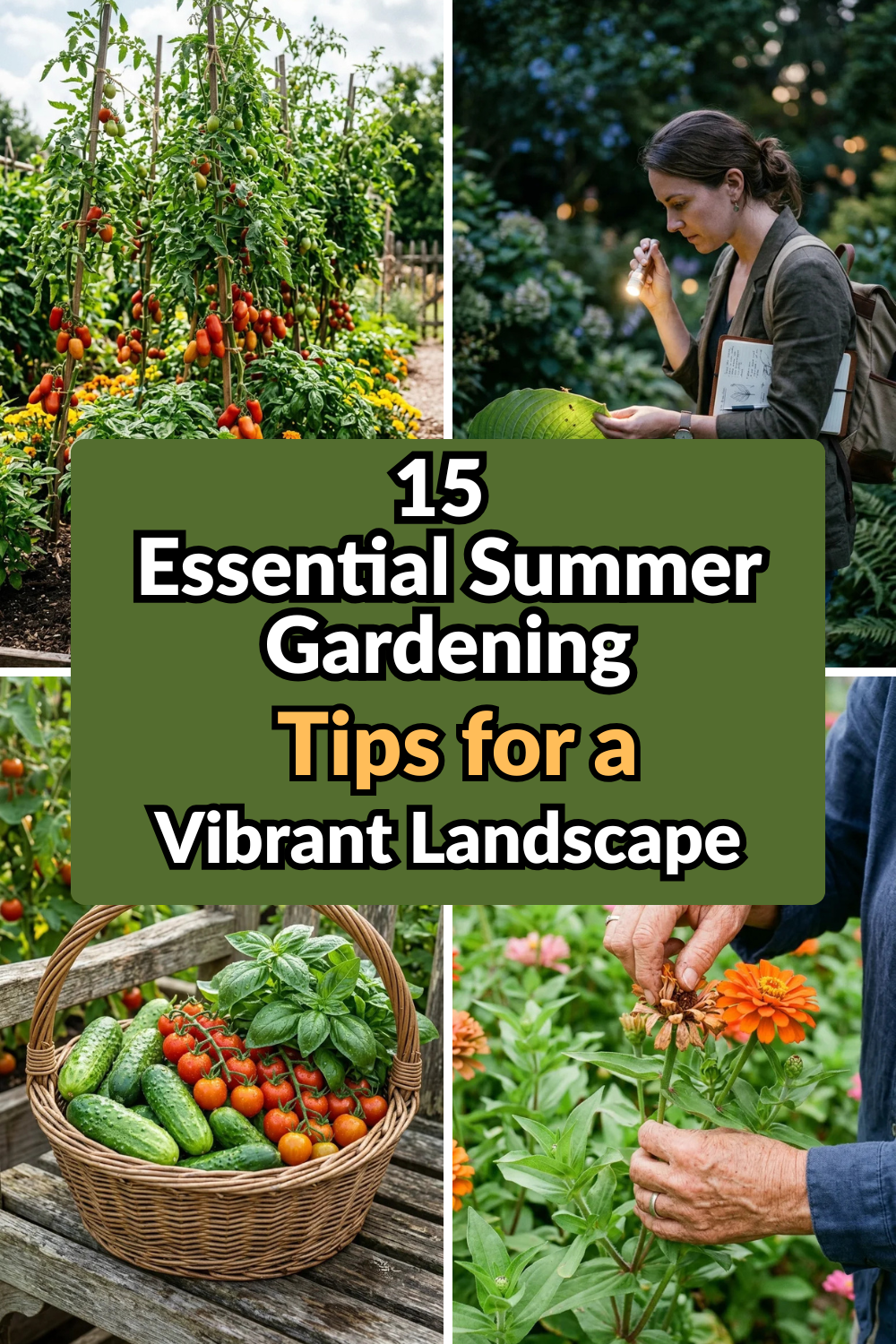
As the mercury rises and the days stretch into long, balmy evenings, the garden becomes the heart of the home. However, the summer heat also brings unique challenges—scorching sun, sudden droughts, and an explosion of pests. To keep your botanical sanctuary thriving during the peak of the season, you need a strategy that goes beyond simple watering. Maintaining a beautiful summer garden is an art form that balances hydration, nutrition, and protection.
1. Deep Watering
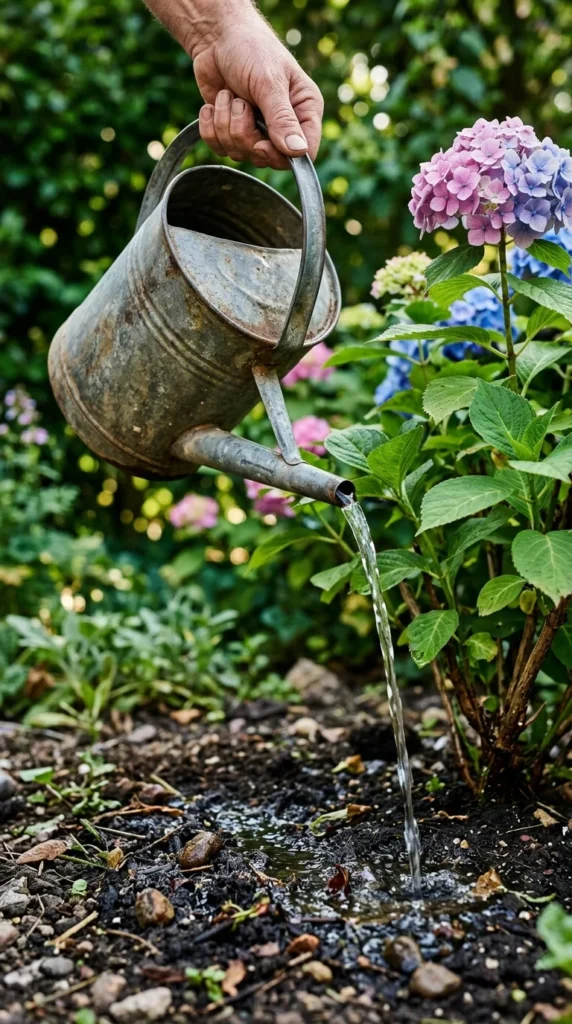
Surface watering is one of the most common mistakes gardeners make during the summer. Lightly sprinkling the leaves every day encourages shallow root growth, making plants more vulnerable to heatwaves. Instead, focus on “low and slow” watering. Direct the hose or watering can at the base of the plant to ensure the moisture reaches the deep root zones. Deep watering encourages roots to grow further into the ground, where the soil stays cooler and retains moisture longer. Aim for at least one inch of water per week, ideally delivered in two or three deep soaking sessions.
2. Organic Mulch
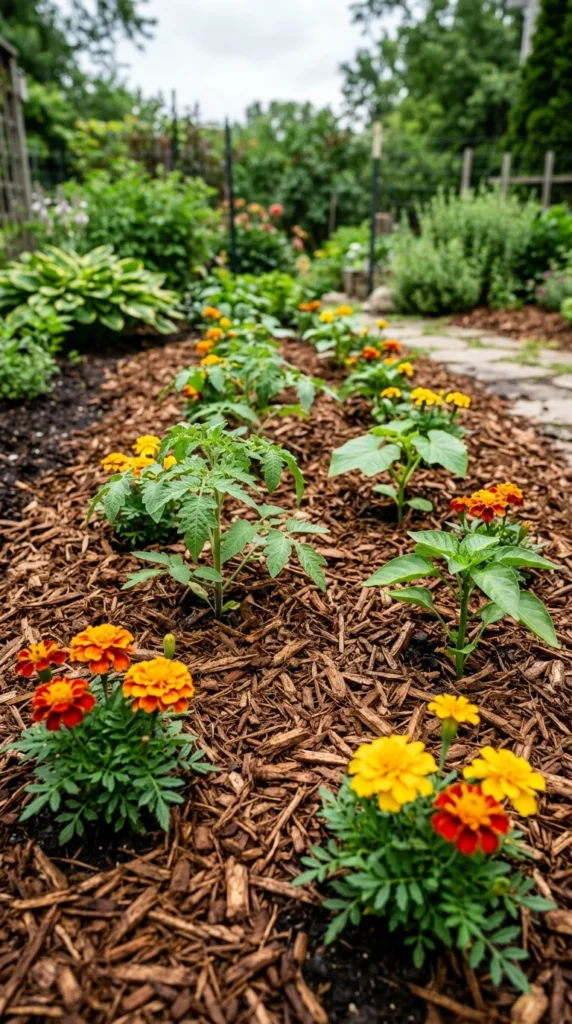
Think of mulch as a protective blanket for your soil. During the summer, bare soil can reach temperatures high enough to damage delicate root systems. Applying a two-to-three-inch layer of organic mulch—such as shredded bark, straw, or compost—serves multiple purposes. It significantly reduces evaporation, keeping the soil moist for longer periods. It also suppresses weed growth and, as it breaks down, contributes valuable organic matter back into the earth. Be careful not to “volcano mulch” by piling it against the trunks of trees or stems of plants, as this can trap moisture and cause rot.
3. Dawn Harvesting
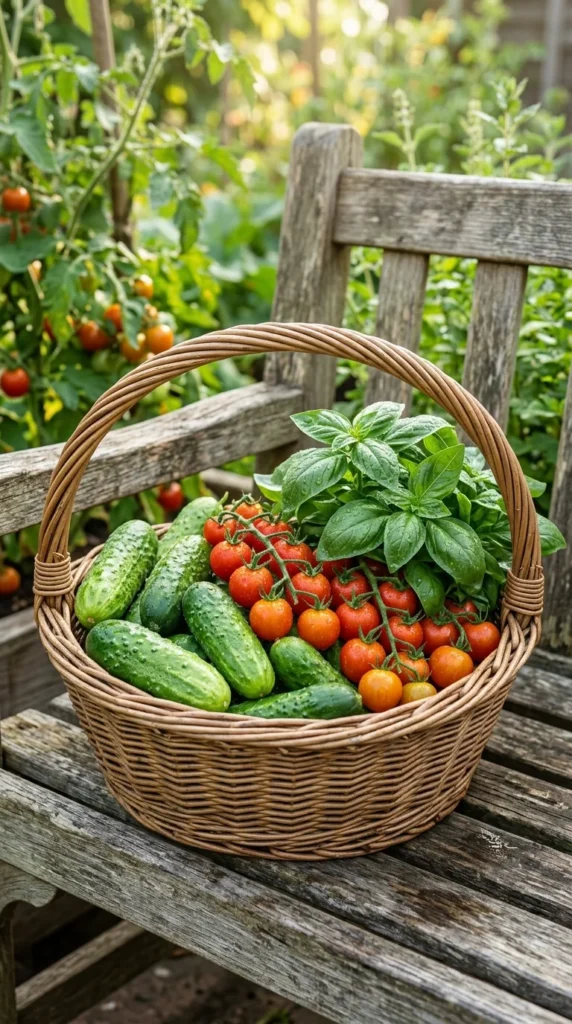
If you are growing vegetables or herbs, timing is everything. The best time to harvest is in the early morning, just as the sun is rising. At this time, plants are fully hydrated after the cool night, and their sugar content is at its peak. Vegetables harvested in the heat of the midday sun are often wilted and lose their crispness quickly. Furthermore, picking fruit and vegetables regularly signals the plant to continue producing, extending your harvest well into the late summer and autumn months.
4. Selective Pruning
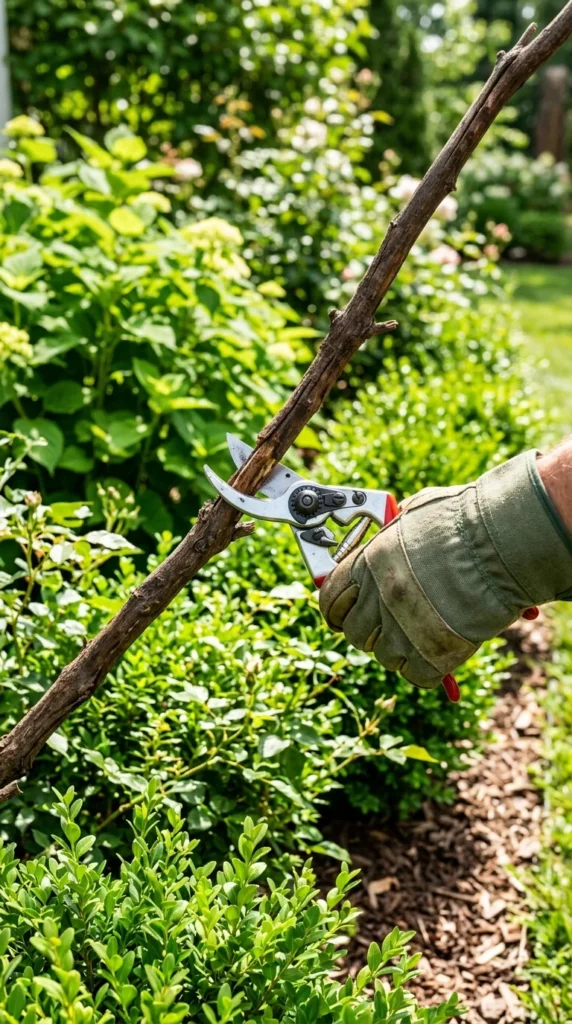
Summer pruning is less about structural shaping and more about maintenance. Focus on the “Three Ds”: dead, damaged, and diseased wood. Removing these parts of the plant prevents pests and fungi from taking hold. Additionally, thinning out dense foliage can improve airflow through the center of the plant, which is crucial for preventing powdery mildew and other heat-loving diseases. For flowering shrubs that bloom in the spring, summer is the perfect time to prune them back to ensure a bounty of buds for the following year.
5. Nutrient Boost
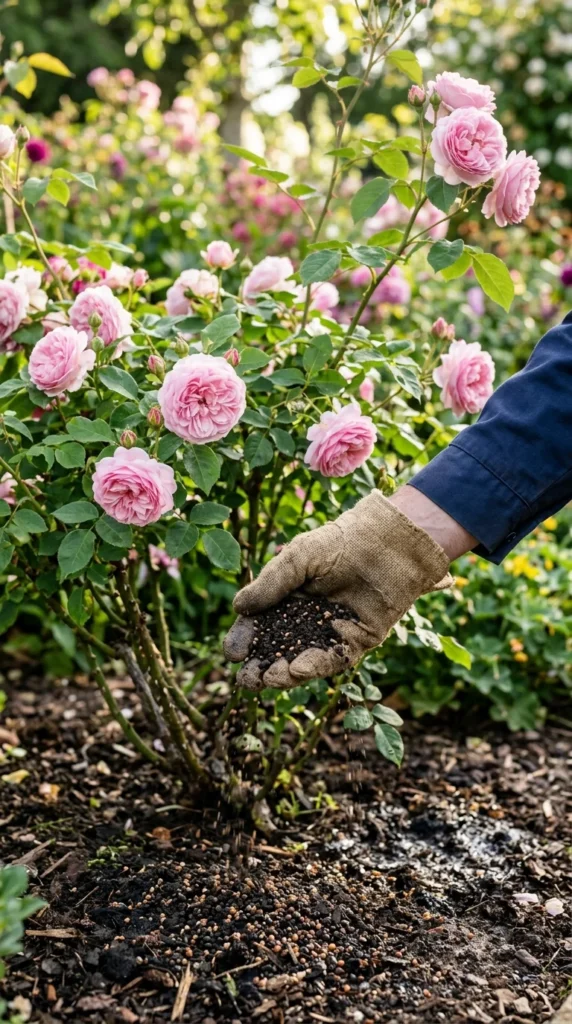
Plants are at their most active during the summer, which means they are consuming nutrients at an accelerated rate. However, you must be careful with fertilization during extreme heat. High-nitrogen fertilizers can cause a flush of new, tender growth that is easily scorched by the sun. Use a balanced, slow-release organic fertilizer or a diluted liquid seaweed extract to provide a steady supply of micronutrients. Always water your plants thoroughly before and after fertilizing to prevent “root burn” and to help the nutrients move down into the soil.
6. Natural Pesticides
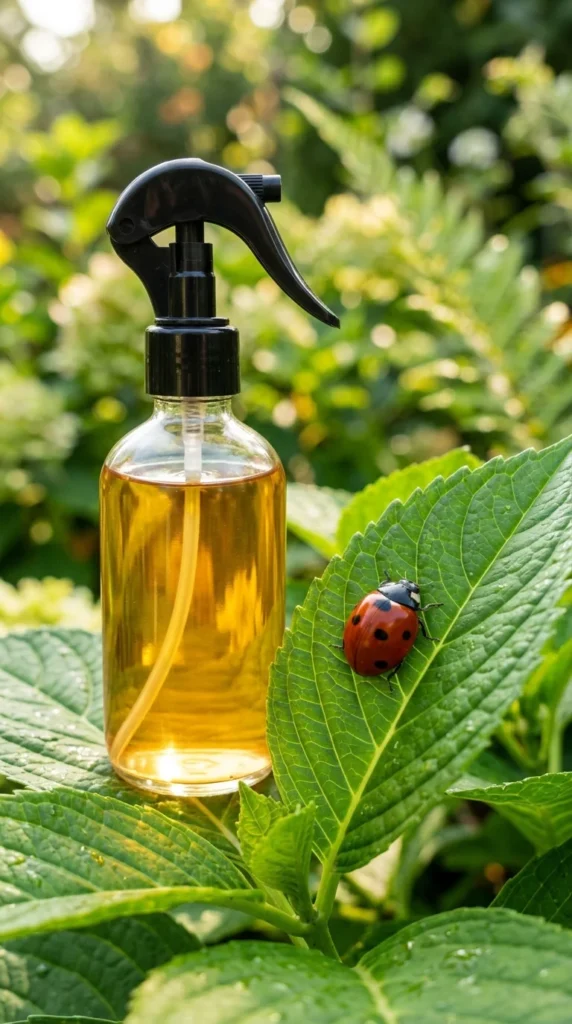
Pest populations explode in the warmth of summer. Aphids, spider mites, and Japanese beetles can decimate a garden in days. Instead of reaching for harsh chemicals that kill beneficial pollinators like bees and butterflies, opt for natural solutions. Neem oil, insecticidal soaps, and even a strong blast of water from the hose can manage most infestations. Encouraging biodiversity by planting nectar-rich flowers will also attract natural predators like ladybugs and lacewings, which act as a living defense system for your plants.
7. Shade Cloths
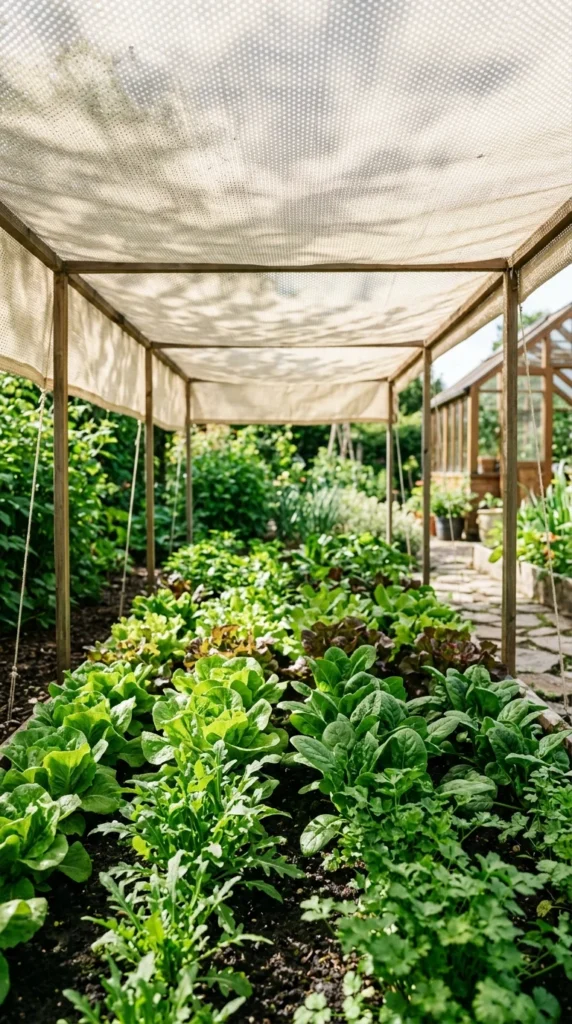
In regions where temperatures regularly exceed 90°F (32°C), even sun-loving plants can experience heat stress. Symptoms include wilted leaves that don’t recover at night, blossom drop in tomatoes, and “bolting” in leafy greens. Utilizing shade cloths that block 30% to 50% of UV rays can lower the temperature around your plants by several degrees. These can be draped over hoops or temporary frames. If you have potted plants, moving them to a porch or under the canopy of a tree during the hottest part of the day can save them from terminal wilting.
8. Plant Spacing
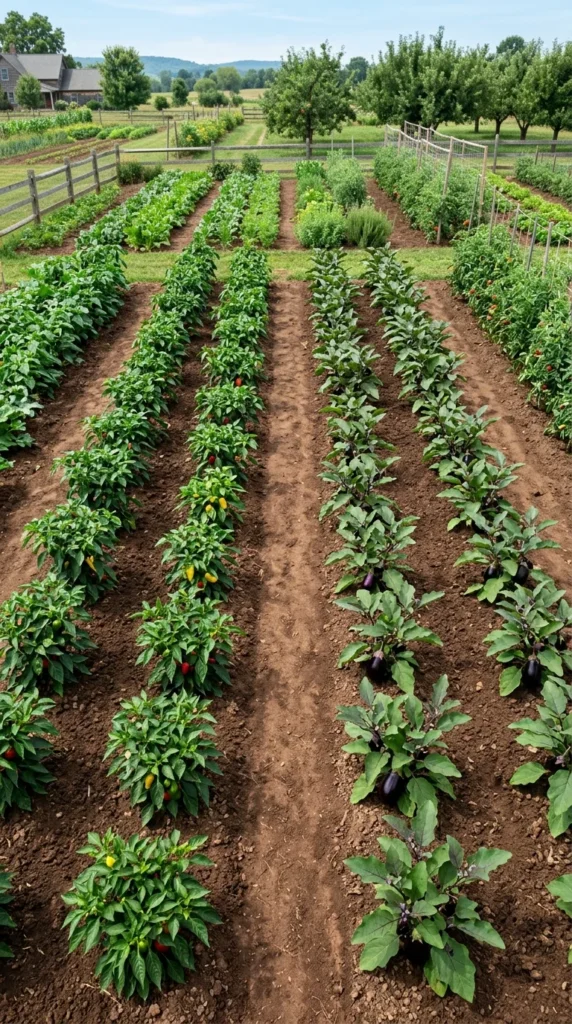
Airflow is your best friend during the humid months of summer. When plants are crowded together, moisture gets trapped between the leaves, creating a breeding ground for fungal spores. When planning your summer garden or thinning out seedlings, strictly follow the spacing recommendations on seed packets. If your garden is already established and looking a bit crowded, don’t be afraid to pull a few plants or prune back overlapping branches to ensure that a breeze can move through the entire bed.
9. Container Hydration
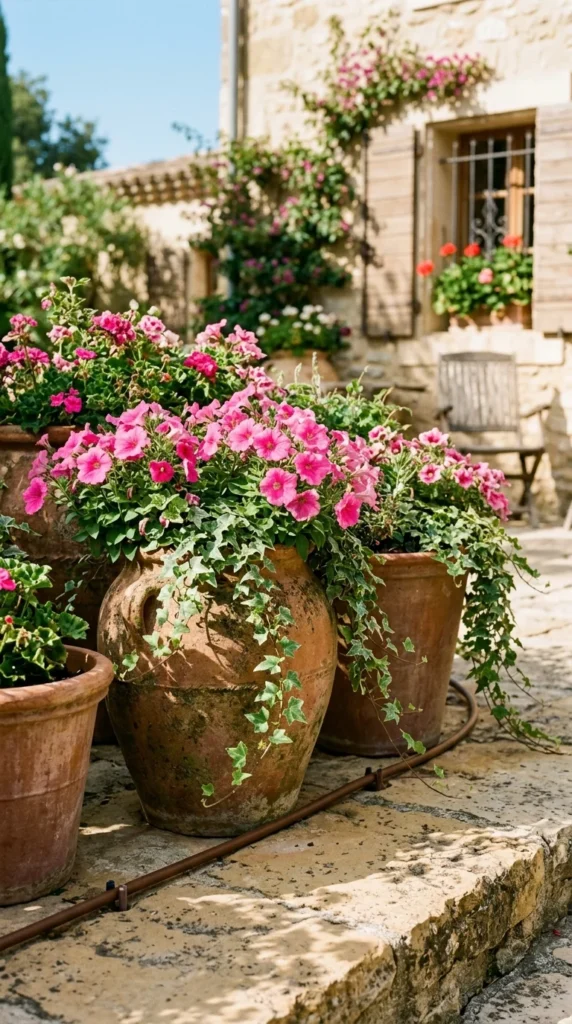
Plants in containers are much more susceptible to the elements than those in the ground. Terracotta pots, in particular, are porous and allow moisture to evaporate through the sides. During a heatwave, container plants may need watering twice a day—once in the morning and once in the evening. To help retain moisture, consider using “pot-in-pot” methods (placing a smaller pot inside a larger one with moss in between) or using self-watering planters with built-in reservoirs. Adding water-retaining crystals to the potting mix can also provide a safety net during dry spells.
10. Lawn Elevation
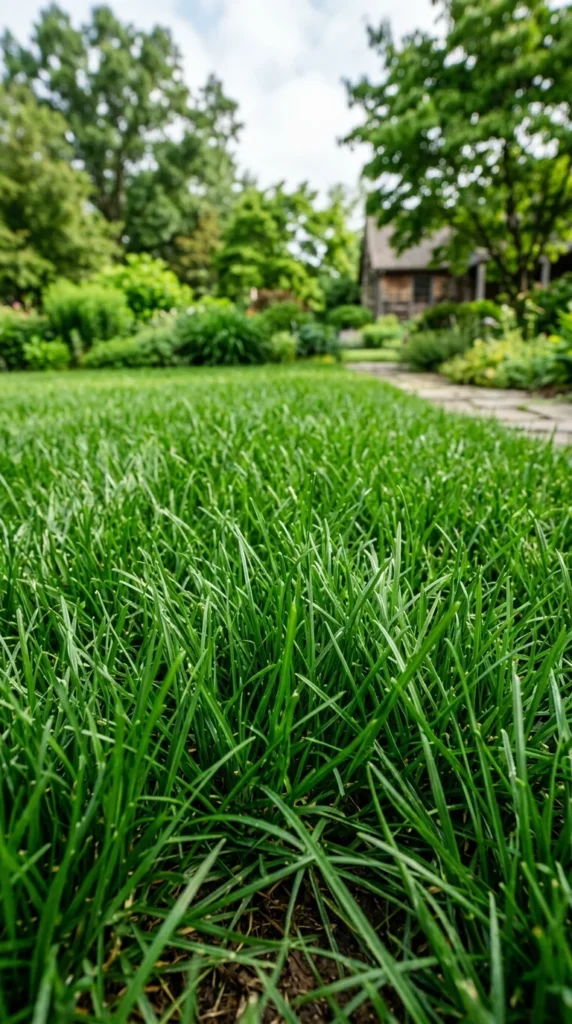
If you have a lawn, summer is the time to raise the blade on your mower. Cutting grass too short during the summer exposes the soil and the delicate crowns of the grass plants to the direct sun, leading to browning and weed invasion. Keeping your grass at a height of 3 to 4 inches allows the blades to shade the soil, keeping the roots cool and reducing the need for supplemental watering. Longer grass also develops a deeper root system, making your lawn more drought-tolerant.
11. Deadheading Flowers
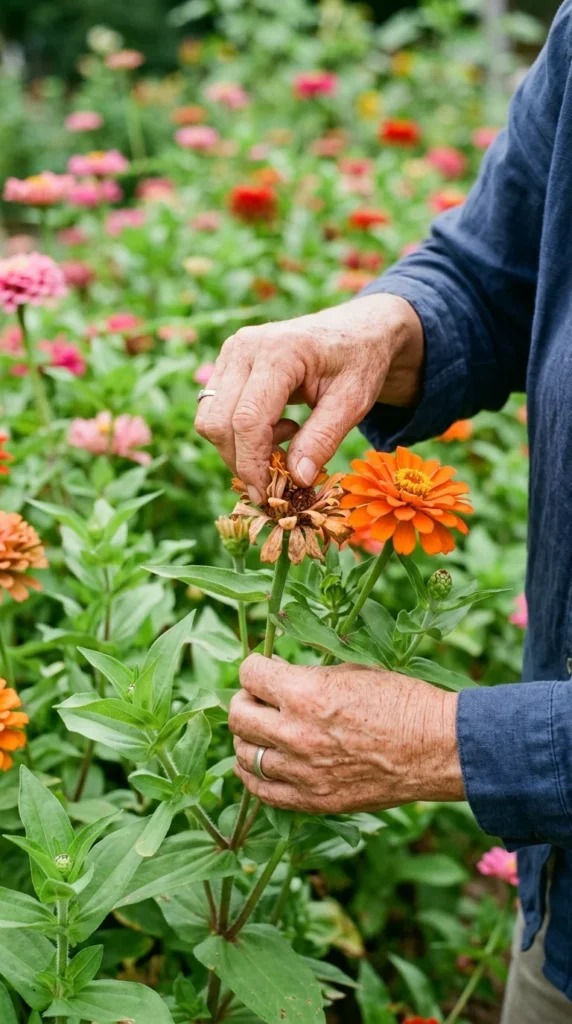
Deadheading is the process of removing spent blooms before they have a chance to go to seed. When a plant starts producing seeds, it shifts its energy away from flower production. By removing the old flowers, you “trick” the plant into thinking its job isn’t done yet, prompting it to produce another flush of blooms. This is particularly effective for summer favorites like marigolds, zinnias, cosmos, and roses. It keeps the garden looking tidy and ensures a continuous display of color until the first frost.
12. Weed Management
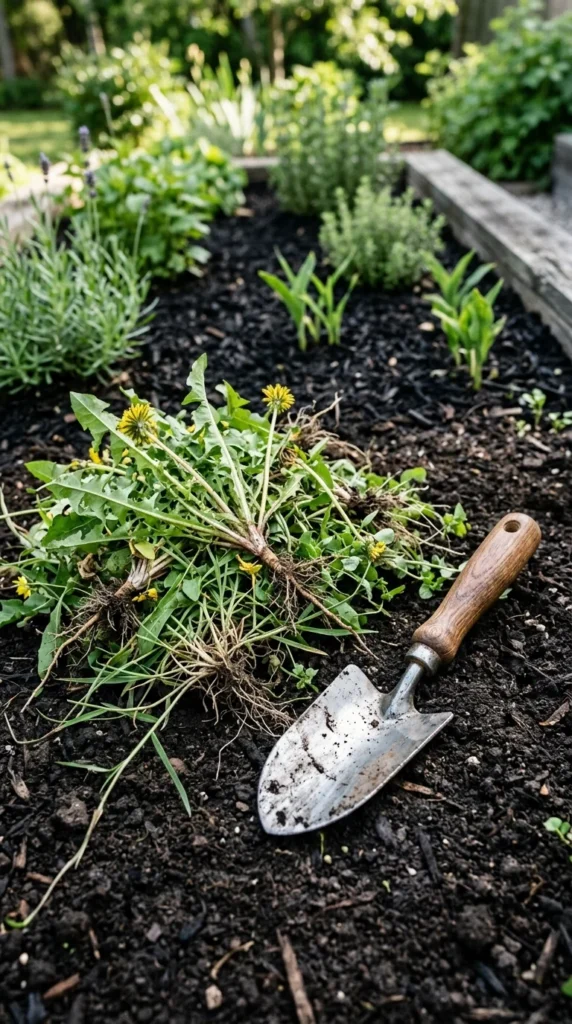
Weeds are the ultimate opportunists. In the summer, they compete aggressively with your chosen plants for every drop of water and every bit of nutrient in the soil. Furthermore, many weeds act as hosts for pests and diseases. Spend ten minutes every morning or evening pulling small weeds before they have a chance to establish deep taproots or set seed. Removing them when they are small is much easier and less disruptive to the root systems of your ornamental and edible plants.
13. Olla Irrigation
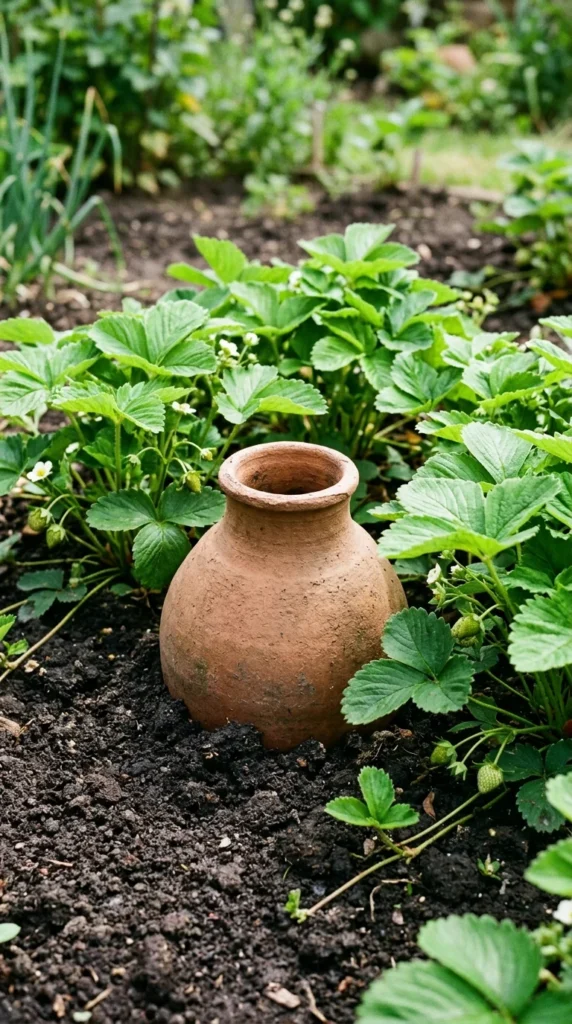
One of the most efficient ways to water during a dry summer is an ancient technique using “ollas.” An olla is an unglazed ceramic jar that is buried in the soil and filled with water. Because the clay is porous, the water slowly seeps out through the walls of the jar directly into the soil as the plants need it. This creates a constant, localized moisture zone and eliminates the water waste associated with evaporation or runoff. It is an excellent solution for raised beds and high-value plants like tomatoes or squash.
14. Companion Herbs
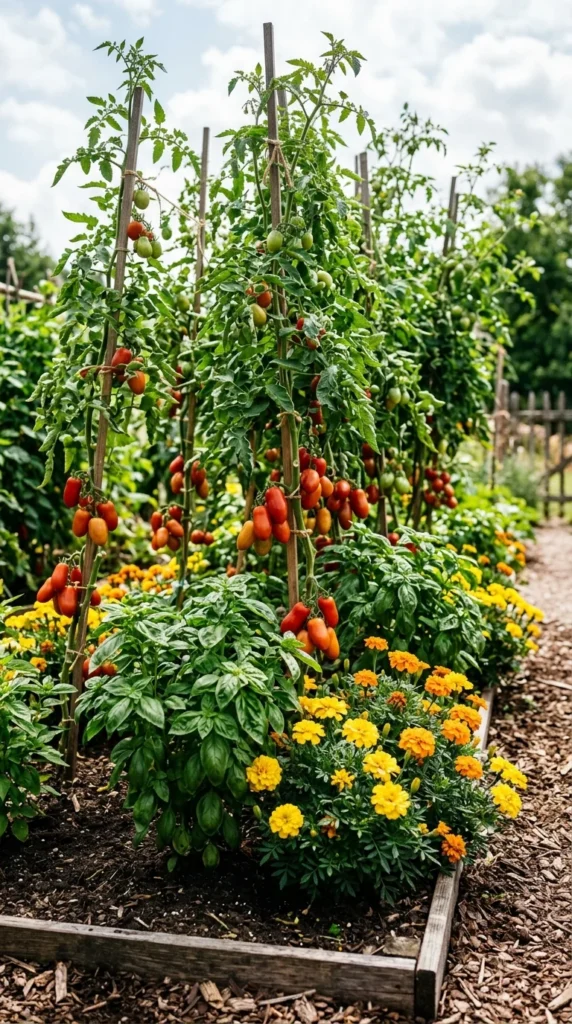
Strategic planting can help your garden protect itself. Certain herbs and flowers act as natural deterrents for pests. Marigolds, for instance, release a scent that wards off nematodes and whiteflies, while basil can improve the flavor of nearby tomatoes and deter thrips. Planting aromatic herbs like rosemary, thyme, and mint around the perimeter of your garden can mask the scent of your vegetables from wandering pests. Additionally, these flowering herbs attract pollinators, ensuring that your fruiting crops are well-fertilized.
15. Evening Observation
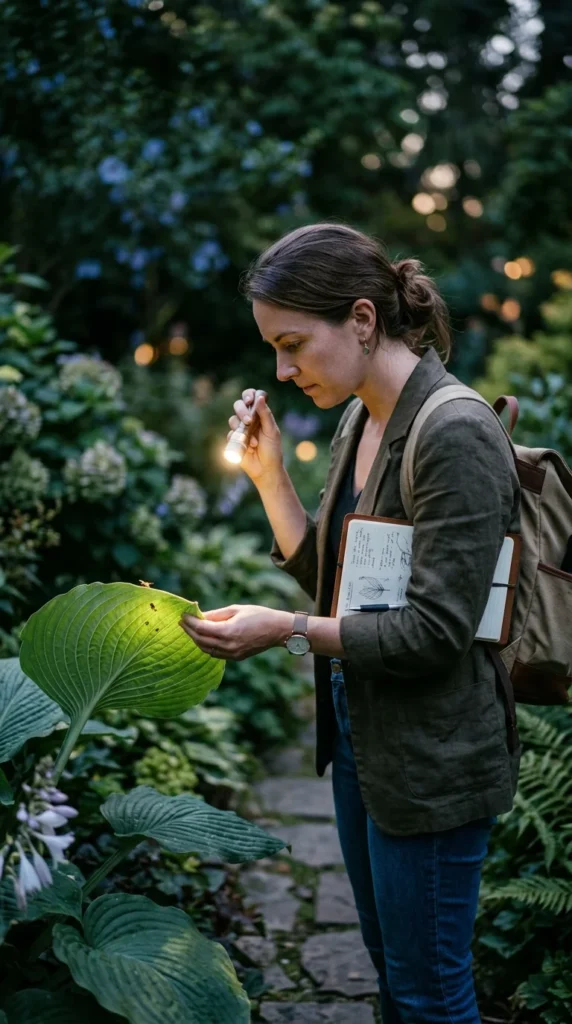
The best tool a gardener has is their own eyes. Make it a habit to walk through your garden in the evening as the temperature drops. This is the best time to spot the early signs of stress or pest activity that might be missed in the glare of the noon sun. Check the undersides of leaves for eggs, look for the silver trails of slugs, and observe which plants are drooping. Catching a problem early—whether it’s a localized infestation of aphids or a clogged irrigation emitter—can be the difference between a minor fix and losing a plant entirely.