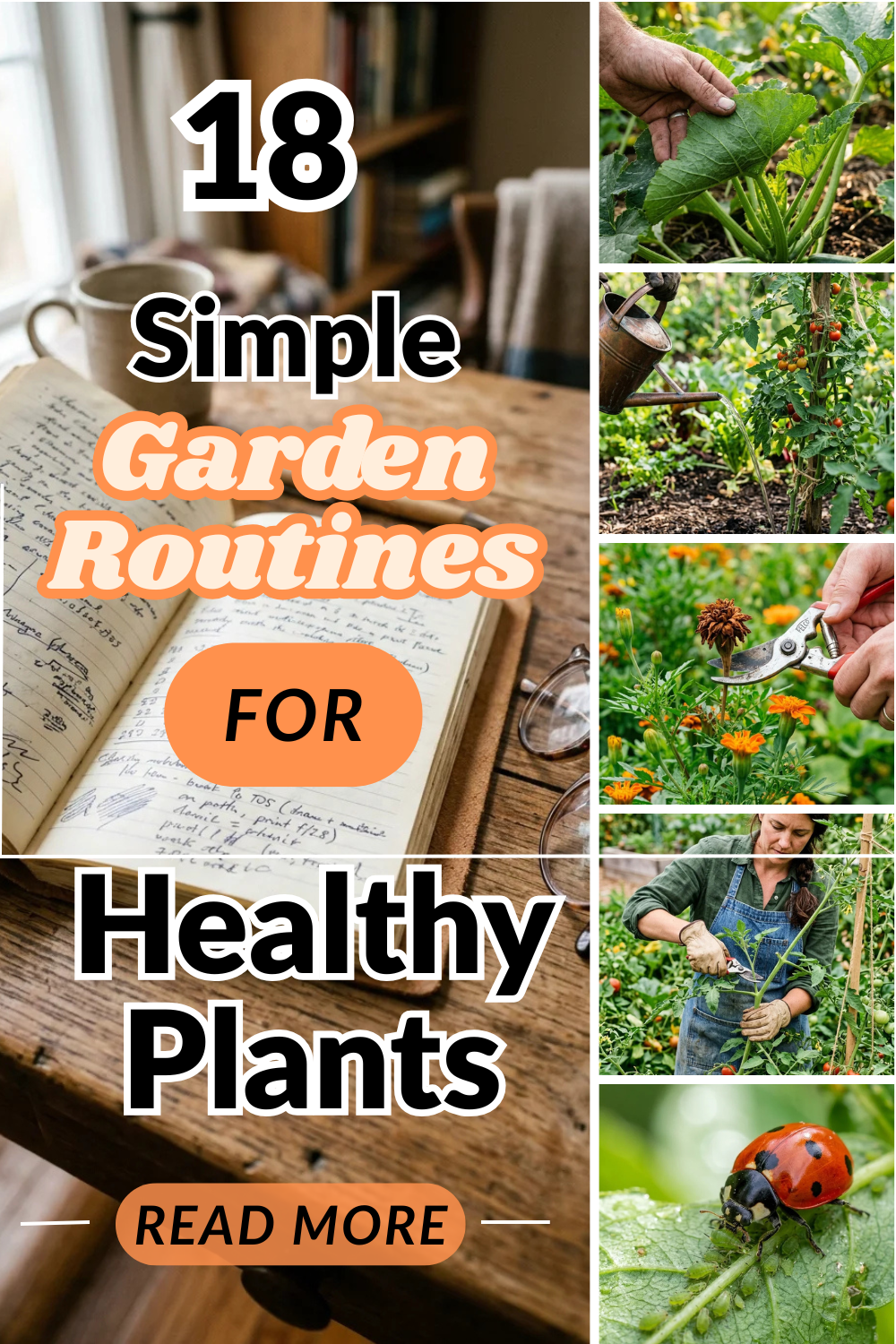
Creating a thriving garden isn’t about grand gestures or expensive equipment; it is about the quiet, consistent rhythms you establish with your soil and sprouts. A garden is a living, breathing ecosystem that responds more to a gardener’s shadow than to an occasional heavy-handed intervention. By integrating these eighteen simple routines into your weekly schedule, you transform gardening from a chore into a restorative practice that results in a lush, resilient landscape.
1. Morning Observation
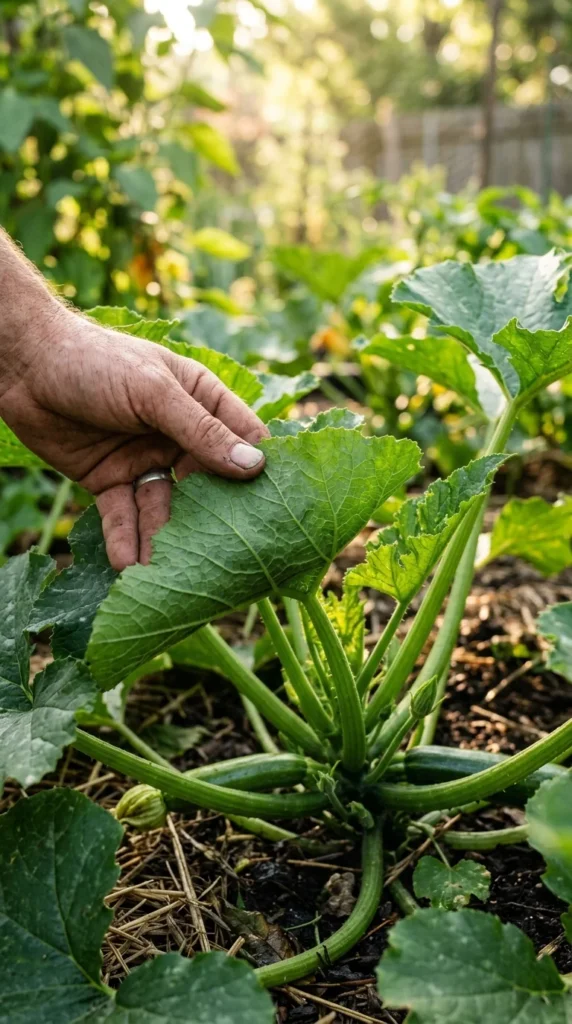
The most important routine you can establish is the “morning walk.” Before the heat of the day sets in and the pressures of life take over, spend ten minutes walking through your garden with a cup of coffee or tea. This isn’t the time for work; it is the time for observation. Look for the subtle changes: the first curl of a new vine, the slight yellowing of a lower leaf, or the emergence of a new pest. This early detection is the secret weapon of master gardeners, allowing you to catch problems when they are tiny and easily managed rather than waiting until they become infestations.
2. Deep Hydration
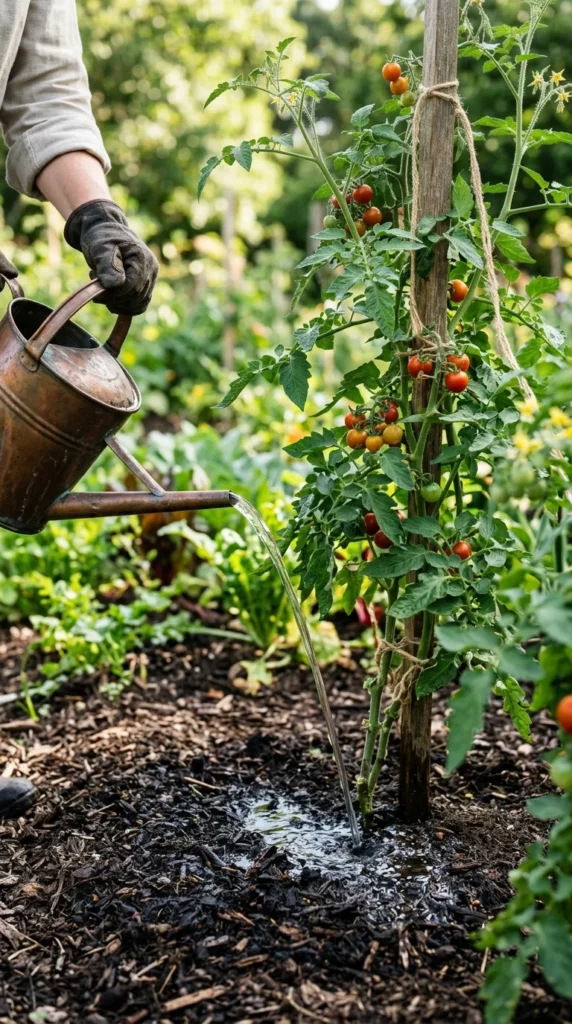
Watering should be intentional, not just a quick spray. Developing a routine of deep watering encourages roots to grow downward into the cooler, moisture-retaining layers of the soil. Instead of daily light sprinkles, give your plants a long, slow soak two or three times a week. This builds drought resistance. Always aim your water at the base of the plant; keeping the foliage dry is the first line of defense against fungal diseases like powdery mildew and blight.
3. Mulch Maintenance
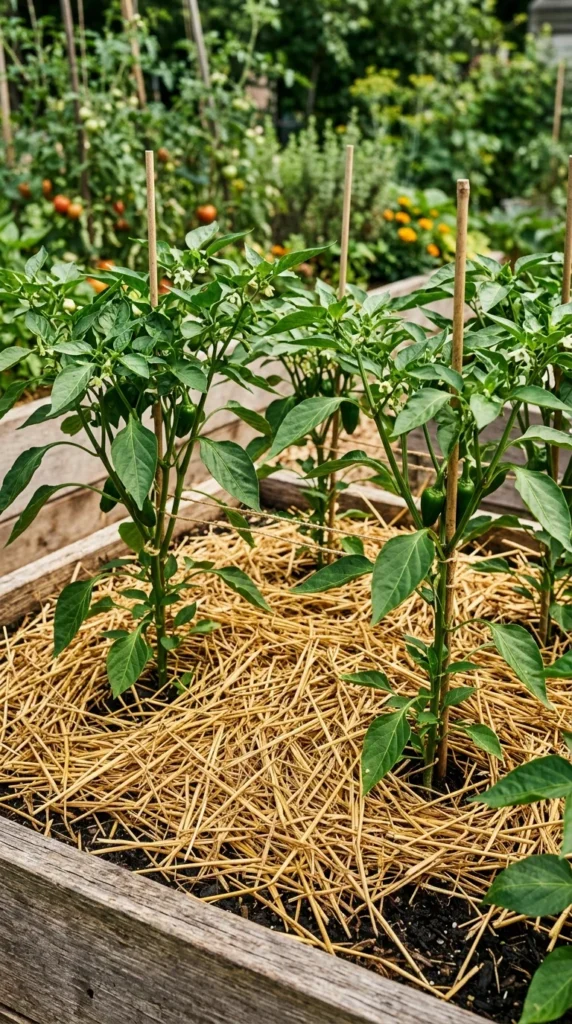
Think of mulch as your garden’s skin. A routine check of your mulch levels ensures your soil stays protected from the scorching sun and heavy erosion. Once a week, check for bare spots where the soil is exposed. Aim for a consistent two-to-three-inch layer of organic matter—such as shredded leaves, straw, or wood chips. This layer suppresses weeds, regulates soil temperature, and slowly breaks down to feed the microorganisms living beneath the surface.
4. Flower Deadheading
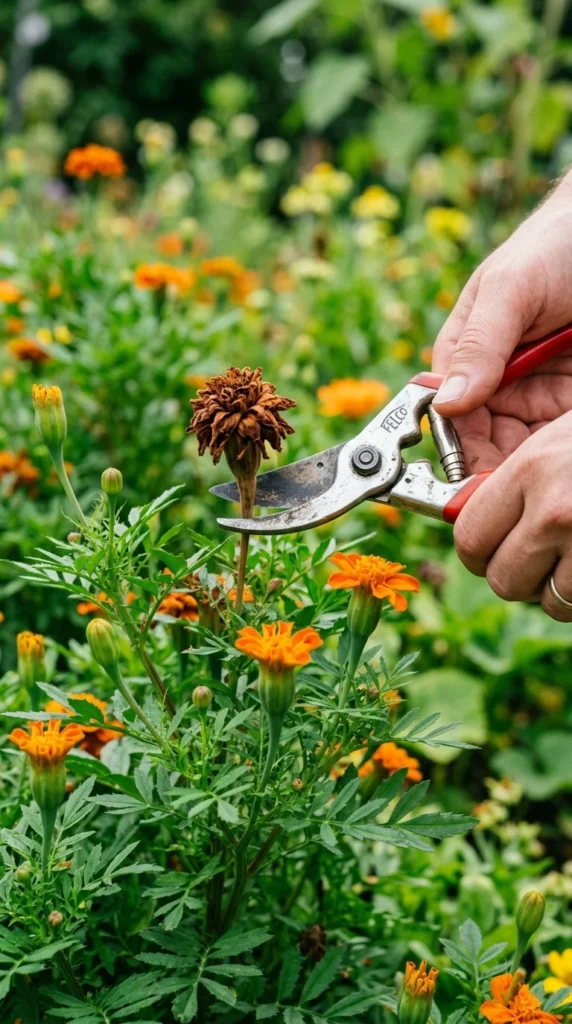
Deadheading is the practice of removing spent blooms before they can set seed. For many flowering plants and herbs, the goal of their life cycle is to produce seeds. Once they achieve this, they often stop flowering. By routinely snipping off faded flowers, you “trick” the plant into continuing its blooming cycle, resulting in a much longer and more vibrant display. It also keeps the garden looking neat and prevents the plant from wasting energy on seed production.
5. Selective Pruning
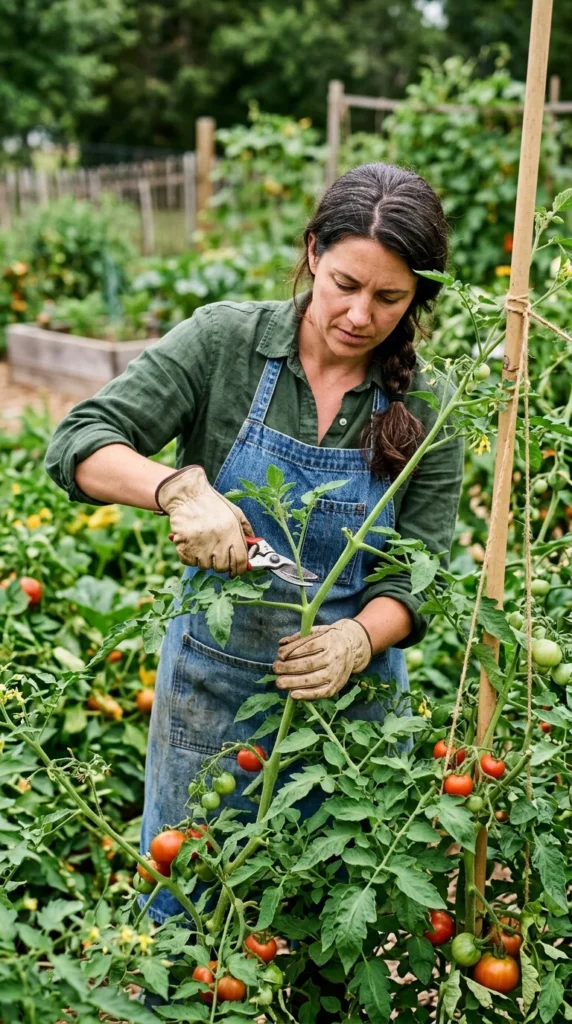
Pruning shouldn’t be a once-a-season event. Small, regular snips are much better for a plant’s health than a major hacking. Once a week, look for “the three Ds”: dead, damaged, or diseased wood. Removing these parts immediately prevents rot from spreading and allows the plant to redirect its nutrients to healthy, productive growth. Furthermore, thinning out dense interior foliage improves airflow, which is critical for preventing disease in humid climates.
6. Active Weeding
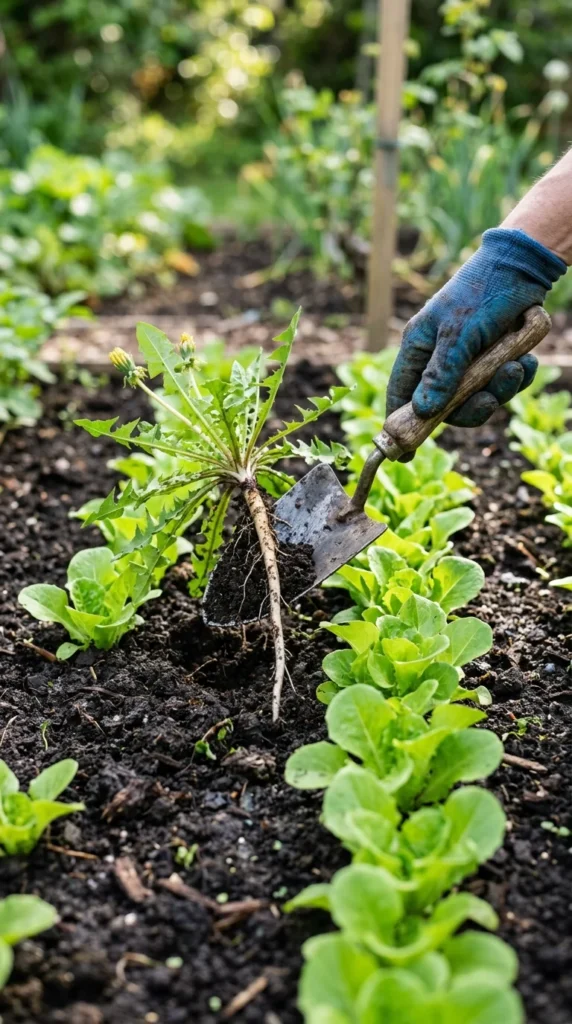
The best time to weed is when you don’t see many weeds. By spending five minutes a day scuffing the surface of the soil with a hoe or pulling tiny sprouts, you prevent the “weed explosion” that happens after a rain. Small weeds are easy to remove and haven’t yet competed with your plants for nutrients or water. Once a weed goes to seed, your job becomes ten times harder—so make “pulling five weeds a day” a mindless, helpful habit.
7. Soil Enrichment
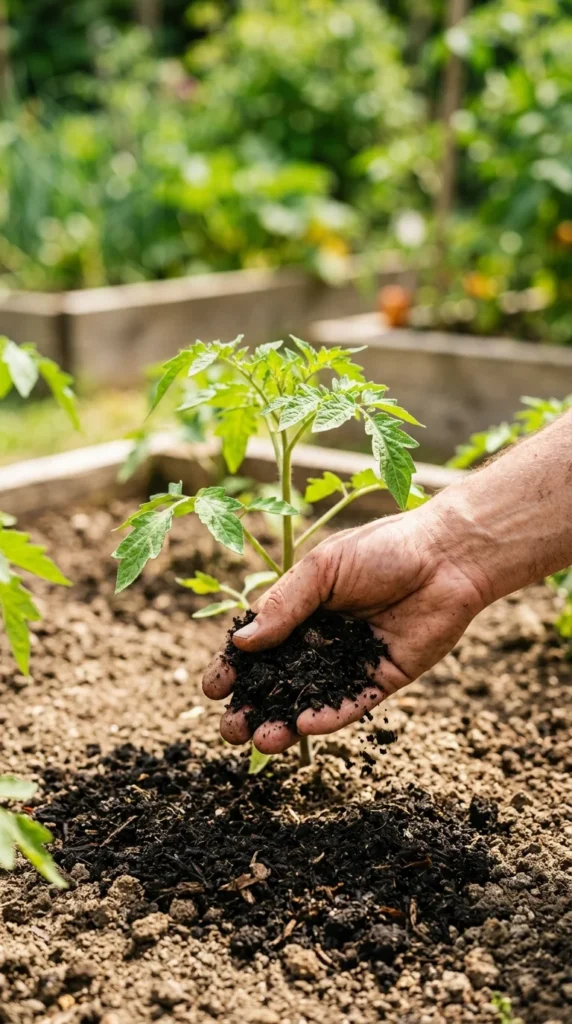
Healthy plants start with healthy soil. Instead of relying on harsh synthetic fertilizers that can burn tender roots and kill soil life, develop a routine of “top-dressing.” Every few weeks, spread a thin layer of finished compost or aged manure around your heavy feeders like tomatoes, roses, and squash. This slow-release nutrition builds soil structure over time and ensures your plants have a steady buffet of micronutrients.
8. Bug Patrol
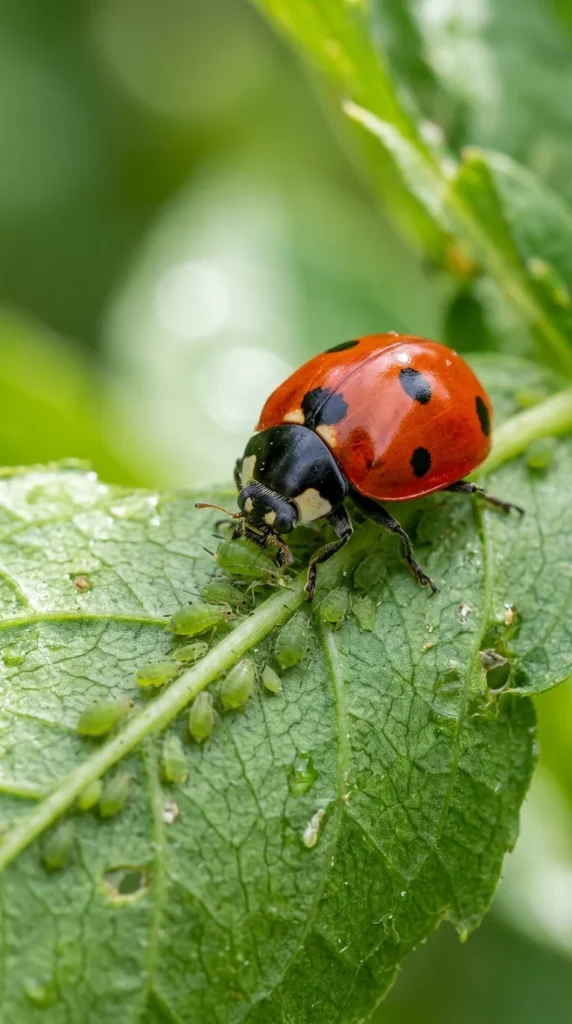
Insects are a natural part of the garden, but a routine check of the undersides of leaves can save your harvest. Many pests, like aphids or squash bug eggs, hide where you can’t easily see them. If you find a small colony of pests, you can often just blast them off with a jet of water or squish them by hand. Routine scouting also allows you to notice the “good guys”—the ladybugs and lacewings—so you can avoid using sprays that might harm your garden’s natural defenders.
9. Leaf Inspection

Diseases often whisper before they scream. A weekly inspection of your plants’ leaves can reveal the early signs of stress. Look for spotting, rust-colored bumps, or fuzzy white coatings. If you spot a diseased leaf early, you can often just snip it off and dispose of it (away from the compost pile) to stop the spread. This routine prevents a small fungal issue from becoming a garden-wide epidemic.
10. Vertical Support
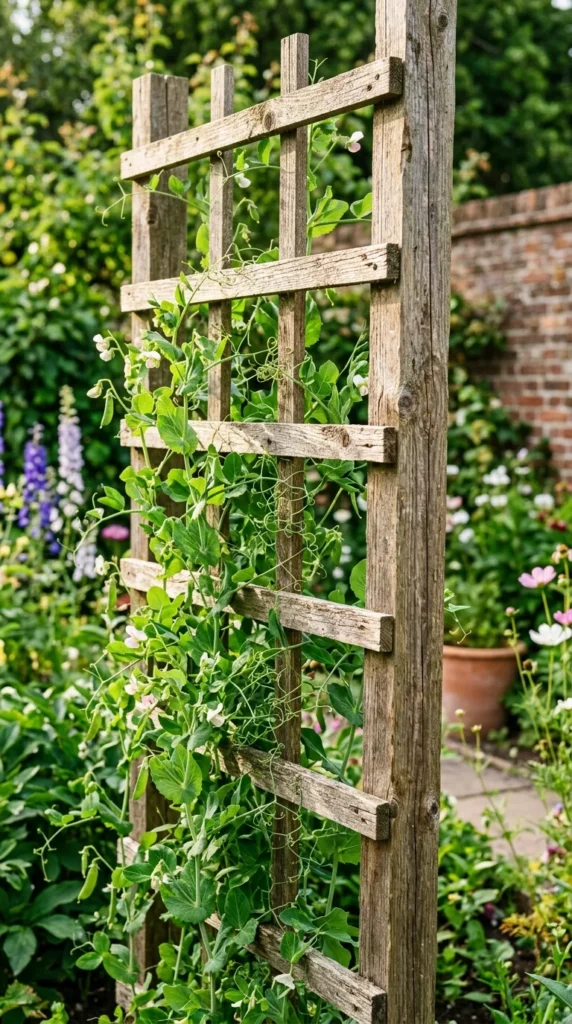
Plants that sprawl on the ground are more susceptible to rot and pests. As part of your routine, check on your climbers. Gently tie growing stems to stakes, cages, or trellises using soft twine or fabric strips. Ensuring your plants are growing upward rather than outward saves space, keeps the fruit off the dirt, and makes it much easier to spot pests and diseases.
11. Tool Cleaning
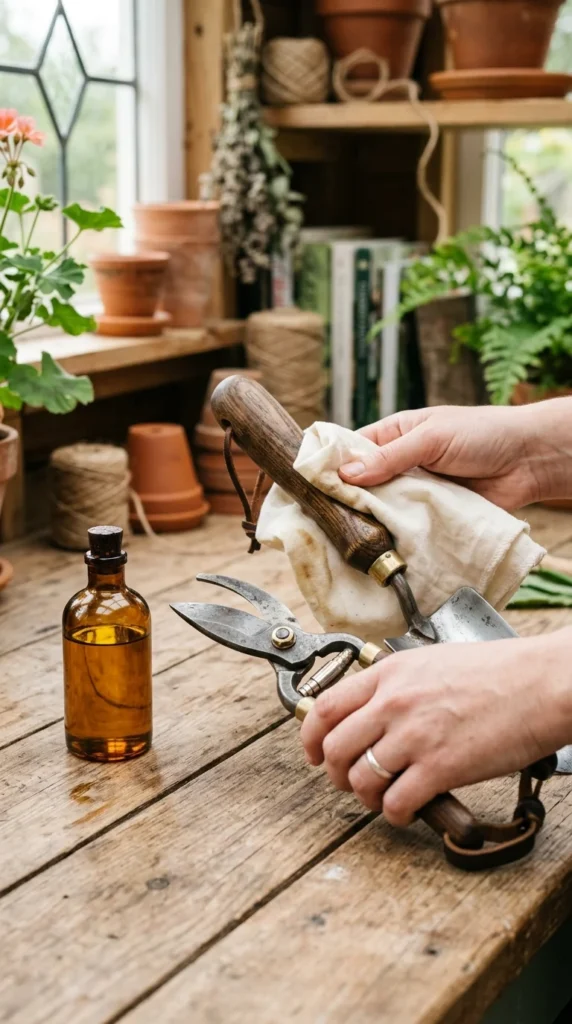
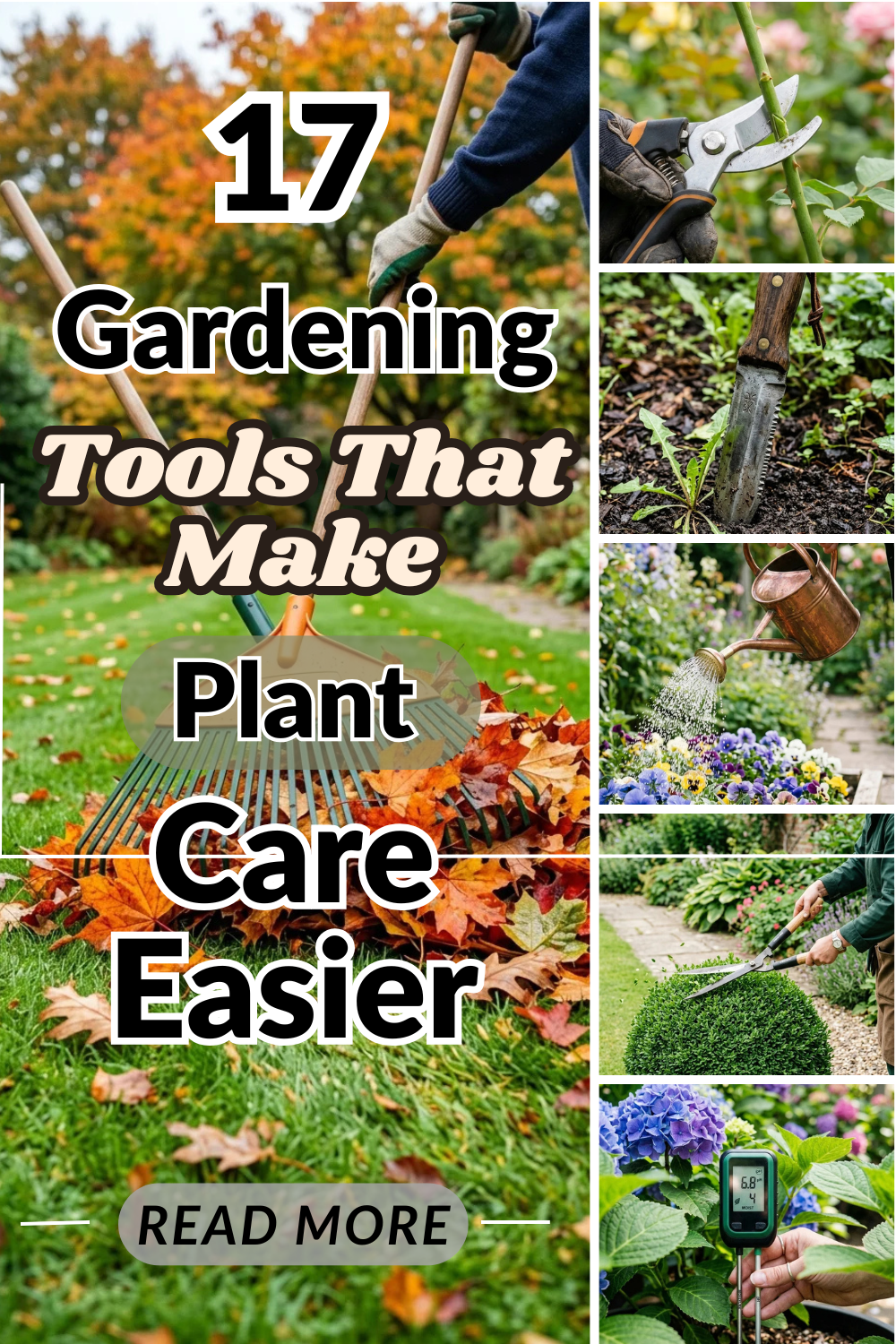
Your tools are extensions of your hands. Dirty, dull tools can tear plant tissues and spread bacteria from one plant to another. Make it a habit to wipe down your shears and trowels after every use. Once a month, give them a deeper clean with a bit of soapy water and a rub of oil to prevent rust. Sharp tools make cleaner cuts, which heal faster and keep your plants’ immune systems strong.
12. Compost Feeding
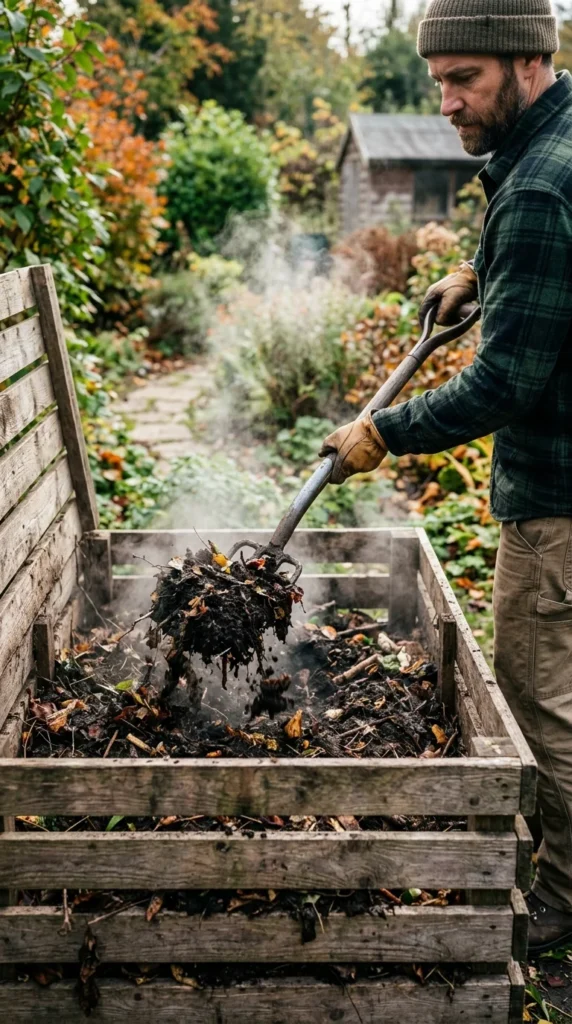
If you have a garden, you should have a compost pile. A simple weekly routine of “feeding” your compost with kitchen scraps and yard waste—and then giving it a quick turn with a pitchfork—accelerates the decomposition process. This turns your waste into “black gold.” Tending your compost ensures you have a constant, free supply of the best fertilizer on earth.
13. Soil Aeration
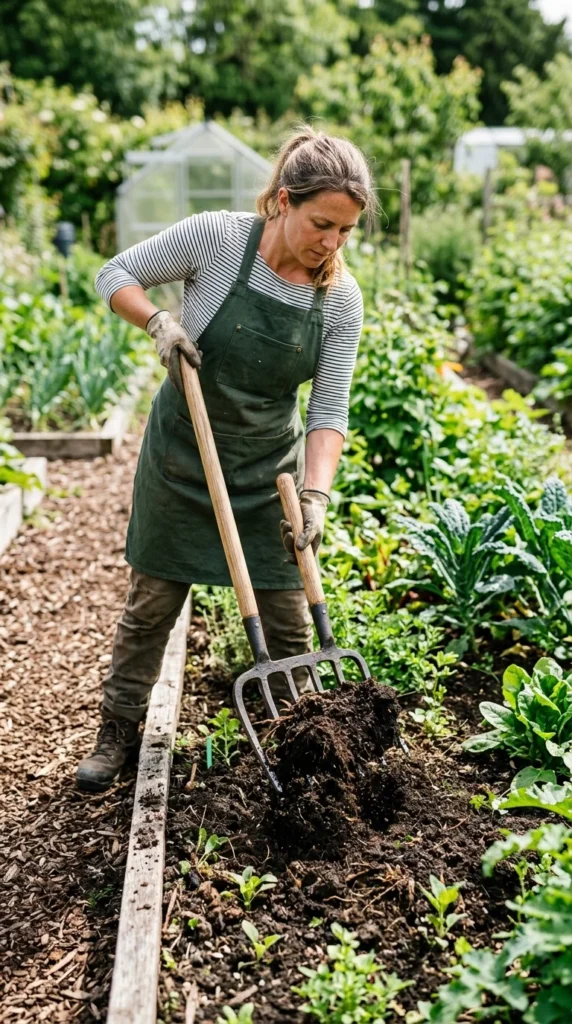
Over time, garden soil can become compacted, especially if it’s stepped on. Compressed soil lacks the oxygen pockets that roots need to breathe. Routine aeration doesn’t mean deep tilling, which can disrupt fungal networks. Instead, use a garden fork to gently poke holes or slightly lift the soil around your plants. This allows water and air to penetrate deeper, resulting in much more vigorous growth.
14. Thinning Growth
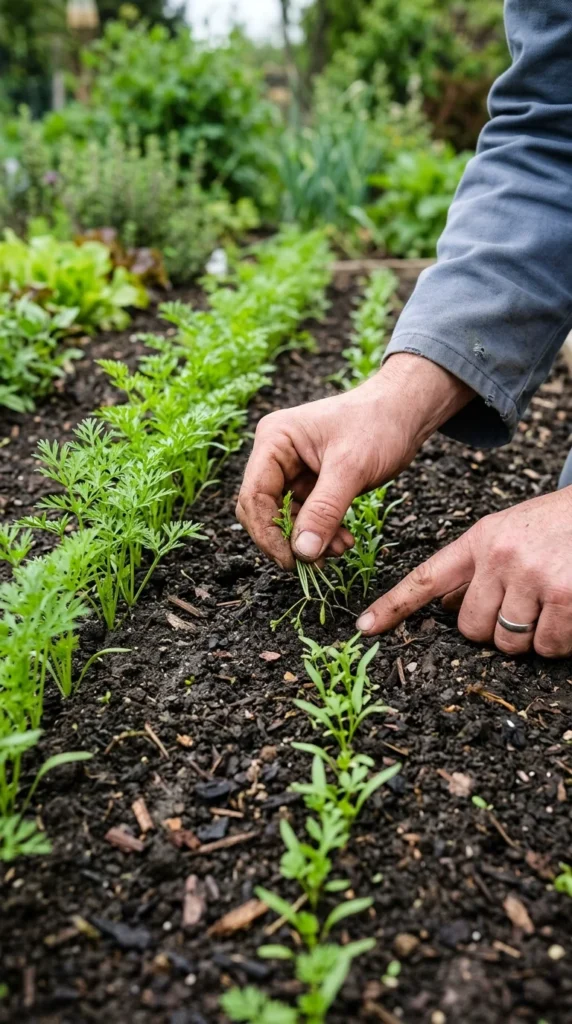
It can be painful to pull out perfectly healthy seedlings, but thinning is essential. If plants are crowded, they will be stunted and prone to disease. Make it a routine to check your seeded rows and remove the weakest ones to give the strongest plants room to reach their full potential. This “tough love” ensures that the remaining plants have access to all the light and nutrients they need.
15. Regular Harvesting
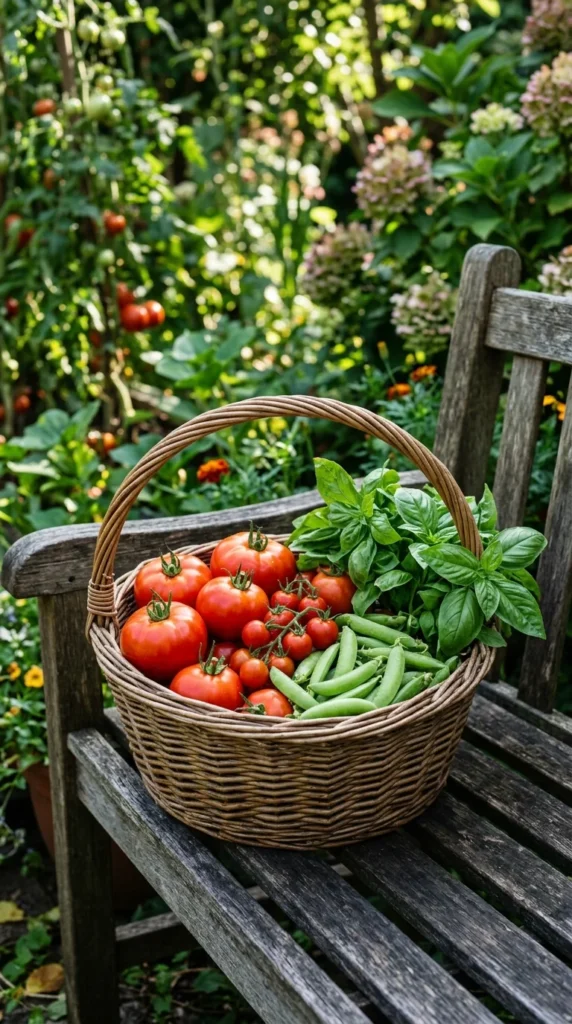
For many vegetables, harvesting is actually a growth stimulant. Plants like beans, zucchini, and cucumbers will stop producing if the fruit gets too large and the seeds mature. By routinely picking your produce at its peak, you signal to the plant to keep producing more. It’s a beautiful cycle: the more you harvest, the more the garden gives back.
16. Wildlife Encouragement
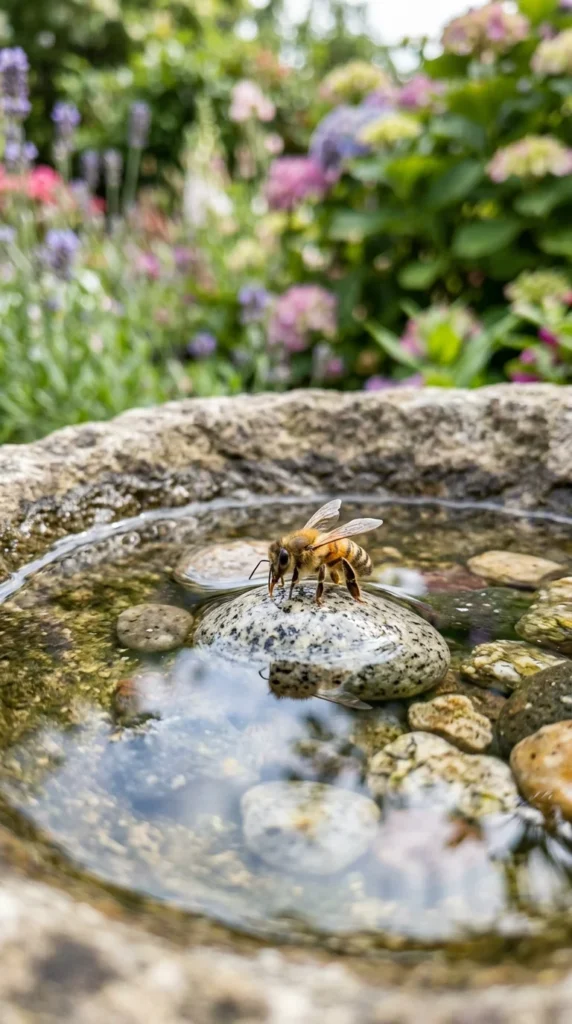
A healthy garden is a busy garden. Create a routine of maintaining habitats for beneficial wildlife. Refill birdbaths with fresh water, plant small patches of wildflowers to attract pollinators, and leave a few “wild” corners for ground beetles. When you encourage a diverse ecosystem, the birds and predatory insects do much of the pest control work for you.
17. Garden Journaling

Memory is a gardener’s most unreliable tool. Establishing a routine of jotting down a few notes every week can be transformative. Note when the first frost occurred, which variety of tomato tasted the best, or when the aphids first appeared. Over the years, these records become a personalized manual for your specific microclimate, helping you avoid past mistakes and repeat your greatest successes.
18. Evening Prep
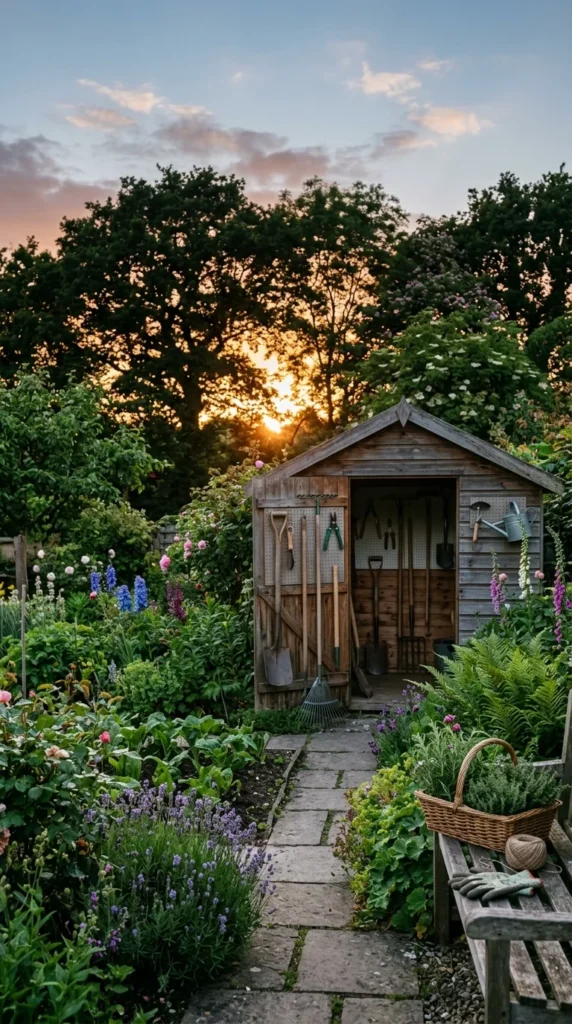
End your gardening day by preparing for the next. This simple routine involves putting tools away, coiling the hose so it doesn’t kink, and perhaps laying out a few supplies for tomorrow’s project. Walking away from an orderly garden provides a sense of closure and makes it much more inviting to return the next morning. It’s the final rhythmic beat in the cycle of a healthy, happy garden.